Reaching age 50 brings physiological changes that significantly increase the risk of periodontal infections. Gum disease at this stage is primarily driven by cumulative bacterial exposure, reduced salivary flow, hormonal shifts, and age-related immune decline, requiring specialized clinical management to prevent irreversible bone and tooth loss.
Clinical Summary:
Periodontal disease prevalence accelerates dramatically after the fifth decade of life due to a complex interplay of localized and systemic factors. As patients age, cellular turnover slows, and the gingival tissue’s inherent ability to repair itself diminishes. Concurrently, polypharmacy often induces salivary gland hypofunction, stripping the oral cavity of its natural antimicrobial defenses. Hormonal fluctuations, particularly estrogen depletion during menopause, further compromise alveolar bone density, accelerating clinical attachment loss. Effective management of gum disease at age 50 and beyond requires a paradigm shift from basic prophylaxis to advanced periodontal therapies, including deep scaling, laser-assisted decontamination, and rigorous, adapted home-care regimens to preserve the natural dentition and support overall systemic health.
Key Takeaways:
- Over 70% of adults aged 65 and older exhibit some form of periodontal disease, with risks sharply rising immediately after age 50.
- Medication-induced dry mouth (xerostomia) is a primary catalyst for accelerated plaque accumulation and gingival inflammation in older demographics.
- Menopausal estrogen depletion directly impacts alveolar bone density, increasing susceptibility to severe clinical attachment loss and tooth mobility.
- Age-related immune senescence reduces the body’s ability to fight off pathogenic oral bacteria, necessitating more frequent professional interventions.
- Adapting daily hygiene tools, such as utilizing electric toothbrushes and water irrigators, is critical to compensate for reduced manual dexterity.
Aging and Periodontal Health: The Statistics
Epidemiological data indicates a severe spike in periodontal disease prevalence among adults over 50, driven by cumulative tissue damage, systemic health changes, and prolonged exposure to oral pathogens.
The transition into the fifth decade of life marks a critical juncture for oral health. While tooth decay is often the primary concern in younger populations, periodontal disease becomes the leading cause of tooth loss as we age. The cumulative effect of decades of mechanical wear, dietary habits, and continuous exposure to bacterial biofilm begins to manifest clinically. Understanding the statistical landscape is crucial for recognizing the severity of this public health issue.
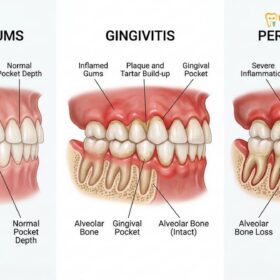
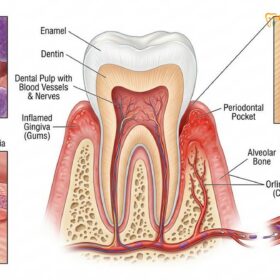
According to extensive epidemiological surveillance, the prevalence of both non-severe and severe periodontitis increases proportionally with age. By the time individuals reach their mid-fifties, the structural integrity of the periodontium—the specialized tissues that both surround and support the teeth—has often been compromised by chronic, low-grade inflammation. This demographic shift highlights the importance of identifying senile periodontitis risk factors early in the aging process to implement preventative clinical strategies [1].
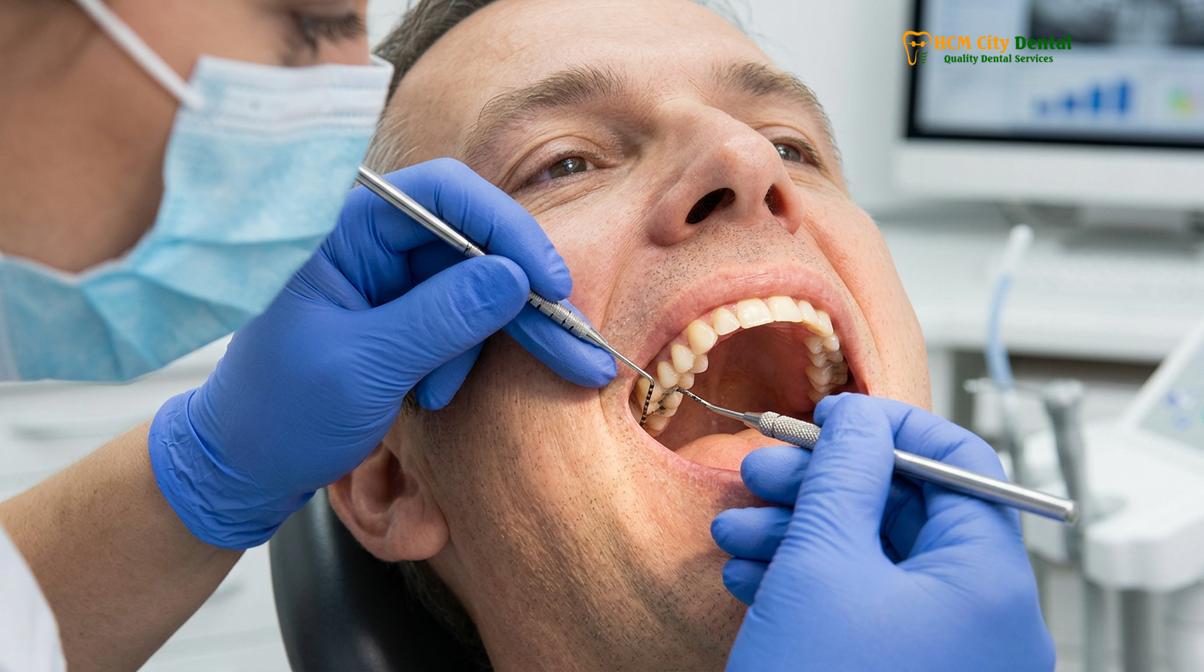
Clinical attachment loss (CAL) and periodontal probing depths (PPD) are the primary metrics used by dental professionals to quantify disease severity. In younger adults, a probing depth of 1-3 millimeters is considered healthy. However, in populations over 50, it is increasingly common to observe depths exceeding 4-5 millimeters, indicating the presence of active periodontal pockets where anaerobic bacteria proliferate.
| Age Demographic | Mild/Moderate Periodontitis (%) | Severe Periodontitis (%) | Total Prevalence (%) |
|---|---|---|---|
| 30 – 44 Years | 25.3% | 4.1% | 29.4% |
| 45 – 64 Years | 35.6% | 10.4% | 46.0% |
| 65+ Years | 50.7% | 9.0% | 59.7% |
As illustrated in the clinical data, the jump in severe periodontitis between the 30-44 and 45-64 age brackets is substantial. This underscores the necessity for patients to transition from standard routine general dentistry check-ups to more specialized periodontal evaluations as they cross the age 50 threshold.
Why Gum Disease Risks Spikes After Age 50
The heightened risk of gum infections in your fifties stems from cellular aging, cumulative plaque exposure, and a natural decline in the immune system’s regenerative capacity.
The human body undergoes profound cellular and immunological changes as it ages, and the oral cavity is highly susceptible to these systemic shifts. One of the primary reasons gum disease risk spikes after age 50 is a phenomenon known as immune senescence. This refers to the gradual deterioration of the immune system, which reduces the body’s ability to mount a rapid and effective response against the pathogenic bacteria responsible for periodontal infections.
In a healthy, younger periodontium, the immune system maintains a delicate balance, neutralizing bacteria before they can cause deep tissue destruction. However, as immune efficiency wanes, highly virulent Gram-negative anaerobic bacteria—such as Porphyromonas gingivalis and Treponema denticola—are able to colonize the subgingival environment more aggressively. This shift in the oral microbiome triggers a hyper-inflammatory response. Paradoxically, it is often the body’s own exaggerated inflammatory response, releasing enzymes like matrix metalloproteinases, that causes the most significant destruction to the gingival connective tissue and alveolar bone.
“The aging periodontium exhibits a decreased rate of cellular proliferation and a reduction in the vascularity of the gingival tissues. This physiological decline means that when tissue damage occurs from bacterial toxins, the healing and regenerative processes are significantly delayed compared to younger cohorts.”
Furthermore, the physical characteristics of the gums change. The gingival epithelium tends to thin, and there is a reduction in the density of collagen fibers within the connective tissue. This structural weakening makes the gums more vulnerable to mechanical trauma from aggressive brushing and more susceptible to bacterial penetration. For patients noticing early signs of tissue degradation, seeking professional deep cleaning (scaling and root planing) is the first line of clinical defense to disrupt the biofilm and halt disease progression.
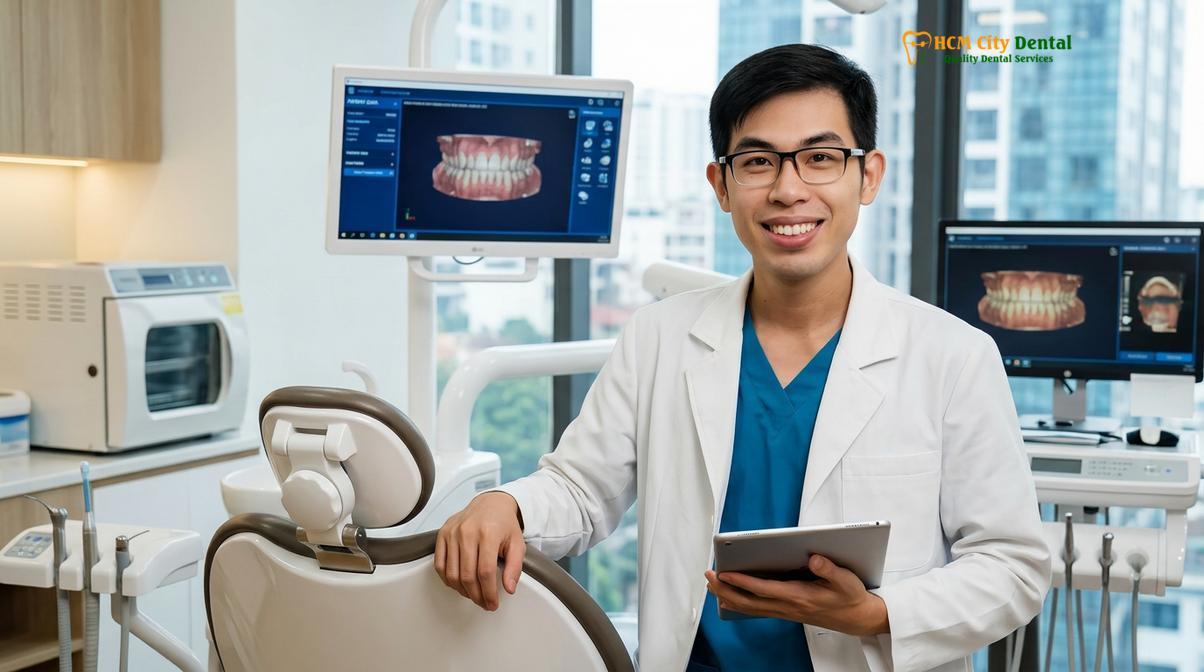
Dr. Nguyen Van Cuong, a leading specialist at HCMC Dental Clinic, frequently emphasizes to his older patients that protecting senior dental health requires a proactive rather than reactive approach. Waiting for symptoms like pain or severe mobility often means the disease has already reached an advanced, irreversible stage.
Dry Mouth (Xerostomia) and Medication Side Effects
Prescription medications commonly taken by older adults frequently reduce saliva production, eliminating the mouth’s primary defense against plaque-causing bacteria and accelerating tissue decay.
By the age of 50, many individuals begin taking one or more daily prescription medications to manage chronic systemic conditions such as hypertension, hypercholesterolemia, cardiovascular disease, or depression. While these medications are vital for overall health, a vast majority of them share a common and highly detrimental oral side effect: xerostomia, clinically known as dry mouth.
Saliva is not merely water; it is a complex biological fluid essential for maintaining oral homeostasis. It contains antimicrobial enzymes like lysozyme and lactoferrin, immunoglobulins (IgA) that target specific pathogens, and critical buffering agents (bicarbonates) that neutralize the acidic byproducts of bacterial metabolism. When salivary flow is reduced, the oral cavity loses its primary self-cleansing and protective mechanism [2].
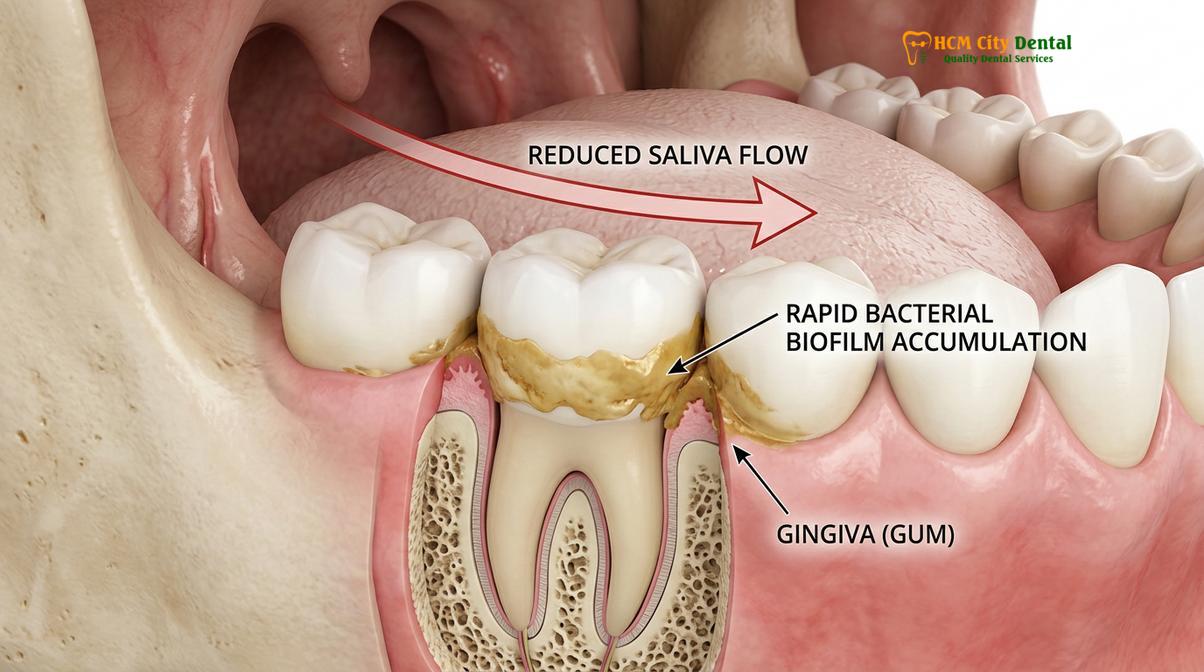
The clinical consequences of dry mouth xerostomia gum decay are rapid and severe. Without adequate saliva to wash away food debris and dilute bacterial toxins, plaque biofilm matures at an accelerated rate. This thick, sticky biofilm adheres stubbornly to the cervical margins of the teeth and quickly calcifies into calculus (tartar). The presence of calculus acts as a porous reservoir for even more bacteria, driving inflammation deep into the periodontal pockets.
Clinical Warning: Do not discontinue prescribed medications without consulting your physician. If you experience chronic dry mouth, inform your dentist immediately. They can prescribe specialized salivary substitutes, high-concentration fluoride treatments, and antimicrobial rinses to mitigate the risk of rapid periodontal breakdown.
Furthermore, the lack of saliva significantly alters the pH of the mouth, creating an acidic environment that favors the growth of both cariogenic (cavity-causing) and periodontopathic bacteria. This dual threat often results in root caries—decay occurring on the exposed root surfaces of the teeth—which frequently accompanies gingival recession in older adults. Patients suffering from xerostomia also frequently report chronic bad breath, as the volatile sulfur compounds produced by anaerobic bacteria are no longer effectively flushed away by salivary flow.
Hormonal Changes: Menopause and Osteoporosis Links
The sharp decline in estrogen during menopause accelerates bone density loss, directly weakening the alveolar bone that anchors teeth and supporting gingival tissues.
For women, the transition through menopause—typically occurring around age 50—introduces profound hormonal fluctuations that have a direct and measurable impact on periodontal health. The most significant of these changes is the dramatic reduction in estrogen production. Estrogen plays a crucial role in maintaining bone mineral density throughout the body, including the maxilla and mandible (the upper and lower jawbones).
When estrogen levels plummet, the delicate balance between osteoblasts (cells that build bone) and osteoclasts (cells that resorb bone) is disrupted. Osteoclastic activity becomes dominant, leading to a systemic reduction in bone mass, a condition known as osteopenia or, in more severe cases, osteoporosis. In the oral cavity, this manifests as a thinning of the alveolar bone—the specific ridge of bone that houses the tooth sockets [3].
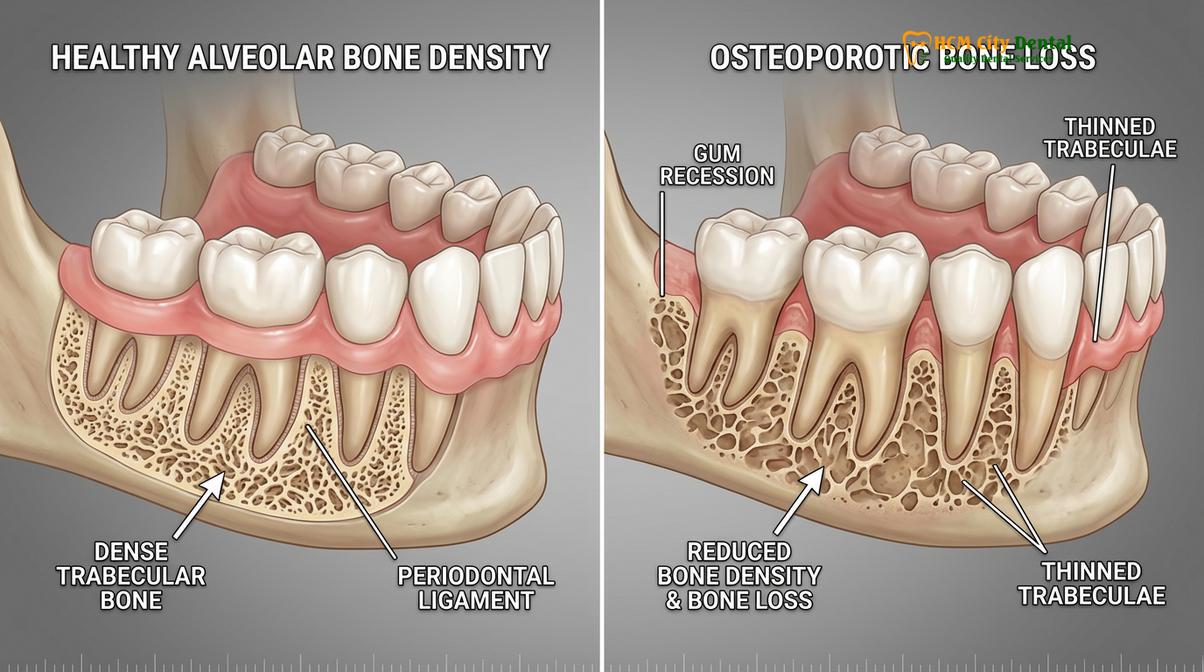
The clinical link between menopause and gum bleeding is well-documented. As the underlying bone weakens, the overlying gingival tissues lose their structural support. If periodontal bacteria are present, the rate of bone destruction is exponentially faster in an osteoporotic jaw than in a healthy one. The bacteria trigger an inflammatory response that further stimulates bone resorption, creating a vicious cycle of tissue loss.
Clinical Case Review:
A 54-year-old female patient presented at HCMC Dental Clinic in Ho Chi Minh City complaining of increased tooth mobility and generalized gingival tenderness. Medical history revealed recent onset of menopause and a diagnosis of osteopenia. Clinical examination by Dr. Nguyen Van Cuong revealed deep periodontal pockets (6-7mm) and significant radiographic alveolar bone loss. The treatment protocol involved immediate mechanical debridement followed by osseous gum flap surgery to access and clean the deep root surfaces, combined with a referral to her endocrinologist to manage the systemic bone density issues. The multidisciplinary approach successfully stabilized her dentition.
Additionally, hormonal shifts can alter the microvascular structure of the gums, making them more reactive to even minor amounts of plaque. This condition, sometimes referred to as menopausal gingivostomatitis, causes the gums to appear abnormally pale, dry, and shiny, or conversely, highly erythematous (red) and prone to bleeding. Patients experiencing localized swollen gums during this life stage require meticulous clinical evaluation to differentiate between plaque-induced gingivitis and hormonally exacerbated periodontal breakdown.
Adapting Your Hygiene Routine for Aging Hands and Gums
Modifying daily oral care with ergonomic tools and specialized interdental aids is essential to overcome age-related dexterity challenges and maintain gingival health.
As individuals age, physical conditions such as osteoarthritis, rheumatoid arthritis, or general reductions in manual dexterity can make traditional oral hygiene practices difficult and less effective. The fine motor skills required to properly manipulate manual dental floss or execute the precise angles of the modified Bass brushing technique may become compromised. Consequently, plaque removal becomes inadequate, particularly in the hard-to-reach posterior regions of the mouth and the interproximal spaces between the teeth.
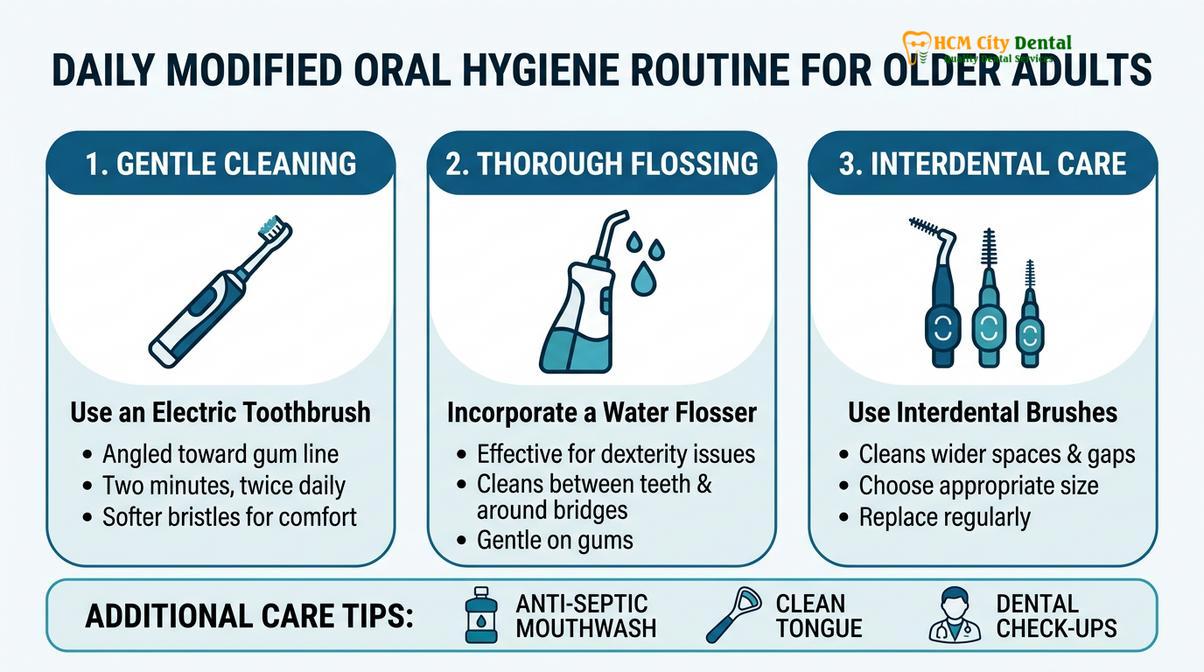
To combat this, adapting the daily hygiene routine is a clinical necessity. Dental professionals strongly advocate for the transition from manual to powered (electric or sonic) toothbrushes for patients over 50. Powered toothbrushes feature larger, more ergonomic handles that are easier to grip, and the oscillating-rotating or sonic vibrating heads perform the mechanical plaque disruption automatically, requiring significantly less manual effort from the user [4].
“Effective mechanical plaque control is the cornerstone of periodontal stability. When manual dexterity declines, the integration of automated devices such as sonic toothbrushes and oral irrigators is not merely a convenience, but a clinical imperative to prevent the resurgence of pathogenic biofilm.”
Interdental cleaning must also be adapted. Traditional string floss can be replaced with interdental brushes (proxy brushes), which come in various sizes to fit the specific embrasure spaces between teeth. These brushes are highly effective at cleaning concave root surfaces where traditional floss often fails. Additionally, water flossers (oral irrigators) utilize a pulsating stream of water to flush out unattached plaque and food debris from deep periodontal pockets, making them an excellent adjunct therapy for older adults.
For patients who have already experienced significant attachment loss, maintaining hygiene at home is not enough. They must adhere to a strict schedule of Supportive Periodontal Therapy (SPT), which involves professional maintenance visits every 3 to 4 months. During these visits, advanced modalities such as advanced laser gum treatment may be utilized to gently decontaminate the pockets and stimulate tissue reattachment without the need for invasive surgery.
Preventing Tooth Loss and Supporting Nutrition in Later Years
Preserving natural teeth through proactive periodontal care ensures proper mastication, which is vital for optimal nutrient absorption and overall systemic health in older adults.
The ultimate goal of managing gum disease at age 50 and beyond is the preservation of the natural dentition. Tooth loss is not an inevitable part of aging; it is the end-stage result of untreated dental disease. The retention of natural teeth is critically linked to an individual’s quality of life, particularly concerning nutrition and systemic health.
When teeth are lost due to advanced periodontitis, masticatory (chewing) efficiency is severely compromised. Older adults with missing teeth or painful, mobile teeth often alter their diets unconsciously. They tend to avoid fibrous, nutrient-dense foods such as raw vegetables, fresh fruits, and lean proteins, opting instead for softer, highly processed foods that are easier to chew but often higher in refined carbohydrates and lower in essential vitamins. This dietary shift can lead to malnutrition, exacerbating systemic conditions like diabetes and cardiovascular disease, and further weakening the immune system [5].
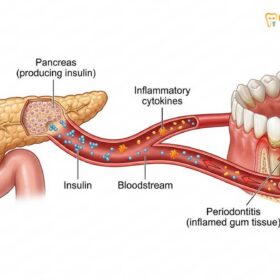
Furthermore, chronic periodontal infection acts as a constant source of systemic inflammation. The bacteria responsible for gum disease can enter the bloodstream through ulcerated gingival tissues, contributing to the formation of arterial plaques and complicating glycemic control in diabetic patients. Addressing aesthetic and functional concerns, such as treating black gums (gingival hyperpigmentation) or managing severe recession, is part of a holistic approach to senior dental care.
By seeking comprehensive periodontal therapies, patients can halt the progression of bone loss, stabilize their bite, and ensure they can continue to consume a balanced, healthy diet well into their senior years.
When to See a Doctor (Clinical Considerations)
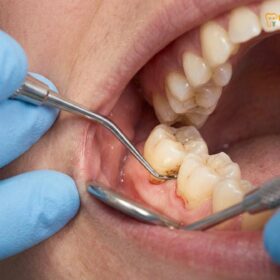
Periodontal disease is notoriously “silent” in its early stages, often presenting without significant pain until irreversible damage has occurred. Adults over 50 should seek immediate clinical evaluation if they experience any of the following warning signs:
- Persistent Gingival Bleeding: Gums that bleed during brushing, flossing, or eating are never normal and indicate active ulceration of the pocket lining.
- Gingival Recession: Teeth appearing longer or the exposure of yellowish root surfaces, which increases sensitivity and the risk of root caries.
- Tooth Mobility: Any noticeable shifting, loosening, or changes in the way the upper and lower teeth fit together (occlusion).
- Purulent Exudate: The presence of pus between the teeth and gums when pressure is applied, indicating a severe, acute bacterial infection.
At HCMC Dental Clinic in Ho Chi Minh City, comprehensive diagnostic protocols—including full-mouth periodontal charting and digital volumetric tomography—are utilized to assess the exact extent of bone loss and formulate a personalized, evidence-based treatment plan.
Frequently Asked Questions
Why am I getting gum disease now that I am older?
Gum disease risk increases with age due to cumulative bacterial plaque exposure, a natural decline in immune system efficiency, and slower cellular regeneration. Additionally, age-related factors such as medication-induced dry mouth and hormonal shifts create an environment where periodontal pathogens can thrive more easily than in younger years. Decades of minor mechanical trauma and dietary habits also contribute to the gradual weakening of the periodontium.
Does menopause affect gum health?
Yes, the sharp decline in estrogen levels during menopause significantly impacts gum health. Estrogen deficiency reduces bone mineral density in the jaw and alters the microvascular structure of the gingiva, making the tissues more susceptible to inflammation, bleeding, and accelerated clinical attachment loss. Women may also experience menopausal gingivostomatitis, characterized by dry, shiny, and highly sensitive gum tissues.
Can dry mouth cause gum infection?
Absolutely. Saliva is the mouth’s primary defense mechanism, containing essential antimicrobial enzymes and buffering agents that neutralize bacterial acids. When dry mouth occurs—often due to prescription medications—plaque biofilm matures rapidly, significantly increasing the risk of severe gingival inflammation and deep periodontal infections. The lack of salivary flow also accelerates the calcification of plaque into tartar.
How do seniors prevent receding gums?
Seniors can prevent receding gums by adopting a meticulous, low-abrasion oral hygiene routine using soft-bristled or electric toothbrushes and interdental aids. Regular professional scaling, managing systemic conditions like diabetes, and avoiding tobacco are also critical clinical steps to halt gingival recession and preserve tissue architecture. Avoiding highly abrasive whitening toothpastes is also recommended to protect exposed root surfaces.
What is the link between osteoporosis and tooth loss?
Osteoporosis reduces the overall density of the skeletal system, including the alveolar bone that anchors the teeth. When periodontal bacteria attack this already weakened bone, the rate of bone destruction accelerates dramatically, leading to increased tooth mobility and a much higher risk of eventual tooth loss. Managing systemic bone health is therefore a critical component of preserving the natural dentition in older adults.
References
- Journal of Periodontology. Age-related changes in the periodontium and their clinical implications. (2021).
- American Dental Association (ADA). The impact of xerostomia on periodontal health in older adults. (2020).
- Clinical Oral Investigations. Menopause, osteoporosis, and the progression of periodontal disease. (2019).
- International Journal of Dental Hygiene. Efficacy of powered toothbrushes in older adults with compromised dexterity. (2022).
- Journal of Clinical Periodontology. Systemic links between severe periodontitis and age-related morbidities. (2018).