Gum disease during pregnancy is a common inflammatory condition triggered by hormonal fluctuations, primarily elevated progesterone and estrogen. These changes exaggerate the body’s immune response to dental plaque, leading to swollen, bleeding gums and potentially increasing the risk of systemic complications like preterm birth.
Clinical Summary:
During gestation, profound endocrine shifts significantly alter the physiological environment of the oral cavity. The surge in maternal hormones increases vascular permeability in the gingival tissues and modifies the local immune response, making expectant mothers highly susceptible to plaque-induced inflammation. This condition, widely recognized in clinical practice, ranges from mild gingival bleeding to severe periodontitis. Evidence-based dentistry emphasizes that maintaining optimal oral hygiene and receiving professional gum treatment are not only safe but essential for mitigating systemic inflammatory burdens that could adversely affect fetal development. Comprehensive periodontal care during pregnancy requires a nuanced understanding of maternal physiology, precise timing of interventions, and tailored home-care strategies.
Key Takeaways:
- Hormonal surges, particularly progesterone, increase blood flow and capillary permeability in the gums, exaggerating the inflammatory response to plaque.
- Symptoms typically emerge between the second and eighth months of gestation, requiring proactive clinical monitoring.
- Severe, untreated periodontal disease is clinically associated with an increased risk of preterm birth and low birth weight due to systemic inflammatory markers.
- Routine dental cleanings and essential periodontal therapies are generally safe, with the second trimester being the optimal window for treatment.
- Adapting oral hygiene routines to manage morning sickness and acid erosion is critical for preserving enamel and gingival health.
Pregnancy Hormones and the Inflammatory Response in Gums
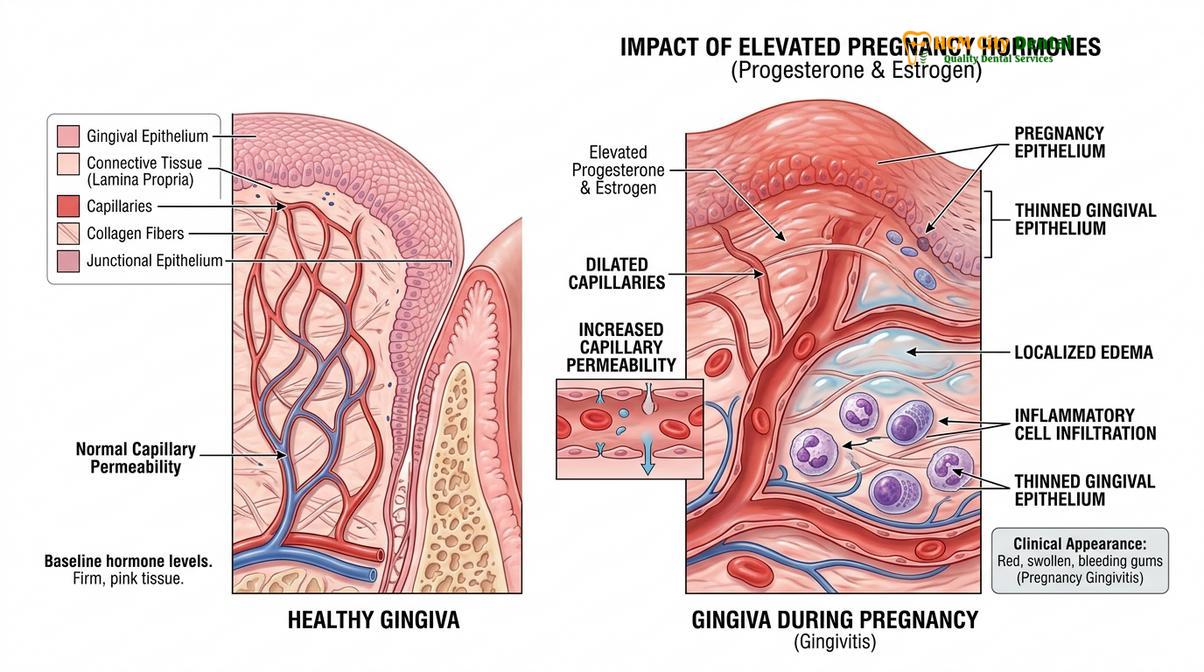
Elevated levels of estrogen and progesterone during pregnancy alter the microvascular network and immune response of the gums, causing an exaggerated inflammatory reaction to even minimal amounts of dental plaque.
The physiological transformation that occurs during pregnancy is driven by a massive surge in endocrine activity. While these hormonal changes are vital for fetal development, they have profound secondary effects on the oral cavity, particularly the periodontium. The gingival tissues are rich in estrogen and progesterone receptors, making them highly responsive to the fluctuating hormonal landscape of an expectant mother[1].
The Role of Progesterone in Vascular Permeability
Progesterone levels rise steadily throughout gestation, peaking in the third trimester. Clinically, progesterone acts as a potent vasodilator. It increases the permeability of the microvascular network within the gingival connective tissue. This heightened permeability allows fluids to leak into the extravascular spaces more readily, leading to the clinical presentation of edema (swelling) and erythema (redness). Because the capillaries are engorged and fragile, the gums become highly susceptible to mechanical trauma, explaining why many pregnant women experience bleeding simply from routine brushing or flossing.
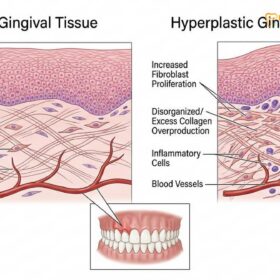
Furthermore, progesterone alters the rate and pattern of collagen production in the gums. It decreases the production of certain collagen types while increasing the degradation of others, effectively reducing the structural integrity of the gingival barrier. This compromised barrier makes it easier for bacterial endotoxins to penetrate the deeper periodontal tissues, initiating a robust inflammatory cascade.
Estrogen’s Impact on Cellular Proliferation
Estrogen, working in tandem with progesterone, influences cellular proliferation and the maturation of the gingival epithelium. Elevated estrogen levels can lead to a decrease in the keratinization of the gingival surface. Keratin acts as a protective shield against mechanical stress and bacterial invasion; a reduction in this layer further diminishes the tissue’s defensive capabilities. Additionally, estrogen modulates the local immune response, slightly suppressing certain aspects of cell-mediated immunity to prevent the maternal body from rejecting the fetus. This necessary systemic immunosuppression inadvertently alters how the body responds to the bacterial biofilm in the mouth.
Microbiome Shifts in the Oral Cavity
The hormonal influx does not merely affect the host tissues; it directly influences the oral microbiome. Clinical microbiological studies have demonstrated that certain gram-negative anaerobic bacteria, particularly Prevotella intermedia and Campylobacter rectus, thrive in a hormone-rich environment[2]. These specific pathogens can utilize estrogen and progesterone as substitutes for menadione (vitamin K), an essential growth factor. Consequently, the proportion of these highly virulent bacteria increases significantly in the subgingival plaque of pregnant women, shifting the microbial balance from a state of health to a state of disease-inducing dysbiosis.
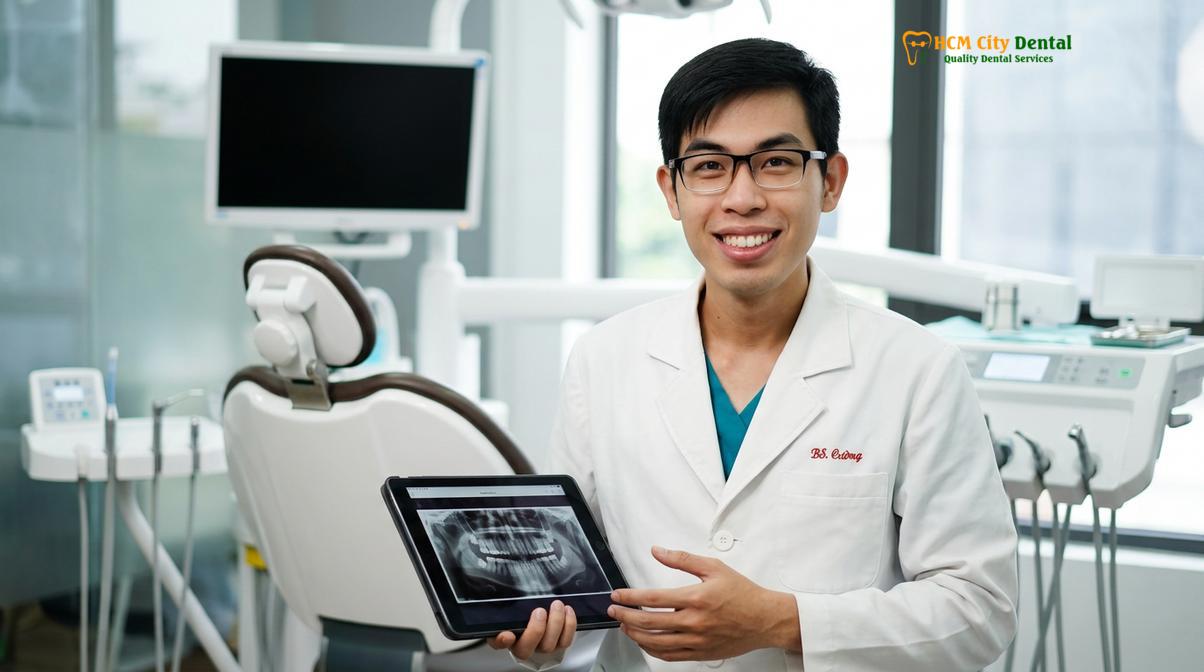
According to Dr. Nguyen Van Cuong, a leading specialist at HCMC Dental Clinic, understanding the precise timeline of these hormonal shifts allows clinicians to implement preventive prophylaxis before severe inflammation takes hold. By managing the bacterial load early, the exaggerated host response can be effectively mitigated.
What is ‘Pregnancy Gingivitis’ and When Does it Start?
Pregnancy gingivitis is a hormone-amplified inflammation of the gums that typically begins in the second month of gestation, peaks in the eighth month, and presents with swollen, tender, and easily bleeding tissues.
Gingivitis is the most common oral manifestation of pregnancy, affecting a significant majority of expectant mothers. It is clinically defined as an inflammatory condition of the gingiva induced by dental plaque, but severely exacerbated by endogenous steroid hormones. It is crucial to understand that hormones alone do not cause the disease; the presence of bacterial plaque is the primary etiological factor. The hormones simply amplify the tissue’s response to the plaque.
Timeline and Clinical Progression
The onset of this condition generally aligns with the initial surge of maternal hormones. Most patients begin to notice changes in their oral health between the second and third months of gestation. As hormone levels continue to climb, the severity of the inflammation typically increases, reaching its peak during the eighth month. Interestingly, the symptoms often plateau or slightly decrease in the ninth month as hormone levels begin to stabilize prior to delivery.
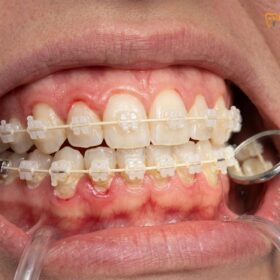
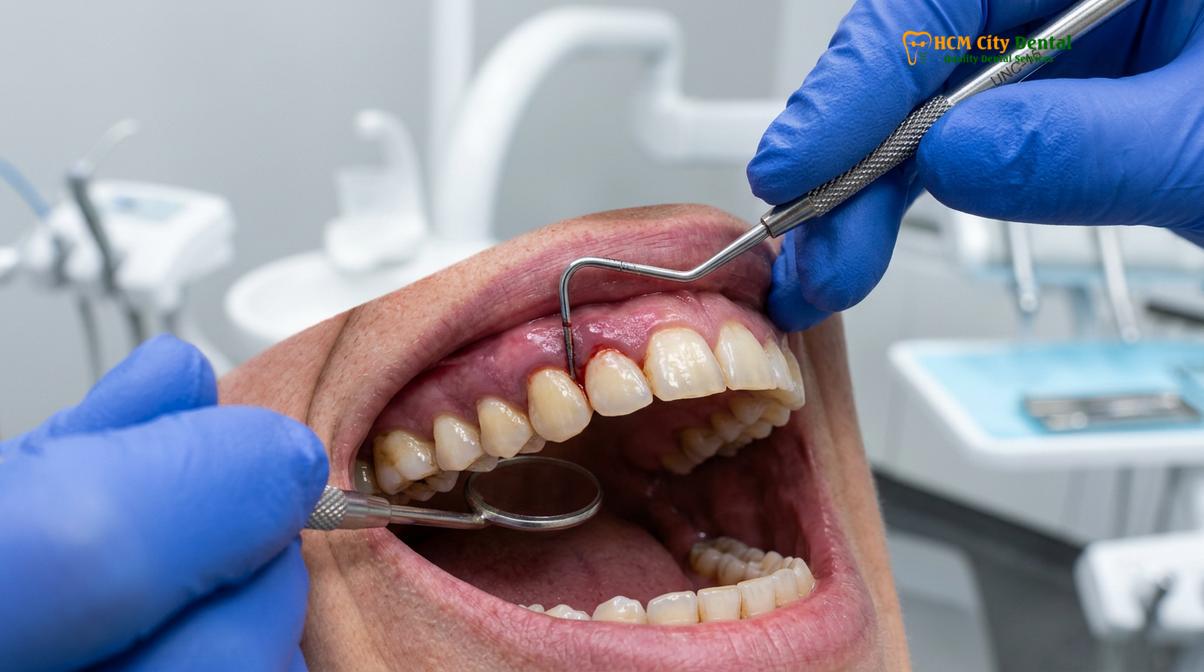
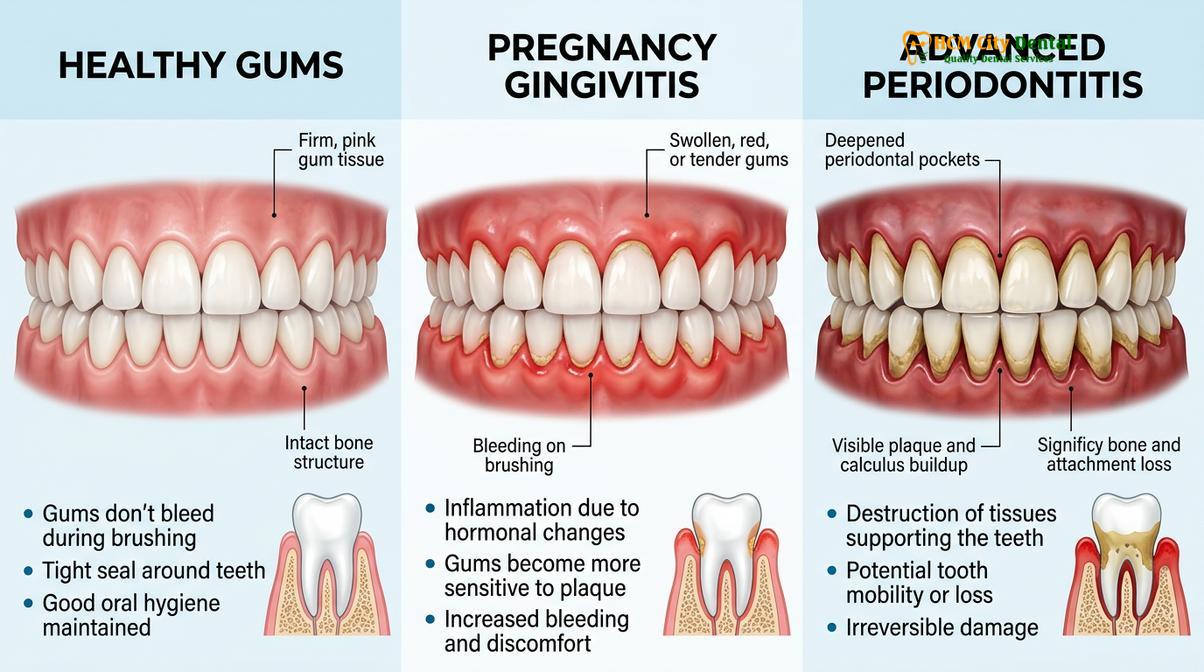
Recognizing early pregnancy gingivitis symptoms is vital for timely intervention. Patients frequently report that their gums feel unusually tender, look darker red or purplish, and appear noticeably swollen, particularly the interdental papillae (the triangle of gum tissue between the teeth). The hallmark sign is bleeding upon probing or during routine oral hygiene practices. Unlike healthy gums, which are firm and stippled, affected tissues appear glossy, smooth, and engorged with blood.
“The clinical presentation of gingival inflammation during gestation is often disproportionate to the amount of visible plaque present. A microscopic layer of biofilm that would normally cause negligible irritation can trigger a profound inflammatory response in a pregnant patient.”
Differentiating from Chronic Periodontitis
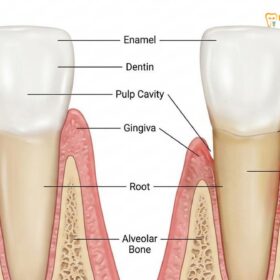
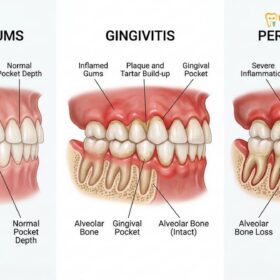
While gingivitis is restricted to the soft tissues and is entirely reversible with proper care, it can progress to periodontitis if left unmanaged. Periodontitis involves the irreversible destruction of the supporting alveolar bone and periodontal ligaments. During a clinical examination, a dentist will use a periodontal probe to measure the depth of the sulcus (the space between the tooth and the gum). In pregnancy gingivitis, these depths may increase due to tissue swelling (creating “pseudopockets”), but there is no actual loss of clinical attachment or bone. Accurate diagnosis through comprehensive General Dentistry evaluations is essential to ensure the correct treatment protocol is applied.
Pregnancy Tumors (Pyogenic Granulomas) on Gums
Pyogenic granulomas are benign, localized overgrowths of highly vascular gum tissue that develop in a small percentage of pregnant women due to intense, localized irritation and hormonal amplification.
In approximately 1% to 5% of pregnancies, the exaggerated inflammatory response manifests as a localized, tumor-like growth on the gingiva. Despite the alarming name “pregnancy tumor,” these lesions are entirely benign and are medically termed pyogenic granulomas. They are not true neoplasms (cancers) but rather an exuberant, hyperplastic tissue response to chronic irritation, such as calculus (tartar), overhanging dental restorations, or food impaction, combined with the hormonal milieu of pregnancy[3].
Histological Characteristics and Appearance
Clinically, a pyogenic granuloma presents as a distinct, exophytic (outward-growing) mass that is typically pedunculated (attached by a stalk) or sessile (broad-based). It most commonly arises from the interproximal gingiva, particularly in the maxillary (upper) anterior region. The lesion is highly vascular, giving it a deep red or purplish hue. Because it is composed of a dense proliferation of newly formed capillary blood vessels and inflammatory cells, the surface is often ulcerated, friable, and bleeds profusely upon the slightest provocation.
These growths can develop rapidly, sometimes reaching the size of a small grape. While generally painless, their size and location can interfere with mastication (chewing), speech, and routine oral hygiene. If the lesion becomes large enough to be traumatized by the opposing teeth during the bite cycle, it can cause significant discomfort and persistent bleeding.
Clinical Management and Resolution
The management of a pyogenic granuloma during pregnancy requires a conservative yet proactive approach. The primary step is the meticulous removal of the localized irritant. This involves professional scaling to remove plaque and calculus from the affected area. In many cases, eliminating the local irritant and improving the patient’s home care is sufficient to halt the growth of the lesion and reduce its size.
Surgical excision is generally deferred until after delivery, as these lesions frequently regress spontaneously once maternal hormone levels normalize postpartum. However, surgical intervention may be deemed necessary during pregnancy if the granuloma causes severe functional impairment, uncontrollable bleeding, or significant aesthetic distress. If excision is required, it is typically performed under local anesthesia using traditional scalpel techniques or advanced laser gum therapy, which offers the advantage of simultaneous tissue removal and hemostasis (bleeding control).
The Link Between Periodontitis and Preterm, Low Birth Weight
Severe periodontal disease can release systemic inflammatory markers and bacteria into the bloodstream, which may trigger premature uterine contractions and increase the risk of preterm birth and low birth weight.
The implications of oral health during gestation extend far beyond the confines of the mouth. Over the past two decades, extensive clinical research has investigated the systemic impact of chronic oral infections on maternal and fetal outcomes. The focal point of this research is the association between severe, untreated periodontitis and adverse pregnancy outcomes, specifically preterm birth (delivery before 37 weeks of gestation) and low birth weight (infants weighing less than 2,500 grams)[4].
The Inflammatory Cascade and Prostaglandins
The biological plausibility of this link centers on the systemic dissemination of oral bacteria and their byproducts, as well as the host’s inflammatory response. The periodontal pocket in a patient with severe gum disease acts as a chronic reservoir of gram-negative anaerobic bacteria. These bacteria continuously shed endotoxins, specifically lipopolysaccharides (LPS), into the highly vascularized, ulcerated gingival tissues, allowing them to enter the maternal bloodstream.
Once in the systemic circulation, these endotoxins travel to the liver, stimulating the production of acute-phase proteins like C-reactive protein (CRP). More critically, the endotoxins trigger the maternal immune system to release a cascade of pro-inflammatory cytokines, including Interleukin-1 beta (IL-1β), Interleukin-6 (IL-6), and Tumor Necrosis Factor-alpha (TNF-α). These cytokines can cross the placental barrier, reaching the amniotic fluid and fetal circulation.
Within the intrauterine environment, these inflammatory mediators stimulate the production of prostaglandins, particularly Prostaglandin E2 (PGE2). Prostaglandins play a crucial physiological role in the initiation of labor; they cause the cervix to ripen and dilate, and they induce uterine smooth muscle contractions. When the levels of PGE2 are artificially elevated due to systemic inflammation originating from the oral cavity, it can prematurely trigger the physiological mechanisms of labor, resulting in preterm birth.
Clinical Evidence and Risk Mitigation
While periodontal disease is not the sole cause of adverse pregnancy outcomes—factors such as maternal age, smoking, genetics, and prior medical history play massive roles—it is recognized as a significant, modifiable risk factor. Understanding the gum disease low birth weight risk underscores the necessity of comprehensive prenatal dental care. By actively managing periodontal inflammation through professional therapies, clinicians aim to reduce the systemic inflammatory burden, thereby supporting a healthier intrauterine environment.
| Clinical Feature | Pregnancy Gingivitis | Advanced Periodontitis |
|---|---|---|
| Tissue Involvement | Soft gingival tissue only | Gums, periodontal ligament, and alveolar bone |
| Bone Loss | None (Radiographically intact) | Progressive destruction of supporting bone |
| Systemic Risk | Low to moderate | High (Associated with systemic inflammation) |
| Reversibility | Fully reversible with proper care | Irreversible damage; requires disease management |
| Primary Treatment | Prophylaxis and improved home care | Scaling and root planing, possible surgical intervention |
Safety Guidelines: Which Dental Treatments are Safe While Pregnant?
Routine dental cleanings, diagnostic X-rays with proper shielding, and essential restorative treatments using local anesthesia are safe and highly recommended during pregnancy, particularly in the second trimester.
A common misconception among expectant mothers is that dental treatment should be avoided entirely until after delivery. This hesitation can lead to the neglect of progressive oral diseases, ultimately posing a greater risk to both mother and child than the treatments themselves. Major dental and obstetric organizations universally agree that preventive, diagnostic, and restorative dental care is safe throughout pregnancy[5].
Trimester-by-Trimester Considerations
While care can be provided at any time, clinical protocols are often tailored based on the stage of gestation to maximize patient comfort and minimize any theoretical risks.
- First Trimester (Weeks 1-12): This is the critical period of fetal organogenesis (organ formation). While routine cleanings and emergency care are safe, elective procedures are generally deferred. The primary focus during this phase is oral hygiene instruction, managing morning sickness, and assessing the patient’s baseline periodontal health.
- Second Trimester (Weeks 13-27): This is widely considered the optimal window for dental treatment. Fetal organ development is largely complete, and the mother has typically overcome the nausea of the first trimester but has not yet reached the physical discomfort of the third. It is the ideal time for completing essential restorative work and performing procedures like scaling and root planing to address active periodontal infections. Ensuring dental treatment safe second trimester protocols allows for comprehensive care without undue stress.
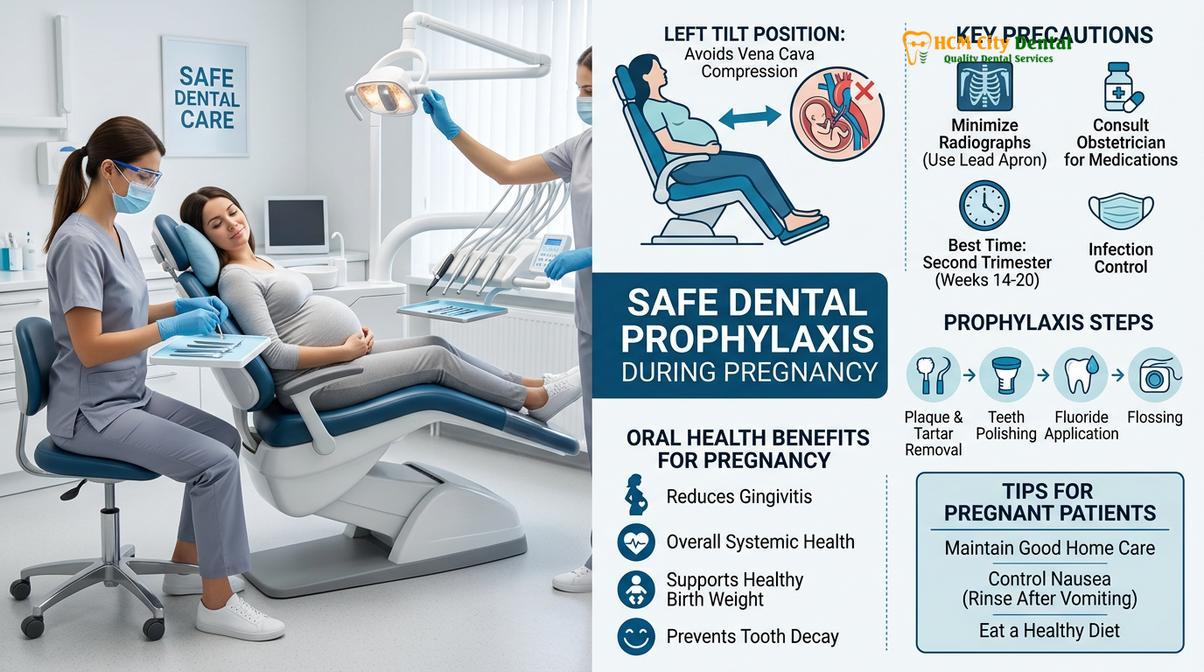
- Third Trimester (Weeks 28-40): Routine and emergency care remain safe, but patient positioning becomes a critical clinical consideration. As the uterus enlarges, lying flat on the back (supine position) can cause the weight of the fetus to compress the inferior vena cava, a major blood vessel returning blood to the heart. This can lead to supine hypotensive syndrome, characterized by a sudden drop in maternal blood pressure, dizziness, and decreased placental perfusion. To prevent this, dentists will position the patient in a semi-seated posture or place a small pillow under the right hip to tilt the patient slightly to the left, relieving pressure on the vena cava.
Clinical Precaution: While essential treatments are safe, purely elective or extensive surgical procedures (such as cosmetic smile makeovers or complex implant surgeries) should generally be postponed until after delivery to minimize unnecessary physiological stress and avoid complex pharmacological management.
Diagnostic Radiography and Pharmacological Safety
Diagnostic X-rays are an essential tool for identifying hidden decay, bone loss, and periapical infections. When necessary, dental radiographs are considered safe during pregnancy. The radiation exposure from modern digital dental X-rays is extremely low. Furthermore, the use of a leaded apron and a thyroid collar provides a physical barrier that effectively shields the abdomen and developing fetus from scatter radiation.
Regarding pain management, local anesthetics are frequently required to ensure patient comfort and prevent stress-induced physiological responses. Dr. Cuong emphasizes that while local anesthetics like lidocaine are generally considered safe, comprehensive fetal monitoring and obstetrician consultation remain paramount for complex cases. Lidocaine, often combined with a low concentration of epinephrine to prolong its effect and reduce systemic absorption, is classified as a Category B medication by pharmacological guidelines, indicating a strong safety profile for use during gestation. If antibiotics are required to manage an acute infection, medications such as penicillin, amoxicillin, and cephalosporins are generally safe, whereas tetracyclines must be strictly avoided due to their potential to cause permanent discoloration of the developing fetal teeth.
Tips for Managing Oral Care and Morning Sickness
Adapting daily oral hygiene routines to mitigate the effects of morning sickness and acid erosion is essential for protecting dental enamel and preventing the exacerbation of gingival inflammation.
Maintaining meticulous oral hygiene is the cornerstone of preventing and managing periodontal issues during gestation. However, the physical realities of pregnancy, particularly nausea, vomiting, and an exaggerated gag reflex, can make routine dental care challenging. Adapting to these challenges requires specific, evidence-based strategies.
Mitigating Acid Erosion (Perimylolysis)
Morning sickness, which can occur at any time of the day, introduces highly acidic gastric contents into the oral cavity. This stomach acid can rapidly demineralize and erode dental enamel, a condition known clinically as perimylolysis. The immediate instinct for many patients after vomiting is to brush their teeth to remove the taste and odor. However, brushing immediately after an acid exposure is highly detrimental. The acid softens the enamel, and the mechanical abrasion of the toothbrush can scrub away this weakened layer, leading to permanent enamel loss and severe tooth sensitivity.
Instead of brushing immediately, patients should be instructed to vigorously rinse their mouth with a neutralizing solution. A simple, highly effective rinse can be made by dissolving a teaspoon of baking soda (sodium bicarbonate) in a cup of water. This alkaline solution rapidly neutralizes the gastric acid, raising the oral pH back to a safe level. Patients should wait at least 30 to 60 minutes after vomiting before brushing their teeth, allowing the saliva time to naturally remineralize and harden the enamel surface.
Adapting Oral Hygiene Routines
For patients experiencing a severe gag reflex, which is common in the first trimester, modifying the brushing technique is necessary. Switching to a toothbrush with a compact, small head (such as a child’s toothbrush) can help navigate the posterior regions of the mouth without triggering the reflex. Additionally, using a toothpaste with a mild flavor, or even brushing with water alone followed by a fluoride mouthrinse, can be more tolerable than strongly flavored mint pastes.
Effective bleeding gums pregnant care also involves the diligent use of interdental cleaning aids. Flossing daily is non-negotiable, as a toothbrush cannot reach the interproximal spaces where plaque accumulation is most concentrated and where pregnancy gingivitis often originates. If traditional flossing is too difficult or induces bleeding that causes anxiety, water flossers can be an excellent adjunct, providing a gentle, pulsating stream of water to disrupt the bacterial biofilm and flush out debris.
Clinical Case Review: A patient in her second trimester visited HCMC Dental Clinic in Ho Chi Minh City presenting with severe, localized gingival bleeding and halitosis. Clinical examination revealed generalized pregnancy gingivitis exacerbated by heavy subgingival calculus. The patient was hesitant about treatment due to safety concerns. After a thorough consultation explaining the safety protocols, she underwent a comprehensive scaling and root planing procedure under local anesthesia. By her follow-up appointment two weeks later, the tissue erythema had resolved, bleeding on probing was eliminated, and the halitosis associated with periodontal pockets had completely subsided, ensuring a healthier environment for the remainder of her pregnancy.
When to See a Doctor
While mild gingival bleeding during brushing can be a common occurrence during gestation, certain clinical signs warrant immediate professional evaluation. Expectant mothers should not dismiss progressive oral symptoms as merely “part of being pregnant.” Early diagnostic intervention is critical to prevent localized infections from escalating into systemic concerns.
You should schedule an immediate consultation with a dental professional if you experience any of the following red flags:
- Spontaneous Bleeding: Gums that bleed heavily without any mechanical provocation (e.g., waking up with blood on the pillow).
- Severe, Localized Pain: Acute pain in a specific tooth or area of the gums, which may indicate an abscess or deep infection.
- Tooth Mobility: Any noticeable looseness or shifting of the teeth, suggesting advanced destruction of the supporting alveolar bone.
- Persistent Swelling: Localized swollen gums that do not resolve with improved home care, or swelling that extends to the face or neck.
- Systemic Symptoms: The presence of a fever, chills, or general malaise accompanying oral pain, which requires urgent medical and dental coordination.
“Proactive periodontal monitoring during pregnancy is not merely about preserving the dentition; it is a vital component of comprehensive prenatal care. Addressing oral infections promptly minimizes systemic inflammatory burdens, thereby supporting optimal maternal and fetal health outcomes.”
Frequently Asked Questions
Is it safe to get a dental deep cleaning while pregnant?
Yes, dental deep cleaning is generally considered safe and highly recommended during pregnancy. Professional scaling and root planing help remove the bacterial biofilm and calculus that drive severe inflammation, thereby reducing the risk of systemic complications and protecting both maternal and fetal health. The second trimester is typically the most comfortable time for this procedure.
Why do my gums bleed so much during pregnancy?
Bleeding gums during pregnancy are primarily caused by elevated levels of progesterone and estrogen. These hormones increase the permeability of gingival blood vessels and alter the immune system’s response to dental plaque, making the gum tissue highly sensitive, engorged, and prone to bleeding upon minor provocation like brushing or flossing.
Can gum disease affect my unborn baby?
Yes, severe untreated gum disease can potentially affect an unborn baby. Chronic periodontal inflammation releases systemic inflammatory markers and prostaglandins into the bloodstream, which clinical studies suggest may increase the risk of adverse outcomes such as preterm birth and low birth weight by prematurely triggering uterine contractions.
Can pregnant women get local anesthesia for dental work?
Yes, pregnant women can safely receive certain local anesthetics for necessary dental work. Lidocaine, often used with a low concentration of epinephrine, is classified as a Category B medication and is widely considered safe for use during pregnancy to ensure patient comfort and prevent stress during clinical procedures.
When should a pregnant woman see a dentist?
A pregnant woman should schedule a routine dental visit during her first trimester for a comprehensive evaluation, and ideally undergo any necessary cleanings or restorative work during the second trimester. Immediate consultation is required if severe pain, spontaneous bleeding, or tooth mobility occurs at any point during gestation.
References
- Journal of Clinical Periodontology. Periodontal disease and adverse pregnancy outcomes: a systematic review. (2020).
- American Dental Association. Oral health during pregnancy: clinical guidelines and safety protocols. (2021).
- Journal of Periodontology. Hormonal influences on the periodontium and shifts in the oral microbiome. (2019).
- International Journal of Dentistry. Clinical management of pyogenic granuloma in pregnant patients. (2022).
- European Federation of Periodontology. Systemic effects of periodontal inflammation on maternal health. (2018).