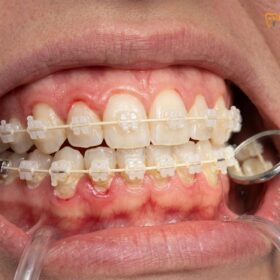
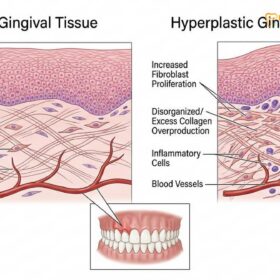
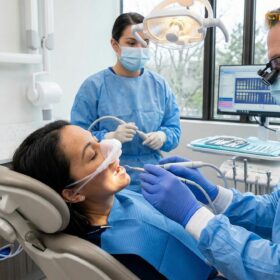
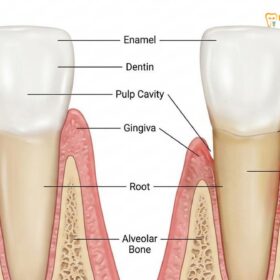
Combining gum treatment dental tourism allows international patients to receive world-class periodontal care—ranging from scaling and root planing to complex gum grafts—while recovering in a relaxing environment. This approach offers significant cost savings without compromising clinical excellence, utilizing advanced technologies like laser therapy and microsurgery.
Clinical Summary:
Dental tourism for periodontal care in Vietnam provides a strategic blend of advanced clinical treatments and structured recovery. Procedures such as deep cleaning, flap surgery, and gum grafting require specific travel timelines to ensure proper tissue healing and post-operative monitoring. By coordinating with specialists at HCMC Dental Clinic, international patients can safely manage their periodontal disease, benefit from modern laser-assisted therapies, and enjoy a seamless medical travel experience in Ho Chi Minh City. Comprehensive planning, including pre-travel virtual consultations and adherence to strict post-operative protocols, ensures optimal clinical outcomes and long-term gingival health.
Key Takeaways:
- Non-surgical deep cleaning (SRP) typically requires a 3 to 5-day stay for complete treatment and follow-up.
- Complex surgical interventions like gum grafts necessitate a 10 to 14-day travel window for safe suture removal and tissue assessment.
- Laser-assisted periodontal therapy minimizes bleeding and accelerates recovery, making it ideal for international travelers.
- Pre-travel virtual consultations are essential for establishing accurate clinical timelines and preliminary cost estimates.
- Post-operative care protocols must be strictly followed to prevent infection and ensure successful tissue integration before flying.
Why Gum Treatment and Dental Tourism Go Hand-in-Hand
Dental tourism for periodontal care offers patients access to highly skilled specialists and state-of-the-art technology at a fraction of domestic costs, allowing for comprehensive treatment plans in a single, well-coordinated trip.
Periodontal disease is a progressive bacterial infection that destroys the soft tissue and bone supporting the teeth. When left untreated, gingivitis advances into periodontitis, leading to deep periodontal pockets, gingival recession, and eventual tooth loss. For many patients in Western countries, the cost of comprehensive periodontal therapy—especially procedures requiring specialized microsurgery or advanced laser technology—can be prohibitively expensive. This financial barrier often leads to delayed treatment, exacerbating the clinical condition and increasing the risk of systemic health issues. Consequently, the concept of gum treatment dental tourism has emerged as a highly viable solution, bridging the gap between affordability and clinical excellence.
Engaging in dental tourism periodontal care vietnam allows patients to access top-tier specialists who utilize the same, if not superior, diagnostic and therapeutic equipment found in North America or Europe. Clinics catering to international patients are frequently equipped with 3D Cone Beam Computed Tomography (CBCT), surgical microscopes, and advanced diode or Nd:YAG lasers. These technologies are crucial for accurate diagnosis and minimally invasive treatment. Furthermore, the holistic approach of combining medical care with a restorative holiday environment can positively impact the patient’s psychological well-being, reducing the stress typically associated with extensive dental procedures.
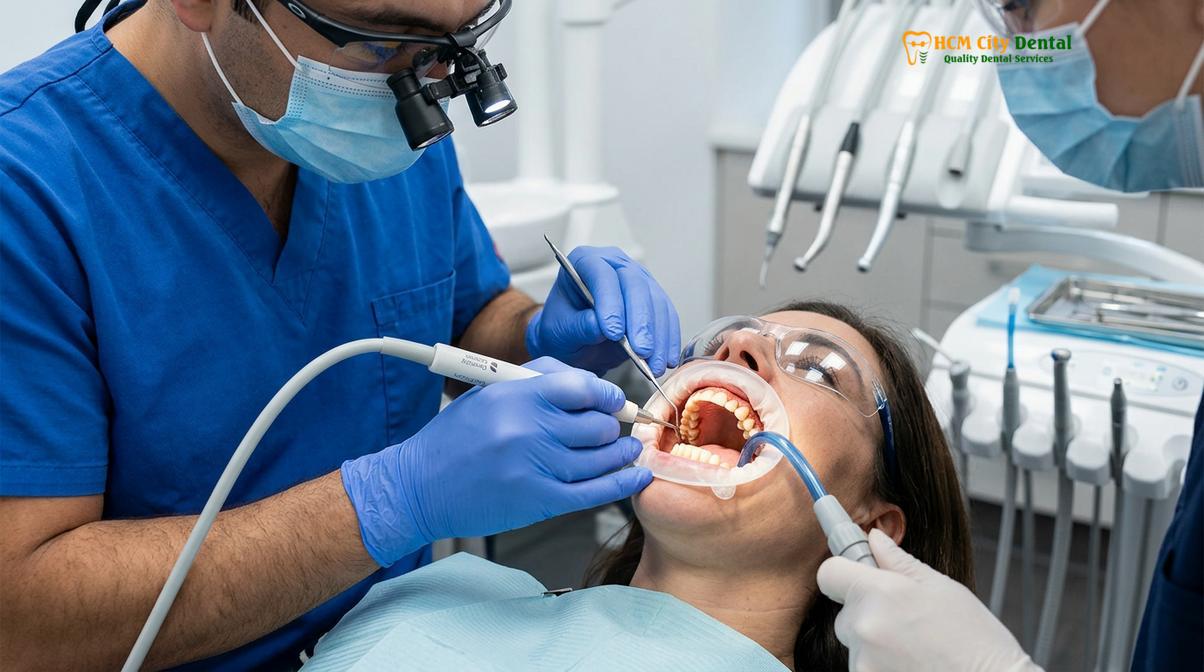
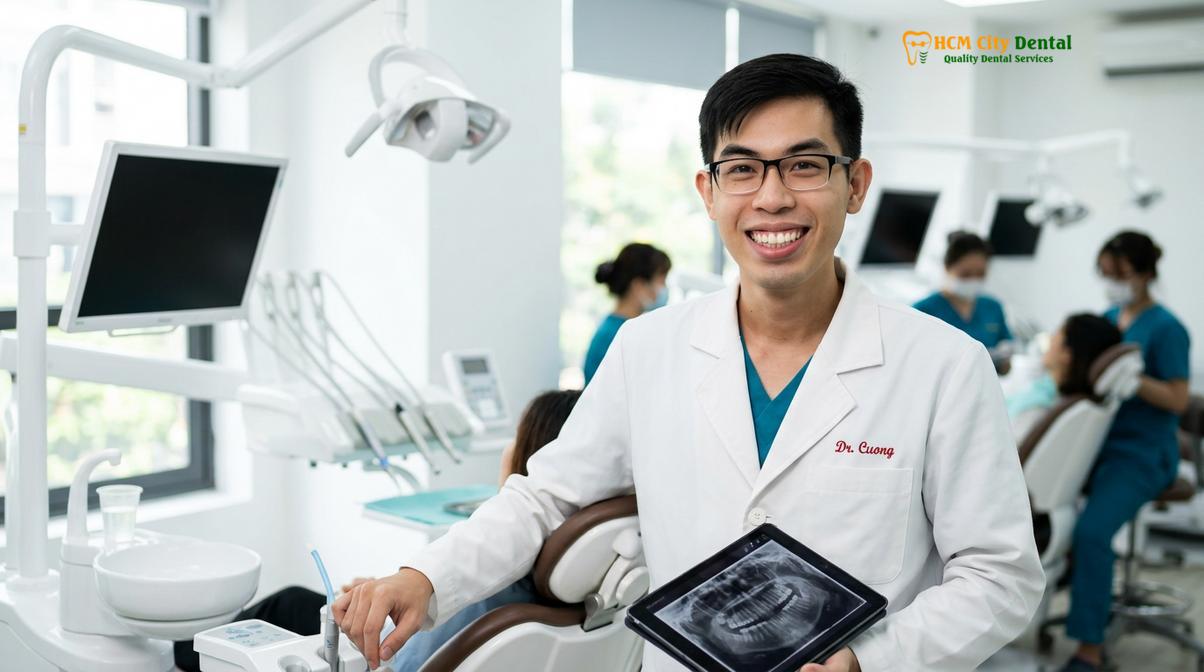
From a clinical perspective, managing periodontal disease requires a meticulous approach. Dr. Nguyen Van Cuong, a leading specialist in the field, emphasizes that treating international patients demands a higher level of logistical precision. “When a patient travels thousands of miles for periodontal therapy, we must ensure that every phase of their treatment—from the initial bacterial debridement to the final tissue assessment—is executed flawlessly within their travel window,” notes Dr. Cuong. This rigorous standard of care ensures that patients receive comprehensive General Dentistry and specialized periodontal interventions that yield long-lasting results.
“The systemic implications of untreated periodontal disease are profound. Chronic gingival inflammation serves as a continuous reservoir of bacterial pathogens that can enter the bloodstream, exacerbating cardiovascular conditions and complicating glycemic control in diabetic patients. Timely intervention is not merely about preserving dentition; it is a critical component of overall systemic health management.” [1]
Furthermore, addressing periodontal health is often the foundational step before any restorative or cosmetic dental work can be performed. Patients seeking implants or veneers must first ensure their gingival foundation is healthy. Conditions such as chronic halitosis, often linked to deep periodontal pockets, must be resolved through targeted therapies. Understanding the bad breath gum disease connection is essential, as eradicating the underlying anaerobic bacteria is the only definitive cure. By choosing to undergo these foundational treatments abroad, patients can efficiently prepare their oral environment for future restorative work while enjoying the cultural and relaxing benefits of a well-planned medical holiday.
Recommended Timelines for Deep Cleaning and SRP Holidays
A standard scaling and root planing (SRP) holiday requires a brief 3 to 5-day stay, providing ample time for the clinical procedure, immediate recovery, and a final periodontal evaluation before departure.
Scaling and root planing (SRP), commonly referred to as a deep cleaning, is the gold standard non-surgical treatment for active periodontitis. Unlike a routine prophylaxis that only cleans above the gumline, SRP involves the meticulous removal of calculus and bacterial biofilms from deep within the periodontal pockets, followed by the smoothing of the root surfaces to prevent future bacterial adherence. For international patients planning a deep cleaning holiday saigon, understanding the clinical workflow and required timeline is crucial for a successful outcome.
The procedure is typically performed under local anesthesia to ensure complete patient comfort. Depending on the severity of the disease and the patient’s tolerance, the treatment may be completed in a single extended session or divided into two appointments (e.g., treating the right side of the mouth on day one, and the left side on day two). This phased approach helps manage post-operative sensitivity and allows the patient to maintain normal masticatory function on the untreated side. Following the mechanical debridement, clinicians often utilize adjunctive therapies, such as localized antimicrobial irrigation or laser pocket disinfection, to further reduce the bacterial load and stimulate tissue healing. [2]
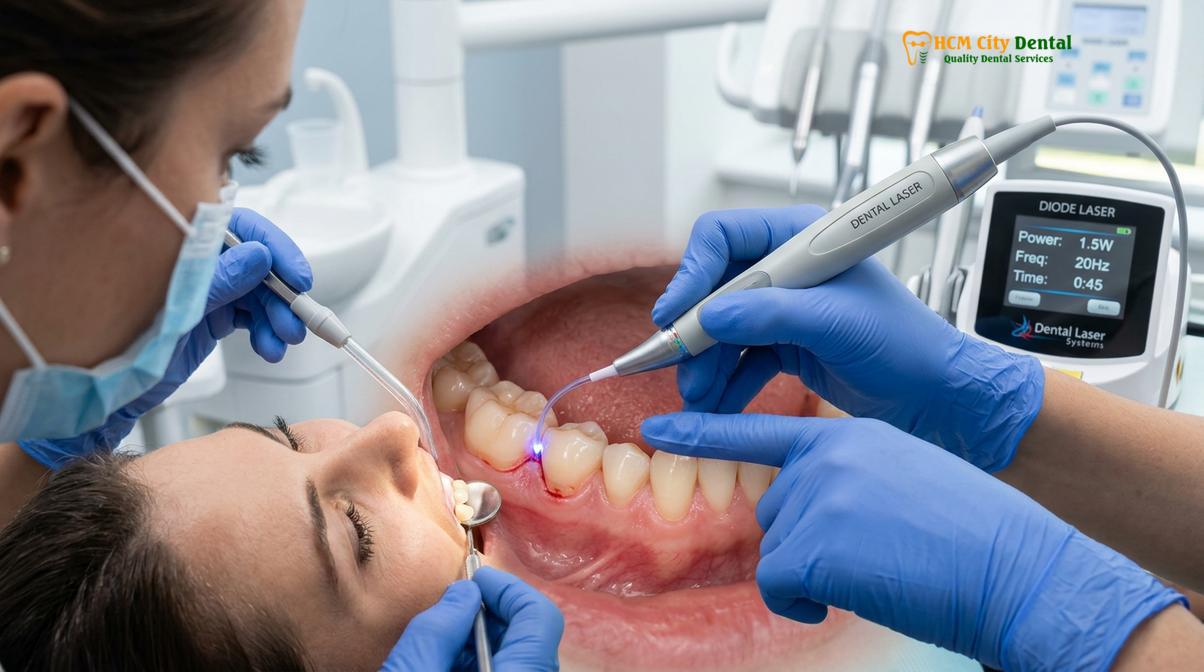
When structuring the travel itinerary, patients should allocate a minimum of 3 to 5 days in the host city. The first day is dedicated to a comprehensive clinical examination, periodontal probing to record pocket depths, and the acquisition of necessary radiographs. The SRP procedure is usually scheduled for the second day. The subsequent 48 hours are critical for monitoring the initial inflammatory response. Patients may experience mild gingival tenderness, slight swelling, and transient thermal sensitivity. A follow-up appointment on the fourth or fifth day allows the periodontist to evaluate the tissue response, ensure that the acute inflammation is subsiding, and provide personalized oral hygiene instructions for long-term maintenance.
For patients seeking detailed information on the mechanics of this procedure, reviewing a comprehensive clinical guide to scaling and root planing can demystify the process and alleviate pre-treatment anxiety. It is important to note that while SRP is highly effective for mild to moderate periodontitis, severe cases with pocket depths exceeding 6 millimeters may require subsequent surgical intervention. Therefore, the post-SRP evaluation is a critical juncture where the clinician determines if the non-surgical approach has successfully arrested the disease progression or if further treatment is warranted.
Surgical Timelines: Gum Grafts and Flap Surgery Recovery
Complex procedures such as gum grafting and flap surgery demand a 10 to 14-day travel itinerary to accommodate surgical execution, initial tissue vascularization, and mandatory post-operative suture removal.
When periodontal disease advances to the point of significant bone loss or severe gingival recession, non-surgical therapies are no longer sufficient. In these cases, surgical interventions such as periodontal flap surgery (osseous surgery) or soft tissue gum grafting become clinically necessary. Planning gum graft abroad requires a deep understanding of the biological healing process, as the success of these procedures relies heavily on uninterrupted tissue integration and vascularization during the immediate post-operative period.
Periodontal flap surgery involves incising and gently reflecting the gingival tissue to provide direct access to the underlying tooth roots and alveolar bone. The surgeon meticulously removes deep subgingival calculus, excises diseased granulation tissue, and recontours irregular bone defects to eliminate areas where bacteria can harbor. The flap is then repositioned and sutured tightly to reduce pocket depths. Conversely, gum grafting is utilized to treat recession, where donor tissue—often harvested from the patient’s palate (connective tissue graft) or utilizing an acellular dermal matrix—is sutured over the exposed root surface to restore the protective gingival margin and reduce sensitivity. [3]
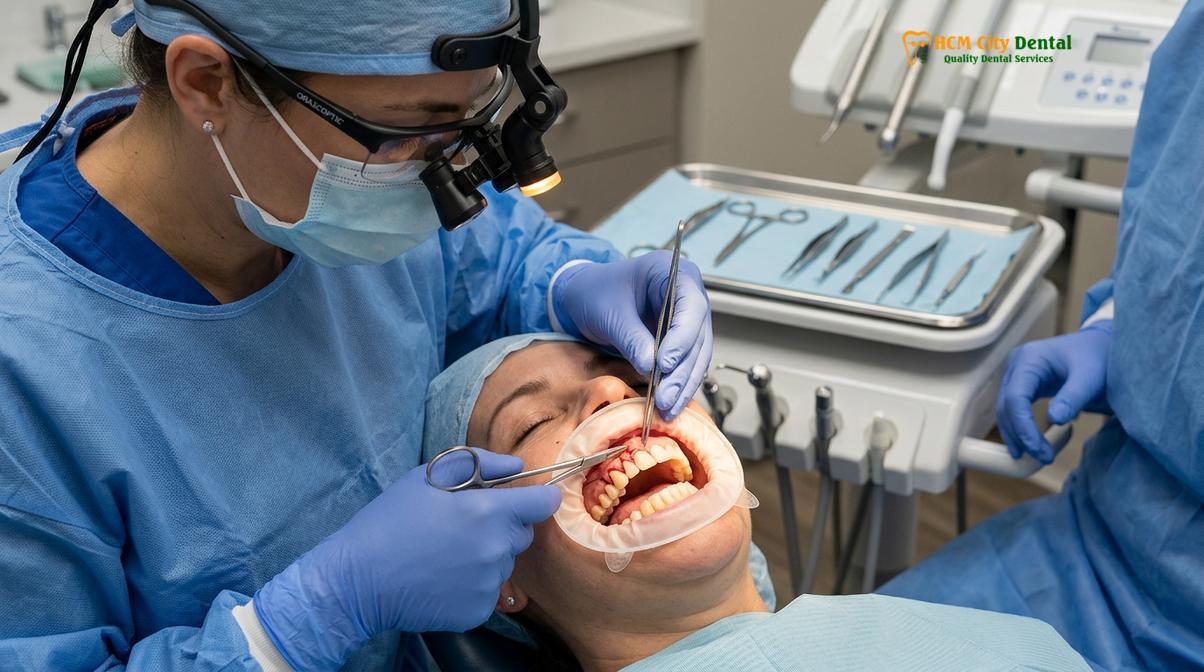
The biological timeline for healing dictates the travel schedule. Angiogenesis, the formation of new blood vessels crucial for graft survival, begins within the first 48 to 72 hours. During this critical window, the graft is highly susceptible to micromovement, which can disrupt the fragile new blood supply and lead to graft failure. Therefore, patients must remain in a low-stress environment, adhering strictly to a soft diet and avoiding any physical exertion. Suture removal and the first major clinical assessment of tissue attachment typically occur between days 10 and 14 post-surgery.
Clinical Warning: Flying After Periodontal Surgery
Patients must avoid air travel immediately following complex periodontal surgery. The fluctuations in cabin air pressure can disrupt delicate blood clots, leading to secondary hemorrhage and severe pain. It is clinically mandated to wait a minimum of 72 hours before short flights, and ideally 10 to 14 days for long-haul flights, ensuring that the surgical site is stable and the risk of post-operative bleeding is minimized.
To minimize the invasiveness of traditional surgery, many modern clinics incorporate advanced technologies. For instance, laser gum treatment offers a minimally invasive alternative for pocket reduction, utilizing specific wavelengths of light to selectively ablate diseased tissue while leaving healthy tissue intact. This approach significantly reduces post-operative bleeding, swelling, and discomfort, potentially shortening the required recovery time. However, whether undergoing traditional gum flap surgery or laser-assisted therapy, the commitment to a 10 to 14-day stay remains a standard recommendation to ensure patient safety and optimal clinical results.
Step-by-Step Guide: Booking, Consultation, and Travel
Successfully navigating dental tourism requires a structured approach, beginning with digital X-ray submissions for virtual consultations, followed by precise scheduling of clinical appointments and travel logistics.
Embarking on a medical journey across international borders requires meticulous planning to ensure that clinical objectives align with travel logistics. The vietnam dental travel timeline is structured to maximize efficiency while prioritizing patient safety and clinical efficacy. The process begins long before the patient boards a flight, relying heavily on digital communication and remote diagnostics to establish a preliminary treatment plan.
The first step involves the patient submitting recent dental records, including panoramic X-rays or 3D CBCT scans, along with a detailed medical history. This information is crucial for the remote clinical team to assess the extent of the periodontal disease, evaluate bone levels, and identify any anatomical complexities. Based on this data, a virtual consultation is scheduled. During this video conference, specialists like Dr. Nguyen Van Cuong review the findings with the patient, discuss viable treatment options, outline the expected prognosis, and provide a transparent preliminary cost estimate. This step ensures that the patient has realistic expectations and understands the clinical rationale behind the proposed interventions.
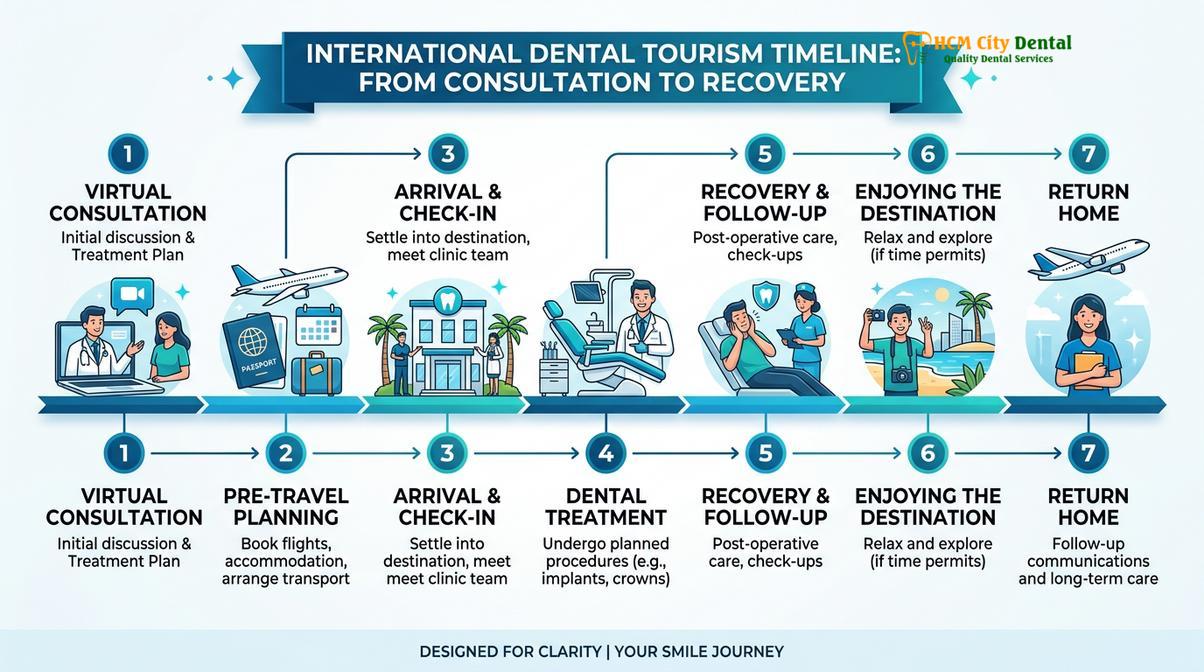
Once the treatment plan is agreed upon, the logistical phase commences. The clinic’s international patient coordination team assists in scheduling the clinical appointments, ensuring that adequate time is allocated for surgery, recovery, and follow-up evaluations. It is imperative that the travel dates strictly adhere to the clinical timeline recommended by the periodontist.
| Phase | Timeline | Clinical & Logistical Activities |
|---|---|---|
| Pre-Arrival | 4-6 Weeks Prior | Submission of digital X-rays, virtual consultation, preliminary treatment plan approval, and flight/accommodation booking. |
| Arrival & Diagnostics | Day 1 | In-person clinical examination, periodontal probing, updated 3D imaging, and finalization of the surgical plan. |
| Active Treatment | Days 2-3 | Execution of scaling and root planing, laser therapy, or periodontal surgery under local anesthesia. |
| Initial Recovery | Days 4-9 | Rest, adherence to soft diet, localized sightseeing, and management of mild post-operative symptoms. |
| Final Evaluation | Days 10-14 | Suture removal, assessment of tissue healing, final oral hygiene instructions, and clearance for international travel. |
This structured approach minimizes the risk of unexpected clinical findings upon arrival and ensures that the patient’s time abroad is utilized efficiently. By adhering to this step-by-step guide, international patients can navigate the complexities of dental tourism with confidence, knowing that their periodontal health is being managed by a coordinated team of experts.
Combining Sightseeing in Saigon with Periodontal Care
Integrating a vacation with periodontal treatment is highly feasible, provided patients schedule strenuous sightseeing before surgery and prioritize restful, low-impact activities during the critical healing phase.
One of the primary appeals of dental tourism is the opportunity to experience a new culture while receiving necessary medical care. Ho Chi Minh City, with its vibrant history, exquisite cuisine, and bustling markets, offers a dynamic backdrop for recovery. However, balancing the desire to explore with the physiological demands of healing requires careful planning and discipline. The key to a successful medical holiday is understanding the limitations imposed by the surgical procedures and adapting the itinerary accordingly.
Clinicians strongly advise patients to front-load their travel itinerary. Any strenuous activities, such as full-day walking tours, excursions to the Cu Chi Tunnels, or trips to the Mekong Delta, should be scheduled prior to the dental procedures. Once the periodontal therapy—whether it be deep cleaning or complex grafting—is performed, the body requires energy to initiate the healing cascade. Elevated heart rates and increased blood pressure from physical exertion can exacerbate post-operative bleeding and swelling, potentially compromising the surgical outcome. [4]
Clinical Case Study: Managing Recovery Abroad
A 55-year-old patient from Australia visited HCMC Dental Clinic for full-mouth scaling and root planing combined with localized laser therapy. Following the procedure, the patient was advised to avoid the intense heat and bustling streets of Ho Chi Minh City for 48 hours. Instead, they spent their immediate recovery enjoying the amenities of their nearby hotel, consuming a soft-food diet of traditional Vietnamese Pho (cooled down) and smoothies. By day four, the acute inflammation had subsided, allowing the patient to comfortably enjoy low-impact activities like visiting museums and taking evening river cruises, resulting in a perfect balance of treatment and tourism.
Dietary modifications are also a critical component of post-operative care. While Vietnam is renowned for its street food, patients recovering from gum surgery must strictly avoid spicy, acidic, or crunchy foods that can irritate the surgical site or dislodge sutures. Fortunately, the local cuisine offers numerous soft, nutritious options, such as rice porridges (Chao) and mild broths, which are ideal for the healing phase. Furthermore, patients seeking cosmetic improvements alongside their periodontal care, such as addressing black gums causes and treatments through gingival depigmentation, must be equally diligent in protecting the treated tissues from mechanical trauma during their recovery.
Essential Travel Checklists: Visas, Flights, and Accommodation
Proper logistical preparation, including securing appropriate medical or tourist visas, booking flexible flights, and selecting accommodations near the clinic, ensures a stress-free environment conducive to optimal surgical recovery.
The success of a dental tourism trip is heavily dependent on the logistical framework supporting the clinical care. Stress is a known inhibitor of the immune system and can negatively impact the body’s ability to heal. Therefore, minimizing travel-related anxiety through meticulous preparation is a clinical imperative. Patients must ensure that all administrative and logistical details are finalized well in advance of their departure date.
First and foremost, verifying visa requirements is essential. Depending on the patient’s nationality, entering Vietnam may require a pre-approved e-visa or a visa on arrival. It is crucial to secure a visa that covers the entire duration of the anticipated stay, plus a buffer of several days in case the clinical recovery requires an extended observation period. When booking flights, opting for flexible or refundable tickets is highly recommended. Biological healing is not always perfectly predictable; a patient may require an additional day or two before being clinically cleared for the pressure changes associated with air travel.
“The psychological state of the patient plays a significant role in post-operative recovery. High levels of cortisol, induced by travel stress or logistical complications, can delay wound healing and increase susceptibility to secondary infections. A well-planned itinerary that prioritizes rest and proximity to the clinical facility is a vital component of the overall treatment plan.” [5]
Selecting the right accommodation is equally important. Patients should prioritize hotels or serviced apartments located in close proximity to HCMC Dental Clinic in Ho Chi Minh City. This minimizes transit time for follow-up appointments and ensures quick access to the clinical team should any concerns arise. Additionally, the accommodation should offer amenities conducive to recovery, such as reliable room service with soft-food options, a quiet environment, and effective climate control. Proper preparation also involves understanding how to manage unexpected symptoms, such as knowing the causes and treatments for swollen gums around a tooth, and having direct communication channels with the dental team established before the surgery takes place.
When to See a Doctor: Important Clinical Considerations
International patients must seek immediate clinical evaluation if they experience severe localized pain, uncontrolled bleeding, or signs of systemic infection such as fever during their recovery period abroad.
While periodontal procedures performed by experienced specialists boast a high success rate, all surgical interventions carry inherent risks. It is vital for international patients to distinguish between normal post-operative symptoms and signs of potential complications. Mild to moderate swelling, slight oozing of blood within the first 24 hours, and localized tenderness are expected physiological responses to tissue manipulation and are typically well-managed with prescribed analgesics and cold compresses.
However, certain red flags necessitate immediate clinical attention. If a patient experiences uncontrolled hemorrhage that does not subside with sustained pressure, severe and escalating pain that is unresponsive to medication, or significant swelling that extends beyond the surgical site into the neck or face, they must contact their dental team immediately. Furthermore, systemic symptoms such as a high fever, chills, or the presence of purulent discharge (pus) from the surgical area indicate an active infection that requires prompt antibiotic intervention and possible surgical drainage. Never ignore these symptoms while traveling; timely management is critical to preserving the surgical outcome and ensuring overall health.
Frequently Asked Questions
Can I travel immediately after gum graft surgery?
No, you should not fly immediately after a gum graft. Changes in cabin pressure can disrupt delicate blood clots and induce bleeding. Clinicians strongly recommend waiting at least 48 to 72 hours before taking a short flight, and ideally 7 to 10 days for long-haul international travel to ensure initial tissue vascularization is stable. Following these guidelines minimizes the risk of graft failure and post-operative complications.
How long do I need to stay in Vietnam for deep cleaning?
A standard deep cleaning holiday requires a minimum stay of 3 to 5 days. This timeframe allows for the initial scaling and root planing procedure, a 48-hour recovery period to manage any localized inflammation, and a final clinical evaluation to ensure the gingival tissues are responding well to the therapy. Complex cases requiring multiple sessions may necessitate a slightly longer stay.
What should I do if I have issues after returning home?
If complications arise after returning home, immediately contact your overseas dental team for a virtual consultation. Reputable clinics provide detailed post-operative records and digital imaging that can be shared with your local periodontist. In cases of acute infection or severe pain, seek immediate care from a local dental professional, providing them with the comprehensive treatment report from your clinic abroad.
Can I get a dental clean during a short business trip to HCMC?
Yes, routine prophylaxis or localized scaling can easily be completed during a short business trip. However, if you require comprehensive full-mouth scaling and root planing with local anesthesia, you should allocate at least two separate appointments spaced a day apart to ensure comfort and thorough bacterial debridement without interfering with your professional obligations.
Is it safe to have dental surgery as a tourist?
Yes, undergoing dental surgery as a tourist is highly safe when managed by accredited specialists in modern facilities. Success depends on strict adherence to clinical protocols, thorough pre-operative virtual diagnostics, and allowing adequate time in your travel itinerary for mandatory post-operative monitoring and suture removal. Choosing a reputable clinic with experience in international patient care is paramount.
References
- Journal of Periodontology. Systemic implications of periodontal disease and treatment efficacy. (2021).
- International Journal of Periodontics & Restorative Dentistry. Clinical outcomes of scaling and root planing. (2020).
- Journal of Clinical Periodontology. Healing dynamics following soft tissue grafting and flap surgery. (2019).
- American Academy of Periodontology. Guidelines for the management of patients with periodontal diseases. (2022).
- Journal of Travel Medicine. Post-operative considerations for medical tourists undergoing oral surgery. (2018).
For pricing, booking, and a free clinical assessment, visit our Gum Disease Treatment service page at HCMC Dental Clinic in Ho Chi Minh City.