Can clear retainers move teeth back? Yes, but only for very minor, recent shifts. If you missed wearing your retainer briefly, a tight-fitting clear retainer can gently guide teeth back. However, they cannot correct significant orthodontic relapse or severe crowding without professional intervention.
Clinical Summary:
Clear retainers are primarily passive appliances designed to hold teeth in their corrected positions following active orthodontic therapy. While they possess a slight degree of material elasticity that can correct micro-movements (typically under 0.5mm), they lack the sustained biomechanical force required for active orthodontic movement. Patients experiencing minor relapse due to short-term non-compliance may successfully use their existing retainers to realign teeth if the appliance still seats fully. However, forcing an ill-fitting retainer onto significantly shifted teeth risks root damage, periodontal trauma, and appliance fracture. Comprehensive clinical evaluation is necessary to determine if a new active aligner phase is required to safely restore the occlusion.
Key Takeaways:
- Clear retainers can correct minor shifts if worn immediately after noticing slight movement.
- They are not designed to replace active braces or aligners for significant orthodontic relapse.
- Forcing a highly ill-fitting retainer can cause severe dental and periodontal trauma.
- Consistent, lifelong wear is the only proven method to prevent teeth from shifting out of alignment.
- Consulting an orthodontist is crucial if the retainer causes intense pain or fails to seat fully.
The Biomechanics of Orthodontic Retention
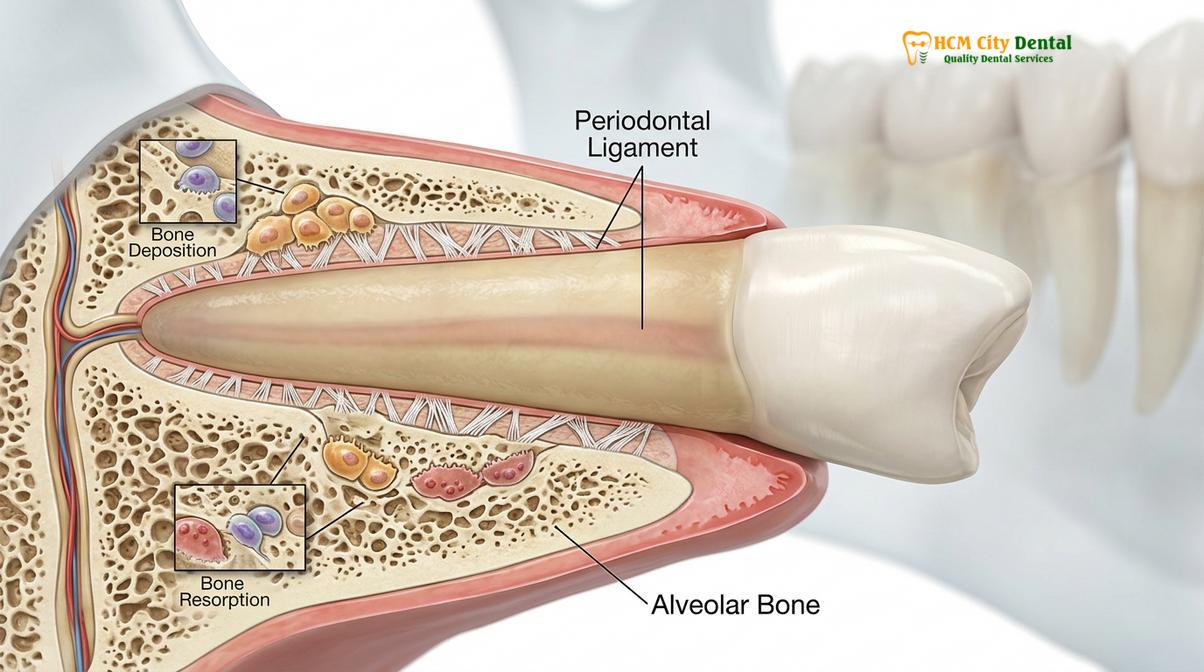
Orthodontic retention relies on passive stabilization to allow periodontal ligaments and alveolar bone to remodel around newly positioned teeth, preventing natural relapse.
To understand whether an appliance can move teeth, it is essential to first understand the biological mechanisms of tooth movement and stabilization. When teeth are moved during active orthodontic treatment—whether through traditional brackets or clear aligners—the surrounding bone and tissues undergo a complex process of remodeling. Osteoclasts break down bone in the direction of tooth movement, while osteoblasts build new bone in the space left behind. This cellular activity allows the tooth to migrate through the alveolar ridge.
However, once the active force is removed, the teeth are highly susceptible to shifting back toward their original positions. This phenomenon is driven by the periodontal ligament (PDL) and the gingival fibers, particularly the supracrestal and transseptal fibers. These elastic fibers have a “memory” and can exert a continuous pull on the teeth for months or even years after treatment concludes[1]. This is why orthodontic retainers are an absolute necessity.
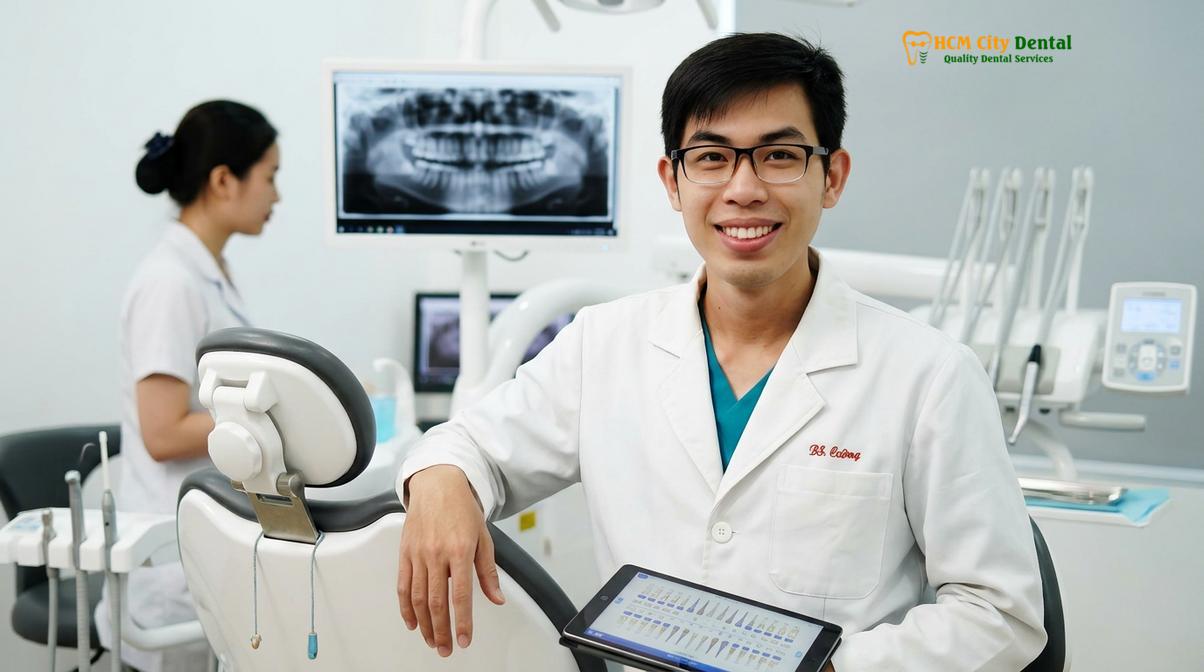
Dr. Nguyen Van Cuong, a leading specialist at HCMC Dental Clinic, frequently emphasizes to patients that the retention phase is just as critical as the active movement phase. Without proper retention, the natural forces of chewing, speaking, and soft tissue pressure from the tongue and lips will inevitably cause the teeth to drift. When patients seek orthodontics relapse treatment, the first step is always evaluating the integrity of the periodontium and the extent of the fibrous pull.
“Retention is not the end of orthodontic treatment; it is the critical stabilization phase that dictates the lifelong success of the newly established occlusion. Neglecting this phase almost guarantees a degree of relapse.”
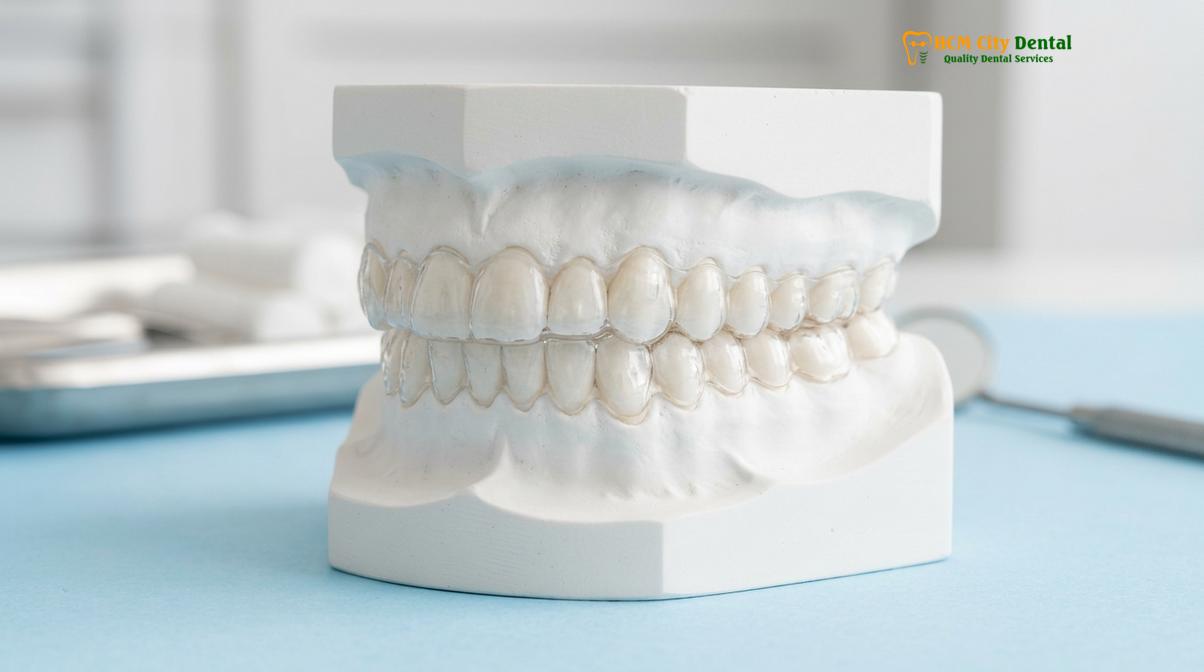
Clear retainers, often made from thermoplastic materials like polyethylene terephthalate glycol (PETG) or polyurethane, are designed to be passive. They are vacuum-formed or thermoformed over a model of the teeth in their perfect, final alignment. Their primary biomechanical function is to resist the pulling forces of the gingival fibers, holding the teeth rigidly in place while the surrounding bone fully mineralizes and stabilizes.
When Can Clear Retainers Shift Teeth Back Into Alignment?
Clear retainers can only reverse minor shifting if the appliance still seats fully over the teeth without requiring excessive, painful force.
The question of whether a retainer can actively move teeth depends entirely on the degree of the shift and the timeframe of non-compliance. If a patient forgets to wear their retainer for a few days or even a couple of weeks, they may notice that the appliance feels unusually tight when they finally put it back in. This tightness indicates that the teeth have begun to drift, and the retainer is now acting as a mild active appliance.
Because thermoplastic materials possess a small amount of flex and elasticity, they can stretch slightly over minor misalignments (typically shifts of 0.25mm to 0.5mm). Once seated, the plastic attempts to return to its original shape, applying a gentle, continuous force that can shift teeth back into alignment. In these specific, mild cases, wearing the retainer full-time (20-22 hours a day) for a few weeks can successfully reverse the relapse[2].
However, there is a strict biological limit to this capability. If the teeth have shifted significantly—perhaps due to months or years of not wearing the appliance—the retainer will no longer fit over the dental arch. Attempting to force it down can cause the plastic to warp, rendering it useless. More importantly, applying excessive, uncontrolled force to the teeth can traumatize the periodontal ligament, leading to ischemia (lack of blood flow), severe pain, and potentially permanent damage to the tooth root.
Patients must understand that a retainer is not designed with the precise biomechanical staging required for complex tooth movement. It lacks the attachments (composite bumps placed on teeth) and the sequential force delivery systems that make active aligners effective. Therefore, relying on an old retainer to fix moderate to severe crowding is clinically unsafe and highly unpredictable.
Clear Retainers vs. Active Aligners: Understanding the Difference
While visually similar, clear retainers are fabricated from thicker materials for passive holding, whereas active aligners use flexible polymers designed for sequential movement.
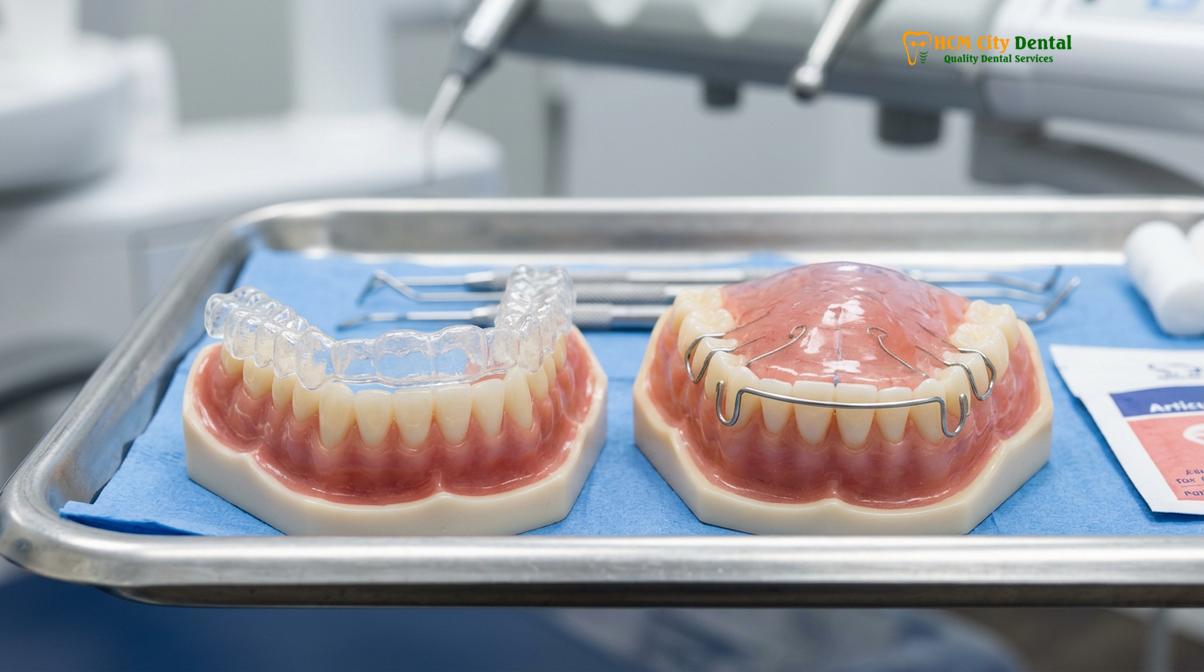
A common source of confusion among patients is the visual similarity between clear retainers (such as Essix or Vivera) and clear aligners (such as Invisalign). Because they look nearly identical to the naked eye, many assume they function in the same way. However, their material properties, manufacturing processes, and clinical applications are fundamentally different.
Active aligners are manufactured in a sequential series. Each tray is slightly different from the previous one, designed to move specific teeth by a fraction of a millimeter (usually 0.2mm to 0.25mm per tray). The material used for active aligners is highly engineered to deliver continuous, light forces over a period of one to two weeks. They often work in conjunction with composite attachments bonded to the teeth, which provide leverage for complex movements like rotations and extrusions.
In contrast, an aligner-style tight retainer is typically made from a thicker, more rigid thermoplastic. It is manufactured from a single impression or digital scan of the final, perfect smile. Its job is not to move teeth, but to act as a rigid splint that prevents movement. Because it is thicker, it does not have the flexibility required to safely guide significantly crooked teeth back into place[3].
| Feature | Clear Retainers (e.g., Essix) | Active Aligners (e.g., Invisalign) |
|---|---|---|
| Primary Function | Passive stabilization (holding teeth) | Active orthodontic movement |
| Material Thickness | Thicker, rigid thermoplastic (approx. 1.0mm) | Thinner, flexible polymer (approx. 0.75mm) |
| Force Delivery | Static; resists movement | Dynamic; applies continuous light force |
| Treatment Staging | Single appliance for long-term wear | Sequential series of multiple trays |
| Use of Attachments | Rarely used | Frequently required for leverage |
Understanding this distinction is crucial for patients who are considering Invisalign Vivera retainers or standard Essix retainers. If a patient attempts to use a rigid retainer as an active aligner, the forces applied will be blunt and uncontrolled, which is contrary to the principles of safe orthodontic biomechanics.
Clinical Workflows for Minor Teeth Crowding Fix
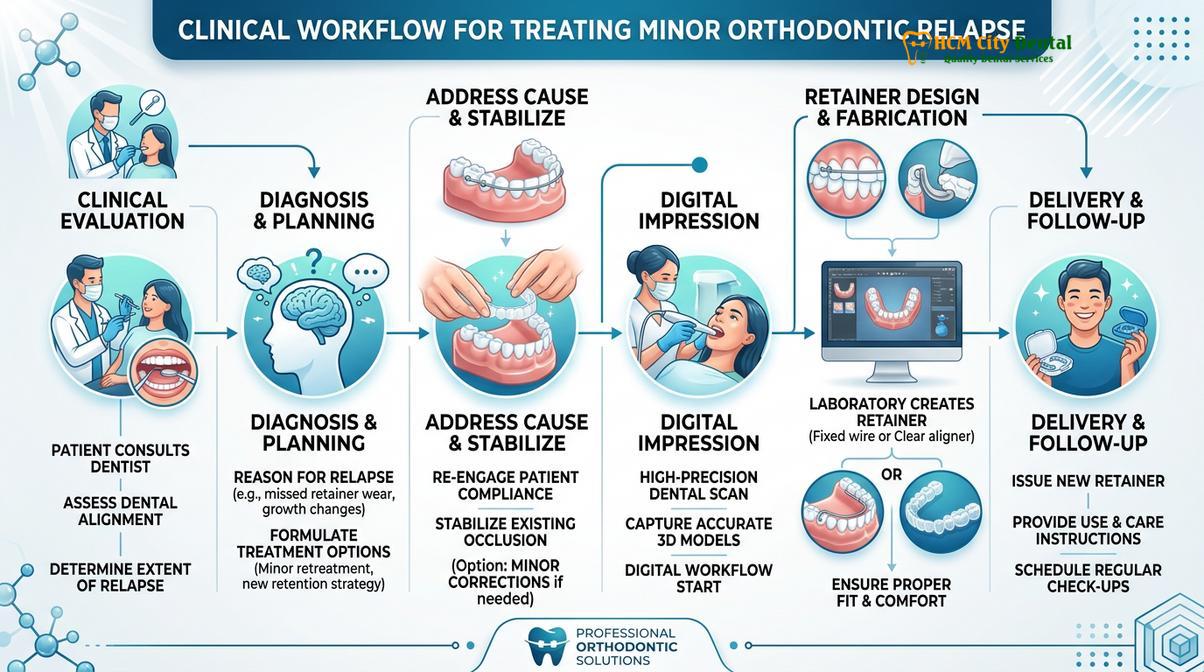
When patients present with mild relapse, orthodontists evaluate the degree of shifting to determine if the current retainer, a new retainer, or active retreatment is necessary.
When a patient notices that their teeth have shifted, the most appropriate course of action is to seek a professional clinical evaluation. At HCMC Dental Clinic in Ho Chi Minh City, the protocol for managing orthodontic relapse is highly systematic, ensuring that the chosen intervention is both safe and effective.
The clinical workflow begins with a comprehensive assessment of the current occlusion. The orthodontist will examine the degree of shifting, the health of the periodontal tissues, and the fit of the existing retainer. Radiographs may be taken to ensure there is no underlying bone loss or root resorption that could complicate retreatment. If the patient is seeking a minor teeth crowding fix, the doctor must determine if the shift is purely aesthetic or if it has begun to affect the functional bite.
If the shift is extremely minor (under 0.5mm) and the existing retainer can still be seated completely with only moderate pressure, the orthodontist may instruct the patient to resume full-time wear. The patient will be monitored closely to ensure the teeth respond appropriately without adverse effects[4].
However, if the retainer cannot seat fully, or if the shifting is too severe, a different approach is required. The orthodontist may recommend a brief phase of active aligner therapy—often referred to as “express” or “lite” treatment—to gently guide the teeth back into their ideal positions. Once the correction is achieved, a new digital scan or physical impression will be taken to fabricate a fresh set of retainers.
In some cases, patients may benefit from transitioning to a different type of retention. For example, if compliance with removable clear retainers is an ongoing issue, the orthodontist might suggest a bonded lingual wire. If a patient already has a fixed wire that has failed, they must seek a broken wire on permanent retainer repair immediately to prevent further drifting.
“Patient compliance is the single most significant variable in preventing orthodontic relapse. A perfectly designed retainer is only effective when worn as prescribed by the clinical team.”
For patients visiting Ho Chi Minh City, the availability of advanced digital dentistry allows for rapid interventions. Clinics equipped with intraoral scanners and 3D printing technology can often provide a same day retainer service, ensuring that patients do not experience further relapse while waiting for laboratory fabrication.
When to See a Doctor (Orthodontist Evaluation)
While it is tempting to try and force an old retainer onto shifted teeth to avoid a trip to the clinic, doing so carries significant clinical risks. It is imperative to know when professional intervention is required to protect your dental health and preserve your smile.
You should schedule an immediate evaluation with an orthodontist if you experience any of the following signs:
- The retainer does not seat fully: If there is a visible gap between the plastic and the biting edge of your teeth, the retainer no longer fits. Biting down forcefully to seat it can crack the plastic or damage your teeth.
- Severe, throbbing pain: While mild pressure is normal when resuming retainer wear after a short break, sharp or throbbing pain indicates that the force being applied is too high and potentially damaging to the tooth root.
- Visible crowding or spacing: If you can clearly see that your teeth have overlapped, rotated, or developed gaps, a passive retainer will not be sufficient to correct the issue. Active retreatment is likely necessary.
- Changes in your bite: If your upper and lower teeth no longer meet comfortably when you close your mouth, the relapse has affected your functional occlusion, requiring professional adjustment.
- Bleeding or swollen gums: Ill-fitting retainers can impinge on the gingival tissues, causing inflammation, bleeding, and localized periodontal trauma.
If you are unsure about the fit of your appliance, it is always safer to consult a professional. Understanding how long to wear retainers after braces and adhering to that schedule is the best preventative measure. For those experiencing relapse, the team at HCMC Dental Clinic provides comprehensive evaluations to determine the safest and most effective path forward, ensuring your smile remains healthy and aligned for life[5].
Frequently Asked Questions
Frequently Asked Questions
How long does it take for a retainer to move teeth back?
It typically takes a few days to a couple of weeks of full-time wear for a retainer to correct minor shifting. If the teeth do not realign within this timeframe, professional orthodontic evaluation is required. Consistency is key; the appliance must be worn 20-22 hours a day during this corrective phase to provide the continuous light force necessary for the periodontal ligament to adapt.
Can I wear an old retainer after years of not wearing it?
No, wearing an old retainer after years of non-compliance is highly discouraged. Forcing an ill-fitting appliance can cause severe pain, root damage, and permanent trauma to the periodontal ligament. Over years, teeth naturally drift significantly. An old retainer will not fit the new arch shape and attempting to force it can lead to tooth mobility or appliance fracture.
Why does my clear retainer feel so tight?
A clear retainer feels tight because your teeth have shifted slightly from their ideal positions. The tightness indicates the appliance is applying pressure to guide the teeth back into their original alignment. This is common if you have skipped wearing the retainer for a few nights. The tightness should subside after a few days of consistent, full-time wear.
Will a tight retainer damage my teeth?
A slightly snug retainer is generally safe, but an extremely tight retainer that requires force to seat can cause significant damage. Excessive pressure may lead to root resorption, nerve death, or tooth mobility. If the retainer causes sharp pain, does not seat fully over the crowns, or causes your gums to bleed, remove it immediately and consult your orthodontist.
What should I do if my retainer no longer fits?
If your retainer no longer fits, you must schedule an appointment with your orthodontist immediately. You will likely need a new impression for a replacement retainer or a brief phase of active aligner therapy. Do not attempt to modify the retainer yourself or force it onto your teeth, as this will only exacerbate the clinical problem.
References
- Journal of Prosthodontic Research. Orthodontic retainer wear and stability. (2021).
- American Journal of Orthodontics. Relapse rates and retention protocols. (2019).
- European Journal of Orthodontics. Essix vs Hawley retainers clinical trial. (2020).
- Journal of Clinical Orthodontics. Plaque accumulation on fixed retainers. (2022).
- Australian Dental Journal. Patient compliance with dental retainers. (2018).