A dental kit for braces is a specialized collection of oral hygiene tools designed to clean around orthodontic brackets and wires. Essential for preventing decalcification and gingivitis, these kits typically include V-trim toothbrushes, interdental brushes, floss threaders, and orthodontic wax to maintain optimal periodontal health during treatment.
Clinical Summary:
Maintaining periodontal health during orthodontic treatment requires specialized mechanical plaque removal. A comprehensive dental kit for braces provides targeted instruments—such as interproximal brushes, specialized flossers, and protective wax—to navigate the complex architecture of brackets and archwires. Clinical evidence demonstrates that consistent use of these tailored kits significantly reduces the risk of white spot lesions, gingival hyperplasia, and caries compared to standard brushing alone. Proper utilization of these tools ensures that the underlying enamel remains pristine throughout the duration of the orthodontic intervention.
Key Takeaways:
- Orthodontic kits mitigate plaque accumulation around complex bracket architectures.
- V-trim toothbrushes and interdental brushes are critical for interproximal cleaning.
- Orthodontic wax provides immediate relief from mucosal irritation caused by hardware.
- Water flossers enhance mechanical debridement when combined with manual flossing.
- Consistent kit usage prevents decalcification and shortens overall treatment duration.
Essential Components of a Clinical-Grade Dental Kit for Braces
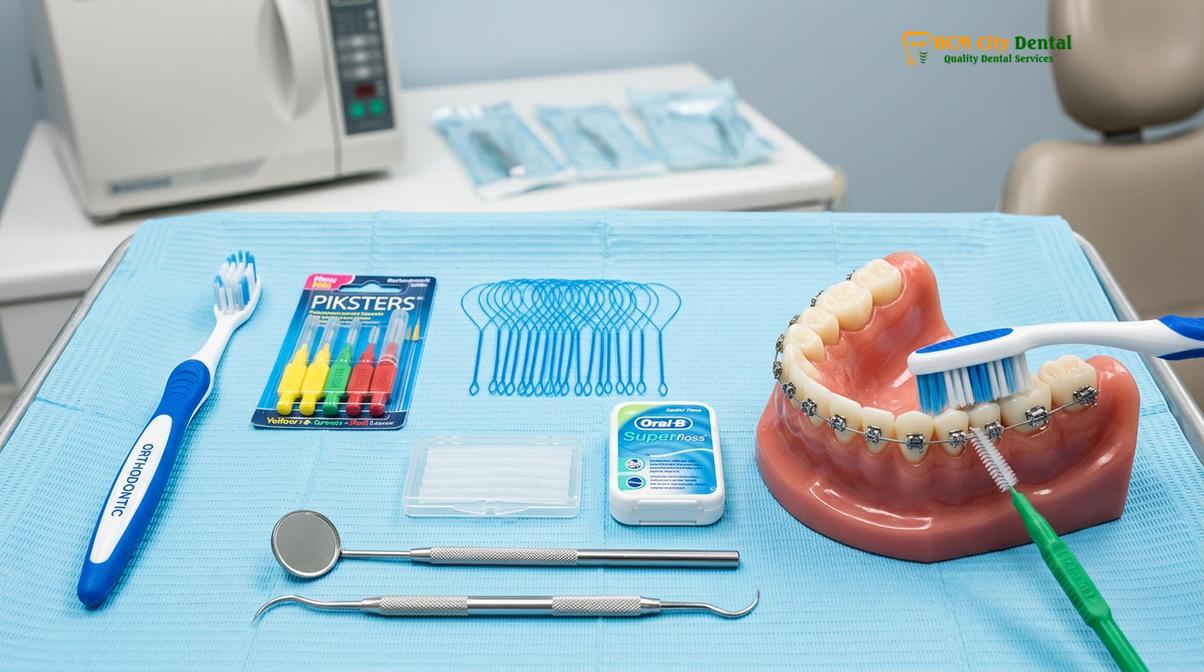
A clinical-grade orthodontic kit contains specialized tools like V-trim toothbrushes, interproximal brushes, floss threaders, and relief wax. These instruments are specifically engineered to navigate around brackets and archwires, ensuring comprehensive plaque removal and protecting soft tissues.
The introduction of fixed orthodontic appliances into the oral cavity fundamentally alters the local environment, creating numerous retentive areas where bacterial biofilm and food debris can rapidly accumulate. While the fundamental concepts of orthodontics have evolved significantly since the early pioneers who created braces, the inherent challenge of maintaining oral hygiene around fixed appliances remains a constant clinical reality. Standard oral hygiene practices are insufficient for patients undergoing fixed appliance therapy. Therefore, a specialized dental kit for braces is not merely an optional accessory; it is a clinical necessity for preserving enamel integrity and periodontal health.
The V-Trim Orthodontic Toothbrush
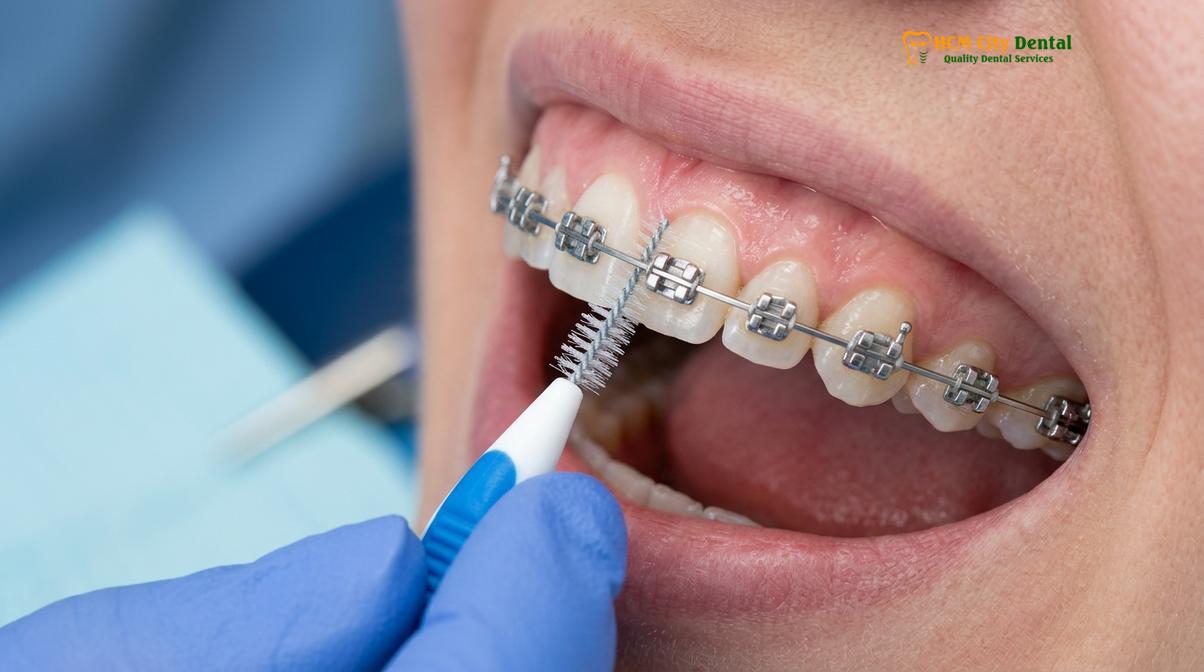
The cornerstone of any orthodontic hygiene regimen is the V-trim toothbrush. Unlike standard flat-bristled brushes, a V-trim brush features a specialized bristle architecture where the central rows are cut shorter than the outer rows. This unique “V” channel allows the longer outer bristles to effectively sweep the gingival margins and the tooth surface, while the shorter inner bristles clean directly over the bulky orthodontic brackets without excessive splaying or premature wear[1]. Dr. Nguyen Van Cuong frequently emphasizes to his patients that utilizing a V-trim brush at a 45-degree angle is the most effective primary defense against plaque accumulation at the bracket-enamel junction.
Interproximal (Interdental) Brushes
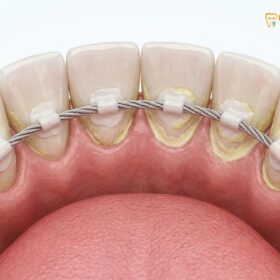
Archwires severely restrict the access of standard toothbrush bristles to the interproximal spaces (the areas between the teeth). Interdental brushes, often referred to as “proxy brushes,” are small, cylindrical, or conical brushes designed to slide seamlessly beneath the archwire and between the brackets. They are indispensable for dislodging trapped food particles and disrupting the sticky biofilm that adheres to the lateral surfaces of the brackets. High-quality interdental brushes feature a coated central wire to prevent galvanic shock or scratching of the titanium or stainless steel orthodontic hardware[2].
Floss Threaders and Orthodontic Floss
Traditional flossing becomes mechanically impossible when an archwire spans across the dentition. Floss threaders act similarly to a needle threading a piece of yarn; they are flexible nylon loops that allow the patient to pull standard dental floss under the archwire. Alternatively, specialized orthodontic floss (such as Superfloss) features a stiffened end that acts as a built-in threader, followed by a spongy segment for cleaning wide embrasures, and standard floss for tight contacts. Regular flossing is critical to prevent interproximal caries and to maintain the health of the interdental papillae.
Orthodontic Relief Wax
During the initial phases of treatment, or following an adjustment appointment, the soft mucosal tissues of the lips and cheeks often experience friction and micro-trauma from the rigid brackets and wire ligatures. Orthodontic wax, typically composed of microcrystalline wax, paraffin, or beeswax, is a biocompatible material used to create a smooth, protective barrier over offending hardware. By pinching off a small piece of wax, rolling it into a sphere, and pressing it over the sharp bracket, patients can prevent ulcerations and allow the oral mucosa to heal[3].
Comparative Analysis: Standard Manual vs. Advanced Orthodontic Kits
Standard kits rely on manual tools like specialized brushes and threaders, offering portability and affordability. Advanced kits incorporate electric toothbrushes and water flossers, providing superior hydrodynamic plaque disruption for patients struggling with manual dexterity.
When selecting a dental kit for braces, patients generally choose between standard manual kits and advanced automated kits. The choice depends on the patient’s manual dexterity, budget, and specific clinical needs. Both categories aim to achieve the same goal—comprehensive plaque debridement—but they utilize different mechanical principles to achieve it.
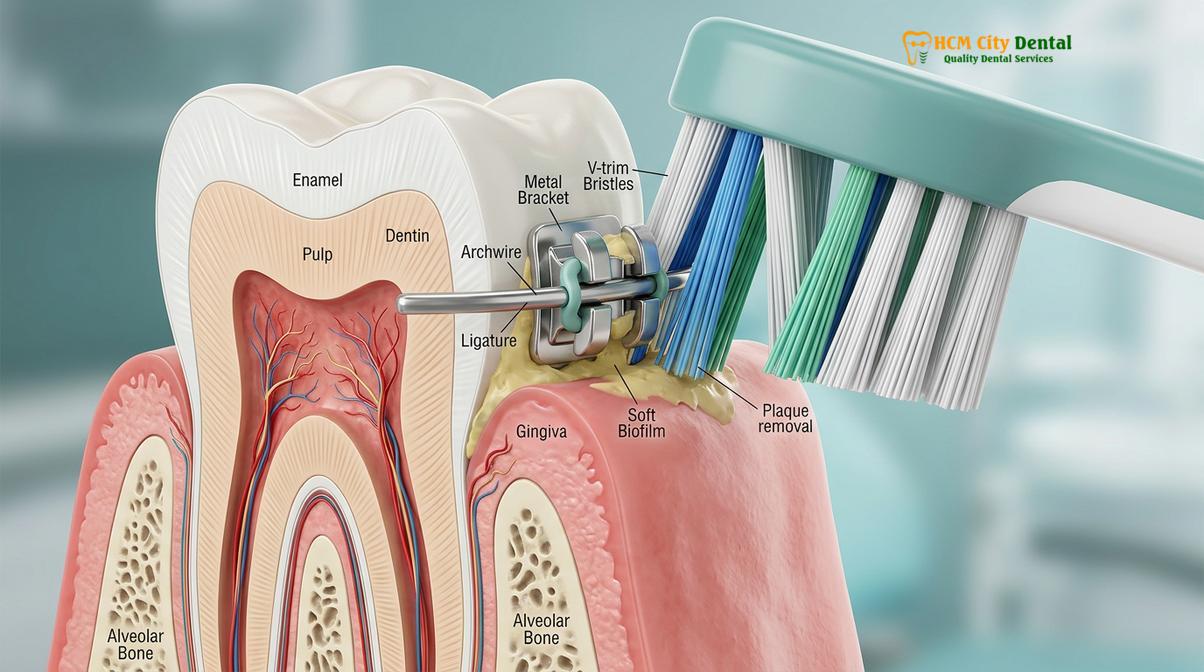
Standard manual kits are highly portable, making them ideal for use at school, work, or while traveling. They require a meticulous technique and a significant time investment to ensure every surface is adequately cleaned. Conversely, advanced kits leverage technology to enhance efficiency. For instance, sonic toothbrushes generate high-frequency vibrations that create microbubbles, driving fluid deep into the retentive areas around brackets. Water flossers utilize a pulsated stream of pressurized water to flush out debris and disrupt subgingival biofilm, which is particularly beneficial for patients who find manual floss threaders cumbersome.
| Feature / Component | Standard Manual Kit | Advanced Automated Kit |
|---|---|---|
| Primary Brushing Tool | Manual V-trim orthodontic toothbrush | Oscillating-rotating or sonic electric toothbrush with ortho head |
| Interdental Cleaning | Floss threaders, manual proxy brushes | Water flosser (oral irrigator), specialized electric flossing tips |
| Plaque Disruption Method | Direct mechanical friction | Mechanical friction + hydrodynamic fluid dynamics |
| Time Efficiency | Requires longer duration for thorough cleaning | Faster, more efficient biofilm disruption |
| Portability | High (fits easily in a pocket or small bag) | Moderate to Low (requires charging and water reservoirs) |
Regardless of the kit chosen, the fundamental principles of comprehensive orthodontic care remain the same. The mechanical removal of fermentable carbohydrates and bacterial colonies is non-negotiable. For patients undergoing clear aligner therapy, the hygiene requirements differ slightly, as the appliances are removable, allowing for standard brushing and flossing. However, for fixed braces, the investment in an appropriate hygiene kit directly correlates with the success and safety of the treatment.
Step-by-Step Clinical Workflow for Orthodontic Hygiene
Effective orthodontic hygiene requires a systematic approach: rinsing to dislodge debris, brushing at a 45-degree angle, interdental cleaning beneath the archwire, and targeted flossing. This meticulous workflow prevents enamel demineralization and gingival inflammation.
Possessing a high-quality dental kit for braces is only the first step; mastering the clinical workflow is what ultimately protects the dentition. Orthodontic patients must transition from a passive brushing habit to an active, systematic cleaning protocol. This workflow should be executed at least twice daily, though ideally, a modified version should be performed after every meal to minimize the duration that fermentable carbohydrates remain in contact with the enamel.
Phase 1: Pre-Cleaning Preparation
Before introducing a toothbrush into the oral cavity, it is highly recommended to perform a vigorous pre-rinse with water or an antimicrobial mouthwash. This initial hydrodynamic action helps to dislodge larger, loosely attached food particles trapped in the brackets and wires, clearing the field for more precise mechanical cleaning. Removing this gross debris prevents the toothbrush bristles from simply smearing food across the teeth.
Phase 2: The Modified Bass Technique for Braces
Using the V-trim toothbrush (or an electric toothbrush with an ortho head), apply a fluoridated toothpaste. The brushing technique must be adapted for orthodontic hardware. First, angle the bristles at 45 degrees pointing down towards the brackets from the top (gingival side) to clean the upper half of the tooth and the bracket. Next, angle the bristles at 45 degrees pointing up from the bottom (incisal edge) to clean the lower half. Finally, brush directly over the brackets using gentle circular motions. Ensure that the bristles gently penetrate the gingival sulcus to sweep away plaque at the gumline, a critical step in preventing gingival hypertrophy[4].
“The presence of orthodontic brackets increases the surface area for plaque retention by up to three times. Without a systematic, multi-angled brushing approach, the biofilm matures rapidly, leading to a localized drop in pH and subsequent enamel demineralization within mere weeks.”
Phase 3: Interproximal and Sub-Wire Debridement
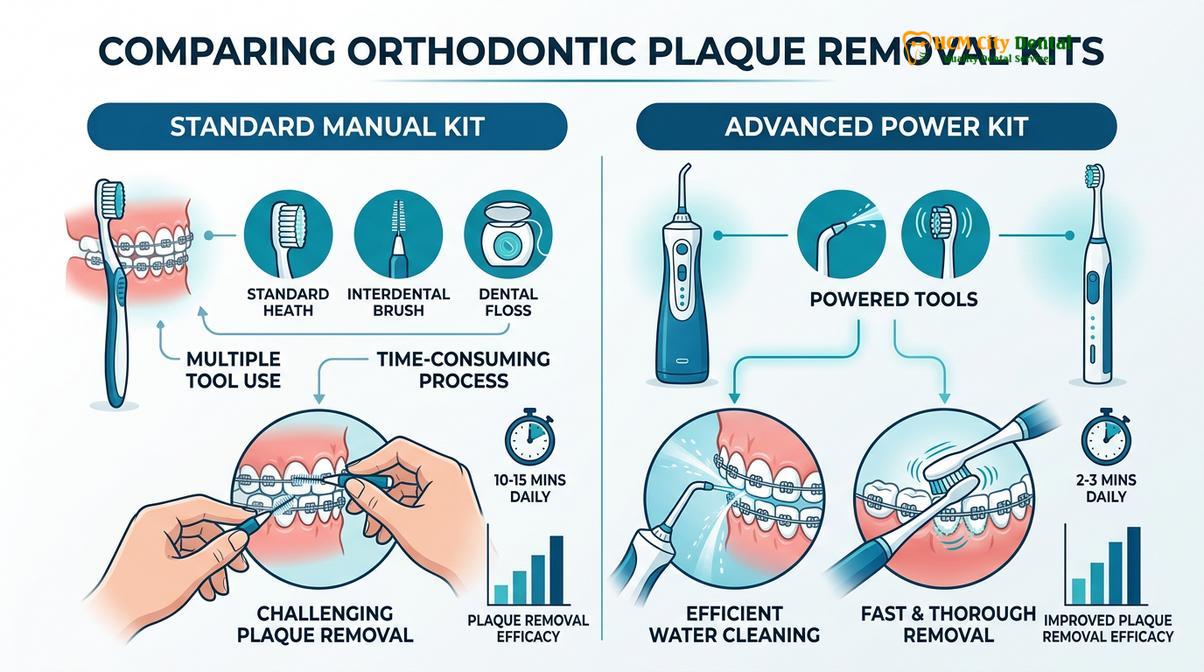
Once primary brushing is complete, deploy the interdental brush. Gently insert the brush beneath the archwire, between two adjacent brackets. Move the brush vertically (up and down) to scrub the mesial and distal sides of the brackets, as well as the tooth surface directly beneath the wire. This step is crucial because standard toothbrush bristles almost never reach this specific micro-environment.
Phase 4: Flossing and Final Inspection
Utilize a floss threader to pass the dental floss under the archwire. Once threaded, carefully adapt the floss into a “C” shape around the side of the tooth and gently slide it below the gumline. Scrape upward to remove subgingival plaque. Repeat this for both adjacent teeth in the interproximal space before pulling the floss out and moving to the next section. For patients who have transitioned to the retention phase, maintaining bonded retainer hygiene requires a very similar threading technique.
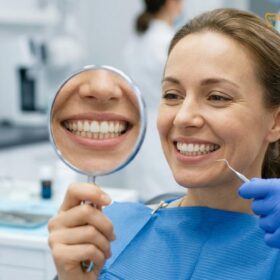
Finally, perform a visual inspection. When inspecting your teeth in the mirror post-brushing, ensure adequate lighting and angle your head to mimic the optimal dentist sitting position, allowing for clear visibility of the posterior brackets. There should be no visible plaque (which appears as a dull, white film) around the brackets or at the gumline.
Managing Common Orthodontic Emergencies with Your Kit
Your dental kit serves as a first-aid resource for minor orthodontic complications. Tools like orthodontic wax and sterile tweezers can temporarily secure or shield a protruding wire until professional clinical intervention is available.
Orthodontic treatment is a dynamic process involving continuous biomechanical forces. Occasionally, these forces, combined with mastication (chewing), can lead to minor hardware malfunctions. A well-equipped dental kit for braces empowers patients to manage these minor emergencies safely at home, preventing soft tissue trauma until they can visit their orthodontist.
If you encounter a braces wire bent out of alignment due to masticatory forces, the immediate goal is to protect the oral mucosa from laceration. Use the blunt end of a clean interdental brush handle or a clean cotton swab to gently push the wire flat against the tooth. If the wire cannot be repositioned, thoroughly dry the area with a tissue and apply a generous amount of orthodontic wax over the protruding end. This provides a smooth, protective barrier.
Another common issue is a loose or broken bracket. If the bracket is still attached to the archwire but sliding around, use orthodontic wax to stabilize it against the tooth. Do not attempt to pull it off the wire. If a rubber ligature (O-ring) comes off, you may use sterile tweezers from your kit to carefully place it back over the bracket wings, though this is often best left to the clinician.
Clinical Warning: Under no circumstances should patients research how to remove braces at home; attempting to detach bonded brackets using household tools invariably leads to irreversible enamel avulsion, severe pain, and potential root trauma. All hardware removal must be performed by a licensed dental professional using specialized debonding pliers.
While your kit is excellent for temporary management, it is not a substitute for professional repair. Any structural damage to the appliance can alter the force vectors applied to the teeth, potentially extending the overall duration of wearing braces. Always contact your clinic to schedule a repair appointment.
The Impact of Oral Hygiene on Aesthetic Outcomes
Meticulous oral hygiene directly influences the final aesthetic result of orthodontic treatment. Preventing gingival hypertrophy and white spot lesions ensures that once the hardware is removed, the underlying enamel is pristine and healthy.
The primary motivation for undergoing orthodontic treatment is typically to achieve a functional, aesthetically pleasing smile. However, the final aesthetic outcome is heavily dependent on the patient’s compliance with their oral hygiene regimen. Poor plaque control during treatment can lead to complications that severely compromise the final result, regardless of how perfectly the teeth are aligned.
One of the most devastating complications of poor orthodontic hygiene is the development of White Spot Lesions (WSLs). These are areas of opaque, chalky enamel that represent early-stage cavities (decalcification). They form around the perimeter of the brackets where plaque was allowed to stagnate. When the braces are removed, these permanent white squares remain on the teeth, ruining the aesthetic result. Consistent use of a dental kit for braces, particularly the interdental brushes and fluoride toothpaste, is the only way to prevent WSLs[5].
“The aesthetic success of orthodontics is a shared responsibility. The clinician aligns the dentition, but the patient must preserve the enamel. A perfectly straight tooth marred by decalcification is a compromised clinical outcome.”
Furthermore, inadequate hygiene leads to gingivitis, which in orthodontic patients often manifests as gingival hyperplasia (overgrowth of the gum tissue). Swollen, bleeding gums not only cause discomfort but can also physically impede the movement of the teeth. Effective plaque control prevents gingival hypertrophy, ensuring that the soft tissue architecture remains stable and the true aesthetic transformation—such as correcting a gummy smile before and after braces—is fully realized without being obscured by inflamed gums.
Clinical Case Review: A 22-year-old patient visited HCMC Dental Clinic in Ho Chi Minh City presenting with severe gingival inflammation and early decalcification around their ceramic brackets. Dr. Nguyen Van Cuong implemented a strict hygiene intervention, prescribing an advanced orthodontic kit featuring a water flosser and high-fluoride gel. Within four weeks of compliant use, the gingival hyperplasia resolved completely, and the progression of the white spot lesions was arrested, allowing the treatment to proceed safely to a highly aesthetic conclusion.
For patients concerned about the financial investment of treatment and the necessary hygiene tools, exploring orthodontic financing options can help make comprehensive care, including premium hygiene kits, more accessible. Additionally, for those who travel frequently, knowing managing lost aligners or broken brackets while away from home underscores the importance of always carrying a well-stocked dental kit.
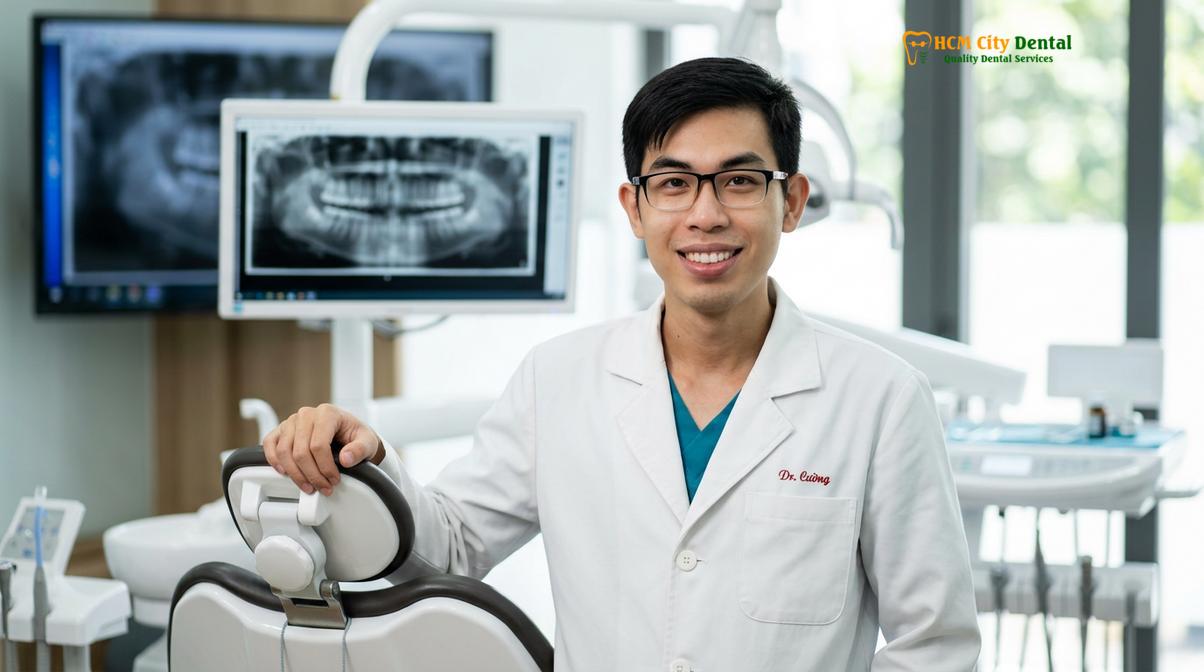
When to See a Doctor
Immediate clinical evaluation is required if you experience persistent gingival bleeding, severe pain, broken hardware, or notice chalky white spots developing around your brackets despite regular hygiene efforts.
While a comprehensive dental kit for braces empowers you to maintain excellent daily hygiene, it does not replace the need for professional oversight. You should schedule an immediate clinical evaluation if you experience any of the following symptoms:
- Persistent Gingival Bleeding: If your gums bleed profusely every time you brush or floss, it indicates severe gingivitis that requires professional debridement.
- Broken or Loose Hardware: A loose bracket or a snapped archwire cannot be permanently fixed at home and requires immediate clinical repair to keep your treatment on track.
- Unmanageable Pain: While mild discomfort after an adjustment is normal, sharp, stabbing pain or deep aching that does not subside may indicate an infection or excessive biomechanical force.
- Visible Decalcification: If you notice chalky white lines forming around your brackets, professional fluoride varnishes or prescription pastes are required immediately to halt the decay process.
At HCMC Dental Clinic in Ho Chi Minh City, our orthodontic team closely monitors your periodontal health at every adjustment appointment. If you are struggling with your hygiene routine, do not hesitate to ask for a clinical demonstration on how to optimize the use of your dental kit.
Frequently Asked Questions
What is the most important tool in a dental kit for braces?
The interdental brush is arguably the most critical tool in an orthodontic kit. It allows patients to mechanically remove plaque and food debris from beneath the archwire and between brackets, areas where standard toothbrushes cannot reach, thereby preventing decalcification and gingivitis.
Can I use an electric toothbrush with my braces kit?
Yes, electric toothbrushes are highly recommended for orthodontic patients. Oscillating-rotating or sonic toothbrushes provide superior plaque disruption around brackets compared to manual brushing. Ensure you use an orthodontic-specific brush head and apply gentle pressure to avoid damaging the archwires.
How often should I use the tools in my orthodontic dental kit?
You should use your complete dental kit for braces at least twice daily, ideally after every major meal. Prompt removal of fermentable carbohydrates prevents the rapid drop in oral pH that leads to enamel demineralization and the formation of white spot lesions.
Is a water flosser a replacement for traditional string floss?
No, a water flosser is an excellent adjunct but does not replace traditional string floss. While hydrodynamic forces flush out loose debris and disrupt biofilm, physical string flossing using a threader is required to scrape adherent plaque from the subgingival interproximal surfaces.
What should I do if I run out of orthodontic wax?
If you deplete your supply of orthodontic wax, you can temporarily use a small piece of sugar-free chewing gum or dental silicone to cover a sharp bracket. However, you should promptly acquire more clinical-grade wax from your pharmacy or dental provider to ensure biocompatible protection.
References
- American Journal of Orthodontics and Dentofacial Orthopedics. Efficacy of interdental brushes in orthodontic plaque control. (2021).
- Journal of Clinical Periodontology. Periodontal health during fixed orthodontic appliance therapy. (2020).
- European Journal of Orthodontics. Prevention of white spot lesions using specialized hygiene kits. (2019).
- Angle Orthodontist. Hydrodynamic fluid dynamics of water flossers in orthodontic patients. (2022).
- International Dental Journal. Biomechanical properties of orthodontic relief wax and mucosal healing. (2018).