A smelly clear retainer is typically caused by a hardened biofilm of plaque, saliva proteins, and anaerobic bacteria. To implement a successful smelly clear retainer fix, brush the appliance daily with mild dish soap and perform a weekly deep soak using specialized tablets or a vinegar solution.
Clinical Summary:
The phenomenon of a malodorous clear retainer is a widespread clinical issue stemming from the accumulation of oral microbiota, desquamated epithelial cells, and salivary glycoproteins. When these organic materials are not adequately removed, they form a calcified biofilm on the microporous surface of thermoplastic appliances. Anaerobic bacteria within this matrix metabolize food debris, releasing volatile sulfur compounds (VSCs) responsible for the foul odor. Effective management requires a dual-action approach: mechanical disruption using soft-bristled brushes and non-abrasive surfactants, combined with chemical disinfection via effervescent tablets or acidic/alkaline home solutions. Proper daily hygiene, avoiding abrasive toothpastes, and ensuring adequate ventilation during storage are critical to preserving the structural integrity and hygienic state of the retainer. Patients experiencing persistent odors or visible calcification despite rigorous home care should seek professional ultrasonic cleaning or appliance replacement to prevent secondary oral health complications such as gingival inflammation or recurrent caries.
Key Takeaways:
- Retainer odor is primarily caused by volatile sulfur compounds produced by anaerobic bacteria trapped in a calcified biofilm.
- Abrasive toothpastes create micro-scratches on clear plastic, accelerating bacterial colonization and worsening odors.
- Effective home remedies include soaking the appliance in a balanced mixture of white vinegar and baking soda to dissolve tartar and neutralize acids.
- Heat exposure, such as boiling water or leaving the retainer in a hot car, will irreversibly warp the thermoplastic material.
- Persistent malodor or visible white crusting that resists deep cleaning indicates the need for professional ultrasonic scaling or a replacement appliance.
The Clinical Etiology: Why Does My Retainer Stink?
Retainer odor originates from a complex biofilm of oral bacteria, saliva proteins, and microscopic food debris that calcifies onto the porous plastic surface, releasing foul-smelling sulfur compounds.
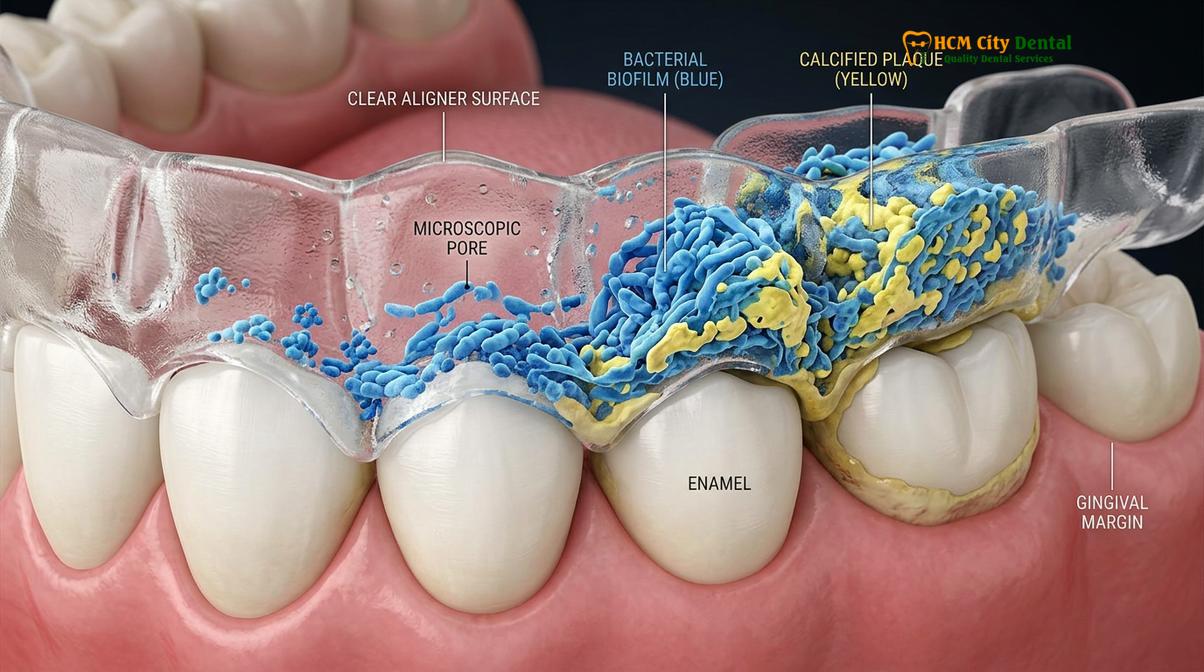
To fully understand the mechanics of a smelly clear retainer fix, one must first examine the complex biological environment of the human mouth. The oral cavity is a highly diverse ecosystem, hosting over 700 distinct species of bacteria. When a sterile clear retainer is inserted into the mouth, it is immediately coated with a salivary pellicle—a thin layer of glycoproteins and enzymes. Within minutes, primary colonizing bacteria, such as Streptococcus mutans, adhere to this pellicle. If the appliance is not meticulously cleaned, these initial colonizers multiply and secrete an extracellular polymeric substance (EPS), creating a sticky, protective matrix known as a biofilm[1].
Many patients find themselves asking, “why does my retainer stink?” The answer lies in the metabolic byproducts of the bacteria trapped within this biofilm. As anaerobic bacteria break down trapped food particles and cellular debris, they produce volatile sulfur compounds (VSCs), including hydrogen sulfide and methyl mercaptan. These are the exact same chemical compounds responsible for severe clinical halitosis (bad breath). Because clear retainers are manufactured from thermoplastic materials like polyurethane or polyethylene terephthalate glycol (PETG), they possess a microscopic porosity. Over time, the biofilm penetrates these microscopic pores, making the odor incredibly difficult to eradicate with simple water rinsing.
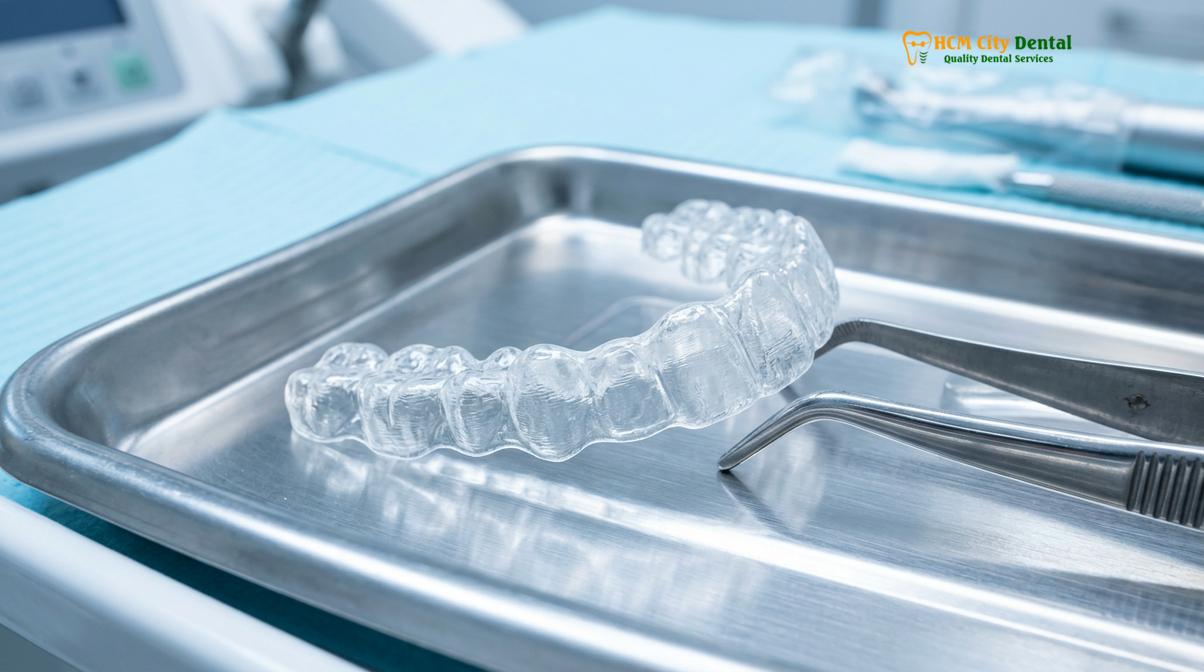
Furthermore, the issue of retainer bacteria buildup is exacerbated by the natural mineralization process of saliva. Human saliva is supersaturated with calcium and phosphate ions, which are essential for remineralizing tooth enamel. However, when these ions interact with the bacterial biofilm on a retainer, they cause the plaque to calcify, transforming it into hard, white, or yellowish tartar (calculus). Once tartar forms on the appliance, it creates a highly irregular, rough surface area that provides an even more hospitable environment for bacterial proliferation. This calcified layer acts as a shield, protecting the underlying odor-causing bacteria from standard cleaning agents.
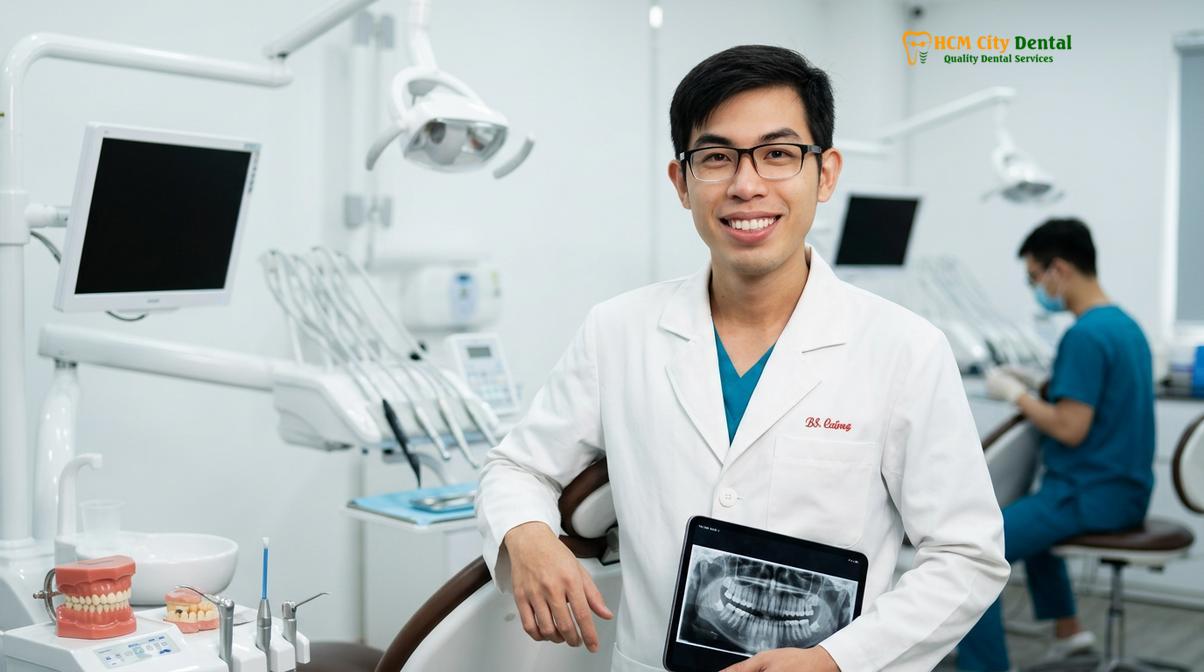
“The thermoplastic materials used in modern clear aligners and retainers are highly susceptible to bacterial adhesion. Without a rigorous, daily protocol of mechanical and chemical disruption, the biofilm rapidly calcifies, leading not only to persistent malodor but also increasing the patient’s risk for gingival inflammation and enamel demineralization.” – Dr. Nguyen Van Cuong
It is also crucial to consider the role of desquamated epithelial cells and gingival crevicular fluid. As the oral mucosa naturally sheds dead cells, these cells become trapped between the tight-fitting retainer and the teeth. In the warm, moist, and oxygen-deprived environment beneath the plastic, these organic materials decompose rapidly. This decomposition process is a primary driver of the sour or musty smell frequently reported by patients. Understanding this complex etiology is the first step in implementing an effective Orthodontics retention strategy that prioritizes both appliance longevity and optimal oral hygiene.
Professional Protocols to Clean Clear Aligner Smell
Eliminating clear aligner odor requires a dual approach combining mechanical disruption using a soft-bristled brush and chemical disinfection with non-abrasive, pH-balanced cleansing agents.
Achieving a permanent smelly clear retainer fix demands a transition from passive rinsing to active, targeted disinfection. The foundation of any successful protocol to clean clear aligner smell is mechanical disruption. However, the choice of instrument and cleaning agent is paramount. Dental professionals strictly advise against the use of standard toothpaste. Most commercial toothpastes contain abrasive agents, such as hydrated silica or calcium carbonate, designed to polish hard dental enamel. When applied to relatively soft thermoplastic retainers, these abrasives create thousands of microscopic scratches. These micro-abrasions instantly become safe havens for bacteria, rendering the appliance permanently cloudy and significantly more susceptible to odor retention[2].
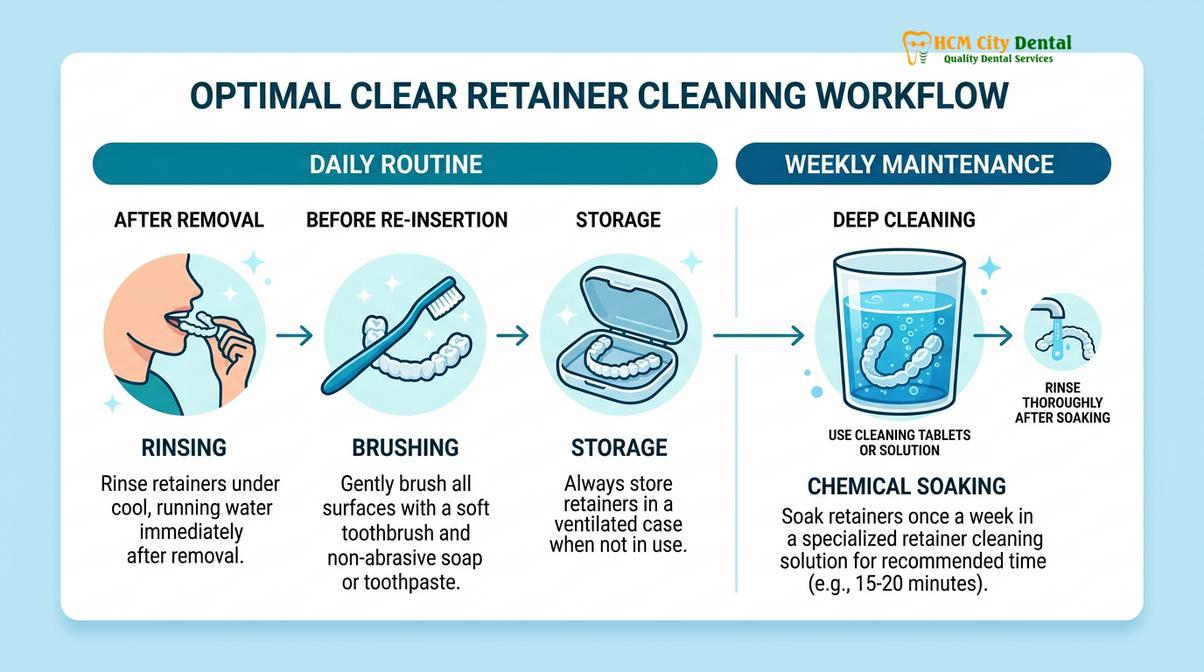
Instead, the recommended daily mechanical cleaning protocol involves using a dedicated, soft-bristled toothbrush and a mild, uncolored, and unscented liquid dish soap. Dish soap is formulated with gentle surfactants that effectively break down lipid (fat) barriers and lift away the salivary pellicle without scratching the plastic. The patient should dispense a small drop of soap onto the wet brush and gently scrub all surfaces of the retainer, paying particular attention to the deep grooves that correspond to the occlusal (biting) surfaces of the teeth, as this is where plaque accumulation is most dense. Following the mechanical scrubbing, the appliance must be rinsed thoroughly with lukewarm water to remove all soap residue.
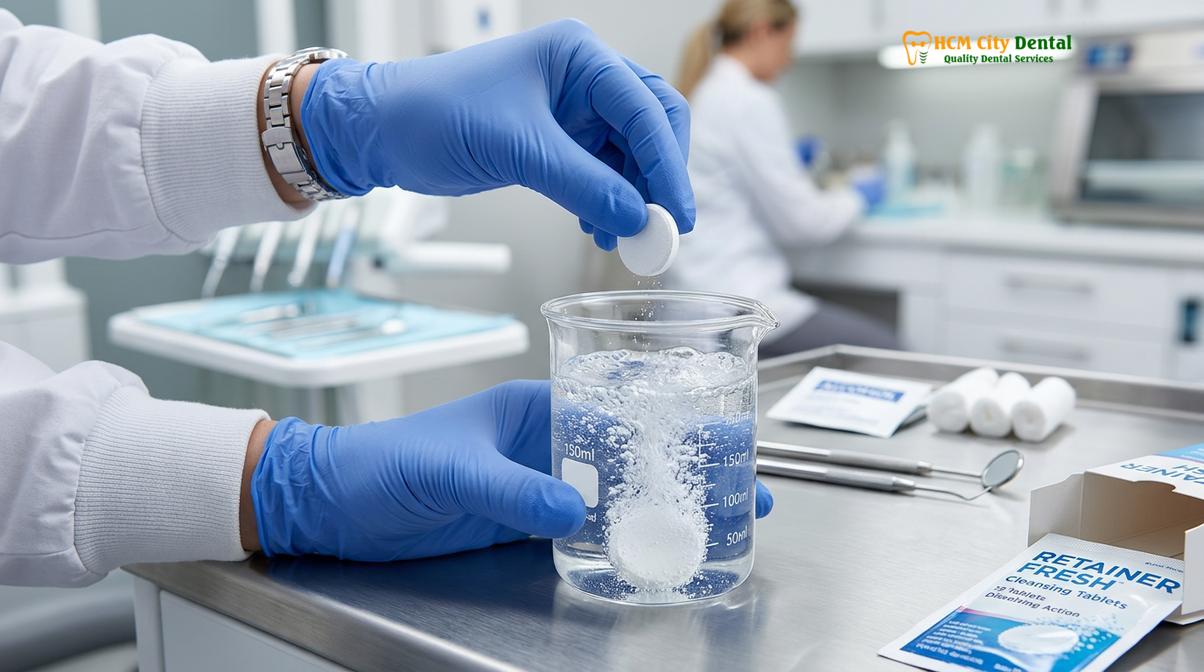
While daily mechanical cleaning is essential, it is often insufficient to completely eradicate the bacteria embedded deep within the material’s pores. Therefore, chemical disinfection is a mandatory component of the maintenance workflow. Specialized effervescent retainer cleaning tablets are formulated specifically for this purpose. These tablets typically contain sodium bicarbonate, citric acid, and a mild oxidizing agent like potassium monopersulfate. When dissolved in water, the effervescent action creates micro-bubbles that physically dislodge debris from microscopic crevices, while the oxidizing agents break down the cell walls of odor-causing bacteria and bleach away organic stains[3].
For patients undergoing long-term retention therapy, establishing a routine is critical. A standard clinical recommendation is to perform the mechanical dish soap cleaning twice daily (morning and night) and to utilize the chemical effervescent soak at least once or twice a week. This comprehensive approach not only ensures a fresh-smelling appliance but also extends the functional lifespan of the retainer. Patients wondering how long to wear retainers after braces must understand that the commitment to retention is often lifelong, making the mastery of these cleaning protocols an indispensable part of their daily health regimen.
Home Remedies: Soak Retainer Vinegar Baking Soda
A highly effective, evidence-based home remedy involves soaking the retainer in a diluted white vinegar and baking soda solution to dissolve mineral deposits and neutralize bacterial acids.
When commercial cleaning tablets are unavailable, patients can achieve an excellent smelly clear retainer fix using common household ingredients. The most clinically sound home remedy is to soak retainer vinegar baking soda. This method leverages basic chemistry to dismantle the two primary components of retainer malodor: calcified tartar and volatile sulfur compounds. White vinegar contains acetic acid (typically at a 5% concentration), which is highly effective at decalcifying the hardened mineral deposits that form on the appliance. By dissolving the calcium phosphate matrix of the tartar, the vinegar exposes the underlying bacterial colonies that were previously protected[4].
Conversely, baking soda (sodium bicarbonate) is a mild alkaline compound. Its primary function in this cleaning protocol is twofold. First, it acts as a powerful deodorizer by neutralizing the acidic byproducts of bacterial metabolism and the volatile sulfur compounds responsible for the foul smell. Second, when combined with vinegar, it creates a mild effervescent reaction. The release of carbon dioxide gas bubbles helps to mechanically lift debris and plaque from the intricate grooves of the retainer. However, it is crucial to execute this process correctly to avoid damaging the appliance.
The optimal clinical workflow for the vinegar and baking soda soak is as follows: First, create a mixture of 50% distilled white vinegar and 50% lukewarm water in a clean glass or stainless steel container. Submerge the retainer completely in this acidic solution and allow it to soak for 15 to 20 minutes. This duration is sufficient to soften the calculus without degrading the thermoplastic material. After the soaking period, remove the retainer and use a soft-bristled toothbrush to gently scrub away the loosened white plaque. Rinse the appliance thoroughly with water.
Clinical Warning: Never use hot or boiling water when cleaning or soaking a clear thermoplastic retainer. High temperatures will cause the plastic to undergo thermal distortion, irreversibly warping the appliance and destroying its custom fit. Additionally, avoid using household bleach or alcohol-based mouthwashes, as these harsh chemicals will degrade the polymer chains, causing the retainer to become brittle, opaque, and highly susceptible to cracking.
Following the vinegar soak and rinse, the deodorizing phase begins. Dissolve one tablespoon of baking soda in a cup of lukewarm water. Submerge the rinsed retainer in this alkaline solution for an additional 10 to 15 minutes. This step neutralizes any lingering acetic acid from the vinegar and eliminates residual odors. Finally, rinse the retainer meticulously under running water before reinserting it into the mouth. This dual-phase chemical approach is a highly effective strategy for patients seeking a cost-effective and reliable method to maintain their appliances, particularly those participating in dental tourism who may need accessible maintenance solutions while traveling.
Common Retainer Care Mistakes That Exacerbate Odor
Utilizing abrasive toothpastes, exposing the appliance to high temperatures, and improper storage in unventilated cases create micro-abrasions and moisture traps that accelerate bacterial proliferation.
Despite best intentions, many patients inadvertently sabotage their smelly clear retainer fix by engaging in detrimental care habits. One of the most pervasive errors is the failure to remove the appliance before consuming food or beverages (other than plain water). Eating with a clear retainer in place forces food particles directly into the space between the plastic and the teeth. The immense occlusal forces generated during mastication can drive these particles deep into the material, while simultaneously causing structural micro-fractures. Furthermore, consuming pigmented or acidic beverages like coffee, tea, red wine, or soda while wearing the retainer leads to rapid staining and chemical degradation of the polymer, creating a highly porous surface that traps odors aggressively.
Another critical mistake involves improper storage protocols. When a retainer is removed from the mouth, it is coated in saliva and bacteria. If the appliance is immediately placed into a sealed, airtight plastic case without being cleaned and dried, it creates a dark, damp, and warm incubator—the absolute ideal environment for anaerobic bacteria and fungal organisms (such as Candida albicans) to multiply exponentially. Patients often open their retainer cases the next morning to be greeted by an overwhelming, musty stench. To prevent this, the retainer must be rinsed, brushed, and allowed to air-dry completely before being stored in a well-ventilated case. The storage case itself must also be washed weekly with hot, soapy water to prevent cross-contamination.
The financial implications of poor retainer care are significant. A degraded, warped, or deeply stained appliance cannot be salvaged and must be replaced to ensure the teeth do not relapse into their pre-orthodontic positions. Patients who fail to adhere to proper hygiene protocols often find themselves facing the cost of replacement retainers much sooner than anticipated. Understanding the distinction between beneficial and harmful practices is essential for long-term success.
| Care Category | Optimal Clinical Practice | Detrimental Practice (Avoid) |
|---|---|---|
| Daily Cleaning Agent | Mild, unscented liquid dish soap | Abrasive whitening toothpaste or baking soda paste |
| Water Temperature | Lukewarm or cool water | Hot or boiling water |
| Chemical Disinfection | Effervescent retainer tablets or diluted vinegar | Household bleach or alcohol-based mouthwash |
| Storage Environment | Clean, dry, well-ventilated protective case | Wrapped in a tissue or sealed wet in an airtight case |
| Dietary Habits | Remove appliance for all food and flavored drinks | Eating or drinking coffee/soda with the retainer in |
“Patient compliance with hygiene protocols is the single most critical factor in the longevity of removable orthodontic appliances. A retainer that is improperly cleaned or stored wet will inevitably become a vector for bacterial reinfection, compromising both the stability of the orthodontic result and the patient’s overall periodontal health.” – Dr. Nguyen Van Cuong
Finally, the habit of wrapping a retainer in a paper towel or napkin during meals is a major contributor to appliance loss and damage. Not only are retainers frequently thrown away accidentally when wrapped in napkins, but the dry, fibrous nature of the paper can adhere to the saliva on the retainer, leaving behind microscopic lint that acts as a scaffold for future plaque accumulation. Always utilizing a dedicated, ventilated hard case is a non-negotiable aspect of proper appliance management.
When to See a Doctor: Persistent Odors and Structural Damage
While diligent home care and a consistent smelly clear retainer fix protocol can resolve the majority of malodor issues, there are specific clinical scenarios where professional intervention is absolutely necessary. If a patient has rigorously applied mechanical brushing and chemical soaking (such as the vinegar and baking soda method) but the retainer continues to emit a foul odor, it is a strong indication that the bacterial biofilm has penetrated too deeply into the thermoplastic matrix to be removed by conventional means. In these instances, the appliance has become a hygienic liability and may begin to negatively impact the patient’s oral health, potentially leading to halitosis, gingival inflammation, or an increased risk of dental caries[5].
Another clear indicator for professional evaluation is the presence of heavy, calcified tartar that cannot be dislodged. When plaque mineralizes into thick, white, or yellow calculus on the retainer, attempting to scrape it off forcefully at home with sharp tools (like tweezers or dental picks) will inevitably gouge and ruin the plastic. Dental professionals possess specialized ultrasonic cleaning equipment that utilizes high-frequency sound waves to safely shatter and remove calculus from delicate appliances without causing structural damage. If ultrasonic cleaning is insufficient, the appliance must be replaced.
Clinical Case Study: Managing Refractory Retainer Malodor
A 24-year-old patient presented to HCMC Dental Clinic in Ho Chi Minh City complaining of persistent bad breath and a foul-smelling clear retainer. Despite daily brushing with toothpaste, the appliance remained cloudy and malodorous. Clinical examination by Dr. Nguyen Van Cuong revealed extensive micro-abrasions on the retainer’s surface caused by the abrasive toothpaste, which had become deeply colonized by anaerobic bacteria. Furthermore, the patient’s gingival tissues showed signs of mild localized inflammation. Dr. Cuong determined the appliance was beyond salvageable repair. The patient was fitted for a new Essix retainer using digital intraoral scanning. Comprehensive hygiene instructions were provided, emphasizing the use of dish soap and weekly effervescent soaks. At the one-month follow-up, the patient reported complete resolution of the malodor and gingival inflammation.
Structural damage is another critical factor that necessitates a visit to the dentist. Clear retainers are subjected to significant occlusal forces, especially in patients who suffer from bruxism (teeth grinding) during sleep. Over time, the thermoplastic material can develop micro-cracks, perforations, or generalized warping. A cracked retainer not only loses its ability to hold the teeth in their correct alignment—risking orthodontic relapse—but the cracks also serve as deep, inaccessible reservoirs for bacteria and food debris, making odor elimination impossible. Patients experiencing these issues should promptly seek a same day retainer service to ensure their retention therapy is not interrupted.
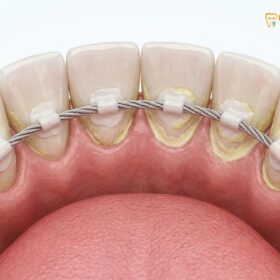
Furthermore, patients utilizing a combination of clear removable retainers and fixed lingual retainers must be particularly vigilant. If a patient notices a foul smell, it is important to determine whether the odor is emanating from the removable appliance or from plaque accumulation around the fixed wire. A broken wire on a permanent retainer can create a trap for severe calculus buildup, leading to localized periodontal issues and strong odors that mimic a dirty clear retainer. Regular professional dental cleanings and examinations are vital to differentiate between these issues and maintain optimal oral health.
Ultimately, thermoplastic retainers are not designed to last a lifetime. Depending on the material thickness, the patient’s bite force, and hygiene practices, a clear retainer typically requires replacement every 12 to 24 months. When an appliance becomes chronically malodorous, cloudy, or loose, investing in the cost of an Essix retainer replacement is a necessary step to protect the substantial investment made in orthodontic treatment. For personalized diagnostics and expert retention care, patients are encouraged to schedule a consultation with the specialists at HCMC Dental Clinic.
Frequently Asked Questions
Why does my clear retainer smell bad even after brushing?
Your retainer smells because standard brushing often fails to remove the microscopic biofilm and calcified tartar where anaerobic bacteria thrive. Over time, these bacteria release volatile sulfur compounds that cause persistent malodor, requiring chemical soaking to fully eradicate. Brushing alone, especially without a surfactant like dish soap, merely moves the surface debris without addressing the bacteria embedded in the microscopic pores of the thermoplastic material.
Is it safe to boil my clear retainer to kill the bacteria?
No, you should never boil a clear retainer. High temperatures will irreversibly warp the thermoplastic material, destroying the custom fit required to keep your teeth aligned and necessitating an immediate replacement. Clear aligners and retainers are manufactured using heat-sensitive polymers designed to become malleable at high temperatures; exposing them to boiling water or leaving them in a hot vehicle will instantly distort their precise clinical dimensions.
How often should I deep clean my orthodontic retainer?
You should perform a deep clean at least once a week using a specialized effervescent tablet or a vinegar and baking soda soak. This weekly protocol prevents the mineralization of plaque into tartar and eliminates embedded odors. While daily mechanical cleaning with a soft brush and mild soap is mandatory to remove the daily accumulation of salivary pellicle, the weekly chemical soak is essential for deep disinfection and stain removal.
Can I use regular toothpaste to clean my clear aligners?
No, regular toothpaste contains abrasive agents like silica that create micro-scratches on the plastic surface. These microscopic grooves become breeding grounds for bacteria, making the retainer cloudy and significantly more prone to foul odors. Dental professionals strongly recommend using a mild, unscented liquid dish soap, which provides effective lipid-dissolving properties without the abrasive damage associated with commercial toothpastes.
When should I replace a smelly retainer that won’t get clean?
You should replace your retainer if it exhibits persistent odors despite deep cleaning, shows visible white calcified buildup, or has structural damage like cracks. Thermoplastic retainers typically require replacement every one to two years depending on wear. Continuing to wear a degraded, highly colonized retainer can compromise your oral health, leading to gingival inflammation, bad breath, and an increased risk of dental decay.
References
- Journal of Clinical Orthodontics. Biofilm formation on thermoplastic retainers and aligners. (2021).
- American Journal of Orthodontics and Dentofacial Orthopedics. Efficacy of chemical cleaning agents on clear retainers. (2020).
- International Journal of Dental Hygiene. Volatile sulfur compounds and halitosis associated with removable appliances. (2019).
- Journal of Prosthodontic Research. Surface degradation of Essix retainers following mechanical and chemical cleaning. (2022).
- European Journal of Orthodontics. Patient compliance and hygiene protocols in orthodontic retention. (2018).