Pediatric zirconia crowns are highly durable, tooth-colored ceramic restorations used to repair severely decayed or damaged primary teeth. They offer a biocompatible, natural-looking alternative to traditional silver crowns, ensuring children maintain proper chewing function, speech development, and a confident smile until their permanent teeth erupt.
Clinical Summary:
Zirconia crowns represent the gold standard in esthetic pediatric restorative dentistry. Fabricated from solid monolithic zirconia, these crowns provide exceptional fracture resistance and superior gingival health compared to traditional stainless steel. They are particularly indicated for extensive caries, post-pulpotomy restorations, and enamel defects in both anterior and posterior primary dentition. By combining advanced material science with minimally invasive preparation techniques, pediatric dentists can restore primary teeth to their natural form and function, alleviating dental anxiety for both the child and the parents while ensuring long-term clinical success.
Key Takeaways:
- Zirconia crowns are metal-free, biocompatible restorations designed specifically for primary teeth.
- They offer superior esthetics, closely matching the natural color and translucency of a child’s smile.
- The smooth surface of zirconia minimizes plaque accumulation, promoting better gingival health.
- Placement requires precise tooth preparation and specialized cementation techniques to ensure a passive fit.
- They are highly durable and typically last until the primary tooth naturally exfoliates.
What are Zirconia Crowns for Kids?
Zirconia crowns for children are pre-formed, tooth-colored ceramic caps used to restore primary teeth that have suffered extensive decay, trauma, or structural damage.
The restoration of primary teeth is a fundamental component of pediatric dental care. While primary teeth eventually fall out, they play a critical role in a child’s development. They guide the proper eruption of permanent teeth, facilitate normal speech production, and allow for adequate mastication and nutrition. When a primary tooth is severely compromised by early childhood caries or trauma, a simple filling is often insufficient to withstand the occlusal forces of chewing. In these cases, a full-coverage restoration is required. Historically, this meant placing a silver-colored stainless steel crown. However, advancements in dental material science have introduced a superior esthetic alternative: the pediatric zirconia crown.
Zirconia, specifically yttria-stabilized tetragonal zirconia polycrystal (Y-TZP), is a high-strength ceramic material renowned for its exceptional durability and biocompatibility. When utilized as a baby tooth crown, monolithic zirconia provides a restoration that is virtually indistinguishable from natural enamel. The material is milled into pre-formed anatomical shapes that mimic the natural contours of primary incisors, canines, and molars. Because zirconia is entirely metal-free, it eliminates the risk of metal allergies and prevents the dark gingival shadowing sometimes associated with base metal alloys [1].
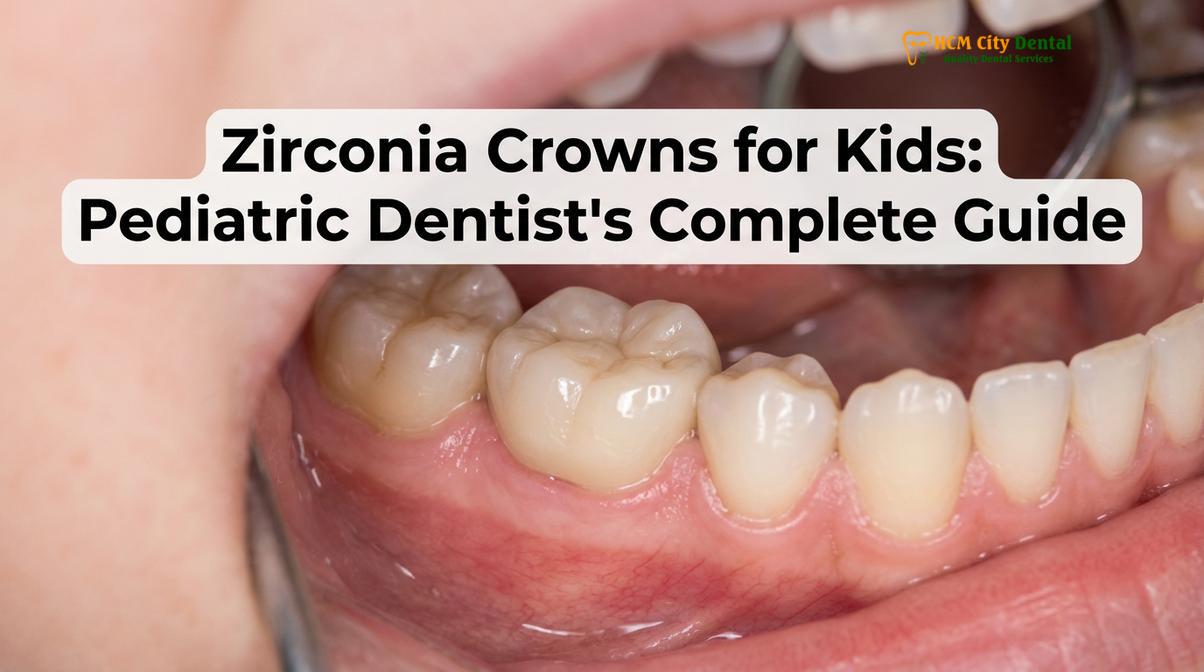
One of the most significant clinical advantages of zirconia crowns for kids is their highly polished, non-porous surface. This smooth finish drastically reduces bacterial adhesion and plaque accumulation compared to natural tooth structure or composite resin. Consequently, the surrounding gingival tissues remain healthier, exhibiting less inflammation and bleeding upon probing. Furthermore, zirconia is chemically inert, meaning it will not degrade, corrode, or discolor over time, even when exposed to the acidic environments often found in a child’s diet.
The demand for esthetic pediatric restorations has grown exponentially, driven by parents’ desire to preserve their child’s natural appearance and self-esteem. A visible silver crown on a front tooth can sometimes lead to self-consciousness or teasing among peers. By opting for pediatric zirconia crowns, clinicians can provide a restoration that not only saves the tooth but also protects the child’s psychosocial well-being. These crowns are meticulously designed to offer the perfect balance of esthetic morphology and precision fit, establishing a new standard of care in modern pediatric dentistry.
Zirconia vs Stainless Steel Crowns (SSC)
While stainless steel crowns are durable and cost-effective, zirconia crowns provide superior esthetics, better biocompatibility, and reduced plaque retention for pediatric patients.
For decades, the stainless steel crown (SSC) has been the workhorse of pediatric restorative dentistry. SSCs are highly durable, relatively inexpensive, and forgiving in their placement, as the metal can be crimped and contoured intraorally to snap over the tooth preparation. However, the glaring metallic appearance of SSCs is a significant drawback for many modern families. When evaluating restorative options, it is essential to understand the clinical and material differences between a traditional SSC and a modern pediatric dentist crown made of zirconia.
The primary distinction lies in the material properties. Stainless steel is a flexible metal alloy, whereas zirconia is a rigid, crystalline ceramic. This fundamental difference dictates the clinical workflow. Because an SSC can flex, it can be forced over a slightly under-prepared tooth, relying on the metal’s elasticity to grip the undercut of the tooth for retention. Zirconia, conversely, has zero flexural elasticity. If a clinician attempts to force a zirconia crown onto a tooth that has not been adequately prepared, the ceramic will fracture, or the crown simply will not seat. Therefore, zirconia requires a more precise, passive fit, necessitating a slightly more aggressive reduction of the tooth structure to remove all undercuts [2].
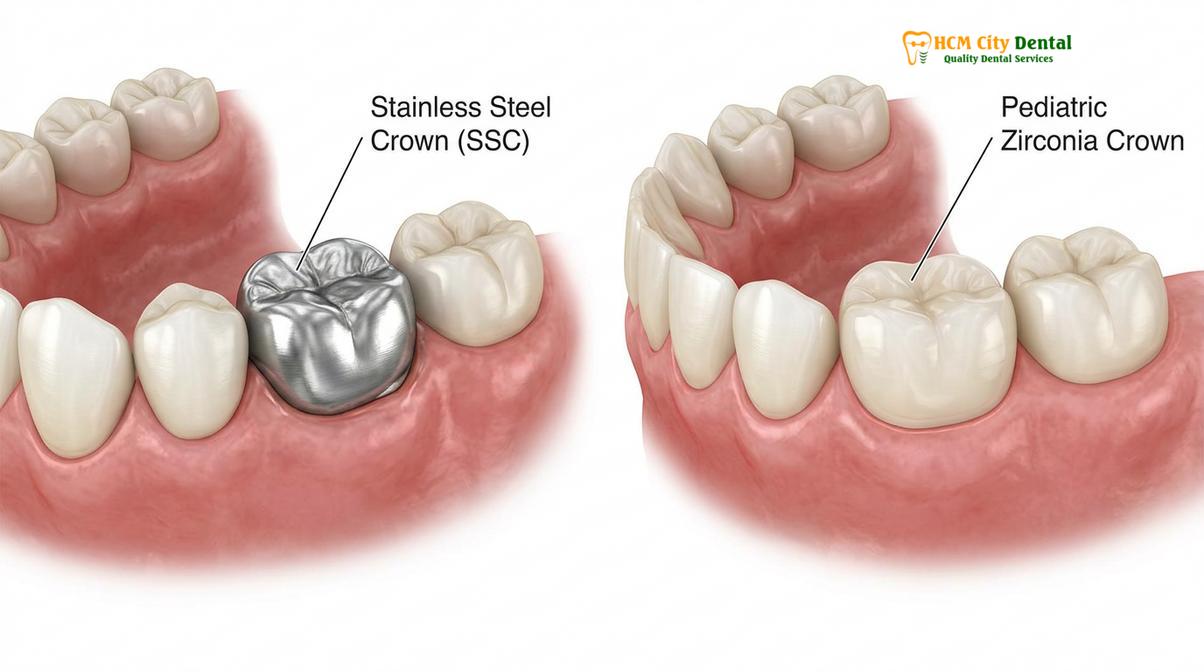
Despite the need for more precise preparation, the biological benefits of zirconia are profound. The cervical margins of SSCs often act as plaque-retentive niches, predisposing children with limited oral hygiene skills to localized gingivitis. Zirconia crowns, with their glazed and highly polished margins, promote an excellent gingival response. The soft tissues adapt beautifully to the ceramic, often resulting in a healthier periodontium than was present before the restoration. Much like adults who research Do Veneers Ruin Your Teeth? Clinical Truths & Enamel Safety to ensure their cosmetic treatments are conservative, parents seek pediatric restorations that protect the underlying tooth structure while providing a flawless appearance.
| Feature | Pediatric Zirconia Crowns | Stainless Steel Crowns (SSC) |
|---|---|---|
| Esthetics | Excellent; natural tooth color and translucency. | Poor; highly visible metallic silver appearance. |
| Durability | Very High; resistant to wear and fracture. | Very High; rarely fractures, though may wear through. |
| Biocompatibility | Superior; metal-free, excellent gingival health. | Good; but can cause localized gingival inflammation. |
| Tooth Preparation | Requires precise, passive fit (more reduction). | Forgiving; can be crimped to fit undercuts. |
| Plaque Retention | Very Low; highly polished surface resists plaque. | Moderate to High; margins can harbor bacteria. |
Another alternative historically used for esthetic pediatric restorations is the pre-veneered stainless steel crown (an SSC with a white composite facing) or the composite strip crown. However, pre-veneered crowns are notoriously bulky and prone to the white facing chipping off, revealing the metal underneath. Strip crowns are highly technique-sensitive, require a completely dry field (which is difficult to achieve in pediatric patients), and are susceptible to staining and fracture over time. Zirconia eliminates these issues by providing a monolithic, single-material solution that will not delaminate or discolor.
“The introduction of prefabricated zirconia crowns has revolutionized pediatric dentistry, allowing clinicians to meet the high esthetic demands of parents without compromising the structural integrity and longevity required for primary tooth restorations.”
The Pediatric Crown Procedure
The placement of a pediatric zirconia crown involves careful decay removal, precise tooth reshaping, and secure cementation, often completed in a single clinical visit.
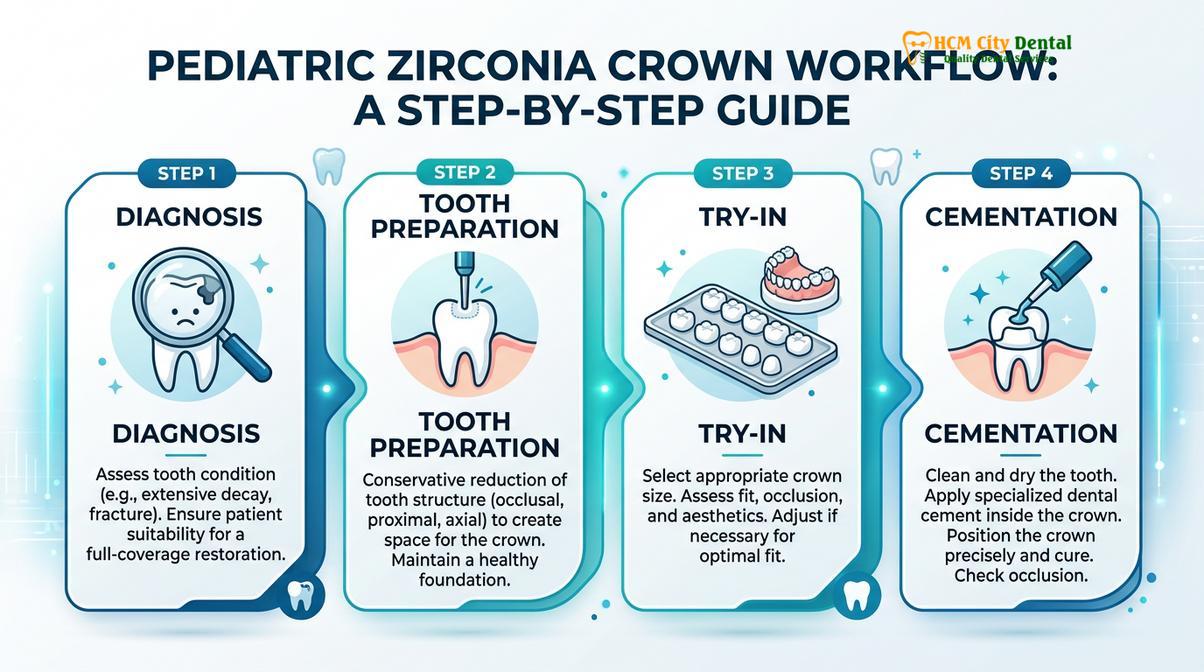
Performing restorative dentistry on children requires a delicate balance of clinical precision and compassionate behavioral management. The workflow for placing pediatric zirconia crowns is highly structured to ensure efficiency, minimize chair time, and maximize the longevity of the restoration. A successful outcome depends heavily on the clinician’s ability to manage the child’s dental anxiety while executing precise technical steps, which directly correlates with high parental satisfaction rates [3].
The procedure begins with a comprehensive clinical and radiographic examination to assess the extent of the decay. If the caries has reached the dental pulp (the nerve of the tooth), a pulpotomy (pediatric root canal) must be performed prior to crown placement. Once the diagnosis is confirmed, the pediatric dentist will administer local anesthesia to ensure the tooth is completely numb. Advanced clinics often utilize computer-controlled local anesthetic delivery systems to make the injection virtually painless. For children with severe dental anxiety, nitrous oxide (laughing gas) or conscious sedation may be employed to keep them relaxed and cooperative throughout the appointment [4].
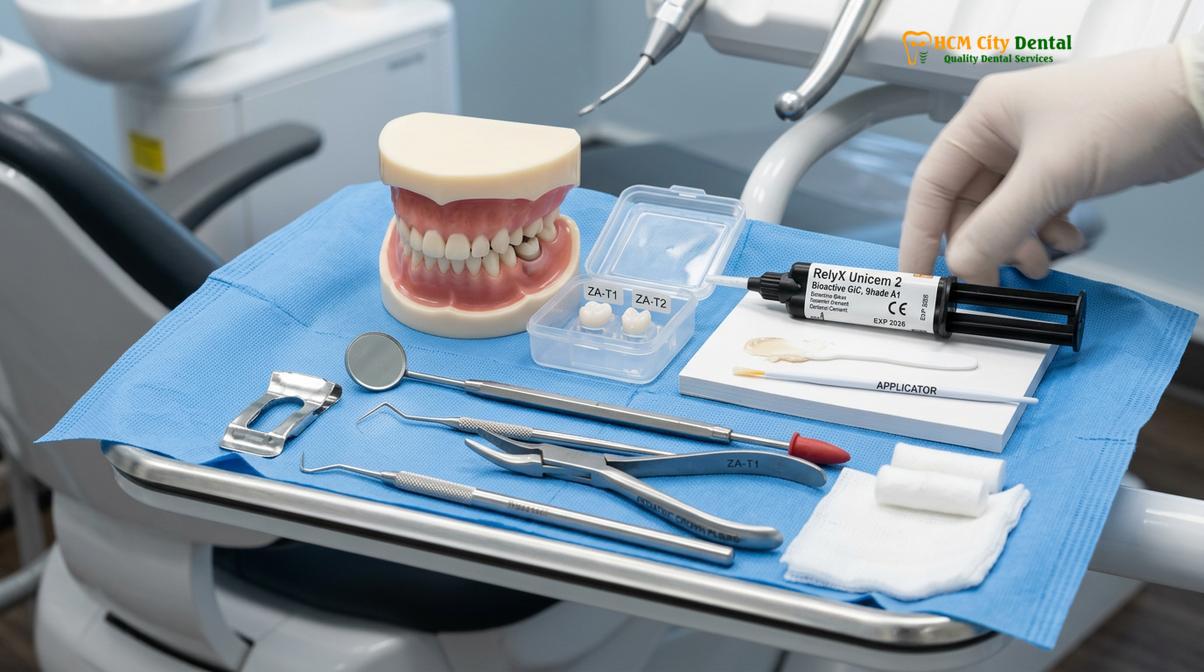
Following profound anesthesia, the tooth is isolated, often using a rubber dam, to maintain a dry and sterile field. The dentist then meticulously removes all decayed tooth structure. The preparation for a zirconia crown requires specific geometric parameters. The occlusal surface is reduced by 1.5 to 2.0 millimeters, and the axial walls are reduced circumferentially to remove all undercuts. The preparation must extend subgingivally (below the gumline) by 1 to 2 millimeters to ensure the crown margins rest on healthy tooth structure and provide adequate retention.
Because zirconia cannot be crimped or adjusted intraorally, sizing the crown is a critical step. Premium zirconia crown systems include specialized “Try-In” crowns. These are exact replicas of the final crowns, usually color-coded, used to verify the fit. Using a Try-In crown prevents the internal surface of the final zirconia crown from becoming contaminated with blood or saliva during the sizing process. Contamination can severely compromise the bond strength of the cement. The Try-In crown should seat passively without excessive force, confirming that the tooth preparation is adequate.
Once the correct size is determined and the fit is verified, the final zirconia crown is prepared for cementation. Hemorrhage control is vital at this stage; the gingival tissues must be healthy and not bleeding to ensure a strong cement seal. The internal surface of the crown is loaded with a biocompatible luting agent, typically a bioactive glass ionomer or a resin-modified glass ionomer cement. These cements are hydrophilic (moisture-tolerant) and release fluoride, providing an extra layer of protection against future decay. The crown is firmly seated onto the tooth, and excess cement is carefully removed from the margins. The result is a beautifully restored, fully functional tooth.
Clinical Case Study: Restoring a Smile in Ho Chi Minh City
A recent case at HCMC Dental Clinic highlights the transformative impact of pediatric zirconia crowns on a child’s oral health and self-confidence.
To illustrate the clinical efficacy of these restorations, consider a recent case involving a five-year-old patient who visited HCMC Dental Clinic in Ho Chi Minh City. The child presented with severe early childhood caries affecting multiple primary maxillary incisors (upper front teeth). The extensive decay had compromised the structural integrity of the teeth, causing discomfort during meals and leading the child to hide their smile. The parents, an expat family residing in Saigon, were highly concerned about both the functional impairment and the esthetic implications of traditional silver crowns.
Dr. Nguyen Van Cuong, a leading clinician at HCMC Dental Clinic, emphasizes that preserving primary teeth is vital for a child’s overall development. Under the guidance of Dr. Cuong, the clinical team utilizes advanced zirconia materials to ensure restorations are both highly durable and biocompatible. Parents seeking comprehensive care can explore the clinic’s General & Preventive Dentistry services to learn more about these specialized pediatric protocols.
Following a thorough consultation, the clinical team proposed a treatment plan utilizing pediatric zirconia crowns. The procedure was performed under mild sedation to ensure the child’s comfort. The decayed tissue was meticulously removed, and the teeth were prepared according to the strict guidelines set forth by international standards and the Vietnam Odonto-Stomatology Association (VOSA) [5]. The monolithic zirconia crowns were selected for their superior shade matching and passive fit.
Upon cementation, the transformation was immediate. The child’s smile was fully restored with natural-looking, tooth-colored crowns that blended seamlessly with the adjacent healthy teeth. The parents reported a significant improvement in the child’s chewing ability and a remarkable boost in self-esteem. This case underscores the commitment of HCMC Dental Clinic to providing world-class pediatric restorative care in Ho Chi Minh City, ensuring that young patients receive treatments that prioritize both health and esthetics.
When to See a Pediatric Dentist
Early intervention is critical in pediatric dentistry to prevent minor cavities from developing into severe infections that require extensive restorative treatments.
Primary teeth have thinner enamel and larger pulp chambers than permanent teeth, meaning that decay can progress rapidly from a minor cavity to a painful nerve infection in a matter of months. Parents should schedule a consultation with a pediatric dentist if they observe any of the following clinical signs:
- Visible Discoloration: Chalky white spots, brown stains, or visible holes on the surfaces of the teeth, particularly near the gumline.
- Dental Pain: Complaints of a toothache, especially pain that wakes the child up at night or occurs spontaneously without a stimulus.
- Sensitivity: Flinching or crying when consuming hot, cold, or sweet foods and beverages.
- Swelling: Any swelling of the gums, face, or cheek, or the presence of a pimple-like bump (fistula) on the gums near a tooth.
- Trauma: Any injury to the mouth that results in a chipped, fractured, or displaced tooth.
Ignoring these signs can lead to premature tooth loss. If a primary tooth is extracted prematurely and space is lost, the child may face severe crowding in their permanent dentition. This often leads to extensive orthodontic needs, prompting parents to later ask How Long Does Invisalign Take? Clinical Timeline & Workflows to correct the alignment issues. Maintaining primary teeth with durable restorations like zirconia crowns is a proactive step in guiding proper dental development.
“Establishing a dental home early in a child’s life not only prevents the progression of early childhood caries but also builds a foundation of trust, eliminating dental anxiety and promoting a lifetime of proactive oral health habits.”
References
- Journal of Clinical Pediatric Dentistry. Zirconia crowns in primary dentition: Clinical outcomes and gingival health. (2021).
- International Journal of Paediatric Dentistry. Comparative evaluation of esthetic pediatric crowns: A systematic review. (2020).
- Pediatric Dentistry Journal. Parental satisfaction and clinical efficacy of anterior zirconia crowns. (2019).
- Clinical Oral Investigations. Management of dental anxiety in pediatric restorative procedures. (2023).
- Vietnam Odonto-Stomatology Association (VOSA). Guidelines on pediatric restorative materials and clinical protocols in Vietnam. (2022).
If your child requires restorative dental care and you are looking for esthetic, durable solutions, contact HCMC Dental Clinic today. Our specialized pediatric team in Ho Chi Minh City is dedicated to providing gentle, high-quality treatments tailored to your child’s unique needs. Schedule a consultation to learn more about how pediatric zirconia crowns can protect your child’s smile.