Do veneers ruin your teeth? When performed by a skilled cosmetic dentist using modern biomimetic protocols, veneers do not ruin your natural teeth. The procedure typically requires only minimal enamel reshaping—often just 0.3mm to 0.5mm—to ensure a precise fit, leaving the underlying tooth structure healthy, strong, and fully protected. Understanding the biomechanics of enamel preservation is crucial for patients considering cosmetic enhancements, as preserving this outer layer is the key to long-term restorative success. [3]
Clinical Summary:
The misconception that cosmetic dental restorations destroy natural dentition often stems from outdated, aggressive preparation techniques or poorly executed treatments. Modern cosmetic dentistry relies on biomimetic principles, focusing on maximum enamel preservation. By utilizing ultra-thin materials like lithium disilicate (e.max) and advanced adhesive bonding protocols, clinicians can alter the shape, shade, and alignment of teeth while maintaining the structural integrity of the dentinoenamel junction (DEJ). When properly planned using Digital Smile Design (DSD) and meticulously maintained through routine oral hygiene, porcelain veneers act as a protective ceramic shield rather than a destructive force, aiming to ensure long-term functional and aesthetic stability.
Key Takeaways:
- Modern veneers generally require removing only 0.3mm to 0.5mm of enamel, preserving the tooth’s core strength.
- Teeth do not naturally decay under veneers; secondary caries typically only occur due to poor oral hygiene or microleakage from ill-fitting margins.
- Lithium disilicate (e.max) offers superior translucency and bond strength, making it a highly preferred material for anterior cosmetic restorations.
- The procedure is largely irreversible, meaning the prepped teeth will usually require a protective ceramic covering for life.
- Choosing an experienced clinician and utilizing digital planning can drastically reduce the risk of complications and help maintain optimal periodontal health.
Do Porcelain Veneers Destroy Natural Enamel? | Minimal-Prep vs Traditional Veneer Preparation
Porcelain veneers do not inherently destroy natural enamel; modern minimal-prep techniques remove only a microscopic layer to create a seamless, durable bond while preserving the tooth’s structural integrity.
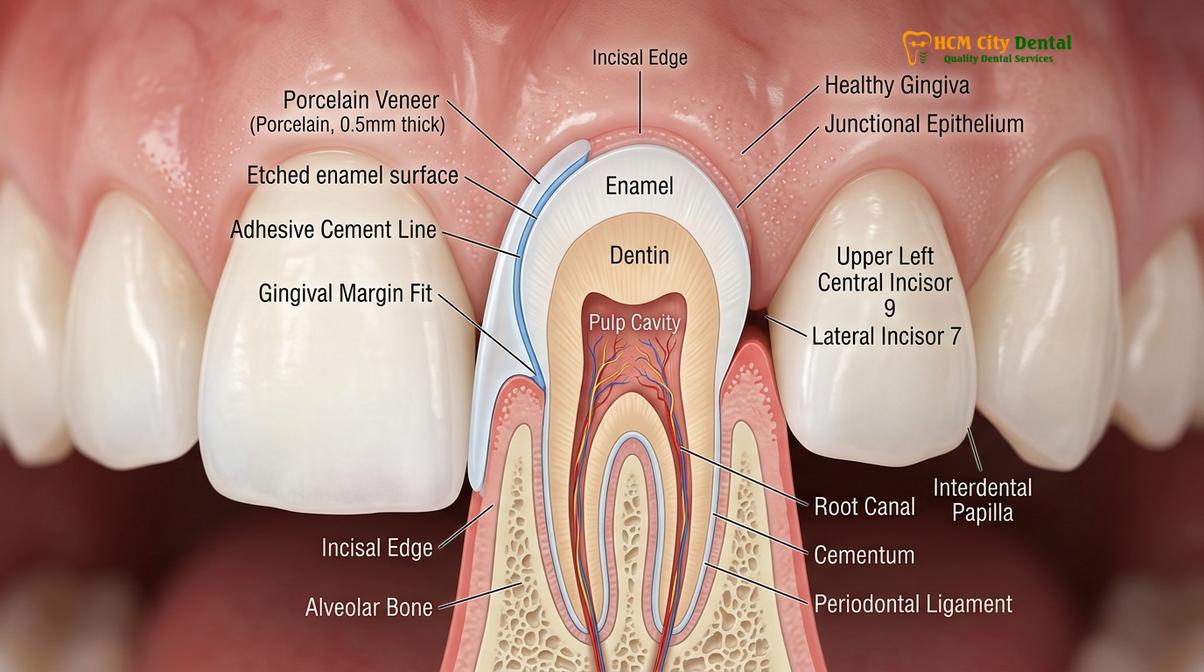
To fully understand the impact of cosmetic restorations on natural dentition, it is essential to examine the anatomical structure of a human tooth. The outermost layer of the tooth is the enamel, a highly mineralized, crystalline structure composed primarily of hydroxyapatite. Enamel is the hardest substance in the human body, serving as a protective barrier for the softer, more sensitive dentin beneath it. When patients ask, “do veneers ruin your teeth,” their primary concern is usually the loss of this vital protective layer.
Historically, traditional veneer preparations were often aggressive, sometimes removing up to 1.0mm or more of tooth structure. This older approach frequently exposed the underlying dentin, which not only increased the risk of postoperative sensitivity but also compromised the long-term bond strength of the restoration. Dental adhesives bond significantly better to the highly mineralized structure of enamel than to the organic, fluid-filled tubules of dentin. Therefore, modern cosmetic dentistry has shifted entirely toward biomimetic, conservative approaches.
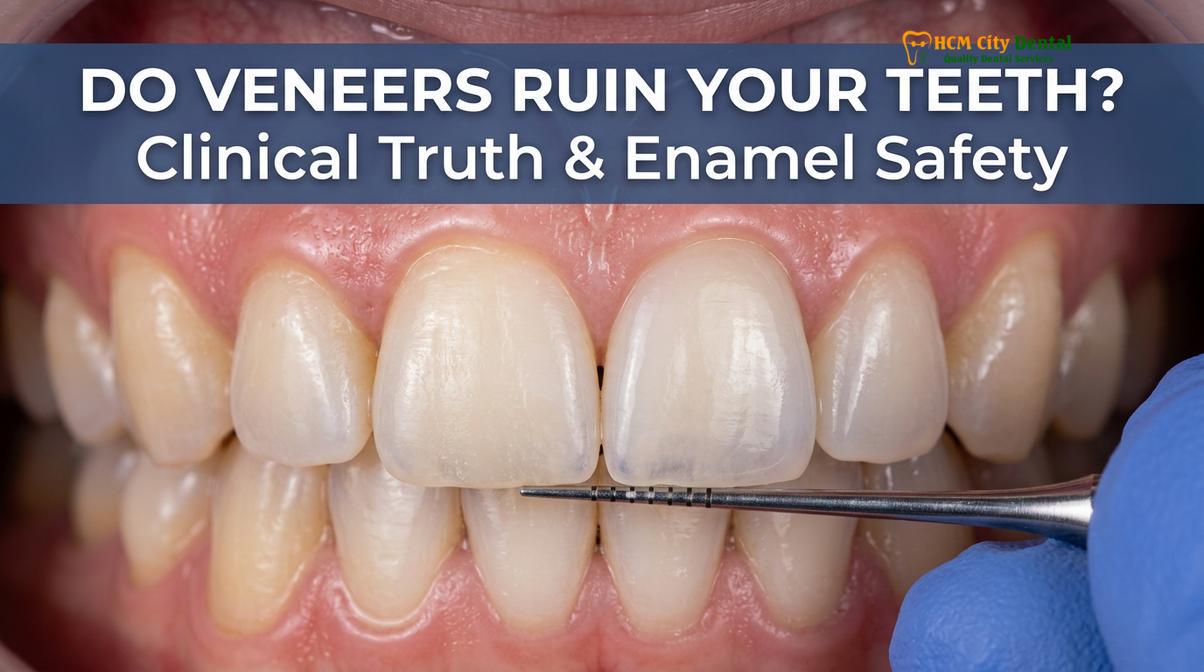
Today, the standard porcelain veneers procedure utilizes minimal-prep or even no-prep techniques. A skilled cosmetic dentist will typically remove only 0.3mm to 0.5mm of enamel—roughly the thickness of a contact lens or an eggshell. This precise reduction is necessary for three critical clinical reasons:
- Path of Insertion: Slight reshaping removes undercuts, allowing the rigid ceramic shell to slide onto the tooth seamlessly without fracturing.
- Emergence Profile: By creating a microscopic chamfer margin at the gumline, the veneer sits flush with the natural root surface. If the tooth is not prepped, the added thickness of the ceramic can create a bulky overhang, leading to plaque accumulation, gingival inflammation, and periodontal disease.
- Aesthetic Masking: A small amount of space is required for the ceramic material to effectively block out underlying discoloration and reflect light naturally.
Because the preparation remains entirely within the enamel layer, the structural integrity of the tooth is not compromised. The tooth is not “ruined” or “whittled down to a peg”—a common myth perpetuated by viral social media videos that mistakenly confuse full-coverage crown preparations with conservative veneer preparations.
“The long-term success of porcelain laminate veneers is inextricably linked to the preservation of enamel. Restorations bonded primarily to enamel exhibit significantly higher survival rates, reduced microleakage, and superior marginal integrity compared to those bonded to dentin.” [1]
The Clinical Workflow: Digital Smile Design and Tooth Prep for Veneers
The modern veneer workflow utilizes 3D intraoral scanning and Digital Smile Design to meticulously plan the tooth preparation, aiming for maximum enamel preservation and highly predictable aesthetic outcomes.
The fear that cosmetic dentistry will damage natural teeth is often alleviated when patients understand the precision of the modern clinical workflow. At premier facilities like HCMC Dental Clinic in Ho Chi Minh City, the process of designing a new smile is no longer based on guesswork; it is a highly calculated, digitally driven protocol designed to minimize biological cost.
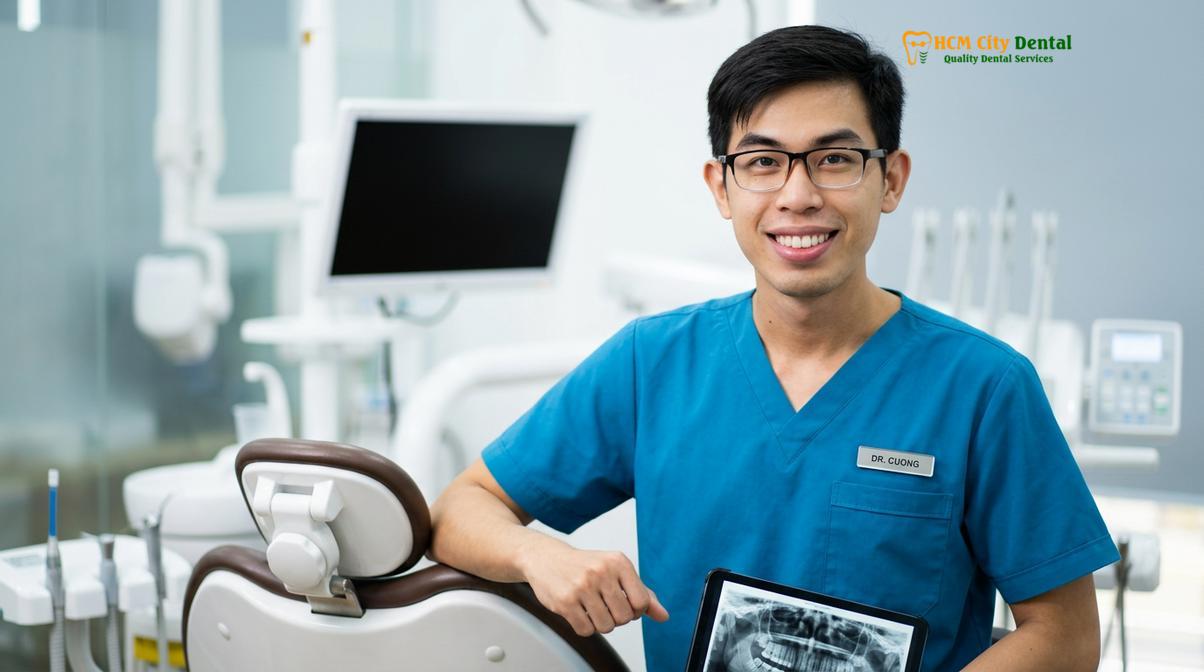
Dr. Nguyen Van Cuong, a leading specialist at HCMC Dental Clinic, emphasizes that the goal of preparation is not merely to make room for the ceramic, but to create a smooth, continuous transition between the restoration and the root surface. When patients ask how to find a dentist in Ho Chi Minh City who prioritizes enamel preservation, Dr. Cuong advises looking for clinicians who utilize 3D intraoral scanning and biomimetic protocols. His conservative approach aims to ensure optimal gingival health and prevent long-term plaque retention.
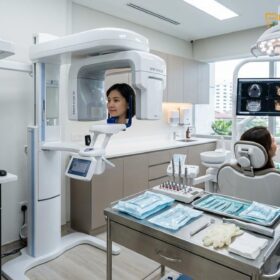
The journey begins with a comprehensive General & Preventive Dentistry examination. Before any cosmetic work is considered, the clinician must ensure that the foundational oral health is stable. Active periodontal disease, untreated caries, or severe endodontic infections must be resolved first. Once the patient is cleared for cosmetic treatment, the digital data acquisition phase begins.
Step 1: 3D Intraoral Scanning and Data Acquisition
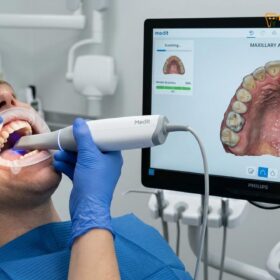
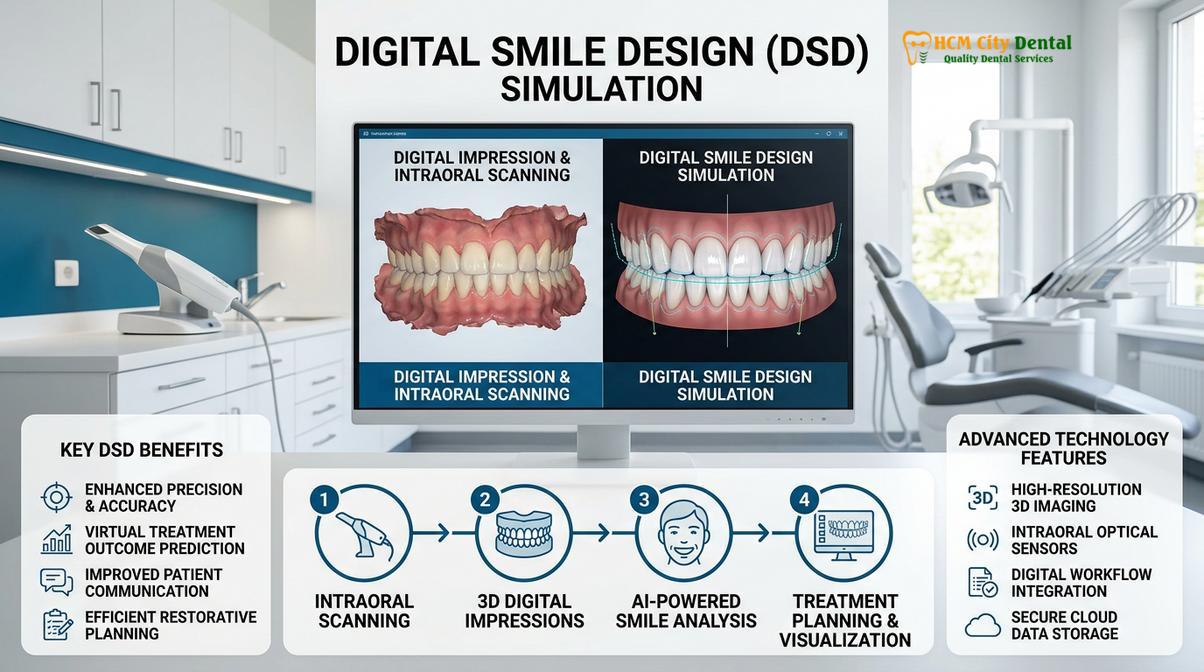
Instead of using uncomfortable, messy traditional putty impressions, the clinician uses a high-resolution intraoral scanner to capture a highly accurate 3D digital model of the patient’s current dentition. High-definition clinical photographs and dynamic video recordings of the patient speaking and smiling are also captured. This data provides the baseline for the facial-driven design.
Step 2: Digital Smile Design (DSD) and the Motivational Mock-Up
Using specialized software, the cosmetic dentist designs the new smile in harmony with the patient’s facial proportions, interpupillary line, and lower lip curvature. This digital blueprint dictates exactly how much tooth structure needs to be modified. To ensure the patient is comfortable with the proposed outcome, a physical “mock-up” (a temporary resin version of the new smile) is often transferred directly over the patient’s unprepared teeth. This allows the patient to evaluate the aesthetics, phonetics, and bite before any clinical preparation begins.
Step 3: Precision Tooth Prep for Veneers
Once the design is approved, the clinical preparation begins. Under local anesthesia, the dentist uses specialized depth-cutting diamond burs to ensure that the exact amount of enamel is removed. In many cases, the preparation is guided by a silicone matrix derived from the approved 3D design, allowing the clinician to visually verify the reduction in real-time. This meticulous tooth prep for veneers is the ultimate safeguard against unnecessary enamel loss.
Step 4: Temporization and Final Bonding
After the preparation is complete and final digital impressions are taken, temporary veneers are fabricated and spot-bonded to the teeth. These temporaries protect the exposed enamel and prevent sensitivity while the master ceramist crafts the final restorations. A few days later, the patient returns for the final delivery. The temporaries are carefully removed, the teeth are isolated, and the final porcelain veneers are bonded into place using rigorous adhesive protocols.
Material Science: E.max vs. Zirconia Veneers and Veneers Cost in Saigon
Choosing the right ceramic material—such as highly translucent e.max or durable zirconia—is crucial for achieving a natural appearance while protecting the underlying tooth structure from structural failure.
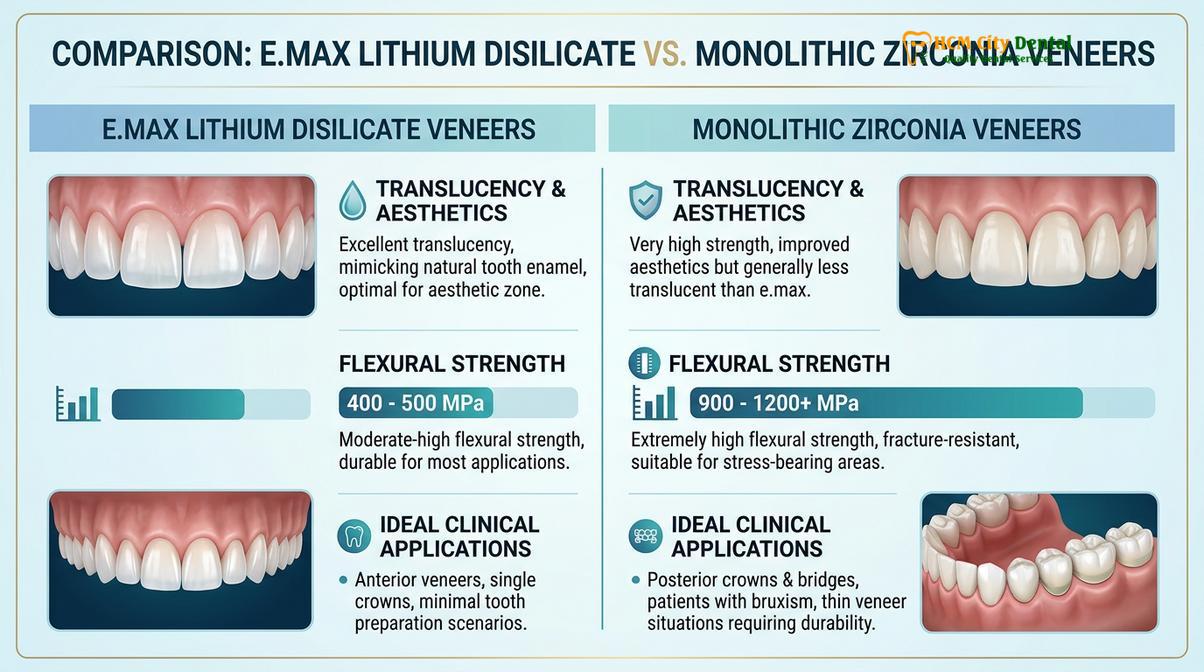
When evaluating whether cosmetic restorations are safe for long-term oral health, the physical properties of the materials used play a massive role. The dental ceramics utilized today are marvels of material science, engineered to mimic the optical properties of natural teeth while withstanding the immense biomechanical forces of the human bite. The two most prominent materials used in modern cosmetic dentistry are lithium disilicate (commonly known by the brand name e.max) and monolithic zirconia.
Lithium Disilicate (e.max Veneers)
Pressed lithium disilicate, or e.max veneers, are widely considered the gold standard for anterior (front teeth) cosmetic restorations. This glass-ceramic material offers an unparalleled combination of high flexural strength and exceptional optical translucency. Because e.max contains a glass matrix, it can be chemically etched with hydrofluoric acid, allowing for a true micromechanical bond with the tooth enamel. This superior bond strength means that e.max veneers can be fabricated incredibly thin without a high risk of fracture, making them the ideal choice for minimal-prep cases. [4]
Monolithic Zirconia Veneers
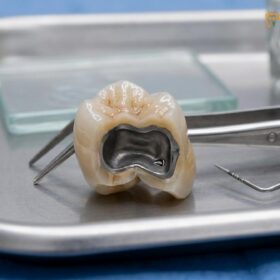
Zirconia is a polycrystalline ceramic known for its extreme durability and high flexural strength. While traditionally used for posterior Zirconia dental crowns and implant-supported bridges, advancements in high-translucency zirconia have made it a viable option for veneers, particularly for patients who exhibit heavy bruxism (teeth grinding) or those who need to mask severely discolored underlying teeth. However, because zirconia lacks a glass matrix, it cannot be etched in the same way as e.max. Bonding zirconia requires specialized sandblasting and the use of chemical primers to achieve reliable adhesion.
Veneers Cost and Dental Tourism in Ho Chi Minh City
The financial investment required for a full smile makeover in Western countries can be prohibitive, leading many patients to explore dental tourism in Vietnam. Ho Chi Minh City has emerged as a premier destination for world-class cosmetic dentistry at a fraction of the international cost.
At top-tier facilities in Saigon, the pricing structure is highly transparent and competitive, without compromising on material quality or clinical expertise. According to standard clinic fee schedules, patients can expect the following investment for premium restorations:
| Material Type | Estimated Cost (Per Tooth) | Primary Clinical Advantage | Ideal Application |
|---|---|---|---|
| Swiss e.max (Lithium Disilicate) | $250 – $400 USD | Superior translucency, true chemical bonding, ultra-thin profile. | Anterior teeth, minimal-prep cases, high aesthetic demands. |
| Monolithic Zirconia | $300 – $450 USD | Maximum flexural strength, excellent masking of dark stains. | Patients with heavy bite forces, masking tetracycline stains. |
| Composite Resin (Direct) | $100 – $150 USD | Single-visit procedure, easily repairable, highly conservative. | Minor chips, temporary aesthetic corrections, budget-conscious cases. |
Do Veneers Damage Natural Teeth Long-Term? Understanding the Risks
Veneers do not inherently damage natural teeth over time; however, poor marginal fit, aggressive preparation, or neglected oral hygiene can lead to microleakage, secondary decay, and periodontal inflammation.
A frequent question posed during consultations is, “do veneers damage natural teeth after 10 or 20 years?” The clinical reality is that the ceramic material itself is inert; it does not decay, it does not degrade, and it does not harm the underlying tooth. However, the tooth structure beneath the veneer remains biological tissue, and it is still susceptible to bacterial attack if the oral environment is not properly maintained.
The most critical factor in the long-term health of a veneered tooth is the integrity of the margin—the microscopic junction where the ceramic meets the natural tooth structure. If a veneer is fabricated poorly or bonded incorrectly, a microscopic gap may exist at this margin. Over time, oral fluids, bacteria, and dietary sugars can seep into this gap, a process known as microleakage. Because this area is incredibly difficult to clean with a toothbrush or floss, the bacteria can proliferate, leading to secondary caries (decay) underneath the restoration. [5]
Another potential risk involves periodontal (gum) health. If a veneer is over-contoured (too bulky) or if the margin is placed too deeply beneath the gumline, the body will recognize the restoration as a foreign object. This triggers a chronic inflammatory response, resulting in red, swollen, and bleeding gums. Over time, this chronic gingivitis can progress to periodontitis, leading to bone loss and gingival recession, which exposes the margins of the veneers and creates an unesthetic appearance. [2]
“According to the clinical guidelines supported by the Vietnam Odonto-Stomatology Association (VOSA), conservative preparation techniques are paramount in cosmetic dentistry to maintain the vitality of the dental pulp and ensure the long-term periodontal stability of the patient.”
Clinical Case Study: Smile Restoration in Ho Chi Minh City
Consider the case of an international patient who recently visited HCMC Dental Clinic in Ho Chi Minh City for a cosmetic consultation. The patient was concerned about whether veneers would ruin her natural teeth after years of acid erosion had thinned her enamel. She required a solution that would restore her smile without causing further structural damage.
By utilizing ultra-thin lithium disilicate restorations and a fully digital workflow, the clinical team successfully masked the discoloration and restored the lost volume. The procedure preserved the vast majority of her remaining healthy enamel, demonstrating the safety and efficacy of modern biomimetic dentistry when performed by experienced professionals in Ho Chi Minh City.
When to Consult a Dentist & Important Clinical Notes
While modern veneers are highly safe and conservative, patients must remain vigilant about their oral health. You should schedule an immediate consultation with your dentist if you experience any of the following symptoms after receiving cosmetic restorations:
- Persistent Sensitivity: While mild sensitivity to cold is normal for a few days post-op, severe or lingering pain could indicate pulp inflammation or a bonding failure.
- Bleeding Gums: Gums that bleed easily during brushing or flossing around the veneers may be a sign of marginal overhangs or developing periodontal disease.
- Visible Margins or Chipping: If you notice a dark line at the gumline or a chip in the ceramic, the seal of the veneer may be compromised, increasing the risk of microleakage.
Maintaining a strict regimen of brushing twice daily, flossing, and attending professional cleanings every six months is the most effective way to ensure your natural teeth remain healthy beneath your restorations.
Frequently Asked Questions (FAQs)
Do your teeth rot under veneers?
Teeth do not naturally rot under properly bonded veneers. Decay typically only occurs if there is microleakage due to poor marginal fit or if the patient neglects daily oral hygiene, allowing plaque to accumulate at the gumline.
Are porcelain veneers reversible?
Traditional porcelain veneers are generally not considered reversible because a thin layer of natural enamel is permanently removed during preparation. Once a tooth is prepped, it will typically require a veneer or crown for long-term protection.
Does the tooth prep for veneers hurt?
The preparation process is usually comfortable, as local anesthesia is administered to numb the teeth and surrounding gums. Patients may experience mild, temporary sensitivity to cold temperatures for a few days following the procedure.
How long do emax veneers last before needing replacement?
With meticulous oral hygiene and regular professional cleanings, high-quality e.max veneers can often last between 10 to 15 years. Their lifespan depends heavily on bite forces, dietary habits, and avoiding dental trauma.
Can I get porcelain veneers if I grind my teeth?
Patients with active bruxism can often receive veneers, but they must wear a custom occlusal night guard while sleeping to protect the ceramics from fracturing. Severe grinding may require orthodontic correction or full-coverage crowns instead.
References
- Journal of Prosthetic Dentistry. Long-term survival of porcelain laminate veneers: A clinical review. (2021).
- International Journal of Periodontics & Restorative Dentistry. Marginal adaptation and periodontal health in minimal-prep veneers. (2020).
- Journal of the American Dental Association. Biomechanics of enamel preservation in cosmetic dentistry. (2019).
- Dental Materials. Flexural strength and optical properties of lithium disilicate vs monolithic zirconia. (2022).
- Clinical Oral Investigations. Microleakage and secondary caries prevention in bonded ceramic restorations. (2018).
Are you considering cosmetic dentistry but worried about enamel safety? Contact HCMC Dental Clinic in Ho Chi Minh City today. Our specialists use advanced 3D scanning and minimal-prep techniques to protect your natural teeth while delivering stunning results. Explore our General & Preventive Dentistry services to learn how we prioritize your long-term oral health.