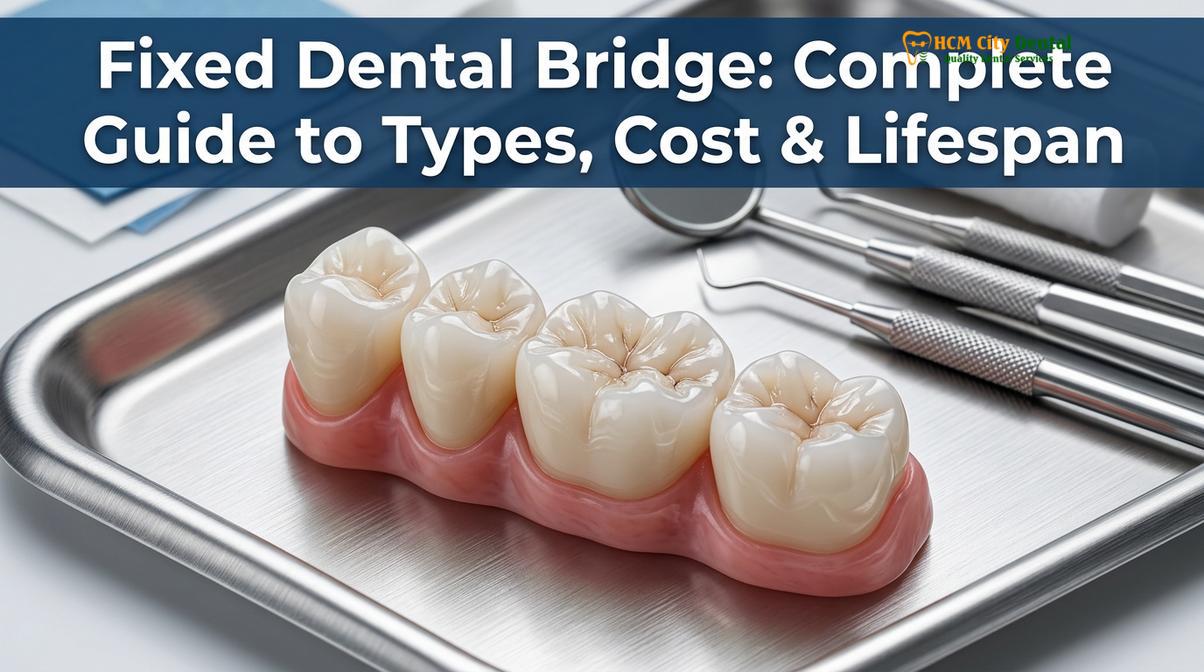
A fixed bridge is a permanent dental restoration that replaces one or more missing teeth by anchoring an artificial tooth to adjacent natural teeth or dental implants. This clinical solution restores chewing function, prevents surrounding teeth from shifting, and seamlessly enhances your natural smile.
Clinical Summary:
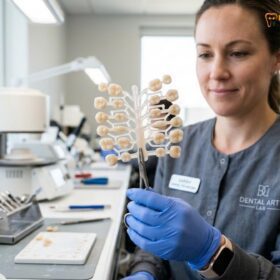
A fixed dental bridge utilizes adjacent abutment teeth to support a pontic (false tooth), effectively bridging the gap left by tooth loss. Modern restorative dentistry leverages digital intraoral scanning and high-strength ceramics like E.max or Zirconia to ensure precise marginal fit and optimal aesthetics. When supported by a strict oral hygiene protocol and routine professional teeth cleaning, these restorations offer long-term functional stability, preventing occlusal collapse and restoring comprehensive masticatory function.
Key Takeaways:
- Fixed bridges permanently replace missing teeth by anchoring to adjacent healthy teeth or titanium implants.
- Digital intraoral scanners (iTero Element 5D, Medit i700) eliminate messy traditional molds for highly precise bridge fabrication.
- Advanced materials like E.max and Zirconia provide exceptional biomechanical durability and natural optical translucency.
- Proper maintenance requires specialized flossing techniques to clean beneath the pontic and prevent secondary caries.
- HCMC Dental Clinic offers a 40% pre-arrival discount via WhatsApp and direct billing with major international insurers.
What is a Fixed Dental Bridge?
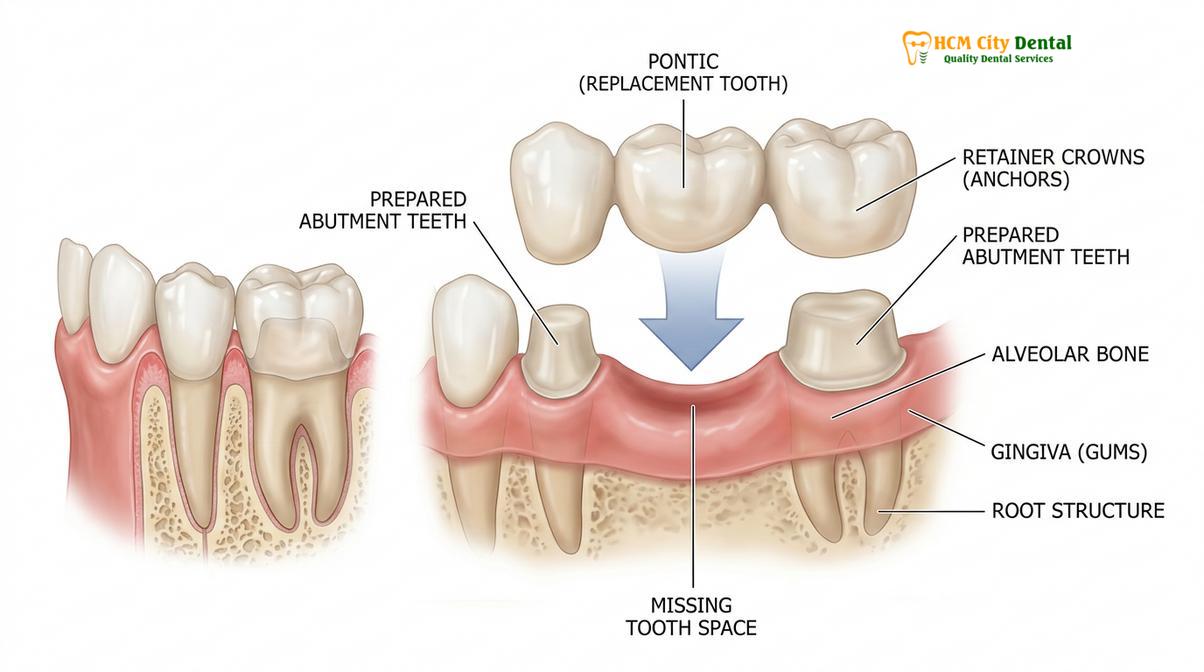
A fixed dental bridge is a non-removable prosthetic device designed to span the edentulous space created by missing teeth, utilizing neighboring teeth as structural anchors.
Tooth loss initiates a cascade of detrimental biomechanical changes within the oral cavity. When a tooth is extracted or lost to trauma, the underlying alveolar bone begins to resorb due to the lack of occlusal stimulation. Furthermore, the adjacent teeth tend to drift or tilt into the empty space (mesial drift), while the opposing teeth in the opposite arch may supra-erupt (grow downwards or upwards into the gap). A fixed dental bridge is a critical restorative intervention designed to halt this occlusal collapse. By filling the void with a custom-fabricated prosthetic, the bridge restores the integrity of the dental arch, ensuring that masticatory forces are distributed evenly across the jaw.
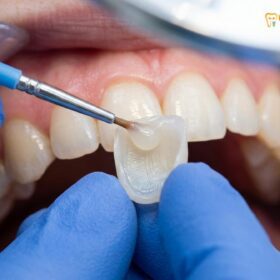
The anatomy of a fixed bridge consists of two primary components. The first component is the pontic, which is the artificial tooth that replaces the missing natural tooth. The second component comprises the retainers (or dental crowns), which are cemented onto the adjacent prepared teeth, known as the abutments. These abutment teeth bear the occlusal load of the pontic, requiring them to be structurally sound and periodontally healthy. The success of this treatment relies heavily on the precise preparation of these abutments to ensure a seamless marginal seal, preventing bacterial microleakage[1]. For patients seeking comprehensive advanced restorative prosthetics, a bridge offers a highly predictable and aesthetically pleasing outcome.
Types of Fixed Dental Bridges
Dental bridges are categorized into four main types—traditional, cantilever, Maryland, and implant-supported—each selected based on the patient’s specific anatomical and functional requirements.
The selection of the appropriate bridge design is a critical clinical decision that depends on the location of the missing tooth, the condition of the adjacent teeth, and the patient’s overall periodontal health. Restorative dentists evaluate the biomechanical forces at play in the specific region of the mouth before recommending one of the following fixed bridges:
1. Traditional Fixed Bridge
The traditional bridge is the most common and robust design used in restorative dentistry. It involves creating a crown for the tooth or implant on either side of the missing tooth, with a pontic suspended in between. This design requires the irreversible reduction of the enamel on the adjacent abutment teeth to accommodate the retainer crowns. Traditional bridges are typically fabricated from high-strength ceramics like Zirconia or porcelain-fused-to-metal (PFM), offering excellent durability for posterior (back) teeth that endure heavy chewing forces.
2. Cantilever Bridge
A cantilever bridge is utilized when there is only one adjacent tooth available to support the pontic. In this configuration, the pontic is anchored to a single retainer crown. While this design preserves more natural tooth structure overall, it subjects the single abutment tooth to significant off-axis biomechanical stress. Consequently, cantilever bridges are generally contraindicated for posterior teeth and are primarily reserved for areas with lower occlusal loads, such as missing lateral incisors.
3. Maryland Dental Bridge (Resin-Bonded Bridge)
The Maryland bridge is a highly conservative alternative that minimizes the need for aggressive tooth preparation. Instead of full-coverage crowns, this bridge utilizes a pontic supported by a metal or porcelain framework (wings) that is bonded to the lingual (back) surfaces of the adjacent teeth. This approach is particularly advantageous for replacing missing anterior (front) teeth, especially in younger patients where preserving virgin enamel is paramount. However, the resin bond is not as strong as traditional cementation, making it unsuitable for areas subjected to heavy masticatory forces.
4. Implant-Supported Bridge
When a patient is missing multiple consecutive teeth, an implant-supported bridge provides the most stable and bone-preserving solution. Instead of relying on natural teeth for support, this bridge is anchored to titanium dental implants surgically placed into the jawbone. This design eliminates the need to alter healthy adjacent teeth and provides the added benefit of stimulating the alveolar bone, thereby preventing resorption. This approach is often integrated into full arch rehabilitation strategies for patients with extensive tooth loss.
| Bridge Type | Anchor Mechanism | Best Suited For | Clinical Considerations |
|---|---|---|---|
| Traditional | Crowns on both adjacent teeth | Most areas, especially posterior teeth | Requires irreversible enamel reduction on abutments. |
| Cantilever | Crown on one adjacent tooth | Anterior teeth with low bite force | High biomechanical stress on the single abutment. |
| Maryland | Resin-bonded wings on lingual surfaces | Anterior teeth, conservative cases | Preserves enamel but has lower retention strength. |
| Implant-Supported | Titanium implant fixtures | Multiple missing consecutive teeth | Preserves bone and adjacent teeth; requires surgery. |
The Clinical Workflow: From Digital Scanning to Final Placement
The modern bridge procedure involves precise tooth preparation, advanced 3D digital impressions, and the secure cementation of a custom-milled ceramic restoration.
The fabrication and placement of a fixed dental bridge is a meticulous process that typically requires two to three clinical visits. The workflow begins with a comprehensive diagnostic evaluation, including digital radiography and periodontal probing, to ensure the abutment teeth are healthy enough to support the prosthesis. If the adjacent teeth exhibit signs of severe decay or pulpal infection, endodontic therapy (root canal treatment) may be required prior to bridge preparation.
Once clearance is obtained, the dentist administers profound local anesthesia to ensure patient comfort. The abutment teeth are then carefully reshaped. This involves reducing a precise amount of enamel and dentin to create a chamfer or shoulder margin, which provides a definitive ledge for the crown to seat against. The goal is to create sufficient restorative space for the ceramic material while preserving the vitality of the dental pulp. Following preparation, a retraction cord is gently packed into the gingival sulcus to displace the gum tissue, exposing the preparation margins for accurate capturing.
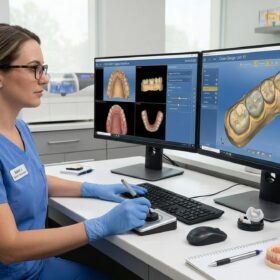
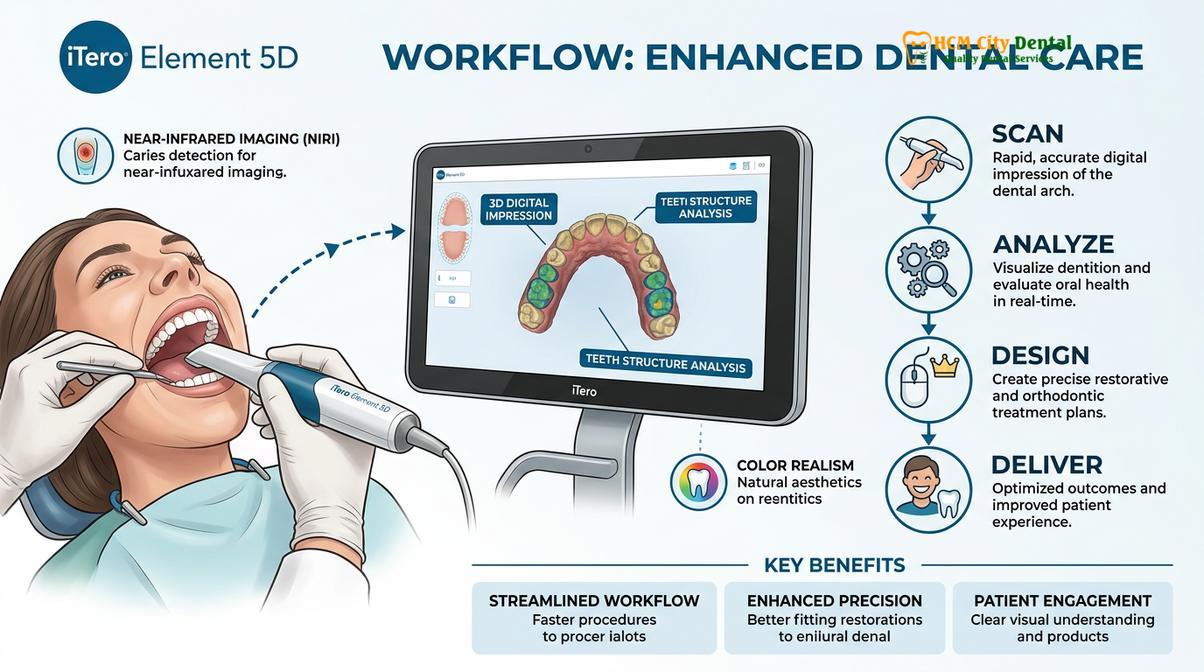
At HCMC Dental Clinic, the traditional, uncomfortable process of taking physical putty impressions has been entirely replaced by Intraoral Scanning & Digital Diagnostics. Utilizing state-of-the-art scanners such as the iTero Element 5D and Medit i700, the clinical team captures a highly accurate 3D digital replica of the prepared teeth and the opposing arch. This digital file is instantly transmitted to the dental laboratory, significantly reducing the margin of error and ensuring a superior fit for the final restoration[2].
“The integration of 3D intraoral scanning not only enhances patient comfort by eliminating traditional impression materials but also significantly improves the marginal accuracy of fixed prosthodontics, leading to longer-lasting restorations.”
While the permanent bridge is being fabricated—a process that takes a few days—a temporary bridge made of bis-acrylic material is fabricated chairside and cemented with temporary cement. This provisional restoration protects the exposed dentin, prevents the abutment teeth from shifting, and provides immediate aesthetic and functional benefits. During the final visit, the temporary bridge is removed, and the permanent ceramic bridge is tried in. The dentist meticulously checks the marginal fit, interproximal contacts, and occlusal alignment. Once verified, the bridge is permanently bonded using a high-strength resin cement, and final occlusal adjustments are made to ensure a harmonious bite.
Dental Bridge Cost in Vietnam
The cost of a dental bridge in Vietnam is highly competitive, offering premium ceramic materials and international clinical standards at a fraction of Western prices.
Vietnam has rapidly emerged as a premier destination for dental tourism, attracting patients from across the globe seeking high-quality restorative care without the exorbitant costs associated with Western healthcare systems. The dental bridge cost in Vietnam is influenced by the number of units (teeth) involved in the bridge and the specific materials chosen. Monolithic Zirconia and Lithium Disilicate (E.max) are the preferred materials due to their exceptional fracture toughness and lifelike optical properties.
To provide transparent and accessible care, HCMC Dental Clinic offers a structured pricing model that significantly benefits international patients and the local expat community. By utilizing the clinic’s WhatsApp booking system prior to arrival, patients can access a substantial 40% discount on various essential treatments. According to the clinic’s fee schedule, the pricing structure is as follows:
- E.max Ceramic Crown / Veneer (Per Unit): Walk-in: ~$320 (8.0M VND) | WhatsApp discount: From $192 (4.8M VND). (Note: A standard 3-unit bridge requires 3 units).
- Scaling & Polishing (Deep Teeth Cleaning): Walk-in: ~$40 (1.0M VND) | WhatsApp discount: From $24 (600k VND).
- Family / Pediatric Dental Exam & Consultation: Walk-in: ~$30 (750k VND) | WhatsApp discount: From $18 (450k VND).
- In-Office Teeth Whitening (Laser): Walk-in: ~$140 (3.5M VND) | WhatsApp discount: From $84 (2.1M VND).
- Custom Nightguard (Bruxism): Walk-in: ~$160 (4.0M VND) | WhatsApp discount: From $96 (2.4M VND).
Beyond competitive pricing, navigating healthcare costs in a foreign country can be daunting. To alleviate this, HCMC Dental Clinic operates as a Direct Billing Insurance Partner with major international insurers, including Allianz, Bupa, Cigna, Liberty, Generali, Aetna, and InterGlobal. This robust network allows expat families to enjoy cashless checkups, routine teeth cleaning, and complex restorative treatments without the burden of out-of-pocket expenses and subsequent reimbursement claims[3]. Furthermore, the clinic provides comprehensive Warranty & Follow-up support, including a 3-year bonding guarantee for ceramic crowns and bridges, and a 1-year guarantee for composite fillings, ensuring peace of mind long after the procedure is completed.
Fixed Bridge vs. Dental Implants: Making the Right Choice
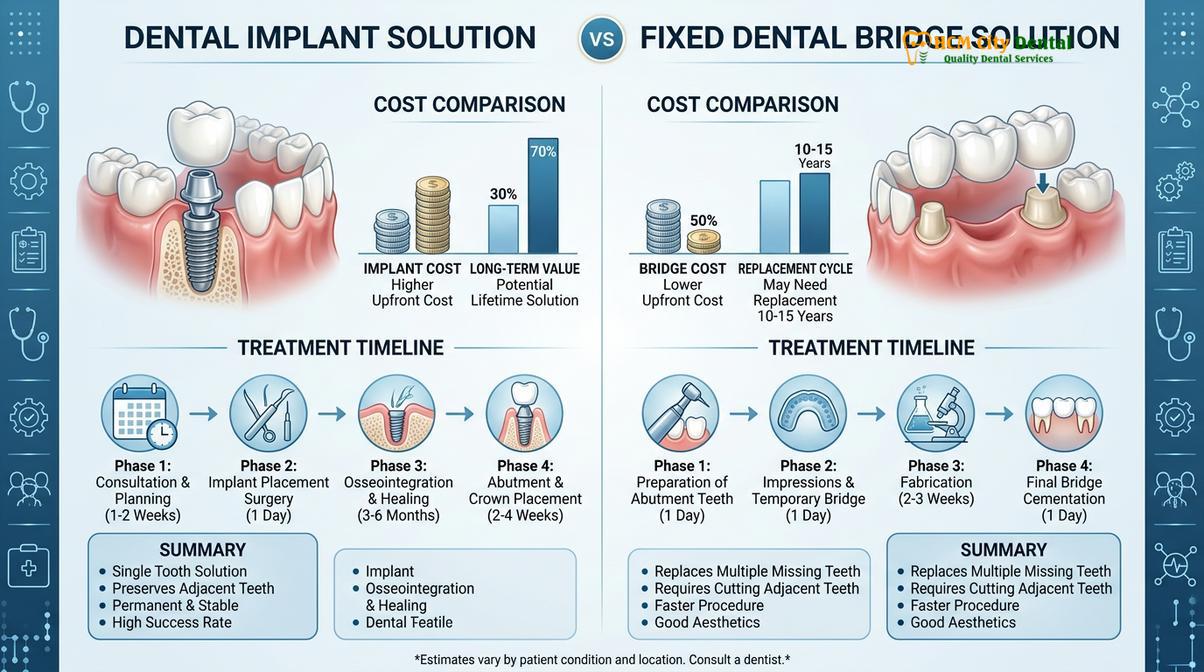
While a fixed bridge relies on adjacent teeth for support, a dental implant replaces the entire tooth structure from root to crown without altering neighboring teeth.
One of the most common clinical dilemmas patients face when replacing a missing tooth is choosing between a fixed bridge and a dental implant. Both modalities offer excellent functional and aesthetic outcomes, but their biomechanical approaches differ significantly. The decision, often referred to as the bridge vs implant debate, hinges on several clinical factors evaluated during the diagnostic phase.
A dental implant involves the surgical placement of a titanium post into the alveolar bone, which acts as an artificial root. After a period of osseointegration, an abutment and crown are attached. The primary advantage of an implant is that it is a standalone restoration; it does not require the irreversible reduction of adjacent healthy teeth. Additionally, the titanium fixture provides internal stimulation to the bone, preventing the natural resorption process that occurs after tooth loss. For patients exploring titanium implant fixtures, this represents the gold standard for single-tooth replacement.
Conversely, a fixed bridge is often the preferred choice when the adjacent teeth already exhibit significant structural compromise, such as large failing fillings or extensive decay. In these scenarios, the adjacent teeth require full-coverage crowns regardless of the missing tooth, making a bridge a highly efficient, dual-purpose solution. Furthermore, bridges can be completed in a matter of weeks, whereas implant therapy may require several months of healing. Patients with systemic conditions that impair bone healing, or those with severe bone volume deficiencies who wish to avoid extensive bone grafting procedures, are often better candidates for a bridge.
Clinical Case Study: Restoring Function for an Expat Patient
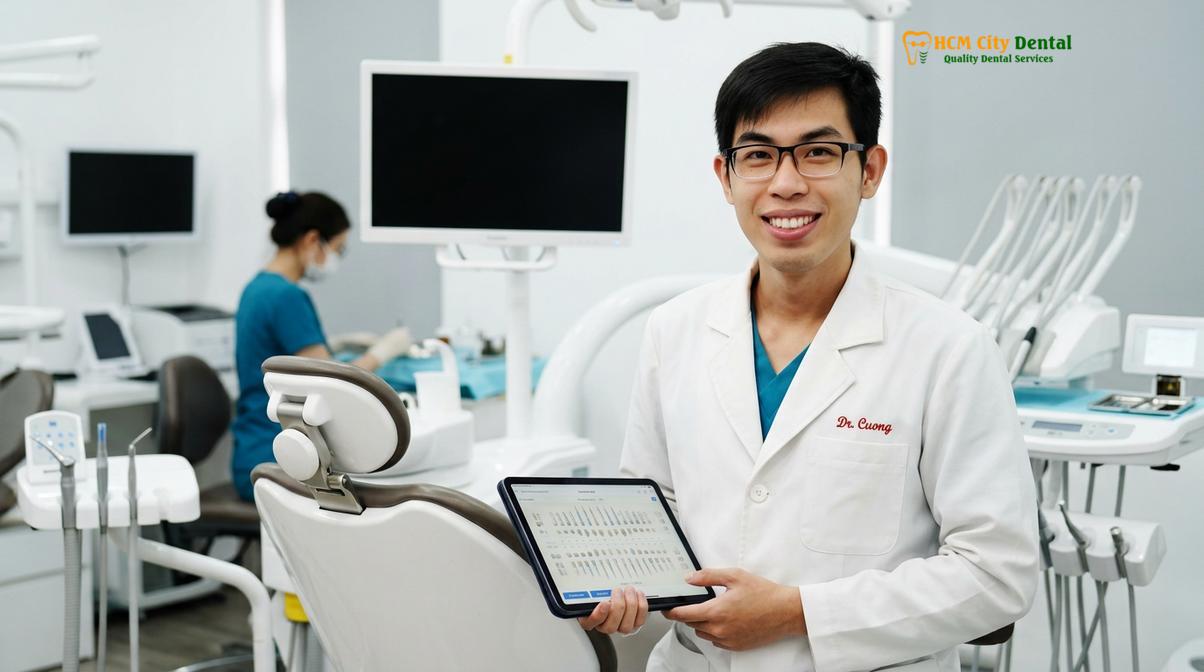
A 45-year-old patient from the expat community visited HCMC Dental Clinic in Ho Chi Minh City presenting with a fractured lower first molar that required extraction. During the consultation, Dr. Nguyen Van Cuong evaluated the site using 3D CBCT imaging. The analysis revealed insufficient vertical bone height for an immediate implant without complex vertical ridge augmentation. Additionally, the adjacent second premolar and second molar both had large, aging amalgam restorations with recurrent decay. Dr. Cuong recommended a 3-unit Zirconia fixed bridge. This approach simultaneously replaced the missing molar and provided protective ceramic coverage for the compromised adjacent teeth. The treatment was completed in two weeks, and the seamless direct billing process with Cigna insurance provided a stress-free administrative experience.
Expat Dental Care and Travel Convenience in Ho Chi Minh City
HCMC Dental Clinic provides a seamless, multilingual environment tailored for the expat community, combining comprehensive family dentistry with convenient urban accessibility.
Relocating to a new country often brings challenges in finding reliable healthcare providers. For the expat community residing in Vietnam, establishing a relationship with a trusted family dentist is a top priority. HCMC Dental Clinic has meticulously designed its clinical workflows and patient experience to meet the exacting standards expected by international patients. The facility strictly adheres to European CE standards and rigorous sterilization protocols, ensuring a safe and hygienic environment for all procedures, from routine prophylaxis to complex oral surgery.
A cornerstone of the clinic’s philosophy is its dedication to Expat Pediatric Dentistry. Recognizing that early dental experiences shape a child’s lifelong attitude toward oral health, the clinic provides a highly welcoming, kid-friendly environment. The clinical team specializes in gentle pediatric treatments, including preventive dental sealants, fluoride varnishes, and pulpotomy procedures, ensuring that children receive optimal care without anxiety. Clear, empathetic communication is vital in healthcare; therefore, every consultation is conducted by an English speaking dentist, ensuring that diagnoses, treatment options, and post-operative instructions are thoroughly understood by the patient and their family.
“Providing a welcoming, anxiety-free environment for pediatric patients is just as critical as the clinical precision required for complex adult restorative procedures. Trust is the foundation of family dentistry.”
Beyond clinical excellence, the clinic’s strategic location in Ho Chi Minh City offers exceptional Transit & Convenience. Situated within easy reach of major expat hubs like District 1, District 3, and Thao Dien, the clinic is highly accessible. Patients can easily navigate to their appointments using local ride-hailing services like Grab, with most central locations being only a short, inexpensive ride away. This accessibility, combined with the efficiency of digital workflows—such as using intraoral scanners for clear orthodontic aligners—makes managing dental health convenient for busy professionals and families.
When to See a Doctor
While fixed bridges are highly durable and designed for long-term function, they require diligent maintenance and regular professional monitoring. Patients must remain vigilant for signs of structural failure or underlying biological complications. If you experience any of the following symptoms, it is imperative to schedule a clinical evaluation promptly to prevent further damage to the abutment teeth or surrounding periodontium.
Important Clinical Considerations & Warning Signs:
- Mobility or Looseness: If the bridge feels loose or shifts during chewing, the underlying cement seal may have washed out, or the abutment tooth may be compromised.
- Localized Pain or Sensitivity: Sharp pain when biting down, or prolonged sensitivity to hot and cold temperatures, can indicate pulpal inflammation or secondary decay beneath the retainer crowns.
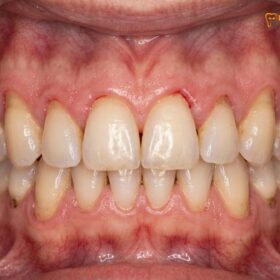
- Gingival Inflammation: Persistent redness, swelling, or bleeding of the gums around the bridge margins suggests periodontal disease or an ill-fitting restoration harboring plaque.
- Foul Taste or Odor: A persistent bad taste or halitosis originating from the bridge area is a strong indicator of bacterial accumulation and active decay under the pontic or crowns.
- Porcelain Fracture: Any visible chipping, cracking, or rough edges on the ceramic material require immediate polishing or repair to prevent soft tissue irritation and further structural failure.
Routine dental checkups every six months are essential for the longevity of your restoration. During these visits, the dentist will perform a thorough clinical examination, take necessary radiographs to check for hidden decay, and provide professional scaling to remove calculus buildup around the bridge margins[4]. For patients who have recently undergone complex procedures, adhering to soft diet protocols during the initial adjustment phase can also help protect the new restoration.
Frequently Asked Questions
How long does a fixed dental bridge last?
A fixed dental bridge typically lasts between 10 and 15 years, depending on the materials used and the patient’s oral hygiene habits. With meticulous daily care, professional cleanings, and routine clinical examinations, high-quality ceramic bridges can often exceed this lifespan. Factors such as bruxism (teeth grinding) or a high-sugar diet can significantly reduce the longevity of the restoration by increasing the risk of porcelain fracture or secondary caries.
Is a dental bridge painful?
The procedure to place a dental bridge is not painful, as it is performed under local anesthesia to ensure complete numbness. Patients may experience mild, temporary sensitivity in the prepared teeth or surrounding gums for a few days following the placement. This post-operative discomfort is normal and can usually be managed effectively with over-the-counter anti-inflammatory medications and by avoiding extreme temperatures in food and drink.
Can I eat normally with a fixed dental bridge?
Yes, once the permanent fixed bridge is securely cemented and the initial adjustment period has passed, you can eat normally. It restores full chewing function, though it is advisable to avoid excessively hard or sticky foods that could damage the ceramic. During the temporary bridge phase, patients must adhere to a strict soft-food diet and avoid chewing on the treated side to prevent dislodging the provisional restoration.
How do I clean under a fixed bridge?
You must use specialized tools such as floss threaders, interdental brushes, or a water flosser to clean beneath the pontic. Regular brushing and standard flossing around the abutment teeth are also essential to prevent plaque accumulation and secondary decay. Because the pontic rests directly on the gum tissue, standard flossing cannot pass between the teeth, making these specialized interdental cleaning methods critical for maintaining periodontal health[5].
What happens if the supporting teeth decay?
If the abutment teeth supporting the bridge develop decay, the entire bridge may need to be removed to treat the underlying infection. Maintaining rigorous oral hygiene and attending regular dental checkups are critical to protecting these foundational teeth. If the decay is extensive and compromises the structural integrity of the abutment, the tooth may require root canal therapy, or in severe cases, extraction, which would necessitate a transition to an implant-supported solution.
References
- Journal of Prosthetic Dentistry. Biomechanics of fixed partial dentures and abutment preparation. (2021).
- International Journal of Prosthodontics. Clinical evaluation of Zirconia and Lithium Disilicate restorations. (2020).
- Journal of the American Dental Association. Cashless dental billing models and international insurance. (2021).
- Clinical Oral Investigations. Digital scanning accuracy in restorative and orthodontic workflows. (2022).
- Journal of Clinical Periodontology. Periodontal maintenance protocols for fixed prosthodontics. (2019).