Traveling to Ho Chi Minh City for complex dental restorations offers Australian patients the opportunity to access world-class clinical care at a fraction of domestic costs. However, the rapid expansion of dental tourism has also led to a rise in clinics prioritizing volume over patient safety [4]. Knowing the exact questions to ask your dentist before travelling to vietnam is the most critical step in protecting your oral health, your financial investment, and your overall well-being.
Whether you require a single implant, a full-mouth rehabilitation, or cosmetic porcelain veneers, the success of your treatment depends entirely on the clinical expertise of the practitioner, the authenticity of the materials used, and the strictness of the clinic’s sterilization protocols. This comprehensive guide serves as the ultimate dental checklist for international patients, empowering you to identify elite dental professionals and avoid substandard care.
Clinical Summary:
International dental tourism requires rigorous pre-trip verification to ensure clinical safety and long-term restorative success. Patients must proactively question prospective clinics regarding Vietnam Ministry of Health (MOH) licensing, the specific clinical experience of the treating dentist, and the provision of genuine material serial numbers (e.g., Straumann, Nobel Biocare). Furthermore, verifying ISO-compliant sterilization protocols, in-house 3D diagnostic capabilities (CBCT), and transparent, written warranty terms is essential to mitigate the risks associated with counterfeit materials and aggressive, irreversible dental procedures.
Key Takeaways:
- Verify Credentials: Always demand proof of Vietnam Ministry of Health (MOH) licensing and inquire about the specific specialist performing your procedure.
- Demand Traceability: Authentic implants and premium restorations come with global serial numbers; heavily discounted implants often indicate untraceable fixtures.
- Protect Your Enamel: Avoid clinics promoting one-day treatments that aggressively shave healthy teeth; insist on minimal-prep protocols.
- Confirm Technology: A reputable clinic must utilize in-house 3D CBCT imaging for safe surgical planning and digital smile design.
- Secure Written Guarantees: Never proceed without a formal, written warranty certificate detailing complication protocols and international follow-up care.
Why Pre-Trip Verification Protects Your Health & Wallet
The decision to seek dental treatment abroad should never be based solely on price. While the cost savings in Vietnam are substantial, these savings are only valuable if the clinical outcome is successful and long-lasting. When patients fail to ask the right questions, they expose themselves to severe clinical risks, including peri-implantitis, biological width violations from poorly fitted crowns, and irreversible nerve damage from aggressive tooth preparation.
Studies indicate that utilizing advanced digital dentistry and proper pre-surgical planning significantly increases the survival rates of complex restorations [1]. To navigate this landscape safely, you must be able to identify the red flags that indicate a clinic is cutting corners. Researching the Top 10 Best English-Speaking Dentists in Ho Chi Minh City is a great starting point, but direct questioning remains your best defense.
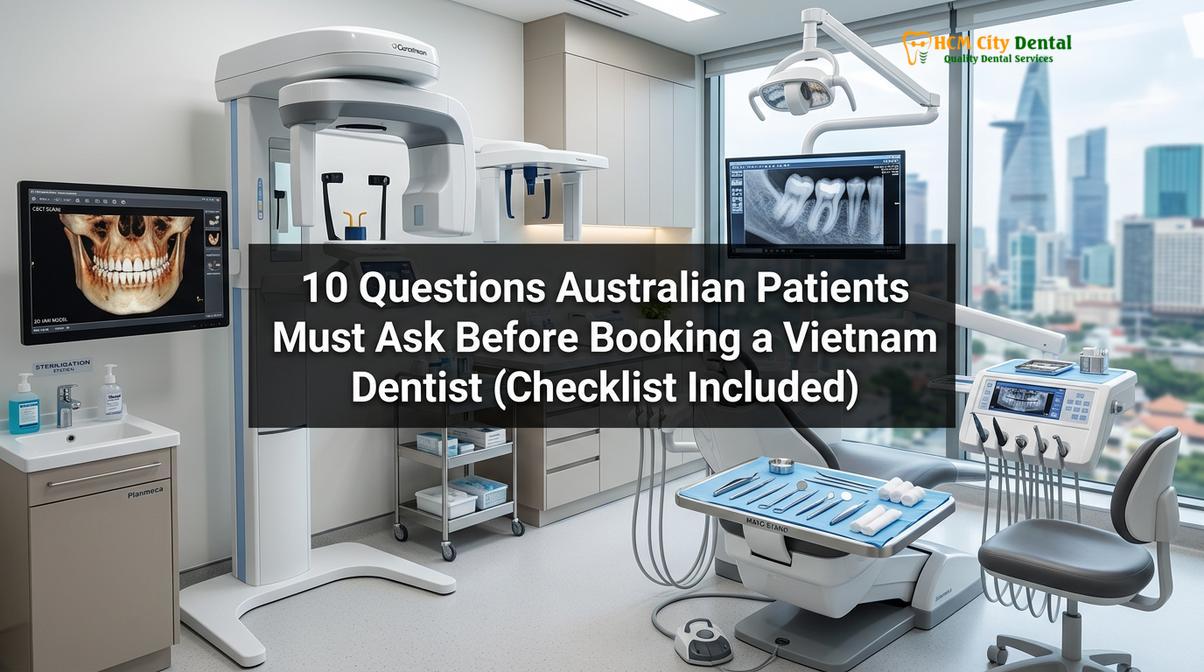
Question 1-3: Doctor Credentials & Clinical Experience
The foundation of any successful dental procedure is the skill and experience of the clinician. Your initial inquiries must focus on verifying their professional background and legal standing to practice.
1. Are you licensed by the Vietnam Ministry of Health (MOH), and what is your specialty?
In Vietnam, general dentists are not automatically qualified to perform complex oral surgery or advanced prosthodontics. The Ministry of Health (MOH) issues specific practicing certificates based on a dentist’s specialized training. You must ensure that the person placing your implants is a credentialed oral surgeon or implantologist. The clinic should immediately provide the doctor’s full name, their MOH license number, and details of their postgraduate specialization.
2. How many specific procedures have you performed?
Experience matters immensely in dentistry. A dentist who places a handful of implants a year does not have the same clinical intuition as one who places hundreds. For procedures like a Fixed Dental Bridge: Clinical Workflows, Types & Costs or full-arch rehabilitation, the clinician must have a proven track record. Research shows that practitioner experience is a key variable in the success of full-arch rehabilitations [2].
3. Do you handle the entire procedure, or will I be passed to junior associates?
A common tactic in high-volume dental tourism clinics is the “bait and switch.” You may have a remote consultation with the clinic’s senior director, only to arrive in Vietnam and find that a junior associate is actually performing the surgery. The clinic must guarantee in writing that the specific senior specialist you consulted with will be the sole practitioner performing your critical surgical phases.
“International patients often focus heavily on the brand of the implant, which is important, but the hands placing that implant are what ultimately determine its survival. A premium fixture placed incorrectly by an inexperienced associate will still fail. Always demand to know exactly who is performing your surgery.”
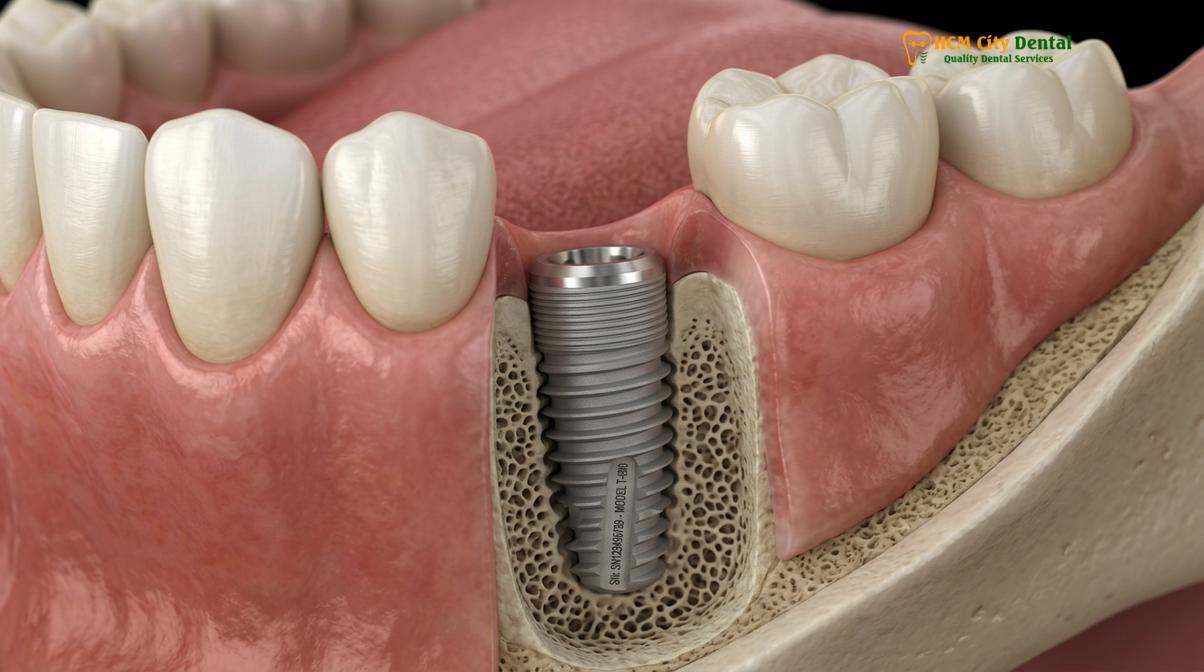
Question 4-6: Material Authenticity & Lab Technology
The longevity of your dental work is directly tied to the quality of the materials used and the precision of the laboratory fabricating them. Substandard materials can lead to catastrophic failures and severe aesthetic compromises.
4. Can you provide genuine serial numbers for implants and restorations?
Counterfeit dental implants are a significant risk in unregulated markets. If an implant fails in Australia and you do not have the manufacturer’s serial number, an Australian dentist cannot order the correct specialized tools to remove or repair it. Genuine brands provide physical stickers with lot numbers that must be placed in your medical file.
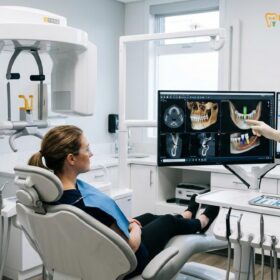
5. Do you use in-house 3D diagnostics (CBCT) and digital smile design?
Modern dentistry relies on digital precision. Attempting to place implants using only 2D panoramic X-rays is an outdated practice that risks puncturing the sinus cavity or severing nerves. Furthermore, digital intraoral scanners have largely replaced messy traditional impressions. Patients wondering How Long Does Invisalign Take? Clinical Timeline & Workflows will find that digital scanning significantly streamlines the entire orthodontic process.
6. What specific materials are used for crowns/veneers, and do you practice minimal prep?
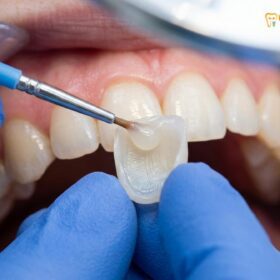
For cosmetic procedures, the preservation of your natural tooth structure is paramount. You must ensure the clinic practices conservative veneer preparations, staying within the enamel layer whenever possible, as minimal preparation is directly linked to the longevity of porcelain veneers [3]. If you are concerned about enamel safety, reading Do Veneers Ruin Your Teeth? Clinical Truths & Enamel Safety is highly recommended. Additionally, whether you are receiving adult restorations or Pediatric Zirconia Crowns: Clinical Guide & Procedure for a family member, the exact brand of porcelain must be specified.
“The goal of modern cosmetic dentistry is biomimetic preservation. If a clinic suggests grinding down healthy, perfectly aligned teeth into small pegs just to place veneers, walk away immediately. True aesthetic dentistry enhances your smile while fiercely protecting your natural enamel.”
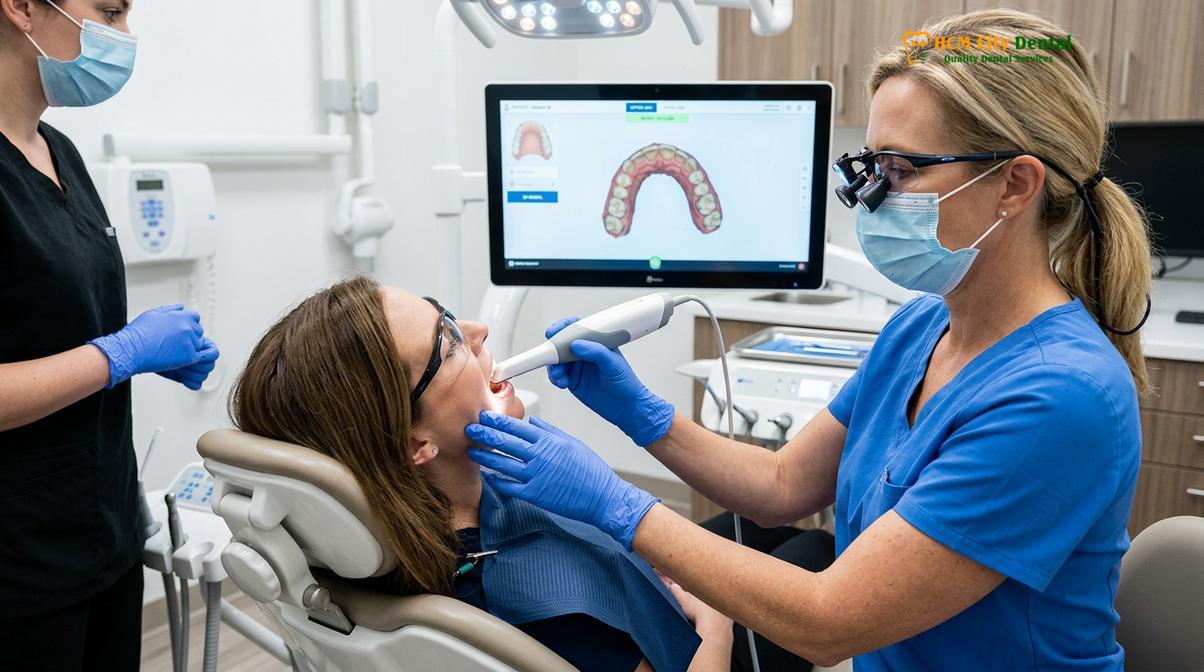
Question 7-10: Warranty Terms, Complication Protocols & Follow-Up
Even with the best clinical care, biological complications can occasionally occur. How a clinic handles these situations separates premium healthcare providers from opportunistic businesses.
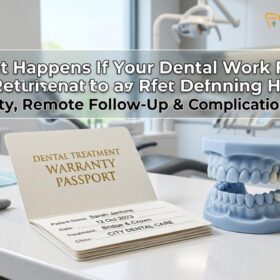
7. What are the exact terms of your written warranty certificate?
Verbal promises are meaningless once you board a flight back to Sydney or Melbourne. You need to know exactly what is covered and for how long. Crucially, you must understand what actions might void the warranty, such as failing to wear a nightguard or missing annual check-ups.
8. What is your emergency hospital transfer protocol?
While rare, severe complications can occur during oral surgery. A standalone dental clinic must have a formalized protocol for stabilizing a patient and transferring them to a major international hospital in Ho Chi Minh City. The clinic should have emergency resuscitation equipment on-site and staff trained in Basic Life Support (BLS).
9. How do you manage ISO sterilization standards?
Cross-contamination can lead to the transmission of bloodborne pathogens. Standard cleaning is insufficient; instruments must be sterilized using high-pressure steam. The Vietnam Ministry of Health strictly mandates national guidelines on infection control in dental establishments to ensure patient safety [5]. Furthermore, the clinic must have protocols for managing aerosols and maintaining a sterile surgical field, which is also critical during routine procedures like treating Black Stains on Teeth: Clinical Causes & Professional Removal.
10. How is follow-up care handled once I return to Australia?
Dental work requires maintenance. If your bite feels slightly high two weeks after returning home, or if you experience minor sensitivity, you need a solution that does not involve an expensive return flight to Vietnam. The clinic should offer dedicated remote aftercare via video consultation.
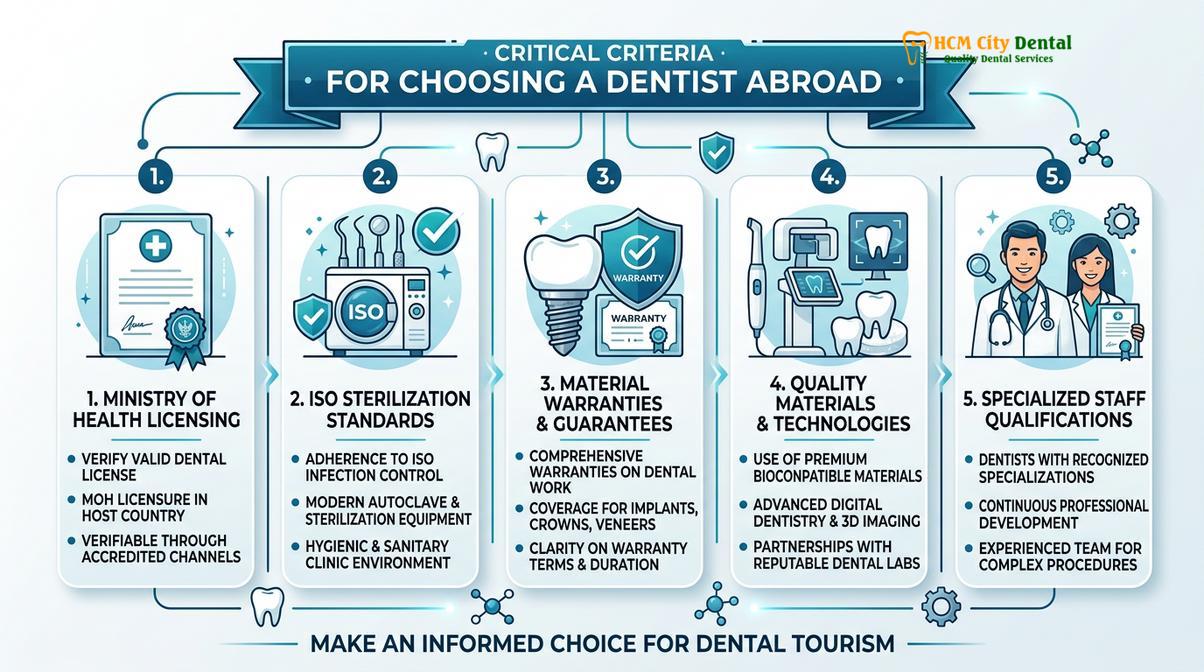
Free WhatsApp Pre-Consultation Checklist
Before committing to any flights or accommodation, use this checklist during your initial WhatsApp or email correspondence with a prospective clinic in Vietnam. Getting these answers in writing establishes a clear baseline of trust and clinical transparency.
- Request the Doctor’s Profile: “Please send me the full name, MOH license number, and specialty qualifications of the exact dentist who will perform my procedure.”
- Ask for Material Proof: “Can you confirm in writing that I will receive the physical manufacturer serial number stickers for my implants/crowns?”
- Verify Diagnostic Equipment: “Do you have an in-house CBCT scanner, and is the 3D scan included in my treatment quote?”
- Demand Warranty Details: “Please send a PDF copy of your standard international patient warranty policy before I pay a deposit.”
- Clarify the Timeline: “Based on my X-rays, exactly how many days must I remain in Ho Chi Minh City to ensure all lab work and final adjustments are completed safely?”
| Verification Area | Red Flags (Avoid) | Green Flags (Look For) |
|---|---|---|
| Doctor Credentials | Refuses to provide MOH license or hides the treating doctor’s name. | Provides full specialist qualifications and verifiable MOH license numbers. |
| Material Traceability | Offers “generic” implants at suspiciously low prices without serial numbers. | Provides an “Implant Passport” with genuine manufacturer lot stickers. |
| Clinical Technology | Relies solely on 2D panoramic X-rays for complex surgical planning. | Utilizes in-house 3D CBCT scanning and digital intraoral scanners. |
| Treatment Planning | Pushes for aggressive “one-day” full mouth preparations on healthy teeth. | Advocates for minimal-prep dentistry and phased treatment timelines. |
| Aftercare & Warranty | Only offers verbal promises with no clear protocol for international patients. | Provides a legally binding, written warranty certificate before payment. |
When to Seek Immediate Dental Attention (Important Clinical Notes)
While proper pre-trip planning minimizes risks, patients must remain vigilant about their oral health both during their stay in Vietnam and upon returning home. You should seek immediate clinical evaluation if you experience any of the following symptoms after a dental procedure:
- Severe, throbbing pain that is not relieved by prescribed over-the-counter analgesics.
- Progressive swelling in the face, jaw, or neck that worsens after the first forty-eight hours.
- A foul taste or visible pus discharging from an implant site or under a new dental crown.
- Numbness or tingling in the lips, chin, or tongue that persists long after the local anesthesia should have worn off.
- A dental restoration (crown, bridge, or veneer) that feels loose or shifts when biting down.
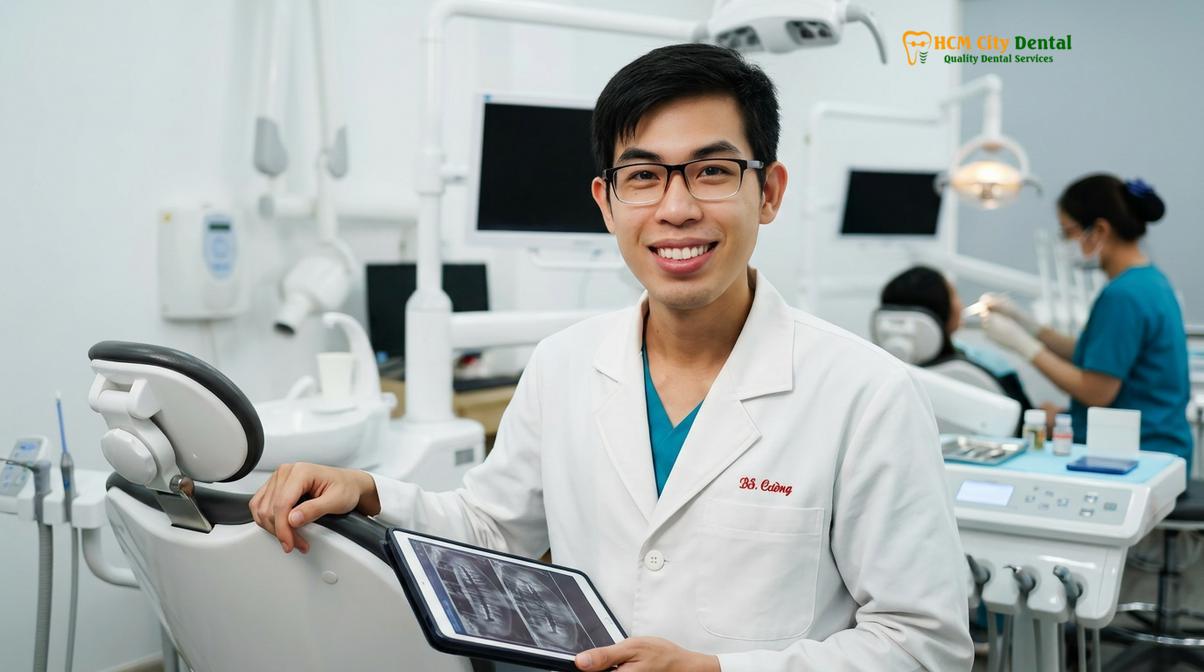
Dr. Nguyen Van Cuong, Chief Clinical Director at HCMC Dental Clinic, emphasizes that transparent communication is the cornerstone of successful international dental care. Dr. Cuong and his dedicated team prioritize comprehensive pre-arrival consultations, ensuring that every Australian patient fully understands their treatment plan, material choices, and long-term prognosis before booking their flights.
Clinical Case Study: The Importance of Traceability
A recent patient from Melbourne visited HCMC Dental Clinic in Ho Chi Minh City after experiencing severe discomfort from an implant placed at a different, unverified overseas facility. Because the previous clinic failed to provide an implant passport or serial numbers, identifying the generic fixture proved incredibly difficult. The specialists at HCMC Dental Clinic utilized advanced 3D CBCT imaging to safely remove the failing implant, treat the underlying infection, and eventually restore the site with a genuine, globally traceable Straumann fixture. This case highlights why demanding documentation is non-negotiable for international patients.
Frequently Asked Questions
Can I get a binding quote from X-rays sent via WhatsApp?
Yes, reputable clinics can provide a highly accurate preliminary quote based on recent panoramic X-rays or CBCT scans sent via secure messaging. However, this quote is typically contingent upon an in-person clinical examination confirming the digital findings.
How do I know my dentist speaks fluent English?
You can verify English fluency by scheduling a remote video consultation prior to your trip. Direct communication with the treating dentist ensures that complex medical terminology and your personal concerns are fully understood.
What written guarantees should I receive before paying?
Before making any payment, you should receive a formal, written treatment plan detailing all costs, material brands, and a physical or digital warranty certificate outlining the duration of the guarantee.
How many days do I realistically need to stay in Saigon for veneers?
For a full set of custom porcelain veneers, you should plan to stay in Ho Chi Minh City for a minimum of seven to ten days. This timeframe allows for initial preparation, laboratory fabrication, try-in sessions, and final cementation.
Who handles my care if I experience sensitivity after returning to Australia?
Premium dental clinics maintain established protocols for international aftercare, often partnering with local Australian dentists for minor adjustments or providing remote telehealth guidance.
References
- Journal of the American Dental Association. Implant survival rates in digital dentistry.
- International Journal of Oral and Maxillofacial Implants. All-on-4 full arch rehabilitation.
- Journal of Esthetic and Restorative Dentistry. Minimal prep porcelain veneer longevity.
- British Dental Journal. Dental tourism safety protocols and material traceability.
- Vietnam Ministry of Health (MOH). National guidelines on infection control in dental establishments.
If you are planning a dental trip and want to ensure you receive the highest standard of care, contact our specialists for a comprehensive review of your case. Explore our General & Preventive Dentistry at HCMC Dental Clinic services to learn more about our commitment to patient safety and clinical excellence at HCMC Dental Clinic, Ho Chi Minh City.