Ho Chi Minh City (Saigon) has rapidly evolved into one of the premier destinations for global medical and dental tourism. Offering a compelling combination of advanced clinical technology, highly trained specialists, and costs that are often significantly lower than those in the United States, Australia, or the United Kingdom, it is easy to see why thousands of international patients travel here. However, the rapid expansion of the dental market has also led to a saturation of budget clinics that may prioritize volume over clinical excellence. For international patients, expats, and dental tourists, knowing exactly how to choose a dentist in ho chi minh city is the single most critical factor in helping to ensure a safe, successful, and long-lasting clinical outcome.[1]
Clinical Summary:
Navigating dental tourism requires strict adherence to clinical safety standards. Knowing how to choose a dentist in Ho Chi Minh City involves verifying Ministry of Health (MOH) licenses, demanding transparent pricing with verifiable material serial numbers (e.g., Straumann, Nobel Biocare), and ensuring the facility utilizes Class B autoclave sterilization. International patients must be vigilant against predatory practices, such as heavily discounted implants, aggressive veneer preparations, and high-pressure sales tactics. By prioritizing specialized expertise, in-house 3D diagnostics, and direct doctor-patient communication in English, overseas patients can safely secure world-class restorative and cosmetic dental care in Vietnam.
Key Takeaways:
- MOH Verification is Mandatory: Always request to see the treating dentist’s official Ministry of Health (MOH) Practicing License before agreeing to any invasive procedures.
- Beware of Predatory Pricing: Implants advertised at suspiciously low rates are a severe red flag, often indicating the use of counterfeit, non-traceable fixtures that carry high risks of failure.
- Demand Class B Sterilization: Ensure the clinic uses a Class B fractionated vacuum autoclave, which is the standard capable of safely sterilizing hollow surgical instruments.
- Avoid Aggressive Preparations: Reputable specialists prioritize biomimetic, minimal-prep dentistry and will generally refuse to aggressively shave healthy teeth down to pegs for quick cosmetic results.
- Secure Binding Digital Quotes: Never travel without a comprehensive, itemized treatment plan and a binding cost estimate based on preliminary digital consultations and X-rays.
The disparity in quality between a world-class, internationally accredited facility and an unregulated budget clinic can be vast. When complex procedures such as full-arch implant rehabilitations, sinus lifts, bone grafting, or full-mouth cosmetic restorations are involved, the margin for error is virtually zero. This comprehensive guide outlines the non-negotiable criteria, safety protocols, and red flags that every overseas patient must evaluate before booking their flight to Vietnam.
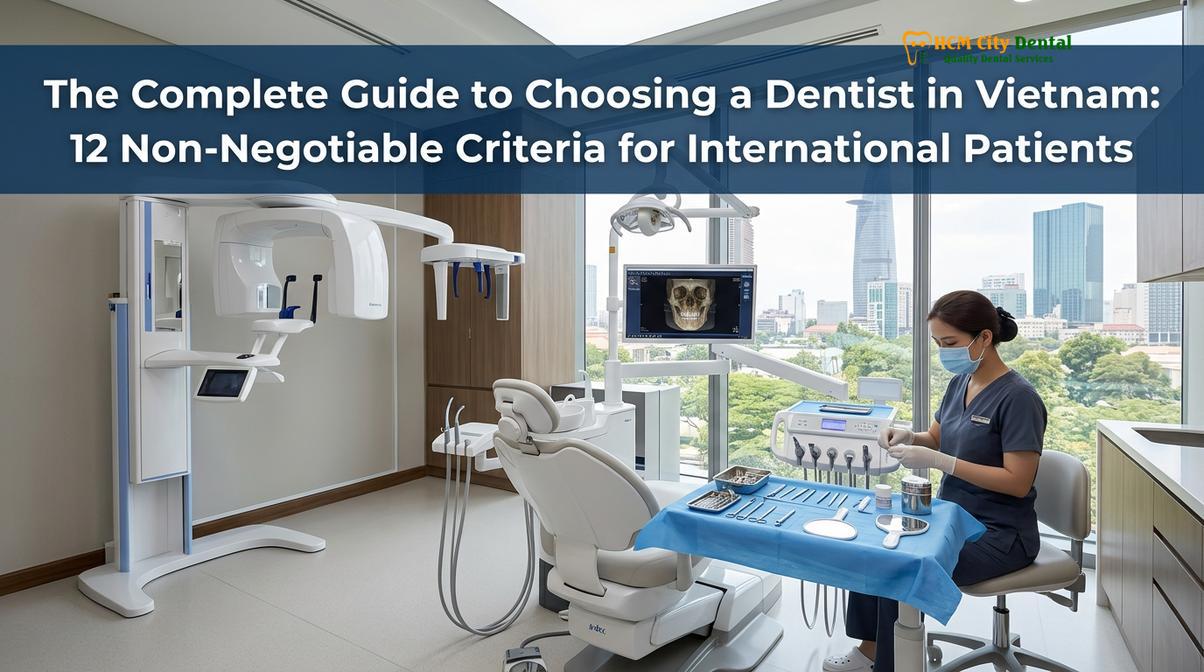
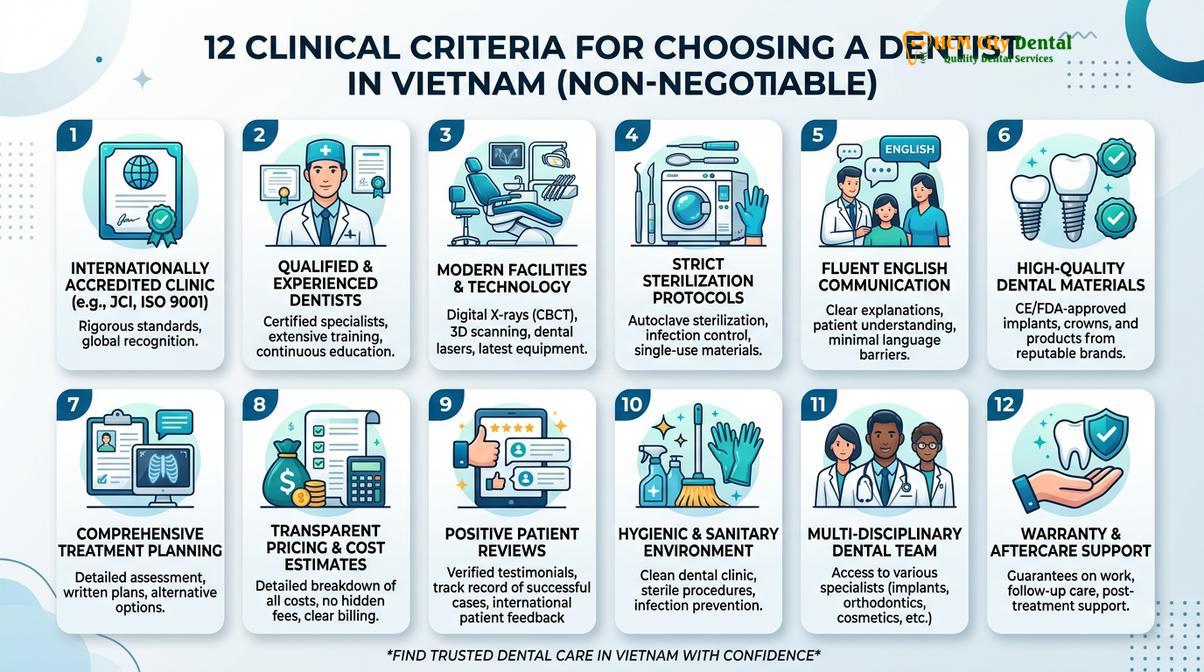
12 Non-Negotiable Checkpoints for Overseas Patients
When researching how to find a good dentist in vietnam, patients must look beyond glossy marketing materials and heavily edited social media before-and-after photos. A rigorous evaluation of a clinic’s clinical infrastructure, ethical standards, and diagnostic capabilities is essential. The following twelve checkpoints are designed to help you separate elite medical facilities from predatory dental tourism traps.
1. Specialized Clinical Expertise
General dentistry and complex surgical implantology are vastly different disciplines. Why choose a specialized dentist in vietnam? Because procedures like placing titanium implants near the inferior alveolar nerve or the maxillary sinus require advanced postgraduate training. Ensure your treating physician is a dedicated specialist (e.g., a Prosthodontist for complex restorations, or an Oral and Maxillofacial Surgeon or Periodontist for implant placement) rather than a general practitioner attempting complex surgeries.[2]
2. In-House 3D CBCT Diagnostics
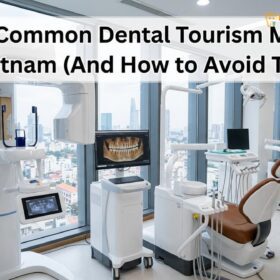
The standard of care for modern implantology and complex endodontics requires three-dimensional imaging. A clinic lacking an in-house Cone Beam Computed Tomography (CBCT) scanner is a major red flag. 2D panoramic X-rays are insufficient for accurately measuring bone density, locating vital nerves, and planning precise surgical guides. If a clinic proposes implant surgery without a 3D scan, it is highly advisable to seek a second opinion.
3. Traceable, Genuine Dental Materials
High-quality dental materials are expensive globally. Reputable clinics use internationally recognized brands such as Straumann (Switzerland), Nobel Biocare (Sweden), or Dentium (South Korea). You must receive an official, internationally verifiable warranty passport containing the exact lot and serial number of your implant fixture. This ensures that if you need maintenance in your home country years from now, your local dentist will know exactly what system was used.
4. Biomimetic and Minimal-Prep Philosophy
Ethical cosmetic dentistry prioritizes the preservation of natural tooth structure. A premier clinic will advocate for minimal-prep or no-prep veneers, preserving the vital enamel layer.[3] Clinics that aggressively shave healthy teeth down to small dentin pegs to quickly fit full crowns are committing irreversible biological damage, leading to a high likelihood of future root canals and tooth loss. Patients often wonder Do Veneers Ruin Your Teeth? Clinical Truths & Enamel Safety, and the answer depends entirely on the clinician’s adherence to conservative preparation guidelines.
5. Comprehensive General & Preventive Capabilities
While you may be traveling for implants or veneers, a top-tier clinic must have a strong foundation in comprehensive care. They should be equipped to handle everything from routine cleanings to complex restorative solutions like a Fixed Dental Bridge: Clinical Workflows, Types & Costs. A clinic that only pushes highly profitable cosmetic procedures while ignoring foundational periodontal health is not acting in your best medical interest. They should also be able to address aesthetic concerns conservatively, such as managing Black Stains on Teeth: Clinical Causes & Professional Removal without resorting to invasive restorations.
6. Transparent Treatment Timelines
Biology cannot be rushed. While digital dentistry has accelerated many workflows, osseointegration (the fusing of bone to a titanium implant) typically requires several months. Clinics promising immediate loading for every single patient, regardless of their bone density, are prioritizing marketing over clinical success. Ethical dentists will clearly explain when a two-stage surgical approach is biologically necessary.
7. Dedicated Sterilization Protocols
Infection control is paramount. You must look for clinics that adhere to strict ISO standards and utilize Class B fractionated vacuum autoclaves. This ensures that all instruments, including hollow handpieces, are completely sterilized between patients.
8. Direct Doctor-Patient Communication
Your consultation should be conducted by the dentist who will actually be performing your procedure, not a treatment coordinator whose primary goal is to close a sale. Medical English fluency among the clinical staff is essential for informed consent and understanding complex treatment plans.
9. Digital Impression Technology
Modern clinics have largely abandoned messy, uncomfortable traditional putty impressions in favor of intraoral optical scanners. These scanners provide micron-level accuracy for crafting crowns, veneers, and surgical guides, significantly reducing the margin of error and improving patient comfort.
10. Clear Warranty Terms
A reputable clinic stands behind its work. You should receive a clear, written warranty policy detailing the coverage for implants, crowns, and veneers. Understand the difference between a manufacturer’s warranty (covering the titanium fixture itself) and the clinic’s warranty (covering the surgical placement and the prosthetic crown).
11. Post-Operative Care and Follow-Up
Surgical procedures require careful monitoring. What to look for in a vietnam dental clinic includes a structured post-operative care plan. The clinic should schedule mandatory follow-up appointments before you fly home to remove sutures, check occlusion (bite), and ensure proper initial healing. They should also provide clear dietary guidelines, such as What to Eat After Dental Implant Surgery: Clinical Diet Guide.
12. Ethical Cosmetic Guidance
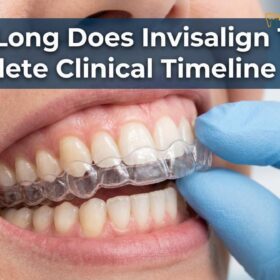
An ethical dentist will tell you “no” if a procedure is not in your best interest. For example, if a patient asks for aggressive veneers but would be better served by orthodontic alignment, the dentist should explain How Long Does Invisalign Take? Clinical Timeline & Workflows and guide them toward the least invasive option.
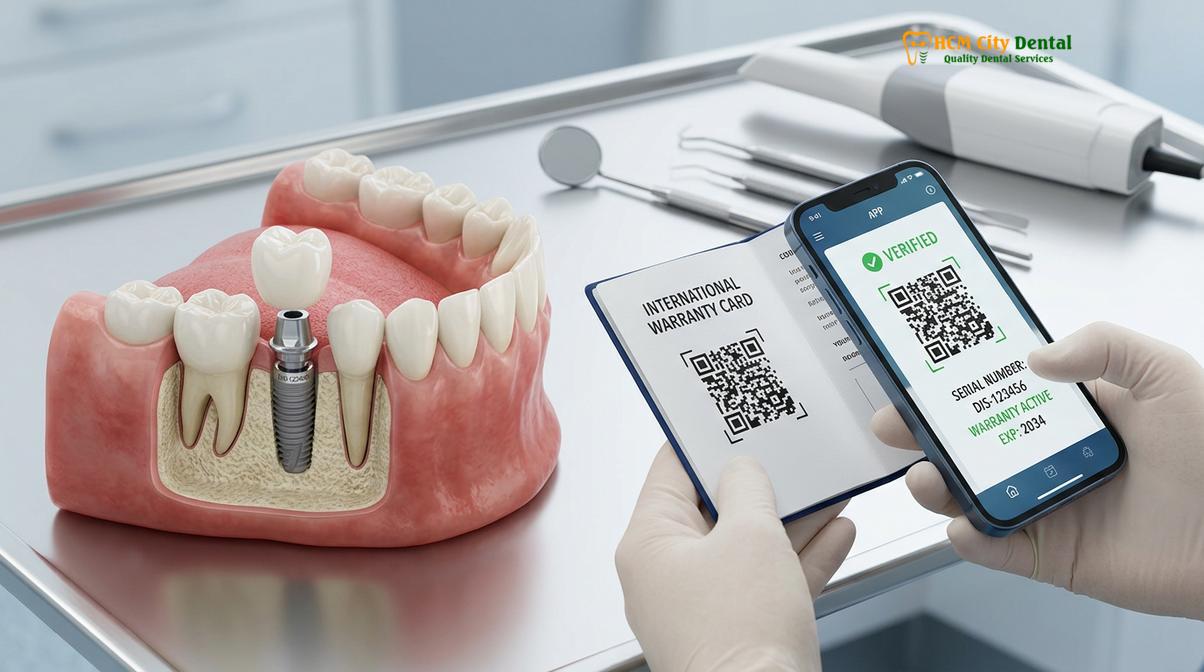
Pricing Transparency: Avoiding Surprise Invoices
One of the most significant risks in dental tourism is the “bait and switch” pricing model. Some clinics advertise incredibly low prices for a dental implant, only for the patient to arrive and discover that the quoted price did not include the abutment, the crown, the 3D scan, or the surgical extraction. True pricing transparency is a hallmark of a trustworthy medical facility.[4]
Before committing to any treatment, you must demand a comprehensive, itemized treatment plan. This document should break down every single cost associated with your procedure. If a clinic is unwilling to provide a binding quote in writing after reviewing your preliminary X-rays, you should consider it a major red flag.
| Pricing Component | Transparent Clinic Standard | Predatory Clinic Red Flag |
|---|---|---|
| Initial Consultation | Clearly stated fee or explicitly complimentary, including 3D CBCT scans. | Hidden fees for X-rays and scans revealed only after arrival. |
| Implant Pricing | Itemized: Fixture + Abutment + Crown = Total Cost. | Advertises “Implant for $300” (covers only the titanium screw). |
| Material Brands | Specifies exact brand (e.g., Straumann Roxolid) in the written quote. | Uses vague terms like “Premium Titanium” or “Korean Implant.” |
| Surgical Add-ons | Bone grafting and sinus lifts are estimated upfront based on 3D scans. | Surprise charges for “unexpected” bone grafting during surgery. |
Online Consultation Checklist Before You Fly
To mitigate risks, your evaluation of a clinic should begin long before you board a plane. A thorough online consultation is your first line of defense. Reputable clinics in Vietnam are well-equipped to conduct comprehensive virtual assessments using your local dental records.
During your online consultation, ensure you cover the following checklist:
- Submit Local Records: Send your recent panoramic X-rays (OPG) or 3D CBCT scans, along with clear, well-lit photos of your teeth and gums.
- Request a Video Call: Insist on a video consultation directly with the specialist who will perform your surgery, not just a customer service representative.
- Discuss Timelines: Confirm exactly how many days you need to stay in Vietnam for the initial phase, and whether a second trip will be required months later for the final restorations.
- Verify the Quote: Ask explicitly, “Is this a binding quote, or are there potential hidden fees for temporary crowns, medications, or facility usage?”
How to Verify Medical Licenses & MOH Credentials in Vietnam
One of the most common questions from international patients is, “Is it safe to get dental work in ho chi minh city?” The answer is generally yes—provided you are being treated by a fully licensed and credentialed professional. In Vietnam, the practice of dentistry is strictly regulated by the Ministry of Health (MOH), which sets national guidelines on infection control and clinical safety.[6]
Every practicing dentist must hold a valid Practicing License, known in Vietnamese as Chứng chỉ hành nghề (CCHN). This document is not merely a university degree; it is a government-issued license that specifies the exact scope of practice the dentist is legally permitted to perform. For example, a general dentist’s license differs from one that includes specialized endorsements for implantology or complex maxillofacial surgery.
How to verify dentist credentials in vietnam:
- Request the License Number: Reputable clinics will proudly display their doctors’ MOH license numbers on their website or provide them immediately upon request.
- Check for Specialized Certifications: If you are receiving implants, ask to see the dentist’s specific certification in implantology. In Vietnam, placing implants requires additional, rigorous post-graduate training and a specific addendum to their MOH license.
- Look for International Affiliations: Many top-tier dentists in Ho Chi Minh City hold memberships in prestigious international organizations, such as the International Congress of Oral Implantologists (ICOI) or the ITI (International Team for Implantology).
“Transparency is the foundation of trust in medical tourism. An ethical clinician will never hesitate to provide their Ministry of Health credentials, detailed records of their specialized training, and verifiable data regarding their clinical protocols. If a clinic is evasive about who exactly will be performing your surgery, that is a clear signal to seek care elsewhere.”
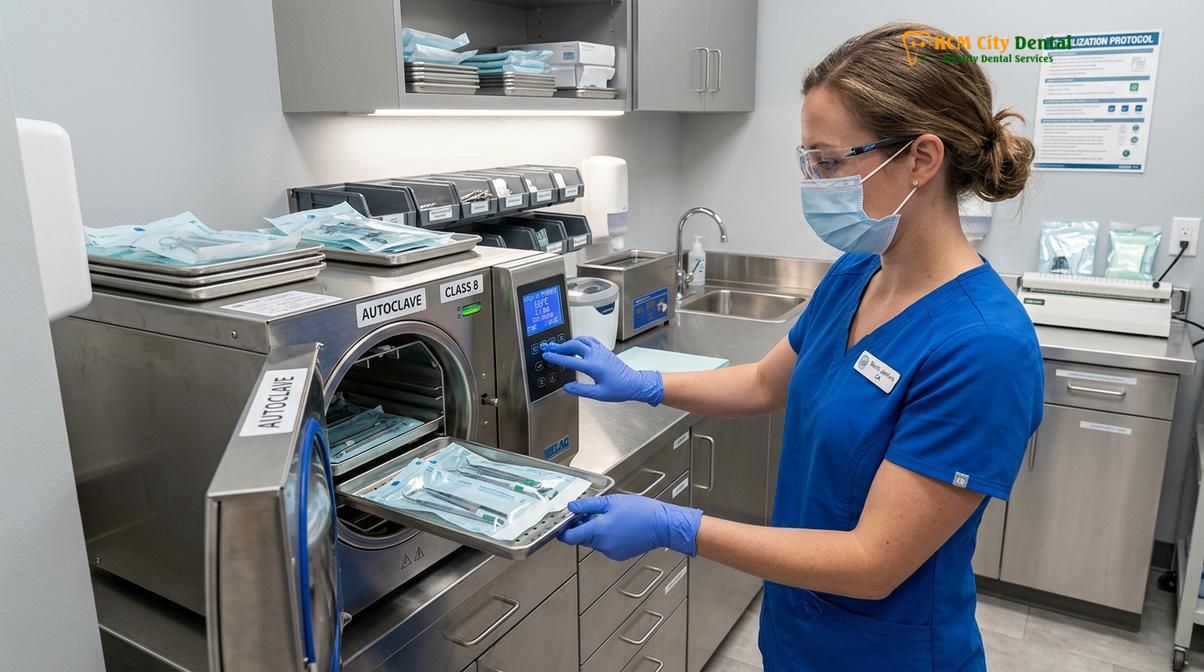
Class B Autoclave & Sterilization Protocols: What to Inspect
When evaluating a clinic from abroad, patients often focus heavily on aesthetics and price, but the most critical factor for your safety is invisible to the naked eye: infection control. Cross-contamination and healthcare-associated infections (HAIs) are severe risks in poorly regulated facilities.[5]
To help ensure your safety, you must verify that the clinic utilizes a Class B Autoclave. Unlike standard Class N (gravity displacement) autoclaves, which are only suitable for solid, unwrapped instruments, a Class B autoclave utilizes a fractionated vacuum system. This technology completely removes ambient air from the sterilization chamber before injecting pressurized steam. This is the only way to help guarantee the total sterilization of hollow instruments, such as surgical handpieces, implant drills, and suction tips, which can harbor microscopic blood and tissue debris.
What to inspect regarding sterilization:
- Dedicated Sterilization Room: The clinic should have a separate, clearly defined sterilization room with a distinct “dirty-to-clean” workflow to prevent cross-contamination.
- Ultrasonic Cleaning: Before autoclaving, instruments must be scrubbed and placed in an ultrasonic bath with enzymatic cleaners to break down bioburden at a microscopic level.
- Individual Sterile Pouches: Instruments should be sealed in individual sterilization pouches that feature chemical indicator strips. These strips change color only when the correct temperature, pressure, and time parameters have been met inside the autoclave.
- Surface Disinfection: Between every patient, the operatory must be thoroughly disinfected using hospital-grade virucidal and bactericidal wipes, and all high-touch surfaces must be covered with disposable barrier films.
“Strict adherence to Class B sterilization protocols is not merely a recommendation; it is an absolute clinical necessity. Compromising on infection control to reduce overhead costs places the patient at unacceptable risk of cross-contamination.”
Communication & English Fluency of the Clinical Team
Effective communication is a cornerstone of safe medical care. When undergoing complex procedures like full-mouth rehabilitations or even specialized pediatric care like Pediatric Zirconia Crowns: Clinical Guide & Procedure, nuances matter. You need to be able to express your pain levels, understand post-operative instructions, and provide informed consent without the risk of mistranslation.
Many budget clinics rely heavily on sales coordinators or translators to bridge the gap between the patient and a dentist who speaks little to no English. This introduces a dangerous layer of miscommunication. The translator may lack the medical vocabulary to accurately explain the difference between a sinus lift and a bone graft, or they may intentionally gloss over the risks of a procedure to secure the booking.
Dr. Nguyen Van Cuong DDS, Chief Clinical Director, emphasizes that patient education is the most powerful tool against substandard care. Under his leadership, the team ensures that every international patient receives comprehensive diagnostic evaluations, whether they require complex full-arch rehabilitations or foundational General & Preventive Dentistry at HCMC Dental Clinic. Dr. Cuong advocates for strict adherence to international safety protocols, ensuring that world-class dentistry remains accessible and safe in Vietnam.
When to Seek Immediate Dental Attention in Vietnam
Even with meticulous planning, complications can occasionally arise. It is vital to know when a post-operative symptom is a normal part of healing and when it requires immediate medical intervention. If you experience any of the following red flags after receiving dental treatment in Vietnam, you should contact a reputable specialist or hospital immediately:
- Uncontrollable Bleeding: While minor oozing is normal after extractions or implant placement, heavy bleeding that does not stop with firm pressure after several hours requires urgent attention.
- Severe, Escalating Pain: Pain that worsens significantly after the third day, rather than improving, can indicate an infection or a dry socket.
- Swelling that Impedes Breathing or Swallowing: Rapidly spreading swelling, especially in the lower jaw or neck, is a medical emergency that requires immediate hospital evaluation.
- Numbness Lasting Beyond 24 Hours: Prolonged numbness (paresthesia) in the lip, chin, or tongue after an implant procedure may indicate nerve compression or injury, requiring prompt assessment by a maxillofacial surgeon.
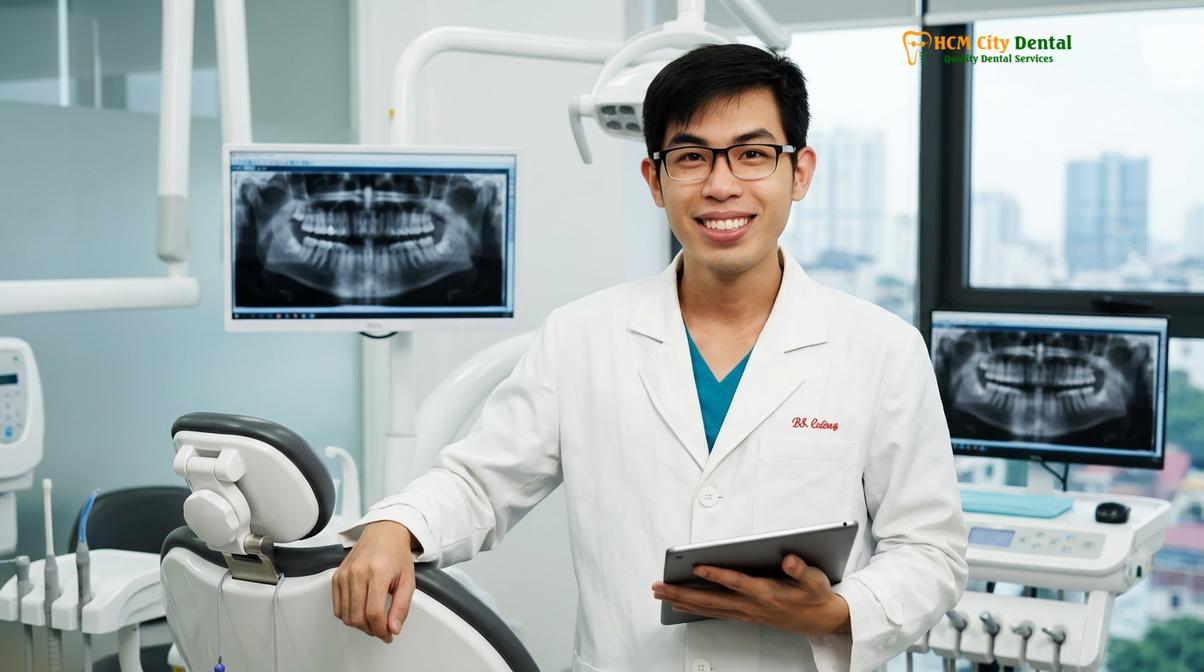
David, a 55-year-old expatriate, needed extensive restorative work and began researching how to choose a dentist in Ho Chi Minh City. After encountering several budget clinics offering suspiciously low prices for implants, he decided to prioritize clinical safety over the cheapest quote. He booked a comprehensive consultation at HCMC Dental Clinic in Ho Chi Minh City. During his visit, the clinical team utilized an in-house 3D CBCT scanner to accurately assess his bone density and provided a fully itemized, transparent treatment plan. By verifying the clinic’s Class B sterilization protocols and the specialists’ MOH credentials, David successfully received two Straumann implants with verifiable serial numbers, ensuring his long-term oral health without unexpected complications.
Frequently Asked Questions
How do I verify a Vietnamese dentist’s qualifications?
You can verify a Vietnamese dentist’s qualifications by requesting their Ministry of Health (MOH) Practicing License (Chứng chỉ hành nghề) and checking their specialized certifications.
What are the most important questions to ask a clinic before booking?
The most important questions involve asking for a binding written quote, confirming the use of a Class B autoclave, and requesting the exact brand and serial numbers of the materials being used.
How do I know if a clinic’s sterilization meets Western standards?
A clinic typically meets Western standards if they utilize a dedicated sterilization room equipped with a Class B fractionated vacuum autoclave, ultrasonic cleaners, and individually sealed, date-stamped sterilization pouches.
Can I get an accurate cost estimate before traveling to Saigon?
Yes, reputable clinics generally provide a highly accurate, binding digital quote after reviewing your panoramic X-rays, 3D CBCT scans, and clinical photographs during an online consultation.
What should I do if a clinic refuses to show material warranty certificates?
If a clinic refuses to provide official, internationally verifiable warranty certificates for implants or prosthetics, it is highly recommended to cancel your treatment and seek care elsewhere.
References
- Journal of the American Dental Association. Implant survival rates in digital dentistry. (2022).
- International Journal of Oral and Maxillofacial Implants. All-on-4 full arch rehabilitation. (2021).
- Journal of Esthetic and Restorative Dentistry. Minimal prep porcelain veneer longevity. (2020).
- British Dental Journal. Dental tourism safety protocols and material traceability. (2023).
- Journal of Clinical Periodontology. Infection control and aerosol management. (2021).
- Vietnam Ministry of Health (MOH). National Guidelines on Infection Control in Dental Establishments. (2020).
If you are planning your dental journey and want to ensure you receive care that meets strict international standards, contact HCMC Dental Clinic in Ho Chi Minh City today to schedule a comprehensive digital consultation with our specialized clinical team.