After dental implant surgery, you must consume a cool liquid and soft food diet to protect the surgical site and promote osseointegration. Focus on nutrient-dense, non-chewable foods like smoothies, cold soups, and scrambled eggs for the first week, gradually reintroducing firmer textures as healing progresses.
Clinical Summary:
Understanding what to eat after dental implant surgery is a critical component of the overall treatment workflow. The initial healing phase requires strict adherence to a specialized diet to prevent mechanical disruption of the titanium fixture and to support the biological process of osseointegration. Patients are advised to begin with a cool liquid diet for the first 48 hours, transitioning to a nutrient-rich soft food protocol for the subsequent weeks. Avoiding hard, crunchy, sticky, and thermally extreme foods is essential to prevent complications such as incision line opening, blood clot dislodgement, and peri-implant inflammation. Proper nutritional intake—emphasizing protein, calcium, and vitamins—accelerates tissue regeneration and optimizes the clinical outcome of the implant procedure.
Key Takeaways:
- The first 24 to 48 hours require a strict cool liquid diet to stabilize the blood clot and prevent secondary hemorrhage.
- A structured soft food diet implant recovery plan minimizes mechanical stress on the newly placed titanium fixture.
- Protein, calcium, and vitamin C are vital macronutrients and micronutrients that accelerate bone and soft tissue healing.
- Patients must strictly avoid using drinking straws, as the intraoral suction can dislodge the protective blood clot.
- Premium implant surfaces, such as those used in Straumann fixtures, may support faster cellular integration, but dietary precautions remain mandatory.
The Biological Imperative of a Post Implant Surgery Diet
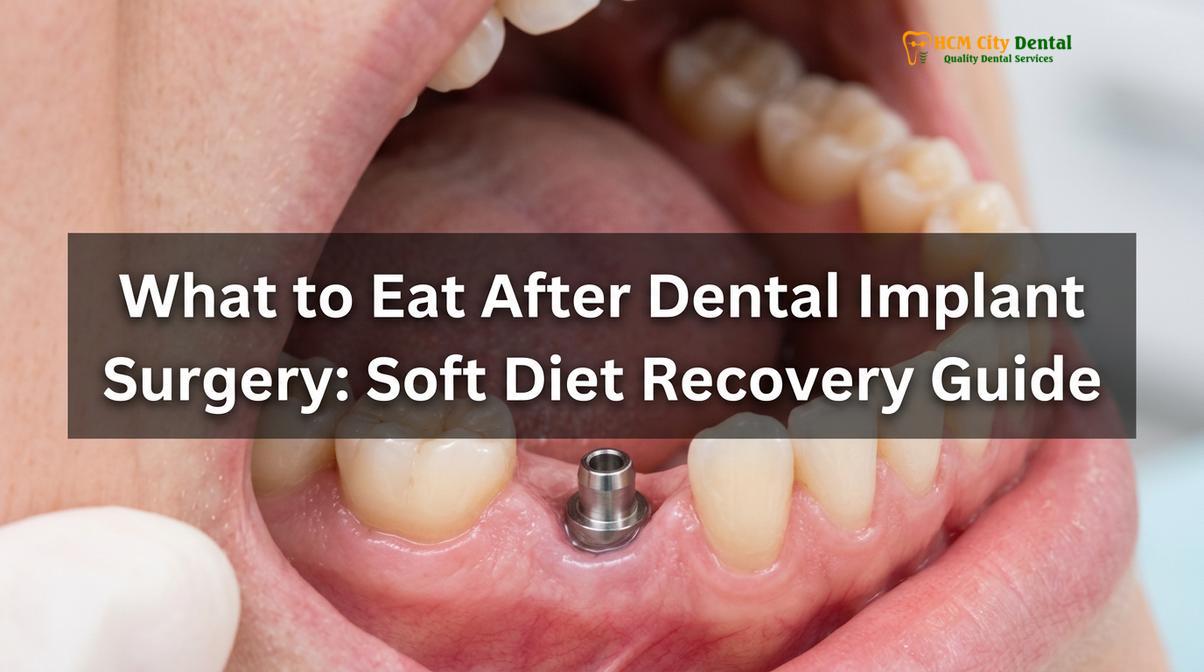
A specialized post-operative diet minimizes mechanical stress on the newly placed titanium fixture, preventing micro-movements that can disrupt the critical bone-healing process known as osseointegration.
The success of implantology relies heavily on a biological phenomenon known as osseointegration. This is the direct structural and functional connection between living, ordered bone and the surface of a load-bearing artificial implant. When a titanium fixture is surgically placed into the maxillary or mandibular alveolar ridge, the body initiates a complex cascade of wound healing events. During the initial stages, the implant relies solely on “primary stability,” which is the mechanical friction between the implant threads and the surrounding bone[1]. At this vulnerable stage, any excessive occlusal force or masticatory pressure can cause micro-movements exceeding 150 micrometers. Such movements can trigger the body to form a fibrous capsule around the implant rather than integrating it with solid bone, ultimately leading to clinical failure.
This biomechanical vulnerability is precisely why a meticulously planned post implant surgery diet is not merely a suggestion for patient comfort, but a strict clinical requirement. The foods you consume, and more importantly, the textures and temperatures of those foods, directly influence the cellular environment of the surgical site. Dr. Nguyen Van Cuong, a leading specialist with over 20 years of expertise at HCMC Dental Clinic in Ho Chi Minh City, frequently emphasizes to his patients that the surgical placement is only the first half of the treatment; the patient’s adherence to post-operative care dictates the final success of the restoration.
Furthermore, the nutritional composition of your diet plays a profound role in tissue regeneration. The surgical trauma induces an inflammatory response, requiring the body to synthesize new collagen for gingival repair and to activate osteoblasts for bone formation. A diet deficient in essential nutrients can prolong the inflammatory phase and delay angiogenesis (the formation of new blood vessels). Therefore, the ideal recovery diet must strike a delicate balance: it must be mechanically gentle enough to protect the surgical site, yet nutritionally dense enough to fuel the high metabolic demands of cellular repair[2].
“The integration of a titanium implant is a race between bone-forming cells and soft-tissue-forming cells. A diet that minimizes mechanical disruption while maximizing nutritional support provides the osteoblasts with the optimal environment to win this race and secure the implant.”
Patients who undergo adjunctive procedures, such as guided bone regeneration (GBR) or sinus lift augmentations, must be even more vigilant. These procedures involve the placement of particulate bone grafts and resorbable collagen membranes, which are highly sensitive to pressure and displacement. For these complex cases, the duration of the soft food protocol is often extended to ensure the graft material vascularizes and consolidates without interference.
Day-by-Day Post Implant Recovery Diet
Transitioning from cool liquids in the first 48 hours to a nutrient-rich soft food diet ensures adequate caloric intake while safeguarding the delicate gingival tissues and sutures.
Navigating the dietary restrictions following oral surgery requires a structured, phased approach. The healing process is dynamic, and your diet should evolve in tandem with the biological milestones of tissue recovery. The following day-by-day guide outlines the optimal progression for a soft food diet implant recovery, ensuring that you maintain adequate nutrition without compromising the surgical site.
Phase 1: The First 24 to 48 Hours (Hemostasis and Clot Stabilization)
Immediately following the procedure, the primary clinical objective is hemostasis—the cessation of bleeding and the formation of a stable blood clot. This clot serves as a biological scaffold, protecting the underlying bone and providing a matrix for new blood vessels and cells to migrate into the area. During this critical window, you must consume exclusively cool or room-temperature liquids. Heat causes vasodilation (the widening of blood vessels), which can dissolve the fragile clot and trigger secondary bleeding[3].
Ideal nutritional choices during this phase include:
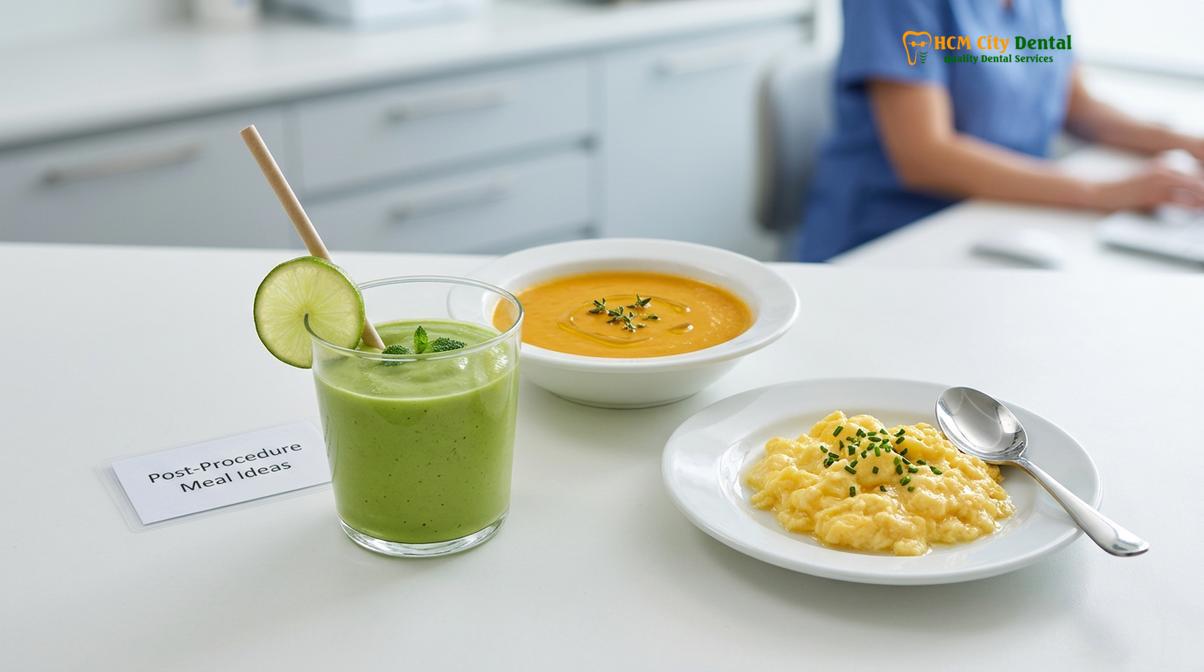
- Nutrient-Dense Smoothies: Blend soft fruits like bananas, avocados, and seedless berries with Greek yogurt or almond milk. Avoid fruits with tiny seeds (like strawberries or blackberries) that could become lodged in the surgical site.
- Cold Broths and Soups: Chilled bone broth is highly recommended as it is rich in collagen and amino acids. Gazpacho or smoothly pureed vegetable soups served cold are also excellent options.
- Protein Shakes: High-quality whey or plant-based protein shakes help meet your daily macronutrient requirements without any mastication.
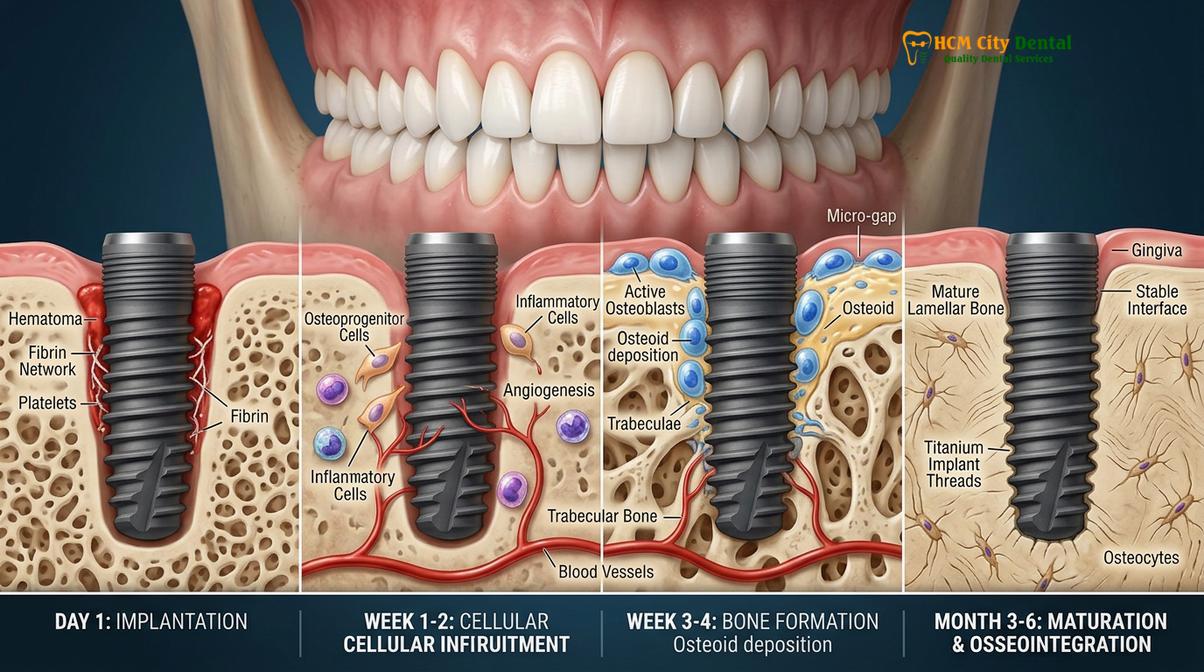
Phase 2: Days 3 to 7 (Fibroplasia and Early Tissue Repair)
By the third day, the risk of significant bleeding diminishes, and the inflammatory phase begins to transition into the proliferative phase. Swelling may peak around day three before gradually subsiding. At this point, you can introduce pureed and very soft foods that require minimal to no chewing. The temperature of the food can be increased to lukewarm, but hot meals should still be avoided to prevent thermal irritation to the healing gingiva.
Recommended foods for this phase include:
- Mashed Root Vegetables: Mashed potatoes, sweet potatoes, and butternut squash are excellent sources of complex carbohydrates and vitamins. Ensure they are mashed to a completely smooth consistency.
- Scrambled Eggs: Eggs are a powerhouse of high-quality protein, vitamin D, and phosphorus. Softly scrambled eggs are easy to swallow and highly nutritious.
- Oatmeal and Cream of Wheat: Well-cooked, lukewarm oatmeal provides dietary fiber and sustained energy. Avoid adding crunchy nuts or seeds.
- Dairy Products: Cottage cheese, ricotta, and smooth yogurts provide essential calcium necessary for osteogenesis.
Phase 3: Weeks 2 to 4 (Early Callus Formation and Suture Removal)
During the second and third weeks, the soft tissues (gums) will have largely closed over the surgical site, and any non-resorbable sutures will typically be removed by your dentist. While the gums may look healed, the underlying bone is still in the early stages of integrating with the titanium threads. You can now progress to a semi-soft diet, but you must continue to avoid chewing directly over the implant area.
Appropriate semi-soft foods include:
- Flaky Fish: Baked or steamed fish, such as salmon, cod, or tilapia, provides excellent protein and omega-3 fatty acids, which possess natural anti-inflammatory properties.
- Soft Pastas and Noodles: Macaroni and cheese, soft-boiled ramen, or overcooked pasta dishes are safe, provided they do not contain tough meats or crunchy vegetables.
- Slow-Cooked Meats: Finely shredded chicken, pulled pork, or ground beef that has been slow-cooked until extremely tender can be reintroduced.
- Steamed Vegetables: Carrots, broccoli florets, and zucchini steamed until they can be easily mashed with a fork.
To help patients visualize this progression, we have summarized the dietary phases in the clinical table below:
| Recovery Phase | Clinical Objective | Recommended Diet Type | Ideal Food Examples |
|---|---|---|---|
| Days 1-2 | Clot stabilization, hemostasis | Cool Liquids Only | Smoothies, chilled bone broth, protein shakes |
| Days 3-7 | Soft tissue closure, reduce inflammation | Pureed & Very Soft Foods | Mashed potatoes, scrambled eggs, smooth yogurt |
| Weeks 2-4 | Early osseointegration, suture healing | Semi-Soft Foods | Flaky baked fish, soft pasta, steamed vegetables |
| Months 1-3 | Bone maturation and consolidation | Gradual Return to Normal | Normal diet (avoiding extreme crunch directly on the implant) |
For a broader understanding of the complete recovery timeline, including oral hygiene protocols and pain management, patients should review a Comprehensive Dental Implants Post Op Instructions & Clinical Care Guide.
Foods to Avoid After Implant Surgery
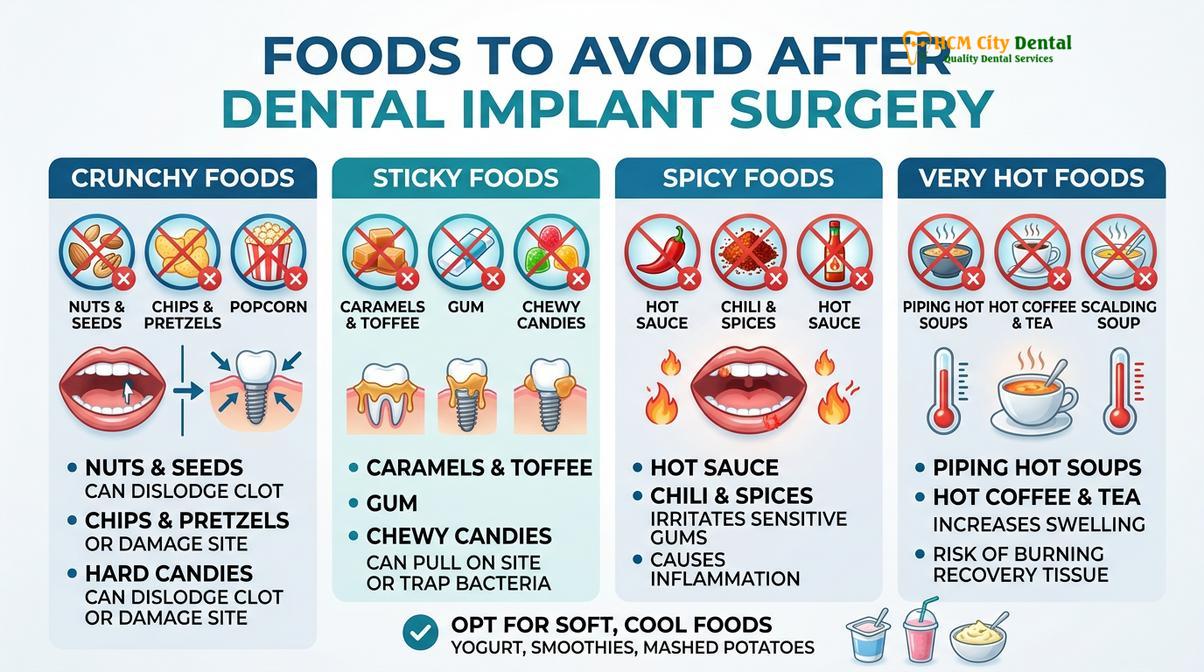
Patients must strictly avoid hard, crunchy, sticky, spicy, and highly acidic foods, as these can lacerate healing gums, dislodge blood clots, or introduce bacterial irritation.
Knowing what to exclude from your diet is arguably more important than knowing what to include. The oral cavity is a harsh environment, subjected to immense biomechanical forces and a diverse microbiome. Introducing the wrong textures or chemical profiles during the vulnerable healing phases can lead to severe complications, ranging from localized mucositis to catastrophic implant failure.
The list of foods to avoid after dental implant surgery is based on specific clinical risks:
- Hard and Crunchy Foods: Items such as nuts, popcorn, hard candies, ice cubes, and crusty breads pose a significant mechanical threat. Biting down on a hard object can transmit excessive torque to the implant fixture, breaking the fragile initial bonds between the titanium and the bone. Furthermore, sharp fragments (like a popcorn kernel or a potato chip edge) can lacerate the healing gingival incision, causing bleeding and creating a pathway for bacterial ingress[4].
- Sticky and Chewy Foods: Caramel, chewing gum, taffy, and gummy candies require excessive masticatory force. The repetitive, forceful chewing motion strains the jaw and the surgical site. Additionally, sticky substances can adhere to the sutures or the healing abutment, pulling on the delicate tissues and potentially dislodging the stitches prematurely.
- Spicy and Acidic Foods: Hot peppers, salsas, citrus fruits (lemons, oranges, grapefruits), and tomatoes contain high levels of acids and capsaicin. These chemical compounds are highly irritating to open wounds and mucosal incisions. They can cause severe burning sensations, increase localized inflammation, and alter the pH of the oral microbiome, potentially favoring the proliferation of pathogenic bacteria.
- Foods with Small Seeds or Grains: Sesame seeds, poppy seeds, chia seeds, quinoa, and certain berries contain tiny particles that can easily become trapped in the peri-implant sulcus (the shallow crevice between the gum and the implant). Because the area is tender, patients often struggle to clean it thoroughly. Trapped organic matter quickly decomposes, leading to peri-implant mucositis—an inflammatory condition that, if left untreated, can progress to peri-implantitis and bone loss.
“Thermal shock and mechanical trauma are the two greatest enemies of a newly placed implant. Patients must treat the surgical site with the utmost delicacy, recognizing that the absence of pain does not equate to complete biological healing.”
Dental Implants in Ho Chi Minh City: Clinical Workflows and Costs
Undergoing implantology in Vietnam offers world-class clinical standards, utilizing premium European and Korean fixtures at a fraction of Western prices, typically completed within a 5-7 day surgical trip.
For international patients and expatriates, understanding the dietary requirements is only one facet of the treatment journey. Many patients are increasingly looking toward dental tourism to access high-quality care without the prohibitive costs associated with Western clinics. Ho Chi Minh City (Saigon) has emerged as a premier destination for advanced implantology, combining state-of-the-art digital dentistry with highly competitive pricing structures.
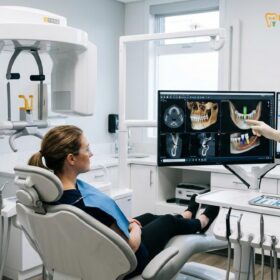
At leading institutions like HCMC Dental Clinic, located conveniently for international visitors, the clinical workflow is designed for maximum precision and efficiency. The process begins with a comprehensive 3D Cone Beam Computed Tomography (CBCT) scan. This imaging allows the oral surgeon to evaluate bone volume, locate vital anatomical structures (such as the inferior alveolar nerve and the maxillary sinus), and virtually plan the exact trajectory and depth of the implant placement.
Cost Comparison and Implant Systems
The cost of dental implants in Ho Chi Minh City varies depending on the brand of the titanium fixture and the complexity of the surgical site. Currently, the clinic offers several tiers of globally recognized implant systems:
- Korean Systems (Dentium / Osstem): Ranging from $700 to $950 per tooth (including the implant post, abutment, and standard crown). These systems offer excellent clinical reliability and are the most cost-effective option for standard placements.
- Swiss Systems (Straumann): Ranging from $1,200 to $1,500. Straumann is widely considered the gold standard in implantology. Their proprietary SLActive surface technology is chemically modified to attract blood and proteins, significantly accelerating the osseointegration process. This is particularly beneficial for patients with compromised bone density or those seeking faster healing times.
- Swedish Systems (Nobel Biocare): Ranging from $1,100 to $1,400. Nobel Biocare is renowned for its high primary stability, making it an excellent choice for immediate loading protocols (same day dental implants) and complex full-arch rehabilitations like the All-on-4 concept.
To further assist international patients, clinics often provide a 40% discount on specific treatment packages for pre-arrival WhatsApp bookings, making the financial proposition even more compelling.
Surgical Timelines and Adjunctive Procedures
A standard surgical trip to Vietnam for implant placement typically requires a stay of 5 to 7 days. This allows time for the initial consultation, the surgical placement, and a follow-up appointment to monitor early healing and remove sutures. While “same day dental implants” (immediate loading) are possible in specific clinical scenarios where primary stability is exceptionally high, the standard protocol involves a delayed loading approach. The implant is placed and left to heal under the gums for 3 to 6 months before the final ceramic crown is attached.
In cases where the patient has suffered significant bone resorption due to long-term tooth loss or periodontal disease, adjunctive procedures may be necessary prior to or simultaneous with implant placement. A sinus lift (elevation of the Schneiderian membrane in the upper jaw) or Guided Bone Regeneration (GBR) may add $400 to $800 to the total cost. These procedures require the placement of bone graft material and resorbable membranes to rebuild the necessary bone volume, ensuring the implant is completely encased in solid bone[5].
Patients considering this route should thoroughly research the logistics and clinical standards. A highly recommended resource is the Can I Get Dental Implants on Holiday in Vietnam? Clinical Guide, which details the step-by-step process for international visitors. Additionally, understanding the broader landscape of dental providers is crucial; the How to Find a Dentist in Ho Chi Minh City: Clinical Guide & Costs offers valuable insights into verifying clinic credentials, such as European CE certification and strict Class B autoclave sterilization protocols.
When to See a Doctor: Identifying Post-Operative Complications
While adhering to a strict post implant surgery diet significantly mitigates the risk of complications, patients must remain vigilant and monitor the surgical site for signs of abnormal healing. Mild swelling, minor bruising, and slight oozing of blood are expected during the first 48 hours. However, certain clinical symptoms warrant immediate professional evaluation.
You should contact your dental provider immediately if you experience any of the following:
- Severe, Throbbing Pain: While mild discomfort is normal and manageable with prescribed analgesics, severe, escalating pain that radiates through the jaw or does not respond to medication may indicate an infection or nerve irritation.
- Excessive or Uncontrolled Bleeding: If bleeding persists beyond the first 48 hours, or if it is heavy and cannot be controlled by biting down firmly on sterile gauze for 30 minutes, you must seek clinical attention.
- Pus or Purulent Exudate: The presence of white, yellow, or green discharge around the surgical site, often accompanied by a foul taste or odor, is a definitive sign of a localized bacterial infection.
- Prolonged Numbness (Paresthesia): If you experience persistent numbness, tingling, or a “pins and needles” sensation in your lips, chin, or tongue that lasts long after the local anesthesia should have worn off, it may indicate compression or injury to the inferior alveolar nerve.
- Mobility of the Healing Abutment: If you feel that the metal cap protruding from the gum (the healing abutment) is loose or shifting, do not attempt to tighten it yourself. This requires immediate clinical assessment to ensure the underlying implant fixture remains stable.
Early intervention is critical in implant dentistry. A minor localized infection can often be resolved with targeted antibiotic therapy and professional debridement. However, if left untreated, the infection can rapidly progress down the threads of the implant, leading to irreversible bone loss and the eventual failure and removal of the fixture. Always err on the side of caution and communicate any concerns with your surgical team.
For patients seeking comprehensive care, from initial digital diagnostics to meticulous post-operative monitoring, exploring Kiến thức nha khoa at a reputable institution ensures that every phase of your treatment is guided by evidence-based clinical protocols.
Frequently Asked Questions
How soon can I eat normal food after dental implant surgery?
Most patients can gradually return to a normal diet within three to four weeks, depending on their individual healing rate and the complexity of the procedure. However, you must avoid chewing directly on the implant site until your dentist confirms that complete osseointegration has occurred, which typically takes three to six months. During the initial weeks, transitioning from liquids to semi-soft foods is crucial to prevent mechanical disruption of the titanium fixture.
Can I drink coffee after my implant procedure?
You must avoid hot coffee for at least the first 48 hours following your surgical procedure. Hot liquids cause vasodilation, which increases blood flow and can dissolve the delicate blood clot forming at the surgical site, leading to prolonged bleeding and delayed healing. After the initial 48 hours, you may consume lukewarm or iced coffee, provided you do not use a straw, as the suction force can also dislodge the clot.
Are dairy products safe to consume during the soft food diet implant recovery?
Yes, dairy products such as yogurt, milk, and soft cheeses are highly recommended during your recovery phase. They are excellent sources of calcium, vitamin D, and protein, all of which are essential macronutrients and micronutrients required for bone regeneration and soft tissue repair. However, ensure that the dairy products are pasteurized and avoid any yogurts that contain small, hard seeds or crunchy granola mix-ins.
How do I get enough protein without chewing tough meats?
You can easily meet your daily protein requirements by consuming eggs, smooth peanut butter, soft tofu, Greek yogurt, and high-quality protein shakes. As your healing progresses into the second week, you can introduce finely shredded chicken, flaky baked fish, and slow-cooked ground meats. Protein is a vital component of the post implant surgery diet because it provides the amino acids necessary for synthesizing new collagen and repairing gingival tissues.
Does the type of implant (e.g., Straumann vs. Dentium) affect my recovery diet?
While the fundamental dietary guidelines remain the same regardless of the implant brand, premium implants with advanced surface technologies may integrate slightly faster. For instance, Swiss Straumann implants feature the SLActive surface, which is clinically designed to accelerate the initial phases of osseointegration compared to standard fixtures. Nevertheless, all patients must strictly adhere to the soft food protocol to ensure primary stability is maintained during the critical early weeks.
References
- Journal of Oral Implantology. Nutritional impacts on osseointegration and soft tissue healing. (2021).
- International Journal of Oral and Maxillofacial Surgery. Biomechanical forces and early implant failure. (2020).
- Clinical Implant Dentistry and Related Research. Dietary protocols following guided bone regeneration. (2019).
- Journal of Periodontology. The role of micronutrients in periodontal and peri-implant wound healing. (2022).
- European Journal of Oral Implantology. Comparative analysis of implant surface technologies and healing times. (2018).