Proper dental implants post op instructions require immediate bite pressure on gauze to control bleeding, applying cold compresses to minimize swelling, and adhering to a strict soft diet. Rigorous oral hygiene and avoiding smoking are critical to ensure successful osseointegration and prevent surgical site infections.
Clinical Summary:
Post-operative care for dental implants is a highly structured clinical process designed to manage the initial inflammatory response, protect the fragile blood clot, and facilitate long-term bone healing. Patients must follow specific dietary restrictions, utilize prescribed antimicrobial rinses, and attend scheduled follow-up evaluations. Strict adherence to these protocols significantly reduces the risk of peri-implantitis, soft tissue dehiscence, and early implant failure, ensuring the foundation is secure for the final prosthetic restoration.
Key Takeaways:
- Bite firmly on sterile gauze for 30 to 45 minutes immediately after surgery to establish a stable hemostatic clot.
- Apply ice packs to the face in 20-minute intervals during the first 48 hours to minimize acute facial swelling and bruising.
- Maintain a nutrient-dense, soft-food diet for at least 7 to 14 days to prevent mechanical trauma to the healing implant site.
- Avoid vigorous rinsing, spitting, or using straws for the first 24 hours to protect the surgical wound from negative pressure.
- Refrain from smoking and alcohol consumption for a minimum of two weeks to ensure optimal vascularization and cellular repair.
Immediate Post-Operative Care: The First 24 to 48 Hours
The first 48 hours focus on achieving hemostasis, managing acute inflammation, and preventing disruption of the surgical site. Patients must prioritize rest, cold therapy, and the timely administration of prescribed analgesics.
The immediate period following the surgical placement of a titanium fixture is critical for establishing the biological foundation for healing. When you leave the clinic, the local anesthetic will still be active, providing temporary relief. However, the body’s natural inflammatory cascade begins immediately as a response to surgical trauma. Following precise dental implants post op instructions during this window dictates the trajectory of your entire recovery [1].
Hemostasis and Bleeding Control: Minor oozing or a pink tinge in your saliva is a normal physiological response for the first 24 to 48 hours. To control active bleeding, place a folded, slightly moistened sterile gauze pad directly over the surgical site and apply firm, continuous biting pressure for 30 to 45 minutes. The pressure compresses the severed capillaries and allows the coagulation cascade to form a stable fibrin clot. If heavy bleeding persists—where your mouth rapidly fills with dark red blood—replace the gauze and maintain pressure for another hour. Avoid the common mistake of clenching and unclenching your teeth, as this acts as a pump and exacerbates bleeding.
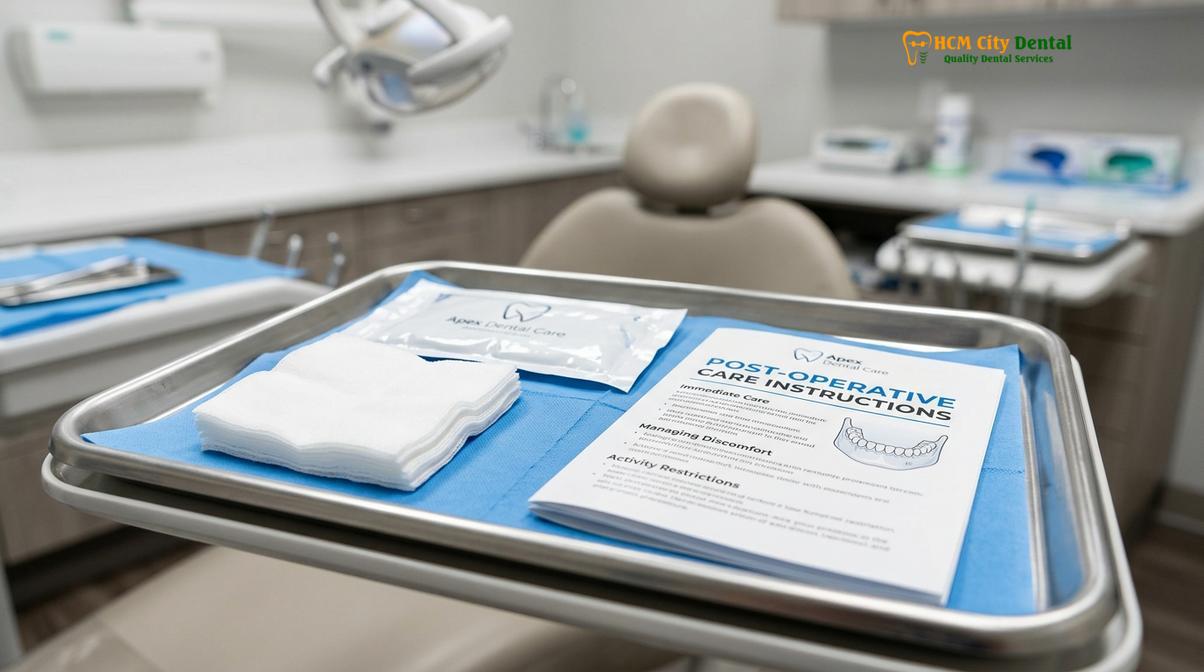
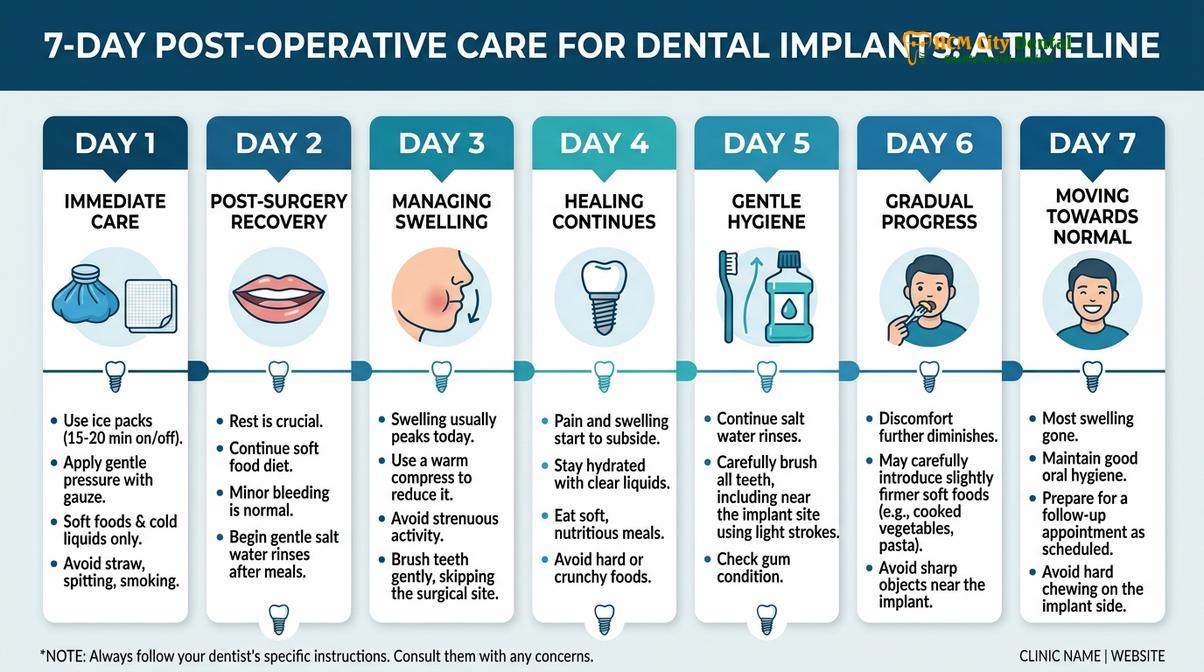
Managing Edema (Swelling) and Bruising: Post-surgical edema is a natural part of the healing process, representing the influx of white blood cells and healing factors to the surgical site. Swelling typically peaks between 48 and 72 hours post-operation. To mitigate excessive swelling, apply a cold compress or an ice pack wrapped in a thin towel to the outside of your cheek adjacent to the surgical area. Use a protocol of 20 minutes on, followed by 20 minutes off, for the first 36 to 48 hours. After 48 hours, switch to warm, moist heat to promote vasodilation and help dissipate any accumulated fluids and bruising.
Pharmacological Pain Management: As the local anesthesia wears off, you will experience varying degrees of discomfort. It is imperative to take your first dose of prescribed or over-the-counter analgesics before the numbness completely subsides. Non-steroidal anti-inflammatory drugs (NSAIDs), such as Ibuprofen, are highly effective as they inhibit prostaglandin synthesis, thereby reducing both pain and inflammation. If your clinician has prescribed a stronger narcotic analgesic for a complex procedure, take it exactly as directed. Never consume alcohol while taking pain medication, and avoid driving or operating heavy machinery if taking prescription narcotics.
At HCMC Dental Clinic in Ho Chi Minh City, our surgical team emphasizes the importance of resting with your head elevated on two or three pillows during the first few nights. Keeping the head above the level of the heart reduces hydrostatic pressure in the maxillofacial region, significantly decreasing morning swelling and throbbing pain.
Dietary Restrictions and Nutritional Guidelines
A nutrient-dense, soft-food diet is mandatory during the initial healing phase to avoid mechanical stress on the implant. Hot liquids, hard foods, and negative pressure from straws must be strictly avoided.
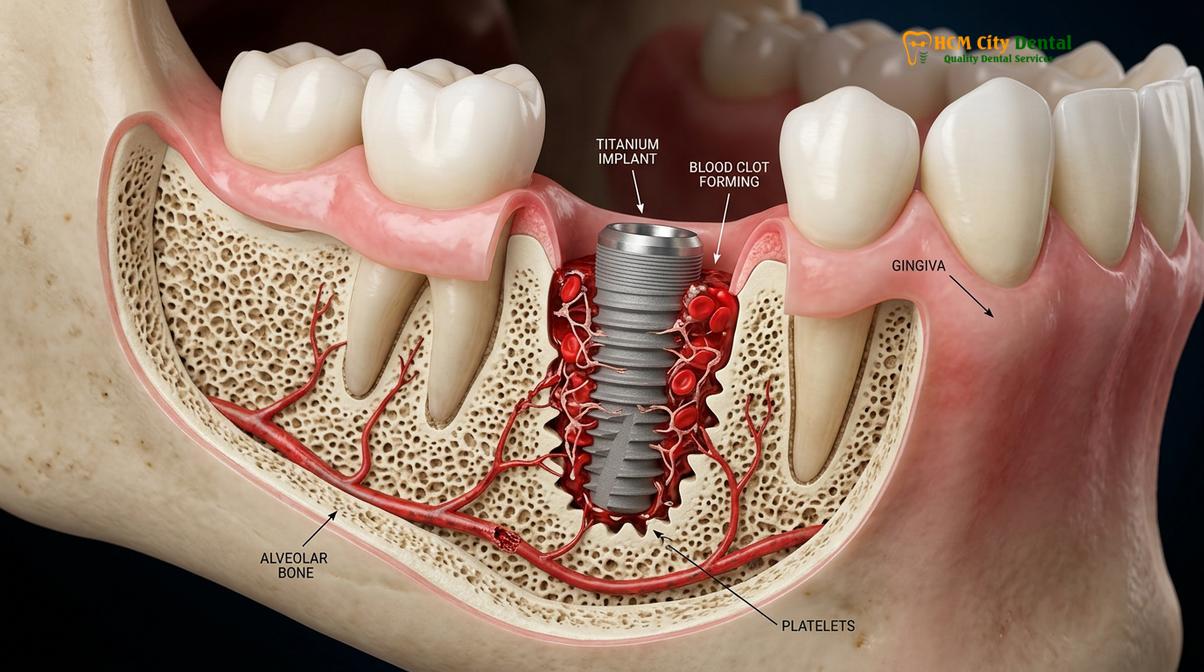
Nutrition plays a paramount role in osteogenesis—the process of new bone formation. However, the mechanical act of chewing poses a significant threat to the primary stability of a newly placed implant. The surgical site must remain undisturbed to allow the delicate network of blood vessels to infiltrate the titanium threads [2]. For patients traveling on a holiday dental trip, planning meals in advance is crucial to ensure compliance with these dietary restrictions while away from home.
The First 24 Hours: Your diet should consist exclusively of cool or room-temperature liquids and pureed foods. Hot beverages, such as coffee, tea, or hot soup, cause vasodilation, which can dissolve the newly formed blood clot and trigger secondary bleeding. Acceptable foods include protein shakes, smoothies, yogurt, applesauce, and lukewarm broths. Crucially, do not use a straw. The negative pressure created by sucking can violently dislodge the blood clot, leading to a painful condition similar to dry socket and delaying the healing process.
Days 2 through 14: As the soft tissue begins to close over the surgical site, you may transition to a mechanical soft diet. This includes foods that require minimal chewing, such as scrambled eggs, mashed potatoes, flaky fish, soft pasta, and steamed vegetables. You must consciously chew on the side of your mouth opposite the implant site. Avoid any foods that are hard, crunchy, sticky, or contain small seeds (like sesame seeds, popcorn, or berries), as these particles can easily become lodged in the surgical incision, causing severe localized infection and inflammation.
Adequate hydration is essential for cellular repair. Aim to drink plenty of water throughout the day. Furthermore, ensuring sufficient intake of Calcium, Vitamin D, and high-quality protein will support the metabolic demands of bone remodeling and soft tissue repair. If you find it difficult to consume enough calories through solid food, nutritional supplement shakes are an excellent temporary alternative.
Clinical Oral Hygiene and Infection Control
Maintaining a pristine oral environment prevents bacterial colonization around the titanium fixture. Gentle brushing and targeted antimicrobial rinses are essential for soft tissue recovery and preventing peri-implantitis.
The oral cavity is a complex microbiome harboring billions of bacteria. Following surgery, the incision site is highly vulnerable to opportunistic infections. However, aggressive cleaning can tear sutures and disrupt healing. A balanced, clinically guided approach to oral hygiene is the cornerstone of successful dental implants post op instructions [3].
Day 1 (The Day of Surgery): Do not rinse, spit vigorously, or brush your teeth near the surgical site. The primary goal is to leave the wound entirely undisturbed. If you need to clear your mouth, let water passively fall out over the sink rather than forcefully spitting.
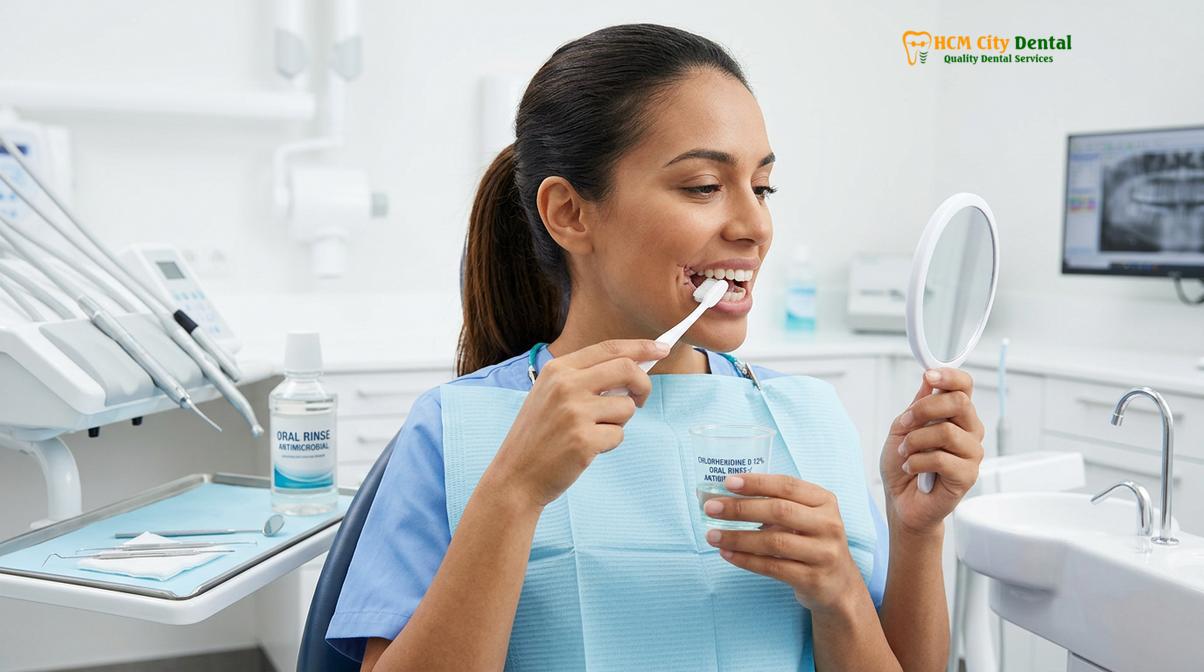
Days 2 through 7: You may resume brushing your natural teeth, but you must use an ultra-soft surgical toothbrush. Carefully avoid the immediate surgical area and any protruding healing abutments or sutures. Instead of commercial mouthwashes containing alcohol—which desiccate the tissue and delay healing—begin using a warm salt water rinse (one-half teaspoon of salt dissolved in eight ounces of warm water). Gently swish the solution in your mouth for 30 seconds and let it passively drain out. Repeat this four to five times daily, particularly after meals, to neutralize oral pH and gently debride the area.
“The soft tissue surrounding a dental implant acts as the primary biological seal against bacterial infiltration. Meticulous, yet gentle, plaque control during the first two weeks post-surgery is the single most critical patient-driven factor in preventing early implant failure.”
If your surgeon has prescribed a Chlorhexidine gluconate oral rinse (such as Peridex), use it exactly as directed—typically twice daily. Chlorhexidine has high substantivity, meaning it binds to the oral tissues and provides prolonged antimicrobial action. However, prolonged use beyond the prescribed period can cause temporary staining of natural teeth, which can be removed during a professional prophylaxis appointment.
Strict Contraindication: Smoking and Alcohol
Smoking introduces toxic chemicals into the oral cavity, causes severe vasoconstriction (reducing blood flow to the bone), and exponentially increases the risk of implant failure and infection. You must cease smoking for at least two weeks prior to surgery and a minimum of two to four weeks post-surgery. Similarly, alcohol consumption must be avoided for at least 48 hours, and entirely while taking prescription pain medications or antibiotics, as it impairs liver function and disrupts the healing cascade.
Advanced Procedures: Bone Grafting and Sinus Lift Aftercare
Adjunctive procedures like guided bone regeneration or sinus lifts require stricter precautions, including avoiding nasal pressure and recognizing specific signs of graft integration.
In many clinical scenarios, a patient may lack sufficient alveolar bone volume to support an implant. In these cases, adjunctive procedures such as Guided Bone Regeneration (GBR) or a maxillary sinus lift are performed simultaneously with, or prior to, implant placement. These procedures involve placing particulate bone graft material and a barrier membrane to stimulate osteoconduction and osteoinduction [4].
If you have undergone a sinus lift (elevation of the Schneiderian membrane), your post-operative instructions are significantly more restrictive to prevent graft displacement and sinus complications:
- Do not blow your nose: For at least two weeks, avoid blowing your nose. Wipe gently if necessary.
- Sneeze with your mouth open: If you must sneeze, do so with your mouth open to dissipate the pressure. A closed-mouth sneeze creates immense pressure in the maxillary sinus, which can rupture the delicate membrane and dislodge the bone graft.
- Avoid pressure changes: Refrain from flying, scuba diving, playing wind instruments, or blowing up balloons for at least two to three weeks.
- Use prescribed decongestants: Your surgeon may prescribe nasal decongestants or saline sprays to keep the sinus passages clear and reduce inflammation.
It is normal to experience minor bleeding from the nose on the side of the surgery for the first few days following a sinus lift. You may also feel small, sand-like granules in your mouth; this is excess particulate bone graft material working its way out and is generally not a cause for concern unless accompanied by severe pain or purulent discharge.
Understanding Implant Costs and Treatment Planning in Saigon
For patients seeking comprehensive care, understanding the financial and clinical workflows is essential. Ho Chi Minh City, particularly District 1, has emerged as a premier destination for advanced implantology, offering world-class standards at highly competitive rates. Similar to protocols recommended by international experts like dr chao dentist, our clinic emphasizes transparent pricing and uncompromising safety.
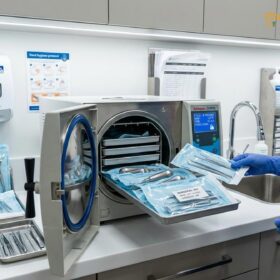
At HCMC Dental Clinic, we utilize premium materials, including titanium Grade 5 implants, and adhere to strict European CE certifications and Class B autoclave sterilization standards. Dr. Nguyen Van Cuong, with over 20 years of clinical expertise, oversees complex full-mouth rehabilitations and advanced grafting cases.
| Implant Brand / Origin | Estimated Price Range (USD) | Clinical Characteristics |
|---|---|---|
| Korean (Dentium / Osstem) | $700 – $950 | Excellent primary stability, highly cost-effective, widely used globally. |
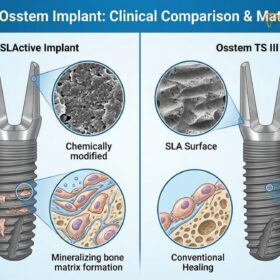
| Swiss (Straumann) | $1,200 – $1,500 | Premium SLA active surface, accelerated osseointegration, ideal for compromised bone. |
| Nobel Biocare (USA/Sweden) | $1,100 – $1,400 | Pioneering brand, exceptional for All-on-4 and immediate loading protocols. |
| Bone Grafting / Sinus Lift | $400 – $800 (Additional) | Required for patients with severe bone resorption; utilizes xenografts or allografts. |
Note: Patients utilizing pre-arrival WhatsApp bookings often receive up to a 40% discount on comprehensive treatment plans. A typical surgical trip requires a timeline of 5 to 7 days in the city.
Long-Term Osseointegration and Prosthetic Loading
Successful osseointegration takes three to six months, culminating in the placement of the final prosthetic crown. Continuous monitoring ensures the implant can withstand occlusal forces.
The surgical placement of the implant is only the first phase of treatment. The ultimate success of the procedure relies on osseointegration—the direct structural and functional connection between living bone and the surface of a load-bearing artificial implant. This biological fusion typically requires three to four months for the mandible (lower jaw) and four to six months for the maxilla (upper jaw), due to differences in bone density [5].
While same day dental implants (immediate loading) are possible in highly specific clinical scenarios with excellent primary stability, the standard protocol requires a healing period before the final zirconia dental crown cost and placement are finalized. During this integration phase, a healing abutment (a small metal cap) may protrude through the gums to shape the soft tissue emergence profile. It is vital to keep this abutment meticulously clean using a soft brush and antimicrobial rinses.
Clinical Case Review: Phased Implant Rehabilitation
A 55-year-old patient visited HCMC Dental Clinic in Ho Chi Minh City presenting with a missing lower first molar. Due to moderate bone loss, Dr. Cuong performed a simultaneous implant placement with localized guided bone regeneration. The patient strictly adhered to the post-operative soft diet and chlorhexidine regimen. After a four-month integration period, digital intraoral scans confirmed complete osseointegration. The patient was successfully restored with a custom-milled monolithic zirconia crown, achieving perfect occlusal harmony and natural aesthetics without any peri-implant complications.
Once osseointegration is confirmed via radiographic evaluation and torque testing, the restorative phase begins. Impressions or digital scans are taken to fabricate the final prosthesis. Whether you are receiving a single crown, a porcelain dental bridge, or a full-arch restoration, the final prosthetic is designed to distribute occlusal forces evenly, protecting the underlying implant fixture.
“Osseointegration is not merely a mechanical locking of threads into bone; it is a dynamic, ongoing biological partnership. The long-term survivability of the implant depends entirely on the patient’s commitment to daily plaque removal and routine professional maintenance.”
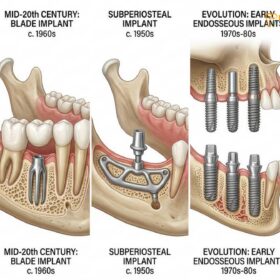
For patients exploring restorative options, understanding the comprehensive clinical guide to dental crown caps and the benefits of zirconia crowns in Vietnam can help in making informed decisions regarding the final aesthetic outcome. Furthermore, reviewing the evolution of dental implants provides valuable context on how modern surface treatments have drastically reduced healing times.
When to See a Doctor: Recognizing Clinical Complications
While dental implant surgery boasts a success rate exceeding 95%, complications can occur. Early detection and intervention are critical to salvaging a failing implant or treating an acute infection. You must distinguish between normal post-operative symptoms and signs of pathological failure.
Contact your dental surgeon immediately if you experience any of the following warning signs:
- Severe, Throbbing Pain: While mild to moderate discomfort is expected, severe, unrelenting pain that worsens after the fourth day, or pain that does not respond to prescribed analgesics, is a primary indicator of infection or nerve impingement.
- Excessive or Uncontrolled Bleeding: If bleeding fills your mouth rapidly and cannot be controlled after applying firm, continuous pressure with gauze for over an hour, seek immediate clinical attention.
- Purulent Exudate (Pus): The presence of a foul-tasting, yellowish or white discharge from the surgical site is a definitive sign of a localized bacterial infection requiring immediate antibiotic therapy and possible debridement.
- Prolonged Paresthesia: Numbness in the lips, chin, or tongue is normal while the local anesthetic is active (usually 4 to 8 hours). However, if profound numbness or a tingling sensation persists beyond 24 hours, it may indicate trauma or compression of the inferior alveolar nerve.
- Implant Mobility: If the metal healing abutment or the implant fixture itself feels loose or shifts when touched lightly with your tongue, do not manipulate it further. Mobility indicates a failure of primary stability or disrupted osseointegration.
- Systemic Symptoms: A persistent fever (above 101.5°F or 38.6°C), chills, or swelling that extends down the neck or up toward the eye requires urgent medical evaluation.
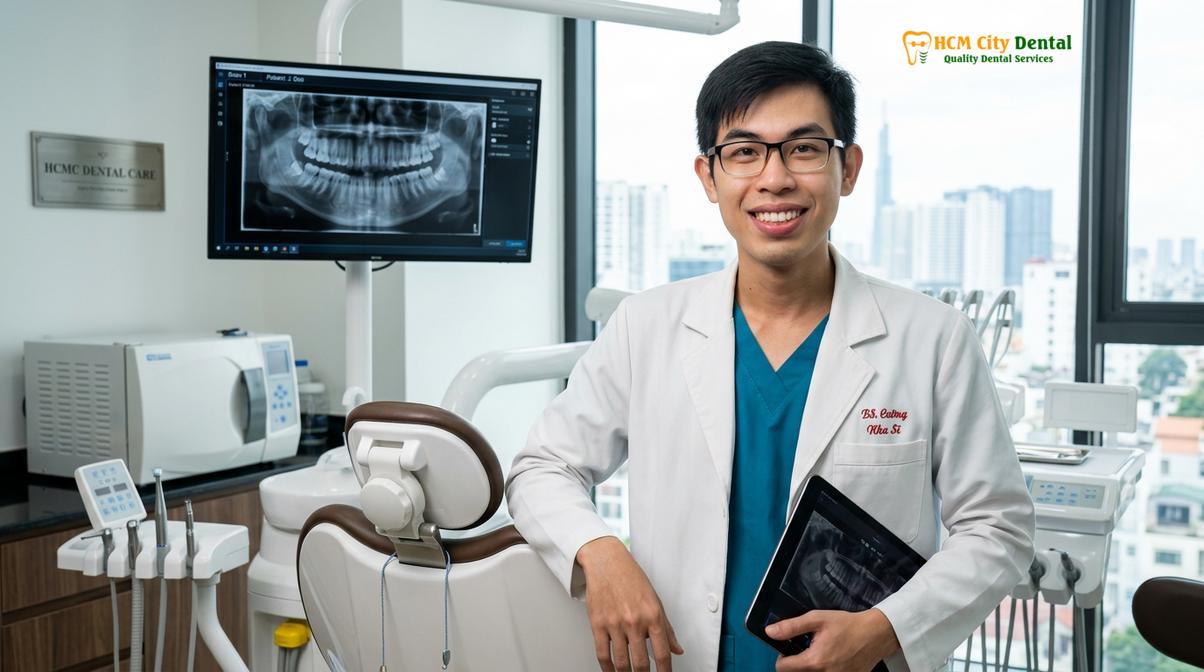
Routine follow-up appointments are a non-negotiable aspect of your care. During these visits, your surgeon will evaluate soft tissue healing, remove non-resorbable sutures, and take radiographs to monitor bone levels. For those seeking affordable dental crowns and comprehensive implant care, maintaining a strict recall schedule ensures the longevity of your investment. To explore our full range of services and access more Kiến thức nha khoa, we encourage you to schedule a comprehensive diagnostic consultation.
Frequently Asked Questions
How long does pain last after dental implant surgery?
Acute pain typically peaks within the first 48 to 72 hours and gradually subsides over the following week. Over-the-counter or prescribed analgesics effectively manage this discomfort during the initial inflammatory phase of healing. If severe, throbbing pain suddenly returns or worsens after day four, it may indicate an infection or complication, and you should contact your clinic immediately.
Can I drink coffee after getting a dental implant?
You must avoid hot coffee and all hot beverages for the first 48 hours to prevent dissolving the blood clot and increasing bleeding. After this period, warm or iced coffee is permissible if consumed without a straw. The negative pressure from using a straw can dislodge the clot, severely delaying the healing process.
When can I resume exercise after implant placement?
Strenuous cardiovascular exercise and heavy lifting should be avoided for at least five to seven days post-surgery. Elevated blood pressure can induce throbbing at the surgical site and trigger secondary bleeding. You may resume light activities, such as slow walking, after 48 hours, provided you do not experience any throbbing or dizziness.
What should I do if the healing abutment falls out?
If the metal healing cap loosens or falls out, do not panic, but contact your dental clinic immediately. Keep the component safe, as your dentist will need to clean and re-tighten it to prevent soft tissue closure. Do not attempt to screw it back in yourself, as this can introduce bacteria into the sterile implant fixture.
How do I clean around the surgical implant site?
For the first 24 hours, avoid all rinsing and brushing near the site. Afterward, use a prescribed antimicrobial rinse or warm salt water, and gently brush adjacent teeth with an ultra-soft surgical toothbrush. Avoid direct contact with the sutures or the healing abutment for the first week to prevent mechanical trauma to the healing gingival tissues.
References
- Journal of Oral Implantology. Post-operative management and complication prevention in implant dentistry. (2021).
- International Journal of Oral and Maxillofacial Surgery. Nutritional guidelines for optimal osseointegration. (2020).
- Clinical Oral Implants Research. Efficacy of chlorhexidine rinses in early implant healing. (2019).
- Journal of Periodontology. Guided bone regeneration and sinus elevation protocols. (2022).
- American Academy of Implant Dentistry. Long-term maintenance of dental implants and prosthetics. (2018).