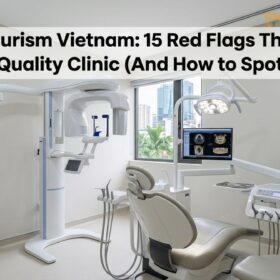
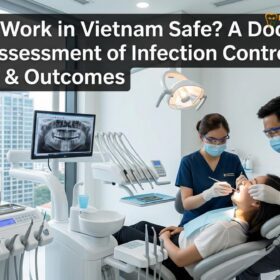
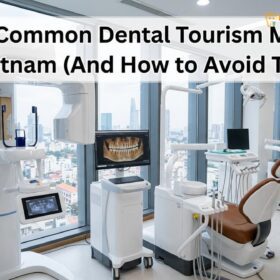
An HCMC dental clinic provides world-class, evidence-based stomatological care, combining advanced digital diagnostics with internationally certified specialists. Patients visiting Ho Chi Minh City benefit from comprehensive treatments—ranging from complex implantology to preventative care—delivered under strict sterilization protocols at a fraction of Western costs.
Clinical Summary:
The landscape of dental care in Ho Chi Minh City has evolved into a highly sophisticated medical sector, offering international patients access to premium clinical services. A premier HCMC dental clinic integrates multidisciplinary approaches, utilizing cutting-edge technologies such as Cone Beam Computed Tomography (CBCT), intraoral digital scanning, and CAD/CAM milling systems. Clinical workflows are meticulously designed to ensure predictable outcomes in implantology, prosthodontics, and orthodontics. By adhering to stringent global sterilization standards and employing specialists with extensive postgraduate training, these facilities deliver aesthetic and functional restorations that rival top-tier institutions worldwide, while maintaining a strong emphasis on patient safety and individualized care.
Key Takeaways:
- Top clinics in HCMC operate under strict international ISO and WHO sterilization protocols to ensure maximum patient safety.
- Advanced diagnostic tools, including 3D CBCT and digital scanners, form the foundation of precise, evidence-based treatment planning.
- Implantology procedures utilize globally recognized titanium fixtures, supported by guided surgery for optimal osseointegration.
- Orthodontic and cosmetic treatments leverage digital smile design to achieve functional harmony and natural aesthetic results.
- Comprehensive preventative care remains essential for maintaining long-term periodontal health and the longevity of dental restorations.
The Clinical Standard of Care in Ho Chi Minh City
Top-tier dental facilities in Saigon adhere to rigorous international safety protocols, ensuring predictable clinical outcomes and optimal patient safety through meticulous infection control.
The foundation of any reputable medical institution lies in its unwavering commitment to patient safety and clinical excellence. When evaluating what makes a dental practice successful, the implementation of stringent infection control measures is paramount. In Ho Chi Minh City, leading clinics have adopted protocols that mirror or exceed those mandated by health authorities in North America and Europe. This commitment to safety is the cornerstone of building trust with international patients seeking complex stomatological care.
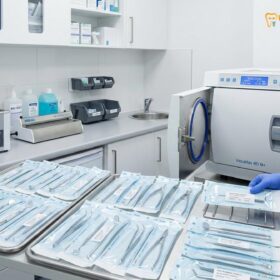
Sterilization workflows in a modern clinical setting involve a multi-tiered approach to eradicate all forms of microbial life, including bacterial spores. Instruments utilized in surgical and routine procedures undergo a rigorous decontamination process. Initially, instruments are subjected to ultrasonic cleaning to remove bioburden and organic debris at a microscopic level. Following this, they are individually sealed in sterilization pouches equipped with chemical indicators. The critical phase involves the use of Class-B autoclaves, which utilize fractionated pre-vacuum technology to ensure steam penetration into the most complex instrument geometries, such as the internal lumens of high-speed handpieces[1].
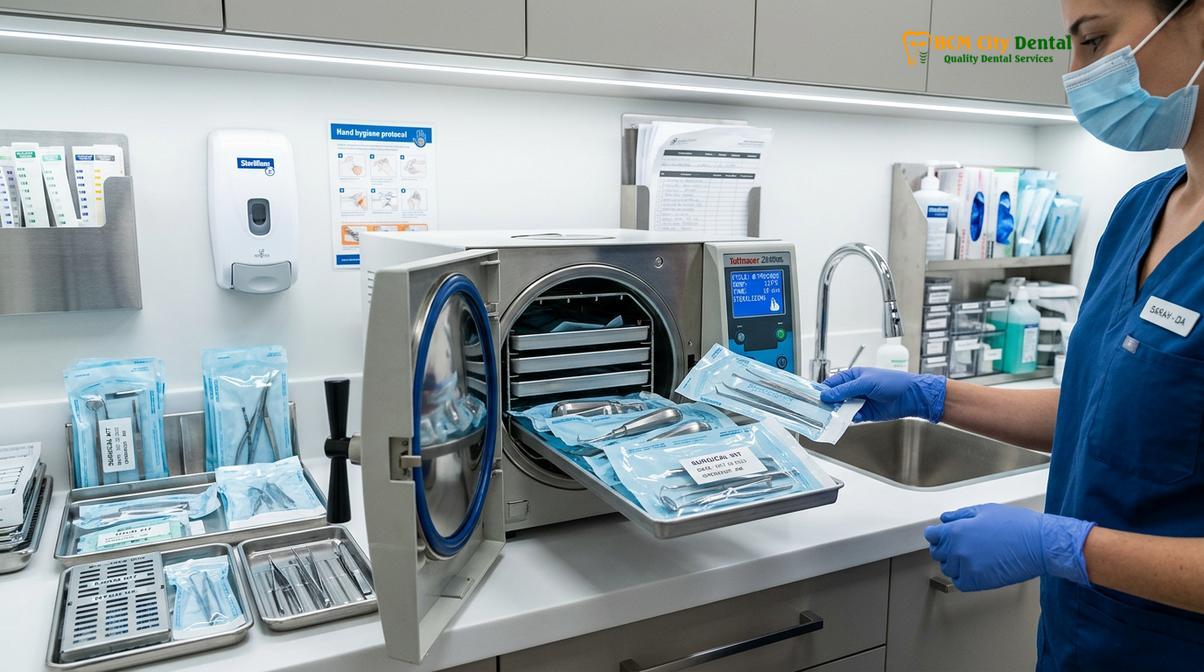
Dr. Nguyen Van Cuong, a leading specialist, emphasizes that clinical success is inextricably linked to these foundational safety protocols. As a highly respected Dentist in Ho Chi Minh City, Dr. Cuong ensures that every procedure at the clinic adheres to rigorous international standards. His commitment to evidence-based practice guarantees that patients receive care in a highly controlled, sterile environment.
Comprehensive Diagnostic Workflows
Accurate treatment planning relies on high-resolution 3D imaging and digital intraoral scanning to evaluate bone density, anatomical structures, and occlusal dynamics.
The transition from analog to digital dentistry has revolutionized diagnostic capabilities. A modern dental center relies heavily on advanced imaging modalities to formulate precise, individualized treatment plans. The cornerstone of this diagnostic phase is Cone Beam Computed Tomography (CBCT). Unlike traditional two-dimensional radiography, CBCT provides a volumetric, three-dimensional representation of the maxillofacial region. This technology allows clinicians to assess bone morphology, quantify bone density in Hounsfield units, and precisely locate critical anatomical landmarks such as the inferior alveolar nerve and the maxillary sinus floor.
“The integration of 3D volumetric imaging and digital surface scanning provides a comprehensive virtual patient model, enabling clinicians to simulate surgical interventions and prosthetic outcomes with unprecedented accuracy before any physical procedure is initiated.”
In addition to radiological imaging, digital intraoral scanning has largely replaced conventional elastomeric impression materials. Utilizing confocal microscopy and structured light technologies, these scanners capture highly accurate, full-color 3D models of the patient’s dentition and soft tissues. This digital impression eliminates the dimensional instability and patient discomfort associated with traditional putty impressions. The resulting digital files are seamlessly integrated into CAD/CAM (Computer-Aided Design and Computer-Aided Manufacturing) software, facilitating the design of highly precise surgical guides and prosthetic restorations.
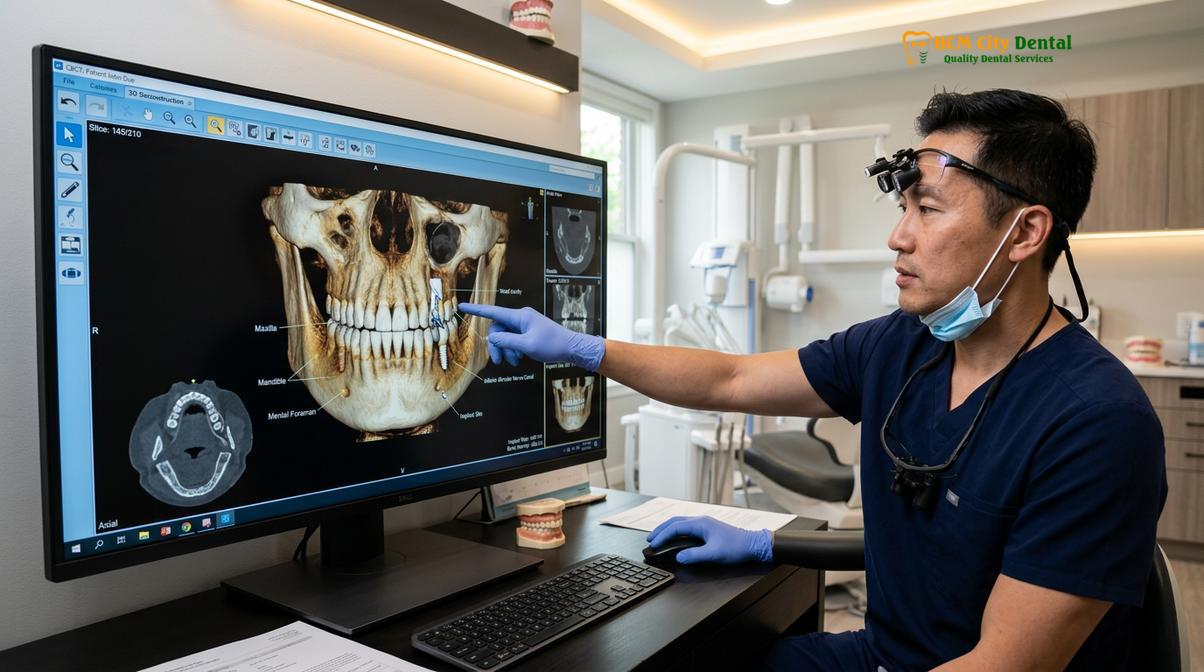
For patients seeking the optimal dental center, the presence of these diagnostic technologies is a critical indicator of the clinic’s capability to handle complex multidisciplinary cases. The data acquired through these digital workflows allows for a collaborative approach to treatment planning. Prosthodontists, oral surgeons, and orthodontists can share digital files and coordinate their efforts to ensure that the final restoration is both biomechanically sound and aesthetically pleasing. This level of precision is essential for comprehensive general dentistry protocols, ensuring that every intervention is based on objective, quantifiable clinical data.
Advanced Implantology and Oral Surgery
Surgical interventions for tooth replacement utilize biocompatible titanium fixtures and guided surgery techniques to restore masticatory function and preserve alveolar bone architecture.
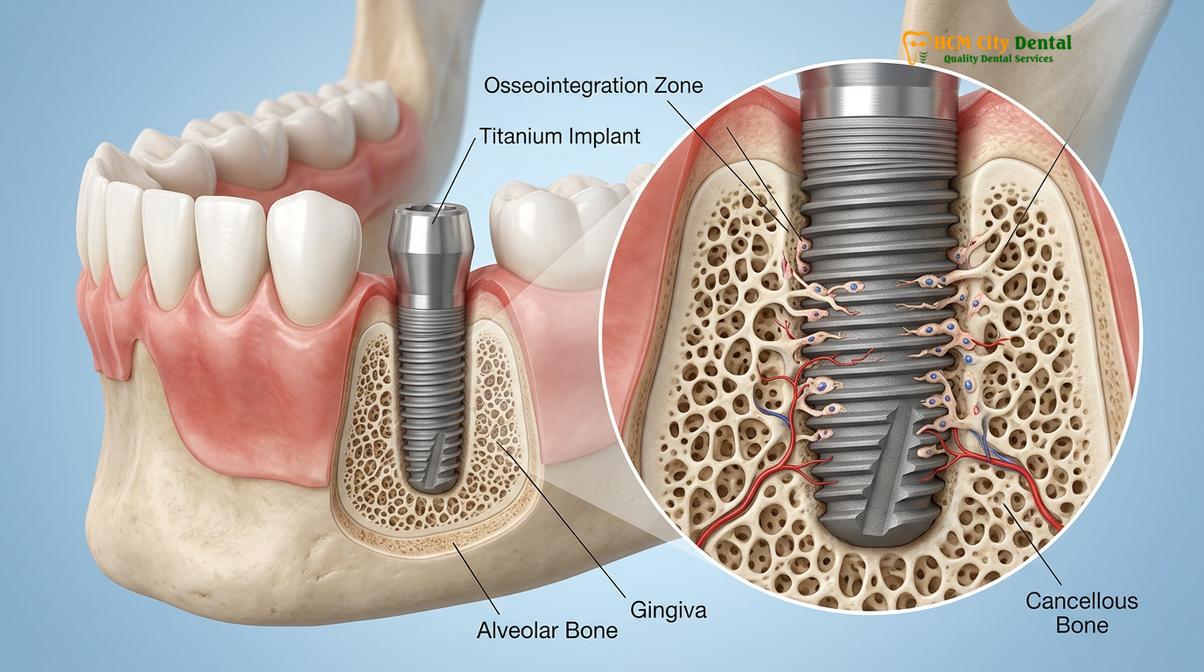
Dental implantology represents the gold standard for the rehabilitation of edentulous spaces. An oral surgery and dental implant center focuses on the precise surgical placement of titanium or zirconia fixtures into the alveolar bone, which serve as artificial tooth roots. The biological foundation of this therapy is osseointegration—a process where osteoblasts deposit new bone matrix directly onto the micro-roughened surface of the implant, creating a structural and functional connection[2]. This integration provides unparalleled stability for the subsequent attachment of prosthetic crowns, bridges, or overdentures.
The surgical workflow often begins with virtual planning. Using the patient’s CBCT data, clinicians can select the optimal implant size and trajectory, avoiding critical anatomical structures. This digital plan is then translated into a 3D-printed surgical guide, which dictates the exact angulation and depth of the osteotomy drills. Guided surgery significantly enhances the precision of implant placement, reduces surgical trauma, and minimizes post-operative morbidity. In cases where the alveolar ridge exhibits significant resorption, adjunctive procedures such as guided bone regeneration (GBR) or maxillary sinus elevation may be required to augment the bone volume prior to or concurrent with implant placement.
| Post-Operative Phase | Dietary Recommendations | Clinical Rationale |
|---|---|---|
| Days 1-3 (Acute Healing) | Cool liquids, smooth purees (e.g., yogurt, smoothies). | Minimizes thermal trauma; prevents disruption of the fibrin clot and initial hemostasis. |
| Days 4-14 (Soft Tissue Closure) | Soft, easily mashable foods (e.g., scrambled eggs, flaky fish). | Reduces masticatory forces on the surgical site while providing necessary nutrition for tissue repair. |
| Weeks 2-8 (Early Osseointegration) | Gradual reintroduction of firmer foods; avoid chewing directly on the implant site. | Protects the implant from micromovement during the critical phase of primary bone formation. |
| Post-Restoration (Final Crown) | Return to a normal, balanced diet. | Fully integrated implant can withstand normal occlusal loading forces. |
The success of these procedures is heavily dependent on the quality of the materials used and the strict adherence to surgical asepsis. In Vietnam, leading facilities comply with the Vietnam Ministry of Health (BYT) national guidelines on infection control in odonto-stomatology, ensuring that surgical environments meet the highest standards of sterility[5]. By utilizing premium, globally recognized implant systems, clinics offer outcomes that are highly competitive when comparing regional implantology standards, providing patients with durable, long-lasting functional restorations.
Orthodontics and Cosmetic Dentistry
Malocclusion and aesthetic discrepancies are corrected using biomechanical force systems and minimally invasive ceramic restorations to achieve functional harmony and optimal facial aesthetics.
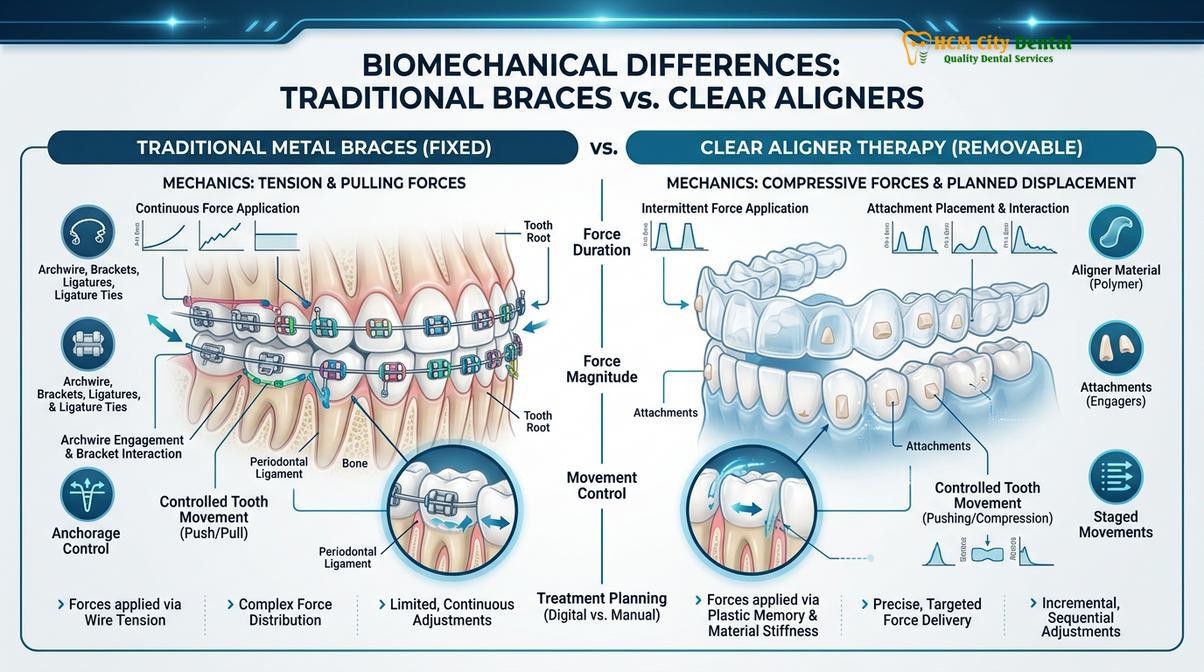
Orthodontic therapy is not merely an aesthetic endeavor; it is a complex biomechanical process designed to correct skeletal and dental malocclusions, thereby improving masticatory function and periodontal health. A specialized clinic utilizes continuous, light forces to induce bone remodeling. On the pressure side of the periodontal ligament, osteoclasts resorb bone, while on the tension side, osteoblasts deposit new bone, allowing the tooth to migrate through the alveolar ridge[3]. Proper alignment facilitates easier oral hygiene, reduces abnormal wear on enamel, and can alleviate temporomandibular joint (TMJ) dysfunction.
Modern orthodontics offers a variety of modalities tailored to patient preferences and clinical requirements. While traditional metal brackets remain highly effective for complex movements, many patients opt for self-ligating technology, which reduces friction and can potentially shorten treatment times. Furthermore, the demand for adult orthodontics has surged, leading to the widespread adoption of clear aligner therapy. These systems provide discreet treatment options for professionals seeking aesthetic improvements without the visual impact of traditional appliances. Managing patient expectations regarding orthodontic pain management and timelines is a crucial component of the consultation process, ensuring compliance and satisfaction throughout the treatment journey.
Preventative and General Dental Services
Routine prophylaxis and periodontal maintenance are foundational to oral health, preventing disease progression and preserving natural dentition through proactive clinical interventions.
The paradigm of modern dentistry has shifted significantly from a reactive, surgical model to a proactive, preventative approach. Preventative dental services are the bedrock of long-term oral health. The primary objective is the management of the oral microbiome and the prevention of dental caries and periodontal disease. Dental plaque, a complex bacterial biofilm, constantly forms on tooth surfaces. If not adequately removed through mechanical disruption, it mineralizes into calculus, which cannot be removed by at-home care.
Professional prophylaxis involves the meticulous scaling and root planing of the dentition to remove calculus deposits, particularly in the subgingival areas. This process reduces the bacterial load and allows the gingival tissues to heal, reducing inflammation and pocket depths. Clinical studies consistently demonstrate the efficacy of preventative periodontal therapies in maintaining alveolar bone levels and preventing tooth loss over time[4]. During a routine examination, clinicians utilize digital radiography and intraoral cameras to detect early signs of demineralization or structural compromise. Early intervention, such as the placement of composite resin restorations or the application of fluoride varnishes, can arrest disease progression and preserve the natural tooth structure.
Patient Case Study: Restoring Function in Saigon
A multidisciplinary approach allows for the comprehensive rehabilitation of complex dental cases, restoring both aesthetics and masticatory efficiency for international patients.
A recent clinical case highlights the efficacy of these integrated workflows. A 55-year-old expatriate presented to an HCMC Dental Clinic in Ho Chi Minh City with severe posterior edentulism and diminished masticatory function. The patient had previously experienced recurrent prosthetic failures and was seeking a permanent, fixed solution.
Following a comprehensive CBCT scan and digital intraoral assessment, the clinical team identified sufficient alveolar bone volume in the posterior mandible but noted significant pneumatization of the maxillary sinuses. The treatment plan involved bilateral sinus lift procedures followed by the placement of six titanium implants. Utilizing a 3D-printed surgical guide, the implants were placed with optimal angulation to support a full-arch zirconia bridge.
“The precision afforded by guided surgery not only minimized the patient’s post-operative discomfort but also ensured that the final prosthetic restoration distributed occlusal forces evenly, maximizing the long-term survivability of the implants.”
After a successful osseointegration period, the final monolithic zirconia restorations were delivered. The patient reported a complete restoration of chewing capability and a significant improvement in overall quality of life, underscoring the value of seeking specialized care in Vietnam’s premier medical hubs.
When to Consult a Dental Specialist
Recognizing the clinical signs of oral pathology is critical for timely intervention and the prevention of irreversible structural damage.
While routine biannual examinations are recommended for maintaining oral health, certain clinical presentations necessitate immediate evaluation by a dental professional. Patients should seek prompt consultation if they experience acute, unprovoked odontogenic pain, which often indicates irreversible pulpitis or an acute periapical abscess. Additionally, localized swelling, purulent exudate (pus) from the gingival margins, or sudden tooth mobility are signs of advanced periodontal disease or acute infection that require urgent clinical management.
For international travelers, experiencing a dental emergency abroad can be daunting. However, modern facilities in Ho Chi Minh City are fully equipped to handle urgent cases, ranging from traumatic dental injuries (such as avulsions or complicated crown fractures) to the management of acute temporomandibular joint (TMJ) disorders. Early intervention not only alleviates pain but also significantly improves the prognosis for preserving the natural dentition.
The Intersection of Technology and Dental Art
Modern prosthodontics merges precise digital engineering with aesthetic principles to create restorations that mimic natural enamel and harmonize with facial proportions.
Dentistry is uniquely positioned at the confluence of medical science and aesthetic artistry. A premier dental design center leverages digital smile design (DSD) software to plan aesthetic rehabilitations. This process involves capturing high-resolution digital photographs and videos of the patient’s face in motion. The clinician then analyzes the relationship between the lips, gingiva, and teeth to design a smile that complements the patient’s unique facial features. This approach embodies the art of dental care, ensuring that the final result is not only functionally sound but also visually harmonious.
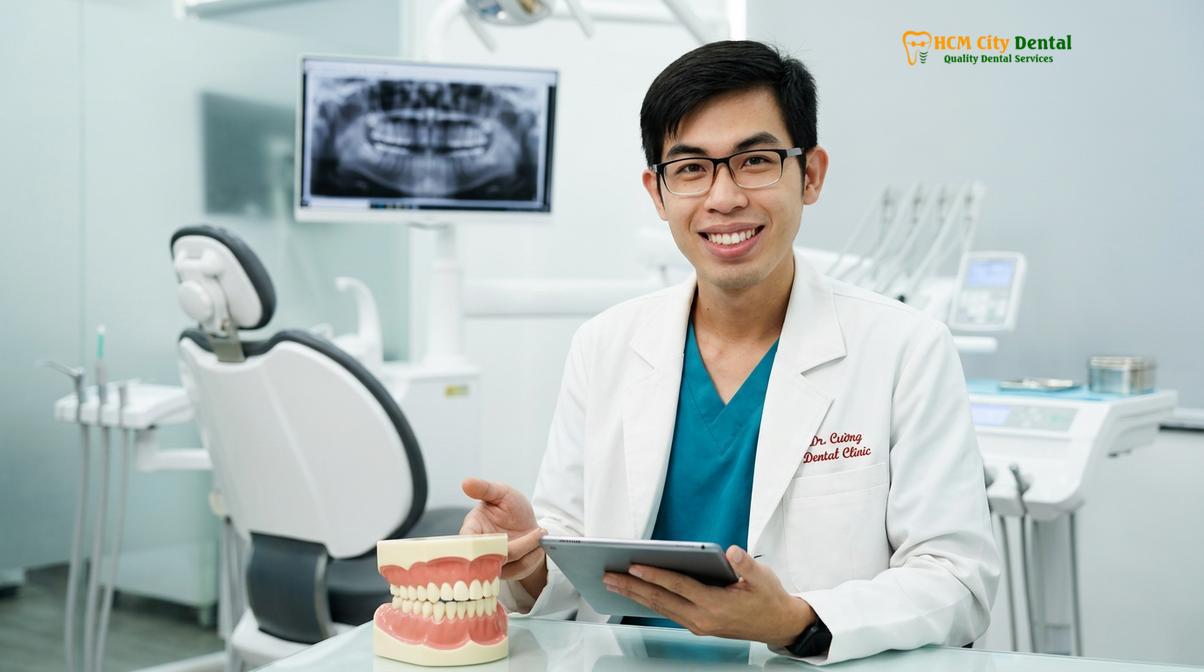
The fabrication of these restorations is a testament to advanced clinical engineering. Master ceramists work in tandem with digital milling machines to produce crowns and veneers that exhibit lifelike translucency and surface texture. By combining the precision of CAD/CAM technology with the nuanced touch of experienced dental technicians, clinics can deliver restorations that seamlessly integrate with the patient’s natural dentition, providing a durable and aesthetically superior outcome.
References
- Journal of Oral and Maxillofacial Surgery. Biomechanical principles of osseointegration and implant loading protocols. (2021).
- International Journal of Prosthodontics. Digital workflows in modern prosthodontics: accuracy and clinical outcomes. (2020).
- American Journal of Orthodontics and Dentofacial Orthopedics. Periodontal responses to orthodontic biomechanical forces. (2019).
- Journal of Clinical Periodontology. Efficacy of preventative periodontal therapies in maintaining alveolar bone. (2022).
- Vietnam Ministry of Health (BYT). National Guidelines on Infection Control in Odonto-Stomatology Facilities. (2020).
For international patients seeking world-class stomatological care, meticulous planning is essential. To explore comprehensive treatment options and schedule a consultation at our HCMC Dental Clinic, Ho Chi Minh City, review our comprehensive clinical guide for dental planning to begin your journey toward optimal oral health.