Finding a highly qualified dentist in Ho Chi Minh City requires evaluating clinical expertise, sterilization protocols, and technological integration. Patients seeking international-standard care benefit from comprehensive diagnostics, multidisciplinary treatment planning, and evidence-based restorative procedures that ensure long-term oral health and predictable aesthetic outcomes.
Clinical Summary:
The landscape of dental care in Ho Chi Minh City has evolved into a hub for advanced medical tourism, offering clinical standards that rival top-tier international facilities. A premier dentist in Ho Chi Minh City utilizes evidence-based protocols, ranging from 3D Cone Beam Computed Tomography (CBCT) diagnostics to fully digital CAD/CAM restorative workflows. Comprehensive care models integrate periodontics, endodontics, oral surgery, and prosthodontics to address complex full-mouth rehabilitations. By adhering to strict infection control measures and utilizing globally recognized biomaterials, specialized clinics ensure that both local and international patients receive safe, durable, and highly aesthetic dental treatments tailored to their specific anatomical and physiological requirements.
Key Takeaways:
- Top-tier clinics employ advanced digital diagnostics, including CBCT and intraoral scanning, for precise treatment planning.
- Strict adherence to international sterilization protocols (Class B autoclaving) is mandatory for patient safety.
- Comprehensive services range from routine prophylaxis to complex full-arch implant rehabilitations.
- Premium biomaterials imported from Europe and the US ensure long-term biocompatibility and structural integrity.
- Multidisciplinary teams collaborate to deliver predictable, highly aesthetic, and functionally sound outcomes.
Evaluating Clinical Standards for a Dentist in Ho Chi Minh City
Selecting a premier dental provider in Vietnam necessitates a rigorous assessment of their infection control protocols, diagnostic imaging capabilities, and adherence to global clinical guidelines.
When patients begin searching for an excellent dentist near me, particularly in a bustling metropolis like Saigon, the primary focus must remain on clinical excellence and patient safety. The foundation of any reputable dental institution lies in its commitment to evidence-based dentistry and stringent operational protocols. In modern clinical practice, the standard of care is dictated by the integration of advanced diagnostic technology and uncompromising sterilization procedures. A comprehensive General Dentistry approach ensures that every aspect of the patient’s oral health is meticulously evaluated before any irreversible procedures are initiated.
International Protocols and Sterilization
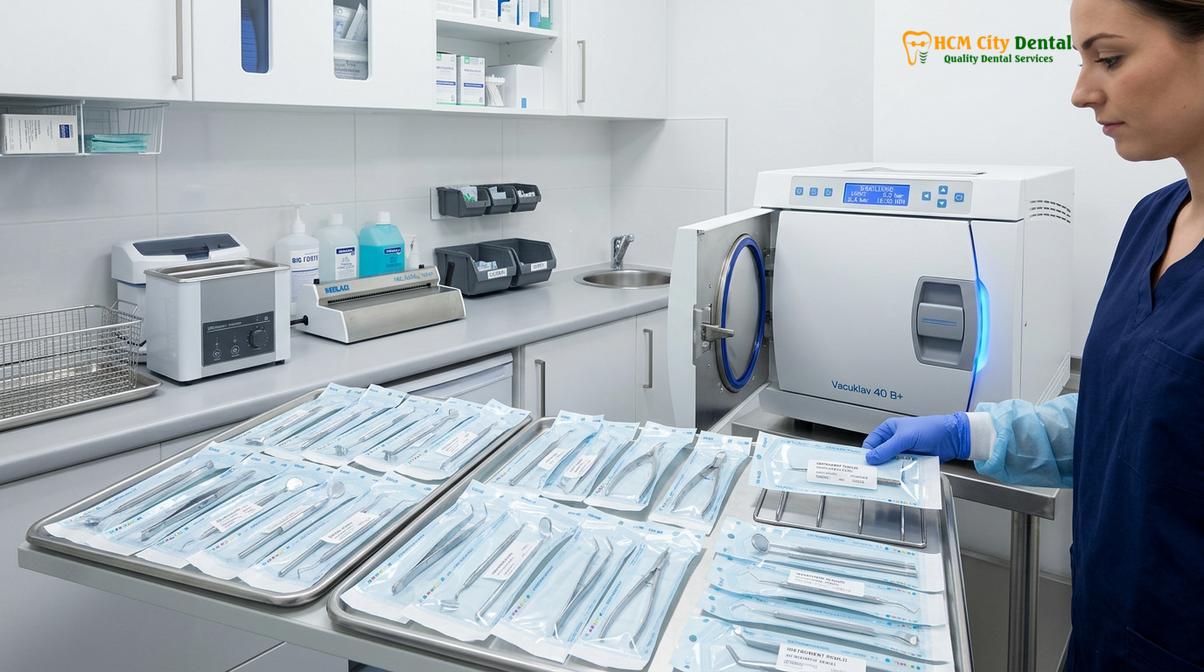
Infection control is the most critical component of clinical dentistry. Leading facilities in Ho Chi Minh City implement a one-way sterilization workflow to eliminate the risk of cross-contamination. This process involves the pre-cleaning of instruments using ultrasonic baths with enzymatic solutions, followed by packaging in sterile pouches equipped with chemical indicators. The final and most crucial step utilizes Class B autoclaves, which employ fractionated pre-vacuum technology to ensure steam penetration into the deepest crevices of hollow instruments, such as high-speed handpieces and surgical drills[1].
Furthermore, environmental surface disinfection is conducted using hospital-grade virucidal and bactericidal agents between every patient visit. The use of disposable barriers on high-touch surfaces, such as light handles and chair controls, provides an additional layer of protection. Patients evaluating a clinic should actively inquire about these protocols, as they are non-negotiable standards for safe medical care.
“The integrity of a dental practice is most accurately reflected in its sterilization room. Strict adherence to Class B autoclaving and one-way decontamination workflows is the absolute baseline for patient safety and clinical excellence.”
Advanced Digital Dentistry Workflows
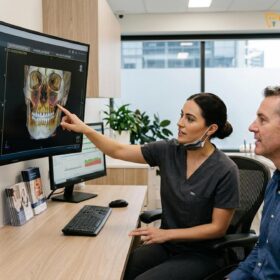
The transition from analog to digital dentistry has revolutionized diagnostic accuracy and treatment predictability. A modern dentist in Ho Chi Minh City relies heavily on 3D Cone Beam Computed Tomography (CBCT) to capture high-resolution, three-dimensional images of the maxillofacial structures. Unlike traditional 2D panoramic X-rays, CBCT allows clinicians to assess bone density in Hounsfield units, precisely map the trajectory of the inferior alveolar nerve, and identify occult periapical pathology. This level of diagnostic clarity is indispensable for safe implant placement and complex endodontic therapy.
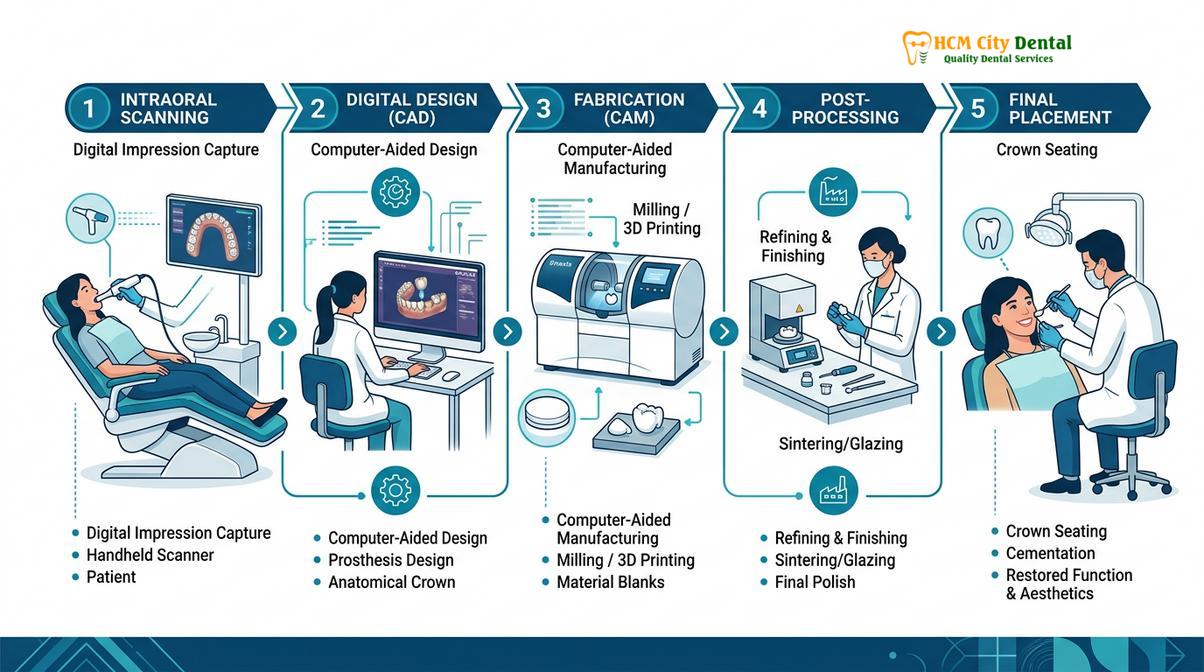
In addition to radiographic imaging, intraoral scanners (such as iTero or 3Shape TRIOS) have largely replaced conventional elastomeric impression materials. These optical scanners capture the exact topography of the dentition in real-time, creating a highly accurate digital model. This digital file is then seamlessly transferred to CAD/CAM (Computer-Aided Design and Computer-Aided Manufacturing) software, where prosthetics are designed with micron-level precision. Dr. Nguyen Van Cuong emphasizes that digital impressions not only significantly improve patient comfort by eliminating the gag reflex associated with traditional molds but also drastically reduce the margin of error in prosthetic marginal adaptation.
Comprehensive Treatment Modalities Available
Modern dental facilities in Saigon offer a full spectrum of care, ranging from routine prophylaxis and periodontal therapy to complex full-arch implant rehabilitations and advanced cosmetic smile designs.
The scope of practice for a highly qualified dental team encompasses multiple disciplines, ensuring that patients receive holistic care under one roof. Understanding the importance of comprehensive dental care is vital for maintaining long-term stomatognathic function. Treatments are generally categorized into preventive, restorative, and surgical phases, each requiring specific clinical expertise and specialized equipment.
Preventive and General Care
Preventive dentistry forms the cornerstone of oral health maintenance. Patients frequently ask how often should you get routine checkups at the dentist; clinically, a biannual examination is recommended for individuals with a healthy periodontium, while those with a history of periodontal disease may require quarterly visits. During these appointments, clinicians perform comprehensive oral cancer screenings, periodontal probing to assess attachment loss, and radiographic evaluations to detect incipient carious lesions.
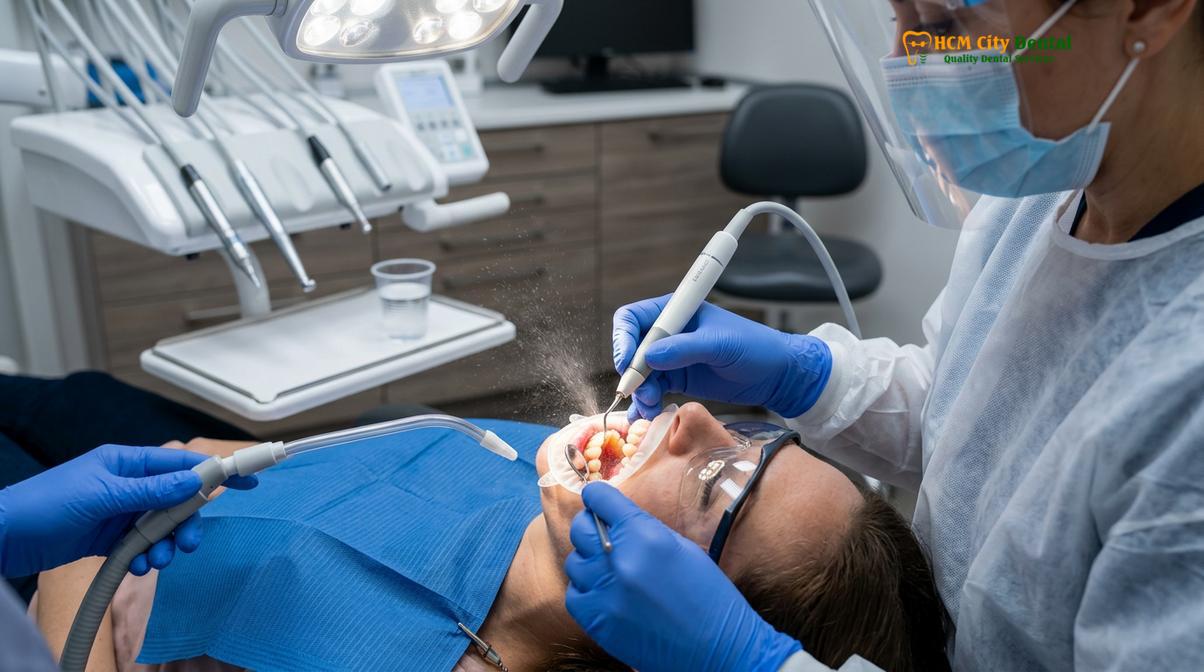
Professional prophylaxis is a critical preventive measure. Clinics offering affordable dental cleaning utilize advanced ultrasonic scalers that operate at high frequencies to disrupt bacterial biofilm and remove calculus deposits without damaging the enamel or cementum. This is often followed by air-polishing systems that utilize a mixture of water, compressed air, and fine powder (such as erythritol or glycine) to safely remove extrinsic stains. This meticulous approach prevents the progression of gingivitis into irreversible periodontitis.
Aesthetic and Restorative Procedures
Restorative dentistry aims to repair structural damage caused by caries, trauma, or attrition, while aesthetic dentistry focuses on optimizing the visual harmony of the smile. For direct restorations, clinicians utilize highly filled, nano-hybrid composite resins that mimic the optical properties of natural dentin and enamel. These materials are bonded to the tooth structure using advanced adhesive protocols, minimizing microleakage and post-operative sensitivity.
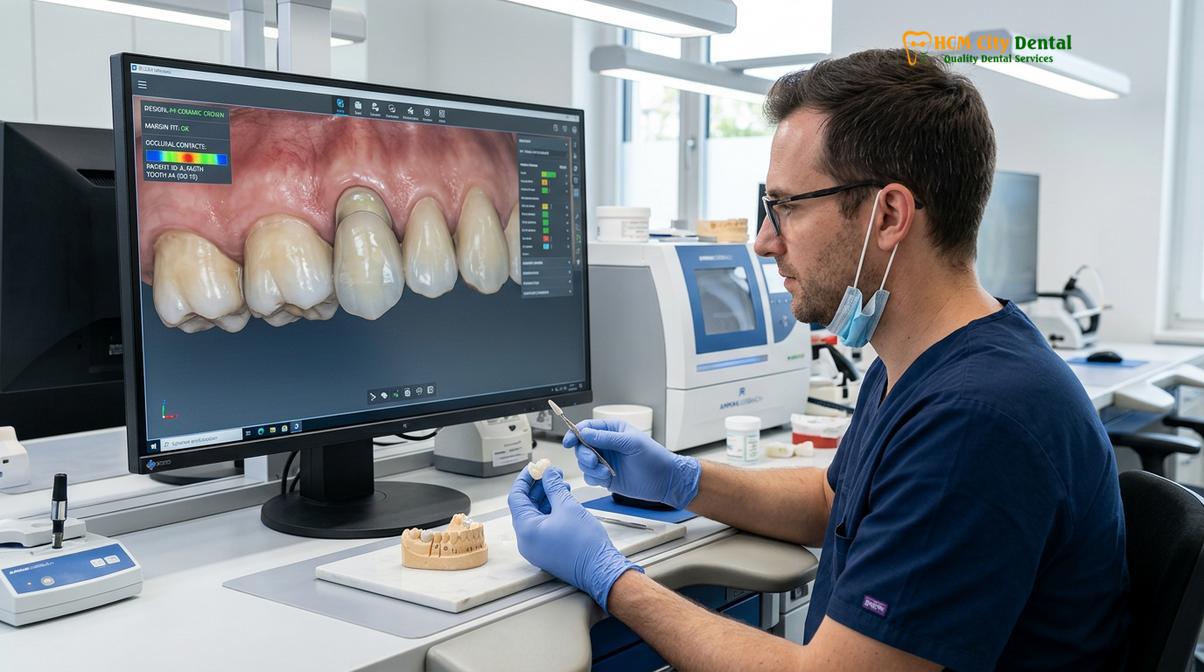
For more extensive structural loss, indirect restorations such as inlays, onlays, and full-coverage crowns are indicated. High-strength ceramics, including lithium disilicate (Emax) and monolithic zirconia, are the materials of choice due to their superior fracture toughness and biocompatibility. Some clinics also offer regional specialties, utilizing high-quality materials like minh long porcelain for specific posterior applications where extreme durability is required. The marginal adaptation of these CAD/CAM milled restorations is critical for preventing recurrent decay and ensuring periodontal health[2].
In the realm of cosmetic enhancements, patients often inquire about the porcelain veneers pros and cons. Veneers are ultra-thin ceramic shells bonded to the facial surface of anterior teeth to correct discoloration, minor misalignment, or morphological defects. While they offer unparalleled aesthetic results and require minimal tooth preparation, they are irreversible and require meticulous oral hygiene to maintain the integrity of the gingival margins. Additionally, for those seeking non-invasive enhancements, understanding how much is teeth whitening at dentist facilities helps in planning a clinical dental trip. In-office bleaching utilizes high-concentration hydrogen peroxide gels activated by specific light wavelengths to oxidize chromogenic molecules within the dentinal tubules, yielding immediate and highly predictable results.
Periodontal and Emergency Interventions
Periodontal disease is a chronic inflammatory condition characterized by the destruction of the tooth-supporting structures. Consulting a specialized gum disease treatment dentist is crucial for managing this condition. Non-surgical periodontal therapy involves scaling and root planing (SRP) under local anesthesia to meticulously debride the root surfaces and remove subgingival calculus and endotoxins[3]. In advanced cases, surgical interventions such as flap debridement, guided tissue regeneration (GTR), or soft tissue grafting may be necessary to restore periodontal health and halt bone loss.
Dental emergencies, such as acute pulpitis, dentoalveolar trauma, or localized abscesses, require immediate clinical intervention. Finding an affordable emergency dentist near me who is equipped with digital radiography and rotary endodontic systems is vital for prompt pain relief and tooth preservation. Endodontic therapy (root canal treatment) involves the complete extirpation of infected pulpal tissue, precise shaping of the root canal system using nickel-titanium rotary files, and three-dimensional obturation with gutta-percha and a biocompatible sealer.
Comparing Dental Clinics: What International Patients Must Know
International patients must differentiate between standard local practices and specialized dental centers by comparing material authenticity, specialist credentials, and comprehensive post-operative support systems.
The evolution of dental tourism has led to a proliferation of clinics catering to foreign visitors. However, not all facilities operate at the same clinical level. Unlike a standard local dentist near me, specialized international centers invest heavily in continuous education, premium biomaterials, and advanced technology. When evaluating a cosmetic dentist office or an implant center, patients must look beyond marketing claims and scrutinize the underlying clinical infrastructure.
One of the most critical factors is the traceability and authenticity of the biomaterials used. Reputable clinics exclusively utilize implants and prosthetics from globally recognized manufacturers (e.g., Straumann, Nobel Biocare, Dentium). These companies provide extensive clinical documentation regarding the osseointegration rates and biomechanical stability of their products[4]. Patients should always receive an official “implant passport” containing the lot number and specifications of the placed fixture.
| Clinical Parameter | Standard Local Clinic | Premium International Center |
|---|---|---|
| Diagnostic Imaging | 2D Panoramic X-ray (OPG) | 3D CBCT & Intraoral Digital Scanning |
| Sterilization Protocol | Basic Autoclave (Class N) | Class B Autoclave, One-Way Workflow |
| Implant Materials | Generic or Regional Brands | Top-Tier Global Brands (Straumann, Nobel) |
| Prosthetic Fabrication | Outsourced Traditional Lab | In-House CAD/CAM Milling Center |
| Treatment Planning | Single Practitioner | Multidisciplinary Specialist Board |
Furthermore, delivering high-quality yet affordable dental services requires a highly efficient clinical workflow. By utilizing in-house CAD/CAM technology, premium clinics can significantly reduce the turnaround time for prosthetics, allowing international patients to complete complex treatments within a condensed timeframe without sacrificing precision. This efficiency is a hallmark of a top-tier dental cosmetic clinic.
Clinical Workflows at HCMC Dental Clinic
A structured, evidence-based clinical workflow ensures that every patient receives accurate diagnoses, personalized treatment plans, and predictable therapeutic outcomes tailored to their unique anatomical needs.
At HCMC Dental Clinic in Ho Chi Minh City, the patient journey is meticulously designed to optimize clinical outcomes and ensure maximum comfort. The workflow begins long before the patient sits in the dental chair, often initiating with a comprehensive remote consultation where preliminary radiographs and clinical photographs are reviewed by the specialist team.
Initial Consultation and Diagnostics
Upon arrival, the clinical assessment commences with a thorough review of the patient’s medical history, noting any systemic conditions or medications that could impact dental treatment (e.g., bisphosphonates, anticoagulants). This is followed by a comprehensive extraoral and intraoral examination. The diagnostic phase relies heavily on CBCT imaging to evaluate bone volume and density, which is particularly crucial when comparing regional implant costs and determining the feasibility of immediate implant placement.
Intraoral scanning is then performed to capture the occlusal relationship and soft tissue architecture. For aesthetic cases, Digital Smile Design (DSD) software is utilized. This allows the cosmetic dentist to analyze facial proportions, lip dynamics, and tooth morphology, creating a virtual mock-up of the proposed final result. This visual communication tool ensures that the patient’s expectations align perfectly with the clinical possibilities[5].
Multidisciplinary Approach
Complex rehabilitations rarely fall within the purview of a single dental discipline. According to Dr. Nguyen Van Cuong, the highest success rates are achieved through a multidisciplinary approach. For instance, a patient requiring a full-arch implant-supported prosthesis will benefit from the collaborative expertise of an oral maxillofacial surgeon (for precise implant angulation and bone grafting), a periodontist (for soft tissue management and keratinized gingiva preservation), and a prosthodontist (for optimal occlusal loading and aesthetic design).
“Predictable clinical outcomes in complex rehabilitations are not the result of individual brilliance, but rather the seamless execution of a multidisciplinary treatment plan based on rigorous diagnostic data.”
This collaborative environment ensures that every biomechanical and biological factor is considered. The surgical phase is executed under strict aseptic conditions, often utilizing 3D-printed surgical guides to ensure the implants are placed exactly as planned in the virtual software. Following surgery, patients are provided with detailed post-operative instructions to manage inflammation and promote optimal osseointegration.
When to See a Doctor: Important Clinical Considerations
While modern dental procedures are highly predictable, patients must remain vigilant regarding their oral health and recognize signs that require immediate professional evaluation. Delaying treatment for acute symptoms can lead to the exacerbation of underlying pathology, resulting in more invasive and costly interventions.
Clinical Warning: Seek immediate dental evaluation if you experience severe, spontaneous, or throbbing tooth pain that disrupts sleep, significant facial swelling, prolonged bleeding following an extraction, or trauma resulting in a luxated or avulsed tooth. These are signs of acute infection or structural compromise that require urgent intervention to prevent systemic spread or permanent tooth loss.
Patients undergoing extensive restorative or surgical treatments must adhere strictly to the prescribed follow-up schedule. Post-operative reviews are essential for monitoring soft tissue healing, evaluating the integration of dental implants, and adjusting the occlusion of new prosthetics. Any persistent discomfort, altered sensation (paresthesia), or mobility of a restoration should be reported to the clinical team immediately.
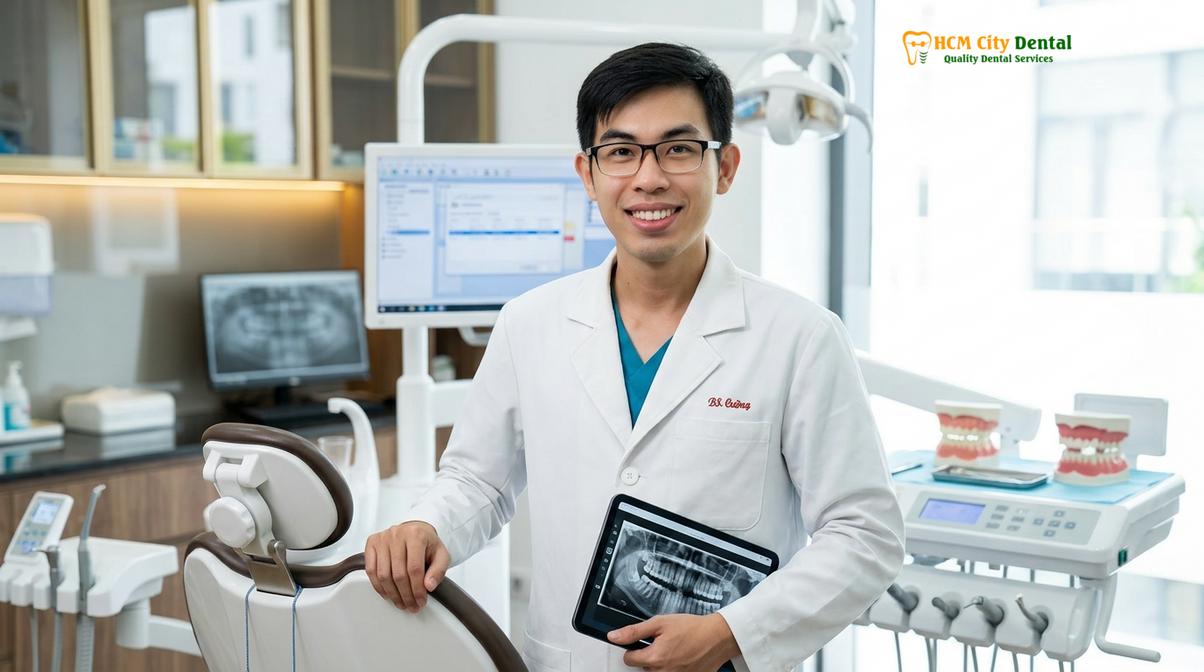
Clinical Case Overview: A 55-year-old international patient presented to HCMC Dental Clinic in Ho Chi Minh City with severe generalized periodontitis and failing dentition, seeking a full-mouth rehabilitation. Dr. Nguyen Van Cuong led a multidisciplinary team to execute a comprehensive treatment plan. The protocol involved the atraumatic extraction of hopeless teeth, simultaneous placement of six maxillary and six mandibular implants using 3D surgical guides, and immediate loading with provisional PMMA bridges. Following a four-month osseointegration period, the final monolithic zirconia prostheses were delivered. The patient achieved restored masticatory function, optimal phonetics, and a highly aesthetic outcome, demonstrating the efficacy of advanced digital workflows in complex rehabilitations.
Frequently Asked Questions
How do I verify the credentials of a dentist in Ho Chi Minh City?
You should verify a dentist’s credentials by checking their medical license, specialized certifications, and affiliations with international dental organizations. Reputable clinics will transparently display their specialists’ educational backgrounds, continuous training records, and specific expertise in fields like implantology or prosthodontics. Furthermore, look for memberships in organizations such as the International Team for Implantology (ITI) or the American Academy of Cosmetic Dentistry (AACD), which indicate a commitment to global standards.
What sterilization standards should a top dental clinic follow?
A top dental clinic must adhere to strict international infection control protocols, utilizing Class B autoclaves and a one-way sterilization workflow. This ensures that all critical and semi-critical instruments are thoroughly decontaminated, packaged, and sterilized to prevent cross-contamination. Additionally, the use of ultrasonic cleaners, chemical indicators inside sterilization pouches, and rigorous surface disinfection protocols between patients are mandatory for maintaining a safe clinical environment.
Are dental materials used in Vietnam the same as in Western countries?
Yes, leading dental centers in Vietnam utilize the exact same premium materials imported from Switzerland, Germany, and the USA. Clinics provide authenticity passports for implants and prosthetics, ensuring biocompatibility, durability, and compliance with global medical device regulations. Brands such as Straumann, Nobel Biocare, and Ivoclar Vivadent are standard in top-tier facilities, guaranteeing that the structural integrity of your restorations matches international expectations.
How long does a comprehensive smile makeover typically take?
A comprehensive smile makeover generally requires between five to ten days, depending on the complexity of the case and the need for periodontal preparation. Digital smile design and in-house CAD/CAM milling allow for highly efficient workflows without compromising clinical precision. The process typically involves an initial consultation and scanning, tooth preparation and provisionalization, followed by the final try-in and adhesive bonding of the ceramic restorations a few days later.
Is it safe to undergo complex oral surgery while traveling?
Undergoing complex oral surgery while traveling is generally safe if performed by experienced maxillofacial surgeons using advanced diagnostic imaging. However, patients must allocate sufficient time for initial healing, attend mandatory post-operative reviews, and strictly follow all clinical aftercare instructions. It is crucial to avoid strenuous activities, manage diet appropriately, and ensure you have direct communication channels with your clinical team before flying back to your home country.
References
- Journal of the American Dental Association. Infection control and sterilization protocols in modern dental practice. (2021).
- International Journal of Prosthodontics. Marginal adaptation and clinical longevity of CAD/CAM ceramic restorations. (2020).
- Journal of Clinical Periodontology. Efficacy of ultrasonic debridement in non-surgical periodontal therapy. (2019).
- Clinical Oral Implants Research. Biomechanical considerations in full-arch implant rehabilitations. (2022).
- British Dental Journal. Patient-reported outcomes and aesthetic predictability in digital smile design. (2018).