You should wait at least 48 to 72 hours before drinking coffee after wisdom teeth removal. Consuming hot, caffeinated, or acidic beverages too soon can dislodge the protective blood clot, leading to a painful condition known as dry socket and significantly delaying your oral healing process.
Clinical Summary:
Drinking coffee immediately following third molar extraction poses significant risks to the initial coagulation phase. Caffeine elevates blood pressure, potentially inducing secondary bleeding, while high temperatures can dissolve the fragile fibrin network of the newly formed blood clot. Clinical guidelines recommend a strict abstinence period of 48 to 72 hours post-surgery. When reintroducing coffee, patients should opt for lukewarm or iced variations and strictly avoid using straws to prevent negative intraoral pressure. Adhering to these protocols minimizes the risk of alveolar osteitis (dry socket) and ensures a predictable, uncomplicated recovery trajectory.
Key Takeaways:
- Wait a minimum of 48 to 72 hours before consuming any coffee to protect the blood clot.
- Hot temperatures can dissolve the fibrin network and trigger severe post-operative pain.
- Caffeine increases blood flow, elevating the risk of secondary bleeding at the surgical site.
- Never use a straw when drinking iced coffee, as suction forces cause dry socket.
- Opt for hydrating, non-acidic alternatives like coconut water or bone broth during early recovery.
The Physiological Impact of Coffee on Extraction Sites
Coffee introduces heat, acidity, and caffeine to the oral cavity, all of which actively disrupt the delicate fibrin clot formation essential for early surgical healing.
Understanding the biological mechanisms of wound healing is crucial when evaluating dietary choices following oral surgery. When a wisdom tooth is extracted, the body immediately initiates a complex coagulation cascade. Platelets aggregate at the site of the wound, releasing chemical signals that convert circulating fibrinogen into a sturdy fibrin mesh. This mesh traps red blood cells, forming a protective clot that seals the socket, stops bleeding, and provides a foundational scaffold for new bone and gum tissue to regenerate[1]. Introducing coffee into this delicate environment during the first few days disrupts this process through three primary mechanisms: thermal trauma, chemical acidity, and systemic hemodynamic changes.
Firstly, the temperature of the beverage plays a critical role in clot stability. Most coffee is consumed at temperatures exceeding 60°C (140°F). When a hot liquid washes over a fresh extraction site, the thermal energy causes immediate vasodilation—the widening of local blood vessels. This expansion increases blood flow to the surgical wound, which can easily overwhelm the fragile hemostatic seal, leading to renewed bleeding. Furthermore, high heat can physically denature the proteins within the blood clot, causing it to dissolve or detach from the bony walls of the socket.
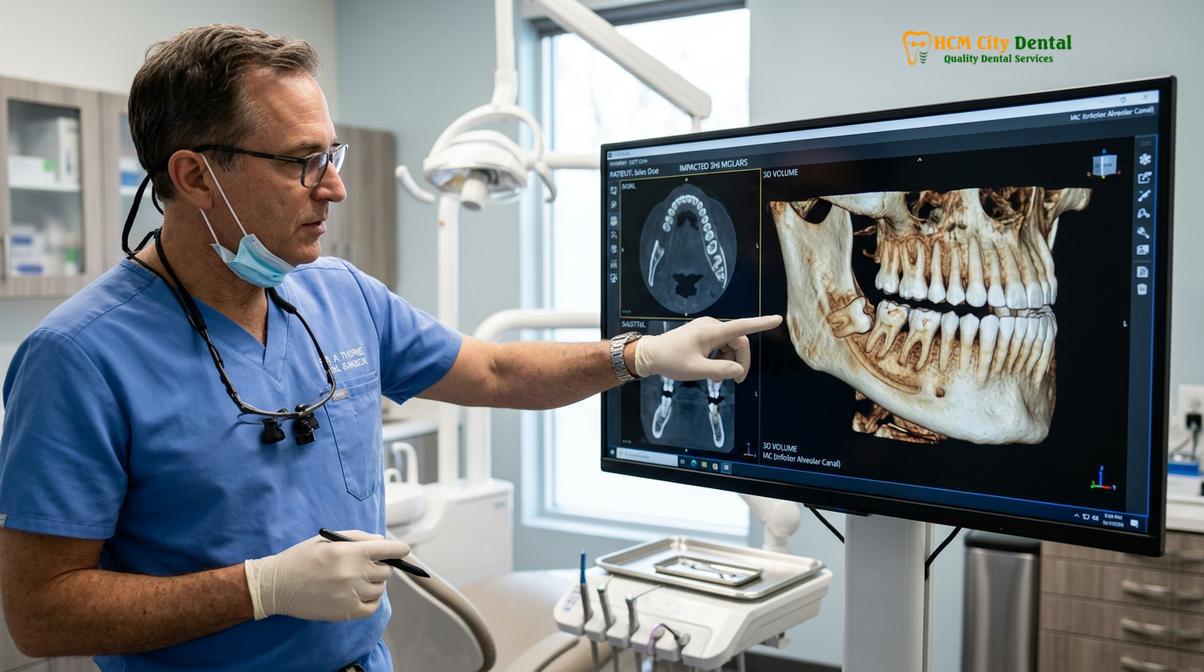
Secondly, the pharmacological effects of caffeine must be considered. Caffeine is a known central nervous system stimulant and a vasoconstrictor in certain vascular beds, but it also acts to temporarily elevate systemic blood pressure and heart rate. This increased cardiac output translates to higher hydrostatic pressure within the capillaries surrounding the extraction site. If the pressure from the blood pushing against the clot exceeds the adhesive strength holding the clot in place, secondary hemorrhage occurs. This is why following comprehensive oral care protocols is essential for a smooth recovery.
Finally, the acidic nature of coffee presents a localized challenge to cellular regeneration. The pH of standard brewed coffee ranges from 4.85 to 5.10, making it mildly acidic. The enzymes and fibroblasts responsible for synthesizing new collagen and epithelializing the wound function optimally in a neutral pH environment. Flooding the oral cavity with an acidic fluid can irritate the exposed nerve endings, increase localized inflammation, and delay the overall epithelialization of the gingival tissues.
Timeline: When Is It Safe to Resume Coffee Consumption?
Most patients can safely reintroduce lukewarm or iced coffee between days three and five post-surgery, depending on the complexity of the extraction.
The timeline for resuming your daily coffee habit is not arbitrary; it is directly tied to the histological phases of wound healing. The first 24 to 48 hours constitute the inflammatory and hemostatic phase, during which the blood clot is most vulnerable. By day three, the proliferation phase begins, where granulation tissue starts to replace the initial clot, making it slightly more resilient. However, the timeline can vary based on whether the extraction was a simple eruption or a complex surgical impaction requiring bone removal and sutures.
During the first 48 hours, strict avoidance of all coffee—whether hot, iced, caffeinated, or decaffeinated—is strongly advised. The risk of disrupting the clot during this window is simply too high. Patients who undergo complex surgical extractions, such as those seeking wisdom teeth removal from a specialized oral surgeon, may need to extend this strict avoidance period to 72 hours to account for the larger surgical wound and the presence of sutures.
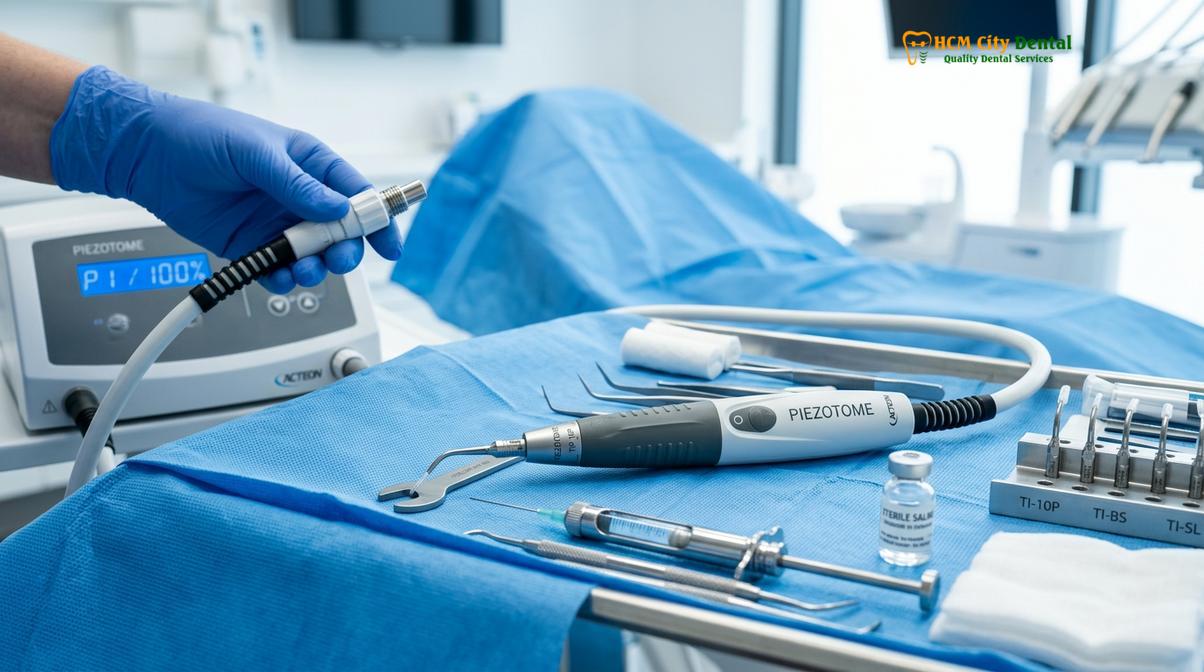
Between days three and five, a cautious reintroduction can begin. If you must have coffee, it should be consumed lukewarm or iced. The reduction in temperature mitigates the risk of thermal vasodilation. It is also advisable to limit the volume and strength of the coffee to minimize the systemic blood pressure spike associated with high caffeine intake. By day six and beyond, assuming normal healing is progressing without symptoms of throbbing pain or excessive swelling, patients can generally return to their normal coffee consumption habits, though scalding hot temperatures should still be avoided until the gum tissue has fully closed over the socket[2].
| Post-Op Phase | Coffee Status | Recommended Temperature | Clinical Risk Level |
|---|---|---|---|
| Day 1 – 2 | Strictly Avoid | N/A | High (Bleeding / Dry Socket) |
| Day 3 – 5 | Cautious Reintroduction | Lukewarm / Iced | Moderate |
| Day 6 – 7 | Moderate Consumption | Warm (Not scalding) | Low |
| Day 8+ | Normal Consumption | Normal Preference | Minimal |
It is important to note that individual healing rates vary. Patients who have underlying health conditions, smoke, or are taking medications that affect coagulation may require a longer abstinence period. Consulting with your dental provider about your specific healing progress is always the safest approach. For those concerned about the financial aspects of extended care or managing complications, exploring dental payment plans can provide peace of mind during the recovery process.
Risks of Premature Coffee Consumption (Dry Socket and Bleeding)
Drinking coffee too early significantly elevates the risk of alveolar osteitis (dry socket), a highly painful condition requiring immediate clinical intervention.
The most feared complication following wisdom tooth extraction is alveolar osteitis, commonly referred to as dry socket. This condition occurs when the blood clot that is supposed to protect the underlying bone and nerves either fails to form, dissolves prematurely, or is mechanically dislodged. When the clot is lost, the alveolar bone and the highly sensitive trigeminal nerve endings are exposed to the oral environment, including air, food debris, and bacteria. The resulting pain is often described as a severe, throbbing ache that radiates up the side of the face to the ear, eye, or temple.
Premature coffee consumption is a major catalyst for dry socket. As previously discussed, the heat can dissolve the fibrin network, while the acidity can alter the local microbiome, promoting the growth of bacteria that produce fibrinolytic enzymes—substances that actively break down blood clots[3]. According to Dr. Nguyen Van Cuong, a leading specialist at HCMC Dental Clinic in Ho Chi Minh City, the majority of dry socket cases observed in clinical practice are directly linked to dietary non-compliance, specifically the premature consumption of hot beverages or the use of straws.
“The initial 72 hours are critical for vascular stabilization. Introducing a hot, acidic liquid like coffee not only threatens the physical integrity of the clot but also alters the oral microbiome, creating an opportunistic environment for localized inflammation and severe neurogenic pain.” – Dr. Nguyen Van Cuong
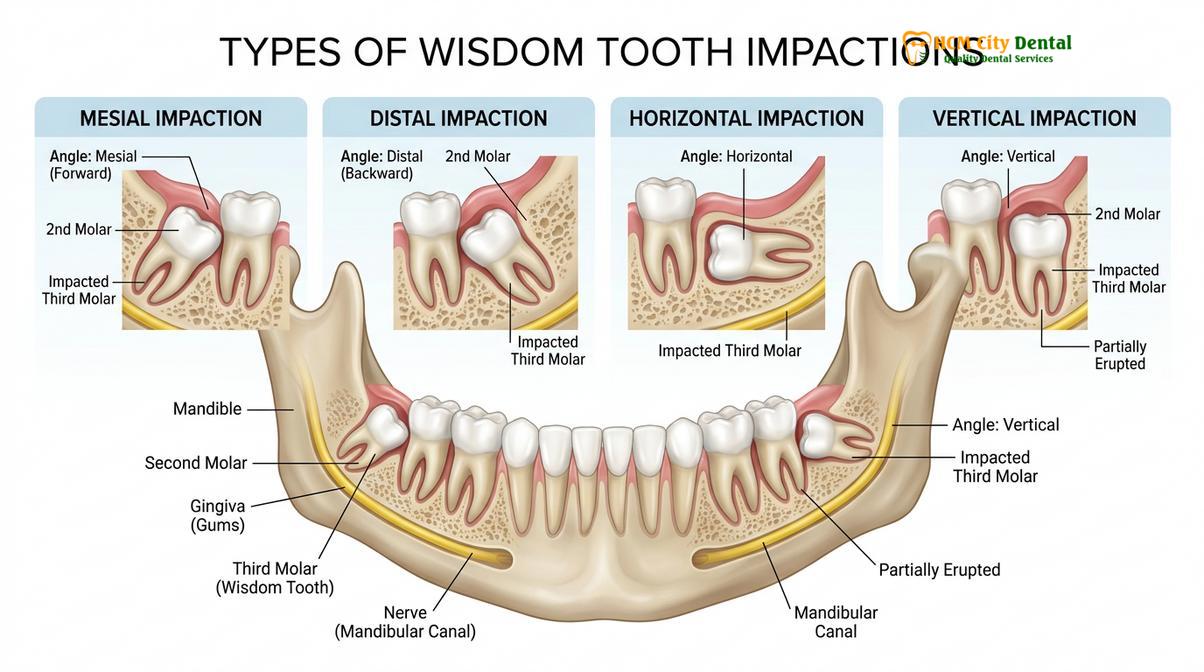
Beyond dry socket, premature coffee drinking increases the risk of prolonged secondary bleeding. While a slight pink tinge to your saliva is normal for the first 24 hours, active bleeding that fills the mouth rapidly is a medical concern. The caffeine-induced spike in blood pressure can cause the newly formed capillaries in the granulation tissue to rupture. If this occurs, patients must apply firm, continuous pressure with sterile gauze for at least 30 to 45 minutes to re-establish hemostasis. Repeated episodes of bleeding significantly delay the overall healing timeline and may necessitate a return visit to the clinic for suturing or the application of hemostatic agents.
Managing these complications can be stressful and may require additional treatments. Patients who are proactive about their post-operative care often experience smoother recoveries, allowing them to focus on long-term oral health goals, such as exploring affordable orthodontic solutions once their extraction sites have fully healed.
The Role of Straws: A Hidden Danger for Coffee Drinkers
Using a straw to drink iced coffee creates negative intraoral pressure, which acts as a vacuum that forcefully dislodges the healing blood clot.
A common misconception among patients is that switching from hot coffee to iced coffee immediately negates all risks. While reducing the temperature does eliminate the danger of thermal vasodilation, the method of consumption often introduces an entirely new, and arguably more dangerous, mechanical threat: the straw. In modern cafe culture, iced coffee is almost exclusively consumed through a straw, making it a hidden hazard for post-operative dental patients.
The physics of using a straw involve creating negative pressure within the oral cavity. To draw liquid up the tube, the muscles of the cheeks and tongue contract, expanding the volume of the mouth and dropping the internal air pressure below atmospheric levels. This negative pressure acts as a powerful vacuum. Because the blood clot resting in the extraction socket is only loosely adhered to the surrounding bone during the first few days, this vacuum force can easily rip the clot out of its position[5].
“Patients often believe that switching to iced coffee makes it safe, but consuming it through a straw introduces a mechanical suction force that is just as destructive to the blood clot as thermal heat. The resulting dry socket is entirely preventable by simply drinking directly from the rim of the cup.”
The prohibition against straws extends beyond just coffee; it applies to water, smoothies, milkshakes, and any other beverage. The thicker the liquid, the more negative pressure is required to draw it up the straw, exponentially increasing the risk to the blood clot. Therefore, even when you transition to safe, cold beverages, you must consume them by sipping gently directly from the rim of a glass or cup. This restriction typically lasts for a minimum of seven to ten days, or until the surgeon confirms that the socket has sufficiently closed. Understanding these mechanical forces is just as important as understanding the biological healing process, a principle that applies to all dental procedures, including complex porcelain restorations.
Safe Alternatives to Coffee During the Healing Phase
During the initial 72 hours, patients should substitute coffee with hydrating, non-acidic, and caffeine-free beverages to support optimal tissue regeneration.
While the temporary loss of your morning coffee ritual may be frustrating, the recovery period is an excellent opportunity to focus on beverages that actively promote systemic hydration and tissue healing. Proper hydration is a cornerstone of surgical recovery. Water is required for all cellular metabolic processes, including the synthesis of new collagen and the transport of immune cells to the surgical site. Dehydration, which can be exacerbated by the diuretic effects of caffeine, thickens the blood and impairs the delivery of essential nutrients to the healing tissues[4].
For the first few days, clear, cold, or lukewarm liquids are the gold standard. Coconut water is an exceptional alternative to coffee. It is naturally isotonic, meaning it contains a similar concentration of salt and sugar as the human body, making it highly effective for rapid rehydration. Furthermore, coconut water is rich in potassium and magnesium, electrolytes that support muscle function and reduce post-operative fatigue.
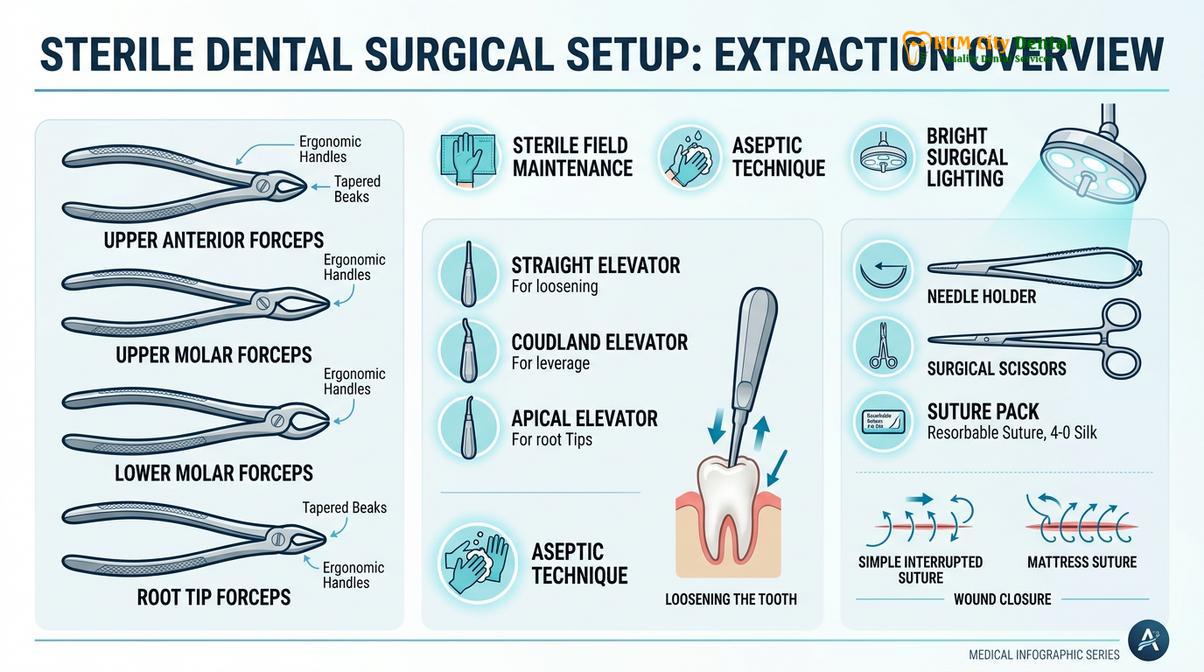
If you crave a warm, savory beverage to replace the comforting ritual of a hot cup of coffee, lukewarm bone broth is highly recommended. Bone broth is packed with bioavailable amino acids, particularly glycine and proline, which are the primary building blocks of collagen. Consuming these nutrients provides the body with the exact materials it needs to rebuild the gingival tissues and alveolar bone. Additionally, the gelatin in bone broth is soothing to the gastrointestinal tract, which can sometimes be irritated by prescription antibiotics or pain medications.
For those who miss the flavor profile of tea or coffee, caffeine-free herbal teas are a safe middle ground. Chamomile, peppermint, and ginger teas possess natural anti-inflammatory properties. However, it is imperative that these teas are allowed to cool to a lukewarm or room temperature state before consumption. Avoid highly acidic fruit juices, such as orange or grapefruit juice, as the citric acid will cause severe stinging and irritation upon contact with the open extraction wounds. Maintaining a nutrient-rich, non-irritating diet ensures that your mouth heals efficiently, preparing you for any future restorative work, such as dental bridge procedures.
Clinical Case Study: Managing Post-Operative Complications
Real-world clinical scenarios demonstrate how deviating from post-operative dietary guidelines can quickly escalate into painful complications requiring secondary treatments.
To illustrate the tangible risks of premature coffee consumption, it is helpful to examine a real-world clinical scenario. Dietary non-compliance is the leading cause of emergency return visits following third molar extractions. The following case highlights the rapid onset of complications when post-operative instructions are bypassed.
A 24-year-old patient presented to HCMC Dental Clinic in Ho Chi Minh City complaining of severe, radiating jaw pain 48 hours after a routine lower third molar extraction. The pain was unresponsive to over-the-counter analgesics and was accompanied by a foul taste in the mouth. Upon clinical examination, Dr. Cuong identified a complete loss of the blood clot in the lower right quadrant (alveolar osteitis), exposing the underlying bone. The patient admitted to consuming a hot, highly caffeinated espresso on the morning of the second day to combat post-surgical fatigue. Treatment required thoroughly irrigating the socket with a chlorhexidine solution, applying a medicated eugenol-based sedative dressing directly to the exposed bone, and prescribing targeted analgesics. This complication extended the patient’s recovery timeline by an additional week and required three follow-up visits to change the dressing.
This case underscores the delicate nature of the early healing phase. The thermal shock and hemodynamic changes induced by the espresso were sufficient to dislodge a clot that was otherwise forming normally. By adhering strictly to the 72-hour abstinence rule, patients can avoid these painful setbacks and ensure a smooth transition back to their normal dietary habits. Understanding the financial and physical costs of complications also highlights the value of preventative care and proper planning, much like evaluating orthodontic treatment costs before beginning a smile alignment journey.
When to See a Doctor
While minor swelling, mild discomfort, and slight oozing of blood are normal during the first 24 to 48 hours after wisdom teeth removal, certain symptoms indicate that the healing process has been compromised and require immediate clinical evaluation. If you have consumed coffee and subsequently experience any of the following warning signs, do not wait for your scheduled follow-up appointment; contact your oral surgeon or dental clinic promptly.
Seek immediate medical attention if you experience:
- Severe, Throbbing Pain: Pain that radiates to the ear, eye, or neck, and is not relieved by prescribed pain medication, is the hallmark symptom of dry socket.
- Excessive Bleeding: If your mouth rapidly fills with bright red blood, or if bleeding persists despite applying firm pressure with gauze for 45 minutes, you may have a ruptured vessel requiring hemostatic intervention.
- Signs of Infection: The presence of yellow or green pus discharging from the extraction site, accompanied by a foul odor or a persistent bad taste in the mouth.
- Systemic Symptoms: A fever exceeding 101°F (38.3°C), chills, or severe nausea and vomiting.
- Difficulty Breathing or Swallowing: Rapidly increasing swelling that compromises your airway or makes it difficult to swallow liquids is a medical emergency.
Early intervention is critical for managing post-operative complications. If you are experiencing abnormal symptoms, the team at HCMC Dental Clinic is equipped to provide rapid diagnostic assessments and targeted treatments to alleviate pain and get your recovery back on track.
Frequently Asked Questions
Can I drink iced coffee after wisdom teeth removal?
You can safely drink iced coffee starting around day three to five post-surgery, provided you do not use a straw. Cold temperatures are safer for the blood clot, but the suction from a straw will cause severe complications. Always sip gently from the rim of the cup to avoid creating negative intraoral pressure.
Does decaf coffee affect wisdom teeth recovery?
Yes, decaf coffee still poses a risk if consumed hot or highly acidic during the first 72 hours. While it lacks the blood-pressure-raising effects of caffeine, the thermal heat can still dissolve the protective blood clot. Therefore, decaf should be treated with the same temperature and timeline restrictions as regular coffee.
How long until I can use a straw for my coffee?
You must wait a minimum of seven to ten days before using a straw for any beverage. The negative intraoral pressure created by suction is the primary cause of dislodged blood clots and subsequent dry socket. Wait until your dentist confirms the extraction sites have sufficiently closed before resuming straw use.
Will coffee stain my healing extraction site?
Coffee can temporarily stain the healing tissue and any sutures used during the procedure, but this is generally harmless. The primary clinical concerns remain the temperature, acidity, and caffeine content rather than aesthetic staining. Once the area heals, normal oral hygiene will resolve any superficial discoloration.
What should I do if I accidentally drank hot coffee too soon?
If you accidentally consumed hot coffee, immediately switch to cold water to lower the oral temperature. Monitor the extraction site closely for increased bleeding or throbbing pain, and contact your dentist if symptoms of dry socket develop. Do not panic, but remain vigilant for the next 24 hours.
References
- Journal of Oral and Maxillofacial Surgery. Hemodynamic effects of caffeine on post-extraction coagulation. (2021).
- International Journal of Oral Science. Thermal influences on fibrin clot stability in alveolar sockets. (2020).
- British Dental Journal. Pathophysiology and prevention of alveolar osteitis: A clinical review. (2019).
- Journal of the American Dental Association. Nutritional protocols for optimal post-surgical oral wound healing. (2022).
- Clinical Oral Investigations. Biomechanics of intraoral pressure and its effect on surgical extraction sites. (2018).