Finding a dentist that offer payment plans allows patients to receive immediate, necessary clinical care while distributing the financial burden over time. These structured financing options prevent the exacerbation of oral diseases by ensuring that cost does not delay critical restorative, surgical, or orthodontic interventions.
Clinical Summary:
The integration of flexible financing in modern dentistry bridges the gap between optimal clinical recommendations and patient affordability. When a patient requires complex procedures—such as full-mouth rehabilitation, advanced orthodontics, or surgical implant placement—the upfront costs can be a barrier to care. By utilizing a dentist monthly payment plan, patients can proceed with timely interventions, preventing the progression of periodontal disease, bone resorption, and severe malocclusion. Clinical evidence demonstrates that delaying necessary dental treatments often leads to more invasive, complex, and costly procedures in the future. Therefore, understanding the available financial pathways, including third-party lending and in-house arrangements, is a critical component of comprehensive patient care and long-term oral health management.
Key Takeaways:
- Payment plans enable immediate access to necessary clinical treatments, preventing the progression of dental diseases.
- Options typically include third-party medical financing, in-house clinic plans, and phased treatment payments.
- Delaying care due to financial constraints often results in more severe clinical complications and higher long-term costs.
- Orthodontic and implant procedures are frequently structured to align payment schedules with biological healing phases.
- Comprehensive consultations involve both clinical diagnostics and transparent financial planning to ensure patient compliance.
The Clinical Importance of Accessible Dental Financing
Accessible dental financing is clinically vital because it allows patients to undergo necessary treatments promptly, preventing minor dental issues from escalating into severe, systemic infections or irreversible structural damage.
In the realm of modern oral healthcare, the intersection of clinical necessity and financial feasibility is a daily consideration for both practitioners and patients. Dental diseases, particularly dental caries and periodontal disease, are progressive in nature. Unlike some medical conditions that may resolve spontaneously, bacterial infections in the oral cavity inevitably worsen over time if left untreated. Research indicates that financial barriers are a primary reason patients delay necessary interventions, which directly correlates with poorer long-term clinical outcomes[1]. When patients seek a dentist that offer payment plans, they are often attempting to address a clinical need before it deteriorates further.
Consider the pathophysiology of a simple carious lesion (cavity). When decay is confined to the enamel and superficial dentin, the required intervention is a conservative composite restoration. However, if financial barriers prevent the patient from receiving this basic care, the bacteria will eventually penetrate the pulp chamber. This leads to irreversible pulpitis, characterized by severe, spontaneous pain, and eventually pulpal necrosis. At this stage, the clinical requirement escalates from a simple filling to endodontic therapy (root canal), followed by a core buildup and a protective prosthetic crown. The financial cost multiplies significantly, and the structural integrity of the tooth is permanently compromised.
By utilizing a General Dentistry clinic that provides structured financial options, patients can intercept disease processes at their earliest stages. This proactive approach preserves natural tooth structure, maintains the vitality of the dental pulp, and supports overall systemic health by reducing the chronic inflammatory burden associated with untreated oral infections.
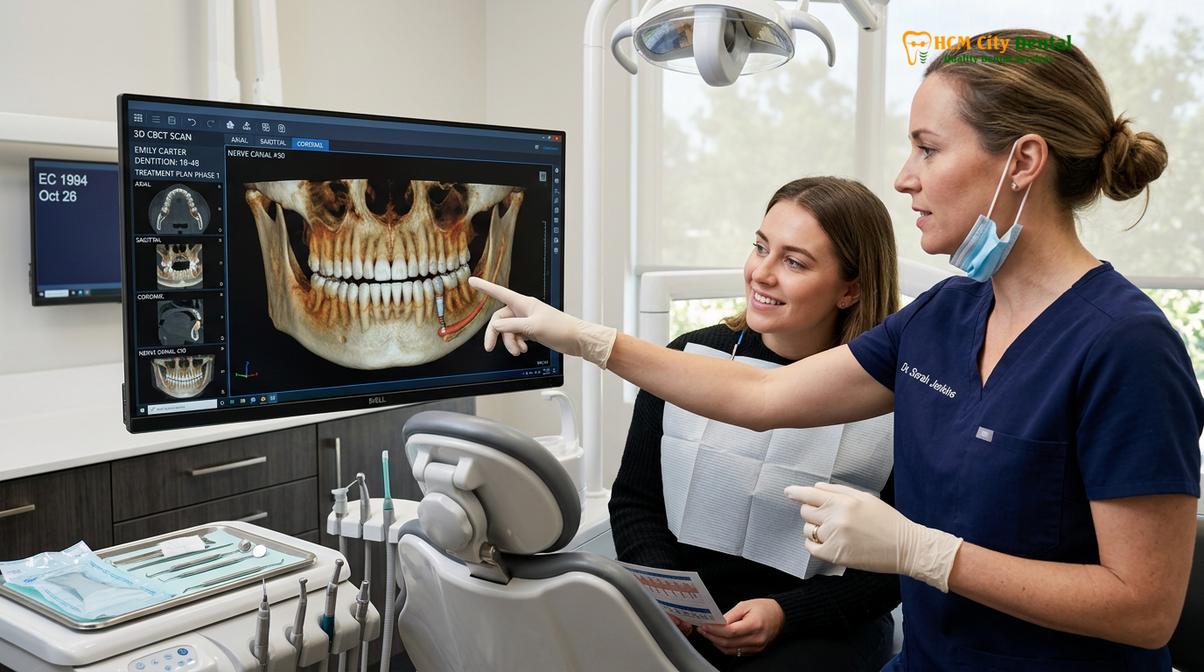
Furthermore, the loss of a single tooth initiates a cascade of biomechanical changes within the stomatognathic system. When a tooth is extracted and not promptly replaced, the surrounding alveolar bone begins to resorb due to the lack of mechanical stimulation. Adjacent teeth may drift or tilt into the edentulous space, and opposing teeth may supra-erupt. These shifts disrupt the occlusal plane, potentially leading to temporomandibular joint (TMJ) dysfunction and further tooth loss. Financing options enable patients to proceed with timely tooth replacement, thereby preserving the arch integrity and preventing complex occlusal collapse.
Types of Payment Plans Offered by Dental Clinics
Dental clinics typically offer third-party financing through specialized medical lenders, in-house payment arrangements managed directly by the practice, and phased treatment plans that spread costs over the duration of clinical care.
Understanding the architecture of dental financing is essential for patients navigating complex treatment plans. The dental industry has evolved to offer a variety of financial instruments designed to accommodate different socioeconomic profiles and credit histories. The most prevalent model is third-party financing. Specialized lenders provide lines of credit specifically for healthcare expenses. These lenders pay the dental clinic upfront, allowing the clinical team to commence treatment immediately, while the patient repays the lender over a stipulated period.
Many of these third-party plans offer deferred interest or zero-interest promotional periods if the balance is paid in full within a specific timeframe. This is highly advantageous for patients undergoing moderate to extensive restorative work. However, approval for these programs generally requires a satisfactory credit score. For patients who may not qualify for traditional credit, some practices offer alternative arrangements where the clinic assumes the financial risk, ensuring that even routine preventative care remains accessible. Patients often wonder how much does a teeth cleaning cost without insurance, and in-house plans can help manage these baseline expenses effectively.
In a dentist monthly payment plan managed in-house, the patient usually provides a substantial down payment (often covering the hard costs of laboratory fees and materials) and agrees to automatic monthly deductions from a checking account or credit card for the remaining balance. While these plans may have shorter repayment terms compared to third-party lenders, they provide a crucial safety net for patients requiring urgent clinical care who might otherwise be denied financing.
| Financing Type | Approval Requirements | Typical Interest Rates | Best Suited For |
|---|---|---|---|
| Third-Party Medical Credit | Good to excellent credit score required. | 0% introductory periods; high APR if not paid in full. | Immediate, high-cost procedures (implants, full-mouth rehab). |
| In-House Clinic Payment Plans | Varies; often no formal credit check required. | Usually 0%, but requires a significant down payment. | Orthodontics, phased restorative work, patients with poor credit. |
| Phased Treatment Planning | None; pay-as-you-go based on clinical milestones. | N/A (No credit extended). | Complex cases that can be safely divided into distinct clinical stages. |
Another highly effective strategy employed by experienced clinicians is phased treatment planning. Rather than executing a comprehensive full-mouth reconstruction in a single month, the dentist prioritizes the most urgent clinical needs—such as eliminating active infection, extracting non-restorable teeth, and stabilizing periodontal health. Once the foundation is secure, the restorative phases are scheduled over several months. This pay-as-you-go approach naturally distributes the financial burden without requiring formal credit agreements, aligning the patient’s budget with biological healing timelines and significantly improving overall treatment acceptance[2].
Financing Orthodontic Treatments: Braces and Aligners
Orthodontic treatments are almost universally financed through structured monthly payment plans, allowing patients to manage the cost of braces or clear aligners over the typical duration of active tooth movement.
Orthodontics is a specialized field of dentistry focused on diagnosing, preventing, and treating dental and facial irregularities. Malocclusions—such as severe crowding, crossbites, overjets, and deep bites—are not merely aesthetic concerns; they have profound clinical implications. Teeth that are improperly aligned are significantly harder to clean, increasing the susceptibility to localized periodontal disease and interproximal caries. Furthermore, abnormal occlusal forces can lead to premature enamel wear, abfraction lesions at the gumline, and chronic temporomandibular joint (TMJ) disorders.
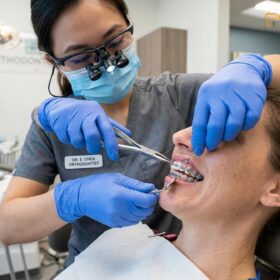
Because orthodontic treatment is a long-term biological process, it is uniquely suited to financial structuring. Getting braces on finance is standard practice worldwide. When a patient commits to orthodontics, the total fee encompasses the diagnostic records, the appliances, all adjustment visits, and the final retention phase. Clinics typically require an initial down payment to cover the cost of the appliance fabrication, followed by interest-free monthly installments that coincide with the patient’s adjustment appointments. Socioeconomic factors play a major role in the uptake of these comprehensive treatments, making flexible financing a cornerstone of modern orthodontic practice[4].
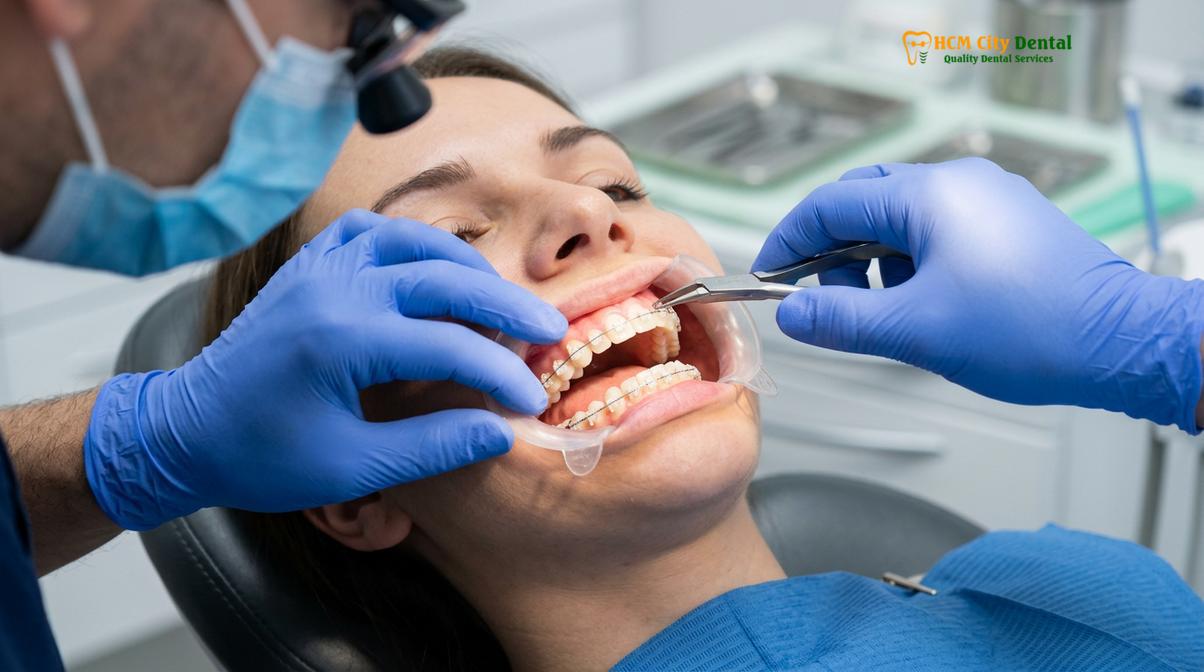
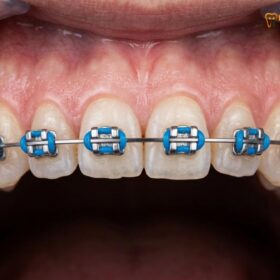
The specific type of orthodontic appliance selected will influence the overall cost and the corresponding payment plan. Traditional metal brackets are generally the most cost-effective option, providing robust biomechanical control for complex movements. Ceramic brackets offer a more aesthetic alternative but come at a premium due to the cost of the materials. Patients interested in advanced self-ligating systems often inquire about the Damon system braces cost, which may be slightly higher but can offer reduced friction and potentially fewer adjustment visits.
“Orthodontic tooth movement is a precise biological process that requires time for bone remodeling. Structuring the financial investment over the course of treatment not only makes care accessible but also encourages patient compliance with their scheduled adjustment visits, which is critical for achieving the planned clinical outcome.”
For adult patients seeking discreet treatment, clear aligner therapy has revolutionized the field. When comparing Invisalign vs braces cost, aligners often represent a higher initial laboratory fee, as the entire sequence of custom trays is manufactured upfront. Consequently, the down payment for clear aligners may be higher than for traditional braces, even if the monthly payments are similar. In severe cases involving skeletal discrepancies, patients may require orthognathic surgery combined with orthodontics, requiring meticulous financial coordination between the oral surgeon, the orthodontist, and the patient.
Restorative and Surgical Procedures on Payment Plans
Major restorative and surgical procedures, such as dental implants and full-arch prosthetics, are frequently financed to ensure patients can restore masticatory function and prevent the severe bone loss associated with missing teeth.
When a patient presents with multiple failing teeth or advanced edentulism, the clinical recommendations often involve complex surgical and prosthodontic interventions. Dental implants are considered the gold standard for tooth replacement because they are the only restorative option that integrates with the alveolar bone (osseointegration), thereby preserving bone volume and facial aesthetics. However, the precision engineering of titanium implants, the requirement for biocompatible bone grafting materials, and the fabrication of custom ceramic prosthetics make implantology a significant financial investment.
Delaying implant placement after an extraction can lead to severe clinical complications. The alveolar ridge undergoes rapid resorption following tooth loss. If a patient waits too long to afford an implant, they may lose so much bone that complex, costly ridge augmentation or sinus lift surgeries become mandatory before an implant can be placed. By utilizing a payment plan, the patient can proceed with immediate or early implant placement, preserving the existing bone architecture and ultimately reducing the total complexity and cost of the treatment. Phased financial planning is highly effective in implantology, as it mirrors the biological timelines required for osseointegration[3].
Clinical Case Study: Phased Implant Restoration
A 55-year-old patient presented to HCMC Dental Clinic in Ho Chi Minh City with severe periodontitis and multiple mobile teeth in the lower arch. The clinical diagnosis required the extraction of the remaining lower teeth and the placement of an implant-supported overdenture. Due to financial constraints, the treatment was phased. Phase 1 involved extractions and the delivery of an immediate conventional denture, financed through a short-term in-house plan. Six months later, after bone healing and financial recuperation, Phase 2 involved the surgical placement of four dental implants, financed via a third-party medical lender. This phased approach allowed the patient to manage costs while achieving a highly predictable, functional clinical outcome.
For patients who are not candidates for implants due to medical contraindications or severe financial limitations, fixed dental bridges remain a highly viable clinical alternative. A bridge utilizes the adjacent healthy teeth as abutments to support a pontic (the false tooth). Understanding how much does a dental bridge cost is essential during the consultation phase. While less expensive than implants, a multi-unit restoration like a 4 tooth dental bridge still requires precise tooth preparation, impressions, and high-quality laboratory fabrication. Payment plans allow patients to restore their bite and prevent the shifting of adjacent teeth without delay.
Navigating Dental Insurance vs. Out-of-Pocket Costs
Payment plans are frequently utilized to bridge the gap between what dental insurance covers and the total out-of-pocket cost of comprehensive clinical care.
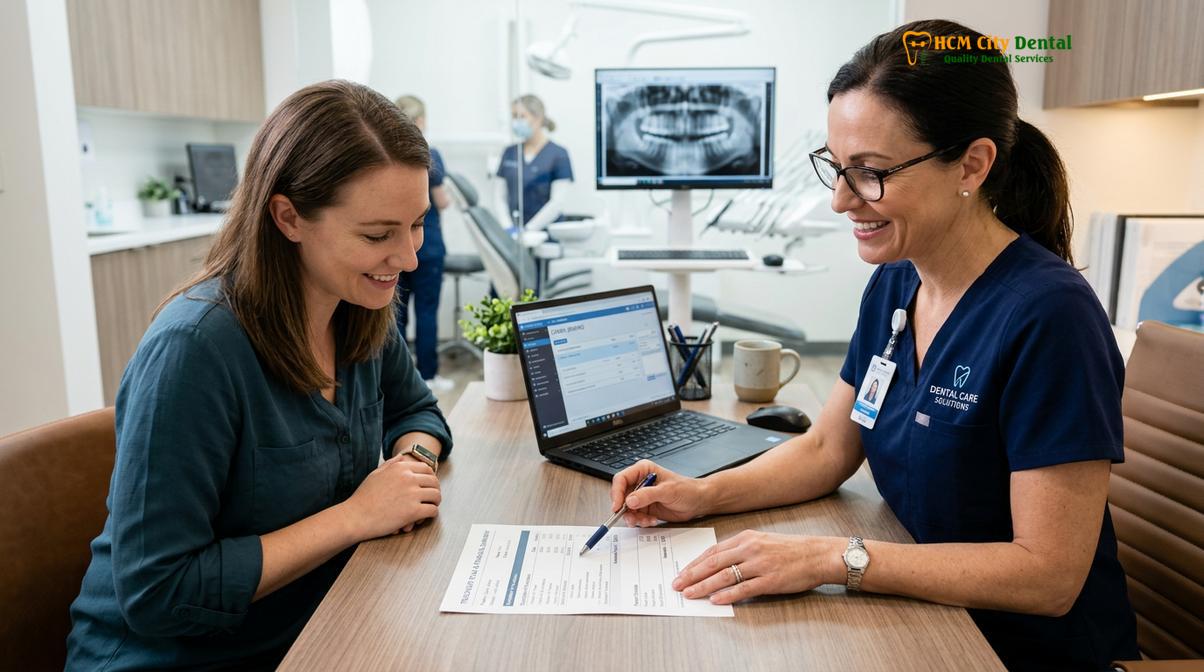
Dental insurance is fundamentally different from medical insurance; it functions more like a preventative maintenance plan with an annual maximum benefit cap. Once a patient exceeds this annual maximum, all subsequent clinical procedures for the remainder of the benefit year become entirely out-of-pocket expenses. For patients requiring extensive restorative work, such as multiple crowns or surgical extractions, this annual maximum is often exhausted very quickly.
This is where finding a dentist that offer payment plans becomes crucial. A skilled financial coordinator will sequence the treatment plan to maximize insurance benefits across different calendar years when clinically appropriate. However, for urgent procedures that cannot be delayed, payment plans are used to finance the remaining balance. Regional health guidelines emphasize the importance of transparent financial counseling to ensure patients can access comprehensive care without undue hardship[5].
When to Consult a Dentist for Financial and Clinical Planning
Patients should seek a consultation when experiencing acute dental pain, signs of infection, or when planning comprehensive restorative work, as delaying care due to cost concerns inevitably leads to more severe complications.
Recognizing the right time to seek professional dental advice is critical for both your oral health and your financial well-being. If you are experiencing spontaneous toothaches, prolonged sensitivity to hot or cold, swelling in the gums, or bleeding during brushing, these are clear clinical indicators of underlying pathology. Ignoring these symptoms because of financial anxiety allows the infection to spread, potentially compromising adjacent teeth and supporting bone structures. Early intervention is always more conservative and less expensive than treating advanced disease.
Dr. Nguyen Van Cuong, a leading clinician at HCMC Dental Clinic in Ho Chi Minh City, emphasizes that financial barriers should never prevent a patient from achieving optimal oral health. By integrating transparent financial counseling with expert clinical diagnostics, Dr. Cuong and his team ensure that every patient receives a customized, accessible treatment pathway. For more insights on patient experiences and the quality of care provided, you can review our Dentist Reviews and Feedback: Clinical Guide.

“The most expensive dental treatment is the one that is delayed. By offering flexible payment solutions, we empower our patients to choose the best clinical option for their long-term health, rather than settling for a compromised quick fix dictated solely by immediate budget constraints.”
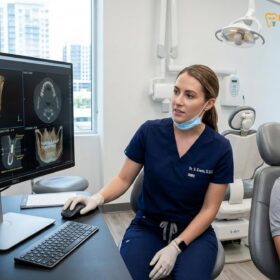
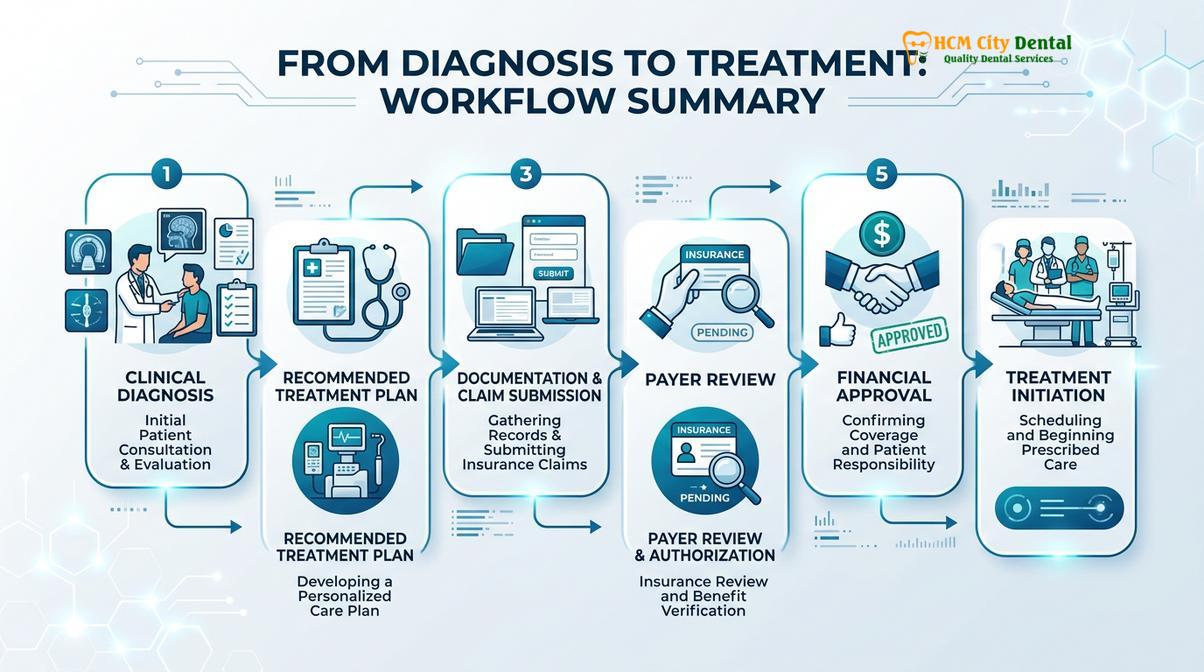
During your initial consultation, the clinical team will conduct a thorough examination, which may include digital radiographs and 3D imaging, to accurately diagnose your condition. Following the clinical assessment, a dedicated treatment coordinator will present a detailed breakdown of the recommended procedures, the associated costs, and the available financing options. This collaborative approach ensures that you are fully informed and comfortable with both the clinical and financial aspects of your care before any treatment begins.
Conclusion
Securing treatment with a dentist that offer payment plans is a proactive step toward maintaining lifelong oral health. Whether you require urgent restorative care, long-term orthodontic correction, or complex surgical interventions, flexible financing ensures that clinical necessity takes precedence over immediate financial limitations. By understanding the various options available—from third-party medical credit to in-house phased planning—patients can make informed decisions that protect both their smiles and their budgets. If you are ready to explore your clinical options and discuss customized financing solutions, contact HCMC Dental Clinic in Ho Chi Minh City today to schedule your comprehensive consultation.
References
- Journal of the American Dental Association. The impact of financial barriers on delayed dental care and clinical outcomes.
- British Dental Journal. Patient compliance and treatment acceptance in phased restorative dentistry.
- International Journal of Periodontics & Restorative Dentistry. Osseointegration timelines and phased financial planning for implantology.
- American Journal of Orthodontics and Dentofacial Orthopedics. Socioeconomic factors influencing the uptake of comprehensive orthodontic treatment.
- Vietnam Odonto-Stomatology Association (VOSA). Guidelines on improving patient access to comprehensive dental care and phased treatment planning.