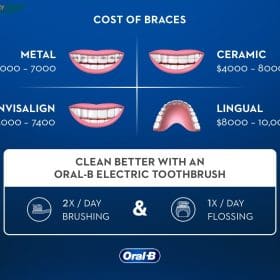
When evaluating the invisalign vs braces cost, traditional metal braces typically range from $3,000 to $7,000, while Invisalign clear aligners generally cost between $4,000 and $8,000. The final price depends on case complexity, treatment duration, and the specific orthodontic biomechanics required to achieve optimal dental alignment.
Clinical Summary:
Choosing between clear aligners and traditional fixed appliances involves analyzing both financial investment and clinical efficacy. While traditional braces offer unparalleled control for complex skeletal and root movements, clear aligner therapy provides superior aesthetics, enhanced periodontal health, and greater lifestyle flexibility. The overall cost differential is influenced by proprietary laboratory fees, the necessity for specialized attachments, and the anticipated duration of active tooth movement. A comprehensive clinical evaluation is required to determine the most biomechanically appropriate and cost-effective modality for each individual malocclusion.
Key Takeaways:
- Traditional metal braces remain the gold standard for treating severe malocclusions, complex bite issues, and significant vertical discrepancies.
- Clear aligners offer highly predictable outcomes for mild to moderate crowding and spacing, provided the patient adheres to a strict 22-hour daily wear schedule.
- The financial investment for both modalities overlaps significantly, though aligners often carry a higher baseline cost due to advanced 3D printing and laboratory fees.
- Oral hygiene is substantially easier to maintain with removable aligners, reducing the risk of enamel decalcification and gingival inflammation.
- Post-treatment retention (using fixed or removable retainers) is mandatory for both methods to prevent orthodontic relapse.
Clinical Overview: Invisalign vs. Traditional Braces
Traditional braces utilize fixed brackets and archwires to deliver continuous force, whereas Invisalign employs a series of removable polyurethane aligners to achieve staged tooth movement. Both modalities effectively correct malocclusion but differ significantly in biomechanical application.
The foundation of Orthodontics tại HCMC Dental Clinic relies on the biological process of bone remodeling. When controlled, continuous pressure is applied to a tooth, osteoclasts break down bone on the pressure side of the periodontal ligament (PDL), while osteoblasts form new bone on the tension side[1]. This fundamental physiological response is the mechanism by which both fixed braces and clear aligners successfully reposition teeth within the alveolar bone.
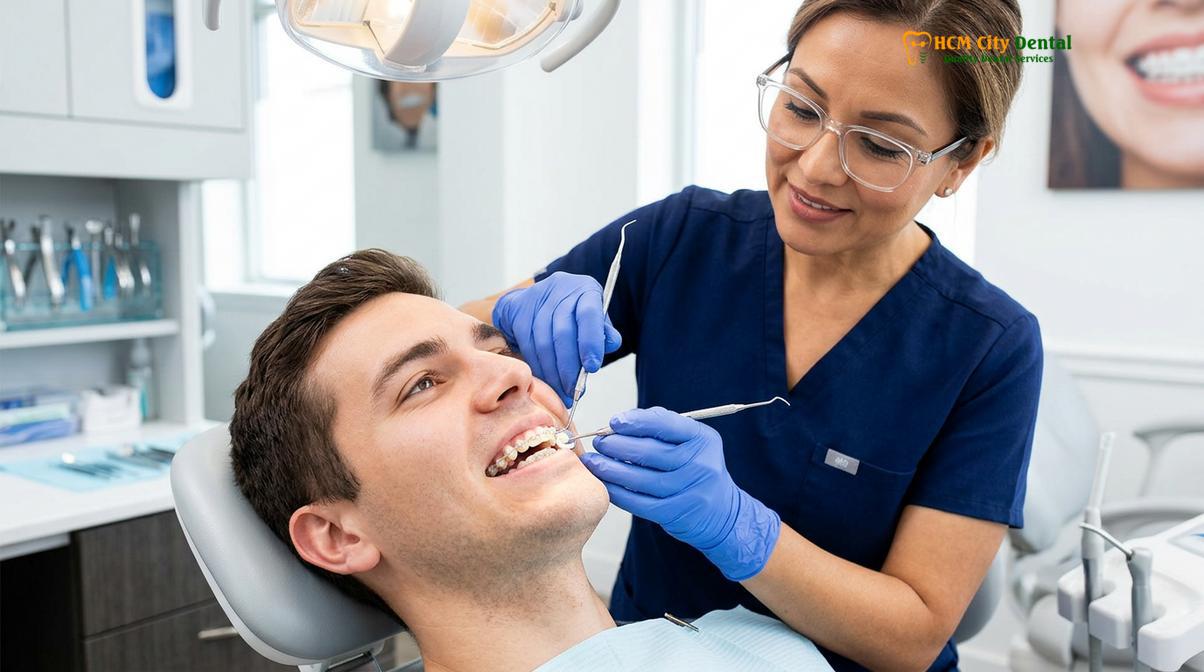
Traditional fixed appliances consist of brackets bonded directly to the enamel surface, connected by an archwire. These brackets can be fabricated from surgical-grade stainless steel, monocrystalline sapphire, or polycrystalline alumina (ceramic). The archwire acts as a track, guiding the teeth into their ideal positions. Orthodontists utilize various wire alloys, such as Nickel-Titanium (NiTi) for initial leveling and aligning due to its shape-memory properties, and stainless steel for final detailing and space closure. The continuous force delivery of fixed appliances makes them exceptionally efficient at executing complex root torquing, bodily movements, and severe rotation corrections.
Conversely, clear aligner therapy (CAT), pioneered by Invisalign, utilizes advanced computer-aided design and manufacturing (CAD/CAM) to create a series of custom-fitted, transparent thermoplastic trays. Each tray is engineered to induce specific, staged micro-movements, typically shifting teeth by 0.25 to 0.33 millimeters per stage. To achieve complex movements that smooth plastic alone cannot accomplish, orthodontists bond small, tooth-colored composite resin “attachments” or “engagers” to specific teeth. These attachments provide the necessary grip and leverage for the aligner to apply directional force, particularly for extrusive or rotational movements.
Comprehensive Cost Breakdown: Invisalign vs Braces Cost
The financial investment for orthodontic treatment varies based on appliance type, with metal braces generally being the most economical option and comprehensive clear aligner therapy or lingual braces representing a higher initial cost.
Understanding the nuances of orthodontic pricing requires examining the variables that dictate the final fee. The total cost encompasses the initial diagnostic records (panoramic and cephalometric radiographs, 3D intraoral scans, and clinical photography), the active treatment phase (appliances, clinical chair time, and laboratory fees), and the post-treatment retention phase.
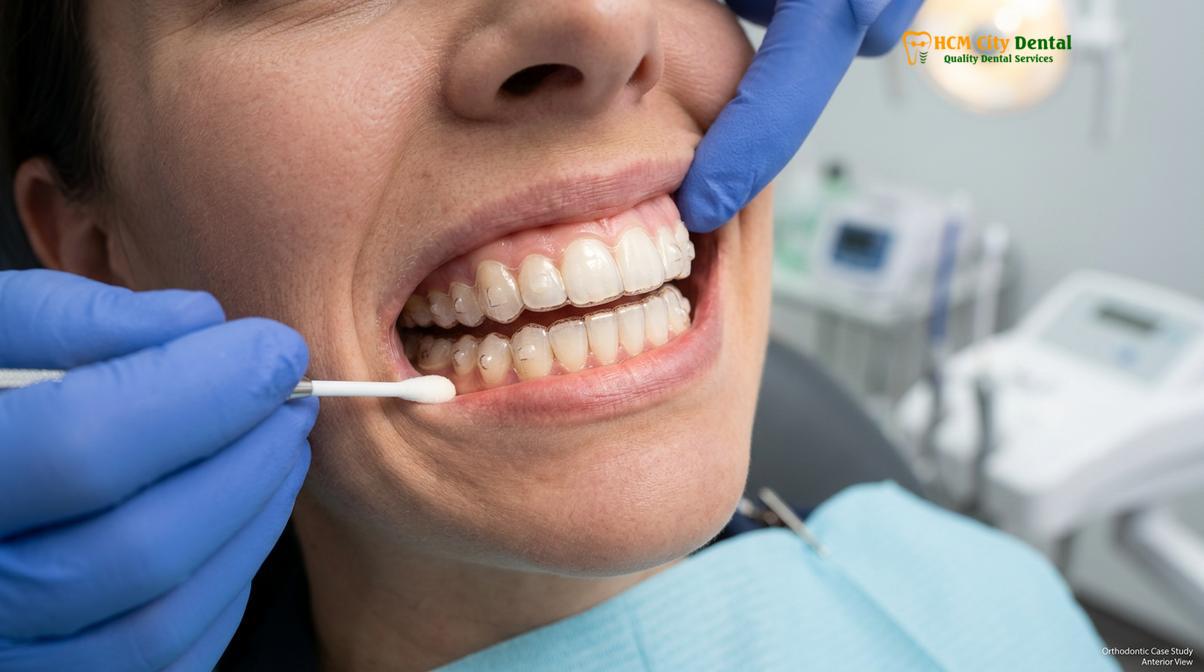
Traditional metal braces are often the most cost-effective solution because the material costs for stainless steel brackets and wires are relatively low, and there are no third-party proprietary laboratory fees involved. However, they require more frequent and sometimes longer clinical adjustments. Ceramic braces, which offer a more discreet appearance by blending with the natural tooth shade, incur a higher material cost and require meticulous handling to prevent bracket fracture, slightly increasing the overall fee.
The price of clear aligners is heavily influenced by the proprietary laboratory fee charged by the manufacturer to the treating orthodontist. This fee covers the sophisticated 3D treatment planning software and the mass customization of the aligner materials. While the clinical chair time for aligner check-ups is often shorter than wire-tying appointments, the upfront overhead for the clinic is substantially higher. For those seeking more affordable options, exploring Cheap Dental Braces: Clinical Guide to Affordable Care | HCMC Dental or utilizing Health Savings Accounts (HSAs) can mitigate out-of-pocket expenses[2].
| Orthodontic Modality | Estimated Cost Range (USD) | Primary Cost Drivers | Ideal Clinical Candidacy |
|---|---|---|---|
| Traditional Metal Braces | $3,000 – $7,000 | Clinical chair time, frequent adjustments, complex mechanics. | Severe crowding, impacted teeth, complex bite corrections. |
| Ceramic (Clear) Braces | $4,000 – $8,000 | Higher material costs (alumina/sapphire), specialized removal techniques. | Patients seeking aesthetics but requiring fixed appliance control. |
| Invisalign (Clear Aligners) | $4,000 – $8,000 | Proprietary 3D scanning, CAD/CAM lab fees, material fabrication. | Mild to moderate malocclusion, highly compliant patients. |
| Lingual Braces (Behind Teeth) | $8,000 – $13,000 | Custom gold-alloy brackets, highly specialized clinical expertise. | Maximum aesthetic demand with complex orthodontic needs. |
Biomechanical Efficiency and Treatment Timelines
Treatment duration depends heavily on the severity of malocclusion; fixed braces excel in complex vertical movements and root torquing, while clear aligners offer highly predictable outcomes for mild to moderate crowding.
The velocity of orthodontic tooth movement is governed by the biological limits of the periodontal ligament and alveolar bone, not merely the force applied by the appliance. Applying excessive force does not accelerate treatment; rather, it causes hyalinization (necrosis) of the PDL, which halts tooth movement until the necrotic tissue is cleared by macrophages, ultimately delaying progress and increasing the risk of root resorption.
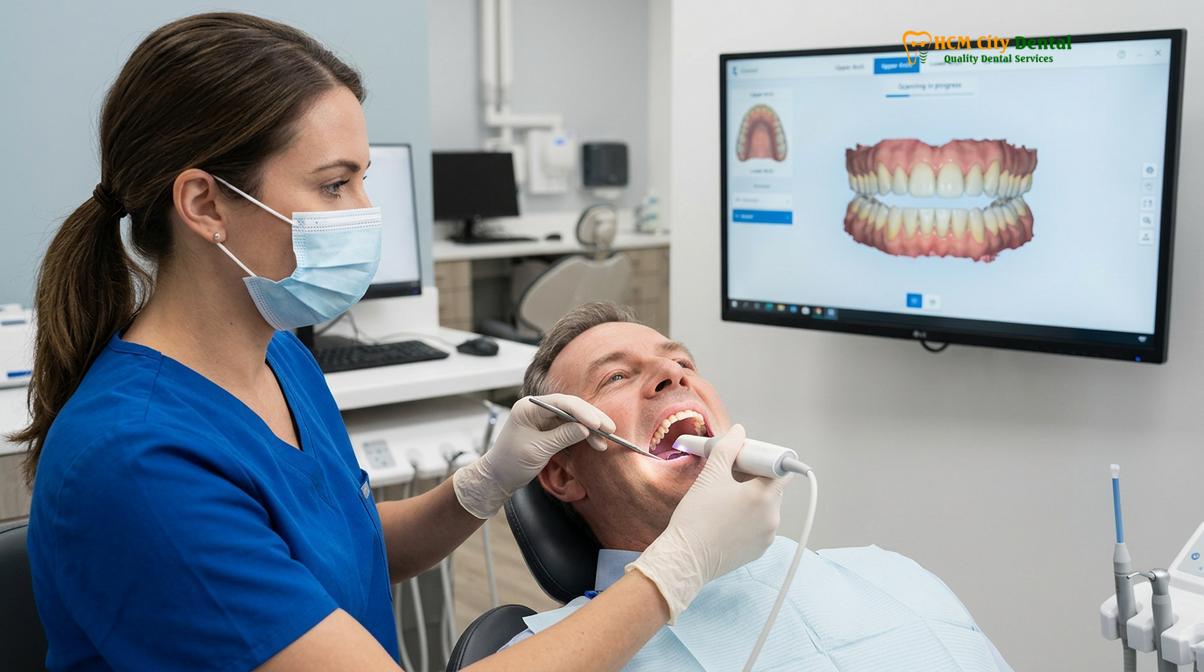
When evaluating a How Much Do Braces Cost? Clinical Price Guide | HCMC Dental, it is crucial to understand how biomechanical efficiency impacts the timeline. Traditional braces utilize a continuous force system. As the archwire attempts to return to its original shape, it constantly guides the teeth. This makes fixed appliances highly efficient for closing large extraction spaces, correcting severe deep bites, and uprighting severely tipped molars.
“The predictability of clear aligner therapy relies entirely on patient compliance and the strategic placement of composite attachments. While aligners are exceptional for leveling and aligning, fixed appliances remain the superior biomechanical tool for complex root torquing and significant vertical skeletal discrepancies.”
Advancements in aligner materials have improved their elasticity and force retention over the standard wear cycle. Furthermore, the integration of Damon System Braces Cost: Clinical Guide & Pricing | HCMC Dental in traditional orthodontics has reduced friction between the wire and the bracket, potentially decreasing overall treatment time and the frequency of clinical visits for fixed appliance patients.
Aesthetic and Lifestyle Considerations
Clear aligners provide superior aesthetics and allow for unrestricted oral hygiene and diet, whereas fixed braces require meticulous cleaning protocols and dietary modifications to prevent bracket debonding.
The psychosocial impact of orthodontic treatment is a significant factor for many adult patients. The virtually invisible nature of clear aligners allows professionals to undergo comprehensive orthodontic therapy without the aesthetic concerns traditionally associated with metal brackets. This discretion is a primary driver for the popularity of aligner therapy among adults.
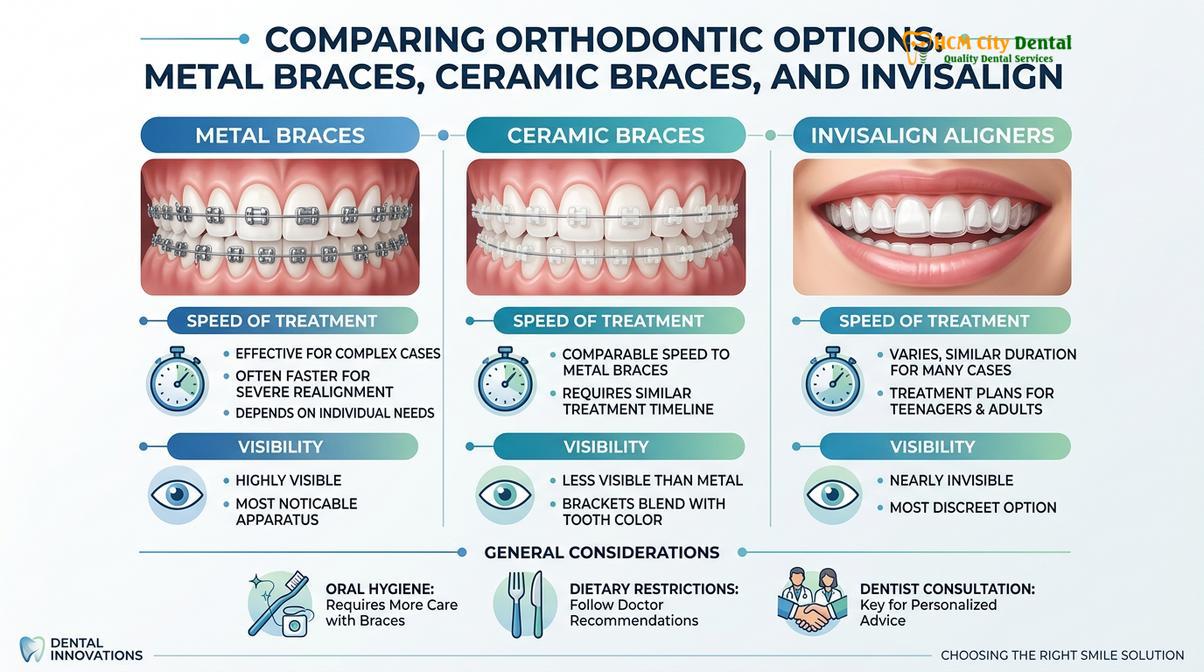
Beyond aesthetics, the impact on daily lifestyle and oral hygiene is profound. Fixed braces create numerous plaque-retentive areas around the brackets, under the archwires, and around elastomeric ligatures. Patients must adopt rigorous oral hygiene protocols, utilizing interdental brushes, floss threaders, and water irrigators to prevent gingival inflammation and enamel decalcification (white spot lesions)[3]. Additionally, patients with fixed appliances must adhere to strict dietary restrictions, avoiding hard, sticky, or crunchy foods that could dislodge brackets or bend archwires.
Clinical Case Review: Adult Orthodontic Management
A 34-year-old patient presented to HCMC Dental Clinic in Ho Chi Minh City with moderate lower anterior crowding and a mild Class II malocclusion. Due to professional speaking engagements, the patient required a highly aesthetic solution. After a comprehensive 3D digital assessment, the patient was prescribed clear aligner therapy. By maintaining strict compliance (22 hours/day) and utilizing interproximal reduction (IPR) to create space, the crowding was resolved in 14 months without the need for fixed appliances, maintaining optimal periodontal health throughout the process.
Because clear aligners are removable, patients can maintain their standard brushing and flossing routines without obstruction. This significantly reduces the risk of periodontal complications during treatment. For patients concerned about the maintenance of their oral health during treatment, understanding the How Much Does a Teeth Cleaning Cost Without Insurance | HCMC Dental and scheduling more frequent prophylactic visits is highly recommended, regardless of the chosen orthodontic modality.
When to See a Doctor for Orthodontic Evaluation
Early orthodontic evaluation is critical for identifying developing skeletal discrepancies and intercepting malocclusions before they require complex surgical interventions.
Determining the appropriate time to initiate orthodontic treatment requires a professional clinical assessment. The Vietnam Association of Orthodontists (VAO) recommends early screening to intercept developing malocclusions before they require extensive surgical correction[4]. At this developmental stage, the first permanent molars and incisors have typically erupted, allowing the clinician to evaluate the developing anterior-posterior and transverse skeletal relationships.
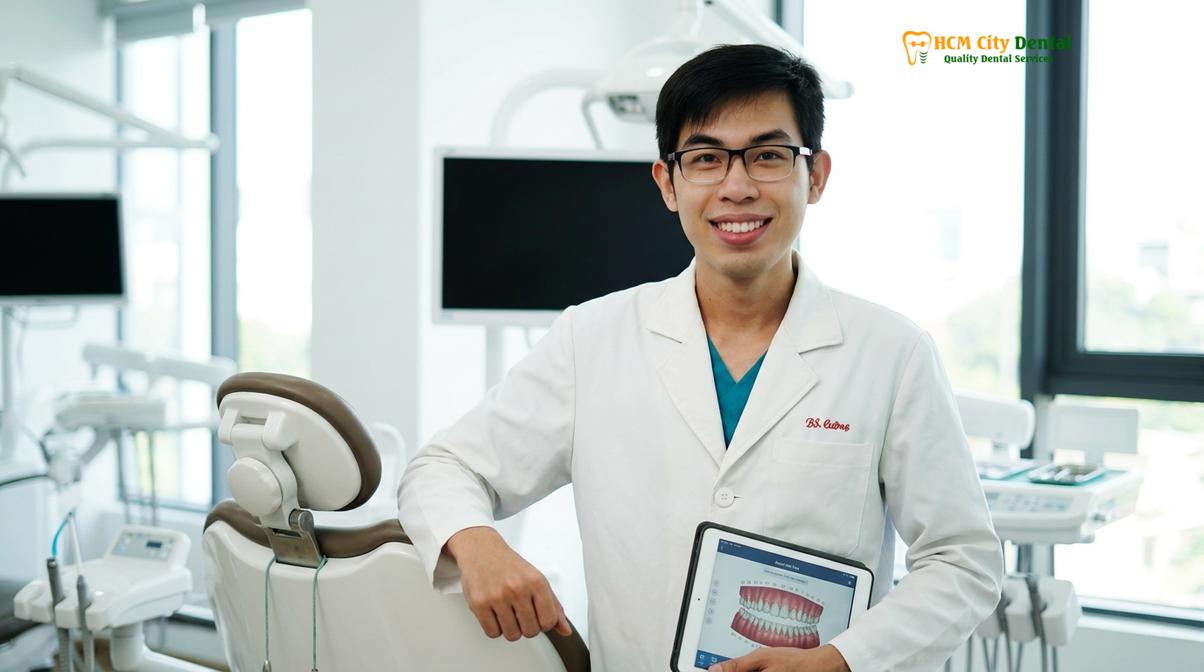
Dr. Nguyen Van Cuong, a leading specialist, emphasizes the importance of personalized treatment plans tailored to each patient’s unique anatomical needs. For patients exploring the Cost of Orthodontics: How to Save Thousands! | Dr. Cuong, he provides comprehensive consultations to ensure clinical efficacy aligns perfectly with financial considerations, guiding patients toward the most appropriate appliance choice.
“Orthodontic success is not solely defined by straight teeth, but by achieving a harmonious, functional bite that supports long-term periodontal health and temporomandibular joint stability.”
Retention and Post-Treatment Stability
Post-orthodontic retention is mandatory to prevent relapse, requiring either fixed lingual wires or removable clear retainers regardless of the initial treatment modality utilized.
A critical, yet often overlooked, component of the invisalign vs braces cost comparison is the retention phase. Orthodontic treatment does not conclude when the braces are removed or the final aligner is worn. The gingival and periodontal fibers, particularly the supracrestal elastic fibers, have a “memory” and will exert forces attempting to pull the teeth back to their original malaligned positions—a phenomenon known as orthodontic relapse.
To ensure long-term stability, patients must wear retainers. There are two primary types of retention protocols: fixed lingual retainers and removable clear retainers. Fixed retainers provide continuous, compliance-free retention but require meticulous flossing techniques. Removable clear retainers protect the occlusal surfaces from bruxism and maintain the entire arch form, but rely entirely on patient compliance[5].
The cost of the initial set of retainers is usually included in the comprehensive orthodontic fee. However, removable retainers will eventually wear out, stretch, or become lost, requiring replacement. Patients should factor the long-term maintenance cost of replacement retainers into their overall financial planning when evaluating the Teeth Braces Cost: Clinical Orthodontic Guide | HCMC Dental.
References
- American Journal of Orthodontics and Dentofacial Orthopedics. Biomechanical principles of clear aligner therapy vs fixed appliances.
- Journal of Clinical Orthodontics. Cost-effectiveness and treatment duration in contemporary orthodontic modalities.
- European Journal of Orthodontics. Periodontal health and oral microbiome shifts during orthodontic treatment.
- Vietnam Association of Orthodontists (VAO). National guidelines on orthodontic intervention and retention protocols.
- International Journal of Dentistry. Long-term stability and retention protocols following clear aligner therapy.
Are you ready to transform your smile and improve your oral health? Schedule a comprehensive orthodontic consultation at HCMC Dental Clinic in Ho Chi Minh City today. Our clinical team will provide a detailed assessment to help you choose the most effective and affordable treatment option for your unique needs.
![Tooth Replacement Cost: [Find Your Best Option] – Dr. Cuong](https://hcmcdental.com/wp-content/uploads/2025/07/tooth-replacement-cost-1-dr-cuong-hcmc-dental-clinic-280x280.jpg)