The cost of braces typically ranges from $2,500 to $8,000, depending heavily on the chosen orthodontic method, the complexity of the malocclusion, and geographic location. Traditional metal brackets remain the most economical option, while advanced systems like clear aligners and lingual braces command higher clinical fees.
Clinical Summary:
Orthodontic treatment costs are determined by a complex interplay of biomechanical requirements, appliance materials, and the practitioner’s diagnostic expertise. Patients must evaluate not only the base price of brackets and archwires but also the costs associated with diagnostic imaging, potential pre-orthodontic restorative work, and mandatory post-treatment retention protocols. A comprehensive clinical evaluation is essential to establish an accurate, individualized financial and treatment plan that ensures long-term occlusal stability and periodontal health.
Key Takeaways:
- Traditional stainless steel brackets consistently offer the most cost-effective solution for correcting severe skeletal and dental malocclusions.
- Aesthetic options, including polycrystalline ceramic brackets and custom lingual systems, require a higher financial investment due to material costs.
- The total duration of active treatment directly impacts the overall fee, as longer cases require more clinical adjustments and chair time.
- Supplementary procedures, such as premolar extractions or the placement of temporary anchorage devices (TADs), may incur additional surgical fees.
- Post-treatment retention devices are a critical, and sometimes separately billed, component necessary to prevent orthodontic relapse.
Factors Influencing the Cost of Orthodontic Treatment
The total investment for orthodontic care is primarily dictated by the severity of the patient’s malocclusion, the specific appliance system selected, and the clinical expertise required to execute the treatment plan.
Understanding the financial commitment required for orthodontic therapy necessitates a deep dive into the clinical variables that dictate treatment complexity. Orthodontics is not a standardized commodity; it is a highly personalized medical intervention that involves the controlled remodeling of alveolar bone and the precise repositioning of dental roots within the periodontium. The application of misaligned teeth braces requires precise biomechanical planning, which directly influences the overall cost structure.
The primary driver of orthodontic fees is the severity of the malocclusion. Dental professionals classify bite discrepancies into three main categories: Class I (crowding or spacing with a normal bite relationship), Class II (overbite or retrognathia), and Class III (underbite or prognathia). When patients ask, “can braces correct overbite anomalies effectively?” the clinical response depends on whether the discrepancy is purely dental or involves underlying skeletal imbalances. Severe skeletal Class II or Class III cases often require prolonged treatment times, complex wire bending techniques, and sometimes orthognathic surgery, all of which significantly elevate the total cost[1].
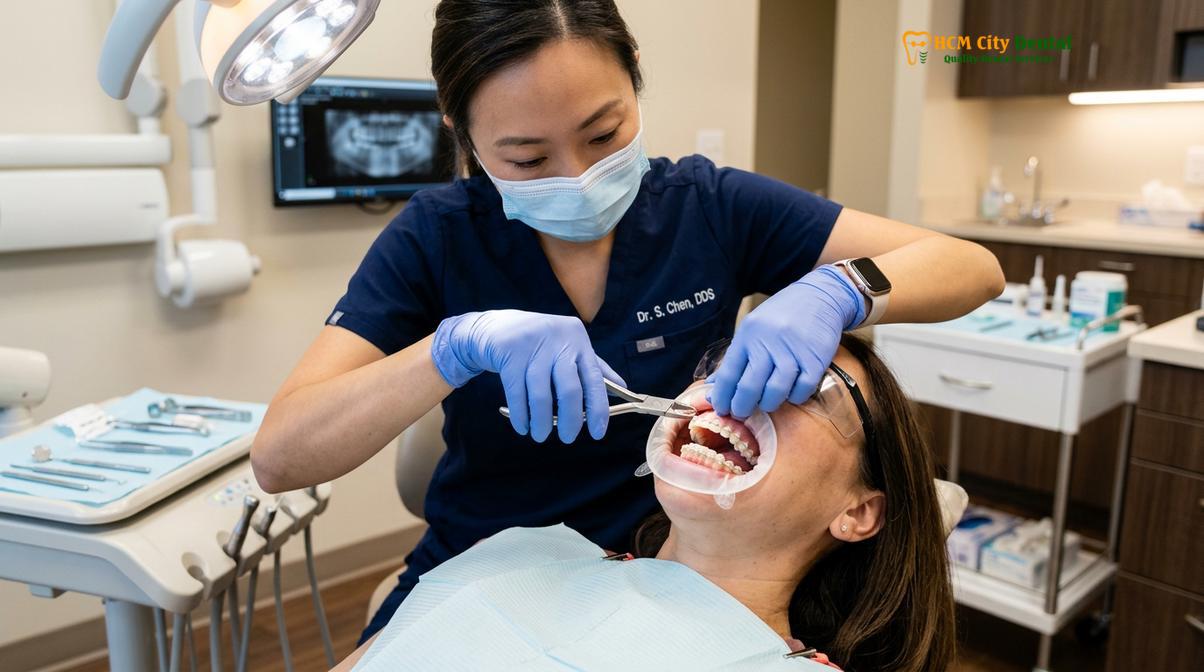
Another critical factor is the biological response of the patient’s tissues. Tooth movement occurs via a process of localized inflammation, where osteoclasts resorb bone on the pressure side of the periodontal ligament, and osteoblasts deposit new bone on the tension side. Patients with dense cortical bone or compromised periodontal health may require slower, more controlled force application, extending the treatment duration. Since orthodontic fees are often calculated based on the anticipated number of clinical visits and total chair time, longer treatments naturally incur higher costs.
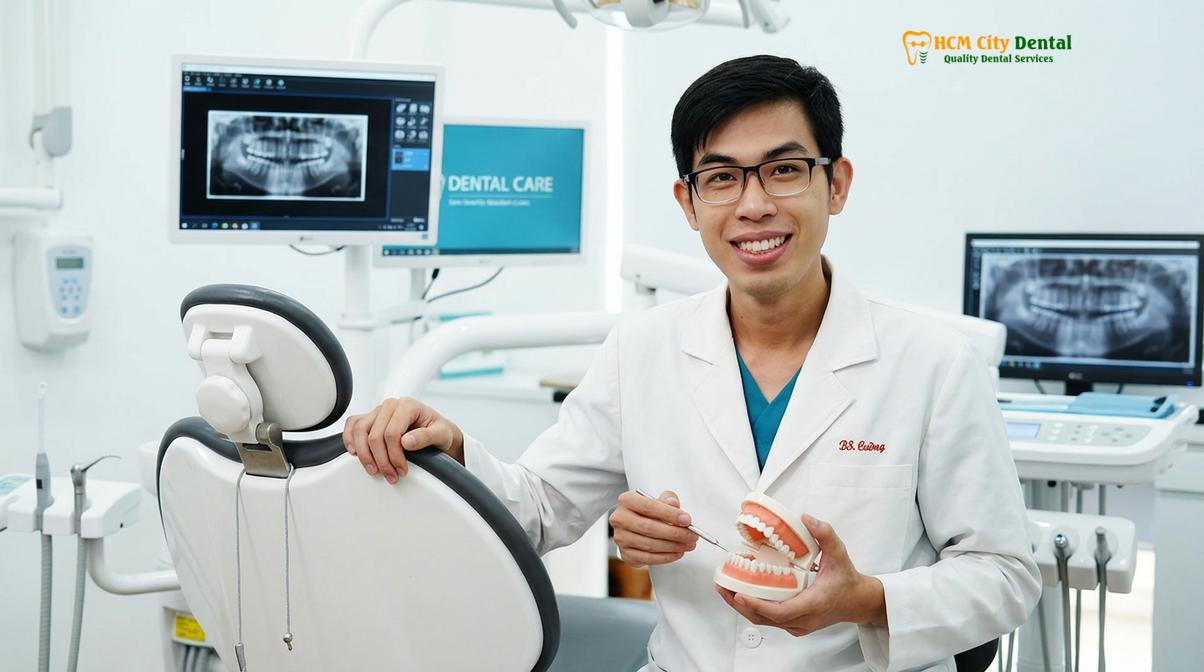
Dr. Nguyen Van Cuong, a leading specialist at HCMC Dental Clinic, emphasizes that investing in a highly qualified professional ensures accurate diagnosis from the outset. According to Dr. Cuong, understanding the cost of orthodontics involves evaluating both the immediate appliance fees and the long-term stability of the bite. Proper initial planning minimizes the risk of mid-treatment complications or post-treatment relapse, which can ultimately be more costly to correct.
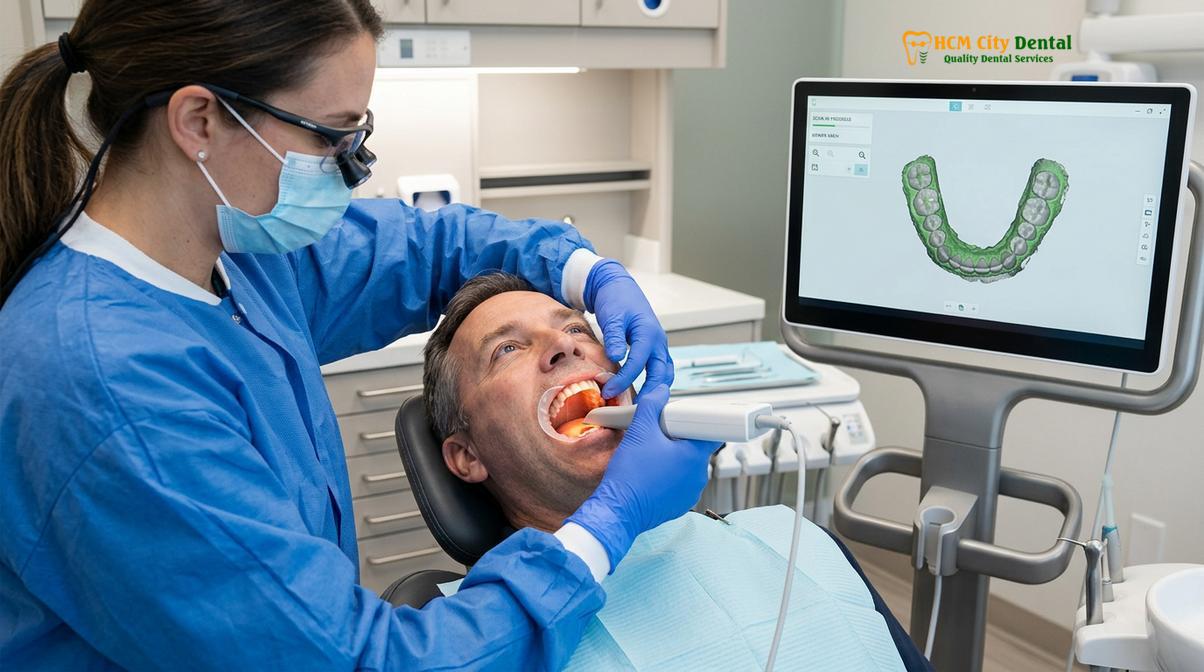
Furthermore, the technological infrastructure of the clinic impacts pricing. Modern facilities utilize advanced diagnostic tools, such as Cone Beam Computed Tomography (CBCT) and digital intraoral scanners. While these technological advancements improve diagnostic precision and patient comfort, they represent significant capital investments that may be reflected in the clinic’s overall fee structure.
Comprehensive Breakdown of Braces Types and Estimated Costs
Different orthodontic systems utilize distinct materials and biomechanical approaches, resulting in a wide spectrum of pricing from economical metal brackets to premium invisible aligners.
The specific type of orthodontic appliance selected by the patient and doctor is the most visible determinant of cost. Each system possesses unique material properties, frictional characteristics, and aesthetic profiles that influence both the clinical workflow and the financial investment.
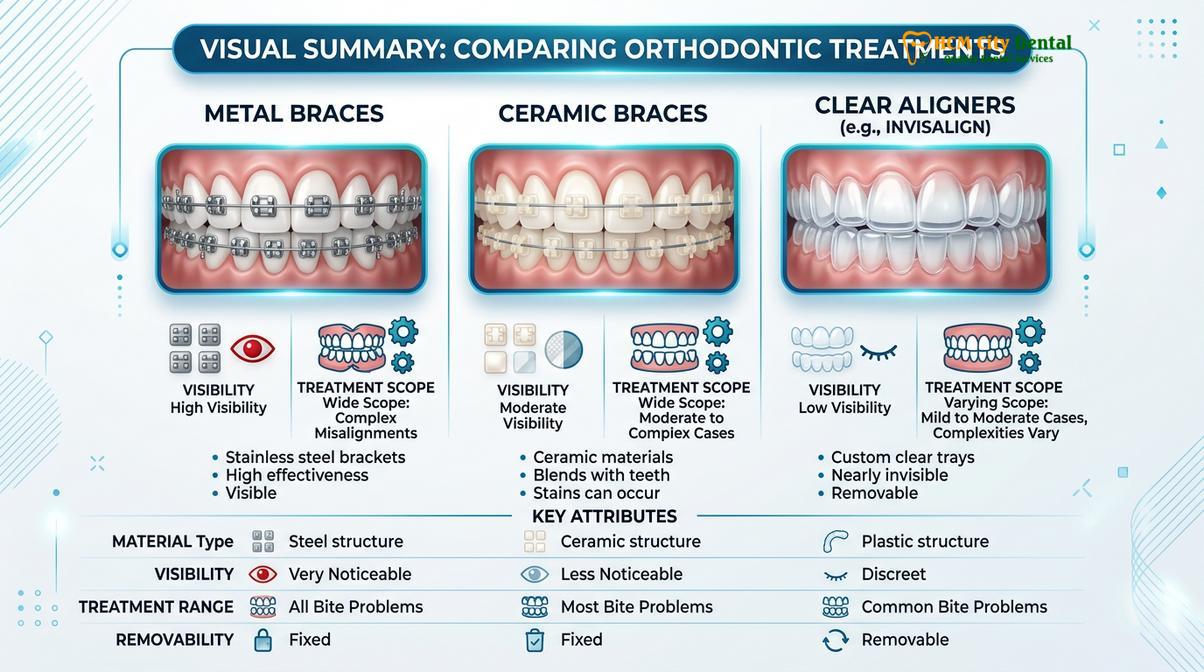
Traditional Metal Braces
Traditional metal braces remain the gold standard for treating complex orthodontic cases. Manufactured from high-grade stainless steel or titanium alloys, these brackets are incredibly durable and capable of withstanding the heavy biomechanical forces required for significant tooth translation. The archwires used in modern metal braces often incorporate Nickel-Titanium (NiTi) alloys, which possess shape-memory properties, delivering continuous, light forces over extended periods.
Because the materials are relatively inexpensive to produce and the clinical protocols are universally standardized, metal braces are generally the most affordable option. They are highly effective for severe crowding, deep bites, and cases requiring significant root torquing. For a detailed breakdown of orthodontic fees, metal systems consistently present the lowest barrier to entry.
Ceramic Braces
Ceramic braces function similarly to metal braces but utilize brackets made from polycrystalline alumina or monocrystalline sapphire. These materials are engineered to blend seamlessly with the natural enamel, offering a highly aesthetic alternative for adult patients. However, ceramic is inherently more brittle than stainless steel and can be prone to fracture under heavy occlusal forces.
Clinically, ceramic brackets present a higher coefficient of friction against metal archwires compared to traditional metal brackets. This increased friction can sometimes slow down the rate of tooth movement, potentially extending treatment time[2]. Due to the higher cost of manufacturing aesthetic ceramic materials and the meticulous clinical handling required to prevent bracket fracture during debonding, ceramic braces are more expensive than their metal counterparts.
Lingual Braces
Lingual braces represent the pinnacle of aesthetic orthodontics, as the brackets are bonded to the lingual (tongue-facing) surfaces of the teeth, rendering them completely invisible from the outside. These systems are highly customized; each bracket is individually cast or milled from gold alloys or stainless steel to perfectly match the unique lingual anatomy of the patient’s teeth.
The cost of lingual braces is significantly higher due to the extensive laboratory customization required and the complex clinical techniques involved. The indirect bonding process and the difficulty of adjusting wires in the restricted lingual space demand exceptional clinical skill and increased chair time. Consequently, lingual orthodontics is typically the most expensive treatment modality available.
Clear Aligners
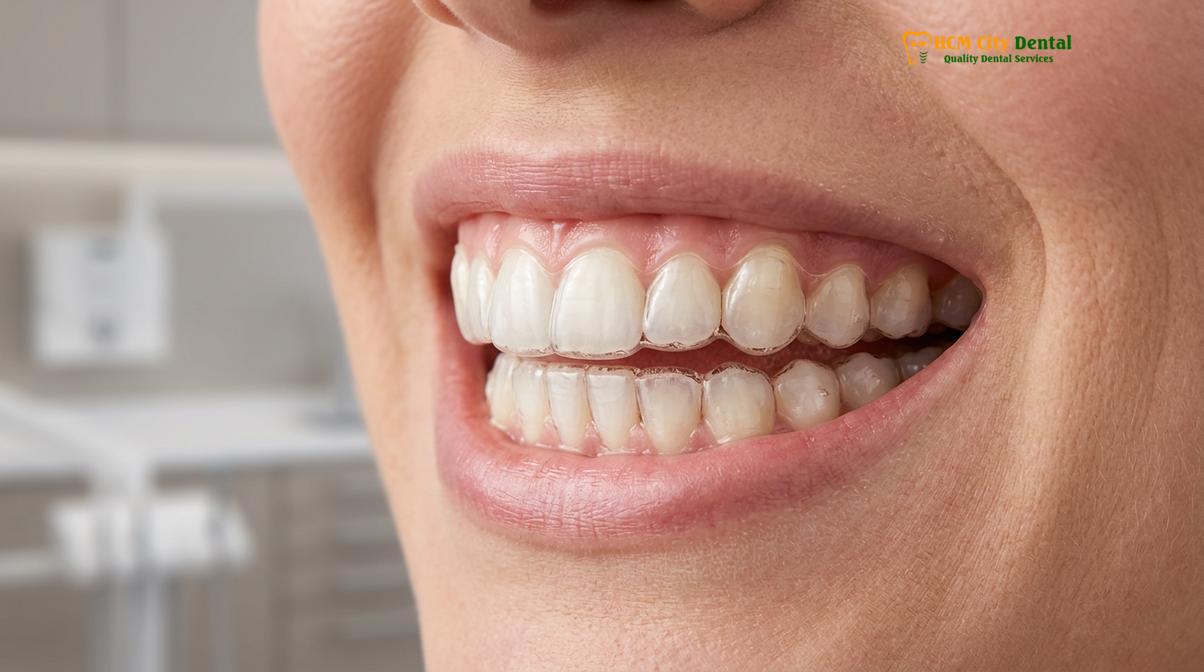
Clear aligner therapy, such as Invisalign, utilizes a series of custom-fabricated, transparent thermoplastic trays to incrementally move teeth. The treatment relies on sophisticated 3D computer imaging to map out the entire sequence of tooth movements from the initial malocclusion to the final desired position. Small composite resin “attachments” are often bonded to the teeth to provide grip for the aligners, allowing for complex movements like extrusion and rotation.
When comparing clear aligners and traditional braces, the cost of aligners is heavily influenced by the proprietary laboratory fees charged by the manufacturer for the digital planning and fabrication of the trays. While highly aesthetic and removable for oral hygiene, aligners require strict patient compliance to be effective[3].
| Orthodontic System | Aesthetic Profile | Clinical Application | Relative Cost Level |
|---|---|---|---|
| Traditional Metal Braces | Highly visible | All malocclusions, severe complexity | Low to Moderate |
| Ceramic Braces | Subtle, tooth-colored | Mild to severe complexity, aesthetic focus | Moderate to High |
| Lingual Braces | Completely invisible | Moderate to severe complexity, premium aesthetics | Very High |
| Clear Aligners | Nearly invisible | Mild to moderate complexity, compliance required | Moderate to High |
“The selection of an orthodontic appliance should not be based solely on financial considerations. The biomechanical demands of the specific malocclusion must dictate the material choice to ensure predictable, biologically sound tooth movement without compromising the periodontal architecture.”
Additional Clinical Procedures Affecting Total Fees
Beyond the primary orthodontic appliances, comprehensive treatment often necessitates supplementary clinical interventions such as extractions, skeletal anchorage, and post-treatment retention.
When evaluating how much braces cost, patients must look beyond the brackets and wires. A comprehensive orthodontic treatment plan often involves adjunctive procedures that are essential for achieving a stable, functional occlusion. These additional clinical steps can significantly impact the final financial investment.
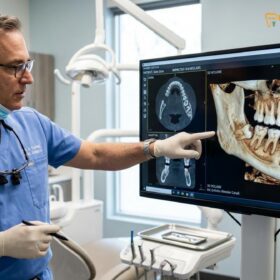
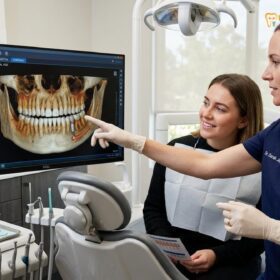
The diagnostic phase is the foundation of successful orthodontics. Standard records include panoramic and cephalometric radiographs, intraoral and extraoral photography, and digital study models. In complex cases involving impacted teeth or severe skeletal asymmetries, a 3D CBCT scan may be required to accurately assess root positions and bone volume. These advanced imaging modalities incur separate fees but are indispensable for safe treatment planning.
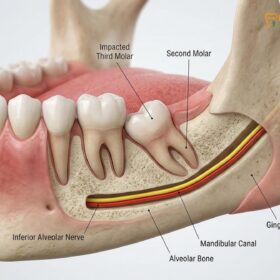
In cases of severe arch length discrepancy (crowding) or significant bimaxillary protrusion, the extraction of permanent teeth—most commonly the first premolars—may be biologically necessary to create space for alignment. The surgical extraction of these teeth, as well as the potential removal of impacted third molars (wisdom teeth) that may interfere with distalization mechanics, will add to the overall cost of care.
Modern orthodontics frequently utilizes Temporary Anchorage Devices (TADs). These are small titanium mini-screws temporarily inserted into the alveolar bone to provide absolute anchorage. TADs allow orthodontists to perform complex movements, such as molar intrusion or whole-arch distalization, without relying on patient compliance with headgear. While TADs have revolutionized clinical capabilities, their surgical placement and the specialized biomechanics involved increase the treatment fee[4].
In rare, highly specific cases, single arch braces may be applied to address minor aesthetic concerns on either the maxillary or mandibular arch. While this reduces the material cost, clinicians must be extremely cautious, as altering one arch without coordinating the opposing arch can lead to traumatic occlusion and temporomandibular joint (TMJ) dysfunction.
Clinical Warning: Patients should always inquire whether the quoted orthodontic fee is all-inclusive. Hidden costs often arise at the end of treatment regarding retention. Retainers are an absolute medical necessity to prevent relapse, and the fabrication of custom Vivera, Essix, or Hawley retainers may be billed separately from the active treatment phase.
Orthodontic Treatment Workflow and Financial Planning
Understanding the phased progression of orthodontic therapy helps patients anticipate financial commitments, from the initial diagnostic consultation to the final retention phase.
Orthodontic treatment is a multi-phased medical journey. Structuring the financial aspect of this journey requires a clear understanding of the clinical workflow. Most reputable clinics offer flexible financing options for orthodontics, allowing patients to distribute the cost over the duration of their active treatment.
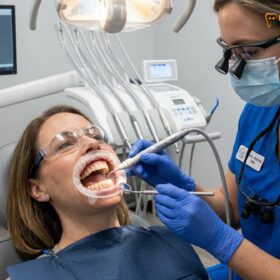
The workflow begins with the initial consultation and diagnostic records. During this phase, the clinician evaluates the periodontal health, skeletal relationships, and dental alignment. If active periodontal disease or untreated caries are present, these must be resolved prior to initiating orthodontics. Restorative work is billed separately and must be factored into the patient’s overall dental budget.
The bonding appointment is typically the longest and most resource-intensive visit. The enamel is chemically etched, and brackets are precisely positioned using composite resin. For self-ligating systems, which utilize a specialized sliding door mechanism rather than elastic ties, the initial material costs are higher. Exploring self-ligating bracket systems can provide insight into how advanced mechanics influence both treatment speed and pricing.
Following bonding, patients enter the active adjustment phase, requiring visits every 4 to 8 weeks. During these appointments, archwires are sequenced from highly flexible NiTi wires to rigid stainless steel wires to express the final torque and angulation of the roots. The cost of these routine adjustments is generally bundled into the comprehensive fee. However, frequent breakages due to poor dietary compliance can result in extended treatment times and potential penalty fees for excessive repair visits.
Clinical Case Example: A 24-year-old patient presented to HCMC Dental Clinic in Ho Chi Minh City with severe Class II malocclusion and mandibular crowding. The treatment plan utilized traditional metal braces combined with maxillary premolar extractions. By utilizing an in-house, interest-free monthly payment plan spread over the 24-month treatment duration, the patient was able to manage the comprehensive fee comfortably without compromising on the quality of the biomechanical care received.
The final phase is debonding and retention. Once the optimal occlusion is achieved, the brackets are carefully removed, and the enamel is polished. The immediate fabrication and delivery of retainers are critical, as the periodontal fibers require several months to reorganize around the new tooth positions. Patients must understand that retention is a lifelong commitment, and the periodic replacement of worn retainers represents an ongoing, albeit minor, financial consideration to maintain long-term stability[5].
“Financial transparency is a cornerstone of ethical orthodontic practice. Patients must be fully informed of the comprehensive costs, including diagnostics, active mechanics, and long-term retention, before consenting to treatment.”
When to See a Doctor for an Orthodontic Evaluation
Early diagnosis and timely intervention can prevent severe malocclusions from developing, potentially reducing the overall complexity and cost of future orthodontic care.
Determining the optimal time to seek orthodontic intervention is crucial for both clinical outcomes and financial efficiency. The Vietnam Odonto-Stomatology Association (VOSA) and international orthodontic bodies generally recommend that all children receive their first orthodontic evaluation by age 7[6]. At this developmental stage, the first permanent molars and incisors have typically erupted, allowing clinicians to identify early signs of crossbites, severe crowding, or skeletal growth discrepancies.
For adults, there is no upper age limit for orthodontic treatment, provided the periodontal tissues and underlying alveolar bone are healthy. You should schedule a clinical evaluation if you experience difficulty chewing, chronic jaw pain, abnormal wear of the enamel, or if you are dissatisfied with the aesthetic alignment of your teeth. Addressing these issues promptly can prevent more extensive dental restorations later in life.
If you are considering orthodontic treatment, schedule a comprehensive consultation at HCMC Dental Clinic in Ho Chi Minh City to discuss your personalized braces payment plan and clinical options. A thorough evaluation will provide you with a precise understanding of the required biomechanics and a transparent breakdown of all associated costs.
References
- American Journal of Orthodontics and Dentofacial Orthopedics. Biomechanical considerations in contemporary orthodontic treatment. (2021).
- Journal of Clinical Orthodontics. Material properties and friction in ceramic versus stainless steel brackets. (2020).
- European Journal of Orthodontics. Clinical efficacy and cost-effectiveness of clear aligner therapy. (2022).
- Angle Orthodontist. The role of temporary anchorage devices in complex malocclusion management. (2019).
- International Journal of Dentistry. Long-term stability and retention protocols following active orthodontic therapy. (2023).
- Vietnam Odonto-Stomatology Association (VOSA). National guidelines on orthodontic care and malocclusion management. (2022).