The price of braces without insurance typically ranges from $3,000 to $10,000, depending heavily on the appliance type, treatment duration, and clinical complexity. Traditional metal brackets are generally the most cost-effective, while lingual braces and advanced clear aligner systems represent a higher financial investment for patients seeking aesthetic discretion.
Clinical Summary:
Navigating the financial landscape of orthodontic care without dental coverage requires a clear understanding of the clinical variables that dictate treatment fees. The comprehensive cost of braces encompasses diagnostic records, the active biomechanical phase (utilizing metal, ceramic, lingual, or clear aligner systems), and the critical retention period. While traditional metal braces remain the most economical and versatile option for complex malocclusions, aesthetic alternatives command a premium due to advanced material science and specialized laboratory fabrication. Patients lacking insurance can effectively manage these out-of-pocket expenses through structured in-house payment plans, third-party medical financing, and tax-advantaged health savings accounts, ensuring that medically necessary orthodontic intervention is not delayed.
Key Takeaways:
- Without insurance, traditional metal braces generally cost between $3,000 and $7,000, making them the most financially accessible option.
- Aesthetic options, such as ceramic brackets and clear aligners, typically range from $4,000 to $8,000 due to advanced material costs.
- Lingual braces, placed behind the teeth, are the most expensive, often exceeding $8,000 due to complex custom fabrication and clinical adjustment demands.
- Comprehensive treatment fees usually cover the active phase, but patients must verify if diagnostic records and post-treatment retainers are included.
- Delaying necessary orthodontic care to avoid costs can lead to severe periodontal issues, abnormal enamel wear, and expensive restorative treatments in the future.
- Many clinics offer interest-free monthly payment plans, allowing patients to distribute the total cost over 18 to 24 months.
Clinical Factors Influencing the Price of Braces Without Insurance
The total out-of-pocket expense for orthodontic therapy is dictated by the severity of the malocclusion, the specific biomechanical materials selected, and the anticipated duration of active tooth movement.
When evaluating the out-of-pocket braces cost, it is essential to recognize that orthodontic fees are not arbitrary; they are meticulously calculated based on the clinical complexity of the individual case. Orthodontics is a highly specialized branch of dentistry that involves the controlled application of biomechanical forces to remodel alveolar bone and reposition teeth. The biological process of tooth movement—characterized by osteoclastic resorption on the pressure side of the periodontal ligament and osteoblastic deposition on the tension side—requires precise, continuous monitoring by a qualified specialist. The economic impact of these extended clinical protocols directly influences the final treatment fee[1].
The primary driver of cost is the severity of the malocclusion. Orthodontic cases are generally classified into three categories: Class I (crowding or spacing with a normal bite), Class II (overbite/overjet), and Class III (underbite). While a mild Class I crowding case might be resolved in 12 months using standard mechanics, a severe Class II or Class III skeletal discrepancy may require 24 to 36 months of active treatment. Complex cases often necessitate adjunctive appliances, such as palatal expanders, temporary anchorage devices (TADs), or even orthognathic surgery, all of which significantly increase the overall financial investment.
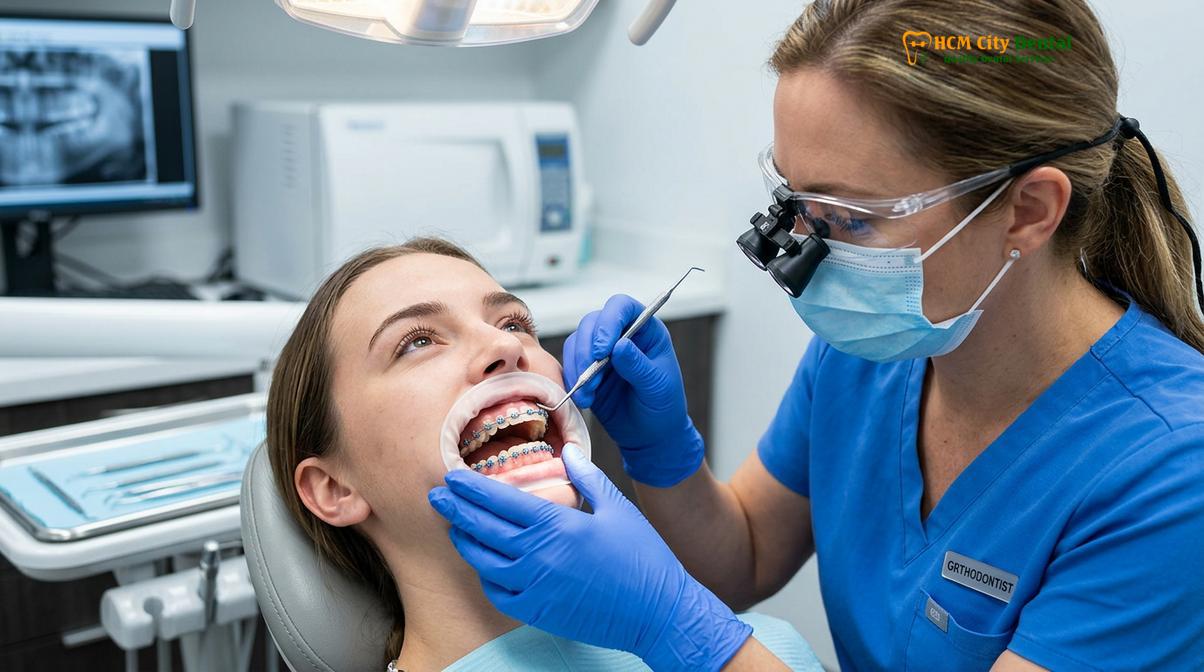
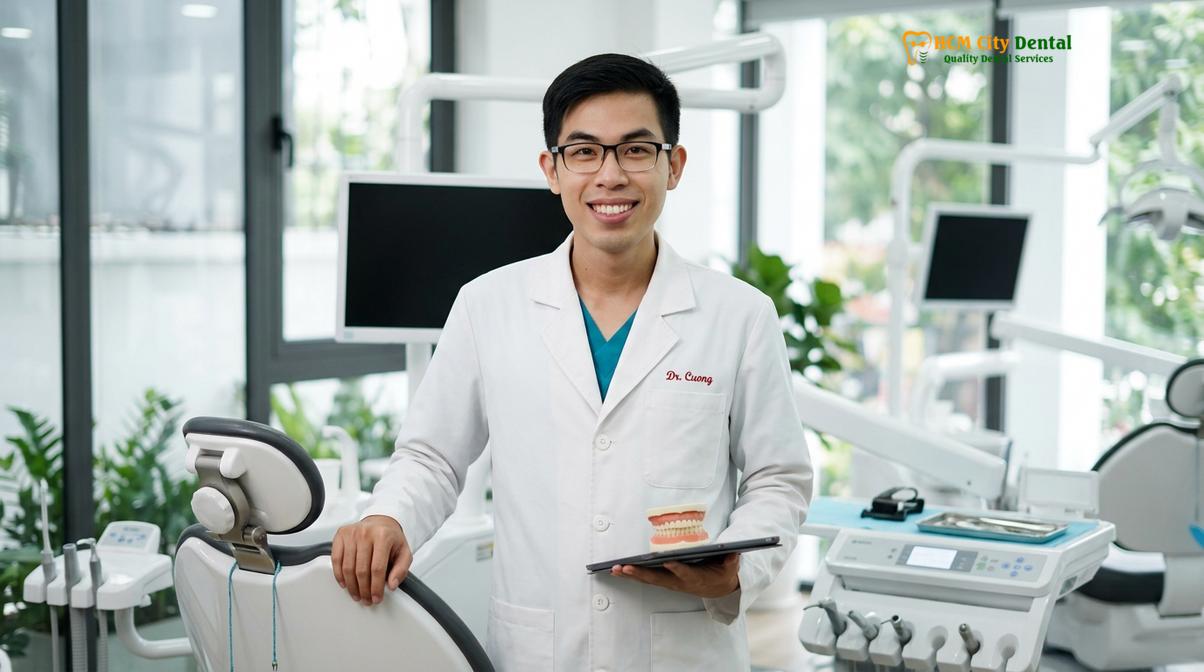
Dr. Nguyen Van Cuong, a leading orthodontic specialist, emphasizes that transparent financial planning is just as critical as the clinical strategy. He notes that understanding the Cost of Orthodontics: How to Save Thousands! | Dr. Cuong empowers patients to make informed decisions without compromising on the quality of their biomechanical care. His approach ensures that every custom treatment plan aligns with both the patient’s physiological needs and their economic realities.
Orthodontic Material Science: Brackets and Wires
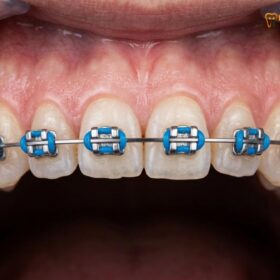
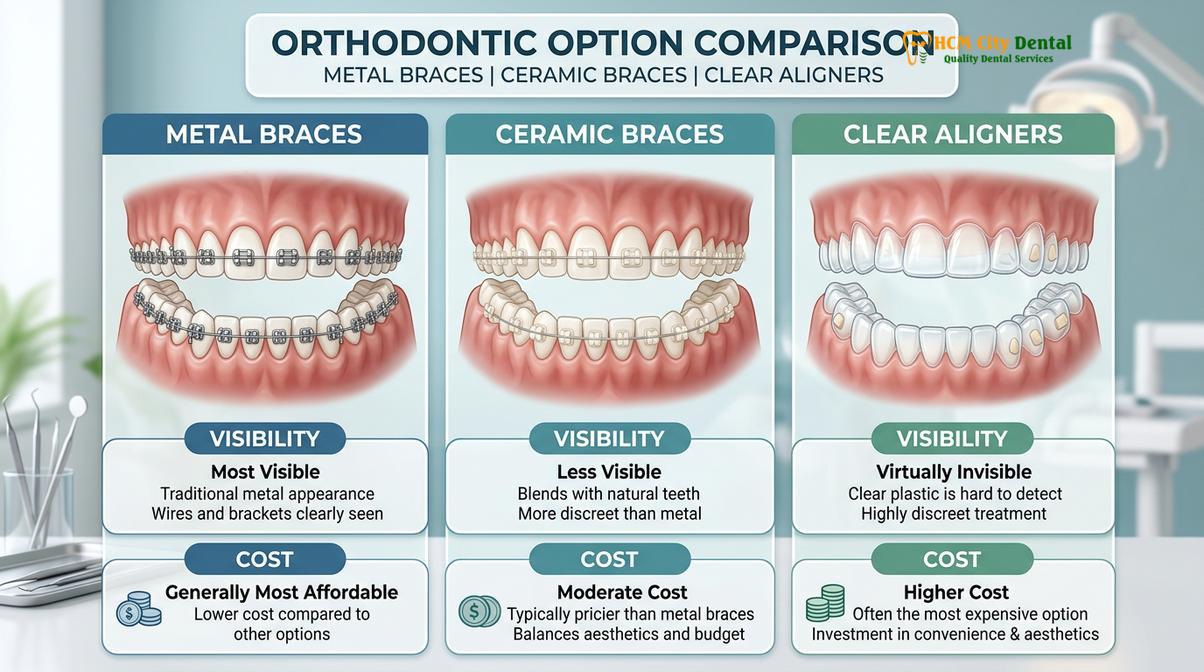
The selection of the orthodontic appliance plays a massive role in the final price. Traditional metal braces, fabricated from high-grade stainless steel, remain the gold standard for durability, efficiency, and cost-effectiveness. They are capable of correcting the most severe malocclusions and are generally the most affordable option for uninsured patients.
For patients seeking a more discreet appearance, ceramic braces utilize brackets made from polycrystalline alumina. While they blend seamlessly with the natural enamel, the material is more brittle than steel and requires careful handling by the orthodontist. The manufacturing cost of these aesthetic brackets is higher, which translates to a higher fee for the patient. Furthermore, ceramic brackets can create more friction against the archwire, sometimes slightly extending the treatment duration.
“The evolution of orthodontic materials, particularly the transition from rigid stainless steel to thermo-active nickel-titanium (NiTi) archwires, has revolutionized treatment efficiency. However, the premium cost of aesthetic brackets and proprietary self-ligating mechanisms must be weighed against the patient’s clinical needs and financial parameters.”
Lingual braces represent the pinnacle of aesthetic orthodontics and are consequently the most expensive. These brackets are custom-cast or digitally milled to fit the lingual (tongue-facing) surfaces of the teeth. Because access to the lingual surfaces is clinically challenging, adjustment appointments take significantly longer, and the laboratory fees for custom fabrication are substantial. To understand how advanced bracket systems impact pricing, patients can review the Damon System Braces Cost: Clinical Guide & Pricing | HCMC Dental, which explores the economics of self-ligating technology and its biomechanical advantages[2].
Comprehensive Breakdown of Orthodontic Treatment Costs
Orthodontic pricing encompasses three distinct clinical phases: comprehensive diagnostics, the active appliance phase, and the critical retention period required to stabilize the periodontal ligaments.
When a clinic provides a quote for the price of braces without insurance, it is crucial for the patient to understand exactly what clinical services are included in that fee. A transparent orthodontic office will provide a comprehensive breakdown, ensuring there are no hidden costs as the treatment progresses. The total fee is generally divided across the chronological phases of care.
The Diagnostic and Preparatory Phase
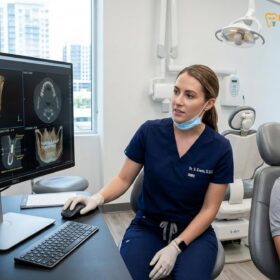
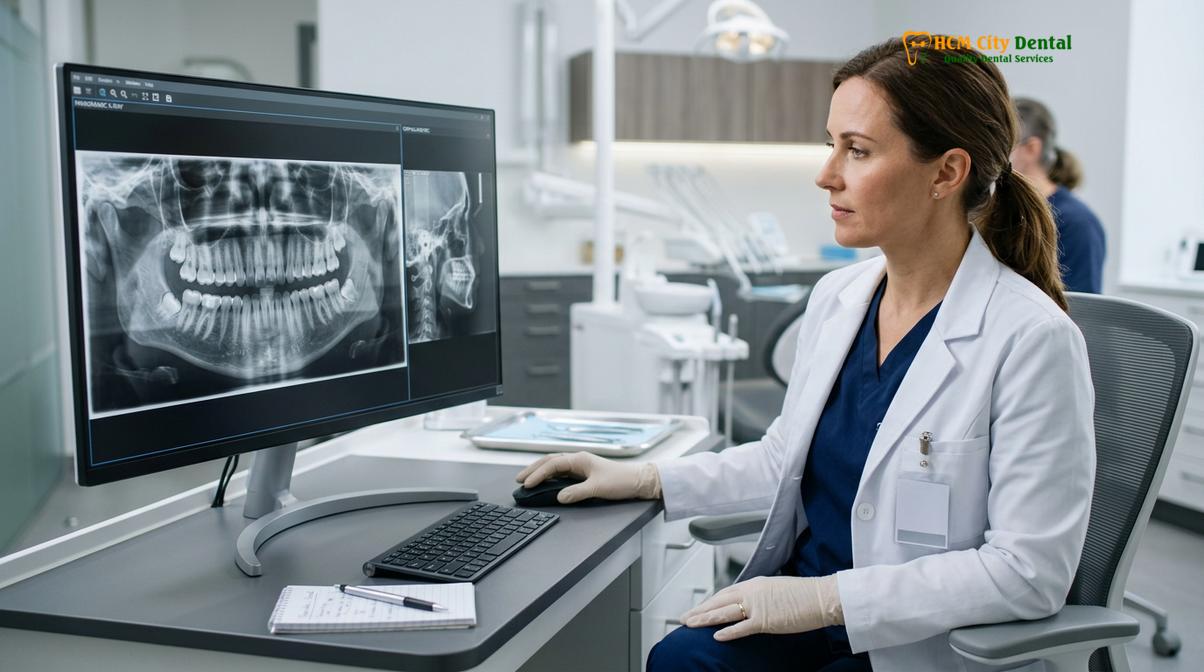
Before a single bracket is bonded to the enamel, the orthodontist must gather extensive diagnostic records. This phase is the foundation of safe and effective tooth movement. Diagnostic records typically include digital intraoral scanning, panoramic radiographs, cephalometric radiographs, and detailed clinical photography.
In some cases, the diagnostic phase reveals the need for preparatory dental work. If a patient has active periodontal disease or untreated dental caries, these issues must be resolved before initiating orthodontic forces. Applying pressure to teeth with compromised periodontal support can lead to rapid bone loss and tooth mobility. Additionally, severe crowding may necessitate the strategic extraction of premolars to create sufficient arch space.
The Active Orthodontic Phase
The active phase constitutes the bulk of the orthodontic appliance fees. This includes the cost of the brackets, the sequence of archwires, elastomeric ligatures, and the clinical time required for adjustment appointments every 4 to 8 weeks. During these visits, the orthodontist evaluates the biological response to the applied forces and makes necessary modifications to the wire tension.
| Orthodontic Appliance Type | Estimated Cost Range (Without Insurance) | Clinical Indications & Characteristics |
|---|---|---|
| Traditional Metal Braces | $3,000 – $7,000 | Highly durable, suitable for all malocclusions, most cost-effective. Uses stainless steel brackets and ligatures. |
| Ceramic (Clear) Braces | $4,000 – $8,000 | Aesthetic alternative using polycrystalline alumina. Prone to slight staining of ligatures; slightly more brittle. |
| Clear Aligner Therapy | $4,000 – $8,000 | Removable thermoplastic trays. Excellent for mild to moderate cases; requires strict patient compliance (22 hours/day). |
| Lingual Braces | $8,000 – $13,000+ | Custom-fabricated brackets placed behind the teeth. Highly aesthetic but requires specialized clinical expertise and longer chair time. |
For a deeper comparison between fixed appliances and removable systems, patients often consult resources like Invisalign vs Braces Cost: Clinical Guide & Pricing | HCMC Dental to make an informed decision based on their lifestyle and budget.
Retention and Post-Treatment Care
The day the braces are removed is not the end of orthodontic treatment; it marks the beginning of the retention phase. The periodontal ligaments and surrounding alveolar bone require time to reorganize and stabilize around the teeth in their new positions. Without retention, the elastic memory of the gingival fibers will inevitably cause the teeth to relapse toward their original malocclusion, negating the clinical progress achieved[3].
Patients must clarify if the cost of retainers is included in their initial contract. Retention protocols typically involve removable Essix (clear plastic) retainers, traditional Hawley retainers (acrylic and wire), or fixed lingual retainers (a wire bonded to the back of the anterior teeth). Replacing lost or broken retainers will incur additional out-of-pocket costs, making diligent care of these appliances essential.
Managing Orthodontic Expenses Without Dental Coverage
Patients lacking orthodontic insurance coverage can utilize in-house clinic payment plans, third-party medical financing, or tax-advantaged health savings accounts to distribute the cost of treatment over time.
The prospect of paying for comprehensive orthodontics entirely out-of-pocket can be daunting. However, the dental industry recognizes this barrier and has developed multiple avenues to make treatment financially accessible. Because orthodontic care is typically delivered over a period of 12 to 24 months, the payment structure can often be aligned with the treatment timeline.
In-House Payment Plans and Third-Party Financing
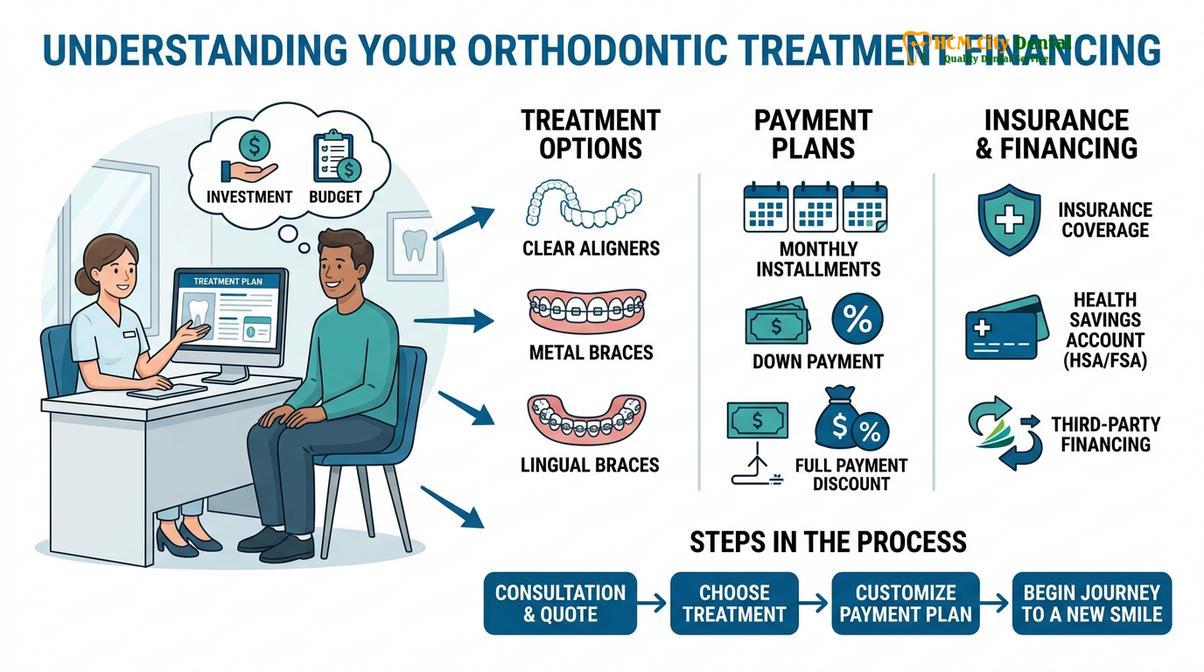
The most common method for managing the price of braces without insurance is through an in-house payment plan provided directly by the orthodontic clinic. Typically, the clinic will require an initial down payment to cover the cost of diagnostic records and the initial appliance placement (bonding). The remaining balance is then divided into equal monthly installments spread across the estimated duration of treatment. According to clinical economic reviews, structured patient financing significantly improves accessibility to comprehensive orthodontic care for uninsured demographics[5].
Clinical Case Study: Managing Complex Care Without Insurance
Patient Profile: A 28-year-old male presented to HCMC Dental Clinic in Ho Chi Minh City with a severe Class II malocclusion, deep bite, and significant lower anterior crowding. The patient lacked dental insurance and was concerned about the financial feasibility of treatment.
Clinical Assessment: The clinical team conducted a comprehensive evaluation, including CBCT imaging. The deep bite was causing traumatic wear on the lower incisors and contributing to mild TMJ discomfort. The recommendation was traditional metal braces with bite turbos to open the vertical dimension.
Financial Strategy: The total treatment fee was estimated at $5,500. To accommodate the patient’s budget, the clinic structured an in-house financing plan. The patient utilized funds from his Health Savings Account (HSA) to cover a $1,000 down payment, reducing the remaining balance. The remaining $4,500 was spread over a 24-month interest-free period, resulting in manageable monthly payments of approximately $187. The patient successfully completed treatment, achieving optimal functional occlusion and preserving his natural dentition.
Flexible Spending Accounts (FSA) and Health Savings Accounts (HSA)
For employed individuals in certain regions, utilizing an FSA or HSA is one of the most effective ways to reduce the net cost of braces. These accounts allow patients to set aside pre-tax income specifically for qualified medical expenses. Because orthodontics is generally deemed medically necessary to correct functional bite issues (rather than purely cosmetic), braces qualify for these funds.
By paying for treatment with pre-tax dollars, patients effectively save an amount equal to their marginal tax rate. It is important to plan ahead, especially with FSAs, which often operate on a “use it or lose it” annual basis. Coordinating the start of orthodontic treatment with the open enrollment period for these accounts can maximize financial efficiency.
The Clinical Risks of Delaying Necessary Orthodontic Care
Postponing medically necessary orthodontic intervention due to financial concerns can exacerbate periodontal disease, accelerate abnormal enamel wear, and induce chronic temporomandibular joint dysfunction.
While the initial sticker shock of braces can prompt some patients to delay or decline treatment, it is vital to view orthodontics through the lens of long-term oral health rather than mere cosmetic enhancement. Malocclusions are progressive; they rarely stabilize and often worsen with age as the natural mesial drift of teeth exacerbates crowding. Clinical studies consistently demonstrate that untreated malocclusions significantly increase the risk of localized periodontal degradation due to the inability to properly clean overlapping enamel surfaces[4].
“Delaying orthodontic intervention due to financial apprehension often leads to compounded clinical issues. The cost of addressing severe periodontal degradation and abnormal enamel wear in adulthood frequently eclipses the initial investment required for corrective braces.”
Severely crowded or overlapping teeth create plaque retentive areas that are nearly impossible to clean with standard brushing and flossing. Over time, this chronic plaque accumulation leads to gingivitis, periodontitis, and eventual bone loss. Furthermore, a misaligned bite (such as a crossbite or deep overbite) places uneven biomechanical stress on specific teeth, leading to premature enamel attrition, abfraction lesions at the gumline, and potential fracturing of the clinical crown.
When to Consult an Orthodontist
Early evaluation is critical for identifying skeletal discrepancies and intercepting developing malocclusions before they require extensive surgical or restorative intervention.
Recognizing the signs that necessitate orthodontic evaluation can save patients significant time and financial resources. The Vietnam Ministry of Health emphasizes the importance of early orthodontic screening to prevent severe malocclusions and maintain optimal oral health standards across all age groups[6]. Patients should seek a professional consultation if they experience chronic jaw pain, difficulty chewing or articulating specific sounds, or notice asymmetrical facial development.
Adults experiencing shifting teeth, increasing gaps, or abnormal wear patterns on their incisors should also schedule an assessment. Modern orthodontics offers solutions tailored to adult physiology, ensuring that functional occlusion can be restored regardless of the patient’s age. Proactive intervention not only enhances the aesthetic harmony of the smile but also fortifies the structural integrity of the entire stomatognathic system.
References
- American Journal of Orthodontics and Dentofacial Orthopedics. The economic impact of orthodontic treatment and material selection.
- Journal of Clinical Orthodontics. Biomechanical considerations and cost analysis of self-ligating versus conventional brackets.
- International Journal of Dentistry. Long-term stability and retention protocols following active orthodontic therapy.
- Angle Orthodontist. Periodontal health and malocclusion: The clinical necessity of orthodontic intervention.
- Journal of the American Dental Association. Patient financing and accessibility to comprehensive orthodontic care.
- Vietnam Ministry of Health (MOH). National guidelines on orthodontic intervention and oral health standards.
If you are concerned about the price of braces without insurance, schedule a comprehensive consultation at HCMC Dental Clinic in Ho Chi Minh City. Our clinical team will provide a transparent breakdown of your orthodontic options and help structure a financing plan that fits your budget. Learn more about our specialized care in Orthodontics tại HCMC Dental Clinic to begin your journey toward a healthier, properly aligned smile.