Tooth Replacement Cost: [Find Your Best Option] – Dr. Cuong

A clear, transparent breakdown of the tooth replacement cost is essential for making an informed decision about your oral health. This guide provides a...
Understanding the true tooth replacement cost is a crucial step for anyone considering restoring their oral health. This comprehensive guide is designed to provide transparent insights into the financial aspects and available treatment options, ensuring you can make a well-informed decision that aligns with both your health needs and budget. Facing tooth loss can be a significant concern, impacting not only aesthetics but also critical oral functions and overall confidence. The question of investment is naturally paramount for our patients, and it warrants a detailed, honest discussion.
This resource moves beyond basic figures, thoroughly exploring the various tooth replacement solutions—from implants to bridges and dentures—and meticulously detailing the multitude of factors that genuinely influence their overall expense. Our goal is to equip you with robust knowledge, empowering you to navigate these complex choices effectively. By clarifying potential costs and benefits, we aim to help you identify the most suitable, sustainable, and high-quality long-term solution for your smile and holistic well-being, ensuring optimal oral function and aesthetics are fully restored.
Why Replacing a Missing Tooth is a Health Imperative, Not Just a Cosmetic Choice
Many people initially think of a missing tooth as just a gap in their smile, but the consequences go much deeper. From a physiological standpoint, the absence of a tooth sets off a chain reaction that can affect your entire oral structure. In my clinical experience, patients who delay replacement often face more complex and costly issues later on.
The most significant concern is jawbone loss. Your jawbone maintains its density and form because of the stimulation it receives from your teeth. When a tooth is lost, that stimulation disappears, and the bone begins to deteriorate, a process known as resorption. This can lead to a sunken facial appearance and weaken the foundation for neighboring teeth. Furthermore, the adjacent teeth may start to drift or tilt into the empty space, disrupting your bite alignment and potentially causing TMJ (temporomandibular joint) disorders, headaches, and difficulty chewing.
In my practice, I often advise patients that the most cost-effective decision is the one that prevents future problems. Investing in a timely tooth replacement is not just about filling a space; it’s about preserving the very structure of your mouth and avoiding a cascade of complications that will be far more expensive to fix down the line.

tooth replacement cost
A Detailed Breakdown of Your Tooth Replacement Options and Costs
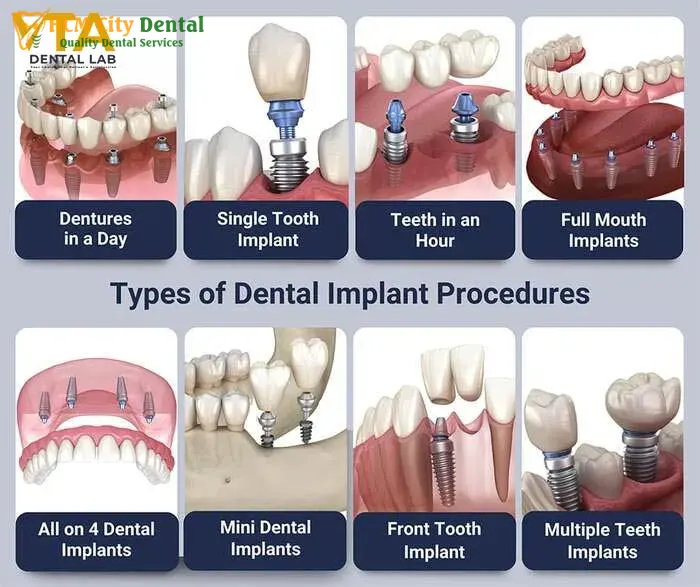
When considering how much does a tooth cost to replace, it’s crucial to understand that you are not just buying a product, but investing in a long-term health solution. Each option has a different procedure, lifespan, and associated cost. Here, we’ll explore the three primary methods available at our clinic.
1. Dental Implants: The Gold Standard Solution
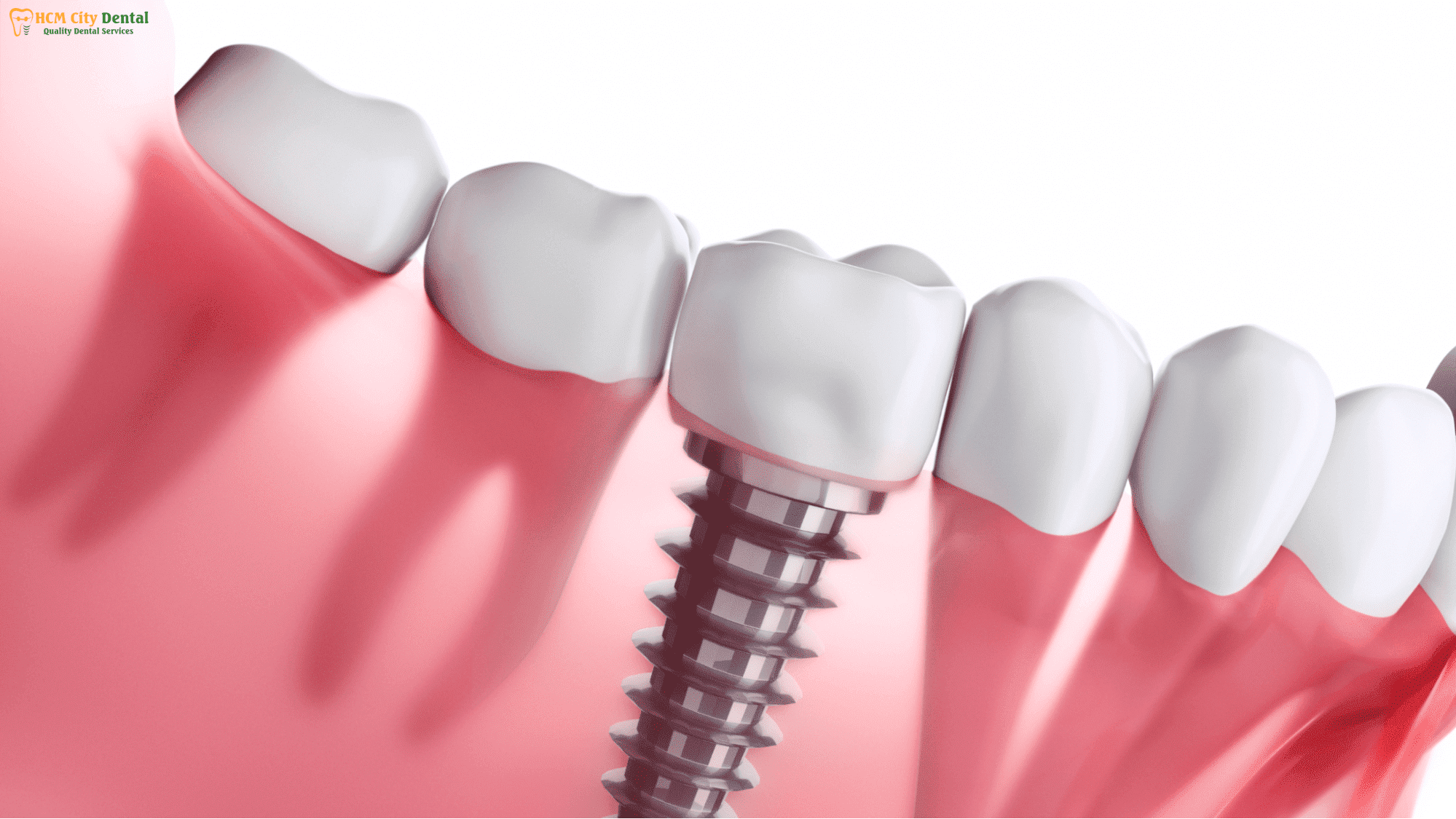
A dental implant is a small, surgical-grade titanium post that is placed into the jawbone to act as an artificial tooth root. A connector, known as an abutment, is then attached to the post, which holds the final custom-made crown. This is the only solution that replicates the entire tooth structure, from root to crown.
- Procedure: The process involves surgically placing the implant, a healing period for the bone to fuse with the implant (osseointegration), and finally, the attachment of the abutment and crown.
- Pros: Implants look, feel, and function like natural teeth. They are incredibly durable, can last a lifetime with proper care, and prevent jawbone loss by stimulating the bone. They also do not require altering adjacent healthy teeth.
- Cons: They have the highest upfront cost and require a surgical procedure. The entire process can take several months to complete.
- Dental Implant Cost: The average cost for a single dental implant, including the post, abutment, and crown, typically ranges from $3,000 to $6,000.
2. Dental Bridges: A Traditional and Reliable Option
A dental bridge “bridges” the gap created by one or more missing teeth. A traditional bridge consists of one or more artificial teeth (called pontics) held in place by dental crowns that are cemented onto the natural teeth on either side of the gap (called abutment teeth).
- Procedure: The abutment teeth must be prepared by removing a portion of their enamel to accommodate the crowns. An impression is taken, and a custom bridge is fabricated in a dental lab.
- Pros: Bridges are a non-surgical option that can restore your smile and ability to chew effectively. The process is generally faster than getting an implant.
- Cons: This option requires permanently altering healthy adjacent teeth. If the bridge fails or the abutment teeth decay, the entire structure may need to be replaced, leading to more complex treatment. Bridges do not prevent bone loss.
- Dental Bridge Cost: The cost for a traditional three-unit bridge (replacing one missing tooth) generally ranges from $2,000 to $5,000. The price can increase depending on the materials used and the number of teeth being replaced.
3. Dentures: The Most Affordable Tooth Replacement
Dentures are removable appliances that can replace multiple missing teeth (a partial denture) or a full arch of teeth (a full denture). They consist of replacement teeth attached to a pink or gum-colored plastic base.
- Procedure: This involves taking impressions of your mouth to create a custom-fitting removable appliance. No surgery is required.
- Pros: Dentures are the most affordable tooth replacement option, especially when many teeth are missing. The process is non-invasive and relatively quick.
- Cons: They can be less stable, sometimes slipping or causing discomfort while eating or speaking. They require daily removal for cleaning and do not stimulate the jawbone, which can lead to bone loss over time. They also need to be replaced or relined every few years.
- Denture Cost: A partial denture can cost between $700 and $2,000. Full dentures typically range from $1,500 to $3,000 per arch.
Still have questions? Call our Hotline/WhatsApp now at +84853020003 for a direct, completely free consultation with Dr. Cuong!
tooth replacement cost
Table: Comparing Your Tooth Replacement Options at a Glance
To help you visualize the differences, here is a summary comparing the most important aspects of each treatment. Experience has shown that seeing the options side-by-side helps patients clarify their priorities.
| Feature | Dental Implants | Dental Bridges | Dentures (Partial/Full) |
|---|---|---|---|
| Average Upfront Cost | $3,000 – $6,000 (per tooth) | $2,000 – $5,000 (3-unit) | $700 – $3,000 (per arch) |
| Longevity | 20+ years, potentially a lifetime | 7-15 years | 5-10 years (requires adjustments) |
| Prevents Bone Loss? | Yes | No | No |
| Impact on Adjacent Teeth | None | Requires crowning healthy teeth | Can put stress on clasped teeth |
| Maintenance | Like natural teeth (brushing, flossing) | Requires special flossing technique | Daily removal and cleaning |
tooth replacement cost
Key Factors That Influence the Final Tooth Replacement Cost
The price ranges provided above are averages. The final cost of your treatment can be influenced by several critical factors. A common scenario at our clinic is a patient requiring additional work before the main procedure, which affects the total investment. Understanding these variables is key to knowing how much a tooth cost will be in your specific case.
1. Need for Preliminary Procedures
Your oral health must be in optimal condition before replacing a tooth. This can sometimes require preparatory treatments, each with its own cost.
- Tooth Extractions: If a damaged or decayed tooth needs to be removed, this procedure will be an additional cost.
- Bone Grafting: For patients who have experienced significant bone loss, a bone graft may be necessary to create a solid foundation for a dental implant. This procedure can add $400 to over $3,000 to the total cost, depending on the complexity.
- Sinus Lift: If replacing an upper back tooth, a sinus lift may be required to raise the sinus floor and make room for an implant. This can cost between $1,500 and $5,000.
2. Materials and Technology Used
The quality of materials directly impacts both the aesthetics and longevity of your restoration. For crowns and bridges, options like all-porcelain or zirconia are more aesthetically pleasing and durable but cost more than porcelain-fused-to-metal alternatives. Likewise, the brand and type of dental implant can influence the price.
3. Dentist’s Expertise and Geographic Location
The cost of dental care can vary significantly based on the dentist’s experience and the clinic’s location. A specialist with advanced training in implantology or prosthodontics may have higher fees, but this often reflects a higher standard of care and success rate. Similarly, clinics in major urban centers tend to have higher overhead costs, which is reflected in their pricing.
A common mistake I see patients make is choosing a provider based solely on the lowest price. While budget is important, the skill of the clinician and the quality of the materials are paramount for a successful, long-lasting result. A poorly executed procedure can lead to failure, complications, and ultimately, higher costs to correct the problem.

tooth replacement cost
Managing Your Investment: Insurance and Payment Options
We believe that financial concerns should not be a barrier to essential dental care. At HCMCDental.com, we are committed to making treatment accessible.
Does Dental Insurance Cover Tooth Replacement?
This is a very common question. Coverage for tooth replacement varies widely between insurance plans. Many plans cover a percentage of the cost for bridges and dentures. Coverage for dental implants is becoming more common, but it’s often partial and may be subject to annual maximums of around $1,500 to $3,000. Some insurers may still classify implants as a cosmetic procedure, limiting coverage. It is crucial to check directly with your provider to understand your specific benefits. Our administrative team is happy to assist you in verifying your coverage.
Flexible Payment Plans
For costs not covered by insurance, we offer flexible in-house payment plans and collaborate with third-party financing companies. These options allow you to break down the total cost into manageable monthly payments, so you can proceed with your treatment without delay. We are dedicated to finding a solution that fits your budget.
Based on clinical observations over the years, delaying necessary treatment due to cost concerns almost always leads to more significant health issues and higher expenses later. I strongly encourage patients to discuss financial options with us. Our primary goal is your health, and we will work with you to make it affordable.
Ready to take the next step? Book an appointment online and get a 10% discount on your first appointment!
tooth replacement cost
Frequently Asked Questions (FAQ)
How much does a single tooth implant cost?
The cost for a single dental implant, which includes the implant post, the abutment, and the final crown, typically ranges from $3,000 to $6,000. This can vary based on factors like the need for a bone graft or the specific materials used.
What is the most affordable tooth replacement option?
Removable dentures, either partial or full, are generally the most affordable tooth replacement option upfront. A partial denture can cost as little as a few hundred dollars, while a full arch can start around $1,500.
Is it cheaper to get a dental bridge or an implant?
Initially, a dental bridge is often less expensive than a dental implant. However, it’s important to consider the long-term value. Implants can last a lifetime, while bridges may need to be replaced every 7 to 15 years, which could lead to higher costs over time.
Why is there such a wide range in tooth replacement cost?
The cost varies due to several factors: the type of replacement (implant, bridge, denture), the materials used (zirconia vs. metal), the dentist’s expertise, the geographic location of the clinic, and whether you need preliminary procedures like a tooth extraction or bone graft.
Will my dental insurance help pay for the cost?
Most dental insurance plans provide some coverage for major procedures like bridges and dentures. Coverage for dental implants is improving, but many plans only cover a portion of the cost, often around 50%, up to an annual limit. It’s essential to review your specific policy.
What happens if I don’t replace a missing tooth?
Not replacing a missing tooth can lead to serious oral health problems. These include the shifting of adjacent teeth, changes in your bite, difficulty chewing, and most importantly, progressive bone loss in your jaw, which can alter your facial appearance.
How long does the tooth replacement process take?
A dental bridge or denture can often be completed in just a few weeks. A dental implant is a longer process, typically taking several months from implant placement to the final crown, to allow for the crucial bone integration period.
tooth replacement cost
Your Health is the Best Investment
Understanding the tooth replacement cost is the first step toward restoring your smile, function, and confidence. While the options and figures can seem complex, the most important takeaway is that replacing a missing tooth is a critical investment in your long-term oral and overall health.
From the lifetime durability of dental implants to the reliability of bridges and the affordability of dentures, there is a solution for every need and budget. I encourage you not to let uncertainty or financial concerns prevent you from seeking care. A professional consultation is the best way to get a precise cost estimate tailored to your unique situation and to explore all available payment options.
At HCMCDental.com, we are here to provide you with expert care and transparent guidance. Let us help you make a confident, informed decision for a healthy smile that will last for years to come.
This article was medically reviewed and written by Dr. Cuong.
Important Disclaimer
The information provided in this article is for educational and informational purposes only and is not intended as a substitute for professional medical advice, diagnosis, or treatment. Always seek the advice of your dentist or other qualified health provider with any questions you may have regarding a medical condition. Never disregard professional medical advice or delay in seeking it because of something you have read on this website.
Written and Medically Reviewed By
Dr. Cuong is a leading specialist in Odontostomatology with extensive experience in restorative and implant dentistry. Practicing at HCMCDental.com, he is dedicated to providing patients with the highest standard of care, utilizing the latest technology and techniques. Dr. Cuong is passionate about patient education, believing that a well-informed patient is empowered to achieve optimal oral health. His clinical practice is built on a foundation of trust, precision, and a deep commitment to the long-term well-being of every individual he treats.