The cost of a dental bridge typically ranges from $1,500 to $5,000 or more, depending on the materials used, the number of missing teeth, and the geographic location of the clinic. Implant-supported bridges generally cost more than traditional tooth-supported options due to the surgical requirements, but they offer distinct long-term structural benefits.
Clinical Summary:
A dental bridge is a highly effective prosthetic solution for replacing missing teeth, helping to restore both masticatory function and aesthetics. Costs vary significantly based on the chosen material—such as porcelain-fused-to-metal or advanced zirconia—and the specific type of bridge required. While traditional bridges rely on adjacent natural teeth for support, implant-supported bridges offer enhanced bone preservation. Consulting with an experienced prosthodontist ensures an accurate cost estimate, maximizing insurance benefits, and developing a treatment plan tailored to your unique anatomical and financial needs.
Key Takeaways:
- Traditional dental bridges typically cost between $1,500 and $5,000 without insurance coverage.
- Materials like high-grade monolithic zirconia increase the overall price but offer superior aesthetics and long-term durability.
- Implant-supported bridges require surgical intervention, making them a higher initial investment with significant structural benefits.
- Dental insurance may cover up to 50% of the cost of a traditional bridge, depending on the specific policy limitations.
- Proper oral hygiene and regular professional cleanings can extend the lifespan of a dental bridge to 10-15 years or more.
Understanding Dental Bridges and Their Clinical Value
A dental bridge is a fixed prosthetic device designed to span the gap created by missing teeth, anchored securely to adjacent natural teeth or implants to restore bite function and facial structure.
Tooth loss is more than just an aesthetic concern; it is a complex biomechanical issue that can lead to a cascade of oral health problems if left untreated. When a tooth is extracted or lost to trauma, the surrounding alveolar bone begins to resorb, and adjacent teeth may shift or tilt into the empty space. This phenomenon, known as mesial drift, can severely disrupt your natural bite alignment, leading to temporomandibular joint (TMJ) disorders and uneven wear on remaining teeth. A dental bridge serves as a structural intervention, filling the void and stabilizing the dental arch.
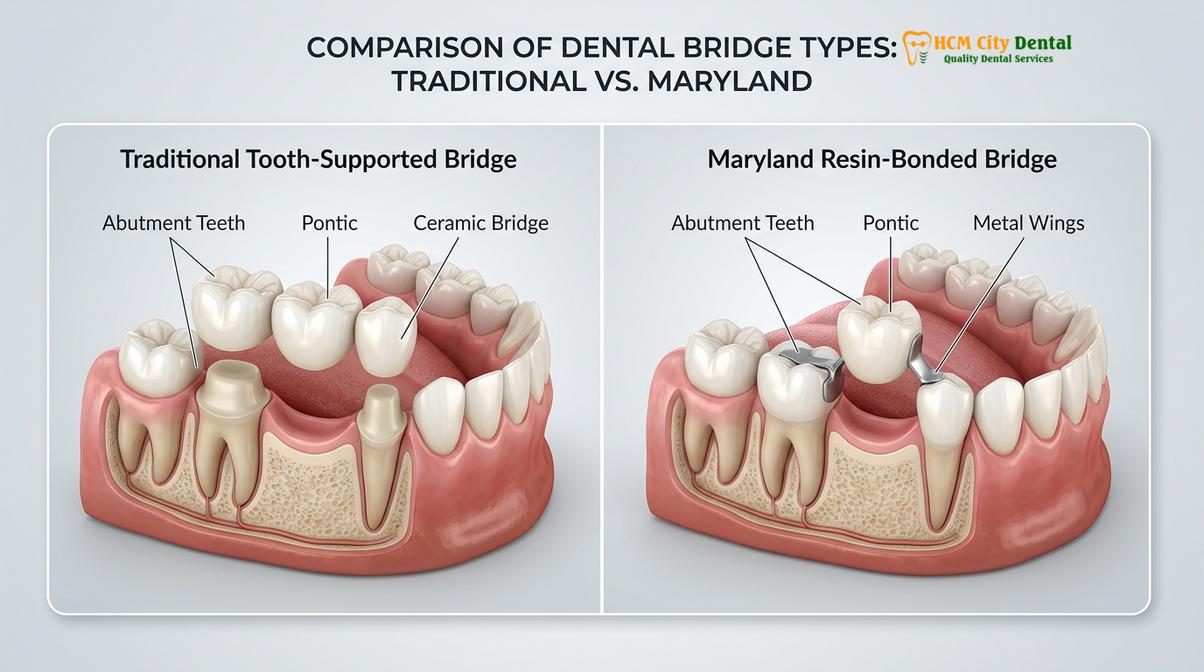
The anatomy of a standard dental bridge consists of two primary components: the abutments and the pontic. The abutments are the anchoring structures—usually the natural teeth on either side of the gap, which are carefully reshaped to receive crowns. The pontic is the artificial tooth suspended between the abutments. Achieving optimal dental facial aesthetics requires precise shade matching and contouring, often utilizing full ceramic dental crowns as the abutment anchors to ensure a seamless blend with the natural dentition[1].
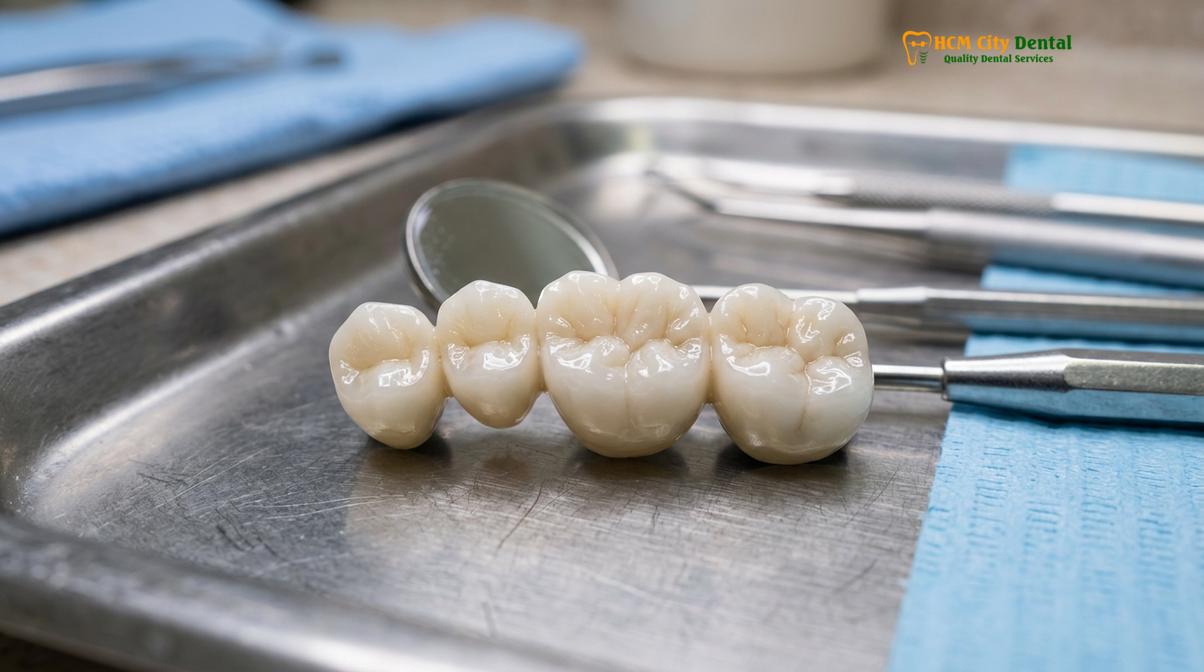
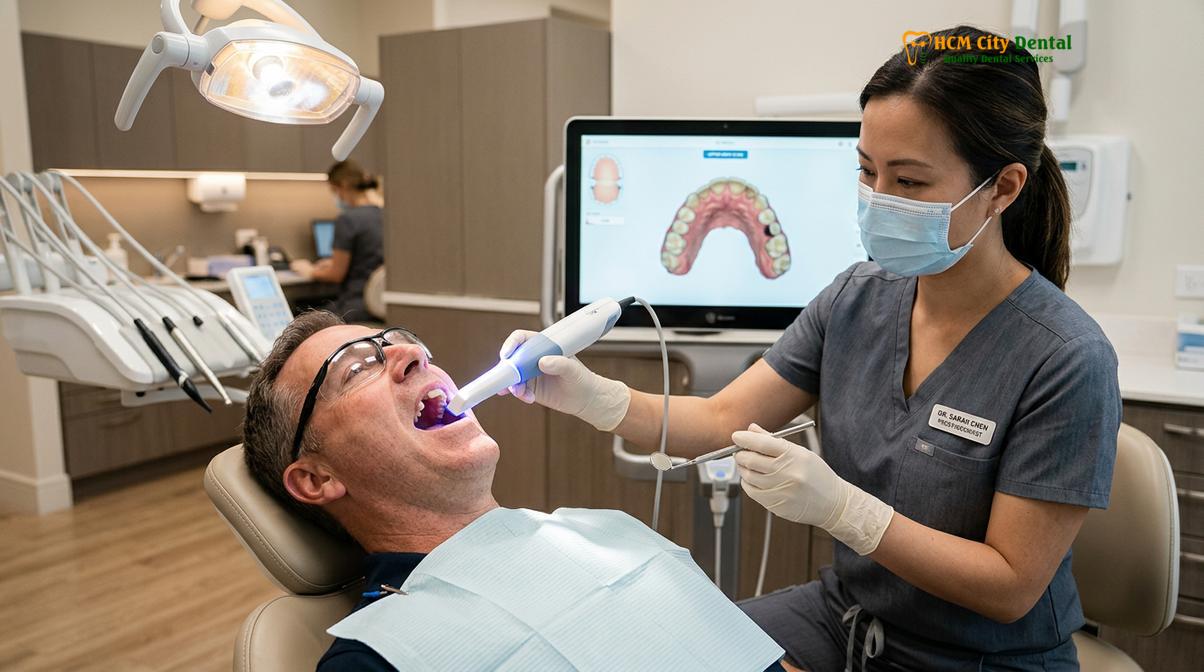
The clinical workflow for placing a traditional bridge involves several meticulous steps. First, the dentist administers local anesthesia and prepares the abutment teeth by removing a specific amount of enamel to accommodate the thickness of the crowns. Next, highly accurate impressions are taken—either using traditional elastomeric materials or advanced digital intraoral scanners. These impressions are sent to a dental laboratory where skilled technicians fabricate the custom prosthesis. In the interim, the patient wears a temporary bridge to protect the exposed teeth and maintain aesthetic appearance. Once the final bridge is ready, it is permanently cemented into place, helping to restore function and confidence.
Types of Dental Bridges and Cost Breakdown
The total expense of your restoration depends heavily on whether you choose a traditional, cantilever, Maryland, or implant-supported bridge, each offering distinct biomechanical advantages.
Not all dental bridges are created equal. The specific type of bridge recommended by your prosthodontist will depend on the location of the missing tooth, the health of the adjacent teeth, and your budget. Unlike removable partial dentures which have metal clasps and can be taken out of the mouth, a fixed bridge is permanently cemented and functions similarly to natural teeth.
Traditional Fixed Bridges
The traditional fixed bridge is the most common type of dental bridge. It involves creating a crown for the tooth or implant on either side of the missing tooth, with a pontic in between. These are typically made of porcelain fused to metal (PFM) or ceramics. Because they require the alteration of healthy adjacent teeth, they are generally best suited for patients whose abutment teeth already need crowns due to large fillings or previous root canal therapy.
Cantilever Bridges
Cantilever bridges are utilized when there are adjacent teeth on only one side of the missing tooth or teeth. The pontic is supported by a single abutment crown. While this design conserves tooth structure on one side, it acts as a lever and can place significant stress on the single supporting tooth. Therefore, cantilever bridges are generally not recommended for the posterior (back) of the mouth where chewing forces are highest, but they can be a viable option for replacing missing front teeth[2].
Maryland Resin-Bonded Bridges
Considered a more conservative approach, the Maryland bridge uses a metal or porcelain framework with wings that are bonded to the lingual (back) surfaces of the adjacent teeth. This reduces the need to aggressively shave down the abutment teeth. However, the bonding strength is generally weaker than full-coverage crowns, making Maryland bridges more susceptible to debonding under heavy occlusal forces. They are primarily used as a temporary measure or for replacing missing incisors in patients with a gentle bite.
Implant-Supported Bridges
For patients missing multiple teeth in a row, an implant-supported bridge is often considered the gold standard. Instead of relying on natural teeth, this bridge is anchored by dental implants surgically placed into the jawbone. This approach preserves the natural teeth and provides essential stimulation to the alveolar bone, helping to prevent resorption. While the initial cost is higher, the long-term structural integrity makes it a highly cost-effective investment.
Below is a comparative breakdown of estimated costs based on the type of bridge. Please note that these are general estimates and actual fees will vary based on clinical complexity and geographic location.
| Type of Dental Bridge | Estimated Cost Range (per unit/tooth) | Primary Clinical Indication | Average Lifespan |
|---|---|---|---|
| Traditional Bridge (PFM) | $700 – $1,500 | Standard replacement for molars and premolars | 10 – 15 years |
| Traditional Bridge (Zirconia) | $1,000 – $2,500 | High aesthetic demand, bruxism patients | 15+ years |
| Cantilever Bridge | $800 – $1,200 | Missing front teeth with only one adjacent anchor | 7 – 10 years |
| Maryland Bridge | $500 – $1,500 | Conservative replacement for anterior teeth | 5 – 10 years |
| Implant-Supported Bridge | $3,000 – $6,000+ | Multiple missing teeth, bone preservation needed | 20+ years (implants) |
Factors Influencing the Cost of a Dental Bridge
Material selection, the complexity of the clinical case, and the geographic location of the dental practice are the primary drivers of bridge pricing.
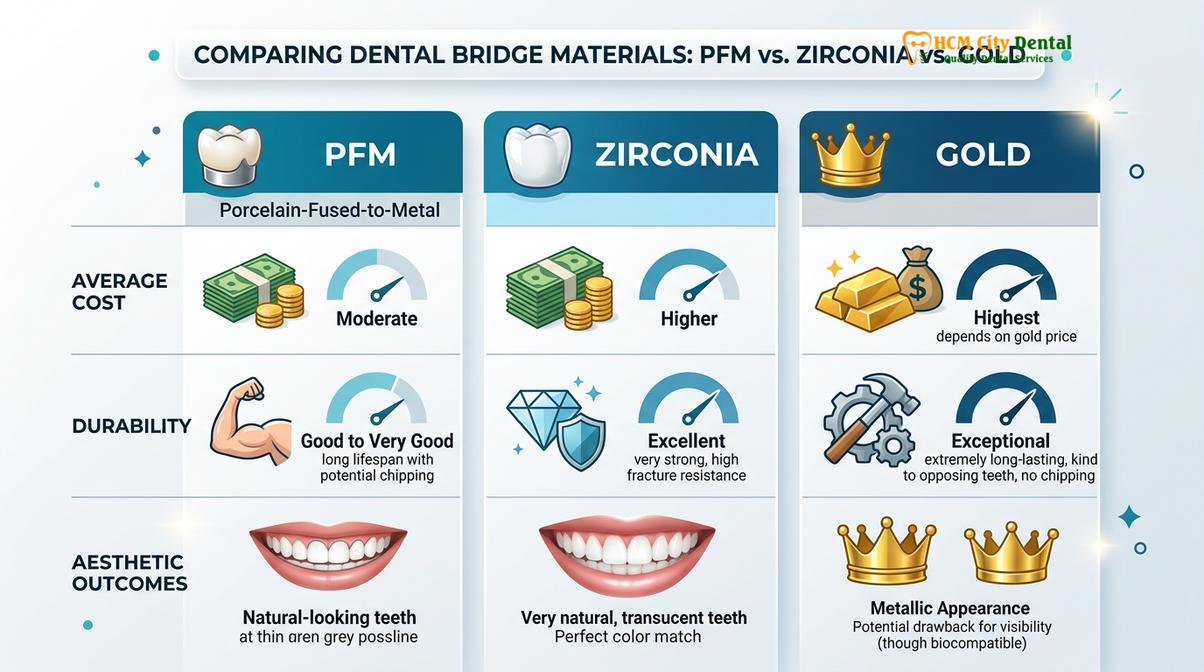
When evaluating a treatment plan, patients are often surprised by the wide range of price quotes. The cost of a dental bridge is not a flat fee; it is a composite of several variable factors. The most significant of these is the material used to fabricate the prosthesis. The pursuit of perfect aesthetic outcomes often leads patients to choose premium materials that mimic the light-reflecting properties of natural enamel.
Porcelain-fused-to-metal (PFM) bridges have been a reliable standard for decades. They offer a strong metal substructure covered by an aesthetic porcelain layer. However, over time, the metal margin can become visible at the gum line, creating a dark shadow. For patients seeking a highly aesthetic result, especially in the smile zone, all-ceramic or monolithic zirconia bridges are preferred. Zirconia is exceptionally strong and biocompatible, but it requires sophisticated CAD/CAM milling technology, which increases the laboratory costs[3].
Geographic location also plays a massive role in dental pricing. The overhead costs of running a clinic in major Western cities are substantially higher than in emerging medical tourism hubs. For example, patients traveling to Ho Chi Minh City can receive world-class restorative care at a fraction of the cost. At HCMC Dental Clinic, we utilize FDA-approved materials and digital scanning technologies comparable to top-tier clinics globally, but the favorable economic environment allows for much more accessible pricing.
“The longevity and aesthetic success of a dental bridge rely heavily on the precision of the marginal fit and the biocompatibility of the chosen material. Investing in high-quality zirconia not only provides a lifelike appearance but significantly reduces the risk of gingival inflammation and secondary decay.”
— Dr. Nguyen Van Cuong, Lead Prosthodontist
Additionally, the complexity of the preparation affects the cost. If the abutment teeth require extensive core build-ups, root canal therapy, or crown lengthening surgery before they can support a bridge, these preliminary procedures will add to the total treatment expense.
Navigating Insurance and Financing Options
Understanding your dental benefits is crucial, as many policies cover a percentage of restorative procedures like bridges, significantly reducing out-of-pocket expenses.
For many patients, the financial aspect of restorative dentistry is a major concern. Fortunately, evaluating full coverage dental plans can reveal substantial benefits. Most standard dental insurance policies classify a dental bridge as a major restorative procedure. Under typical plan structures, major procedures are covered at 50%, meaning the insurance company will pay half of the allowable fee, leaving the patient responsible for the remaining balance[5].
However, navigating insurance requires careful attention to the fine print. Even with comprehensive dental insurance, there is usually an annual maximum benefit—often ranging from $1,000 to $2,000. If your bridge costs $3,000 and your annual maximum is $1,500, your insurance will only pay up to that cap, regardless of the 50% coverage rule. Furthermore, utilizing discount dental insurance networks can provide pre-negotiated lower rates for services, even if they do not function like traditional insurance.
If you do not have insurance, or if your benefits are insufficient, there are still ways to manage the cost. Many practices offer flexible payment plans that allow you to break the total cost into manageable monthly installments. Third-party medical financing companies can also provide interest-free promotional periods. For those exploring affordable dental care options, discussing all available financial pathways with the clinic’s treatment coordinator is an essential first step.
Dental Bridges vs. Implants: Making the Right Choice
While bridges offer a faster and less invasive solution, dental implants provide superior bone stimulation and do not require the alteration of adjacent healthy teeth.
When faced with tooth loss, the most common dilemma patients face is choosing between a traditional fixed bridge and a dental implant. Both are excellent restorative options, but they serve different clinical needs and have distinct long-term implications.
A traditional bridge is often the faster route. The entire process can usually be completed in two to three weeks. It is also generally less expensive upfront and does not require surgery. However, the major drawback is the necessity to grind down healthy adjacent teeth to serve as abutments. This irreversible alteration increases the risk of future complications, such as nerve damage requiring root canal therapy. Furthermore, because a bridge sits above the gum line, it does not stimulate the underlying jawbone, leading to gradual bone loss over time.
Conversely, an implant replaces both the root and the crown of the missing tooth. A titanium post is surgically placed into the jawbone, where it integrates with the bone tissue. This process preserves bone volume and facial structure. Importantly, implants are standalone restorations; they do not rely on or damage neighboring teeth[4]. While the initial cost is higher and the treatment timeline is longer, implants boast a high success rate and can often provide long-lasting results with proper care.
Clinical Case Study: HCMC Dental Clinic
A 45-year-old patient visited our clinic in Ho Chi Minh City presenting with a missing lower first molar. The adjacent teeth were completely healthy with no prior restorations. Rather than compromising the pristine enamel of the neighboring teeth for a traditional bridge, the clinical team recommended a single dental implant. The patient underwent guided implant surgery, and after a period of healing, a custom zirconia crown was placed. The result was a structurally sound, highly aesthetic restoration that preserved the integrity of the entire dental arch.
The long-term success of either restoration depends heavily on maintenance. This highlights the importance of preventative care, demonstrating why regular visits to the hygienist are critical. Hygienists play a vital role in educating patients on how to use super floss and interdental brushes to clean beneath bridge pontics and around implant margins.
“When the adjacent teeth are healthy and untouched, I almost always advocate for a dental implant over a bridge. Preserving natural tooth structure is a fundamental principle of modern conservative dentistry. However, if the neighboring teeth already require full-coverage crowns, a bridge becomes a highly efficient and logical choice.”
— Dr. Nguyen Van Cuong
When to See a Doctor for Tooth Replacement
Timely intervention is critical when dealing with tooth loss or failing restorations to prevent further structural damage to your dental arch.
Ignoring a missing tooth or a failing dental restoration can lead to severe complications that are far more expensive and painful to treat down the line. According to guidelines from the Vietnam Odonto-Stomatology Association (VOSA), it is crucial to schedule a clinical evaluation if you experience any of the following symptoms[6]:
- Mobility in an existing bridge: If your current bridge feels loose or shifts when you chew, the underlying cement may have washed out, or the abutment teeth may be compromised by decay.
- Pain or sensitivity: Sharp pain when biting down or lingering sensitivity to hot and cold temperatures can indicate nerve inflammation or infection beneath the abutment crowns.
- Gum inflammation or bleeding: Persistent redness, swelling, or bleeding around the margins of a bridge often points to periodontal disease or trapped food debris that requires professional intervention.
- Visible damage: Any chips, cracks, or fractures in the porcelain or zirconia material should be evaluated immediately to prevent the bridge from failing completely.
If you notice any of these warning signs, scheduling an appointment for an X-ray and clinical exam is the best way to protect your oral health. Regular check-ups and regular professional cleanings are essential for maintaining the longevity of any dental prosthesis.
Expert Prosthodontic Care with Dr. Nguyen Van Cuong
Dr. Nguyen Van Cuong is a leading prosthodontist dedicated to restoring complex dental arches with precision and care. At HCMC Dental Clinic, Dr. Cuong oversees all fixed prosthetic treatments, ensuring that every dental bridge meets the highest international standards for fit, function, and aesthetics. His commitment to patient education helps individuals make informed decisions about their long-term oral health, whether they are considering a traditional bridge, dental implants, or cosmetic enhancements like Porcelain Veneers.
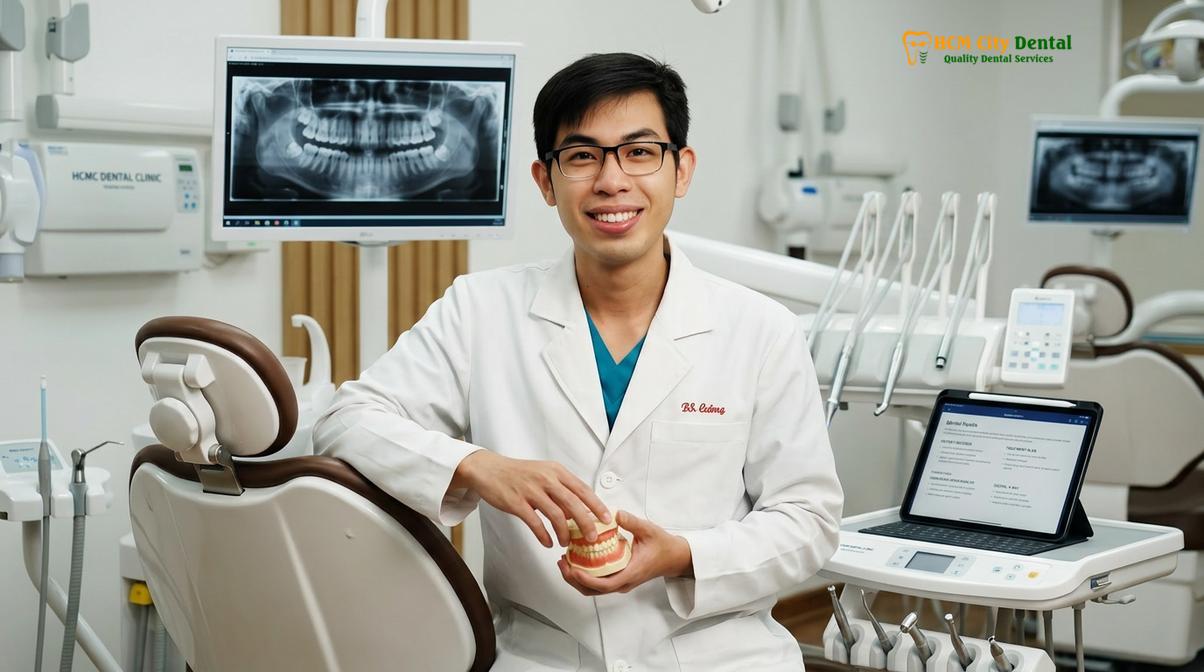
Choosing the right provider is just as important as choosing the right material. We encourage prospective patients to review patient feedback and reviews to understand the level of care and clinical excellence we strive for. If you are considering a dental bridge or need to replace an old restoration, contact HCMC Dental Clinic in Ho Chi Minh City today to schedule your comprehensive consultation.
References
- Journal of Prosthetic Dentistry. Clinical outcomes and survival rates of fixed partial dentures. (2021).
- International Journal of Prosthodontics. Biomechanical considerations in cantilever and Maryland bridges. (2020).
- Journal of the American Dental Association. Zirconia vs. porcelain-fused-to-metal restorations: A comparative analysis. (2022).
- Clinical Oral Implants Research. Implant-supported bridges versus conventional fixed prostheses: Long-term follow-up. (2019).
- British Dental Journal. The impact of dental insurance on restorative treatment choices and patient outcomes. (2018).
- Vietnam Odonto-Stomatology Association (VOSA). Clinical guidelines on fixed prosthodontics, restorative materials, and patient evaluation protocols. (2022).