Yes, cola does stain your teeth. The dark chromogens in the beverage bind to the tooth surface, while its high phosphoric acid content weakens the enamel. This combination makes your teeth highly porous, allowing pigments to penetrate deeply and causing both surface discoloration and underlying enamel erosion.
Clinical Summary:
The consumption of cola presents a dual threat to dental aesthetics and structural integrity. The mechanism of discoloration is not merely superficial; it involves a complex biochemical interaction where phosphoric and citric acids lower the oral pH, leading to the demineralization of hydroxyapatite crystals. This acid erosion increases enamel porosity, creating microscopic retention sites. Subsequently, the dark caramel chromogens present in cola infiltrate these pores, resulting in stubborn extrinsic and intrinsic staining. Furthermore, chronic exposure thins the translucent enamel layer, exposing the naturally yellow dentin beneath. Clinical management requires a phased approach, beginning with remineralization protocols and professional prophylaxis, followed by chemical whitening or restorative interventions for severe cases. Preventive strategies focus on minimizing acid contact time and optimizing salivary buffering capacity.
Key Takeaways:
- Cola contains phosphoric acid that rapidly demineralizes and softens tooth enamel.
- Dark chromogens (caramel coloring) easily penetrate the microscopic pores of acid-weakened teeth.
- Brushing immediately after drinking cola can permanently strip away softened enamel.
- Professional dental cleaning and chemical whitening effectively treat extrinsic cola stains.
- Using a straw minimizes direct liquid contact with the anterior teeth, reducing stain risk.
The Clinical Mechanism: How Cola Stains Your Teeth
Cola causes tooth discoloration through a two-step process: acidic demineralization that increases enamel porosity, followed by the deposition of dark chromogens into these microscopic pores.
To fully understand the impact of carbonated dark beverages on oral health, it is essential to examine the biochemical interaction between the liquid and the tooth structure. The human tooth is covered by enamel, the hardest substance in the human body, composed primarily of densely packed hydroxyapatite crystals. Despite its strength, enamel is highly susceptible to chemical dissolution when exposed to acidic environments. The critical pH threshold for enamel demineralization is approximately 5.5. Most commercial colas have a pH ranging from 2.5 to 3.0, making them highly erosive [1].
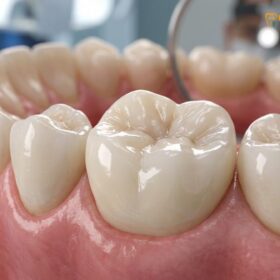
When you consume cola, the phosphoric and citric acids immediately begin to dissolve the calcium and phosphate minerals from the enamel matrix. This process, known as demineralization, compromises the smooth, glass-like surface of the tooth, rendering it microscopically rough and porous. It is within this compromised state that the secondary mechanism of staining occurs.
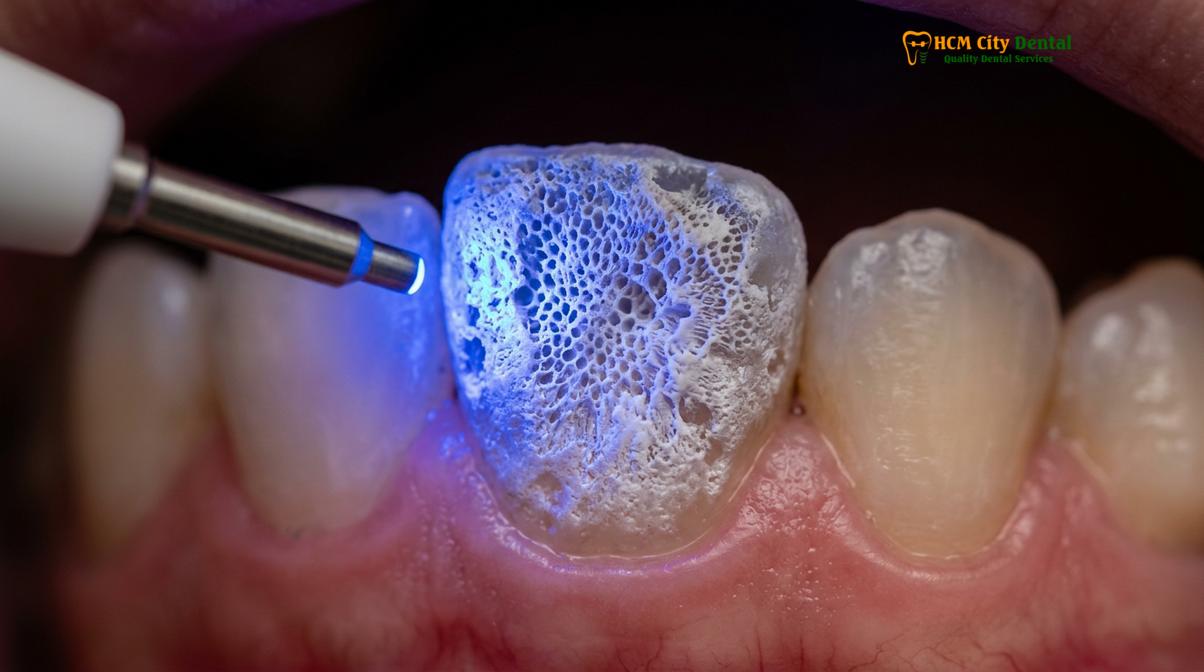
Cola derives its signature dark color from chromogens—intensely pigmented molecules, often in the form of caramel coloring. In a healthy oral environment with intact enamel, these chromogens might simply wash away with saliva. However, when the enamel is softened and porous from the acid attack, the chromogens become trapped within the micro-pores. Over time, these pigments accumulate and polymerize, transforming from easily removable surface debris into stubborn extrinsic stains that cannot be brushed away with standard home care.
Dr. Nguyen Van Cuong, a leading specialist in restorative dentistry, frequently observes this phenomenon in clinical practice. He notes that patients who consume cola daily often present with a distinct pattern of discoloration, primarily affecting the cervical third of the teeth (near the gumline) and the interproximal spaces (between the teeth) where the acidic liquid tends to pool and linger.
Cola vs. Coffee and Tea: A Comparative Analysis
While cola, coffee, and tea all cause extrinsic staining, cola uniquely combines high acidity with carbonation, whereas coffee and tea rely heavily on tannins to bind pigments to the enamel.
Patients frequently ask how the staining potential of cola compares to other popular morning beverages like coffee and black tea. While all three are notorious for dulling a bright smile, the chemical pathways through which they cause discoloration differ significantly. Understanding these differences is crucial for developing an effective General Dentistry prevention plan.
Coffee contains dark chromogens and is mildly acidic (pH around 5.0). However, its primary staining mechanism is driven by tannins—plant-based polyphenols that act as a binding agent, helping the dark pigments adhere tightly to the tooth pellicle (the protein film covering the enamel). Black tea actually contains a higher concentration of tannins than coffee, which is why many dental professionals consider tea to be a more aggressive staining agent than coffee, despite its lighter appearance in the cup [2].
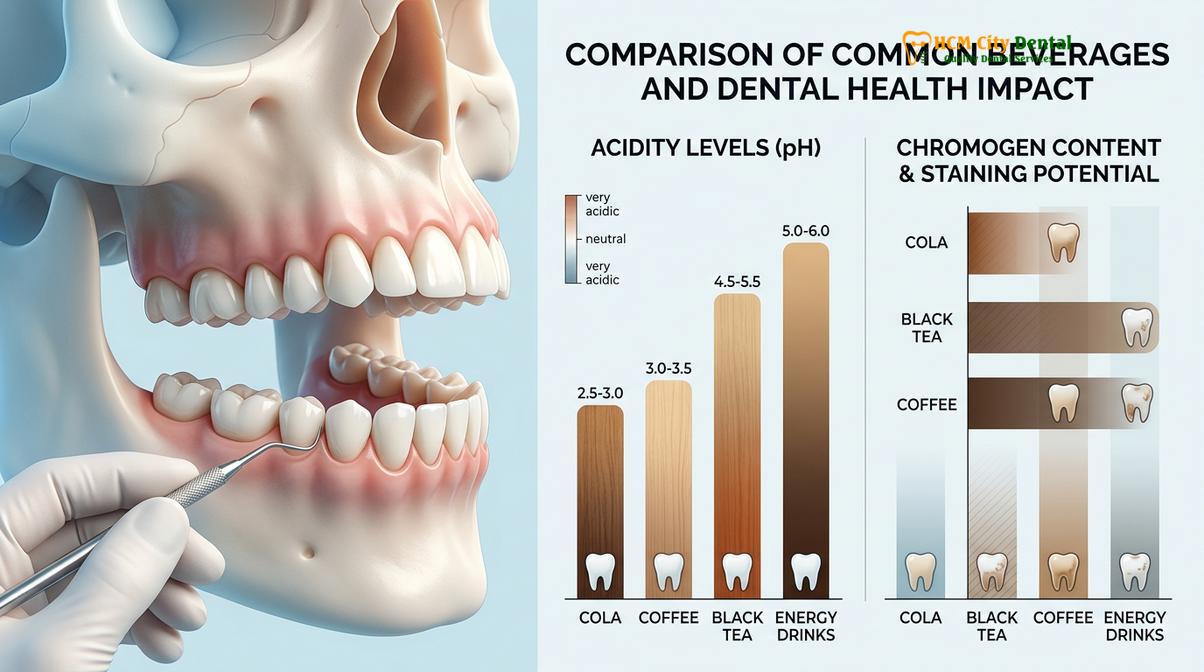
Cola, on the other hand, lacks the high tannin content of tea but compensates with extreme acidity and carbonation. The carbonation process creates carbonic acid, which, combined with phosphoric acid, results in a much lower pH than coffee or tea. Therefore, while coffee and tea primarily cause surface-level (extrinsic) staining via tannin binding, cola causes structural micro-damage (erosion) that allows chromogens to penetrate deeper into the tooth structure.
| Beverage Type | Average pH Level | Primary Staining Agent | Enamel Erosion Risk | Stain Characteristics |
|---|---|---|---|---|
| Regular Cola | 2.5 – 3.0 | Chromogens (Caramel) | Very High (Phosphoric Acid) | Deep, diffuse yellow/brown |
| Black Coffee | 5.0 – 5.5 | Chromogens + Tannins | Low to Moderate | Surface-level dark brown |
| Black Tea | 4.9 – 5.5 | High Tannins + Theaflavins | Low to Moderate | Tenacious yellow/orange |
| Energy Drinks | 3.0 – 3.5 | Artificial Dyes | High (Citric Acid) | Variable, often erosion-led |
This distinction is vital when planning treatment. Tannin-based stains from tea often respond rapidly to professional polishing, whereas the erosion-coupled stains from cola may require a combination of remineralization therapy and chemical bleaching to fully resolve.
The Role of Enamel Erosion in Tooth Discoloration
Beyond surface stains, the acidic nature of cola strips away the white enamel layer, exposing the naturally yellow dentin underneath and creating an illusion of severe staining.
When discussing tooth discoloration, clinical dentistry categorizes stains into two primary types: extrinsic and intrinsic. Extrinsic stains occur on the outer surface of the enamel, while intrinsic stains are located within the inner structure of the tooth. Cola consumption uniquely contributes to both, but its most insidious effect is related to structural enamel loss.
Healthy enamel is naturally semi-translucent and possesses a whitish hue. Beneath the enamel lies the dentin, a living tissue that is naturally yellow and opaque. As the highly acidic cola continuously washes over the teeth, it causes irreversible enamel erosion. As the enamel layer becomes thinner, it loses its optical ability to mask the underlying dentin. Consequently, the yellow color of the dentin shines through more prominently [3].
“The optical perception of tooth color is heavily dependent on enamel thickness. Acidic erosion from carbonated beverages thins the enamel prism structure, leading to a pronounced yellowing effect that patients often mistake for surface staining, when in reality, it is the structural exposure of dentin.”
This phenomenon explains why some patients who consume large amounts of diet cola—which contains no dark caramel coloring but retains the high acidity—still experience significant tooth yellowing. The discoloration in these cases is not a stain that can be polished away; it is a structural change. Attempting to treat this specific type of yellowing with abrasive over-the-counter whitening toothpastes will only exacerbate the problem by further abrading the already thinned enamel.
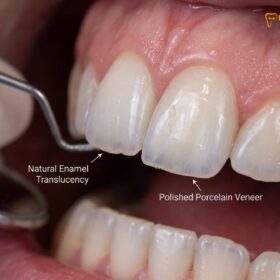
In cases where severe erosion has occurred, patients may also notice that the incisal edges (the biting edges) of their front teeth become translucent or appear to have a bluish-gray tint. This is a clear clinical indicator of advanced enamel loss and requires professional evaluation to prevent structural failure or the need for replacing extracted teeth if decay reaches the pulp.
Clinical Workflows for Treating Cola-Stained Teeth
Dentists treat cola stains using a progressive approach, starting with professional prophylaxis for surface stains, advancing to chemical whitening, and utilizing restorative veneers for severe erosion.
Addressing cola-induced discoloration requires a comprehensive diagnostic approach. When a patient presents with stained teeth, the first step is a thorough clinical examination to differentiate between extrinsic chromogen buildup and intrinsic dentin exposure due to erosion. Based on these findings, a customized treatment protocol is established.
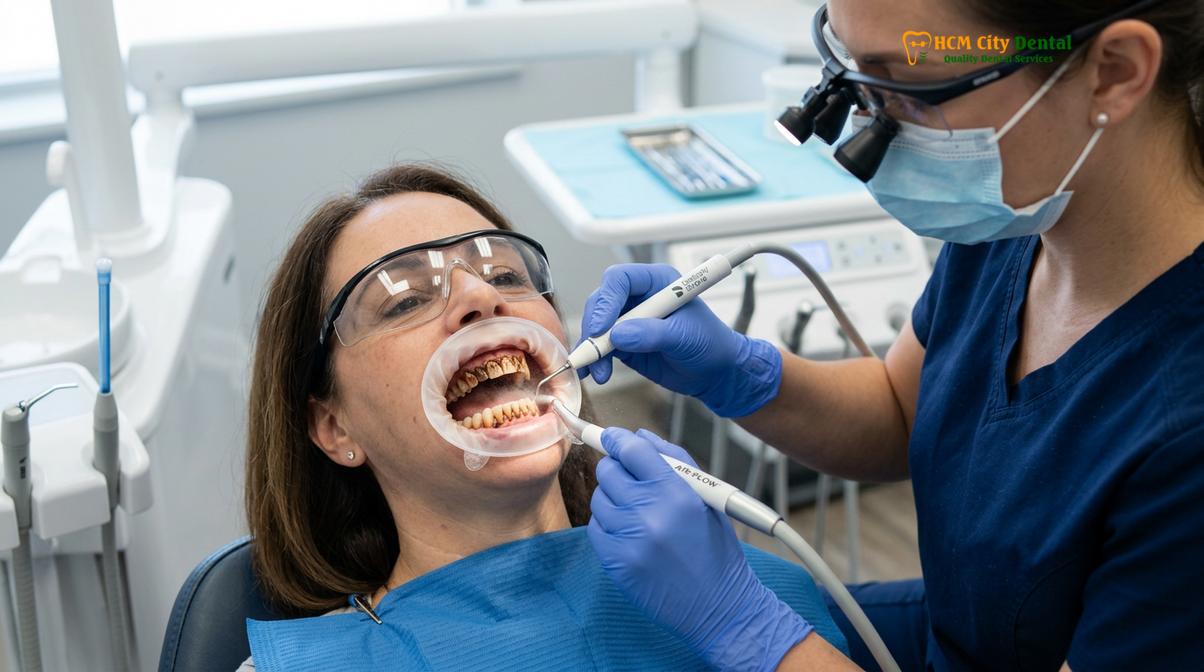
Phase 1: Professional Prophylaxis and Air Polishing
For patients whose staining is primarily extrinsic—meaning the caramel chromogens are trapped in the superficial pellicle layer—a standard dental cleaning may be sufficient. Modern dental clinics utilize ultrasonic scalers to remove calcified deposits, followed by air-flow therapy. Air polishing uses a pressurized stream of water, air, and fine powder (such as glycine or erythritol) to gently blast away stubborn stains from the micro-pores of the enamel without causing further abrasion [4].
Phase 2: Chemical Teeth Whitening
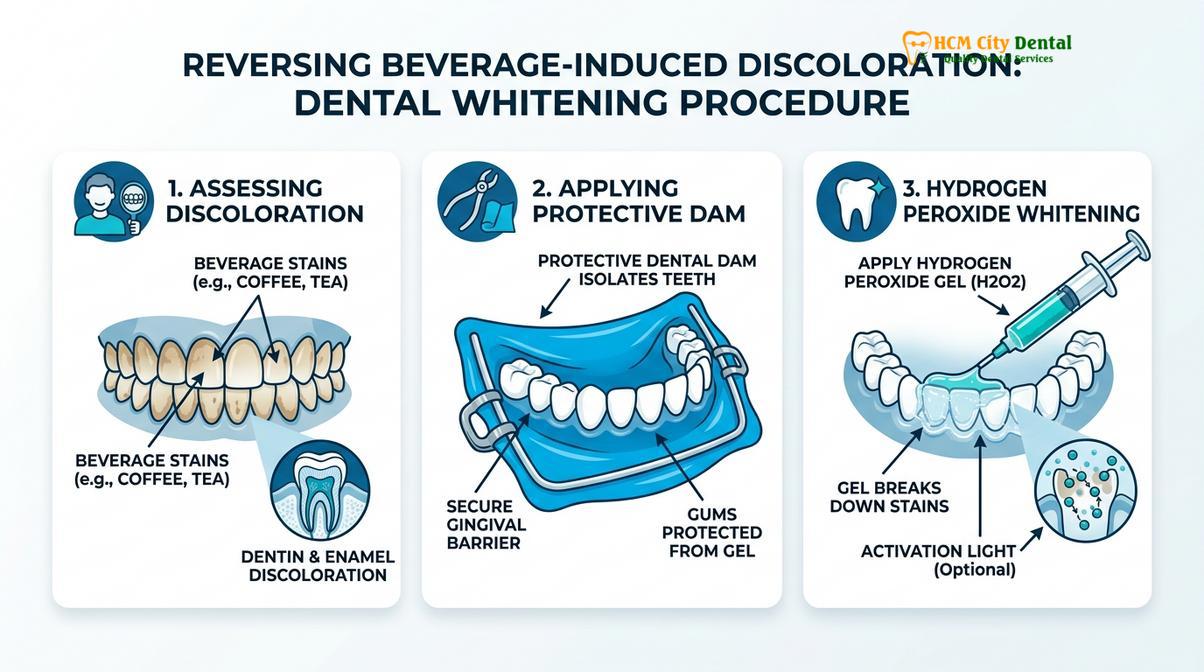
If the chromogens have penetrated deeper into the enamel matrix, professional teeth whitening is indicated. In-office whitening procedures utilize high-concentration hydrogen peroxide or carbamide peroxide gels (typically 25% to 40%). When applied to the teeth and sometimes activated by a specialized LED light, the peroxide breaks down into oxygen radicals. These radicals penetrate the porous enamel and oxidize the complex, dark-colored chromogen molecules, breaking their chemical bonds and rendering them colorless.
It is important to note that before initiating chemical whitening, the dentist must ensure the patient’s enamel is sufficiently thick and healthy. Applying high-concentration peroxide to severely eroded teeth can cause extreme hypersensitivity and pulpal inflammation.
Clinical Case Study: Reversing Beverage Stains
A 28-year-old patient visited HCMC Dental Clinic in Ho Chi Minh City complaining of persistent yellow-brown discoloration on their anterior teeth, unresponsive to at-home whitening strips. A clinical review revealed a history of consuming 2-3 cans of cola daily. Diagnostics showed moderate extrinsic staining combined with early-stage enamel demineralization. The treatment plan involved a two-step approach: an initial air-flow prophylaxis to remove surface chromogens, followed by a remineralization protocol using prescription-strength fluoride for two weeks. Once the enamel was fortified, a single session of in-office laser whitening successfully restored the teeth to a natural, bright shade without inducing sensitivity.
Phase 3: Biomimetic Restorations and Veneers
In advanced cases where chronic cola consumption has led to severe acid erosion, thinning of the enamel, and significant dentin exposure, bleaching will not yield satisfactory results. In fact, the teeth may appear even more translucent and gray. For these patients, restorative dentistry is required to rebuild the lost tooth structure and restore aesthetics [5].
Options include composite resin bonding, which can mask discoloration and replace lost enamel conservatively. For more durable and highly aesthetic results, porcelain veneers are often recommended. Veneers are ultra-thin ceramic shells bonded to the front surface of the teeth, providing a permanent solution to both structural erosion and deep intrinsic staining. Patients considering these comprehensive treatments can review the transparent general dentistry price list to understand the investment required for restorative care.
Preventive Strategies to Protect Your Smile
You can mitigate cola staining by drinking through a straw, rinsing with water immediately afterward, and waiting at least thirty minutes before brushing to protect softened enamel.
While the most effective way to prevent cola stains is to eliminate carbonated soft drinks from your diet, many patients seek realistic harm-reduction strategies. Implementing specific behavioral modifications can significantly reduce the erosive and staining potential of these beverages.
1. Utilize a Straw: When you drink directly from a can or glass, the liquid washes over the facial (front) surfaces of your anterior teeth. By using a straw and positioning it toward the back of your mouth, you bypass the most visible teeth, minimizing their exposure to both acids and chromogens.
2. Rinse with Water Immediately: After consuming cola, vigorously swish plain water around your mouth. This simple action serves two critical purposes: it flushes away residual dark pigments before they can settle into the enamel pores, and it helps dilute the acidic environment, allowing your saliva to buffer the oral pH back to a neutral state more quickly.
3. Stimulate Salivary Flow: Saliva is the body’s natural defense mechanism against acid erosion. It contains calcium and phosphate ions that help remineralize softened enamel. Chewing sugar-free gum containing Xylitol after drinking cola can stimulate salivary flow, accelerating the neutralization of acids and the repair of micro-damage.
Clinical Warning: Do Not Brush Immediately
It is a common misconception that brushing your teeth immediately after drinking cola will prevent stains. In reality, the phosphoric acid in cola temporarily softens the enamel. Brushing while the enamel is in this weakened state acts as an abrasive force, permanently scrubbing away microscopic layers of tooth structure. You must wait at least 30 to 60 minutes after consuming acidic beverages before brushing to allow your saliva time to remineralize and harden the enamel.
4. Incorporate Remineralizing Agents: Patients who frequently consume acidic beverages should use oral care products designed to fortify enamel. Toothpastes containing Stannous Fluoride or NovaMin (calcium sodium phosphosilicate) are highly effective at occluding exposed dentinal tubules and promoting the remineralization of acid-etched enamel.
“Prevention in modern dentistry is not just about avoiding sugar; it is about managing the oral pH. By understanding the timing of acid attacks and utilizing remineralizing protocols, patients can enjoy their lifestyle choices while preserving their dental integrity.”
For patients who struggle with maintaining these habits, enrolling in an annual dental maintenance plan ensures that any early signs of erosion or staining are caught and treated promptly before they require invasive restorative work.
When to See a Doctor
While minor surface staining can often be managed with improved oral hygiene and routine cleanings, certain symptoms indicate that cola consumption has caused structural damage requiring professional medical intervention. You should schedule a clinical evaluation if you experience any of the following:
- Thermal Hypersensitivity: A sharp, lingering pain when consuming hot, cold, or sweet foods indicates that the protective enamel layer has eroded, exposing the sensitive nerve endings within the dentin.
- Translucent or Jagged Edges: If the biting edges of your front teeth appear clear, bluish, or are beginning to chip easily, this is a sign of advanced acid erosion.
- Persistent Yellowing: Discoloration that does not improve with professional cleanings or over-the-counter whitening products suggests intrinsic staining or significant dentin exposure.
- Cupping or Denting: The formation of small, smooth depressions on the chewing surfaces of your molars is a classic clinical sign of severe chemical erosion.
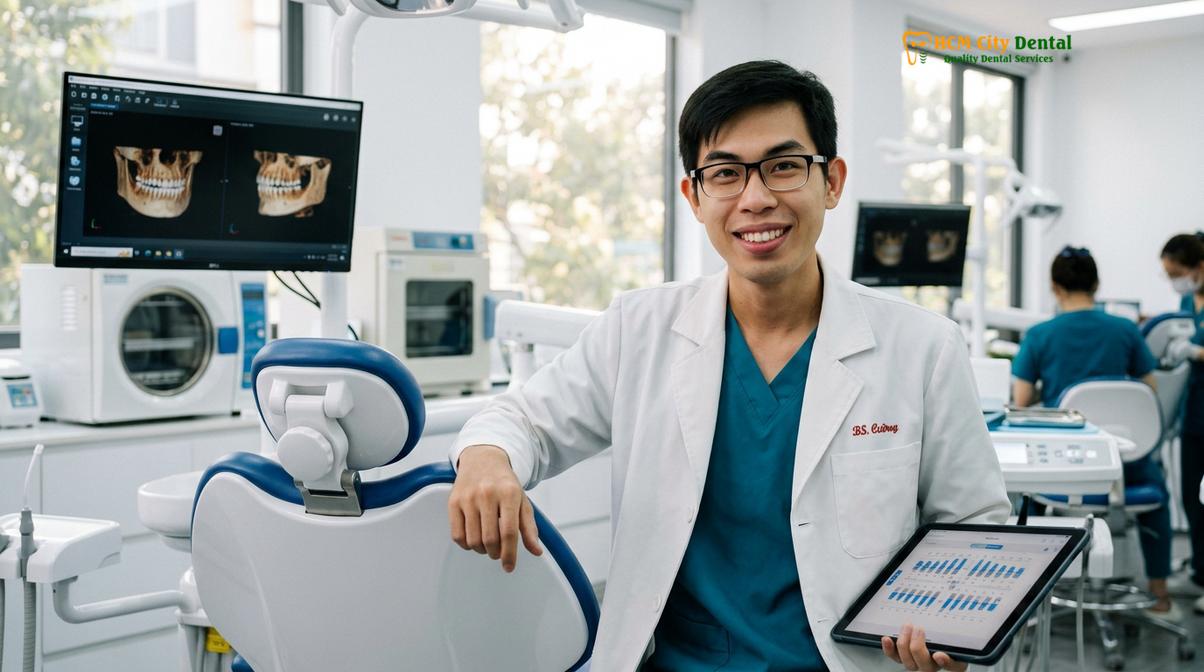
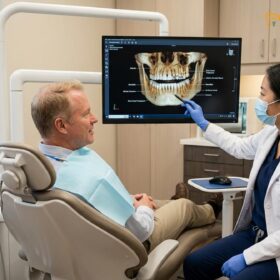
If you notice these signs, it is crucial to seek professional advice rather than attempting aggressive at-home whitening, which can worsen the damage. Dr. Nguyen Van Cuong and the clinical team at HCMC Dental Clinic in Ho Chi Minh City utilize advanced diagnostic tools, including transillumination and digital scanning, to assess the exact thickness of your remaining enamel. Based on clinical diagnostics, they can recommend a personalized treatment plan ranging from prescription fluoride therapies to biomimetic restorations.
If you are experiencing dental anxiety regarding your symptoms, learning about what to expect during a first dental visit can help you feel more comfortable seeking the care you need. Early intervention is the key to preserving your natural teeth and avoiding complex procedures like safe outpatient oral surgery in the future. For patients who have recently undergone procedures, adhering to post extraction care is equally vital to ensure proper healing in an optimal oral environment.
To restore the health and aesthetics of your smile, contact HCMC Dental Clinic today to schedule a comprehensive evaluation and discuss your personalized restorative options.
Frequently Asked Questions
Does diet cola stain teeth as much as regular cola?
Yes, diet cola can stain your teeth just as much as regular cola. While it lacks sugar, it still contains highly acidic phosphoric acid and dark chromogens that erode enamel and cause discoloration. The absence of sugar only reduces the risk of bacterial cavities, not the risk of acid erosion or chemical staining. The low pH environment created by diet cola softens the tooth surface, allowing the caramel coloring to penetrate the micro-pores of the enamel just as effectively as its sugary counterpart.
How can I remove cola stains from my teeth at home?
You can reduce mild surface stains by brushing with a soft-bristled toothbrush and a mildly abrasive, ADA-approved whitening toothpaste. However, deep intrinsic stains require professional dental whitening for safe and effective removal. At-home remedies like baking soda or lemon juice should be avoided, as their high abrasivity or extreme acidity can cause irreversible damage to enamel that has already been weakened by cola consumption. Always consult a dental professional before starting any intensive at-home whitening regimen.
Is it better to sip cola slowly or drink it quickly?
It is better to drink cola quickly rather than sipping it slowly over a long period. Sipping prolongs the acid exposure in your mouth, preventing your saliva from neutralizing the pH and increasing erosion risk. Every time you take a sip of an acidic beverage, your oral environment drops below the critical pH of 5.5, initiating a demineralization attack that lasts for roughly 20 to 30 minutes. Consuming the beverage quickly condenses this acid attack into a single event, allowing your saliva to recover and remineralize the teeth more efficiently.
Can drinking water after cola prevent stains?
Yes, vigorously swishing and drinking plain water immediately after consuming cola helps wash away dark pigments and neutralizes the acidic environment, significantly reducing the risk of enamel erosion and subsequent staining. Water acts as an artificial buffer, diluting the phosphoric and citric acids left behind on the tooth surfaces. This simple habit is one of the most effective harm-reduction strategies for patients who regularly consume carbonated or chromogenic beverages.
Are cola stains on teeth permanent?
Cola stains are not always permanent. Extrinsic surface stains can be removed with professional dental cleanings, while deeper stains may require chemical whitening or restorative treatments like veneers if severe enamel erosion has occurred. The prognosis depends entirely on whether the discoloration is caused by superficial pigment accumulation or structural enamel loss. A clinical examination by a qualified dentist is necessary to determine the exact nature of the stain and the appropriate restorative protocol.
References
- Journal of the American Dental Association. The erosive potential of carbonated beverages on human enamel. (2019).
- Clinical Oral Investigations. Effects of chromogenic beverages on the color stability of dental enamel. (2020).
- Journal of Dentistry. In vitro evaluation of enamel demineralization by acidic soft drinks. (2018).
- International Journal of Dental Hygiene. Efficacy of professional prophylaxis and air polishing on extrinsic stains. (2021).
- Operative Dentistry. Biomimetic restorative protocols for acid-eroded anterior dentition. (2022).