A personalized dental plan is a structured clinical and financial roadmap designed to maintain optimal oral health. It combines routine preventative care, targeted restorative treatments, and predictable cost management, ensuring patients receive consistent, evidence-based dentistry tailored to their unique anatomical needs and long-term wellness goals.
Clinical Summary:
In modern clinical practice, the concept of “my dental plan” extends far beyond simple insurance coverage or basic clinic memberships; it represents a comprehensive, individualized blueprint for lifelong oral health. A meticulously designed dental plan integrates advanced diagnostic imaging, risk assessment protocols, and a phased approach to treatment. By categorizing clinical interventions into acute care, disease control, restorative rehabilitation, and long-term preventative maintenance, dental professionals can systematically address both immediate pathologies and future risks. This proactive model shifts the paradigm from reactive, symptom-driven treatments to predictable, preventative care. Furthermore, structured dental plans facilitate transparent cost management, allowing patients to navigate complex restorative needs—such as implantology or full-mouth rehabilitation—with clinical confidence and financial clarity, whether seeking care locally or exploring international dental tourism options.
Key Takeaways:
- A comprehensive dental plan is divided into distinct clinical phases: diagnostics, disease control, restoration, and maintenance.
- Proactive risk assessments (such as CAMBRA) are utilized to tailor preventative strategies to individual patient vulnerabilities.
- Structured maintenance plans significantly reduce the incidence of advanced periodontal disease and complex restorative failures.
- Digital dentistry, including CBCT and intraoral scanning, enhances the predictability and precision of personalized treatment planning.
- Transparent, tiered dental plans allow patients to manage routine care costs effectively while planning for future restorative needs.
The Clinical Foundation of a Comprehensive Dental Plan
A robust dental plan begins with a thorough clinical assessment, utilizing advanced diagnostics to categorize patient needs into preventative, restorative, and maintenance phases for long-term oral stability.
The formulation of an effective dental plan is rooted in comprehensive diagnostics and evidence-based risk assessment. When a patient asks, “How do I structure my dental plan?”, the clinical response always begins with establishing a baseline of current oral health. This baseline is not merely a visual inspection for cavities; it is a multi-disciplinary evaluation encompassing the periodontium, the hard dental tissues, the occlusal dynamics, and the temporomandibular joint (TMJ) complex. By gathering precise clinical data, dental professionals can construct a roadmap that addresses immediate pathologies while mitigating future risks [1].
The diagnostic phase typically involves a combination of digital radiography, intraoral photography, and clinical probing. Full-mouth series (FMS) or panoramic radiographs provide a two-dimensional overview of bone levels and interproximal decay, while Cone Beam Computed Tomography (CBCT) offers three-dimensional insights crucial for complex endodontic or implant planning. Alongside imaging, periodontal charting is performed to measure pocket depths, clinical attachment loss, and bleeding on probing (BOP). These metrics are vital for determining the frequency and intensity of the preventative maintenance phase within the patient’s overall dental plan.
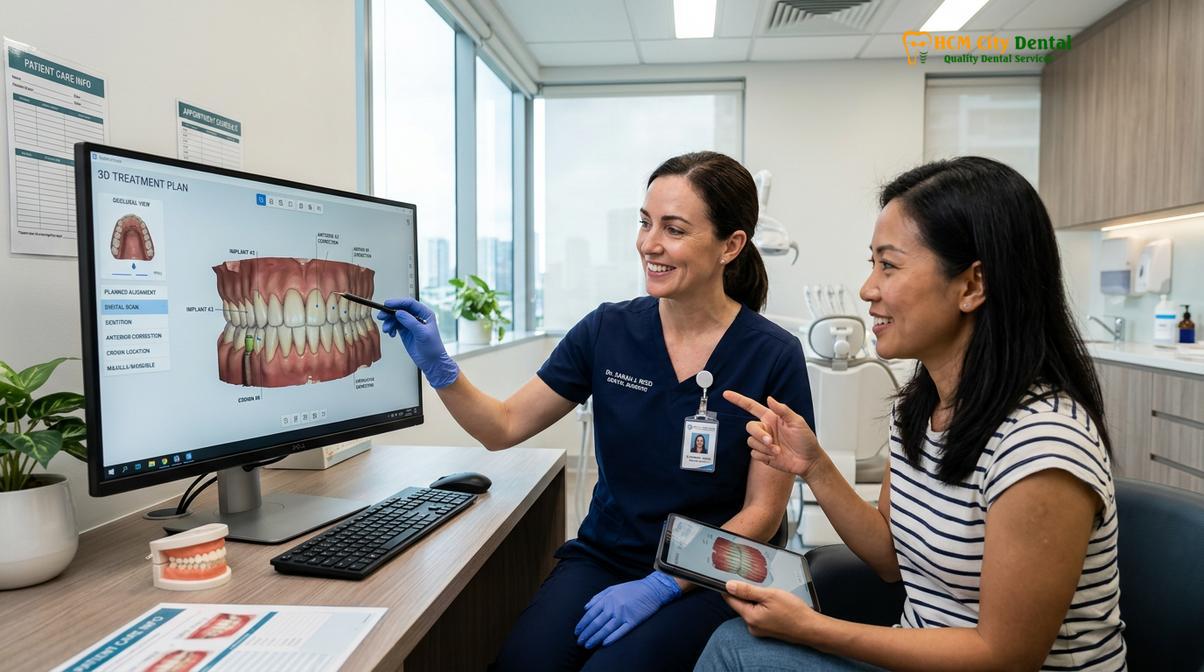
Furthermore, modern treatment planning incorporates Caries Management by Risk Assessment (CAMBRA). This protocol evaluates a patient’s specific risk factors—such as salivary flow rates, dietary habits, and bacterial load—to determine their susceptibility to future decay. Based on this assessment, the preventative aspect of the dental plan is customized. For a high-risk patient, the plan may include prescription-strength fluoride dentifrices, more frequent application of fluoride varnishes, and shorter recall intervals. This shift from a “one-size-fits-all” approach to a highly individualized clinical strategy is the hallmark of contemporary General Dentistry.
Phasing the Treatment: From Disease Control to Restoration
Clinical treatment plans are systematically phased to prioritize pain relief and disease control before advancing to complex restorative and aesthetic rehabilitations.
A well-structured dental plan is rarely executed in a single visit. Instead, it is carefully sequenced into logical clinical phases. This phasing ensures that foundational issues, such as active infection or severe inflammation, are resolved before definitive restorations are placed. The sequencing of a comprehensive dental plan generally follows four distinct phases: the Systemic/Acute Phase, the Disease Control Phase, the Restorative Phase, and the Maintenance Phase.
Phase 1: Systemic and Acute Care
The initial phase addresses any immediate chief complaints, particularly those involving pain, swelling, or acute infection. Procedures in this phase may include emergency endodontic therapy (pulpectomy), incision and drainage of abscesses, or the extraction of non-restorable teeth. For patients requiring urgent intervention, accessing an emergency dental care provider is the critical first step in stabilizing their oral condition before a broader, long-term plan can be established.
Phase 2: Disease Control
Once acute symptoms are managed, the focus shifts to eradicating active disease processes. This phase is critical for establishing a healthy oral environment. Interventions typically include scaling and root planing (deep cleaning) to arrest periodontal disease, and the excavation of active carious lesions. During this stage, teeth are often restored with provisional or definitive direct restorations. Many modern clinics prioritize biocompatibility during this phase, utilizing BPA-free composite fillings to ensure that the materials integrated into the patient’s body are safe and aesthetically pleasing.
Phase 3: Restorative and Prosthetic Rehabilitation
With a healthy, disease-free foundation established, the dental plan progresses to the restorative phase. This involves the rehabilitation of oral function and aesthetics through indirect restorations such as crowns, bridges, veneers, and dental implants. The biomechanics of the stomatognathic system are carefully considered here. For instance, replacing missing teeth is not merely an aesthetic concern; it prevents the supra-eruption of opposing teeth and the drifting of adjacent teeth, which can lead to occlusal trauma and further tooth loss. The restorative phase requires meticulous planning, often utilizing digital smile design and articulated study models to ensure predictable outcomes.
“A successful dental plan is built on a foundation of biological health. Attempting complex restorative work without first controlling periodontal inflammation and active caries is akin to building a house on a compromised foundation; long-term failure is almost inevitable.”
Structuring Preventative Care and Maintenance Memberships
Preventative dental plans utilize a tiered approach to routine care, scheduling regular prophylaxis and examinations to intercept disease before invasive interventions become necessary.
The final, and arguably most important, phase of any clinical roadmap is the Maintenance Phase. Often referred to as Supportive Periodontal Therapy (SPT) or routine recall, this phase is designed to sustain the results achieved during active treatment and prevent the recurrence of disease [2]. Many modern practices structure this phase into tiered membership plans, allowing patients to budget for their preventative care predictably.
A structured maintenance plan typically includes regular professional prophylaxis (cleanings), periodic radiographic updates, oral cancer screenings, and fluoride treatments. The frequency of these visits is dictated by the patient’s clinical risk profile. While a healthy individual may only require biannual visits, a patient with a history of periodontitis may require maintenance every three to four months to disrupt pathogenic biofilm formation before it can cause further attachment loss.

To illustrate how clinics structure these preventative roadmaps, below is an example of how tiered dental maintenance plans are clinically categorized:
| Plan Tier | Clinical Target Audience | Included Preventative Services (Annual) | Clinical Rationale |
|---|---|---|---|
| Basic Preventative | Patients with healthy periodontium and low caries risk. | 2x Prophylaxis, 2x Exams, 1x Bitewing Radiographs. | Maintains baseline health; intercepts minor demineralization early. |
| Comprehensive Care | Patients with moderate caries risk or mild gingivitis. | 2x Prophylaxis, 2x Exams, 1x Panoramic X-ray, 2x Fluoride Varnish. | Provides additional remineralization support and broader diagnostic imaging. |
| Periodontal Maintenance | Patients with a history of treated periodontitis. | 3-4x Periodontal Maintenance, 2x Exams, Targeted Radiographs. | Disrupts subgingival biofilm frequently to prevent the reactivation of periodontal pockets. |
By enrolling in a structured preventative plan, patients shift their approach from reactive emergency care to proactive health management. This not only improves clinical outcomes but also significantly reduces the lifetime cost of dental care by minimizing the need for complex restorative interventions.
Integrating Advanced Technology into Your Dental Plan
Advanced treatment planning relies on digital workflows, utilizing CBCT imaging and intraoral scanning to sequence complex restorative procedures with high clinical predictability.
The execution of a modern dental plan is heavily reliant on technological advancements that enhance diagnostic accuracy and treatment precision. Digital dentistry has revolutionized how clinicians plan and communicate treatment sequences. Intraoral scanners have largely replaced traditional elastomeric impression materials, providing highly accurate 3D models of the patient’s dentition in real-time. These digital models can be integrated with CBCT data to create a comprehensive virtual patient, allowing for the precise planning of implant placements and orthognathic surgeries [3].
Furthermore, technology plays a crucial role in minimizing surgical trauma during the execution of the treatment plan. For example, when a plan calls for the removal of impacted third molars, the use of piezoelectric surgery offers a minimally invasive alternative to traditional rotary instruments. An ultrasonic wisdom tooth extraction utilizes high-frequency vibrations to selectively cut bone while preserving adjacent soft tissues, nerves, and blood vessels. This results in reduced postoperative swelling, less pain, and a faster recovery, allowing the patient to progress to the next phase of their dental plan more comfortably.
At clinics dedicated to advanced care, such as HCMC Dental Clinic, the integration of these digital workflows ensures that every step of the patient’s plan is executed with meticulous precision. From the initial digital smile design to the final milling of a ceramic crown via CAD/CAM technology, the entire process is streamlined, predictable, and highly efficient.
Navigating Global Dental Costs and Treatment Accessibility
Structured dental plans provide transparent cost management, allowing patients to compare local treatment fees with international alternatives while maintaining high clinical standards.
One of the primary reasons patients seek to formalize their dental care into a structured plan is financial predictability. Dental treatments, particularly extensive restorative work involving implants or full-arch prosthetics, require significant investment. A comprehensive plan provides a clear breakdown of estimated costs, allowing patients to budget effectively and explore various avenues for care [4].
In regions with high healthcare costs, patients often find that executing a complex dental plan locally is financially prohibitive. This has led to a significant rise in dental tourism, where patients travel abroad to receive high-quality care at a fraction of the domestic price. For instance, a patient consulting a dentist tokyo or a perth dental clinic might be presented with a treatment plan for multiple implants that exceeds their budget. By seeking a second opinion and comparing options, they can often find equivalent clinical standards in Southeast Asia.
Ho Chi Minh City has emerged as a premier destination for such patients. Clinics in the region offer world-class facilities, internationally trained specialists, and strict adherence to global sterilization protocols. Patients can explore dental savings for international patients, allowing them to complete their extensive restorative phases abroad while returning home for routine maintenance. This hybrid approach to managing a dental plan maximizes both clinical excellence and financial efficiency.
Clinical Case Study: Cross-Border Treatment Planning
Patient Profile: A 55-year-old expatriate requiring full-mouth rehabilitation due to severe occlusal wear and partial edentulism.
Clinical Challenge: The patient initially received a treatment plan from a dentist perth outlining the need for bilateral sinus lifts, multiple implants, and full-arch ceramic bridges. The projected cost was prohibitive, delaying necessary intervention.
Intervention: The patient forwarded their digital panoramic radiographs to HCMC Dental Clinic in Ho Chi Minh City for a remote consultation. Dr. Nguyen Van Cuong reviewed the case and proposed a phased treatment plan. Phase 1 (Surgical) was completed during a two-week visit to Vietnam, utilizing computer-guided implant placement. After a 4-month healing period, Phase 2 (Prosthetic) was completed during a subsequent short visit.
Outcome: The patient successfully restored full occlusal function and aesthetics. By executing the complex phases of their dental plan internationally, the patient achieved their clinical goals while realizing significant cost efficiencies, subsequently returning to their local provider for ongoing preventative maintenance.
When comparing implant destinations, it is crucial for patients to ensure that the overseas clinic utilizes globally recognized implant systems (such as Straumann or Nobel Biocare). This ensures that if prosthetic maintenance or component replacement is required in the future, their local dentist will have access to the necessary tools and parts, ensuring the long-term viability of the international dental plan.
When to Consult a Professional for a Treatment Plan Review
A dental plan is not a static document; it is a dynamic clinical strategy that must evolve alongside the patient’s systemic health and oral condition. Patients should proactively seek a review of their current dental plan if they experience changes in their medical history, such as a new diagnosis of diabetes or the commencement of medications that cause xerostomia (dry mouth), as these factors significantly alter caries and periodontal risk profiles [5].
Important Clinical Considerations
Do not delay seeking a professional review of your dental plan if you experience any of the following symptoms:
- Persistent bleeding of the gums during brushing or flossing (a primary indicator of active periodontal inflammation).
- Increased sensitivity to hot, cold, or sweet stimuli, suggesting compromised enamel or active carious lesions.
- Changes in the fit of existing dentures, night guards, or a feeling that your bite has shifted.
- Chronic jaw pain, clicking of the TMJ, or frequent morning headaches, which may indicate bruxism requiring occlusal management.
Ignoring these early warning signs can lead to the rapid progression of oral diseases, transforming a simple preventative plan into a complex and costly restorative necessity.
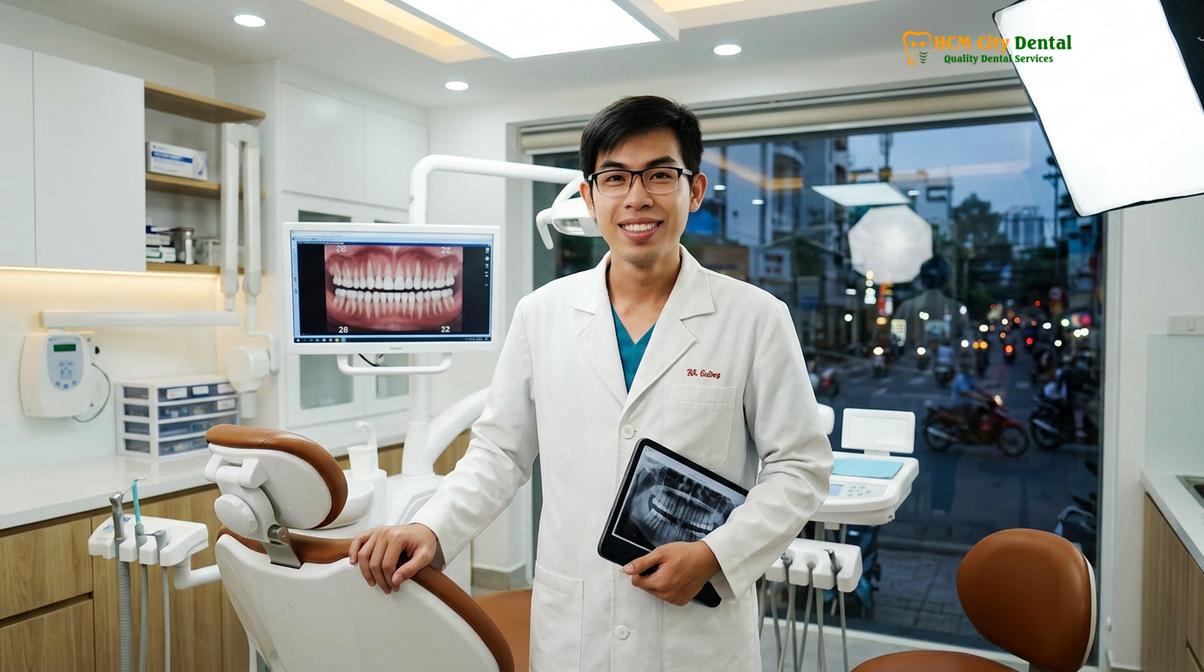
Regular consultations with a qualified professional, such as a top dentist in Ho Chi Minh, ensure that your plan remains aligned with your current clinical needs. Dr. Cuong emphasizes that early intervention is the cornerstone of predictable dentistry. By adhering to a structured schedule of diagnostic reviews, minor issues can be intercepted with conservative treatments, preserving natural tooth structure and maintaining the integrity of the overall dental plan.
“The most effective dental plan is one that is consistently monitored and adapted. Patient compliance with the maintenance phase is the single greatest predictor of long-term success for any restorative or periodontal therapy.”
Ultimately, the success of “my dental plan” relies on a collaborative partnership between the patient and the dental team. By understanding the clinical rationale behind each phase of treatment, adhering to prescribed maintenance schedules, and maintaining open communication regarding financial and aesthetic goals, patients can achieve and sustain a healthy, functional, and beautiful smile for life. If you are ready to establish or review your personalized clinical roadmap, contacting the specialists at HCMC Dental Clinic is the first step toward comprehensive oral wellness.
Frequently Asked Questions
What is included in a comprehensive dental plan?
A comprehensive dental plan typically includes a detailed clinical examination, radiographic diagnostics, a phased treatment schedule, and a structured preventative maintenance program. It serves as a roadmap to address immediate dental diseases, restore oral function, and maintain long-term gingival and structural health through scheduled routine care. The plan is highly individualized, taking into account the patient’s specific anatomical needs, risk factors, and aesthetic goals.
How often should my dental plan be updated?
Your dental plan should be clinically reviewed and updated at least once annually, or immediately following any major restorative work. Changes in systemic health, medication usage, or the emergence of new dental symptoms necessitate a re-evaluation of your caries risk and periodontal status to adjust the maintenance intervals accordingly. Regular updates ensure the plan remains effective and relevant to your current oral condition.
Can a structured dental plan help reduce long-term costs?
Yes, adhering to a structured preventative dental plan significantly reduces long-term costs by intercepting oral diseases in their earliest stages. Routine prophylaxis and early caries detection prevent the need for complex, invasive, and expensive procedures such as root canal therapy, complex extractions, or implant-supported prosthetics. Investing in routine maintenance is universally more cost-effective than funding reactive emergency treatments.
What is the difference between a treatment plan and a maintenance plan?
A treatment plan focuses on active disease control and structural restoration, outlining the specific procedures needed to return the mouth to a state of health. A maintenance plan, conversely, is implemented after active treatment is completed, focusing on routine hygiene, monitoring, and preventative measures to sustain the achieved clinical results. Both are essential, sequential components of a complete dental care strategy.
How do international patients manage their dental plans?
International patients often coordinate their dental plans through digital consultations and phased travel schedules. By sharing local radiographic records with overseas specialists, patients can receive a preliminary treatment roadmap, allowing them to complete complex restorative phases abroad while continuing routine preventative maintenance with their local provider. This hybrid approach ensures continuity of care while maximizing cost efficiencies.
References
- Journal of the American Dental Association. Caries risk assessment and management protocols in comprehensive care. (2021).
- Journal of Periodontology. Efficacy of supportive periodontal therapy and structured maintenance plans. (2020).
- International Journal of Prosthodontics. Digital workflows in comprehensive dental treatment planning. (2022).
- British Dental Journal. The economic impact of preventative dental care plans on patient outcomes. (2019).
- Clinical Oral Investigations. Patient compliance and clinical outcomes in structured dental maintenance programs. (2023).