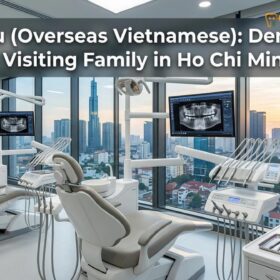
For many Australians facing prohibitive domestic healthcare costs, securing dental savings for Australians Vietnam dental tourism represents a clinically viable, highly regulated alternative. By combining advanced restorative dentistry with international travel, patients can access world-class treatments at a fraction of the cost without compromising on medical safety or material quality.
The landscape of global healthcare has shifted dramatically, transforming cross-border medical travel from a niche concept into a mainstream solution for complex oral rehabilitation. As out-of-pocket expenses for prosthodontics, endodontics, and implantology continue to surge in major Australian cities, patients are increasingly seeking destinations that offer a convergence of clinical excellence, stringent infection control, and transparent pricing. Vietnam, particularly Ho Chi Minh City, has emerged as a premier hub for this specialized care, offering a sophisticated infrastructure designed specifically to cater to the stringent expectations of international patients.
Clinical Summary:
Dental tourism in Vietnam provides Australian patients with a strategic pathway to overcome the financial barriers of domestic private dental care. By leveraging favorable economic conditions and lower operational overhead, top-tier clinics in Ho Chi Minh City deliver advanced restorative procedures—such as full-arch implantology and aesthetic smile makeovers—at significantly reduced costs. These facilities adhere to rigorous international protocols, utilizing globally recognized biomaterials and Class-B sterilization standards. Comprehensive treatment planning, facilitated by digital diagnostics and seamless English communication, ensures that clinical outcomes meet or exceed the rigorous benchmarks expected by Australian healthcare consumers, all while allowing for a structured recovery in a premium travel destination.
Key Takeaways:
- Significant reductions in out-of-pocket expenses for major restorative and cosmetic procedures compared to Australian private practice fees.
- Utilization of globally recognized, FDA-approved biomaterials including Swiss titanium implants and German zirconia.
- Strict adherence to international infection control standards, featuring Class-B fractionated vacuum autoclaves.
- Seamless integration of complex clinical workflows with structured travel itineraries and recovery periods.
- Comprehensive continuity of care, including digital record transfers and international warranties for long-term peace of mind.
The Dental Care Crisis in Australia: Exploding Private Practice Fees
The escalating costs of private dental practice in Australia have created significant barriers to essential restorative care, driving patients to seek highly regulated international alternatives.
The structural framework of the Australian healthcare system presents a unique challenge for citizens requiring comprehensive oral rehabilitation. While the public Medicare system provides robust coverage for general medical conditions and hospital emergencies, it notably excludes the vast majority of adult dental care. Consequently, dentistry in Australia operates almost entirely within the private sector, where fee structures are dictated by high operational overheads, soaring commercial real estate costs, and the general cost of living. For patients requiring extensive restorative work—such as multiple dental implants, full-mouth rehabilitations, or complex endodontic therapy—the financial burden can quickly become insurmountable.
This financial barrier often leads to delayed or deferred treatment, a clinical scenario that exacerbates oral health deterioration. When a patient postpones the replacement of a missing tooth due to cost, the underlying alveolar bone begins to resorb due to a lack of biomechanical stimulation. This progressive bone loss not only compromises the structural integrity of adjacent teeth but also complicates future implant placement, often necessitating costly and invasive adjunctive procedures such as sinus lifts or autogenous bone grafting. Furthermore, the shifting of adjacent dentition into the edentulous space can lead to severe malocclusion, temporomandibular joint (TMJ) disorders, and chronic facial pain.
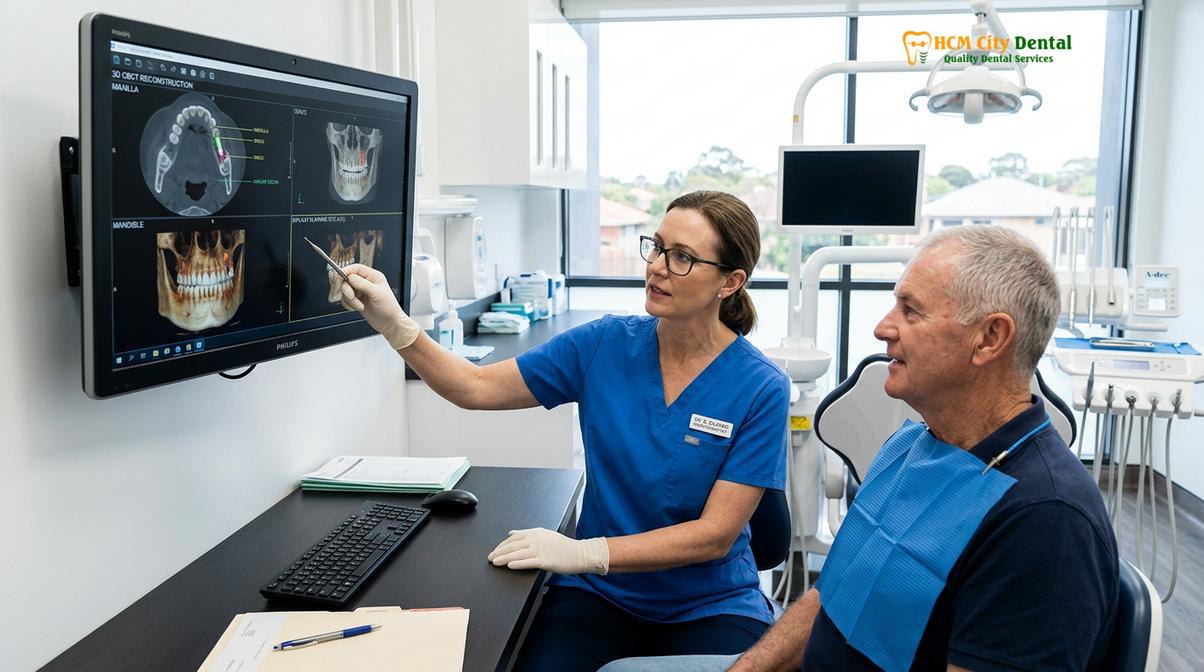
In response to these escalating domestic costs, a growing demographic of patients is exploring cross-border healthcare solutions. The concept of an australian expat dentist check—where expatriates and tourists alike seek routine and complex care abroad—has normalized the integration of medical treatment with international travel. This paradigm shift is not merely driven by a desire for cheaper services, but by a demand for value: the ability to access premium, technologically advanced care without the prohibitive markups characteristic of the Australian market. Patients are increasingly conducting rigorous due diligence, seeking out international clinics that mirror the clinical environments they are accustomed to at home.
“The exclusion of comprehensive adult dental care from national public health insurance schemes forces patients to absorb the full impact of private practice economics, frequently resulting in the deferment of essential restorative interventions and the subsequent exacerbation of complex oral pathologies.” [1]
The psychological impact of this crisis cannot be understated. Chronic dental issues profoundly affect a patient’s quality of life, impacting their ability to masticate properly, articulate speech, and engage confidently in social interactions. The realization that domestic treatment plans may cost tens of thousands of dollars often leaves patients feeling disenfranchised by their own healthcare system. By providing a transparent, high-quality alternative, international dental hubs offer not just a financial reprieve, but a restoration of dignity and oral function.
Direct Price Comparison: Sydney/Melbourne vs. HCMC Dental Clinic
Patients traveling from major Australian cities can expect substantial reductions in out-of-pocket expenses for major procedures like implants and veneers when visiting specialized clinics in Vietnam.
Understanding the economics of international dental care requires a nuanced analysis of why costs differ so drastically between nations. The profound price disparity between a clinic in Sydney or Melbourne and a premium facility in Ho Chi Minh City is not indicative of a compromise in clinical quality or material integrity. Rather, it is a direct reflection of macroeconomic factors. In Vietnam, the costs associated with commercial leasing, clinical staff remuneration, and general operational overhead are exponentially lower than in Australia. Furthermore, governmental subsidies for medical education and a highly competitive local market drive efficiency. Top-tier clinics leverage these systemic advantages to import the exact same premium biomaterials—such as Straumann® titanium fixtures or Ivoclar Vivadent® ceramics—used by Australian specialists, passing the operational savings directly to the patient.
To illustrate this, consider the clinical workflow of a single endosseous dental implant. In an Australian private practice, the patient is billed for the initial consultation, the 3D Cone Beam Computed Tomography (CBCT) scan, the surgical placement of the titanium fixture, the healing abutment, the final prosthetic abutment, and the custom-milled zirconia crown. Each of these phases carries a significant markup to cover the clinic’s high running costs. When analyzing the dental implants cost sydney vs hcmc, the difference becomes starkly apparent. In Vietnam, the comprehensive fee for the exact same sequence of treatments, utilizing identical globally recognized brands, is often a fraction of the Australian quote.
Similarly, cosmetic rehabilitations demonstrate massive cost efficiencies. The porcelain veneers cost melbourne vs saigon highlights how patients can achieve a complete aesthetic smile makeover abroad for the price of just a few units domestically. This allows patients to opt for superior materials, such as ultra-thin E.max® lithium disilicate veneers, which offer unparalleled translucency and biomimetic aesthetics, rather than settling for inferior composite alternatives due to budget constraints at home.
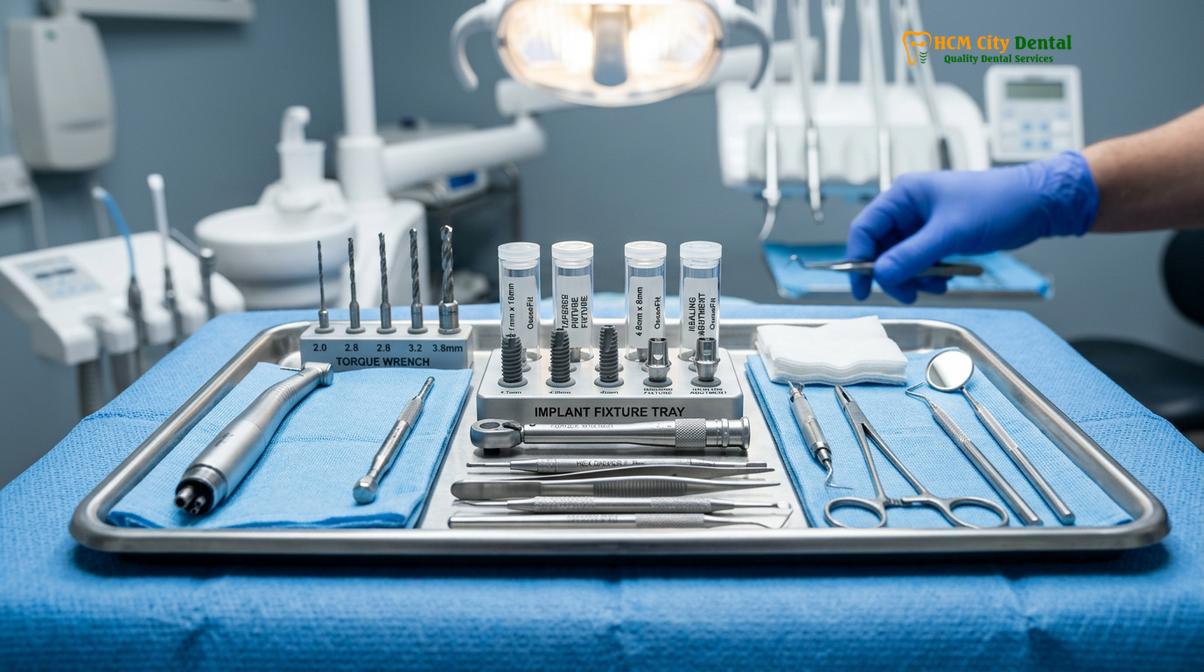
Below is a comparative overview of estimated clinical fees, demonstrating the profound economic advantage of seeking comprehensive cost analysis for international patients in Vietnam:
| Clinical Procedure | Estimated Cost in Australia (AUD) | Estimated Cost at HCMC Dental Clinic (AUD) | Clinical Advantage |
|---|---|---|---|
| Single Titanium Implant (Complete with Crown) | $5,000 – $7,000 | $1,200 – $2,000 | Access to premium global brands (e.g., Nobel Biocare) at reduced operational costs. |
| All-on-4® Full Arch Rehabilitation (Per Arch) | $20,000 – $30,000 | $6,000 – $9,000 | Comprehensive surgical and prosthetic phases completed with high-end acrylic or zirconia. |
| Premium Porcelain Veneer (Per Unit) | $1,500 – $2,500 | $400 – $700 | Utilization of advanced CAD/CAM milling for precise marginal adaptation and aesthetics. |
| Complex Endodontic Therapy (Molar Root Canal) | $1,500 – $2,500 | $300 – $500 | Performed using rotary endodontics and apex locators for precise canal obturation. |
| Zirconia Full Coverage Crown | $1,500 – $2,000 | $350 – $500 | High flexural strength and biocompatibility, ideal for posterior load-bearing areas. |
It is crucial to emphasize that these savings are achieved while maintaining strict adherence to international clinical protocols. Patients are encouraged to request detailed, itemized treatment plans prior to travel, ensuring complete transparency regarding the specific brands of implants, bone graft particulate, and restorative ceramics that will be utilized during their care.
Meeting Australian Infection Standards (ADA compliance) in Saigon
Top-tier Vietnamese clinics adhere to stringent international infection control protocols, utilizing advanced sterilization technologies that mirror or exceed Australian clinical standards.
The paramount concern for any patient considering cross-border healthcare is the mitigation of clinical risk, specifically regarding infection control and cross-contamination. The Australian Dental Association (ADA) mandates rigorous protocols for the sterilization of instruments and the maintenance of the clinical environment. For a facility in Vietnam to successfully cater to the international market, it must not merely meet local regulations but actively implement and audit protocols that align with these stringent global benchmarks. At the forefront of this commitment is the utilization of advanced sterilization technology and comprehensive staff training.
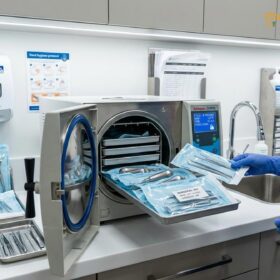
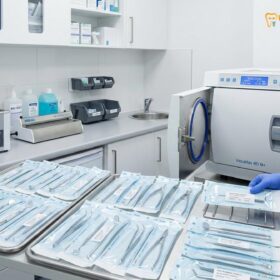
A cornerstone of modern dental infection control is the Class-B fractionated vacuum autoclave. Unlike standard gravity-displacement sterilizers, a Class-B autoclave utilizes a series of vacuum pulses to completely evacuate ambient air from the sterilization chamber before introducing pressurized steam. This technology is clinically mandated for the effective sterilization of complex, hollow-lumen instruments, such as high-speed dental handpieces and surgical aspiration tips. The vacuum ensures that steam penetrates every internal surface, guaranteeing the eradication of all microbial life, including highly resistant bacterial endospores. [2]
The sterilization workflow in a premium facility like HCMC Dental Clinic follows a strict, unidirectional path to prevent the re-contamination of sterile instruments. Following a clinical procedure, contaminated instruments are transported to a dedicated sterilization center. They undergo initial decontamination in an ultrasonic cleaner utilizing enzymatic solutions to break down bioburden and proteinaceous debris. Following thorough rinsing and drying, the instruments are individually sealed in sterilization pouches equipped with internal and external chemical indicators. These indicators undergo a distinct color change only when specific parameters of time, temperature, and steam pressure have been successfully met within the Class-B autoclave.
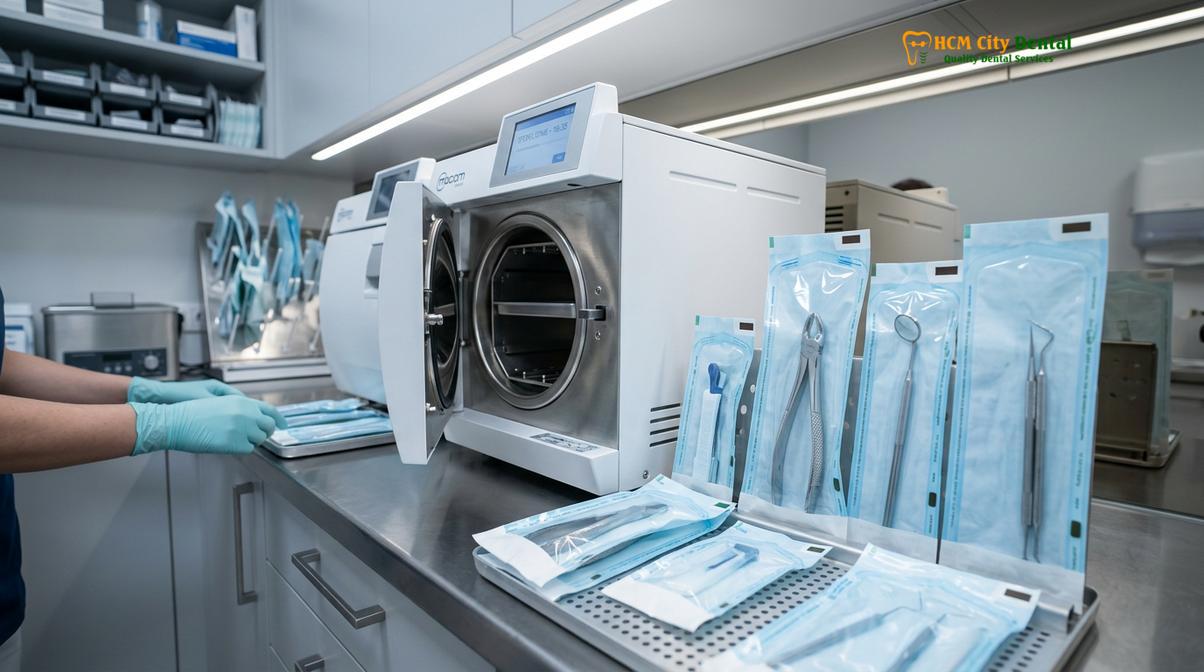
Clinical Safety Warning: Never compromise on infection control when selecting an international dental provider. Patients must verify that the clinic utilizes Class-B autoclaving, employs single-use disposable barriers for operatory surfaces, and strictly adheres to international guidelines for the prevention of bloodborne pathogen transmission.
Beyond instrument sterilization, environmental infection control is meticulously managed. Operatory surfaces are disinfected between every patient using hospital-grade, broad-spectrum virucidal and bactericidal agents. Dental unit waterlines are regularly treated and flushed to prevent the formation of microbial biofilms, ensuring that the water used during surgical and restorative procedures is of the highest purity. Under the rigorous clinical oversight of specialists like Dr. Nguyen Van Cuong, these protocols are continuously audited and updated, providing international patients with an environment that is as safe, if not safer, than their local domestic practices.
This unwavering commitment to safety is what elevates premium dental travel experiences from a mere cost-saving exercise to a highly reliable medical intervention. Patients can undergo invasive procedures, such as bone grafting or implant placement, with the absolute confidence that their risk of post-operative surgical site infection is minimized through world-class clinical governance. [3]
Travel Economics: Flight Accessibility from Australian Capitals
Strategic flight routes and streamlined local logistics make traveling from Australia to Vietnam highly efficient for patients undergoing phased dental treatments.
The logistical feasibility of international medical travel is heavily dependent on the accessibility and affordability of transportation. For Australian patients, the geographical proximity of Southeast Asia presents a distinct advantage. The proliferation of direct flights to ho chi minh city from major Australian hubs—including Sydney, Melbourne, Brisbane, and Perth—has dramatically streamlined the travel experience. Multiple premium and low-cost carriers operate daily routes, allowing patients to secure competitive airfares and minimize transit fatigue, which is particularly important when traveling for medical purposes.
Effective travel planning for dental care requires a strategic approach to scheduling. Complex restorative procedures, particularly those involving implantology, are rarely completed in a single visit. The biological process of osseointegration—where the titanium implant fixture fuses with the surrounding alveolar bone—typically requires a healing period of three to six months. Therefore, a comprehensive treatment plan often necessitates two separate trips to Vietnam. The first phase involves the surgical placement of the implants and any necessary bone grafting, while the second phase focuses on the fabrication and placement of the final custom prosthetics.
To optimize the travel experience, premium clinics offer dedicated concierge services to assist international patients with local logistics. This includes facilitating airport pickups directly from Tan Son Nhat International Airport (SGN) and providing curated hotel recommendations in District 1. Staying in District 1 is highly advantageous, as it places patients in the vibrant heart of Ho Chi Minh City, offering immediate proximity to the clinic, international-standard accommodations, and a wealth of culinary and cultural experiences suitable for a post-operative recovery period.
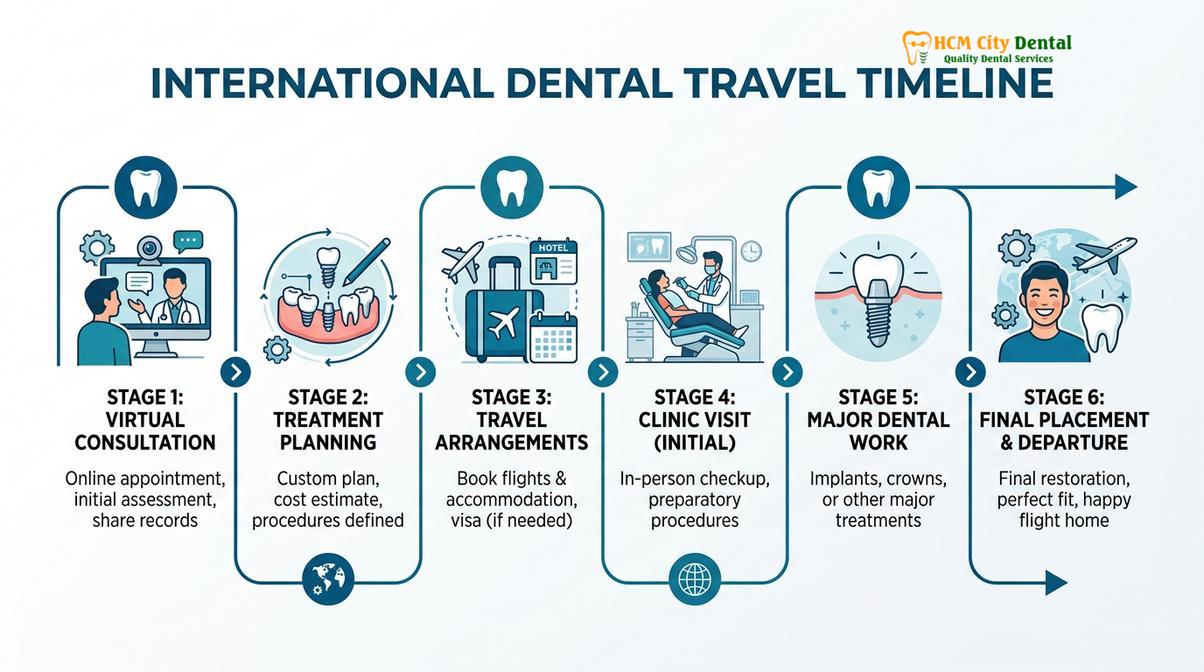
“The integration of dedicated patient concierge services within international dental clinics significantly reduces the logistical stress associated with cross-border healthcare, allowing the patient to focus entirely on their clinical recovery and overall well-being.” [4]
Furthermore, modern clinics have adapted their administrative workflows to accommodate the needs of global travelers. Flexible payment options are essential for international transactions. Facilities like HCMC Dental Clinic explicitly support a wide array of payment methods, including Visa/Mastercard, international bank transfers, cash payments in both USD and VND, PayPal, secure e-wallets, and even major cryptocurrencies (Crypto). This financial flexibility ensures that patients can manage their treatment expenses securely and conveniently, without being subjected to exorbitant foreign exchange fees or restrictive banking limitations.
Combining Restorative Care with a Tropical Holiday in Vietnam
Structuring a dental itinerary allows patients to undergo complex restorative procedures while safely enjoying a structured recovery period in a premium travel destination.
The true appeal of australian dental tourism saigon lies in the ability to seamlessly blend necessary medical intervention with a rewarding travel experience. However, integrating implant surgery with a vacation requires careful clinical planning and a thorough understanding of post-operative limitations. A dental holiday is not about undergoing surgery and immediately embarking on strenuous physical activities; rather, it is about utilizing the mandatory recovery downtime to relax in a culturally rich, hospitable environment.
The clinical timeline dictates the rhythm of the vacation. Following an invasive procedure such as multiple extractions or implant placement, patients will experience a period of localized swelling and mild discomfort. During the first 48 to 72 hours, clinical guidelines mandate rest, the application of cold compresses, and strict adherence to a soft-food diet to protect the surgical sites and promote initial hemostasis. Ho Chi Minh City is uniquely suited for this recovery phase, offering an abundance of high-end spas, tranquil hotel environments, and a diverse culinary scene that easily accommodates dietary restrictions with nutritious, soft options like traditional Vietnamese Pho or refined international cuisine.
Clinical Case Overview: Phased Implant Rehabilitation
A 55-year-old patient from Sydney presented with failing posterior dentition requiring bilateral implant placement. The treatment was structured across two visits. Phase 1 involved a 7-day stay in HCMC for atraumatic extractions and immediate implant placement, allowing the patient to recover comfortably in a District 1 hotel before flying home. Phase 2, scheduled four months later, involved a 10-day stay for the digital scanning and placement of the final zirconia crowns, combining the final restorative appointments with a leisure trip to nearby coastal destinations.
As the initial healing progresses, patients can gradually increase their activity levels, exploring the historical landmarks, vibrant markets, and cultural sites of Saigon. It is imperative, however, to maintain open communication with the clinical team during this period. Specialists like Dr. Cuong emphasize the importance of post-operative review appointments before the patient is cleared for international air travel. Changes in cabin pressure during a flight can exacerbate swelling or induce barodontalgia (tooth pain caused by ambient pressure changes), making a final clinical clearance a mandatory step in the treatment workflow.
To further enhance the accessibility of this care, HCMC Dental Clinic currently offers a 40% online booking discount for international patients who initiate their treatment planning prior to arrival. By engaging in a direct clinical consult with Dr. Cuong via WhatsApp, patients can securely share their digital X-rays, discuss their aesthetic goals, and receive a comprehensive, transparent treatment plan before booking their flights. This proactive approach ensures that selecting a highly qualified specialist results in a predictable, stress-free, and highly successful medical journey.
When to See a Doctor: Clinical Considerations Before Travel
Prior to embarking on international dental travel, patients must undergo a comprehensive medical evaluation to identify any systemic conditions that may contraindicate complex oral surgery.
While international dental care offers profound benefits, it is not universally suitable for every patient without prior medical optimization. Invasive dental procedures, particularly those involving bone manipulation or prolonged sedation, carry inherent physiological demands. Therefore, a thorough pre-travel medical consultation with a local general practitioner or specialist is a critical component of the planning process. This ensures that the patient is medically fit for both the surgical intervention and the subsequent international flight.
Patients must disclose their complete medical history, including all current medications, to their chosen international dental provider. Certain systemic conditions present relative or absolute contraindications to elective oral surgery. For instance, patients with uncontrolled diabetes mellitus face a significantly higher risk of delayed wound healing and post-operative infection, which can compromise the osseointegration of dental implants. Similarly, individuals with a recent history of myocardial infarction, unstable angina, or those currently undergoing active radiotherapy to the head and neck region require highly specialized, localized care and are generally not candidates for immediate dental tourism.
Medication management is another critical factor. Patients taking anticoagulant therapies (blood thinners) must have their International Normalized Ratio (INR) carefully monitored and may require a medically supervised adjustment of their dosage prior to surgery to prevent excessive intraoperative hemorrhage. Furthermore, patients receiving intravenous bisphosphonates for severe osteoporosis or oncological conditions are at a heightened risk for Medication-Related Osteonecrosis of the Jaw (MRONJ) following extractions or implant placement, necessitating a rigorous risk-benefit analysis by the treating prosthodontist. [5]
By proactively addressing these medical considerations and maintaining transparent communication through channels like WhatsApp, patients ensure that their clinical team in Ho Chi Minh City can tailor the surgical approach, select appropriate anesthetic modalities, and implement specific perioperative protocols to maximize safety and clinical success. For those evaluating regional treatment destinations, this level of comprehensive medical screening is a hallmark of a truly world-class facility.
For patients ready to explore their restorative options, securing seamless clinical communication is the first step. Contact HCMC Dental Clinic today to arrange your preliminary digital assessment and begin planning your journey toward optimal oral health.
Frequently Asked Questions
Why are dental fees so much lower in Vietnam than in Australia?
Dental fees in Vietnam are significantly lower due to reduced operational overhead, lower commercial real estate costs, and different national economic structures, not a reduction in clinical quality. Top-tier clinics import the exact same premium biomaterials (like Swiss titanium implants and German zirconia) used in Australia, passing the operational savings directly to the patient. This allows for comprehensive care at a fraction of domestic private practice rates.
Are the materials used in Vietnam safe and approved for Australians?
Yes, reputable international clinics in Vietnam utilize globally recognized, FDA-approved, and CE-marked dental materials that meet or exceed Australian standards. Patients receive authenticity passports for major prosthetics and implants, ensuring that any future maintenance required back in Australia can be seamlessly managed by local practitioners who are familiar with these premium global brands.
How do I transfer my dental x-rays from my Australian dentist?
You can easily transfer your dental records by requesting digital copies (such as JPEG or DICOM files for CBCT scans) from your Australian provider and emailing them via secure channels to your chosen clinic in Vietnam. This allows the international clinical team to conduct a comprehensive preliminary assessment and formulate an accurate treatment plan before you travel, ensuring clinical predictability.
Is it safe to fly immediately after undergoing major oral surgery?
It is generally not recommended to fly immediately after major oral surgery, such as sinus lifts or extensive bone grafting, due to changes in cabin pressure that can affect healing. Clinical guidelines typically advise a waiting period of 3 to 7 days post-surgery to monitor initial healing, manage any swelling, and prevent barotrauma complications. Your treating specialist will provide final clearance before your departure.
What happens if I experience a complication after returning to Australia?
Premium dental clinics provide comprehensive international warranties and detailed post-operative documentation to ensure continuity of care. If a complication arises, your Vietnamese specialist will collaborate with your local Australian dentist, sharing all surgical reports and imaging to facilitate appropriate and immediate localized intervention, ensuring your long-term oral health is protected.
References
- Australian Dental Association (ADA). Guidelines for Infection Control in the Dental Setting. (2022).
- International Journal of Oral & Maxillofacial Implants. Biomechanical considerations in implant dentistry and international standards. (2021).
- World Health Organization (WHO). Global guidelines for the prevention of surgical site infection. (2020).
- Journal of Travel Medicine. Medical tourism: clinical risks and continuity of care for international patients. (2023).
- FDI World Dental Federation. Quality assurance and patient safety in cross-border dental care. (2022).