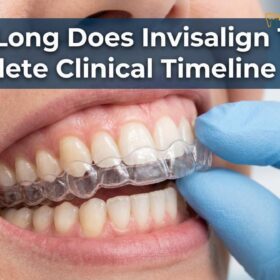
Can you chew gum with Invisalign? The clinical consensus is an absolute no—you should generally avoid chewing gum while wearing your clear aligners. The sticky texture and heavy masticatory forces can permanently warp the thermoplastic material, trap cariogenic bacteria against your enamel, and ultimately derail your entire orthodontic treatment timeline. Patients undergoing treatment with Invisalign or other clear aligner systems must adhere to strict compliance protocols to achieve their desired smile.
Clinical Summary:
Chewing gum while wearing clear aligners is strongly contraindicated due to the high risk of material deformation, compromised tray fit, and increased plaque retention. The specialized thermoplastic polyurethane used in modern aligners is engineered for continuous, light orthodontic forces, not the repetitive, heavy occlusal stress generated by chewing gum. Patients seeking fresh breath or jaw muscle relief must remove their aligners before chewing sugar-free xylitol gum, adhering strictly to the required 22-hour daily wear schedule. Maintaining meticulous oral hygiene and following strict invisalign compliance rules ensures predictable tooth movement, prevents decalcification, and avoids unnecessary clinical complications during the orthodontic journey.
Key Takeaways:
- Chewing gum with aligners in place can permanently warp the delicate thermoplastic material.
- Sticky gum residue traps cavity-causing bacteria directly against the tooth enamel, increasing decay risk.
- Always remove your aligners before chewing gum to maintain treatment efficacy and hygiene.
- Sugar-free xylitol gum is recommended only when aligners are removed to help stimulate saliva flow.
- Strict adherence to the 20 to 22-hour daily wear schedule is crucial for successful orthodontic outcomes.
The Biomechanics of Clear Aligners and Mastication
Clear aligners rely on precise, continuous micro-forces to move teeth, and introducing the heavy, repetitive stress of chewing gum disrupts this delicate biomechanical balance, risking tray damage.
To understand why chewing gum is detrimental to your orthodontic progress, it is essential to examine the biomechanics of clear aligner therapy. Unlike traditional metal braces, which use rigid brackets and archwires to pull teeth into alignment, clear aligners utilize a highly engineered thermoplastic material. This material is designed to apply continuous, gentle pressure to specific teeth, stimulating the periodontal ligament and initiating the cellular processes of bone remodeling—specifically, osteoclastic resorption on the pressure side and osteoblastic deposition on the tension side[1].
The efficacy of this system depends entirely on the precise fit of the aligner over the clinical crown of the tooth. When a patient engages in chewing gum with aligners, they introduce intermittent, heavy occlusal forces that the thermoplastic material was never designed to withstand. The human jaw can exert significant pressure during mastication, and the repetitive grinding motion combined with the sticky consistency of gum creates a hostile environment for the aligners.
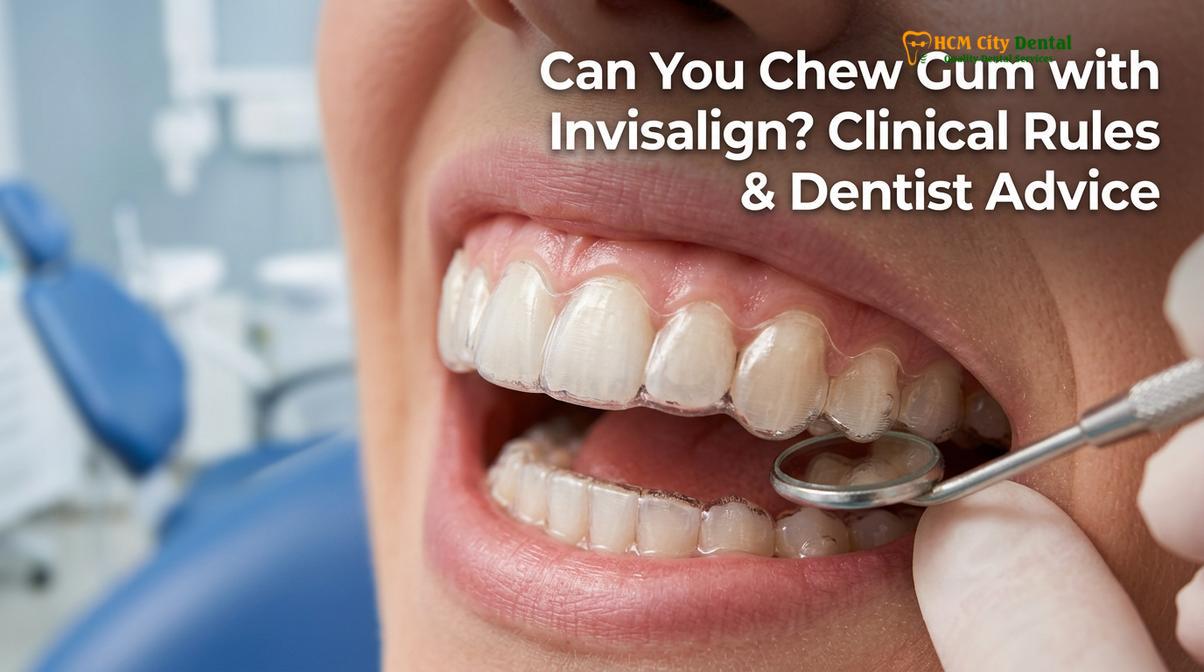
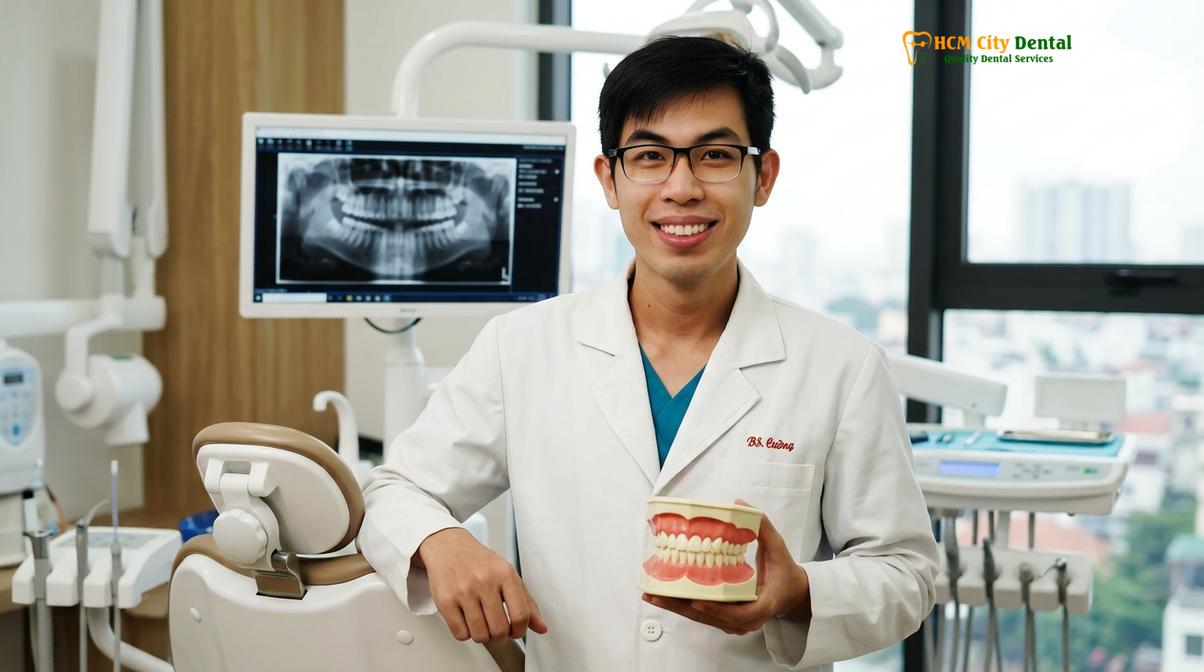
Dr. Nguyen Van Cuong, a dedicated practitioner at HCMC Dental Clinic, frequently advises patients on the biomechanical limits of clear aligners. His clinical approach integrates advanced digital diagnostics with comprehensive patient education, ensuring that individuals understand how daily habits impact their orthodontic outcomes. By emphasizing the importance of removing aligners before eating or chewing gum, Dr. Cuong helps patients avoid unnecessary complications and stay on track with their treatment plans.
At General & Preventive Dentistry centers, the foundation of successful clear aligner therapy begins with highly accurate digital impressions. Advanced intraoral scanning technology captures the exact micro-anatomy of the patient’s dentition. This digital precision ensures that each aligner fits flawlessly. However, if an aligner is subjected to the forces of chewing gum, this microscopic precision is lost. The material can stretch, thin out, or warp, altering the programmed force vectors. When the force vectors are compromised, the teeth may stop tracking properly, leading to delayed treatment times and the need for mid-course corrections or refinement scans.
Why You Should Never Chew Gum with Aligners In
Chewing gum with your aligners inserted causes irreversible structural damage to the trays and creates a highly acidic, bacteria-rich environment that promotes rapid tooth decay.
The prohibition against chewing gum while wearing clear aligners is not merely a suggestion; it is a fundamental rule of orthodontic compliance. The risks associated with this habit fall into two primary categories: mechanical damage to the aligner itself and severe biological consequences for the patient’s oral health.
Material Deformation and Thermal Softening
Modern clear aligners are fabricated from proprietary multilayer aromatic thermoplastic polyurethanes. These materials are chosen for their elasticity, clarity, and ability to deliver sustained light forces. However, they are highly susceptible to deformation when subjected to the combination of mechanical stress and the ambient heat of the oral cavity. The friction generated by chewing gum slightly elevates the local temperature, which can soften the plastic just enough to make it vulnerable to the heavy occlusal load[2].
Clinical Warning: Attempting to chew gum with aligners in place not only risks permanently warping the trays but can also dislodge the composite orthodontic attachments (buttons) bonded to your teeth, requiring an emergency visit to your dentist for replacement and stalling your treatment progress.
Furthermore, the sticky nature of gum means it adheres tenaciously to the micro-textured surface of the aligner. Removing this residue is incredibly difficult. Aggressive brushing to remove the stuck gum can create micro-scratches on the aligner surface, which not only compromises the aesthetic clarity of the tray—making it look cloudy and visible—but also creates microscopic retentive areas for plaque accumulation.
Plaque Accumulation and Salivary Flow Disruption
From a biological perspective, wearing clear aligners already alters the natural self-cleansing mechanism of the mouth. Saliva, which naturally buffers acids and washes away food particles, cannot freely flow over the enamel surfaces covered by the tight-fitting trays. If a patient chews gum containing sugar while wearing aligners, the sugary saliva is drawn under the edges of the tray via capillary action.
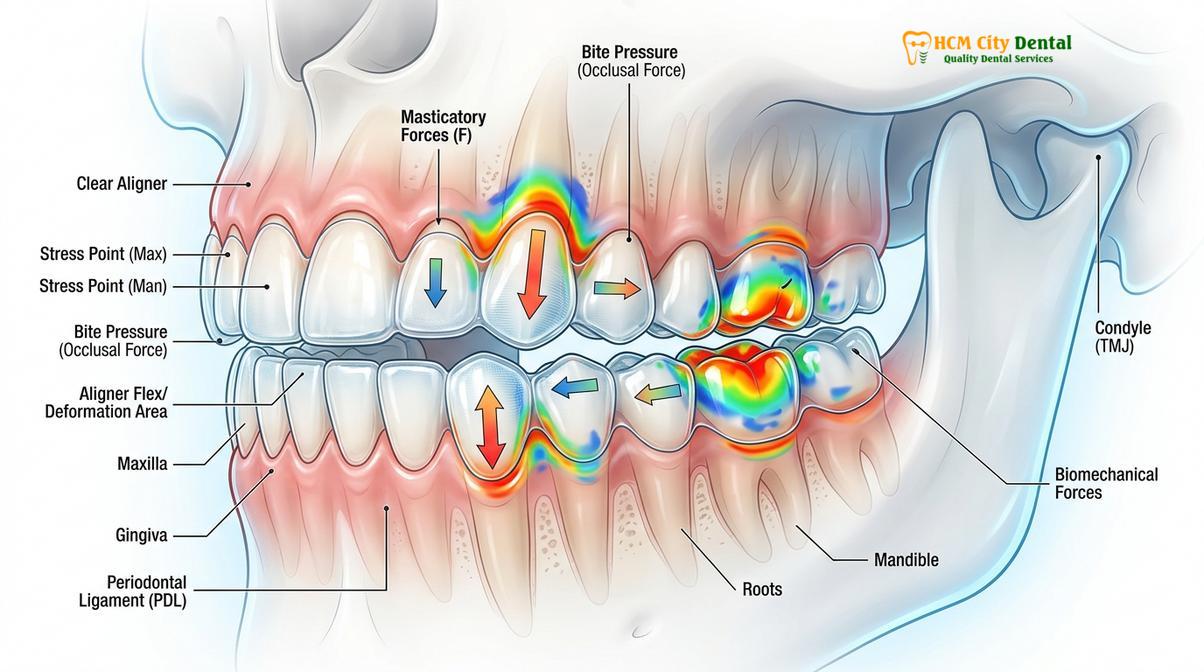
This creates an isolated, acidic, and anaerobic environment directly against the enamel—a perfect incubator for cariogenic bacteria like Streptococcus mutans. Even if the gum is sugar-free, the sticky residue left behind acts as a nidus for plaque biofilm formation. Prolonged exposure to this acidic biofilm may lead to enamel demineralization, presenting clinically as white spot lesions, and eventually progressing to active dental caries. Maintaining strict invisalign compliance rules by removing the trays before consuming anything other than plain water is the most effective way to mitigate this risk.
Safe Alternatives for Fresh Breath
If you need to freshen your breath during orthodontic treatment, opt for sugar-free mints, xylitol oral rinses, or chew gum only during your designated aligner-free meal windows.
It is common for patients undergoing clear aligner therapy to experience occasional dry mouth or a desire for fresher breath, especially since the aligners cover the teeth for 22 hours a day. Fortunately, there are several clinically approved methods to maintain oral freshness without jeopardizing your orthodontic treatment or resorting to chewing gum with the trays in.
Xylitol Mints and Oral Rinses
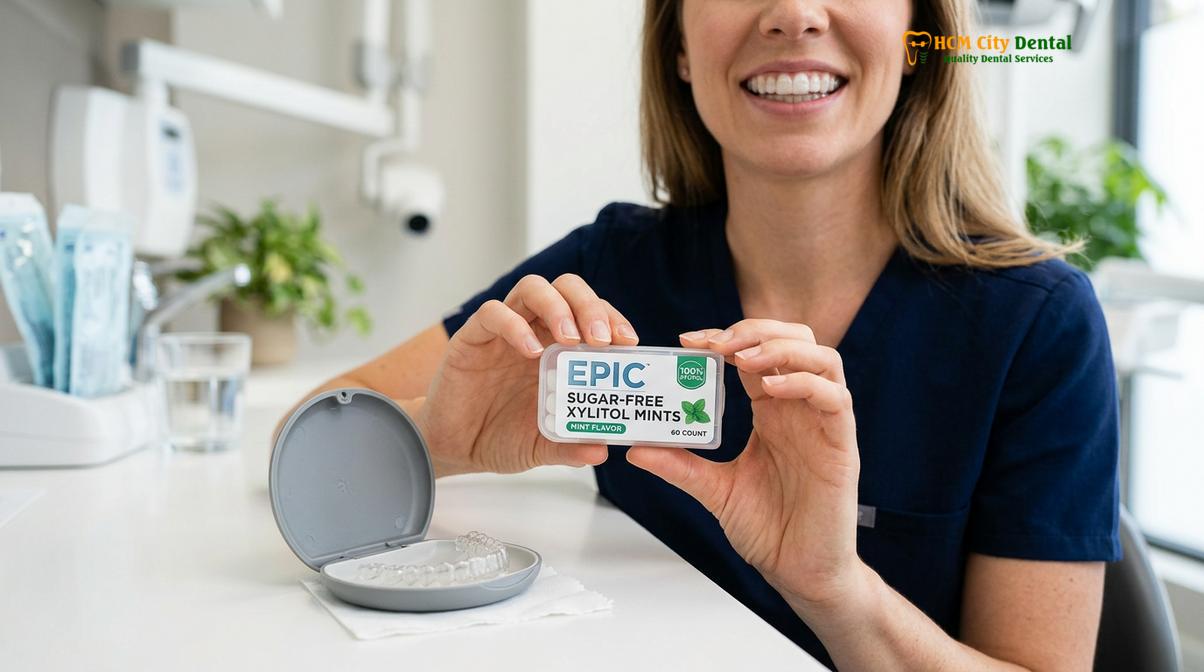
The safest and most effective alternative to chewing gum is the use of sugar-free mints, specifically those sweetened with xylitol. Xylitol is a naturally occurring sugar alcohol that cariogenic bacteria cannot metabolize into acid. In fact, xylitol has been shown to inhibit the glycolysis process in these bacteria, actively reducing the bacterial load in the oral cavity[3].
“Maintaining a neutral oral pH is critical during clear aligner therapy. Xylitol-based products effectively neutralize acids and stimulate salivary flow without introducing the mechanical risks and material deformation associated with chewing gum.”
Patients can safely dissolve a xylitol mint in their mouth while wearing their aligners, provided the mint is completely sugar-free and does not contain any artificial colorants that could stain the clear plastic. Additionally, incorporating a fluoride or xylitol-based antimicrobial mouthrinse into your daily hygiene routine can significantly reduce volatile sulfur compounds (which cause bad breath) and help maintain a healthy oral microbiome.
The “Gum Window” Protocol
If you are a patient who truly enjoys the mechanical act of chewing gum, you can still do so, provided you follow the “gum window” protocol. This involves chewing sugar free gum braces-friendly varieties only when your aligners are completely removed from your mouth. The ideal time for this is immediately following a meal, before you brush your teeth and reinsert your trays.
Chewing sugar-free gum for 15 to 20 minutes after eating stimulates a robust flow of saliva, which helps dislodge food particles and buffer the acidic pH of the mouth back to a neutral state. However, patients must be hyper-vigilant about time management. Every minute the aligners are out of the mouth counts against the 22-hour daily wear requirement. Therefore, gum chewing should be brief and always followed by thorough brushing and flossing before the aligners are seated back onto the teeth.
When to Consult Your Orthodontist: Important Clinical Notes
Recognizing the signs of aligner damage and knowing when to seek professional help is crucial for keeping your orthodontic treatment on schedule.
Even with the best intentions, accidents happen. If you accidentally chew gum with your aligners in or notice that your trays feel different, it is important to evaluate the situation clinically. According to general guidelines aligned with the Vietnam Association of Orthodontists (VAO) and international standards, patients should seek immediate clinical evaluation if they suspect their aligners have been compromised by chewing gum, hard foods, or heat exposure.
If an aligner feels loose, exhibits visible micro-cracks, or fails to seat properly over the composite attachments, professional intervention is required. Do not attempt to force a warped aligner onto your teeth, as this can apply incorrect forces and move teeth in the wrong direction. Modern restorative and orthodontic practices rely heavily on digital intraoral scanning accuracy to fabricate precise replacement trays, ensuring that the treatment plan remains on track without prolonged delays[5]. Similar to following Comprehensive Dental Implants Post Op Instructions & Clinical Care Guide, adhering to your orthodontist’s specific care guidelines for aligners prevents costly and time-consuming setbacks.
Navigating Orthodontic Care as an Expat in Ho Chi Minh City
Expatriates undergoing orthodontic treatment in Vietnam benefit from world-class digital diagnostics, multilingual clinical teams, and seamless direct billing insurance partnerships.
For expatriates living in or traveling to Vietnam, managing a long-term orthodontic treatment like clear aligners requires a dental provider that understands international standards of care and offers seamless administrative support. HCMC Dental Clinic in Ho Chi Minh City has established itself as a premier destination for expat families, combining advanced clinical workflows with unparalleled patient convenience.
Digital Diagnostics and iTero Element 5D
The cornerstone of modern orthodontic care is digital precision. Gone are the days of uncomfortable, messy alginate impressions. The clinical team utilizes advanced intraoral scanners to capture highly accurate 3D visualizations of the teeth and gingiva in minutes. This digital workflow is not only more comfortable for the patient but also allows for immediate digital treatment simulations, enabling patients to visualize their projected outcomes before committing to the therapy.
This digital infrastructure is particularly beneficial for expats who may be utilizing Comprehensive Dental Tourism Vietnam Guide services or splitting their time between countries. Digital files can be easily shared with international providers if a patient relocates, ensuring continuity of care.
Direct Billing Insurance and Family Dentistry
Navigating healthcare costs in a foreign country can be daunting. To alleviate this stress, HCMC Dental Clinic offers comprehensive Direct Billing Insurance Partners services. The clinic works directly with major international insurers, allowing expat families to enjoy cashless checkups, routine teeth cleaning, and complex orthodontic or restorative treatments without the burden of out-of-pocket expenses and tedious reimbursement claims[4].
Furthermore, the clinic excels in Expat Pediatric Dentistry. Ensuring that children feel safe and comfortable is a priority. The multilingual staff, fluent in English, provides gentle dental care, including preventive treatments like dental sealants, fluoride varnishes, and pulpotomies. The clinical procedures strictly adhere to European CE and international sterilization guidelines, providing peace of mind for parents regarding cross-contamination and safety protocols.
Transparent Pricing and WhatsApp Booking Discounts
Accessibility and transparency are vital components of the patient experience. The clinic is strategically located for easy Transit & Convenience, situated within short Grab ride distances from major local landmarks and expat neighborhoods. To further accommodate international patients and busy professionals, the clinic offers a streamlined remote booking system with significant financial incentives.
According to the clinic fee schedule, patients who arrange their appointments prior to arrival can benefit from substantial savings. Here is an overview of the Pricing Structure incorporating the 40% pre-arrival discount for WhatsApp bookings:
| Dental Procedure | Standard Walk-in Rate | WhatsApp Pre-Booking Rate (-40%) |
|---|---|---|
| Scaling & Polishing (Deep Teeth Cleaning) | ~$40 (1.0M VND) | From $24 (600k VND) |
| Family / Pediatric Dental Exam & Consultation | ~$30 (750k VND) | From $18 (450k VND) |
| Custom Nightguard (Bruxism) | ~$160 (4.0M VND) | From $96 (2.4M VND) |
| In-Office Teeth Whitening (Laser) | ~$140 (3.5M VND) | From $84 (2.1M VND) |
| E.max Ceramic Crown / Veneer | ~$320 (8.0M VND) | From $192 (4.8M VND) |
Beyond the initial treatment, the clinic provides robust Warranty & Follow-up support. Patients receive official clinic warranty cards, which include a 3-year bonding guarantee for ceramic crowns and veneers, and a 1-year guarantee for composite fillings. For patients undergoing clear aligner therapy or receiving Cheap Dental Crowns, remote follow-up support via WhatsApp ensures that any questions regarding aligner fit, oral hygiene, or post-operative care are addressed promptly by the clinical team.
Clinical Case Study: Managing Aligner Non-Compliance
Real-world clinical observations demonstrate that deviating from aligner wear protocols, such as chewing gum with trays in, directly correlates with prolonged treatment times and compromised results.
To illustrate the practical implications of ignoring compliance rules, it is helpful to review a clinical scenario. Orthodontic tooth movement is highly predictable when the prescribed forces are applied consistently. However, patient behavior plays a massive role in the ultimate success of the therapy.
Patient Profile: A 28-year-old expat professional undergoing clear aligner therapy visiting HCMC Dental Clinic in Ho Chi Minh City.
Clinical Presentation: During a routine six-week progress check, the patient presented with poorly tracking aligners on the maxillary arch and localized gingival inflammation around the premolars. Upon detailed consultation, the patient admitted to frequently chewing gum with the aligners in place to manage workplace stress, believing the sugar-free gum would not cause harm.
Intervention: The clinical team utilized the intraoral scanner to assess the deviation between the patient’s current clinical presentation and the projected digital model. The scan revealed that the current aligner trays were microscopically warped, altering the force vectors. The warped trays were discarded, and the patient was instructed to step back to the previous aligner set to recapture the correct tooth positions. A strict protocol of removing aligners for all masticatory activities was reinforced.
Outcome: Following strict adherence to the compliance rules and utilizing orthodontic chewies instead of gum, the patient’s teeth resumed proper tracking within two weeks, though the overall treatment timeline was extended by nearly a month due to the initial non-compliance.
“Patient compliance is the invisible engine of clear aligner therapy. Even minor deviations, such as chewing gum with the trays inserted, can alter the biomechanical forces enough to stall progress and require clinical intervention.”
Frequently Asked Questions (FAQs)
What happens if you chew gum with Invisalign?
Chewing gum with Invisalign aligners in place will cause the sticky residue to adhere to the thermoplastic material, potentially warping the trays and trapping cavity-causing bacteria against your teeth. This compromises the fit of the aligners and can significantly delay your orthodontic treatment progress.
Can I chew sugar-free gum if I take my aligners out?
Yes, you can chew sugar-free gum, particularly those containing xylitol, as long as you completely remove your aligners first. Chewing sugar-free gum for 15 to 20 minutes after a meal helps stimulate saliva production, which naturally washes away food particles and neutralizes plaque acids.
How do I clean my aligners if gum gets stuck to them?
If gum accidentally adheres to your aligners, remove the trays immediately and gently brush them with a soft-bristled toothbrush and lukewarm water. Never use hot water, as it will permanently warp the plastic; if the residue persists, contact your dental provider for professional cleaning or a replacement tray.
Does chewing gum help seat Invisalign trays better?
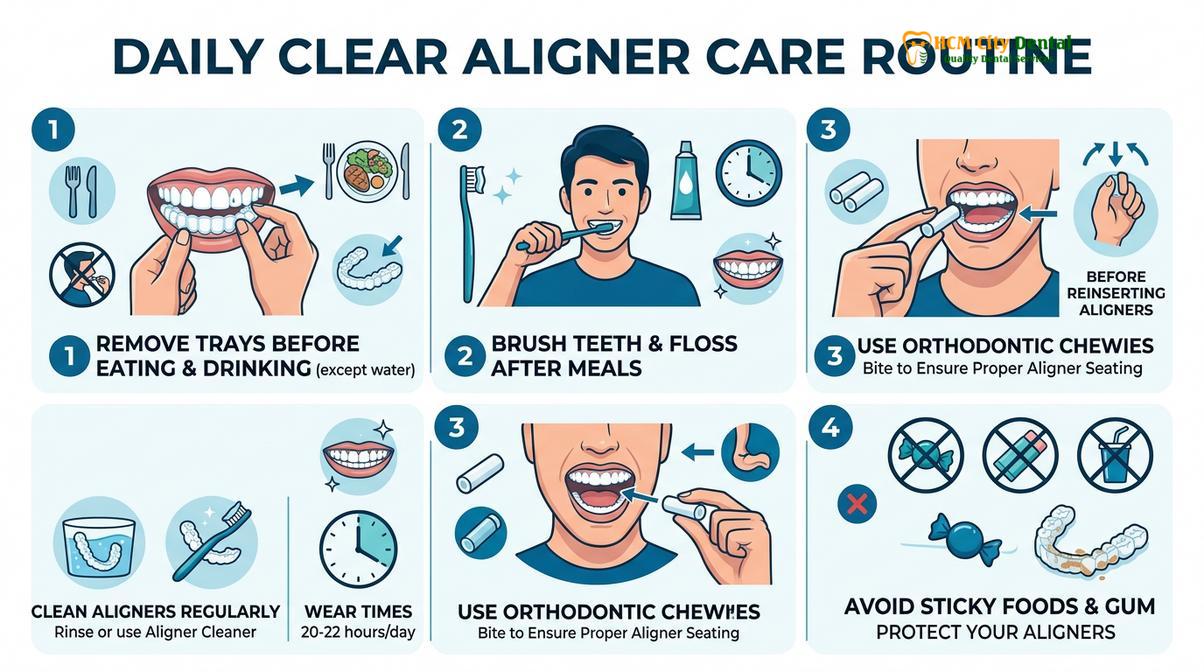
No, chewing gum should never be used to seat your aligners, as the uneven occlusal forces and sticky texture will damage the trays. Instead, you should use specialized orthodontic chewies, which are designed specifically to provide uniform pressure to seat the aligners correctly without causing structural damage.
How long can I leave my aligners out to chew gum?
You should limit the time your aligners are removed to ensure you meet the strict 22-hour daily wear requirement. If you choose to chew gum after a meal, keep the session brief—around 15 to 20 minutes—before thoroughly brushing your teeth and reinserting the aligners.
References
- Journal of Clinical Orthodontics. Thermoplastic aligner material properties and deformation risks.
- American Journal of Orthodontics and Dentofacial Orthopedics. The impact of masticatory forces on clear aligner efficacy.
- Journal of Dental Research. Xylitol and its role in caries prevention during orthodontic treatment.
- International Dental Journal. Expatriate healthcare expectations and direct billing models in Southeast Asia.
- Clinical Oral Investigations. Digital intraoral scanning accuracy in modern restorative dentistry.
If you have questions about your clear aligner treatment or need to replace a damaged tray, do not hesitate to seek professional guidance. For comprehensive orthodontic care and expert advice, contact HCMC Dental Clinic in Ho Chi Minh City today to schedule your consultation.