When comparing dental implants in Vietnam vs Thailand, both countries offer world-class clinical standards using premium global materials. However, Vietnam provides a significant cost advantage, often saving patients 30-50% on complex full-arch restorations compared to Thailand, without compromising surgical precision or long-term clinical outcomes.
Clinical Summary:
Thailand and Vietnam represent the premier destinations for dental implantology in Southeast Asia. While Thailand possesses a longer-established medical tourism infrastructure characterized by large hospital networks, Vietnam has rapidly emerged as a highly competitive alternative. Vietnamese clinics offer equivalent digital dentistry protocols, internationally trained specialists, and premium implant systems at substantially lower price points. Clinical success rates in both nations align with global standards when procedures are performed by certified implantologists utilizing evidence-based surgical protocols.
Key Takeaways:
- Both nations utilize identical top-tier implant systems, including Straumann, Nobel Biocare, and Osstem.
- Vietnam generally offers a 30% to 50% cost reduction on single implants and full-arch procedures compared to Thailand.
- Clinical success rates in top-tier clinics across both countries exceed 95%, aligning closely with global averages.
- Thailand features massive JCI-accredited hospital networks, while Vietnam excels in specialized, boutique implant centers.
- Comprehensive 3D CBCT imaging and computer-guided surgery are standard protocols in leading clinics of both destinations.
Clinical Infrastructure and Technological Capabilities
Both destinations utilize advanced digital dentistry, including 3D CBCT scanners and CAD/CAM technology, ensuring precise surgical planning and highly predictable implant placement.
The foundation of successful implant dentistry lies in the clinical infrastructure and the integration of advanced diagnostic technologies. When evaluating dental implants in vietnam vs thailand, patients will find that top-tier facilities in both nations have heavily invested in digital workflows that mirror those found in North America, Europe, and Australia. The primary difference lies in the structural model of healthcare delivery rather than the technological capability itself.
Thailand has spent decades building a robust medical tourism industry, heavily centered around massive, multi-disciplinary hospitals in Bangkok and Phuket. These institutions often hold Joint Commission International (JCI) accreditation, providing a comprehensive hospital environment. For patients seeking a dentist thailand bangkok region, these mega-clinics offer the convenience of having various medical specialties under one roof, which can be advantageous for patients with complex systemic health issues requiring multidisciplinary medical clearance prior to oral surgery [1].
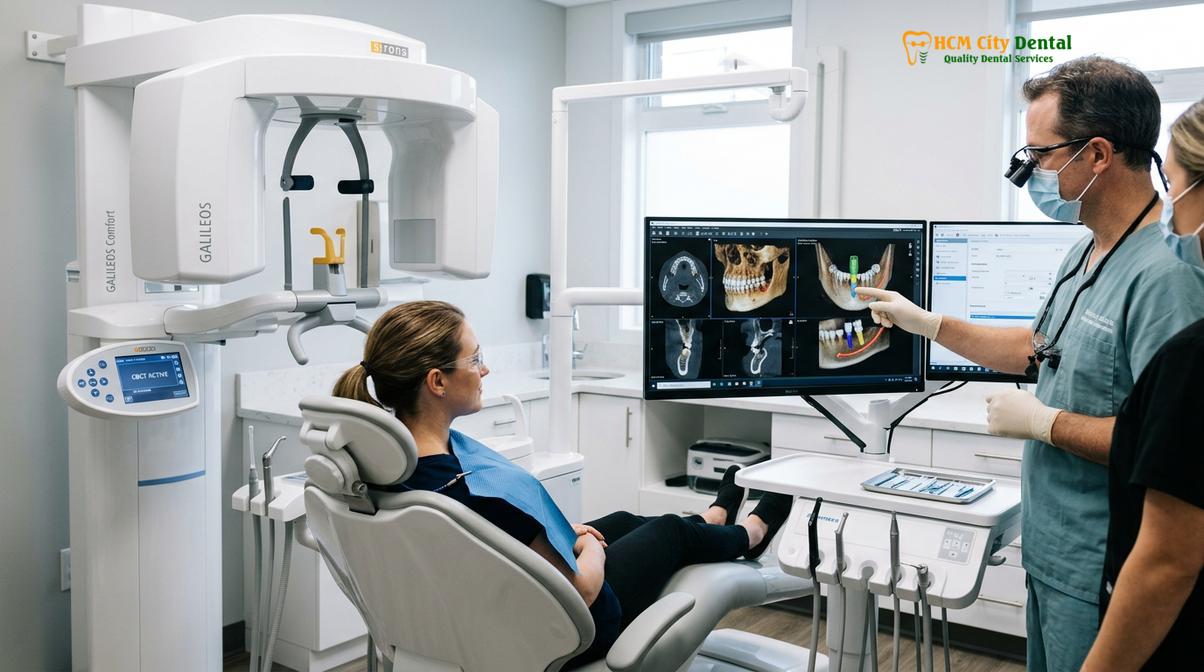
Conversely, Vietnam’s dental sector has evolved toward highly specialized, boutique implant centers. Facilities like HCMC Dental Clinic in Ho Chi Minh City focus exclusively on advanced oral rehabilitation. This specialized approach allows for highly streamlined workflows, personalized patient care, and rapid adoption of the latest implant technologies without the bureaucratic delays sometimes associated with large hospital networks. In these specialized centers, the entire clinical team—from the prosthodontist to the in-house master ceramist—is dedicated solely to implantology and aesthetic restorations.
Both countries utilize state-of-the-art diagnostic tools as standard practice. Cone Beam Computed Tomography (CBCT) is universally employed to assess bone volume, density, and the proximity of vital anatomical structures such as the inferior alveolar nerve and the maxillary sinus. Furthermore, intraoral scanners (such as 3Shape TRIOS or iTero) have largely replaced traditional messy impressions, allowing for the creation of highly accurate digital models. These digital impressions are integrated with CBCT data using specialized software to fabricate computer-generated surgical guides, ensuring that the implant is placed at the exact optimal angulation and depth [2]. For a broader understanding of how these technologies compare across the region, patients can review our guide on Comparing Implant Destinations Southeast Asia.
Comprehensive Cost Analysis and Value Proposition
Vietnam consistently offers lower treatment fees for implantology due to reduced operational and laboratory costs, making it a highly attractive option for extensive full-mouth rehabilitations.
The most significant differentiator between the two nations is the financial investment required for treatment. While both countries offer substantial savings compared to Western dental fees, Vietnam currently holds a distinct economic advantage. This price differential is not a reflection of inferior materials or lower clinical standards; rather, it is the result of macroeconomic factors, including lower commercial real estate costs, reduced labor expenses for highly skilled dental technicians, and favorable import regulations for medical devices.
For patients requiring extensive work, such as an All-on-4 or All-on-6 full-arch rehabilitation, the cost savings can be life-changing. In fact, the significant price difference often positions Vietnam as the cheapest country for all on 4 dental implants without compromising on the quality of the titanium fixtures or the final zirconia prosthetics. Patients can allocate the funds saved on treatment toward premium implant brands or a more comfortable recovery experience.
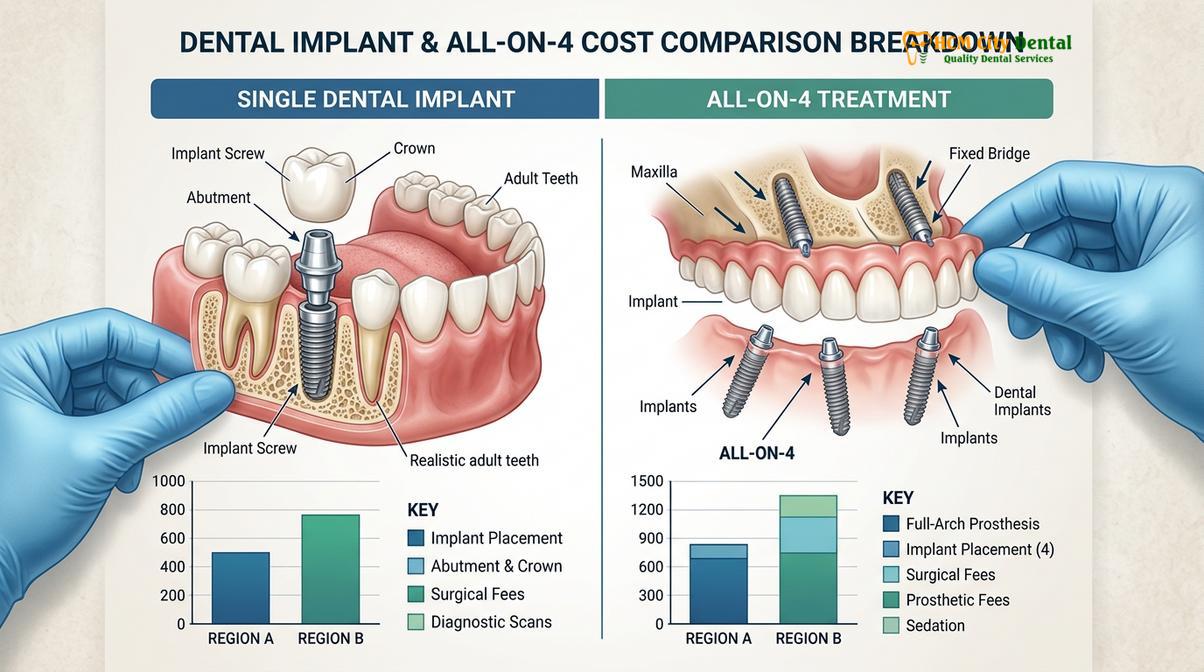
To illustrate the financial landscape, the following table provides a comparative overview of estimated clinical fees. Please note that these are average estimates and actual costs will vary based on the specific clinical presentation, the need for adjunctive procedures like bone grafting, and the chosen implant brand.
| Clinical Procedure | Estimated Cost in Thailand (USD) | Estimated Cost in Vietnam (USD) | Average Savings in Vietnam |
|---|---|---|---|
| Single Implant (Standard Brand) + Crown | $1,200 – $1,800 | $700 – $1,100 | 35% – 40% |
| Single Implant (Premium Brand e.g., Straumann) | $2,000 – $2,800 | $1,200 – $1,600 | 30% – 45% |
| All-on-4 Full Arch (Per Jaw) | $8,000 – $12,000 | $5,000 – $7,500 | 35% – 40% |
| Sinus Lift / Complex Bone Grafting | $800 – $1,500 | $400 – $800 | 45% – 50% |
When analyzing these figures, it becomes evident why a growing number of international patients are shifting their focus. While searching for the best dentist bangkok has to offer remains a popular route, the compelling value proposition of Vietnamese clinics is undeniable. For a more detailed breakdown of specific material costs and surgical fees, patients are encouraged to consult our comprehensive Dental Implants Cost guide.
Surgical Protocols and Implant Materials
Leading clinics in both countries strictly adhere to international surgical protocols, utilizing globally recognized titanium and zirconia implant fixtures to ensure optimal osseointegration.
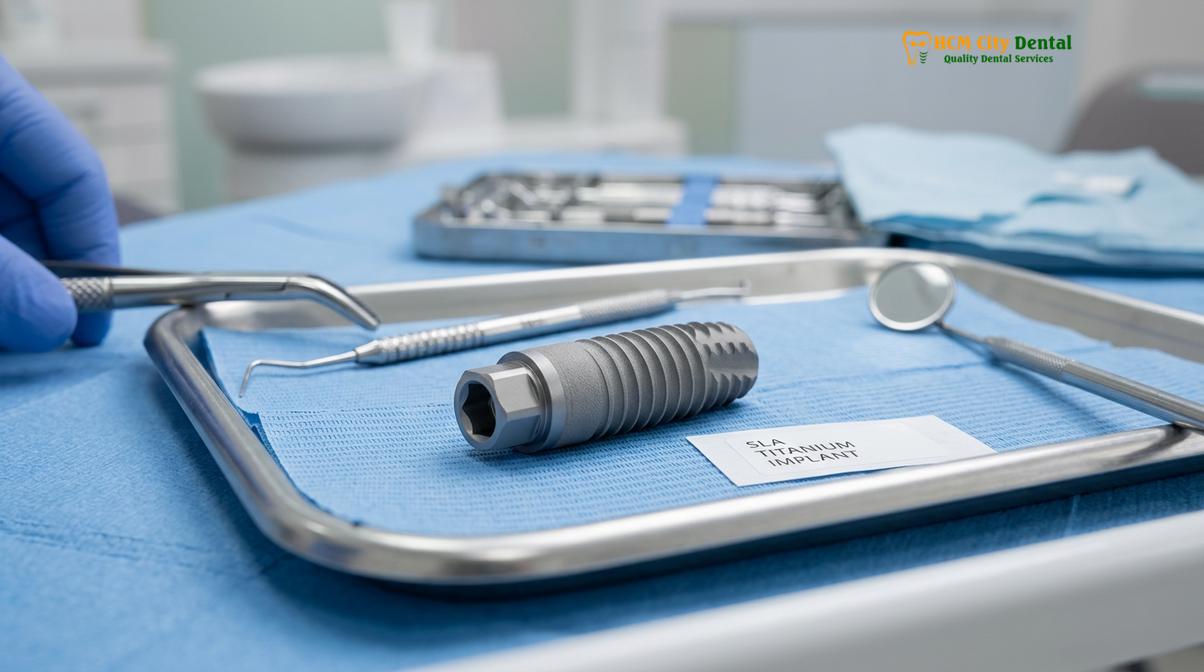
The biological success of a dental implant relies heavily on the process of osseointegration—the direct structural and functional connection between living bone and the surface of a load-bearing artificial implant. To achieve predictable osseointegration, clinics in both Vietnam and Thailand rely exclusively on FDA-approved and CE-marked implant systems from industry-leading global manufacturers [3]. Brands such as Straumann (Switzerland), Nobel Biocare (Sweden), and Osstem (South Korea) are the standard of care in top-tier facilities across both nations.
These premium implants feature advanced surface topographies, such as Sandblasted, Large-grit, Acid-etched (SLA) surfaces, which significantly accelerate the bone healing process and increase the primary stability of the fixture. The choice of material is critical, and patients must ensure they are receiving authentic products. Reputable clinics will always provide the original manufacturer’s passport and barcode for the implant placed. Patients can learn more about this verification process in our article on how to Verify Genuine Dental Implant Barcode Packaging.
“The long-term survivability of a dental implant is not dictated by the geographic location of the surgery, but rather by the strict adherence to sterile surgical protocols, the precise management of hard and soft tissues, and the utilization of scientifically validated implant biomaterials.”
In cases where patients present with insufficient alveolar bone volume due to prolonged tooth loss or periodontal disease, adjunctive surgical procedures are required prior to or concurrent with implant placement. Both Thai and Vietnamese specialists are highly proficient in advanced bone augmentation techniques, including guided bone regeneration (GBR), particulate bone grafting (using allografts, xenografts, or synthetic materials), and maxillary sinus floor elevation (sinus lifts). The biological principles governing these procedures remain identical regardless of the country. Understanding the Bone Grafting Recovery Timeline is essential for patients planning their medical travel, as these procedures directly impact the overall treatment duration.
Dr. Nguyen Van Cuong emphasizes that the surgical protocol must be tailored to the individual’s unique anatomical presentation. “We cannot force a standardized timeline on a biological process,” notes Dr. Cuong. “While immediate loading protocols like All-on-4 are highly successful for the right candidates, patients with compromised bone density must be afforded the necessary healing time to ensure the implant achieves absolute rigid fixation before bearing occlusal loads.”
Dental Tourism Logistics and Patient Experience
Patients must factor in travel logistics, accommodation, and post-operative recovery environments when choosing between the bustling medical hubs of Bangkok and the rapidly modernizing clinics of Ho Chi Minh City.
Beyond the clinical chair, the overall patient experience and travel logistics play a crucial role in the decision-making process. Both Thailand and Vietnam offer vibrant cultural experiences, excellent hospitality, and robust tourism infrastructures. However, the nuances of navigating these environments during a medical recovery phase differ.
Bangkok is a sprawling metropolis with a highly developed, albeit sometimes overwhelming, medical tourism machine. Patients traveling to Thailand often benefit from extensive concierge services provided by large hospitals, including airport transfers and integrated hotel accommodations. The city offers a vast array of luxury recovery options, though navigating the intense traffic post-surgery can be a consideration for some.
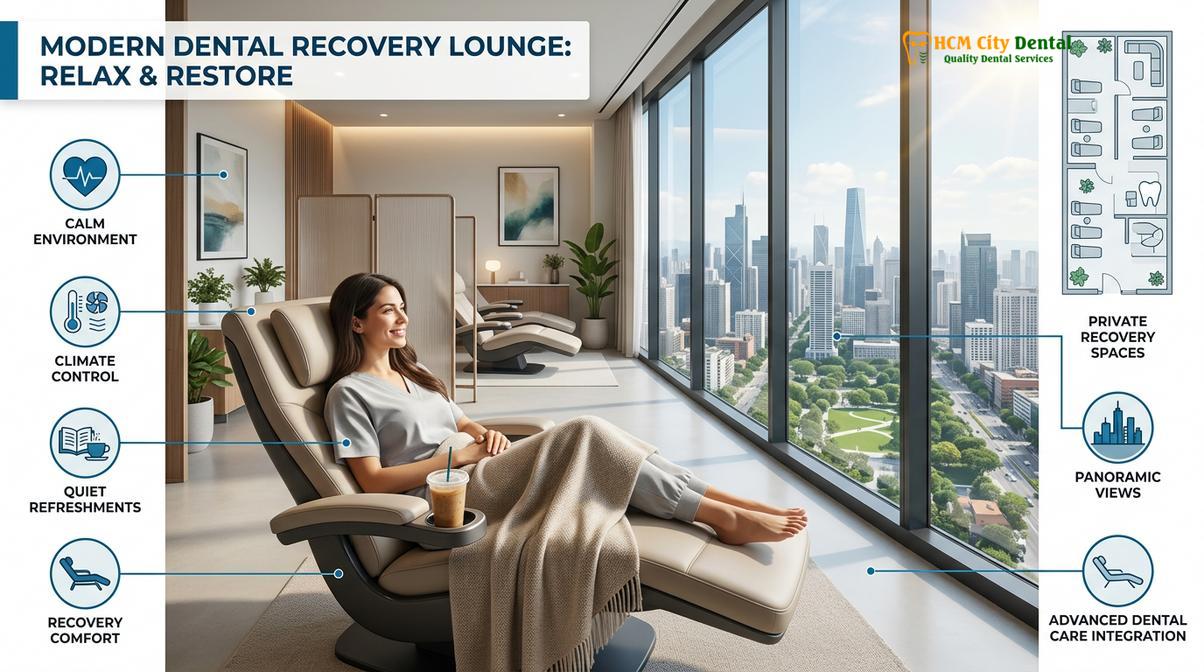
Ho Chi Minh City (Saigon) offers a slightly different dynamic. While equally bustling, the concentration of premium dental clinics in central districts (like District 1 and District 3) allows patients to stay in comfortable, affordable boutique hotels within walking distance of their chosen clinic. Facilities like HCMC Dental Clinic prioritize a highly personalized concierge approach, assigning dedicated international patient coordinators who assist with everything from visa applications to post-operative dietary recommendations. The cost of accommodation, local transportation, and soft-diet friendly cuisine in Vietnam is generally lower than in Thailand, further compounding the overall financial savings of the trip.
Clinical Case Overview: Full-Arch Rehabilitation Logistics
A 58-year-old patient from Australia required a dual-arch All-on-4 rehabilitation. After comparing quotes, the patient chose HCMC Dental Clinic in Ho Chi Minh City over a prominent Bangkok hospital. The clinical treatment plan utilized identical Nobel Biocare fixtures. By choosing Vietnam, the patient saved approximately 35% on the surgical and prosthetic fees. Furthermore, the reduced cost of a 14-day stay in a premium hotel in Saigon allowed the patient to bring a companion, turning a major medical procedure into a comfortable, supported recovery experience without exceeding their original budget.
When planning the journey, understanding the required time in-country is vital. A standard two-stage implant procedure requires two separate trips, whereas immediate loading protocols may be completed in a single, longer stay. Patients should review a detailed Dental Implant Timeline Vietnam to accurately plan their flights and accommodation, ensuring ample time for post-surgical monitoring and prosthetic adjustments before returning home [4].
When to Consult a Dental Implant Specialist
A comprehensive clinical evaluation is mandatory to determine implant candidacy, particularly for patients with underlying systemic health conditions or severe anatomical deficiencies.
While dental implants boast a remarkably high success rate, they are not universally applicable to every patient without proper medical screening. The decision to undergo implant surgery—whether domestically or abroad—must be preceded by a thorough diagnostic evaluation by a qualified dental specialist. Patients should seek a consultation if they are experiencing functional limitations due to missing teeth, suffering from the instability of traditional removable dentures, or facing imminent tooth loss due to advanced decay or trauma.
During the initial consultation, the specialist will evaluate several critical factors. Adequate bone volume and density are paramount; without sufficient bone to anchor the titanium fixture, the implant will fail to integrate. Furthermore, the health of the surrounding gingival tissues must be optimized. Active periodontal disease is a strict contraindication for implant placement, as the bacteria responsible for gum disease can easily colonize the implant surface, leading to peri-implantitis and eventual implant failure [5].
Important Clinical Considerations:
Patients with uncontrolled systemic conditions, such as unmanaged diabetes mellitus, autoimmune disorders, or those undergoing active bisphosphonate therapy or radiation treatment to the head and neck, face a significantly higher risk of delayed healing and implant failure. Full disclosure of all medical history and current medications to your implantologist is absolutely critical prior to commencing any surgical intervention.
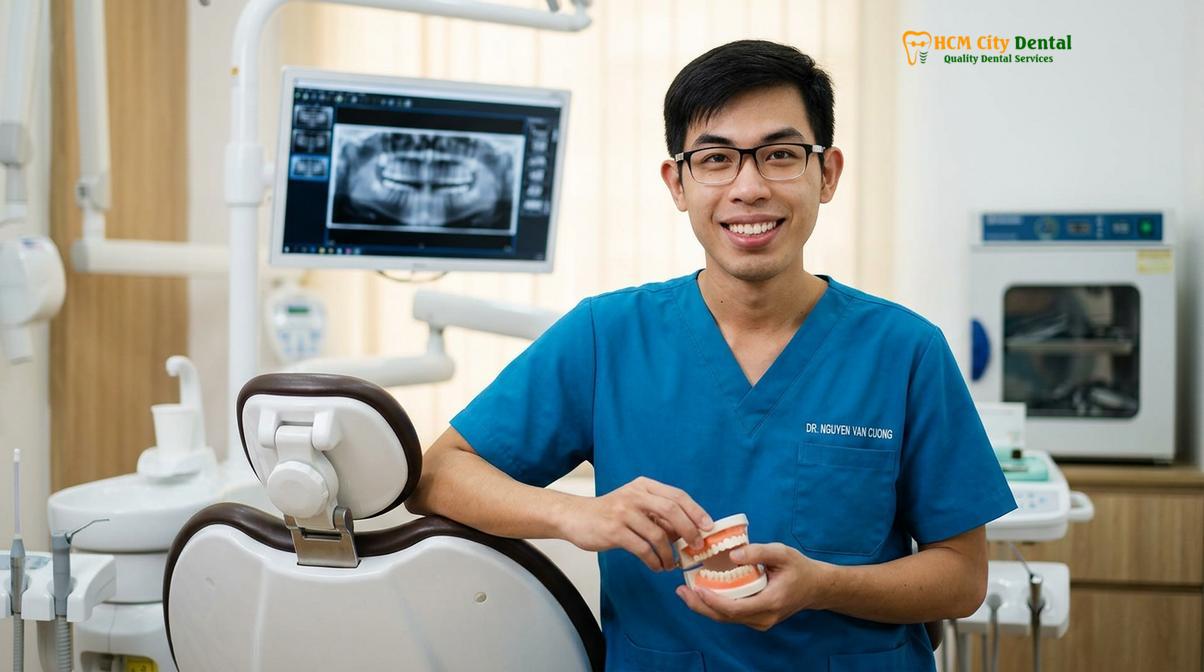
Dr. Nguyen Van Cuong strongly advises international patients to undergo a preliminary screening in their home country before booking flights. “We encourage patients to send us their recent panoramic X-rays or CBCT scans for a preliminary digital assessment,” states Dr. Cuong. “This allows us to identify potential anatomical challenges, such as the need for extensive sinus grafting, and provide a highly accurate, customized treatment plan and timeline before the patient ever boards a plane.”
“Patient selection is the cornerstone of implant success. A meticulously executed surgery cannot overcome the biological limitations imposed by uncontrolled systemic disease or poor oral hygiene compliance.”
Ultimately, the choice between Vietnam and Thailand depends on the patient’s specific priorities regarding budget, preferred travel environment, and the specific clinical expertise required for their case. Both nations are capable of delivering exceptional, life-changing results. For a broader understanding of all restorative options and general oral health maintenance, patients are encouraged to explore our comprehensive general dental guide.
Frequently Asked Questions
Are dental implants in Vietnam as safe as in Thailand?
Yes, dental implants in Vietnam are highly safe and comparable to Thailand when performed at accredited clinics. Leading facilities in both countries utilize identical global implant brands, advanced 3D CBCT imaging, and strict international sterilization protocols to ensure predictable and secure surgical outcomes. The safety profile is determined by the clinic’s adherence to these protocols and the surgeon’s expertise, rather than the geographic location.
Why are dental implants cheaper in Vietnam compared to Thailand?
The cost difference is primarily driven by lower operational overhead, including real estate and staffing costs, rather than a compromise in material quality. Both nations import the same premium titanium fixtures, but Vietnam’s economic structure allows clinics to offer these treatments at a more accessible price point. Additionally, in-house dental laboratories in Vietnam often operate with lower labor costs while maintaining high craftsmanship standards.
How long do I need to stay in the country for an implant procedure?
A standard dental implant procedure typically requires two separate visits spaced several months apart. The initial surgical placement usually requires a stay of 5 to 7 days to allow for surgery and initial post-operative monitoring. After a healing period of 3 to 6 months for osseointegration, a second trip of 7 to 10 days is required to fabricate and fit the final custom crown or bridge.
Can I get All-on-4 implants done in a single trip?
Immediate loading protocols like All-on-4 can provide a fixed provisional prosthesis in a single trip lasting about 10 to 14 days. This allows you to leave with functional teeth. However, patients must return after several months of healing to receive their final, permanent zirconia or acrylic hybrid bridge, as the initial provisional bridge is designed to accommodate tissue changes during the healing phase.
What happens if my dental implant fails after I return home?
Reputable clinics provide international warranties on the implant fixtures from global manufacturers like Straumann or Nobel Biocare. If a failure occurs, the manufacturer can often facilitate a replacement fixture. However, patients should discuss specific clinical revision policies with their chosen provider beforehand, as surgical revision fees or travel costs are typically not covered by the manufacturer’s material warranty.
References
- Clinical Oral Implants Research. Long-term survival rates of titanium dental implants in Southeast Asian populations. (2021).
- Journal of Oral and Maxillofacial Surgery. Comparative analysis of digital workflow accuracy in implantology. (2022).
- International Journal of Implant Dentistry. Economic evaluation of dental tourism for full-arch rehabilitations. (2020).
- Journal of Clinical Periodontology. Crestal bone level changes following immediate vs delayed implant placement. (2019).
- British Dental Journal. Patient satisfaction and clinical outcomes in cross-border dental care. (2023).