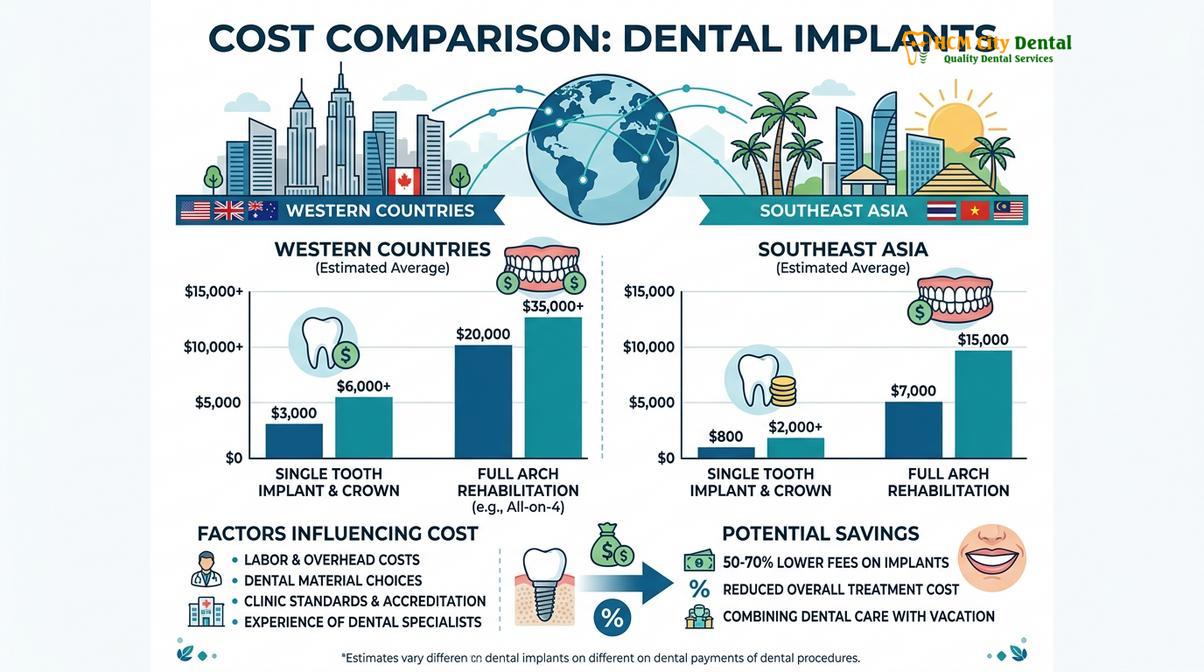
The cost of dental implants typically ranges from $1,500 to $6,000 per tooth in Western countries, while international dental tourism destinations offer the same premium treatments for $700 to $1,500. Total expenses depend on the implant brand, required bone grafting, and the final prosthetic crown material.
Clinical Summary:
Dental implant pricing is a multifaceted calculation involving the surgical placement of a biocompatible titanium fixture, a connecting abutment, and a custom-milled prosthetic crown. Advanced clinical requirements, such as sinus lifts, guided bone regeneration, or full-arch All-on-4 restorations, directly influence the final investment. By leveraging digital dentistry and exploring international treatment hubs, patients can access world-class, evidence-based implantology at significantly reduced out-of-pocket costs without compromising surgical safety, aesthetic outcomes, or long-term biomechanical stability.
Key Takeaways:
- A comprehensive single implant fee encompasses the titanium post, abutment, and custom crown.
- Full-arch restorations (All-on-4 or All-on-6) provide complete jaw rehabilitation at a bundled, cost-effective rate.
- Preliminary procedures like bone grafting or sinus lifts incur additional surgical fees.
- Dental tourism in Ho Chi Minh City can reduce total treatment costs by up to 70% compared to Western clinics.
- Premium implant systems (e.g., Straumann, Nobel Biocare) offer superior osseointegration and global warranties.
Factors Influencing Dental Implants Cost
The total financial investment for a dental implant depends on the chosen titanium brand, the complexity of the surgical site, and the material of the final prosthetic crown.
Understanding the true dental implants cost requires breaking down the procedure into its core clinical components. Unlike conventional removable dentures, an implant is a sophisticated medical device designed to integrate directly with the human jawbone. When patients ask which are the best dental implants, the answer lies in the extensive research and development behind premium brands, which naturally affects the price point. The total fee is rarely a single line item; rather, it is a combination of surgical, prosthetic, and laboratory expenses.[1]
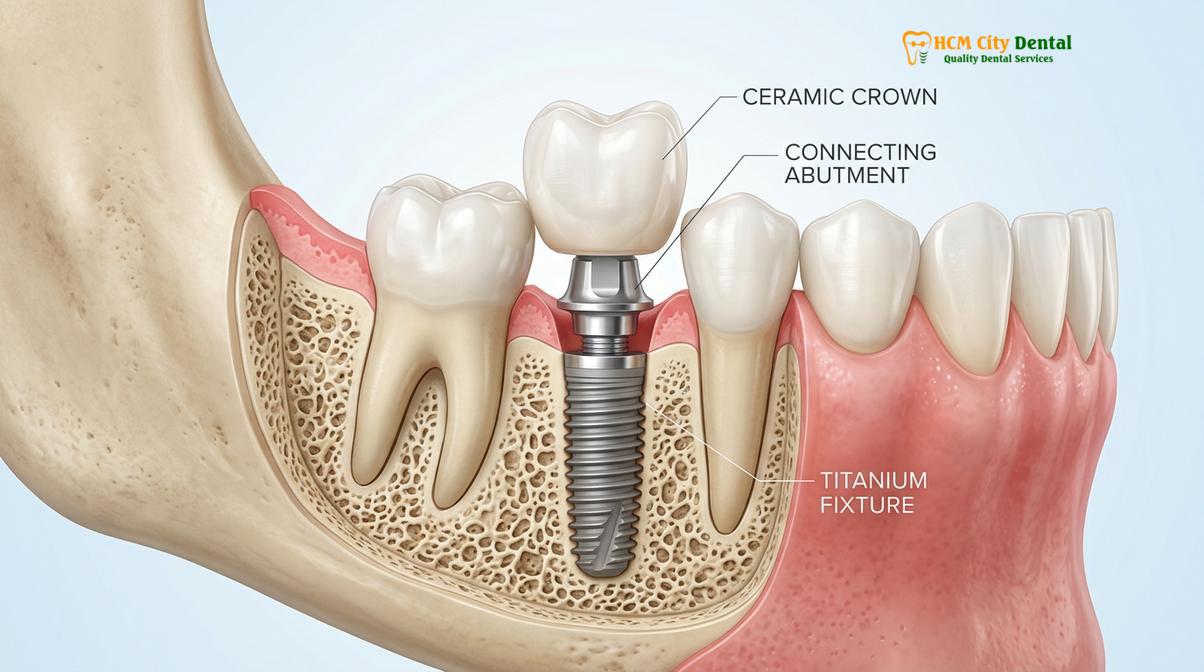
The first major cost component is the implant fixture itself. High-tier brands that provide high quality dental services and swiss dental services—such as Straumann or Nobel Biocare—command a higher price due to their proprietary surface technologies (like SLActive) that accelerate osseointegration. Mid-tier options from South Korea or the USA offer excellent clinical outcomes at a more accessible price point. The second component is the abutment, the connector piece that sits above the gum line. Custom-milled abutments, which provide a superior emergence profile for the gum tissue, are more expensive than prefabricated stock abutments.
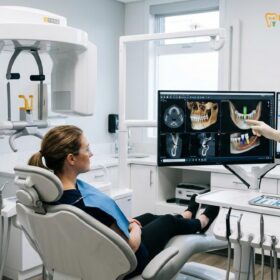
The final component is the prosthetic crown. The material chosen—whether Porcelain-Fused-to-Metal (PFM), Lithium Disilicate (E.max), or monolithic Zirconia—dictates both the aesthetic result and the cost. Furthermore, before any surgery begins, patients must undergo comprehensive 3D CBCT imaging and sign detailed dental consent forms. If the diagnostic imaging reveals insufficient bone volume, adjunctive procedures such as guided bone regeneration (bone grafting) or a sinus lift will be required, adding to the overall clinical fee.[2]
Single vs. Full-Arch (All-on-4) Implant Pricing
Single implants replace individual missing teeth, whereas full-arch solutions like All-on-4 rehabilitate an entire jaw using four strategic posts, offering a more cost-effective full-mouth restoration.
When evaluating treatment options, the financial trajectory changes significantly depending on whether a patient is missing a single tooth, multiple teeth, or an entire dental arch. Patients who initially seek quotes from local domestic providers—often searching for a dentist va beach, new haven dental, or a dr west dentist—are frequently surprised by the high domestic fees. Whether visiting a boutique beach dental clinic, a fusion dental center, or even specialized practices like park dental implants and airport dental care, the overhead costs in Western countries remain exceptionally high. Even routine inquiries at a local beach dental care or park street dental office reveal that a single tooth replacement can easily exceed $4,000.
For patients facing complete edentulism (total tooth loss), replacing each tooth individually is both clinically impractical and financially prohibitive. This is where the All-on-4 treatment concept becomes highly advantageous. The 4 in 1 dental implants cost is structured as a bundled package. By placing two vertical implants in the anterior jaw and two tilted implants in the posterior jaw, surgeons can bypass anatomical limitations like the maxillary sinus or the mandibular nerve, often eliminating the need for extensive bone grafting.[3]
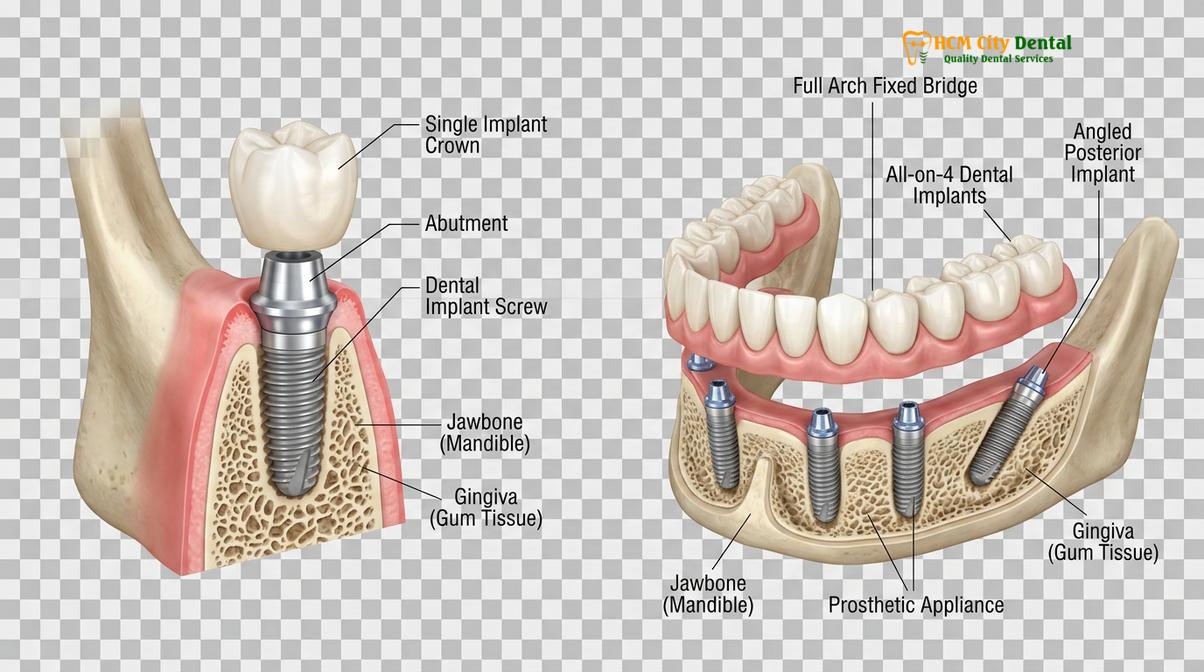
This biomechanical approach not only reduces surgical trauma but also significantly lowers the overall cost compared to traditional methods. When researching the cheapest country for all on 4 dental implants, patients must balance affordability with clinical excellence. While some patients may use playful search terms like adventure time dentist when looking for pediatric care, adult implantology requires serious clinical expertise and a deep understanding of full-arch biomechanics.
| Treatment Type | Estimated Cost (US/Australia) | Estimated Cost (Vietnam) | Clinical Advantage |
|---|---|---|---|
| Single Implant (Standard) | $3,000 – $5,000 | $700 – $1,200 | Preserves adjacent natural teeth |
| Single Implant (Premium/Swiss) | $4,500 – $6,500 | $1,200 – $1,800 | Faster healing, global warranty |
| Bone Grafting (Per Site) | $500 – $1,200 | $200 – $400 | Ensures long-term implant stability |
| All-on-4 Full Arch | $20,000 – $35,000 | $6,000 – $9,000 | Immediate functional loading |
The Clinical Workflow and Laboratory Precision
A successful implant procedure relies on precise 3D diagnostics, meticulous surgical execution, and the fabrication of custom prosthetics in an advanced dental laboratory.
The journey to restoring a functional smile is a highly orchestrated medical workflow. It begins with a comprehensive clinical evaluation. According to Dr. Nguyen Van Cuong, a leading specialist at HCMC Dental Clinic, the success of an implant is dictated long before the surgery begins, relying heavily on accurate digital diagnostics. Utilizing Cone Beam Computed Tomography (CBCT), the surgical team maps the exact density and volume of the jawbone, identifying critical anatomical landmarks to ensure safe and precise implant placement.
“Implantology is no longer a game of estimation. With modern 3D surgical guides, we can plan the exact angulation and depth of the titanium fixture virtually, ensuring maximum biomechanical stability and minimizing surgical trauma for the patient.”
Following the surgical phase, the patient enters the osseointegration period, which typically lasts three to six months. During this time, the jawbone fuses with the titanium surface. Once integrated, the restorative phase begins. The precision of the final crown is paramount. While some domestic clinics may outsource their prosthetics to a modern dental laboratory usa or a dental laboratory new york, leading international centers often utilize in-house CAD/CAM technology or partner with a dedicated precision dental laboratory. This ensures that the final zirconia or porcelain crown is milled to exact microscopic tolerances, providing a perfect bite alignment and a natural aesthetic appearance.[4]
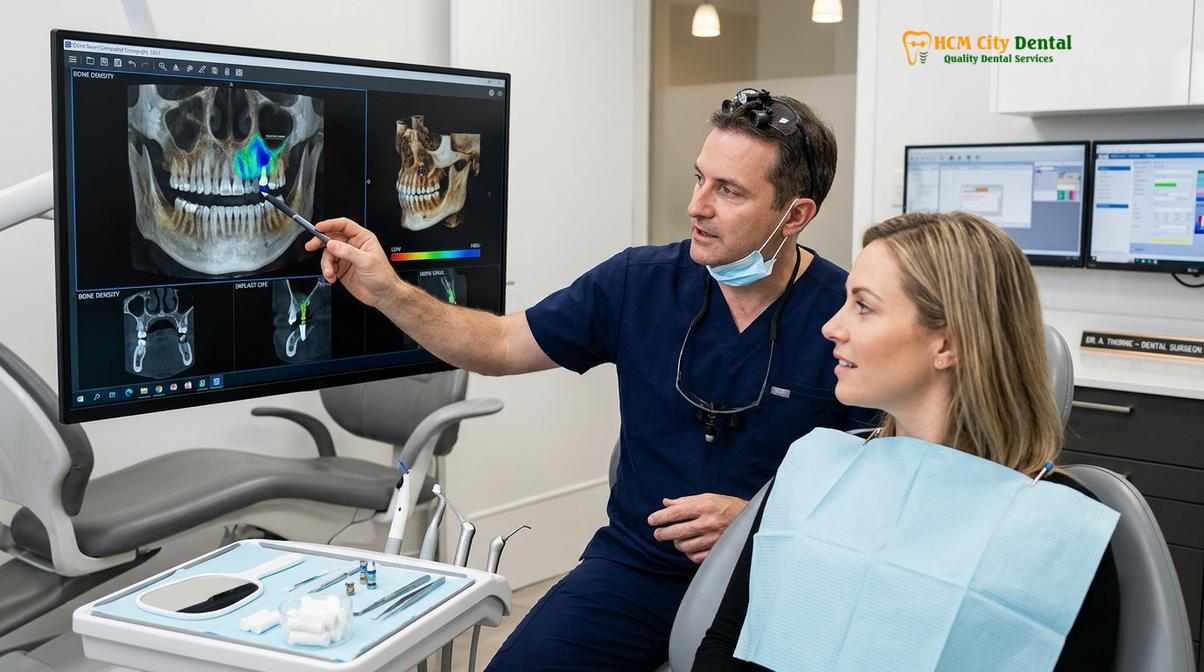
A dynamic dental treatment plan adapts to the patient’s unique healing timeline. Soft tissue management is carefully monitored to ensure the gums heal tightly around the abutment, preventing bacterial ingress and ensuring the long-term survival of the implant. By adhering to strict international protocols, clinics can achieve success rates exceeding 95% over a 10-year period.
Dental Tourism: Vietnam vs. Other Destinations
Southeast Asia has emerged as a premier hub for implantology, with Vietnam offering highly competitive pricing and exceptional clinical standards compared to neighboring countries.
The globalization of healthcare has made cross-border dental care a viable and attractive option for millions of patients. When seeking the best quality dental implants abroad, patients frequently compare destinations across Southeast Asia. Historically, many patients looked for the best dentist in phuket or a dentist thailand bangkok. Facilities rivaling any bangkok dental hospital or bangkok international dental clinic have long been popular. However, Ho Chi Minh City has rapidly ascended as a premier destination for dental tourism in Vietnam, offering equivalent or superior clinical standards at a fraction of the cost.
Whether a patient is considering a dentist phuket or the best dentist bangkok, it is essential to compare Southeast Asian dental destinations based on the credentials of the surgeons and the technology utilized. HCMC Dental Clinic in Ho Chi Minh City utilizes the exact same premium implant systems (such as Nobel Biocare and Straumann) and digital scanners (like 3Shape and iTero) found in top-tier Western practices. The cost savings are derived entirely from lower operational overhead and favorable currency exchange rates, not from a reduction in clinical quality or material safety.[5]
Patient Case Study: Full-Arch Rehabilitation
Patient Profile: A 58-year-old male from Australia suffering from severe periodontitis and failing dental bridges.
Clinical Challenge: The patient required full-mouth extractions and immediate functional restoration, but was quoted over $50,000 domestically.
Treatment at HCMC Dental Clinic: The patient traveled to Ho Chi Minh City for an All-on-4 procedure on both the upper and lower arches. Utilizing 3D guided surgery, the failing teeth were extracted, and eight premium implants were placed. Temporary fixed acrylic bridges were loaded within 48 hours.
Outcome: After a four-month healing period, the patient returned for the final monolithic zirconia bridges. The total treatment cost, including travel and accommodation, was less than $20,000, resulting in a fully restored, highly aesthetic smile and a return to normal chewing function.
Financing, Insurance, and Warranty
Navigating payment options involves understanding insurance limitations, exploring flexible financing plans, and ensuring your chosen implant comes with a robust international warranty.
The financial aspect of implant dentistry can be daunting, but understanding the available resources can help mitigate the burden. When patients attempt to purchase dental insurance, they often discover that standard policies classify implants as cosmetic or elective, covering only a fraction of the procedure, such as the initial consultation, X-rays, or the final crown. The surgical placement of the titanium post is rarely covered in full.
Patients should also be cautious of aggressive dental lead generation tactics online that promise unrealistic dental grants or “free” implants. True dental grants are exceedingly rare and typically reserved for severe trauma cases or specific non-profit clinical trials. Instead, patients should focus on clinics that offer transparent, itemized pricing and flexible payment plans. Furthermore, it is critical to verify genuine implant packaging to ensure the materials used are authentic.
Clinical Warning: Beware of Hidden Fees
When comparing quotes for dental implants, ensure the price provided is comprehensive. Some clinics advertise a low “implant cost” that only covers the titanium post, leaving patients surprised by subsequent bills for the abutment, the crown, surgical extraction fees, and necessary bone grafting. Always request a fully itemized treatment plan before committing to surgery.
A crucial factor in the overall value of an implant is the warranty. Premium implant manufacturers provide a global lifetime warranty on the titanium fixture. This means that if the implant fails due to a manufacturing defect, it can be replaced at any certified clinic worldwide. Patients traveling for advanced implant dentistry should always request the physical implant passport or barcode sticker for their medical records.
When to See a Doctor for Implant Consultation
Tooth loss is not merely an aesthetic issue; it is a progressive medical condition that affects the entire stomatognathic system. When a tooth is lost, the underlying jawbone no longer receives the biomechanical stimulation required to maintain its density. This leads to rapid bone resorption, which can alter facial aesthetics, cause adjacent teeth to shift, and complicate future restorative efforts.
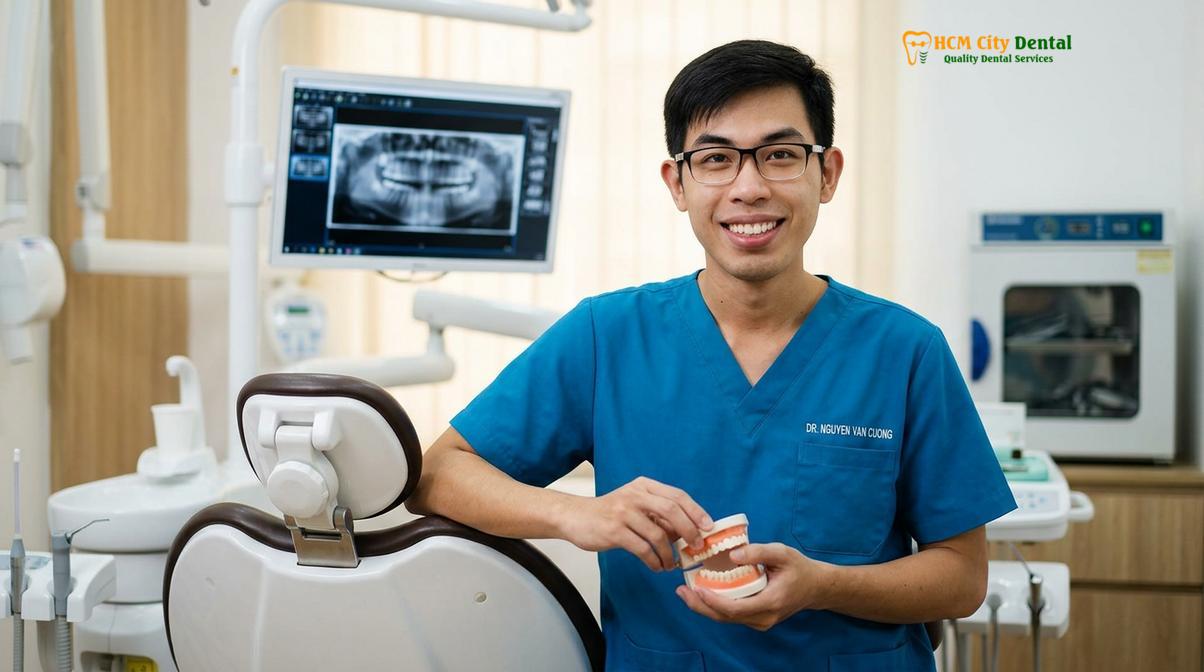
You should schedule a comprehensive clinical consultation if you experience any of the following symptoms:
- Missing one or more teeth: Leaving a gap can lead to the supra-eruption of opposing teeth and the drifting of adjacent teeth.
- Failing traditional bridges: If an existing dental bridge is loose or decay has formed under the supporting crowns, an implant may be a more sustainable long-term solution.
- Discomfort with removable dentures: Dentures that slip, cause gum irritation, or restrict your ability to chew tough foods can be stabilized or entirely replaced with implant-supported prosthetics.
- Advanced periodontal disease: If teeth are highly mobile due to severe gum disease, strategic extractions followed by immediate implant placement may be necessary to halt infection and restore function.
“Timely intervention is critical in implantology. Delaying treatment allows the jawbone to atrophy, which may eventually necessitate complex and costly bone grafting procedures before an implant can be safely placed. Early consultation preserves both bone volume and financial resources.”
According to Dr. Cuong, every patient’s anatomy is unique. A thorough evaluation, including a review of medical history and 3D imaging, is essential to determine candidacy. Conditions such as uncontrolled diabetes, active periodontal disease, or a history of heavy smoking can impair healing and must be managed prior to surgery. Understanding the bone grafting recovery and the overall implant treatment timeline will help set realistic expectations for your restorative journey. For a personalized assessment and a transparent breakdown of your specific dental implants cost, we encourage you to explore our comprehensive dental care guide and schedule a consultation at HCMC Dental Clinic in Ho Chi Minh City.
Frequently Asked Questions
How much does a single dental implant cost on average?
A single dental implant typically costs between $1,500 and $6,000 in Western countries, whereas international clinics offer the same treatment for $700 to $1,500. This fee generally includes the titanium post, the connecting abutment, and the final custom porcelain or zirconia crown. The exact price fluctuates based on the brand of the implant used and whether any preliminary bone grafting is required to secure the fixture.
Are dental implants covered by standard health insurance?
Most standard health insurance plans classify dental implants as an elective cosmetic procedure and do not cover the surgical placement. However, some policies may partially reimburse the cost of the final dental crown or necessary preliminary procedures like tooth extractions. It is highly recommended to consult directly with your insurance provider and request a pre-treatment estimate using the specific dental codes provided by your clinic.
What is the cost difference between All-on-4 and individual implants?
All-on-4 is significantly more cost-effective for full-mouth restoration, typically ranging from $10,000 to $25,000 per arch, compared to replacing each tooth individually. By using only four strategically angled implants to support a full prosthetic bridge, it reduces both surgical time and material costs. Replacing 12 to 14 teeth individually with single implants would be exponentially more expensive and require excessive surgical intervention.
Are there hidden fees in dental implant procedures?
Hidden fees can occur if preliminary treatments like bone grafting, sinus lifts, or 3D CBCT scans are not included in the initial quote. It is crucial to request a comprehensive, itemized treatment plan before surgery to understand the total financial commitment. Reputable clinics will clearly separate the costs of the surgical phase, the restorative phase, and any necessary adjunctive therapies.
Why is dental tourism in Vietnam more affordable than in the US or Australia?
Dental tourism in Vietnam is more affordable due to lower operational overhead, reduced labor costs, and favorable exchange rates, not a compromise in quality. Top clinics utilize the exact same premium imported implant brands and digital CAD/CAM technology found in Western countries. This allows international patients to receive world-class, evidence-based care while saving up to 70% on their total treatment expenses.
References
- Journal of Oral Implantology. Economic evaluation of single-tooth replacement modalities. (2021).
- International Journal of Oral and Maxillofacial Implants. Long-term survival rates of titanium vs. zirconia implants. (2020).
- Clinical Implant Dentistry and Related Research. Biomechanical analysis of All-on-4 full-arch restorations. (2019).
- Journal of the American Dental Association. Patient-reported outcomes and cost-benefit analysis in implant dentistry. (2022).
- World Health Organization. Global perspectives on oral health and cross-border dental care. (2018).