Comparing implant destinations in Southeast Asia reveals that Vietnam offers an optimal balance of clinical excellence and affordability, followed closely by Thailand’s established medical infrastructure and Bali’s recovery-focused clinics. Choosing the right destination depends heavily on your specific surgical needs, budget constraints, and desired travel logistics.
Clinical Summary:
Southeast Asia has emerged as a premier global hub for restorative dentistry. While Thailand provides luxury hospital-based care and Bali offers aesthetic-focused retreats, Vietnam—particularly Ho Chi Minh City—excels in complex implantology at highly competitive rates. Long-term clinical success relies on verifying doctor credentials, ensuring international sterilization protocols, and understanding the multi-stage biological timeline required for proper osseointegration before committing to a treatment plan abroad.
Key Takeaways:
- Vietnam provides highly cost-effective implant solutions without compromising on global clinical standards or material quality.
- Thailand offers a mature medical tourism infrastructure with premium, albeit more expensive, hospital-based dental centers.
- Bali is popular for minor aesthetic work, but complex bone grafting requires careful clinic vetting to ensure surgical expertise.
- Class-B autoclave sterilization and the use of genuine imported titanium materials are non-negotiable safety markers.
- Implant staging typically requires two separate trips spaced three to six months apart to allow for proper bone healing.
The Rise of Dental Tourism in Southeast Asia
Southeast Asia dental tourism has grown exponentially as patients seek high-quality restorative care at a fraction of Western prices, combining advanced digital dentistry with recovery-friendly environments.
The global landscape of restorative dentistry has shifted dramatically. Faced with prohibitive out-of-pocket costs in countries like the United States, Australia, and the United Kingdom, patients are increasingly looking outward. This migration has fueled the rapid expansion of Southeast Asia dental tourism, transforming the region into a powerhouse of medical excellence. The appeal extends far beyond mere cost savings; it is rooted in the high caliber of clinical care now available in these emerging markets.
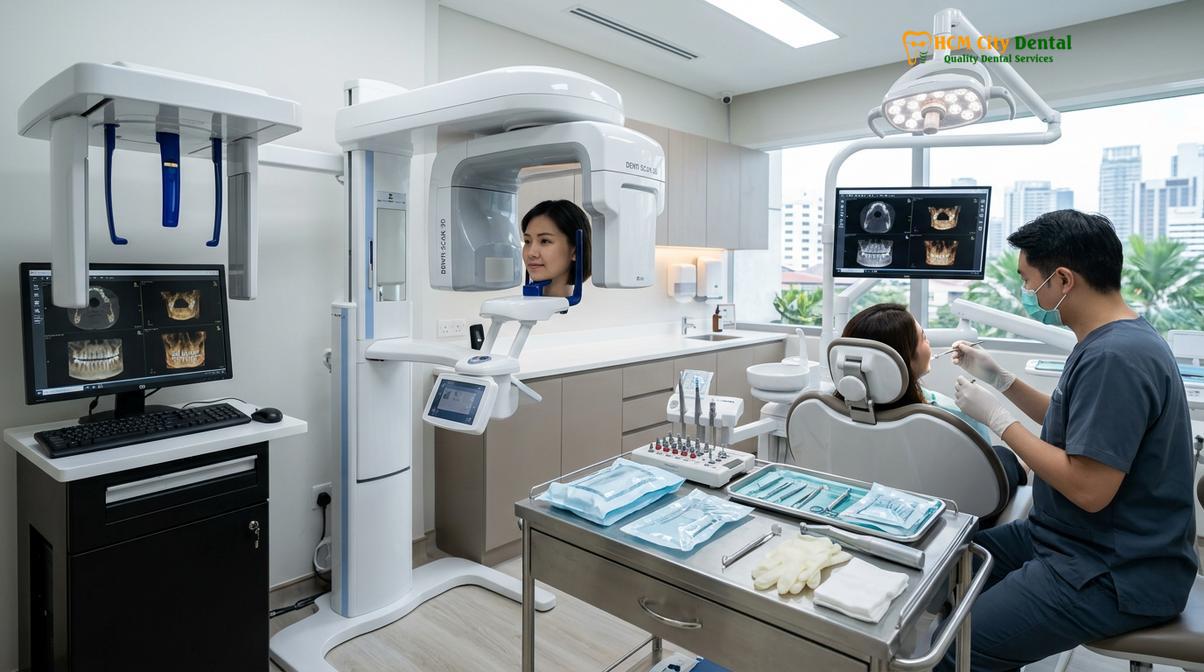
Historically, patients traveling abroad for medical procedures faced concerns regarding safety and technological parity. Today, the paradigm has completely inverted. Leading clinics across the region have heavily invested in state-of-the-art digital workflows. This includes the integration of Cone Beam Computed Tomography (CBCT) scanners, intraoral 3D scanners, and computer-guided surgical planning software. These advancements allow oral surgeons to map the jawbone with sub-millimeter precision, ensuring optimal placement of the titanium fixture and minimizing surgical trauma. According to the FDI World Dental Federation, the standardization of digital tools has significantly elevated global clinical outcomes [1].
Furthermore, the transition from local expensive care to overseas dental clinic standards has been facilitated by the globalization of medical education. Many leading specialists in the region have completed postgraduate training, fellowships, or board certifications in Europe, North America, or South Korea. This cross-pollination of knowledge ensures that the surgical techniques employed—whether for a single posterior replacement or a complex full-arch rehabilitation—mirror the exact protocols used in top-tier Western practices. The global trends in dental tourism highlight that specialized training is the primary differentiator in success rates [2].
When evaluating restorative dental travel, patients must recognize that the region is not a monolith. Different countries have developed distinct medical identities. Understanding these nuances is critical for making an informed decision that aligns with both clinical requirements and personal comfort.
Comparing Dental Implant Costs: Vietnam vs. Thailand vs. Bali
Vietnam consistently offers the lowest surgical fees for implants, while Thailand charges a premium for its established hospital networks, and Bali pricing varies widely based on tourist proximity.
Financial considerations are often the primary catalyst for seeking treatment abroad. However, a transparent comparison of costs must account for the quality of materials, the complexity of the surgical intervention, and the overhead structures of the host country. When analyzing dental implants Bangkok vs Saigon, or evaluating implant prices Bali, distinct economic patterns emerge.
Thailand has long been the pioneer of medical tourism in the region. Its infrastructure is highly developed, with massive international hospitals offering dedicated dental wings. This hospital-based model provides a luxurious patient experience, complete with concierges and multi-lingual translators. However, this extensive infrastructure comes with significant overhead, which is reflected in the pricing. While still cheaper than Western alternatives, Thailand represents the higher end of the cost spectrum in Southeast Asia.
Conversely, Vietnam has adopted a model centered around specialized, boutique dental clinics. By focusing exclusively on oral surgery and restorative dentistry rather than maintaining massive general hospital facilities, Vietnamese clinics operate with lower overhead. These savings are passed directly to the patient. Consequently, Vietnam offers exceptional value, utilizing the exact same premium implant brands (such as Straumann, Nobel Biocare, and Dentium) as their Thai counterparts, but at a substantially reduced cost. According to the Medical Tourism Association, Vietnam’s patient safety ratings have surged, making it a highly competitive alternative to traditional hubs [5]. For a deeper dive into this dynamic, patients often benefit from exploring dental implants in Vietnam vs Thailand.
Bali presents a unique scenario. As a world-renowned holiday destination, its dental sector is heavily geared toward aesthetics and convenience. While excellent clinics exist, prices in prime tourist areas like Seminyak or Canggu can be inflated. Furthermore, while Bali is ideal for routine care or simple placements, highly complex cases involving extensive sinus lifting or severe bone atrophy may require referral to larger medical centers in Jakarta or neighboring countries.
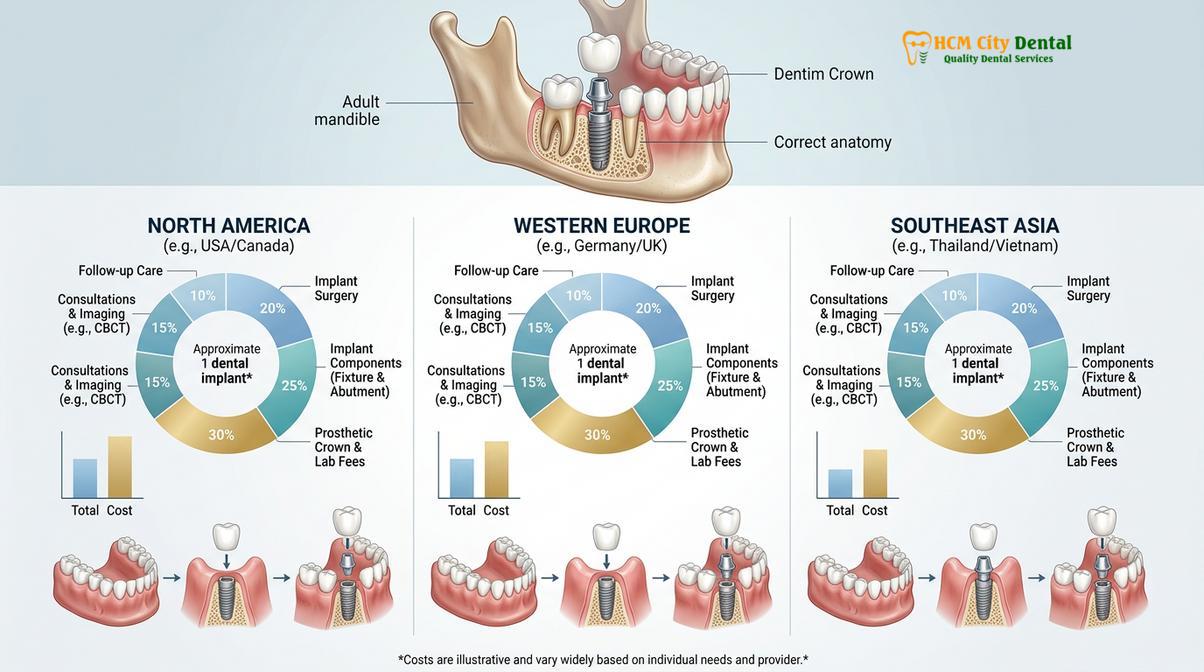
Below is an estimated comparative breakdown of restorative costs across these three primary destinations. Please note that these are general estimates and actual fees will vary based on individual clinical diagnostics and the specific brand of materials chosen.
| Treatment / Procedure | Vietnam (Estimated USD) | Thailand (Estimated USD) | Bali, Indonesia (Estimated USD) |
|---|---|---|---|
| Single Implant (Standard) | $700 – $1,200 | $1,100 – $1,800 | $900 – $1,600 |
| Premium Implant (e.g., Straumann) | $1,200 – $1,600 | $1,800 – $2,500 | $1,500 – $2,200 |
| Bone Grafting (Per Site) | $200 – $400 | $300 – $600 | $250 – $500 |
| All-on-4 Full Arch (Per Jaw) | $5,000 – $8,000 | $8,000 – $12,000 | $7,000 – $10,000 |
When reviewing these figures, it is crucial to factor in the cost of travel, accommodation, and local transportation. Fortunately, the low cost of living in cities like Ho Chi Minh City ensures that even with flights and premium hotel stays factored in, the total expenditure remains vastly lower than domestic treatment.
Clinical Standards & Doctor Credentials Comparison
Evaluating accredited dentists in Vietnam, Thailand, and Indonesia requires looking beyond marketing to verify specialized implantology training, international board certifications, and strict infection control protocols.
The success of an implant is not determined by the geographic location of the clinic, but by the hands of the surgeon and the strictness of the clinical protocols followed. When traveling abroad, the burden of due diligence falls on the patient. It is imperative to look past glossy marketing materials and focus on objective markers of clinical excellence.
First and foremost is the verification of credentials. A general dentist is legally permitted to place implants in many jurisdictions, but complex cases demand the expertise of a dedicated oral surgeon, periodontist, or a prosthodontist with extensive implantology training. Patients should request the curriculum vitae of their prospective doctor, looking for affiliations with international bodies such as the International Congress of Oral Implantologists (ICOI) or the ITI (International Team for Implantology).
“The true measure of a clinic’s quality is not found in its waiting room decor, but in the rigorous, unseen protocols of its sterilization room and the continuous, specialized education of its surgical team.”
Infection control is another critical pillar. The Vietnam Odonto-Stomatology Association (VOSA) outlines strict national guidelines for infection control in dental settings, which top-tier clinics rigorously follow [3]. Leading facilities implement a Class-B autoclave sterilization protocol. This European standard utilizes fractionated pre-vacuum technology to ensure the complete eradication of all microbial life, including spores, from surgical instruments. At HCMC Dental Clinic, this protocol is strictly enforced, providing patients with absolute peace of mind regarding cross-contamination risks.
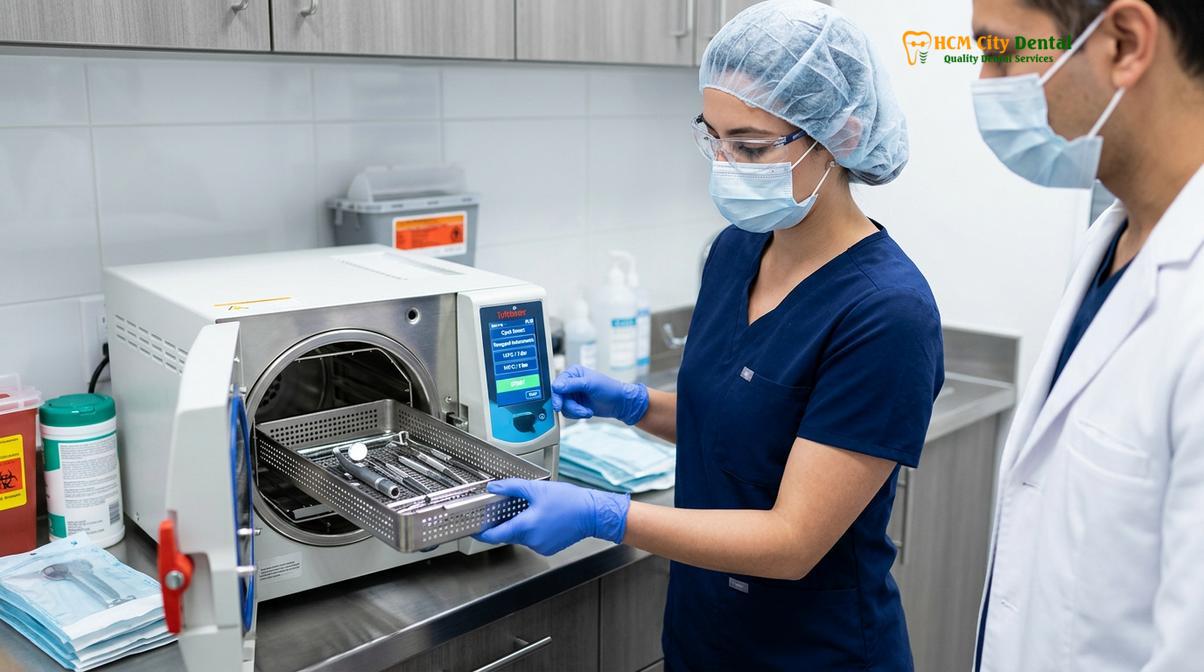
Material authenticity is equally vital. The rise of counterfeit medical devices is a global concern. Reputable clinics will always provide the patient with the official “implant passport” or barcode packaging directly from the manufacturer. This documentation proves the origin, brand, and lot number of the titanium fixture. Patients should be proactive and verify genuine dental implant barcode packaging before surgery begins. Whether you are seeking accredited dentists in Vietnam or evaluating specialists in Bangkok, transparency regarding materials is a non-negotiable standard of care.
Travel Logistics and Staging Timelines by Country
Successful implant placement requires a two-stage travel timeline: an initial surgical visit for placement and a subsequent visit months later for the final prosthetic restoration.
One of the most common misconceptions regarding restorative dental travel is the timeline. While marketing campaigns sometimes promise “teeth in a day,” the biological reality of osseointegration—the process by which the jawbone fuses with the titanium implant—dictates a more measured approach for the vast majority of patients. Understanding this dental implant timeline in Vietnam is essential for planning flights, time off work, and accommodation.
The standard protocol involves two distinct trips. Trip 1 is the surgical phase. During this visit, any necessary extractions are performed, bone grafting is completed if required, and the titanium fixture is surgically embedded into the jawbone. Patients should plan to stay in the country for 7 to 10 days. This duration allows the surgeon to monitor the initial soft tissue healing, remove sutures, and manage any immediate post-operative swelling before the patient boards a long-haul flight.
Following Trip 1, a healing period of three to six months is mandatory. This waiting period is critical; loading a crown onto an implant before the bone has fully integrated can lead to micro-movement and ultimate implant failure. The exact duration depends on bone density and whether adjunctive procedures like grafting were performed. Patients can review detailed bone grafting recovery timelines to better understand this biological requirement [4].
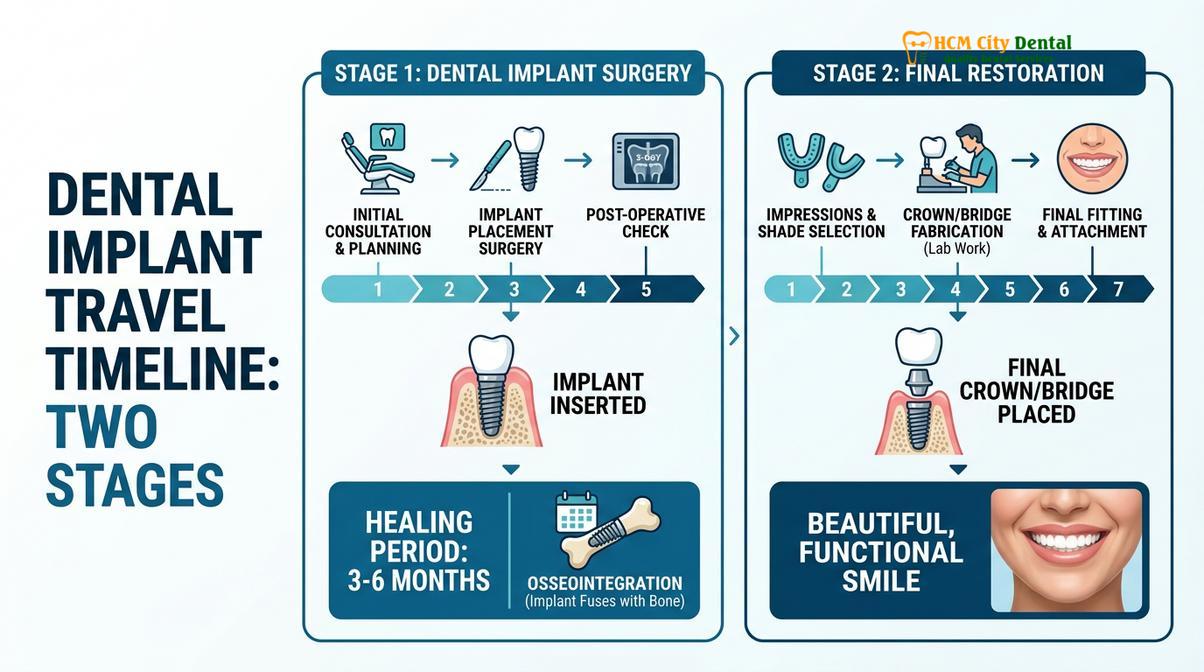
Trip 2 is the restorative phase. Once the surgeon confirms via X-ray that osseointegration is successful, the patient returns to have the abutment attached and the final custom-milled crown placed. This trip is generally shorter, requiring a stay of 5 to 7 days. The proximity of the clinic to an in-house or local high-tech dental laboratory greatly influences the speed of this phase. Clinics in major hubs like Ho Chi Minh City or Bangkok often have faster turnaround times for prosthetics compared to more remote island locations.
When to Consult a Specialist: Important Clinical Considerations
Recognizing the signs of potential complications and knowing when to seek immediate professional help is crucial for international patients undergoing complex oral surgery.
While the success rate for titanium fixtures is exceptionally high, surgical interventions inherently carry some degree of risk. International patients must be vigilant about their post-operative care and recognize when a symptom transitions from normal healing to a potential complication. Normal post-surgical symptoms typically include mild to moderate swelling, minor bruising, and localized discomfort that peaks within the first 48 to 72 hours and gradually subsides.
However, certain warning signs require immediate consultation with a specialist. If you experience severe, throbbing pain that does not respond to prescribed analgesics, persistent bleeding that cannot be controlled with firm gauze pressure, or a sudden spike in fever, you must contact your surgical team immediately. Additionally, if you notice any mobility in the temporary prosthesis or the implant itself, or if there is a foul-tasting discharge near the surgical site, these could be early indicators of localized infection or failure to integrate.
Top-tier clinics in Southeast Asia provide dedicated telemedicine channels, allowing patients to communicate directly with their surgeons even after returning home. It is highly recommended to establish a relationship with a local dentist in your home country who can perform routine cleanings and take periodic X-rays to monitor the long-term health of the restoration, ensuring any minor issues are addressed before they compromise the implant.
Why Ho Chi Minh City Stands Out for Complex Restorations
Ho Chi Minh City combines elite surgical expertise with state-of-the-art digital laboratories, allowing for precise, complex full-arch rehabilitations at highly accessible price points.
When synthesizing the data on costs, clinical standards, and logistical convenience, Ho Chi Minh City (Saigon) emerges as a uniquely compelling destination. The city has rapidly evolved into a center of excellence for complex oral rehabilitations, drawing patients from Australia, the US, and Europe who require extensive work that would be financially ruinous in their home countries.
The advantage of Saigon lies in its concentration of highly specialized talent and advanced infrastructure. Clinics here are not just catering to tourists; they are serving a rapidly developing domestic middle class that demands world-class healthcare. This dual demand ensures that facilities remain at the cutting edge of technology. For patients considering getting dental implants on holiday in Vietnam, the vibrant culture, exceptional culinary scene, and modern amenities provide an ideal backdrop for recovery.
A 62-year-old international patient visited HCMC Dental Clinic in Ho Chi Minh City presenting with severe periodontal disease and failing dentition. After a comprehensive CBCT analysis, the treatment plan involved full maxillary and mandibular extractions, immediate placement of six implants per arch (All-on-6), and the delivery of a fixed provisional prosthesis within 48 hours. The use of computer-guided surgery minimized flap reflection, resulting in minimal post-operative swelling. After a four-month integration period, the patient returned to Saigon for the final delivery of monolithic zirconia bridges, restoring full masticatory function and aesthetic harmony.
Dr. Nguyen Van Cuong, a leading specialist at HCMC Dental Clinic, emphasizes that successful implantology requires meticulous digital planning. Dr. Cuong and his dedicated clinical team utilize advanced 3D imaging to ensure precise fixture placement, minimizing surgical trauma and optimizing long-term stability for international patients seeking dental implants.
“Our philosophy is rooted in predictable, evidence-based outcomes. By integrating digital planning with rigorous surgical execution, we provide our international patients with restorations that are designed to last a lifetime.”
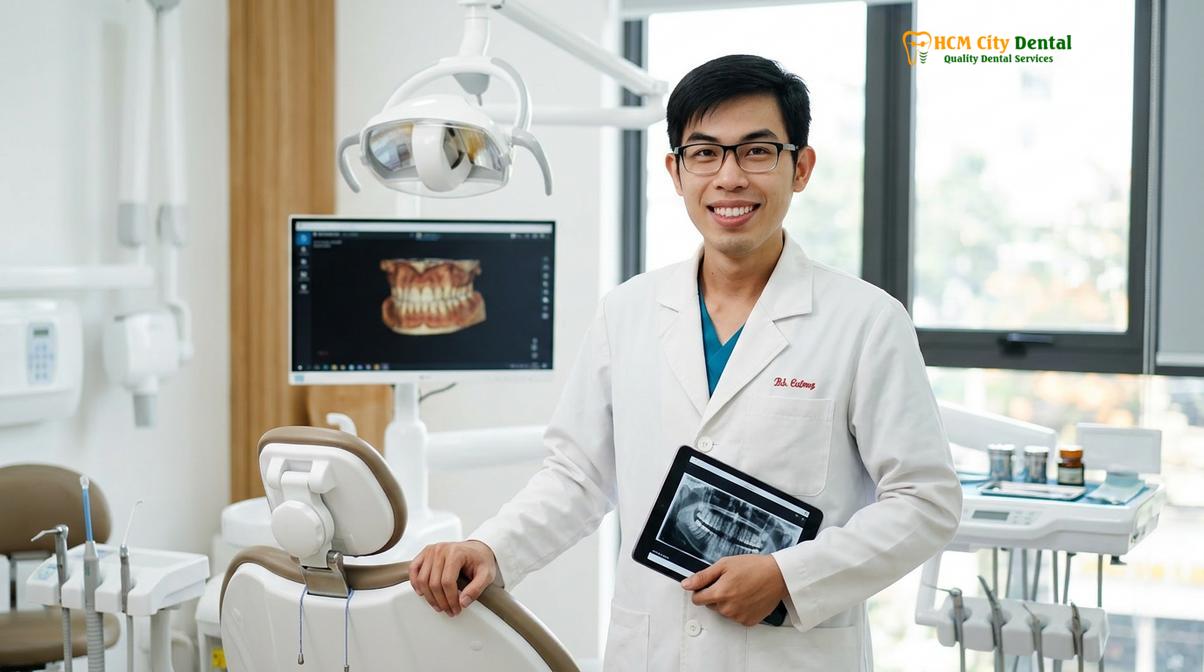
Logistical support is also a priority. The clinic’s international coordination team assists with hotel recommendations and arranges seamless airport pickups. To accommodate global clientele, flexible payment options are standard, including Visa/Mastercard, international bank transfer, and cash. This comprehensive approach ensures that the clinical journey is as stress-free as possible.
If you are considering restorative dentistry abroad, contact HCMC Dental Clinic in Ho Chi Minh City today to schedule a comprehensive digital consultation and begin your journey toward a fully restored smile.
References
- FDI World Dental Federation. Infection Control and Sterilization Standards in Dental Practice.
- International Dental Journal. Global trends in dental tourism and clinical standards.
- Vietnam Odonto-Stomatology Association (VOSA). National guidelines for infection control in dental settings.
- Journal of Oral Implantology. Osseointegration timelines and travel considerations for international patients.
- Medical Tourism Association (MTA). Global Medical Tourism Index and patient safety ratings.
For planning details and booking an appointment, please visit our Dental Tourism Vietnam guide at HCMC Dental Clinic.