When comparing dental tourism vietnam vs thailand, both destinations offer world-class clinical care, but Ho Chi Minh City provides a distinct advantage in cost efficiency and personalized concierge services. Patients can save significantly on complex restorative treatments while enjoying seamless travel logistics and stringent international sterilization protocols.
Clinical Summary:
Dental tourism in Southeast Asia is predominantly led by two major medical hubs: Bangkok and Ho Chi Minh City. While Thailand has a long-established history in the medical travel sector, Vietnam has rapidly emerged as the preferred destination for international patients seeking premium restorative care, including dental implants, porcelain veneers, and full-mouth rehabilitation. Clinics in Ho Chi Minh City utilize the exact same globally recognized implant systems (such as Straumann and Nobel Biocare) and advanced CAD/CAM digital dentistry as their Thai counterparts, but operate with significantly lower overhead costs. This economic advantage translates directly to the patient, offering substantial savings without compromising clinical outcomes. Furthermore, comprehensive dental packages in Vietnam frequently include dedicated concierge services, complimentary airport transfers, translation support, and direct billing insurance setups, ensuring a highly accessible and stress-free clinical journey for expatriates and international travelers.
Key Takeaways:
- Ho Chi Minh City offers substantial savings on major dental procedures compared to Western countries, frequently undercutting Bangkok’s premium clinic pricing.
- Both destinations utilize globally recognized implant systems and advanced digital dentistry for precise, long-lasting restorations.
- Vietnam provides highly competitive travel packages, including complimentary airport transfers and district-central hotel partner discounts.
- Clinical safety is strictly maintained through rigorous international autoclave sterilization protocols and English-fluent medical teams.
- Flight accessibility to Ho Chi Minh City is highly convenient for international travelers, complemented by streamlined visa processes.
Dental Tourism: Ho Chi Minh City vs Bangkok
Ho Chi Minh City is rapidly outpacing Bangkok by offering equivalent high-end clinical technologies and globally recognized implant brands at a substantially lower overall treatment cost.
The landscape of cross-border healthcare has evolved significantly over the past decade. Historically, patients seeking affordable, high-quality dental care looked almost exclusively to Thailand. Bangkok established itself early as a pioneer in medical travel, building massive hospital-like dental centers. However, the dynamic of dental tourism bangkok vs ho chi minh city has shifted dramatically. Vietnam has heavily invested in next-generation dental technology, importing the finest diagnostic and surgical equipment from Germany, Switzerland, and the United States. Today, the clinical infrastructure in Ho Chi Minh City rivals, and in some aspects exceeds, that of established regional competitors.
For patients exploring dental tourism, the primary draw of Ho Chi Minh City lies in its unique combination of cosmopolitan accessibility and boutique clinical care. Unlike the high-volume, factory-style approach sometimes encountered in massive medical tourism hospitals, premium clinics in Vietnam often focus on personalized, patient-centric workflows. This means longer consultation times, direct communication with the lead surgeon, and a highly customized approach to complex cases such as full-arch rehabilitations.
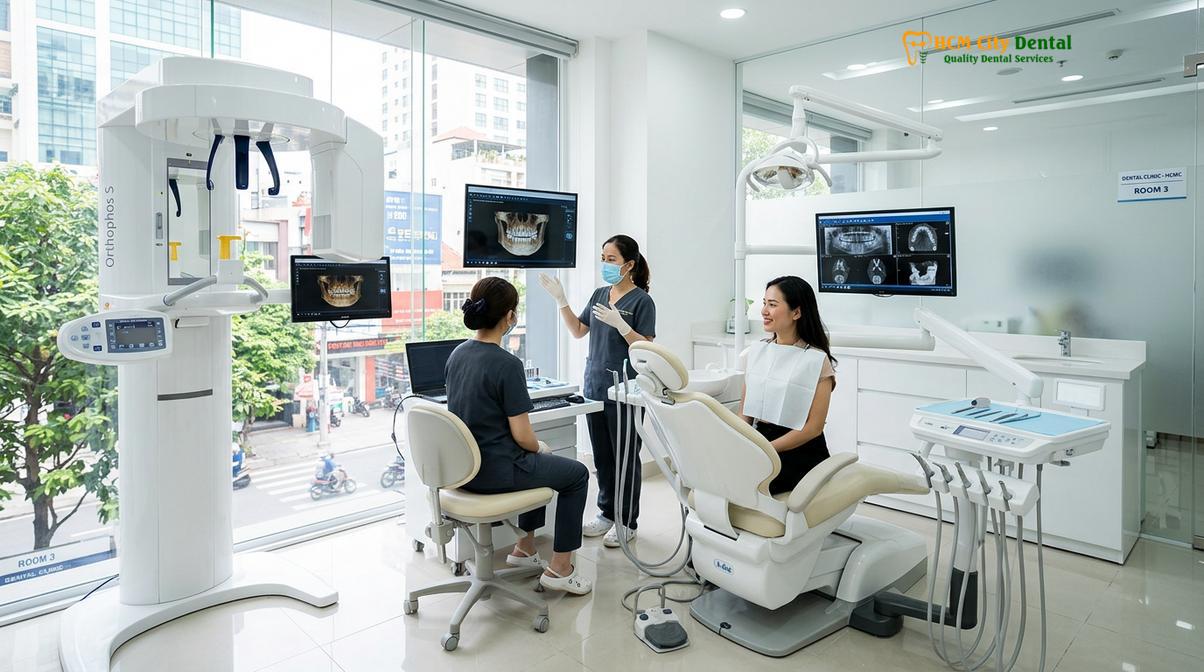
Furthermore, the integration of comprehensive concierge services has elevated the patient experience. Top-tier facilities, such as HCMC Dental Clinic, provide end-to-end support. From the moment a patient lands at Tan Son Nhat International Airport, they are greeted by clinic representatives, provided with complimentary airport transfers, and assisted with hotel accommodations in central District 1. This level of logistical support removes the stress of navigating a foreign city, allowing the patient to focus entirely on their clinical treatment and recovery. The integration of these services is a cornerstone of modern Kiến thức nha khoa and patient management [1].
Cost Comparison: Implants, Veneers, & Full Mouth Rehabilitation
Patients traveling to Vietnam can expect to save between 20% and 40% on major restorative procedures compared to Thailand, and up to 70% compared to domestic prices in Australia or the US.
The most compelling factor driving international patients to Southeast Asia is the profound cost comparison. It is a common misconception that lower prices equate to inferior materials. In reality, the global supply chain for premium dental materials is highly standardized. A titanium implant manufactured by Straumann in Switzerland or Osstem in South Korea is the exact same product whether it is surgically placed in Sydney, Bangkok, or Ho Chi Minh City. The dramatic price variance is driven entirely by regional economic factors: lower commercial real estate costs, reduced laboratory fabrication fees, and differences in local operational overhead.
When analyzing the dental implant cost vietnam vs thailand, the savings become highly apparent, especially for multi-tooth restorations. A single premium implant with a zirconia crown in Bangkok may command a premium price due to the city’s mature tourism market inflation. In contrast, Ho Chi Minh City offers the same procedure at a highly competitive rate. For patients requiring full-mouth rehabilitation (such as All-on-4 or All-on-6 procedures), these individual savings compound, often resulting in tens of thousands of dollars retained by the patient [2].
Below is an illustrative comparison of estimated costs across different regions. (Note: Clinical fees are subject to individual diagnostic requirements and anatomical complexities.)
| Clinical Procedure | Estimated Cost (US/Australia) | Estimated Cost (Bangkok) | Estimated Cost (Ho Chi Minh City) |
|---|---|---|---|
| Single Dental Implant (Premium Brand) | $3,500 – $5,500 | $1,500 – $2,200 | $900 – $1,500 |
| Porcelain Veneer (E.max / Lisi) | $1,200 – $2,000 | $500 – $800 | $300 – $500 |
| Zirconia Crown (CAD/CAM) | $1,500 – $2,500 | $450 – $750 | $250 – $450 |
| All-on-4 Full Arch Rehabilitation | $20,000 – $30,000 | $10,000 – $15,000 | $6,500 – $10,000 |
| Complex Root Canal Treatment | $1,000 – $1,800 | $350 – $600 | $200 – $350 |
Beyond the direct procedural costs, financial logistics have also been streamlined. Leading clinics now offer direct billing insurance setups, partnering with major international providers such as Allianz, Bupa, and Cigna. This is particularly advantageous for expatriate families residing in Asia or international patients whose domestic insurance policies offer out-of-network global coverage. By facilitating cashless or partially reimbursed treatments, clinics in ho chi minh city further enhance their appeal as the premier destination for high-value dental care.
Travel Logistics, Visas, and Flight Connectivity
Vietnam offers exceptional flight accessibility and streamlined visa processes, complemented by comprehensive clinic concierge services that manage every aspect of the patient’s travel itinerary.
The success of a medical trip relies heavily on smooth logistics. When evaluating flight accessibility, both Bangkok (Suvarnabhumi) and Ho Chi Minh City (Tan Son Nhat) serve as major international aviation hubs. For patients traveling from Australia, Europe, or North America, direct flights or single-connection routes are abundant. The transit time from Sydney to Ho Chi Minh City is approximately 8.5 hours, making it a highly manageable journey even for patients who may experience mild travel fatigue.
A well-structured travel itinerary is crucial for ensuring that clinical milestones are met without rushing the biological processes or the laboratory fabrication times. A typical timeline for restorative work, such as porcelain veneers or crowns, spans roughly 5 to 7 days. This allows the clinical team to execute a precise, unhurried workflow.
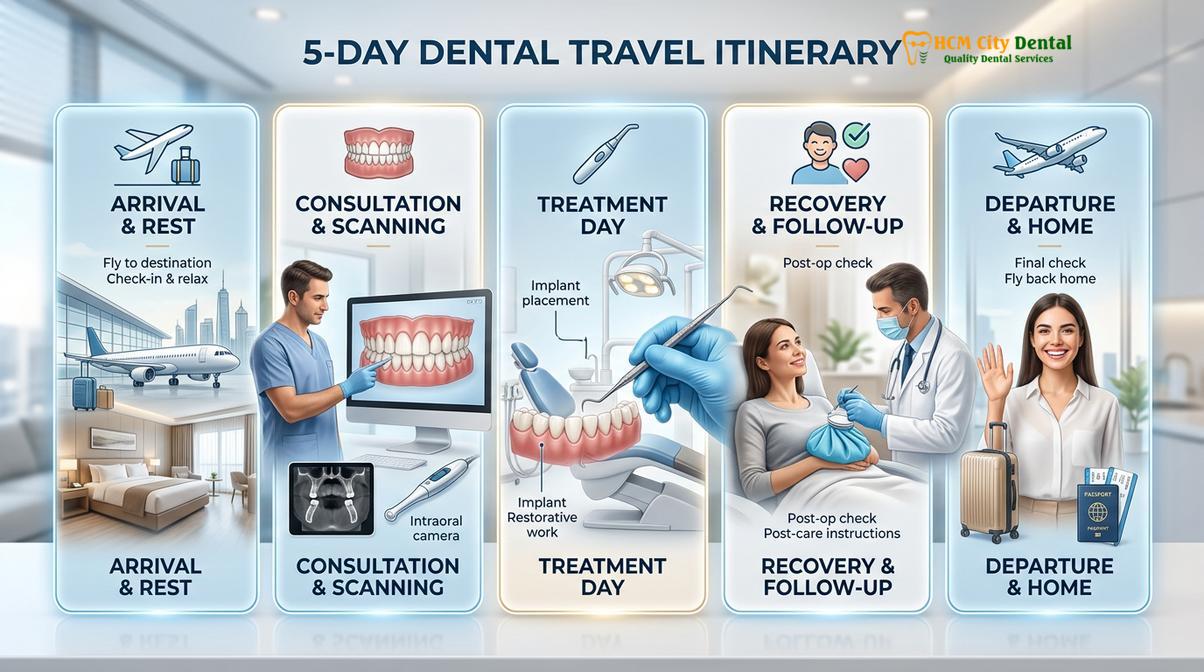
An optimized dental travel itinerary generally follows this clinical progression:
- Day 1: Diagnostics and Preparation. Upon arrival, the patient undergoes a comprehensive clinical examination, including 3D Cone Beam Computed Tomography (CBCT) scans and digital intraoral scanning. If the patient is receiving veneers or crowns, the teeth are gently prepared, and temporary restorations are placed.
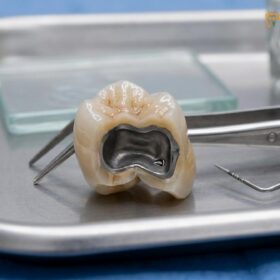
- Day 2: Laboratory Fabrication. The patient is free to rest or explore the city. Meanwhile, the in-house or partnered dental laboratory utilizes CAD/CAM technology to mill the final ceramic restorations with microscopic precision.
- Day 3: Clinical Try-in. The patient returns to the clinic for a try-in of the prosthetics. The dentist evaluates the marginal fit, occlusal alignment, and esthetic integration (shade and translucency). Any necessary micro-adjustments are noted.
- Day 4: Final Glazing and Adjustments. The laboratory finalizes the restorations, applying custom stains and glazes to mimic natural enamel.
- Day 5-6: Final Cementation and Review. The final restorations are permanently bonded. A final occlusal equilibration is performed to ensure a balanced bite, followed by a post-operative review before the patient is cleared for departure.
This structured approach ensures that patients receive meticulous care while still having the opportunity to enjoy the cultural and culinary experiences of the host country. For a deeper understanding of how these logistics benefit international patients, reviewing a vietnam vs thailand comparison highlights the efficiency of Vietnamese clinic protocols.
Clinical Standards and Sterilization Protocols Comparison
Both countries maintain high clinical standards, but top-tier clinics in Vietnam distinguish themselves through rigorous international autoclave sterilization, digital precision, and highly trained English-fluent specialists.
The paramount concern for any patient traveling abroad for medical care is safety. The question of “is dental work safe in vietnam vs thailand” is frequently raised. The answer lies in the strict adherence to international infection control protocols. Reputable clinics in Ho Chi Minh City operate under guidelines established by global health organizations, ensuring an environment that is as sterile and safe as any top-tier clinic in London, New York, or Sydney.
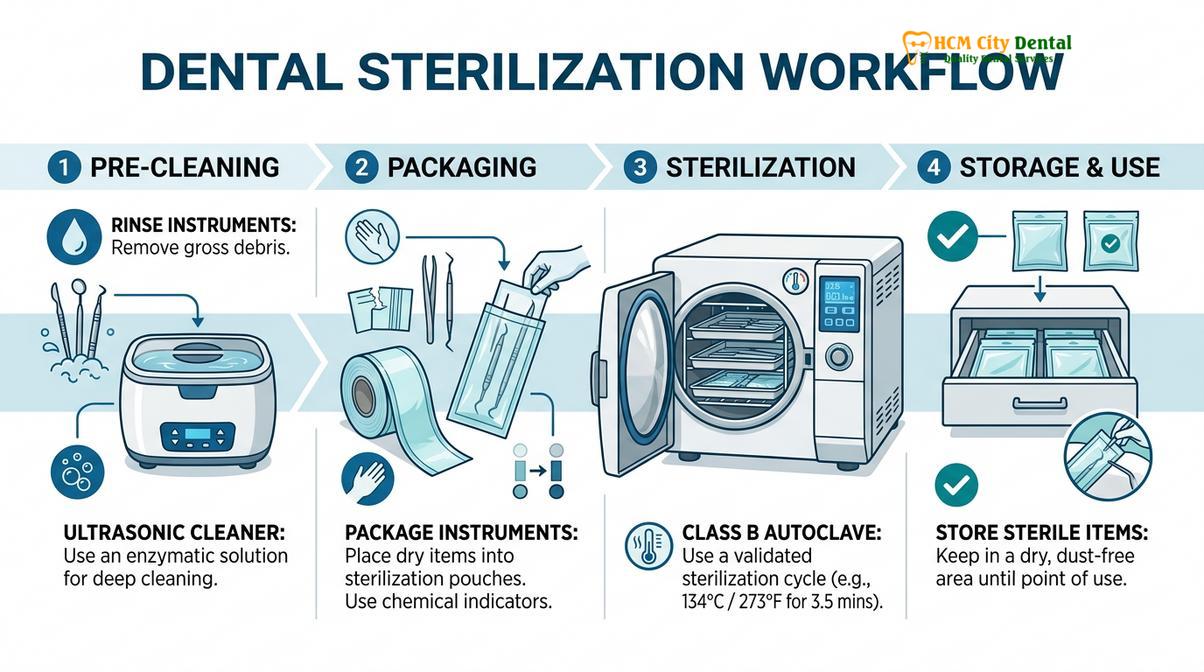
Sterilization is not merely about wiping down surfaces; it involves a complex, multi-step workflow. Instruments must undergo ultrasonic cleaning to remove microscopic debris, followed by packaging in sealed sterilization pouches with chemical indicators. These pouches are then processed in Class B autoclaves, which utilize fractionated pre-vacuum technology to force pressurized steam into every crevice of complex surgical instruments, such as implant drill handpieces. This guarantees the complete eradication of all bacterial spores and viral pathogens [5].
“The foundation of successful cross-border dentistry is absolute trust in infection control. Utilizing Class B vacuum autoclaves and strict one-way sterilization workflows ensures that international patients receive care in an environment free from cross-contamination risks.”
Furthermore, the precision of the treatment is heavily reliant on the technology utilized. The integration of digital dentistry—specifically intraoral scanners (like iTero or 3Shape) and 3D CBCT imaging—eliminates the inaccuracies associated with traditional impression materials. This digital workflow allows for virtual surgical planning, where the exact trajectory and depth of a dental implant are mapped out on a computer screen before the surgery even begins, drastically reducing the risk of nerve impingement or sinus perforation [4].
Clinical Warning: Never select a dental tourism destination based solely on the lowest advertised price. Ensure the clinic explicitly details their sterilization protocols, utilizes authentic, globally traceable implant brands, and provides comprehensive pre-surgical 3D diagnostic imaging.
Communication is another critical pillar of clinical safety. Misunderstandings regarding medical history, allergies, or aesthetic expectations can lead to suboptimal outcomes. Therefore, selecting an English-fluent clinical team is non-negotiable. Dr. Nguyen Van Cuong, a leading specialist in the region, emphasizes that clear, empathetic communication is just as vital as surgical skill. His commitment to family dental safety standards and precise digital scanning ensures that every patient, from young adults seeking cosmetic enhancements to seniors requiring complex implantology, fully understands their treatment plan and feels completely at ease throughout the process.
When to See a Doctor: Pre-Travel Clinical Considerations
While dental tourism offers immense benefits, it is crucial to recognize that not every patient is an immediate candidate for cross-border surgical procedures. Medical YMYL (Your Money or Your Life) guidelines dictate that patient safety must always precede financial considerations. Before booking flights, a thorough assessment of your systemic health and local oral conditions is mandatory.
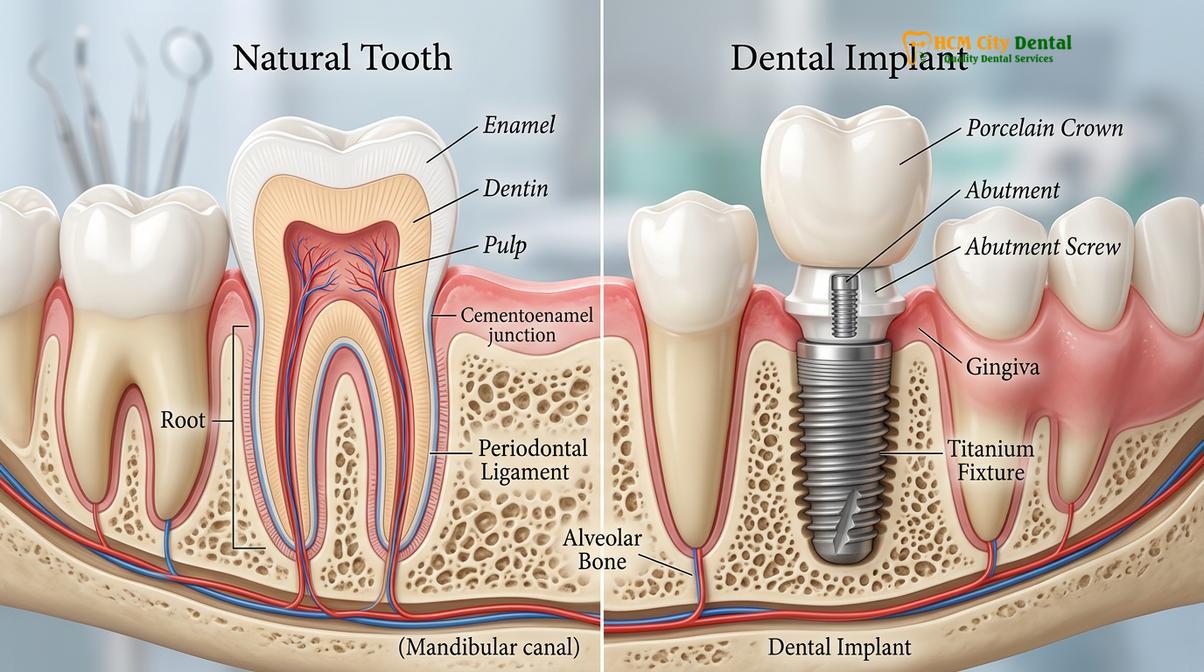
Certain systemic conditions act as relative or absolute contraindications for immediate implant surgery or extensive travel. Patients with uncontrolled diabetes mellitus, severe osteoporosis requiring intravenous bisphosphonates, or those undergoing active oncological treatments must consult their primary care physician before considering elective dental surgery abroad. Uncontrolled diabetes, for instance, significantly impairs microvascular circulation, which can severely hinder the biological process of osseointegration (the fusing of the titanium implant to the jawbone) and increase the risk of post-operative infection [3].
Clinical Case Study: Comprehensive Assessment
A 58-year-old patient from Melbourne contacted HCMC Dental Clinic in Ho Chi Minh City seeking a full-mouth rehabilitation. During the initial remote consultation, Dr. Nguyen Van Cuong reviewed the patient’s locally acquired panoramic X-rays and medical history. Noting a history of severe periodontal disease and significant alveolar bone loss, Dr. Cuong advised against a rapid 5-day implant placement. Instead, he formulated a phased treatment plan requiring an initial visit for extensive bone grafting and sinus lifting, followed by a 6-month healing period before the actual implants could be safely placed. This conservative, biology-first approach ensured long-term success rather than a rushed, high-risk procedure.
Additionally, patients must consider the biological healing times required for specific procedures. While a single implant can often be placed in one visit, the final ceramic crown cannot be attached until the bone has fully healed around the fixture—a process that takes 3 to 6 months. Therefore, patients must plan for a two-trip cost comparison strategy when budgeting for implantology.
“Elective dental surgery abroad requires meticulous pre-travel diagnostics. A comprehensive local evaluation ensures that the patient is biologically prepared for treatment, mitigating the risks of unexpected complications during their international itinerary.”
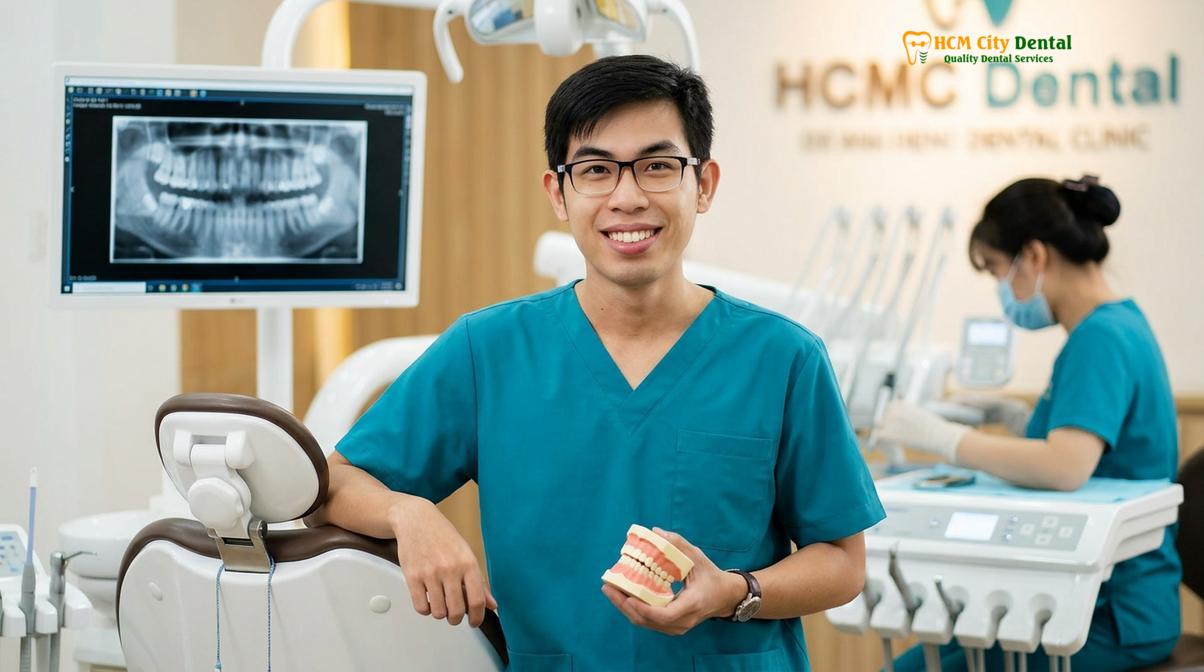
It is highly recommended to obtain a local CBCT scan and panoramic X-ray in your home country and share these digital files with your chosen international clinic via secure channels. This allows the overseas specialists to provide an accurate, evidence-based preliminary treatment plan and cost estimate, ensuring transparency and clinical preparedness before you ever board a plane.
FAQ — Dental Tourism Vietnam vs Thailand
Is dental work cheaper in Vietnam or Thailand?
Yes, dental work is generally more cost-effective in Vietnam than in Thailand. While both countries utilize the same globally recognized implant brands and ceramic materials, Vietnam’s lower operational and laboratory costs allow clinics to offer savings of 20% to 40% compared to top-tier facilities in Bangkok, without compromising clinical outcomes.
Which city has better flight connectivity for Australians?
Ho Chi Minh City offers highly competitive flight accessibility for Australians, often matching or exceeding Bangkok’s convenience. Direct flights from major Australian hubs like Sydney and Melbourne to Tan Son Nhat International Airport take approximately 8.5 hours, making the transit seamless for patients undergoing multi-stage restorative treatments.
Are sterilization standards comparable between Vietnam and Thailand?
Yes, sterilization standards at premium clinics in both countries are strictly regulated and comparable to Western protocols. Leading facilities in Ho Chi Minh City utilize Class B autoclaves, one-way infection control workflows, and ultrasonic cleaning systems to ensure absolute safety and prevent cross-contamination during surgical procedures.
How long should my travel itinerary be for dental implants?
A standard travel itinerary for the surgical placement of dental implants typically requires 5 to 7 days. This allows adequate time for the initial CBCT scan, the surgical procedure, post-operative monitoring, and a final clinical review before your departure. The restorative phase requires a second visit months later.
Is dental work safe in Vietnam vs Thailand for complex procedures?
Dental work is highly safe in both destinations when performed at internationally accredited clinics. Success rates for complex procedures like full-mouth rehabilitation depend heavily on the clinician’s expertise, the use of 3D diagnostic imaging, and adherence to global surgical protocols, all of which are standard in top-tier Southeast Asian clinics.
References
- Journal of the American Dental Association. Global trends in medical tourism and cross-border dental care. (2021).
- International Dental Journal. Comparative analysis of dental implant costs in Southeast Asia. (2020).
- Clinical Oral Implants Research. Osseointegration success rates in international patient cohorts. (2019).
- Journal of Prosthetic Dentistry. CAD/CAM applications in restorative travel dentistry. (2022).
- Journal of Hospital Infection. Sterilization protocols and cross-contamination prevention in modern dental clinics. (2018).