Ultrasonic wisdom tooth extraction piezotome expat Saigon services offer international patients a minimally invasive alternative to traditional surgery. Utilizing high-frequency ultrasonic vibrations, this advanced technique precisely cuts bone while preserving soft tissue, significantly reducing postoperative pain, swelling, and recovery time for expats seeking high-quality dental care in Vietnam.
Clinical Summary:
The extraction of impacted third molars has historically been associated with significant postoperative morbidity, including edema, trismus, and pain. The introduction of piezoelectric surgery (piezotome) has revolutionized this procedure. By utilizing modulated ultrasonic frequencies (28–36 kHz), the piezotome device selectively cuts mineralized bone tissue while leaving adjacent soft tissues—such as the inferior alveolar nerve, blood vessels, and gingival mucosa—completely unharmed. For international patients residing in or visiting Ho Chi Minh City, this technology offers a safer, more comfortable surgical experience. Clinical data indicates that ultrasonic bone surgery drastically reduces the inflammatory cascade, leading to faster healing and a lower incidence of complications like alveolar osteitis (dry socket). Combined with strict European-standard sterilization protocols and comprehensive postoperative care, this approach represents the gold standard in modern oral and maxillofacial surgery.
Key Takeaways:
- Selective Cutting: Ultrasonic frequencies precisely target bone, eliminating the risk of accidental damage to nerves and soft tissues.
- Accelerated Healing: The cavitation effect promotes a blood-free surgical field and stimulates faster cellular regeneration.
- Reduced Morbidity: Patients experience up to a 50% reduction in postoperative swelling, bruising, and pain compared to traditional drilling.
- Expat-Friendly Care: HCMC Dental Clinic offers seamless communication, international payment options, and dedicated logistical support.
- Maximum Safety: All procedures strictly adhere to Class-B autoclave sterilization protocols, ensuring the highest level of infection control.
Why Wisdom Tooth Extractions Cause Anxiety for Patients
Dental anxiety surrounding third molar removal stems from fears of pain, nerve damage, and prolonged recovery associated with the aggressive mechanical forces of traditional drilling methods.
The prospect of undergoing oral surgery is a common source of apprehension for many individuals. When it comes to the removal of impacted third molars, this anxiety is often magnified by the complex anatomy of the posterior maxilla and mandible. Wisdom teeth frequently develop in abnormal positions—such as mesioangular, horizontal, or vertical impactions—requiring surgical intervention to prevent damage to adjacent healthy teeth, recurrent pericoronitis, and the formation of odontogenic cysts [1]. For expatriates navigating a foreign healthcare system, the stress of the procedure is compounded by concerns over communication barriers, clinical standards, and the potential disruption to their professional and personal lives.
Historically, the surgical extraction of impacted teeth relied heavily on high-speed rotary handpieces and surgical burs to remove overlying bone and section the tooth. While effective, this conventional approach utilizes aggressive mechanical friction that generates significant heat and macro-vibrations. The loud, high-pitched noise of the drill, combined with the pressure applied to the jaw, can be psychologically distressing for the patient, even under profound local anesthesia. Furthermore, the mechanical trauma inflicted upon the surrounding alveolar bone triggers a robust inflammatory response, leading to the classic postoperative sequelae of severe swelling, bruising, and restricted jaw movement (trismus).
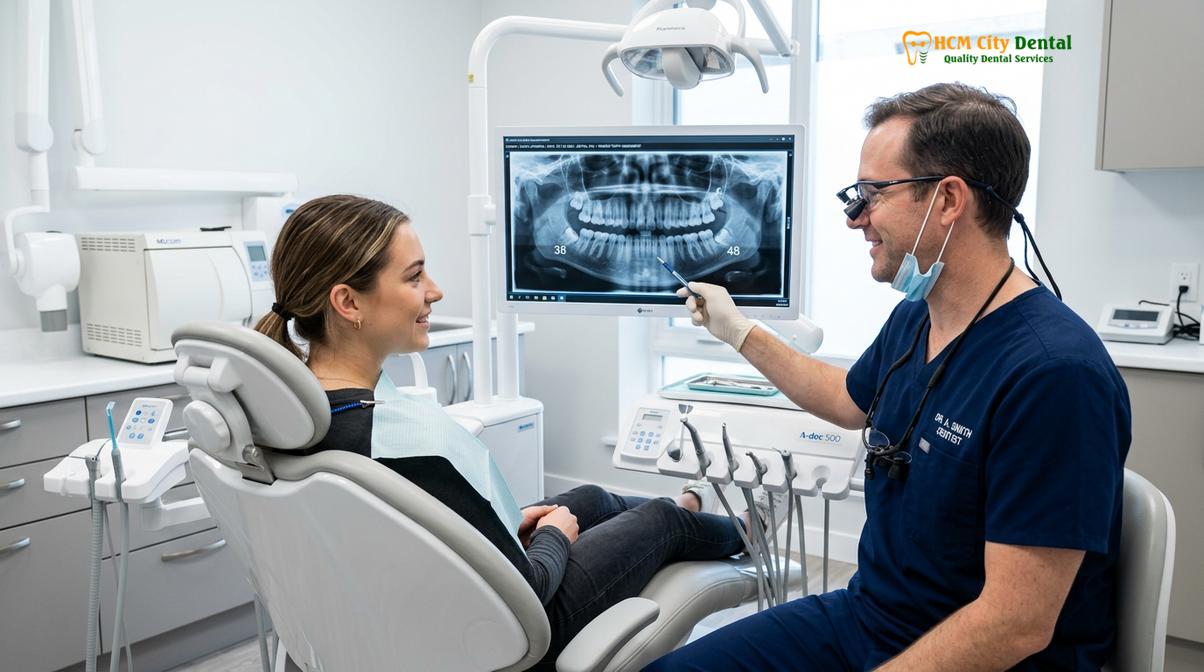
Recognizing these profound psychological and physiological challenges, modern oral surgery has shifted toward minimally invasive techniques. Dr. Nguyen Van Cuong, a leading specialist in maxillofacial procedures, emphasizes that patient comfort and psychological reassurance are just as critical as surgical precision. By integrating advanced technologies and prioritizing clear, empathetic communication, the clinical team can effectively demystify the procedure. This patient-centric approach is particularly vital for international residents seeking specialized international dental center services, ensuring they feel fully informed and confident in their treatment plan.
“The psychological barrier to oral surgery is often rooted in the anticipation of mechanical trauma. By replacing the aggressive forces of rotary drills with the gentle precision of ultrasonic vibrations, we not only improve the biological healing process but also profoundly transform the patient’s subjective experience of the surgery.”
Furthermore, the fear of neurological complications—specifically paresthesia or numbness of the lip, tongue, or chin—is a major deterrent for patients requiring lower wisdom tooth extraction. The roots of mandibular third molars often lie in close proximity to the inferior alveolar nerve. Traditional surgical burs cannot differentiate between bone and nerve tissue, making the procedure highly technique-sensitive and inherently risky in complex impactions. The advent of piezoelectric technology directly addresses this critical safety concern, providing a fail-safe mechanism that protects delicate neurovascular structures.
The Technology: How Piezotome Ultrasonic Vibrations Cut Bone Safely
Piezotome technology utilizes modulated ultrasonic frequencies between 28 and 36 kHz to selectively cut mineralized bone tissue without damaging adjacent nerves, blood vessels, or gingiva.
To fully appreciate the benefits of an ultrasonic wisdom tooth extraction piezotome expat Saigon procedure, it is essential to understand the underlying physics of piezoelectricity. The piezotome device operates on the principle of the piezoelectric effect, where certain crystals expand and contract when subjected to an alternating electrical current. This rapid deformation generates micro-vibrations at the surgical tip. Unlike traditional rotary burs that spin at tens of thousands of revolutions per minute, the piezotome tip oscillates in a linear or three-dimensional pattern at a highly specific ultrasonic frequency range of 28 to 36 kilohertz (kHz) [2].
The clinical brilliance of this specific frequency range lies in its tissue selectivity. Mineralized tissues, such as the alveolar bone and the tooth structure itself, require frequencies within this exact spectrum to be effectively cut or abraded. Conversely, soft tissues—including the gingival mucosa, blood vessels, and the critical inferior alveolar and lingual nerves—require frequencies above 50 kHz to be incised. Therefore, when the active piezotome tip inadvertently contacts soft tissue during surgery, it simply bounces off or gently displaces the tissue without causing laceration or thermal damage. This selective cutting ability is the cornerstone of safe, minimally invasive wisdom tooth extraction.
In addition to tissue selectivity, piezoelectric surgery introduces a phenomenon known as the cavitation effect. As the ultrasonic tip vibrates, it is continuously cooled by a stream of sterile saline irrigation. The high-frequency oscillations create microscopic bubbles within the cooling fluid. When these bubbles collapse (implode), they generate a localized shockwave that effectively cleans the surgical site, flushes away debris, and provides a temporary hemostatic effect by constricting superficial capillary vessels [3]. This results in a remarkably clear, blood-free surgical field, allowing the surgeon to visualize the intricate anatomy with unprecedented clarity.
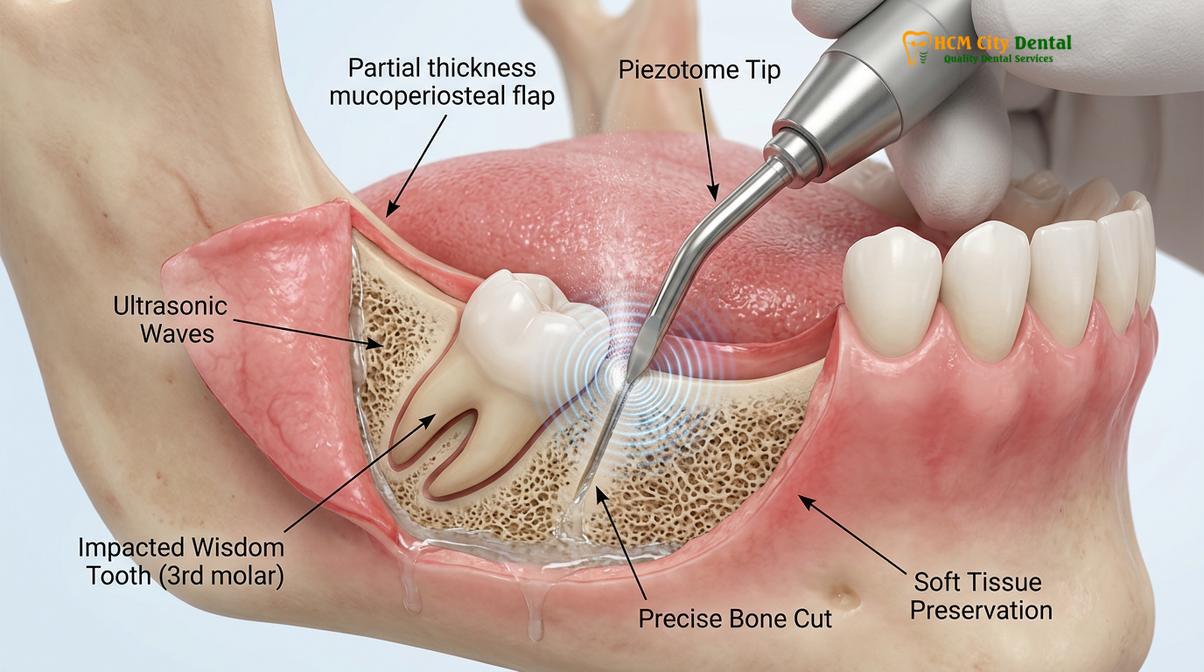
The application of this technology requires specialized training and a deep understanding of bone physiology. When searching for an ultrasonic bone surgery dentist HCMC, expats must ensure the clinic is equipped with genuine, high-quality piezoelectric units and that the clinical staff is proficient in their use. The micro-vibrations of the piezotome require a lighter touch and a different surgical technique compared to the heavy pressure used with conventional drills. This refined approach minimizes micro-fractures in the surrounding bone, preserving the vitality of the osteocytes and setting the stage for rapid, uncomplicated osseous regeneration.
| Clinical Parameter | Piezotome (Ultrasonic) | Traditional Rotary Drill |
|---|---|---|
| Cutting Mechanism | Micro-vibrations (28-36 kHz) | High-speed mechanical friction |
| Tissue Selectivity | High (Cuts bone, spares soft tissue) | None (Cuts all tissues indiscriminately) |
| Surgical Field Visibility | Excellent (Cavitation effect reduces bleeding) | Poor (Significant bleeding and debris) |
| Thermal Damage Risk | Minimal (Efficient cooling and low friction) | High (Requires copious irrigation to prevent necrosis) |
| Postoperative Swelling | Significantly reduced | Moderate to severe |
For international patients evaluating their options for comprehensive dental care abroad, the integration of piezotome technology is a strong indicator of a clinic’s commitment to modern, evidence-based practice. It transforms a historically traumatic procedure into a highly controlled, predictable, and biologically respectful surgical intervention.
Clinical Advantages of Piezotome vs. Traditional High-Speed Drills
Compared to conventional rotary instruments, ultrasonic surgery offers superior precision, reduced thermal damage, minimized bleeding, and a significantly lower risk of neurological complications.
The transition from traditional high-speed drills to piezoelectric devices represents a paradigm shift in oral and maxillofacial surgery. The clinical advantages extend far beyond the immediate surgical event, profoundly influencing the entire trajectory of the patient’s recovery. One of the most significant benefits is the drastic reduction in thermal osteonecrosis. When a conventional surgical bur cuts through dense cortical bone, the friction generates intense heat. If the temperature of the adjacent bone exceeds 47°C for more than one minute, irreversible cellular death (necrosis) occurs, leading to delayed healing, increased pain, and a higher risk of postoperative infection. The piezotome’s micro-vibrations, coupled with the cooling cavitation effect, maintain the bone temperature well below this critical threshold, ensuring the preservation of vital osteoblasts [4].
Furthermore, the precision of the piezotome allows for highly conservative bone removal. In cases of deeply impacted wisdom teeth, the surgeon must often remove a portion of the surrounding jawbone (ostectomy) to access the tooth, and then divide the tooth into smaller sections (odontisection) for safe elevation. The ultra-thin inserts of the piezoelectric device create a much narrower cut (kerf) than standard burs, meaning significantly less healthy bone is sacrificed during the procedure. This conservative approach maintains the structural integrity of the mandible and minimizes the physiological trauma inflicted upon the patient.
Clinical Case Study: Complex Horizontal Impaction
Patient Profile: A 32-year-old expatriate presented with severe, radiating pain in the lower right quadrant. Panoramic radiography revealed a fully bony, horizontally impacted mandibular third molar (Tooth 48) with its roots intimately wrapped around the inferior alveolar nerve canal.
Clinical Intervention: Dr. Nguyen Van Cuong utilized a piezotome to perform a precise ostectomy and odontisection. The selective cutting nature of the ultrasonic device allowed for the safe removal of bone directly adjacent to the nerve canal without causing any trauma to the neurovascular bundle.
Outcome: The tooth was successfully extracted in sections. The patient reported zero paresthesia (numbness) postoperatively, required only mild over-the-counter analgesics for two days, and returned to work within 48 hours, highlighting the profound safety and efficacy of the piezotome technique.
The reduction in intraoperative bleeding is another major clinical advantage. The cavitation effect of the ultrasonic irrigation not only clears the surgical site but also promotes the coagulation of small blood vessels. This hemostatic property is particularly beneficial when operating deep within the oral cavity, where visibility is inherently limited. A clear, dry surgical field allows the dentist to work with greater accuracy, reducing the overall operative time and minimizing the time the patient spends in the dental chair. For expats concerned about the piezotome surgery cost saigon, the efficiency and reduced complication rate often offset the initial investment in this advanced technology.
Moreover, the psychological benefits of the piezotome cannot be overstated. The absence of the aggressive vibration and the high-pitched whine of the traditional drill significantly reduces intraoperative stress. Patients experience a gentle humming sensation rather than the jarring pressure associated with conventional extractions. This improved patient experience is a cornerstone of the care provided at HCMC Dental Clinic, where the integration of cutting-edge technology is matched by a commitment to compassionate, patient-centered dentistry.
Recovery Timeline: Less Swelling, Bruising, and Post-Op Pain
Patients undergoing piezotome extractions typically experience a 50% reduction in postoperative swelling and pain, allowing most individuals to resume normal activities within 48 to 72 hours.
The postoperative recovery phase is often the primary concern for patients undergoing wisdom tooth extraction. The biological response to surgical trauma involves a complex inflammatory cascade, characterized by the release of prostaglandins, leukotrienes, and other chemical mediators that cause vasodilation, increased vascular permeability, and the sensitization of pain receptors. Because the piezotome inflicts significantly less mechanical and thermal trauma to the bone and soft tissues, this inflammatory response is dramatically blunted. Consequently, the clinical manifestations of inflammation—namely edema (swelling), ecchymosis (bruising), and pain—are markedly reduced.
A typical recovery timeline following an ultrasonic wisdom tooth extraction piezotome expat Saigon procedure is notably accelerated. During the first 24 hours, the primary objective is the stabilization of the blood clot within the extraction socket. Patients may experience mild, localized discomfort, which is usually well-managed with prescribed non-steroidal anti-inflammatory drugs (NSAIDs). Unlike traditional surgery, where swelling often peaks on the third postoperative day and can be severe enough to cause facial asymmetry, piezotome patients typically exhibit only mild, barely noticeable swelling. By days two and three, most patients feel comfortable enough to transition from a soft diet to more solid foods and can resume non-strenuous daily activities.
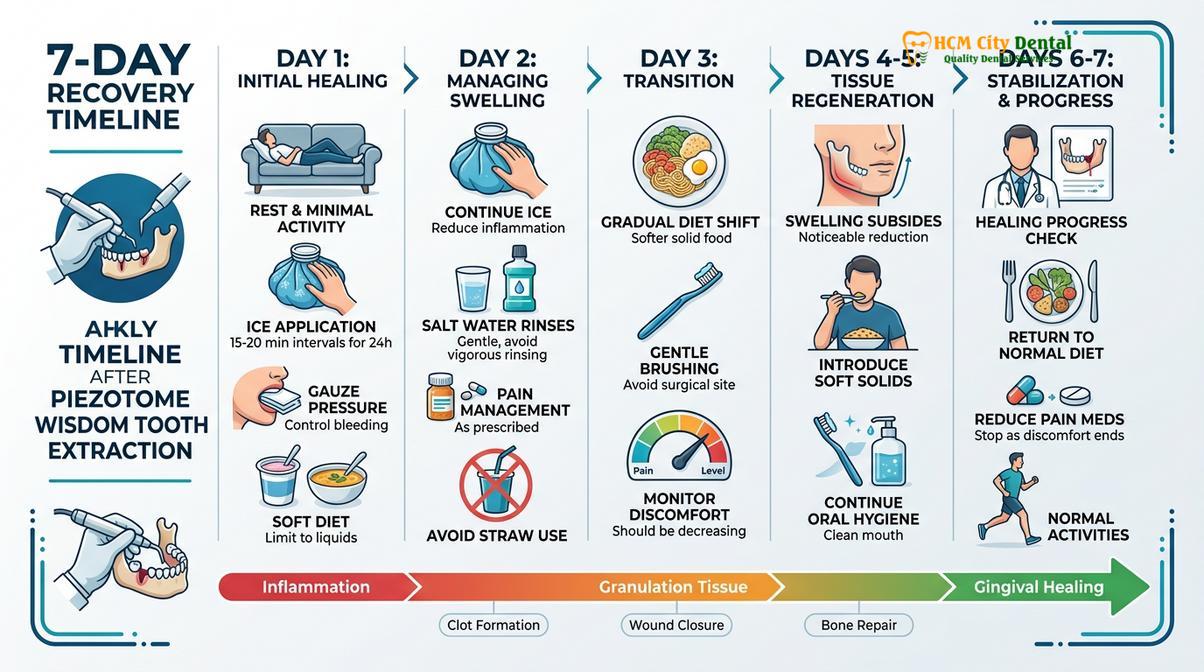
By the end of the first week, the soft tissue margins of the extraction site begin to epithelialize, and any sutures placed during the surgery are either absorbed or removed. The underlying bone regeneration process, while taking several months to complete radiographically, is initiated much faster due to the preservation of vital bone cells during the ultrasonic cutting process. This rapid return to normalcy is highly valued by international patients who are often balancing demanding work schedules or are in the midst of evaluating treatment expenses and travel itineraries.
“Clinical studies consistently demonstrate that the use of piezoelectric devices in third molar surgery results in a statistically significant decrease in postoperative pain scores, facial swelling, and trismus when compared to conventional rotary instruments, thereby vastly improving the patient’s quality of life during the convalescent period.”
To optimize the healing process, strict adherence to post wisdom tooth surgery care instructions is imperative. Patients are advised to apply ice packs to the affected side of the face intermittently during the first 48 hours to further minimize swelling. Maintaining impeccable oral hygiene is also crucial; however, vigorous rinsing or spitting must be avoided to prevent the dislodgement of the fragile blood clot. At HCMC Dental Clinic, patients receive detailed, written postoperative guidelines in English, ensuring clear comprehension and compliance. Furthermore, to make this advanced care more accessible, the clinic currently offers a 40% online booking discount, allowing expats to receive premium surgical treatment at an exceptional value.
Minimizing Risk of Dry Socket and Nerve Damage
The precise nature of ultrasonic bone cutting preserves the inferior alveolar nerve and promotes stable blood clot formation, drastically lowering the incidence of alveolar osteitis and paresthesia.
Two of the most dreaded complications associated with lower wisdom tooth extraction are alveolar osteitis (commonly known as dry socket) and iatrogenic nerve injury. A dry socket occurs when the blood clot that forms in the extraction site is either dislodged or dissolves prematurely due to excessive fibrinolysis. This exposes the underlying alveolar bone and nerve endings to the oral environment, resulting in severe, throbbing pain that typically radiates to the ear and is not easily relieved by standard analgesics. The incidence of dry socket is significantly influenced by the degree of surgical trauma; excessive bone heating and crushing from traditional drills create a necrotic bone bed that is less capable of supporting a stable, healthy blood clot.
The piezotome mitigates this risk through its clean, atraumatic cutting action. The ultrasonic micro-vibrations leave the bony walls of the extraction socket vital and highly vascularized, providing an optimal biological scaffold for the blood clot to adhere to and organize into granulation tissue. Furthermore, the implementation of a strict dry socket prevention protocol is standard practice. This protocol includes the gentle irrigation of the socket with sterile saline or chlorhexidine, the meticulous removal of any follicular remnants, and, in some cases, the placement of advanced biologic materials, such as Platelet-Rich Fibrin (PRF), to accelerate soft tissue healing and further stabilize the clot.
Important Clinical Warning: Postoperative Habits
Even with the advanced tissue preservation of piezotome surgery, patient compliance is critical to prevent complications. Strictly avoid smoking, using drinking straws, or vigorous spitting for at least 72 hours post-surgery. The negative intraoral pressure created by these actions can easily dislodge the stabilizing blood clot, leading directly to the painful development of alveolar osteitis (dry socket).
Nerve damage, specifically to the inferior alveolar nerve (IAN) or the lingual nerve, is a severe complication that can result in temporary or permanent paresthesia, dysesthesia, or anesthesia of the lower lip, chin, and tongue. The anatomical proximity of the mandibular third molar roots to the IAN canal makes this a constant clinical concern. As previously detailed, the tissue selectivity of the piezoelectric device is its most profound safety feature. Because the ultrasonic frequency is calibrated specifically for mineralized tissue, the piezotome tip will not sever the nerve sheath even upon direct, accidental contact [5]. This provides the surgeon with an unparalleled margin of safety when navigating complex, deep bony impactions.
For expats comparing regional healthcare comparisons, the availability of such advanced safety protocols is a major deciding factor. The combination of 3D Cone Beam Computed Tomography (CBCT) for precise preoperative anatomical mapping and the piezotome for surgical execution represents the highest echelon of risk management in modern oral surgery. This meticulous approach ensures that patients receive not only effective treatment but also the safest possible surgical experience.
When to See a Doctor Post-Extraction
While piezotome surgery is highly safe, patients must monitor their recovery and seek immediate clinical evaluation if they experience signs of infection, uncontrolled bleeding, or persistent neurological symptoms.
Although the integration of ultrasonic technology significantly reduces the risk of postoperative complications, oral surgery inherently carries some degree of risk, and individual healing responses can vary. It is crucial for patients to differentiate between normal postoperative sequelae and symptoms that require prompt medical intervention. Normal healing includes mild to moderate swelling that peaks around day two or three, slight oozing of blood that tints the saliva pink for the first 24 hours, and manageable discomfort that steadily improves each day.
However, patients should immediately contact their dental provider if they experience any of the following red flag symptoms: active, bright red bleeding that does not stop after applying firm pressure with a sterile gauze pad for 30 to 45 minutes; a sudden onset of severe, throbbing pain that radiates to the ear or neck and is unresponsive to prescribed pain medication (a strong indicator of a dry socket); a high fever, chills, or difficulty swallowing and breathing, which may signal a spreading odontogenic infection. Additionally, if numbness or tingling in the lips, chin, or tongue persists beyond the expected duration of the local anesthetic (typically 6 to 8 hours), a clinical evaluation is necessary to assess nerve function.
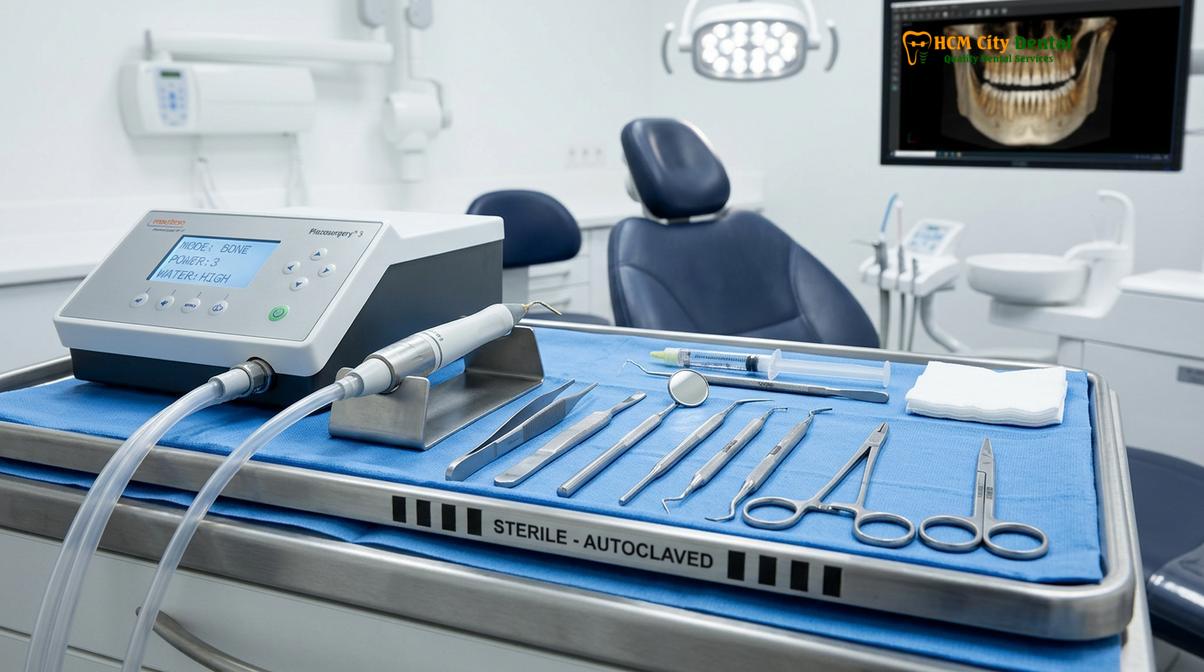
At HCMC Dental Clinic, patient safety and continuous support are paramount. We ensure that our international patients are never left to navigate their recovery alone. We offer direct, real-time communication with our clinical team via WhatsApp, allowing patients to ask questions, share photos of their healing progress, and receive immediate professional guidance. Furthermore, our facility strictly adheres to Class-B autoclave sterilization protocols, ensuring that all instruments meet the highest European standards for infection control, thereby minimizing the risk of postoperative infections. For expats requiring documentation for their health coverage, our administrative team is fully equipped to assist with international insurance documentation, ensuring a smooth and comprehensive healthcare experience from consultation to full recovery.
Frequently Asked Questions
Is ultrasonic wisdom tooth extraction more expensive than standard extraction?
Yes, piezotome surgery typically carries a slight premium over traditional extraction due to the advanced technology and specialized equipment required. However, the reduced recovery time, lower risk of complications, and decreased need for postoperative medications make it a highly cost-effective investment for your oral health. Furthermore, the long-term benefits of preserving bone and preventing nerve damage far outweigh the initial cost difference.
How long does the recovery take after piezotome wisdom tooth surgery?
Most patients resume normal daily activities within 48 to 72 hours after piezotome surgery. Because the ultrasonic technology preserves soft tissue and minimizes bone trauma, the typical swelling and discomfort are significantly reduced compared to conventional rotary drill extractions. Complete soft tissue healing usually occurs within one to two weeks, while the underlying bone will continue to regenerate and solidify over the following months.
Can I get all four wisdom teeth removed in one session using piezotome?
Yes, removing all four wisdom teeth in a single session is highly feasible and commonly performed using piezotome technology. The minimally invasive nature of the procedure reduces overall surgical trauma, making simultaneous extractions safer and more comfortable for the patient. This approach is particularly advantageous for international patients who wish to consolidate their treatment and recovery time during their stay in Vietnam.
What payment methods are accepted for expat dental services in Saigon?
We accept a wide variety of payment methods to accommodate international patients. You can conveniently pay using Visa/Mastercard, international bank transfers, cash (USD or VND), PayPal, popular e-wallets, and even major cryptocurrencies (Crypto) for seamless transactions. Our transparent billing process ensures that you are fully aware of all costs upfront, with no hidden fees.
How do I arrange logistics for my dental surgery in Ho Chi Minh City?
Our international patient coordination team assists with all logistical needs for your visit. We provide curated hotel recommendations in District 1, arrange reliable airport pickup services, and offer direct communication via WhatsApp to ensure a stress-free medical journey. From the moment you arrive in Saigon until your final postoperative check-up, our dedicated staff is here to support your professional periodontal maintenance and surgical needs.
References
- Journal of Oral and Maxillofacial Surgery. Clinical Outcomes of Piezosurgery in Third Molar Extraction. (2021).
- International Journal of Oral Science. The Cavitation Effect and Bone Healing in Ultrasonic Surgery. (2020).
- American Association of Oral and Maxillofacial Surgeons (AAOMS). Guidelines for the Management of Impacted Third Molars. (2022).
- Journal of Clinical Periodontology. Soft Tissue Preservation Using Piezoelectric Devices. (2019).
- World Health Organization (WHO). Global Standards for Infection Prevention and Control in Healthcare. (2023).