When comparing dental tourism Vietnam vs Thailand, Vietnam consistently offers 20% to 40% lower treatment costs for identical clinical procedures and premium materials. Both destinations provide world-class dental care, but Vietnam’s rapidly advancing medical infrastructure and lower operational overhead make it the superior choice for cost-conscious international patients seeking comprehensive restorative work. Research into cross-border healthcare motivations highlights that patients increasingly prioritize destinations that balance affordability with stringent clinical safety protocols.[1]
Clinical Summary:
Evaluating dental tourism Vietnam vs Thailand reveals two highly capable medical destinations with distinct economic advantages. While Thailand has historically dominated the market, Vietnam is rapidly emerging as the preferred alternative due to significantly lower overhead costs, allowing clinics to offer identical premium materials—such as Swiss implants and German ceramics—at a fraction of the price. Patients traveling to Ho Chi Minh City benefit from rigorous international sterilization protocols, direct clinical consultations, and streamlined travel logistics, making it an optimal choice for complex restorative and cosmetic dentistry.
Key Takeaways:
- Vietnam offers substantial cost savings over Thailand without compromising on clinical quality or material integrity.
- Top-tier clinics in Saigon utilize globally recognized brands like Straumann and Nobel Biocare for predictable outcomes.
- Rigorous infection control, including Class-B autoclave sterilization, ensures patient safety meets stringent European standards.
- Direct communication with specialists via WhatsApp streamlines treatment planning and secures exclusive promotional rates.
- Flexible payment options, including cryptocurrency and international transfers, cater seamlessly to global patients.
The Evolution of Dental Tourism in Southeast Asia
Southeast Asia has transformed into a global hub for medical travel, with patients seeking high-quality, affordable care. While Thailand pioneered this industry, Vietnam is now capturing significant market share through aggressive modernization and highly competitive pricing structures.
The landscape of cross-border healthcare has shifted dramatically over the past two decades. Historically, patients seeking affordable medical and dental interventions looked primarily to Bangkok or Phuket. Thailand established itself early as a dominant force, building massive hospital infrastructures dedicated to international patients. However, as the industry matured, the economic dynamics began to shift. The rising cost of living and increased commercialization in established hubs led savvy patients to seek alternative destinations that could offer the same clinical standards without the inflated price tags. This search for value without compromise has positioned Vietnam as a formidable contender in the global market, adhering closely to global guidelines for surgical safety.[2]
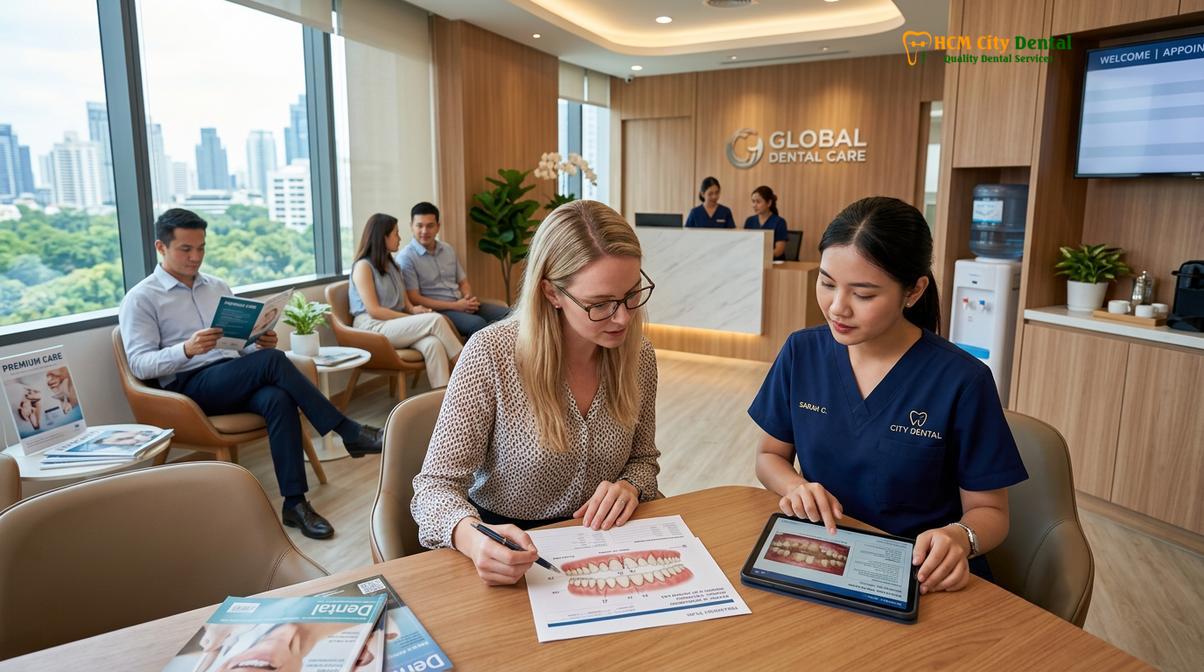
Today, many industry analysts consider Vietnam the best country for dental tourism Asia has to offer. The Vietnamese government and private healthcare sectors have invested heavily in modernizing clinical facilities, importing state-of-the-art diagnostic technology, and ensuring that dental professionals receive advanced training abroad. This rapid evolution means that international patients no longer have to choose between affordability and quality. They can access world-class treatments, from complex full-arch implant rehabilitations to intricate digital smile designs, in a setting that adheres to rigorous international protocols.
“The migration of dental tourists toward emerging Southeast Asian markets is a direct result of these nations achieving parity in clinical technology and material science, while maintaining a distinct economic advantage in operational overhead.”
Furthermore, the integration of digital dentistry has leveled the playing field. The use of Cone Beam Computed Tomography (CBCT), intraoral scanners, and CAD/CAM milling machines is now standard practice in top-tier Vietnamese clinics. This technological parity ensures that the diagnostic and restorative workflows are identical to those found in North America, Europe, or Australia, providing patients with predictable, high-quality outcomes regardless of geographic location.
Price Comparison Matrix: Vietnam vs. Thailand vs. Bali vs. Australia
A detailed financial analysis reveals that restorative and cosmetic procedures in Vietnam are significantly more affordable than in neighboring hubs. Patients can expect substantial savings on everything from single crowns to full-arch rehabilitations compared to Thai, Balinese, or Australian clinics.
Understanding the financial mechanics of cross-border dental care requires a comprehensive look at the varying costs across popular destinations. When evaluating the differences between a dental implant in Vietnam vs Thailand, the economic advantages become immediately apparent. The lower cost of treatment in Vietnam is not a reflection of inferior materials or compromised clinical standards; rather, it is the direct result of lower domestic living costs, reduced real estate overhead, and favorable currency exchange rates. These economic efficiencies are passed directly to the patient, resulting in profound savings, particularly for extensive treatment plans.
For patients considering a broader regional comparison, analyzing the costs across Southeast Asia and Oceania highlights Vietnam’s competitive edge. While Bali is a popular destination for minor cosmetic work, Vietnam’s specialized implant centers often provide more comprehensive surgical care at better price points, supported by highly specialized prosthodontists and oral surgeons. To illustrate these economic disparities, we can examine a standard fee schedule across these key regions.
| Clinical Procedure | Vietnam (Estimated USD) | Thailand (Estimated USD) | Bali (Estimated USD) | Australia (Estimated USD) |
|---|---|---|---|---|
| Comprehensive Exam & 3D CBCT Scan | $0 – $50 | $50 – $100 | $40 – $80 | $200 – $400 |
| Premium Zirconia Crown (CAD/CAM) | $250 – $350 | $400 – $600 | $350 – $500 | $1,200 – $2,000 |
| Single Titanium Implant (incl. Abutment & Crown) | $900 – $1,400 | $1,500 – $2,200 | $1,200 – $1,800 | $4,000 – $6,000 |
| All-on-4 Full Arch Rehabilitation (per arch) | $5,000 – $7,000 | $8,000 – $12,000 | $7,500 – $10,000 | $20,000 – $30,000 |
| Porcelain Veneer (E.max per tooth) | $250 – $400 | $400 – $700 | $350 – $600 | $1,500 – $2,500 |
As demonstrated in the matrix, the savings achieved by choosing Dental Tourism in Vietnam are substantial. For a patient requiring a full mouth restoration involving multiple implants and crowns, the total expenditure in Ho Chi Minh City can be tens of thousands of dollars less than in their home country, and significantly lower than in Bangkok. This cost differential allows patients to afford premium materials, such as authentic Straumann or Nobel Biocare implants, which they might otherwise have to compromise on due to budget constraints at home. Long-term survival rates of these premium titanium fixtures are exceptionally high when placed by skilled specialists.[3]
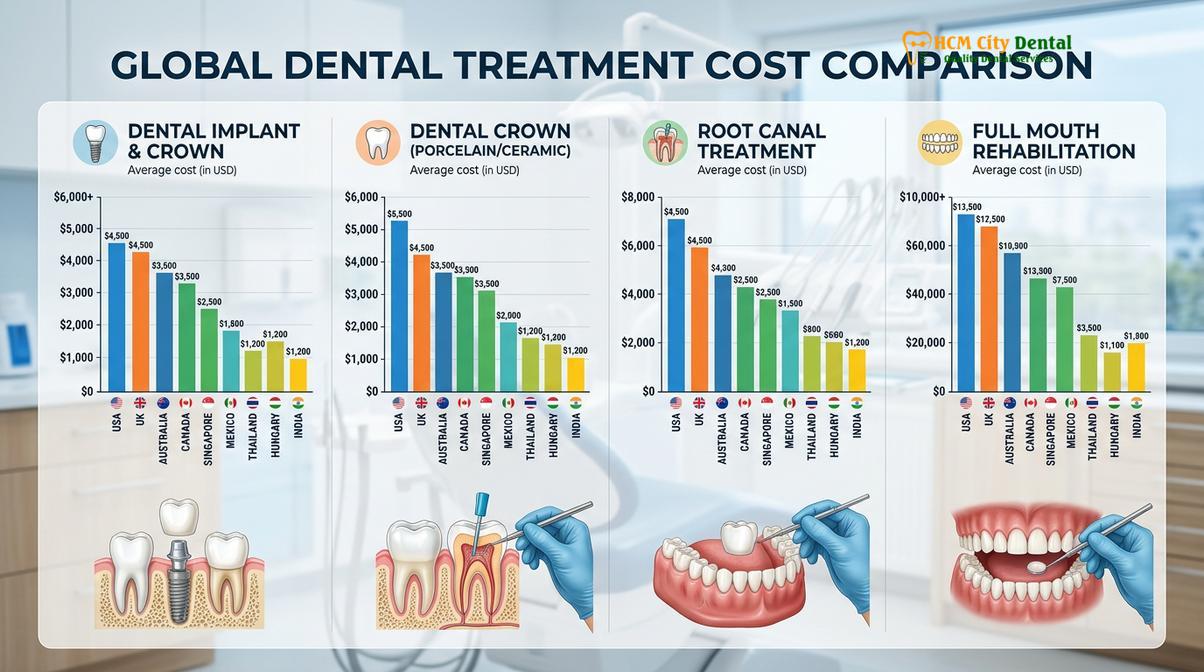
It is crucial to note that these figures represent the clinical fees. When factoring in the cost of flights, accommodation, and daily expenses, the overall return on investment remains highly favorable. The affordability of luxury accommodations and dining in Vietnam further enhances the appeal, turning a necessary medical procedure into a highly enjoyable and cost-effective vacation.
Travel Logistics & Flight Accessibility
Planning a medical trip requires seamless coordination of flights, accommodations, and clinical appointments. Ho Chi Minh City offers excellent international connectivity, straightforward visa processes, and dedicated patient support services to ensure a stress-free experience.
The logistical ease of reaching your chosen destination is a critical factor in the decision-making process. Ho Chi Minh City, served by Tan Son Nhat International Airport (SGN), is a major aviation hub with direct or highly convenient connecting flights from Australia, North America, Europe, and neighboring Asian countries. The proliferation of budget and premium airlines servicing this route ensures that patients can secure competitive airfares, further maximizing the economic benefits of their trip.
Upon arrival, navigating the city is straightforward. For patients undergoing significant procedures, minimizing travel stress is paramount for optimal recovery. It is highly recommended that international patients secure hotel accommodations in central districts. These locations not only place you in the heart of the city’s vibrant cultural and culinary scene but also ensure you are within a short, comfortable distance from the clinic for your scheduled appointments and any necessary follow-up visits. To further streamline the arrival process, many top clinics can assist in arranging reliable airport pickup services, ensuring a smooth transition from the terminal to your hotel.
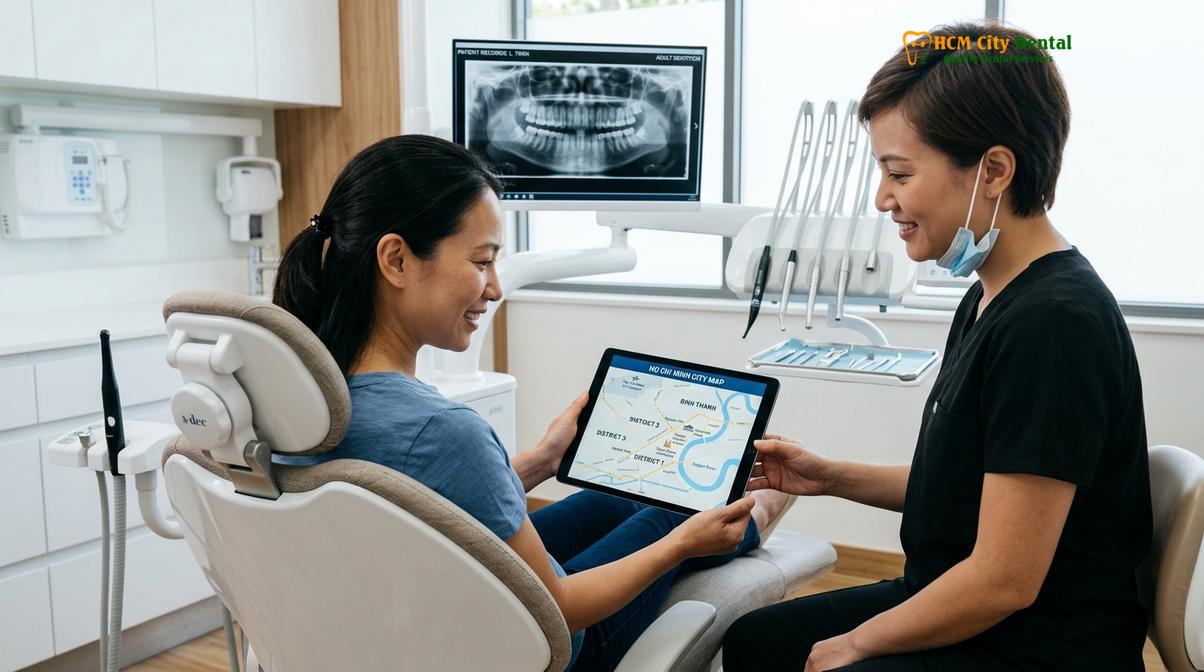
Visa requirements for Vietnam have become increasingly streamlined, with many nationalities eligible for electronic visas (e-Visas) that can be processed quickly online prior to departure. This administrative ease removes a significant barrier to entry, allowing patients to focus on their treatment planning rather than bureaucratic hurdles. When scheduling your trip, it is advisable to build in a few buffer days. This allows for acclimatization to the tropical climate, unhurried clinical consultations, and sufficient post-operative rest before embarking on the journey home.
Quality of Clinical Output & Material Sourcing
Clinical excellence in Vietnam is driven by the strict adherence to international protocols and the exclusive use of globally certified dental materials. Advanced diagnostic imaging and rigorous sterilization guarantee outcomes that rival top-tier Western practices.
The primary concern for any patient traveling abroad for medical care is the quality and safety of the treatment. When evaluating clinical outcomes, the defining factor is not the geography, but the specific clinic’s commitment to international standards. In Ho Chi Minh City, leading practices operate with a philosophy of uncompromising quality, utilizing the exact same materials, instruments, and protocols as elite clinics in London, Sydney, or Los Angeles.
Material sourcing is a critical component of clinical success. Reputable clinics do not use generic or unverified materials. Instead, they partner directly with global dental manufacturers. For implantology, this means utilizing titanium fixtures from industry leaders like Straumann (Switzerland), Nobel Biocare (Sweden), and Osstem (South Korea). For restorative work, authentic E.max lithium disilicate and high-translucency zirconia are milled using precision CAD/CAM technology. This commitment to premium materials ensures optimal biocompatibility, superior aesthetics, and long-term durability of the restorations.
Clinical Case Overview: Full-Arch Rehabilitation
A 58-year-old international patient visiting HCMC Dental Clinic (Ho Chi Minh City) presented with severe periodontal disease and failing dentition. After a comprehensive CBCT analysis, a treatment plan was formulated for bilateral maxillary and mandibular extractions followed by immediate implant placement (All-on-4 protocol). Utilizing premium Swiss implants and a digitally milled titanium-acrylic hybrid prosthesis, the patient achieved full functional and aesthetic restoration within a 10-day clinical window. The use of advanced surgical guides ensured precise implant angulation, minimizing surgical trauma and accelerating the healing cascade.
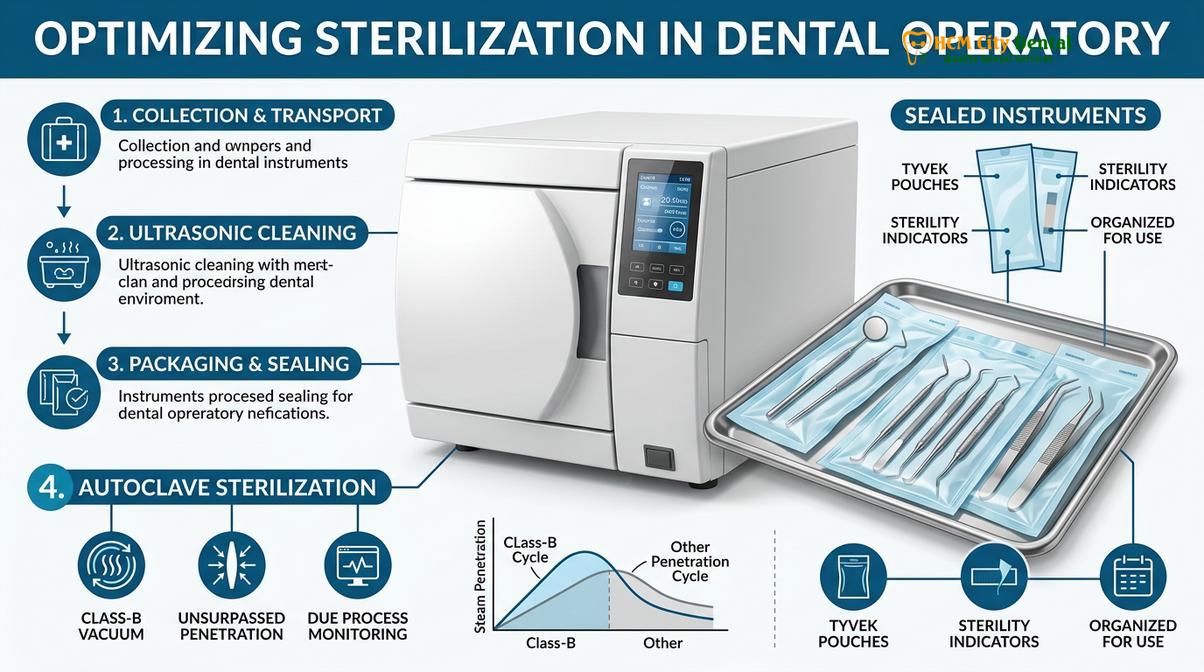
Infection control is another area where top Vietnamese clinics excel. Patient safety is paramount, and rigorous sterilization protocols are non-negotiable. Leading facilities employ strict Class-B autoclave sterilization systems, which represent the highest European standard for infection control. This vacuum-assisted technology ensures the complete eradication of all pathogens from surgical instruments, including those with complex hollow lumens. Furthermore, the clinical environment is maintained through stringent surface disinfection and the use of single-use disposable barriers wherever applicable, in accordance with global dental federation guidelines.[4]
The expertise of the clinical team is the final pillar of quality. The success of complex restorative dentistry relies not just on the materials used, but on the precise diagnostic evaluation and the meticulous execution of the surgical and prosthetic phases. This dedication to clinical excellence is what makes Vietnam a premier destination for those seeking dental implants on holiday without sacrificing quality.
Important Clinical Considerations Before Traveling
While dental tourism offers immense benefits, patients must carefully evaluate their medical suitability for travel and treatment. Understanding when to consult a local physician and adhering to pre-operative guidelines ensures a safe and predictable clinical experience.
Before booking flights for extensive dental work, it is essential to assess your overall health and determine when to see a doctor locally. Patients with uncontrolled diabetes, severe cardiovascular conditions, or those undergoing active cancer treatments should consult their primary care physician before planning a medical trip. Certain systemic conditions can impair wound healing or increase the risk of surgical complications, making it vital to have medical clearance prior to undergoing procedures like bone grafting or multiple implant placements.
Important Medical Notice: If you have a history of heart disease, bleeding disorders, or are currently taking bisphosphonates or blood thinners, you must inform your dental team during the initial online consultation. A formal medical clearance from your local general practitioner may be required before any surgical intervention can be safely performed abroad.
Additionally, patients must be aware of the specific infection control standards maintained by their chosen facility. The Vietnam Ministry of Health (MOH) has established rigorous national guidelines for odonto-stomatology facilities, ensuring that licensed clinics adhere to strict cross-contamination prevention protocols.[5] When researching clinics, international patients should verify that the facility complies with these national standards and holds the appropriate operating licenses. Proper preparation and transparent communication regarding your medical history are foundational to a successful clinical outcome overseas.
Securing WhatsApp Booking Discounts
Modern dental clinics in Vietnam leverage direct communication platforms like WhatsApp to streamline the consultation process. Engaging directly with the clinical team can often unlock exclusive promotional rates and priority scheduling for international patients.
One of the most effective ways to optimize your dental tourism budget is to bypass third-party medical tourism agencies and communicate directly with the clinic. By utilizing secure messaging applications like WhatsApp, patients can easily share their panoramic X-rays, intraoral photographs, and previous dental records directly with the clinical coordinators. This direct line of communication allows the specialists to perform a preliminary remote assessment and generate a highly accurate, customized treatment plan before you even book your flight.
Under the clinical leadership of Dr. Nguyen Van Cuong, international patients receive comprehensive evaluations tailored to their specific anatomical needs. Dr. Cuong emphasizes a conservative, evidence-based approach to restorative dentistry, ensuring that every treatment plan prioritizes long-term oral health and functional stability. By consulting with an English-speaking dentist directly, patients can clarify all clinical steps, material choices, and associated costs without any language barriers or intermediary confusion.
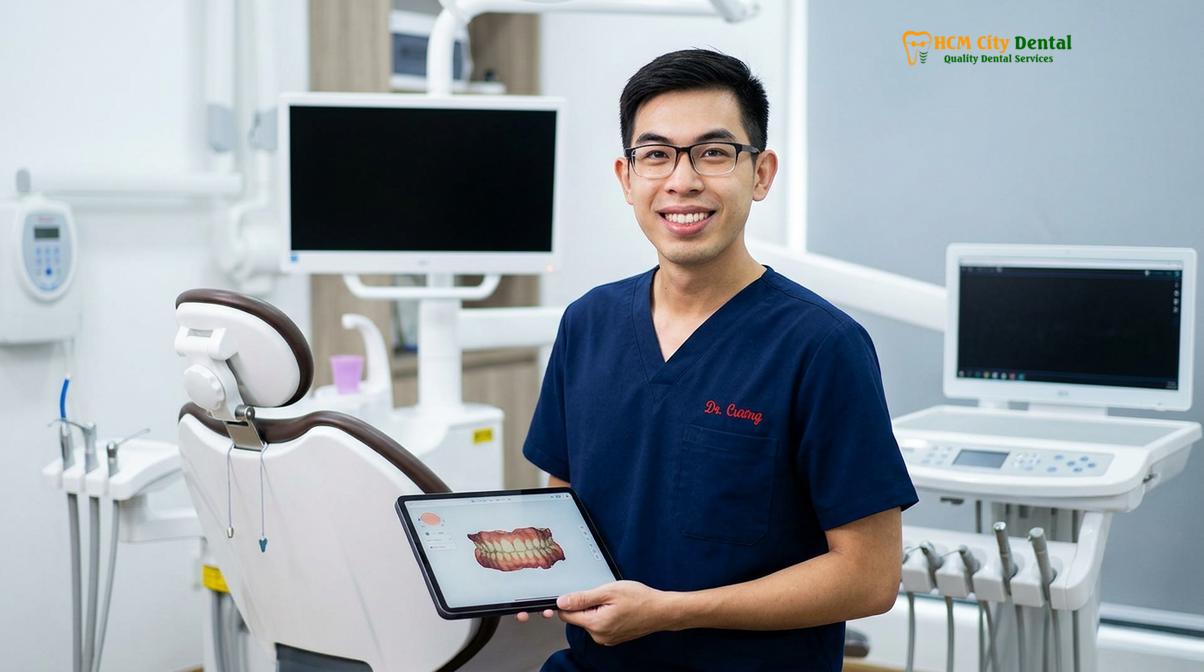
Furthermore, clinics frequently offer exclusive booking discounts or complimentary services—such as free airport transfers, complimentary CBCT scans, or upgraded hotel accommodations—for patients who finalize their treatment plans and secure their appointments via direct WhatsApp communication. This not only reduces the overall financial burden but also establishes a strong rapport and trust between the patient and the clinical team prior to arrival.
“Direct digital communication empowers international patients to make informed clinical decisions, secure transparent pricing, and build a foundation of trust with their overseas dental providers long before they step into the clinic.”
When initiating contact, be prepared to provide a clear summary of your dental concerns, your desired timeline for travel, and any relevant medical history. The more comprehensive the information you provide upfront, the more precise and beneficial the remote consultation will be, ensuring a seamless transition from digital planning to clinical execution.
References
- International Journal of Environmental Research and Public Health. Cross-Border Dental Care: Patient Motivations and Clinical Outcomes.
- World Health Organization (WHO). Global Guidelines for the Prevention of Surgical Site Infection.
- Journal of Clinical Medicine. Long-Term Survival Rates of Titanium Dental Implants: A Systematic Review.
- FDI World Dental Federation. Infection Prevention and Control in the Dental Practice.
- Vietnam Ministry of Health (MOH). National Guidelines on Infection Control in Odonto-Stomatology Facilities.
If you are ready to explore the exceptional value and clinical excellence of dental tourism in Southeast Asia, our team is here to assist you. Contact HCMC Dental Clinic in Ho Chi Minh City today to schedule your comprehensive remote consultation and receive a customized treatment plan tailored to your unique restorative needs.