To avoid hidden costs in dental tourism abroad, patients must secure comprehensive, itemized treatment plans before traveling. Unforeseen expenses often stem from incomplete initial quotes, diagnostic fees, transaction surcharges, and extended accommodation needs. Thorough clinical and financial planning ensures a predictable, cost-effective medical journey.
Clinical Summary:
Navigating the financial landscape of international dental care requires a deep understanding of clinical workflows and billing practices. While seeking treatment overseas offers substantial savings, patients frequently encounter unexpected expenses that inflate their final bill. These hidden costs typically arise from diagnostic imaging (such as 3D CBCT scans), specialized anesthesia, post-operative medications, and necessary but unquoted adjunctive procedures like bone grafting. Furthermore, logistical factors—including international credit card surcharges, dynamic currency conversion, and extended hotel stays due to laboratory delays—can significantly impact the overall budget. To mitigate these risks, patients must demand transparent, all-inclusive pricing models and consult directly with experienced specialists. By thoroughly evaluating both the medical and logistical components of their trip, international patients can achieve high-quality clinical outcomes without compromising their financial expectations.
Key Takeaways:
- Initial marketing quotes often exclude essential clinical components like abutments, temporary crowns, and diagnostic scans.
- Unforeseen anatomical challenges discovered via 3D imaging may necessitate additional, chargeable procedures such as bone grafting.
- International transaction fees and currency conversion rates can add substantial surcharges to the final dental bill.
- Extended recovery times or laboratory delays require contingency budgeting for accommodation and local travel.
- Choosing a clinic with transparent, itemized billing protocols is critical for a stress-free medical tourism experience.
The Bait-and-Switch Risk: Low Base Quotes vs. Final Bills
A bait-and-switch dental quote occurs when clinics advertise artificially low base prices that exclude essential clinical steps, resulting in a final bill significantly higher than anticipated. Always demand an itemized, comprehensive treatment plan before committing to travel.
The allure of international dental care is primarily driven by the promise of substantial financial savings. However, the most pervasive financial risk patients face is the discrepancy between the initial marketing estimate and the final clinical invoice. This phenomenon, often referred to as a bait and switch dental quote, is not necessarily born of malicious intent but rather stems from the complex, multi-stage nature of restorative dentistry and the oversimplification of pricing for marketing purposes. When patients begin planning your dental travel itinerary, understanding the anatomy of a dental quote is the first line of defense against budget overruns.
Consider the ubiquitous advertisement for a “low-cost dental implant.” In clinical reality, replacing a missing tooth with an implant is a tripartite procedure. It requires the surgical placement of the titanium fixture (the implant body), the connection of an abutment (the intermediary post), and the fabrication of the final prosthetic crown. A misleading base quote may only list the price of the titanium fixture itself, entirely omitting the cost of the abutment, the crown, the surgical guide, and the clinical time required for each distinct phase. When the patient arrives at the clinic, they are presented with a final bill that encompasses all necessary components, leading to shock and financial strain[1].

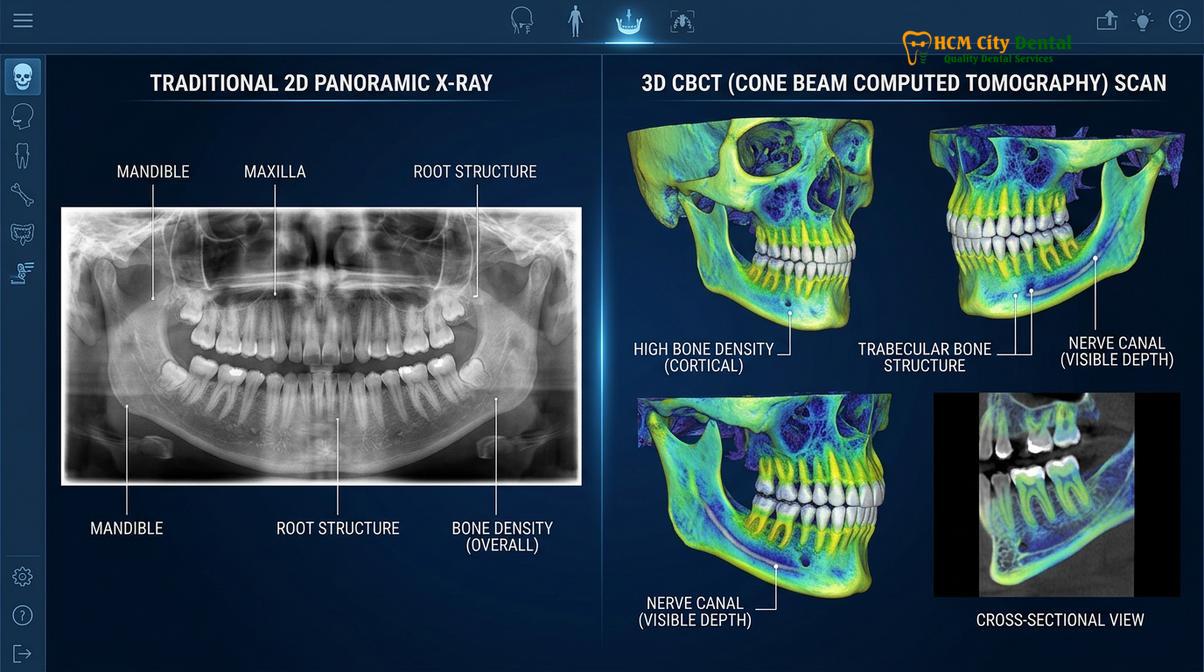
Furthermore, remote consultations based solely on 2D panoramic X-rays or patient-submitted photographs are inherently limited. While these tools allow a dentist to provide a preliminary estimate, they cannot reveal the three-dimensional architecture of the jawbone. A comprehensive clinical examination is mandatory to finalize a treatment plan. If a patient travels based on a preliminary quote that assumes optimal bone health, they may be unprepared for the financial reality if the surgeon determines that adjunctive procedures are necessary to ensure the long-term viability of the restoration.
“Transparency in medical billing is as critical as the sterilization protocols we follow. A patient must understand every clinical step and its associated cost before they sit in the surgical chair. Ambiguity breeds anxiety, which is detrimental to the healing process.”
To protect against these discrepancies, patients must transition from seeking “estimates” to demanding “itemized treatment plans.” An itemized plan breaks down the cost of every material, diagnostic test, and clinical hour. It should explicitly state the brand of the materials being used (e.g., Straumann, Nobel Biocare), the type of restoration (e.g., monolithic zirconia vs. porcelain-fused-to-metal), and any warranties provided. By insisting on this level of detail, patients can accurately compare providers and ensure that their Dental Tourism experience is both medically sound and financially predictable.
Common Hidden Costs: 3D CBCT Scans, Anesthesia, and Medications
Diagnostic imaging, specialized anesthesia, and post-operative prescriptions are frequently omitted from initial estimates. Patients must verify whether 3D CBCT scans, sedation, and recovery medications are included in their surgical package.
Beyond the core components of a dental restoration, the clinical workflow involves numerous supportive services that are essential for safety and efficacy. These services are frequently treated as “add-ons” in less transparent billing models, constituting a significant portion of the hidden costs encountered by international patients. A thorough understanding of these clinical necessities empowers patients to ask the right questions during their initial consultations.
The most critical diagnostic tool in modern implantology and complex oral surgery is the Cone Beam Computed Tomography (CBCT) scan. Unlike traditional 2D X-rays, a 3D CBCT scan provides a volumetric rendering of the maxillofacial region. This allows the surgeon to precisely measure bone width and density, locate vital anatomical structures such as the inferior alveolar nerve and the maxillary sinus, and virtually plan the implant placement to the millimeter. While this technology is indispensable for minimizing surgical risks and optimizing outcomes, the scan itself represents a significant capital investment for the clinic and is often billed separately. Patients must clarify whether the diagnostic phase is bundled into the surgical fee or if it will be an out-of-pocket expense upon arrival[2].
Anesthesia and pain management protocols also introduce variable costs. Standard local anesthesia (numbing injections) is typically included in the base price of most procedures. However, many international patients undergoing extensive full-mouth rehabilitations or multiple extractions prefer or require deeper levels of sedation, such as intravenous (IV) conscious sedation or nitrous oxide. IV sedation requires the presence of a specialized anesthesiologist and continuous vital sign monitoring, adding a substantial fee to the surgical appointment. If a patient assumes that “pain-free dentistry” implies complimentary IV sedation, they will face an unexpected charge.
Post-operative care is another area where expenses accumulate. Following invasive procedures, patients require pharmacological support to manage pain, reduce inflammation, and prevent infection. The dental tourist prescription cost can vary widely depending on the local pharmaceutical market and the specific medications prescribed. A standard post-surgical regimen may include broad-spectrum antibiotics, non-steroidal anti-inflammatory drugs (NSAIDs), corticosteroid dose packs to manage severe swelling, and chlorhexidine gluconate antimicrobial mouthwashes. Patients should inquire whether a post-operative care package is provided or if they will need to purchase these medications independently at a local pharmacy.
| Clinical Component | Often Included in Base Quote | Frequently Billed as Hidden Cost | Clinical Rationale |
|---|---|---|---|
| Diagnostic Imaging | Basic 2D Panoramic X-ray | 3D CBCT Scan, Surgical Guides | Essential for 3D anatomical mapping and safe implant placement. |
| Implant Surgery | Titanium Fixture Placement | Bone Grafting, Sinus Lifts, PRF Therapy | Required if native bone volume is insufficient for osseointegration. |
| Prosthetics | Standard PFM Crown | Custom Abutments, Premium Zirconia, Temporaries | Custom components ensure optimal gingival contouring and aesthetics. |
| Pain Management | Local Anesthesia | IV Sedation, Anesthesiologist Fees | Necessary for patient comfort during prolonged, complex surgeries. |
| Post-Op Care | Basic Instructions | Prescription Medications, Specialized Rinses | Critical for infection control and managing inflammatory responses. |
Finally, the biological reality of the patient’s anatomy can dictate unforeseen costs. If the CBCT scan reveals severe bone resorption, the surgeon cannot ethically place an implant without first augmenting the site. Bone grafting procedures—utilizing allografts, xenografts, or synthetic biomaterials—and sinus lift surgeries are complex interventions that require specialized materials and extended surgical time. While a reputable dentist will explain these possibilities during the remote consultation, the definitive need for grafting can only be confirmed in-chair, making it a common source of budget expansion for those combining dental implants with a holiday.
Transaction Fees: International Credit Cards and ATM Charges
International payment processing can add substantial unexpected expenses to your dental bill. Patients should clarify currency exchange rates, credit card surcharges, and alternative payment methods before finalizing their financial agreement.
The logistical mechanics of paying for medical services across international borders introduce a layer of financial complexity that many patients overlook. Even if a clinic provides a perfectly transparent, all-inclusive clinical quote, the method of payment can inflate the final cost by several percentage points. Understanding the nuances of international banking, currency conversion, and transaction surcharges is vital for protecting your medical travel budget.
One of the most frequent complaints among international patients involves saigon credit card surcharges or similar fees applied in other medical tourism hubs. When a clinic processes a payment via an international credit card (such as Visa, Mastercard, or American Express), the merchant is subjected to processing fees levied by the credit card networks and the acquiring banks. In many jurisdictions, it is legal and customary for businesses to pass these merchant fees directly to the consumer. This surcharge typically ranges from 2% to 4% of the total transaction volume. On a comprehensive full-mouth restoration costing several thousand dollars, a 3% surcharge represents a significant, unbudgeted expense[3].
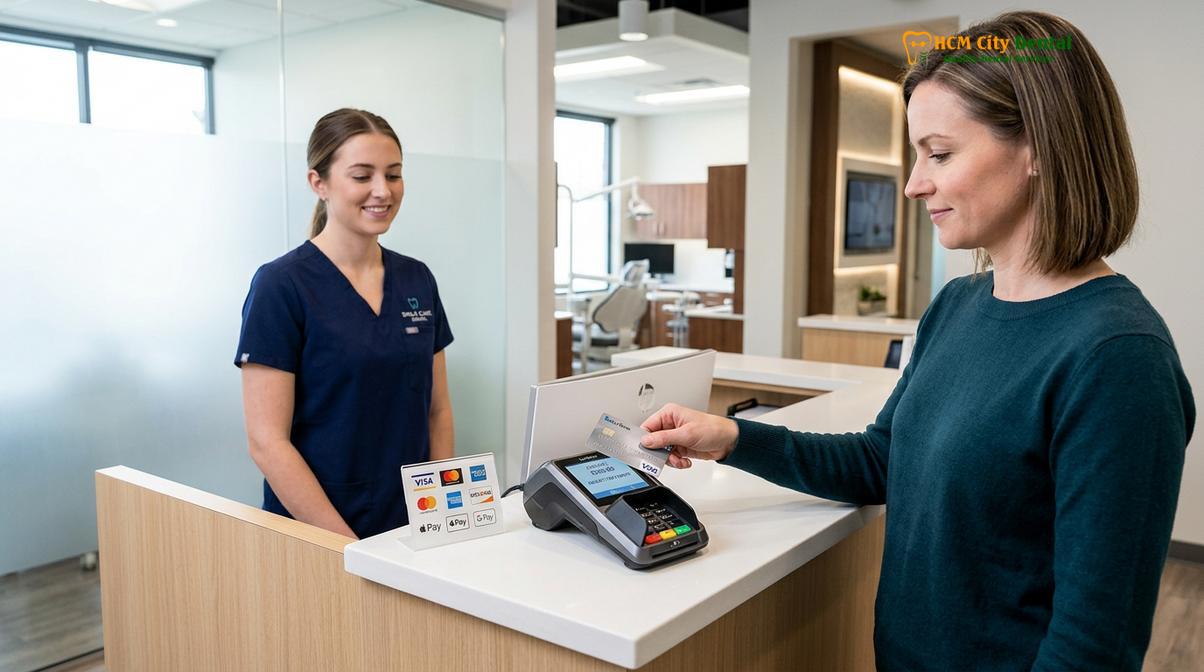
Furthermore, patients must navigate the pitfalls of currency conversion. Clinics generally quote prices in major international currencies (like USD, EUR, or AUD) for the convenience of the patient, but the actual transaction may be processed in the local currency (e.g., Vietnamese Dong – VND). If a patient pays with a foreign credit card, they are subject to the exchange rate determined by their bank, which often includes a hidden markup over the mid-market rate, plus a foreign transaction fee (typically 1% to 3%). Alternatively, if the point-of-sale terminal offers Dynamic Currency Conversion (DCC)—allowing the patient to pay in their home currency—the exchange rate applied is almost universally unfavorable, resulting in higher overall costs.
To circumvent these financial friction points, patients must proactively discuss payment logistics with the clinic’s financial coordinator. Reputable institutions offer a variety of payment modalities to accommodate international clientele. At modern facilities, accepted payment options explicitly include Visa/Mastercard, direct international bank transfers (via the SWIFT network), cash payments in major currencies (USD/VND), PayPal, regional e-wallets, and increasingly, major cryptocurrencies (Crypto). Utilizing a direct bank transfer via a specialized foreign exchange service or paying in cash can often bypass exorbitant credit card surcharges and unfavorable exchange rates, ensuring that the patient pays exactly the quoted amount.
Accommodation and Local Travel Expenses: The True Cost of Your Stay
Dental procedures require specific healing timelines, and unexpected clinical complications can extend your required stay. Budgeting for additional hotel nights, local transportation, and companion expenses is crucial for accurate financial planning.
The concept of dental tourism inherently intertwines medical treatment with international travel. While patients meticulously calculate the cost of flights and the baseline hotel stay, they frequently underestimate the logistical expenses associated with the clinical realities of restorative dentistry. The biological requirements of healing and the technical demands of dental laboratories dictate the timeline of the trip, and any deviation from the ideal scenario can result in escalating accommodation and local travel costs.
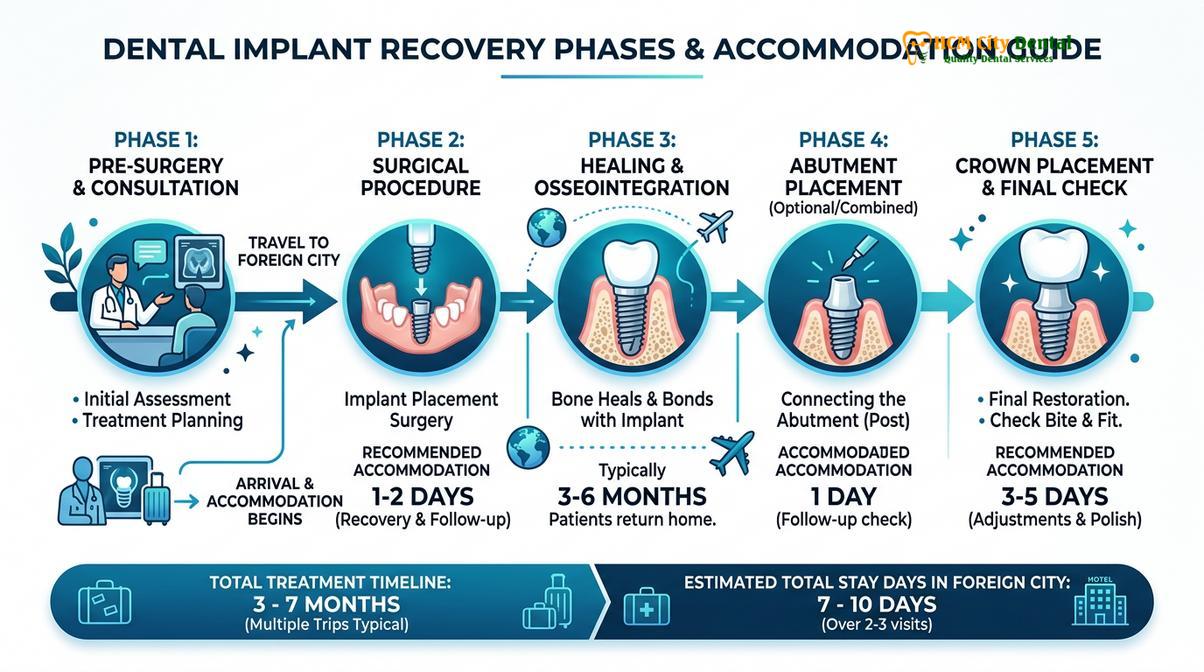
Restorative procedures, particularly those involving custom prosthetics like crowns, veneers, or implant-supported bridges, require precise coordination between the clinical team and the dental laboratory. After the teeth are prepared or the implants are uncovered, physical impressions or digital intraoral scans are sent to the lab. The fabrication of high-quality, monolithic zirconia or layered porcelain restorations is a meticulous process that takes several days. If the initial fit of the prosthetic requires adjustment—a common and necessary step to ensure perfect occlusion and marginal integrity—the restoration must be returned to the lab. This iterative process can easily extend a patient’s required stay by two to three days. If the patient has booked a rigid, non-refundable return flight, they face the stressful choice of paying exorbitant flight change fees or leaving with a suboptimal restoration.
Clinical Logistics Case Study: The Cost of Precision
A patient traveled from Australia to Ho Chi Minh City for a complex anterior veneer case, budgeting for a strict 7-day stay. During the final try-in phase on day 6, the clinical team noted a slight discrepancy in the shade matching against the patient’s natural dentition. Achieving aesthetic perfection required returning the veneers to the master ceramist for custom staining and re-glazing. This clinically necessary adjustment extended the treatment timeline by 48 hours. The patient incurred an additional $300 in hotel accommodations and flight change fees. While the clinical outcome was flawless, the lack of a contingency budget caused unnecessary logistical stress.
Furthermore, the biological response to surgery is highly individualized. While many patients recover swiftly from implant placement or complex extractions, others may experience prolonged swelling, discomfort, or minor complications that require additional follow-up appointments before they are medically cleared to fly. Changes in cabin pressure during air travel can exacerbate post-operative pain and swelling, making premature departure inadvisable. Patients must build a “buffer” into their travel itinerary, planning to stay in Ho Chi Minh City / Saigon / HCMC for a few days beyond the final scheduled appointment to ensure a safe and comfortable recovery.
Local transportation and daily living expenses also accumulate. Traveling back and forth between the hotel and the clinic for multiple appointments, purchasing soft foods suitable for a post-surgical diet, and the expenses of a traveling companion all contribute to the true cost of the medical journey. When comparing implant destinations in Southeast Asia, patients must evaluate not just the clinical fees, but the overall cost of living and the availability of affordable, comfortable accommodations in close proximity to the dental facility.
How HCMC Dental Guarantees All-Inclusive Pricing and No Hidden Fees
HCMC Dental Clinic provides transparent, itemized billing with no unexpected surcharges, ensuring international patients receive world-class care within their exact budget. Our comprehensive packages cover diagnostics, surgery, and aftercare.
Mitigating the financial risks of international healthcare requires partnering with an institution that prioritizes ethical billing practices alongside clinical excellence. At HCMC Dental Clinic, we recognize that financial anxiety can detract from the healing process. Therefore, we have engineered our patient onboarding and treatment planning protocols to ensure absolute hcmc dental billing transparency. Our commitment is to provide international patients with a predictable, stress-free experience from the initial inquiry to the final post-operative clearance.
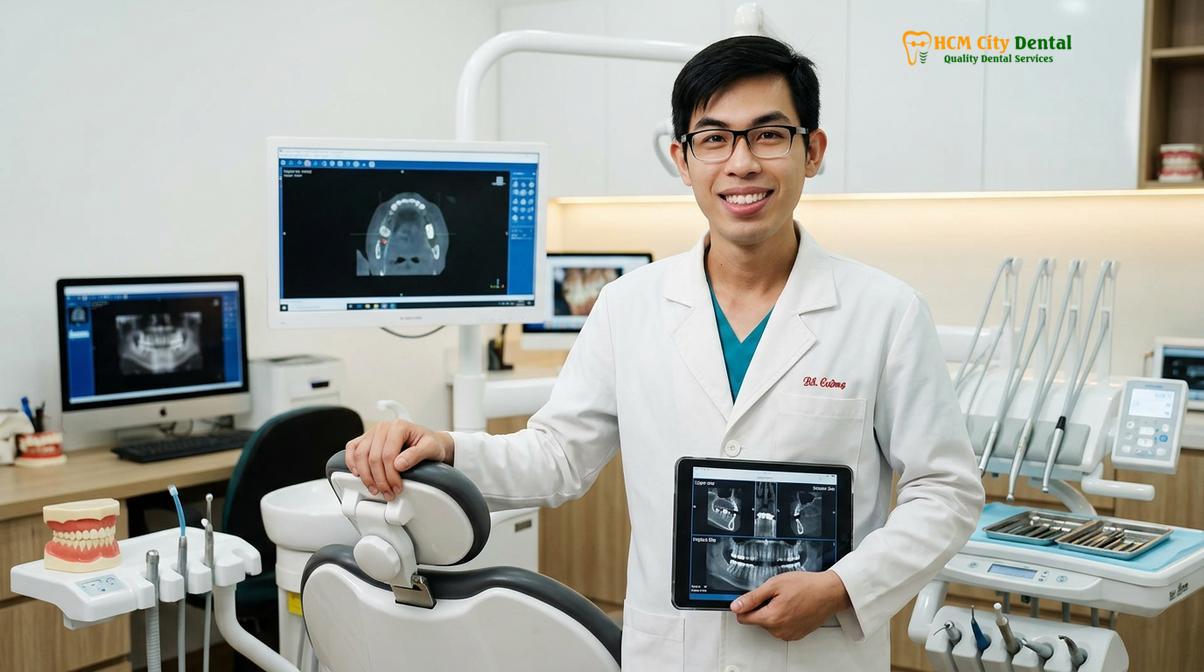
The foundation of our transparent approach is the comprehensive remote consultation led by Dr. Nguyen Van Cuong. By thoroughly reviewing patient-provided medical histories, local X-rays, and clinical photographs, Dr. Cuong formulates a detailed, itemized treatment plan before the patient ever boards a flight. This plan explicitly outlines the cost of every necessary component, including 3D CBCT diagnostics, surgical interventions, premium prosthetic materials, and standard post-operative medications. We champion the concept of all inclusive dental pricing, ensuring that the quote you receive accurately reflects the clinical reality of your required care.
Beyond financial transparency, we uphold the highest international standards of patient safety and infection control. Our facility is equipped with a Class-B autoclave sterilization system, adhering to stringent European protocols to guarantee a sterile surgical environment[4]. This uncompromising dedication to safety minimizes the risk of post-operative complications, thereby reducing the likelihood of unexpected medical expenses or extended stays. When selecting a trustworthy dental professional, the clinic’s investment in advanced sterilization technology is a critical indicator of their overall quality of care.
“Our philosophy is simple: the patient’s focus should be entirely on their health and recovery, not on deciphering a complex medical bill. By providing clear, itemized treatment plans and maintaining open lines of communication, we build the trust necessary for successful international clinical outcomes.” — Dr. Nguyen Van Cuong
To further support our international clientele, HCMC Dental Clinic offers comprehensive logistical assistance. Our dedicated patient coordinators provide curated hotel recommendations in District 1, ensuring convenient access to the clinic, and arrange reliable airport pickup services to streamline your arrival in Ho Chi Minh City / Saigon / HCMC. Furthermore, we offer flexible payment options—including Visa/Mastercard, international bank transfer, cash, PayPal, e-wallets, and Crypto—allowing patients to choose the most cost-effective method for their specific financial situation. To make world-class care even more accessible, we currently offer a 40% online booking discount for international patients who schedule their procedures in advance. We encourage prospective patients to initiate a direct clinical consult with Dr. Cuong via WhatsApp to discuss their unique needs and receive a transparent, customized treatment proposal.
Important Clinical Considerations: When to Seek Immediate Care
While budgeting for your trip is essential, financial concerns must never override clinical safety. Patients must recognize the signs of post-operative complications and seek immediate professional evaluation if adverse symptoms arise.
The success of any invasive dental procedure relies heavily on proper post-operative care and the patient’s adherence to clinical guidelines. While international patients are understandably eager to return home and minimize their accommodation expenses, ignoring warning signs of complications to save money is a dangerous decision that can lead to severe health consequences and exponentially higher costs in the long run. It is imperative to prioritize medical safety above travel logistics.
Following procedures such as implant placement, bone grafting, or complex extractions, a certain degree of localized swelling, mild discomfort, and minor oozing is a normal part of the physiological inflammatory response. However, patients must be vigilant in monitoring their symptoms. If you experience excessive, uncontrolled bleeding that does not subside with applied pressure, severe and escalating pain that is unresponsive to prescribed analgesics, or a sudden spike in body temperature (fever), you must contact your clinical team immediately. These are potential indicators of acute infection or surgical failure that require prompt intervention[5].
Clinical Warning: Prioritize Health Over Itinerary
Never board an international flight if you are experiencing severe post-operative complications, such as uncontrolled bleeding, significant facial swelling, or signs of systemic infection. Changes in cabin pressure can severely exacerbate these conditions. Contact your surgeon immediately for an emergency evaluation. Delaying necessary medical care to adhere to a pre-booked travel schedule can result in irreversible clinical damage and life-threatening emergencies.
Furthermore, if a temporary crown dislodges, or if you notice unusual mobility in a newly placed implant restoration, do not attempt to resolve the issue yourself or wait until you return to your home country. Prompt evaluation by the treating dentist—or communicating with an English-speaking specialist if you have already traveled—is crucial to secure the restoration and prevent damage to the underlying tissues. Always ensure you have clear, direct communication channels (such as a dedicated WhatsApp line) with your clinic’s support team before leaving the facility.
Frequently Asked Questions
Is my initial dental quotation final or will it change at the clinic?
Your initial quotation is an estimate based on preliminary information and may change following a comprehensive clinical examination. Diagnostic imaging, such as 3D CBCT scans, often reveals underlying anatomical realities—like insufficient bone density—that require additional procedures not included in the original remote assessment. Always request an itemized treatment plan after your in-person consultation to ensure complete financial transparency before any surgical intervention begins.
How much should I budget for prescriptions and medications after surgery?
Patients should typically budget an additional amount for post-operative medications, as these are frequently excluded from base surgical quotes. Depending on the complexity of the procedure, you may require broad-spectrum antibiotics, prescription-strength analgesics, and specialized antimicrobial mouthwashes. Clarify with your provider whether the dental tourist prescription cost is bundled into your surgical package or if you will need to purchase these items independently at a local pharmacy.
Do dental clinics in Vietnam charge extra credit card transaction fees?
Many international clinics apply a surcharge for credit card transactions to cover processing fees levied by international banking networks. These surcharges can range from two to four percent of the total bill. To avoid unexpected expenses, inquire about payment policies in advance and consider alternative methods such as direct bank transfers, cash, or cryptocurrency, which may bypass these specific merchant fees.
What happens if I need an unexpected bone graft during implant surgery?
If a surgeon discovers inadequate bone volume during the procedure, a bone graft becomes clinically necessary to ensure implant stability and long-term success. This intervention incurs additional costs for the grafting material and surgical time. Reputable clinics will discuss this possibility during the diagnostic phase and include contingency pricing in your comprehensive treatment plan, ensuring you are financially prepared for necessary anatomical adjustments.
Does travel insurance cover complications from dental tourism?
Standard travel insurance policies generally exclude coverage for elective medical and dental procedures performed abroad. If you experience a clinical complication requiring extended accommodation or emergency intervention, you will likely bear the financial responsibility. Patients are advised to purchase specialized medical tourism insurance that explicitly covers international dental treatments and related logistical disruptions to protect their investment.
References
- Centers for Disease Control and Prevention (CDC). Health Information for Travelers to Vietnam. (2023).
- FDI World Dental Federation. Infection Control and Sterilization Standards in Dental Practice. (2022).
- International Dental Journal. Global trends in dental tourism and clinical standards. (2021).
- Medical Tourism Association (MTA). Global Medical Tourism Index and patient safety ratings. (2023).
- World Health Organization (WHO). Guidelines for Safe Surgery and infection prevention. (2020).