Finding an emergency dental clinic for a foreigner or expat in Ho Chi Minh City requires immediate access to English-speaking professionals, sterile environments, and prompt diagnostics. Navigating a sudden oral health crisis in a foreign country can be an incredibly stressful experience, compounded by language barriers and unfamiliar healthcare systems. Whether you are dealing with a severe, throbbing toothache that keeps you awake at night, a fractured tooth from a sudden accident, or a dislodged crown, securing rapid and reliable clinical intervention is paramount to preserving your natural dentition and preventing systemic complications. HCMC Dental Clinic offers urgent triage, profound pain relief, and comprehensive trauma management to stabilize your oral health safely and effectively, ensuring that your time in Vietnam remains as comfortable and uninterrupted as possible.
Clinical Summary:
Dental emergencies such as acute irreversible pulpitis, avulsed (knocked-out) teeth, or severe periapical abscesses necessitate rapid clinical intervention to prevent systemic infection and irreversible tissue loss. For international patients navigating healthcare in Saigon, prioritizing clinics equipped with Class-B autoclave sterilization, advanced Cone Beam Computed Tomography (CBCT) imaging, and fluent English communication ensures accurate diagnosis and safe, effective treatment. Immediate stabilization protocols focus on profound pain management through local anesthesia, rigorous infection control, and the structural preservation of the dentition. By utilizing digital triage systems and adhering to international clinical guidelines, specialized facilities can provide expatriates and travelers with immediate palliative care, allowing them to resume their daily activities without prolonged discomfort or anxiety.
Key Takeaways:
- Acute, throbbing dental pain often indicates irreversible pulpitis or a periapical abscess, requiring immediate endodontic therapy or surgical intervention to resolve the underlying infection.
- Avulsed (knocked-out) teeth have the highest reimplantation success rate if clinically managed within 30 to 60 minutes of the trauma, provided they are stored in a proper medium like milk or saline.
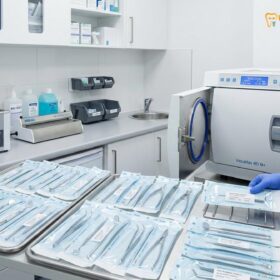
- Expats and tourists must seek facilities utilizing Class-B autoclave sterilization to guarantee adherence to international cross-contamination protocols and ensure patient safety.
- While oral NSAIDs can temporarily manage inflammation, applying aspirin directly to the gingival tissue causes severe chemical burns and should be strictly avoided under all circumstances.
- Facial swelling accompanied by a fever, difficulty swallowing, or restricted jaw movement is a medical red flag requiring immediate emergency care to prevent life-threatening airway compromise.
Identifying a Dental Emergency: Toothaches, Fractures, and Dislodged Crowns
A true dental emergency involves severe pain, uncontrolled bleeding, or acute trauma that threatens tooth viability or systemic health, requiring immediate clinical intervention to prevent irreversible complications.
When traveling or residing abroad, distinguishing between a minor dental inconvenience and a true clinical emergency is critical for preserving oral health and avoiding unnecessary panic. A dental emergency is broadly defined as any acute condition involving the maxillofacial region that requires immediate intervention to relieve severe pain, halt uncontrolled hemorrhage, or manage acute infection[1]. For an expatriate, navigating these situations requires a clear understanding of the symptoms that mandate an immediate visit to a specialized facility, rather than waiting for a routine appointment.
One of the most frequent presentations in emergency dentistry is the acute toothache. However, not all toothaches are created equal. Reversible pulpitis, often characterized by a sharp, fleeting pain in response to cold or sweet stimuli, indicates that the dental pulp is inflamed but capable of healing once the irritant (such as a minor cavity) is removed. Conversely, irreversible pulpitis presents as a spontaneous, severe, throbbing pain that may awaken the patient from sleep. This pain often lingers long after a thermal stimulus is removed and may radiate to the ear, temple, or jaw. Irreversible pulpitis signifies that the pulpal tissue is necrotic or dying, and immediate endodontic intervention is required to prevent the spread of infection into the periapical tissues and surrounding alveolar bone.
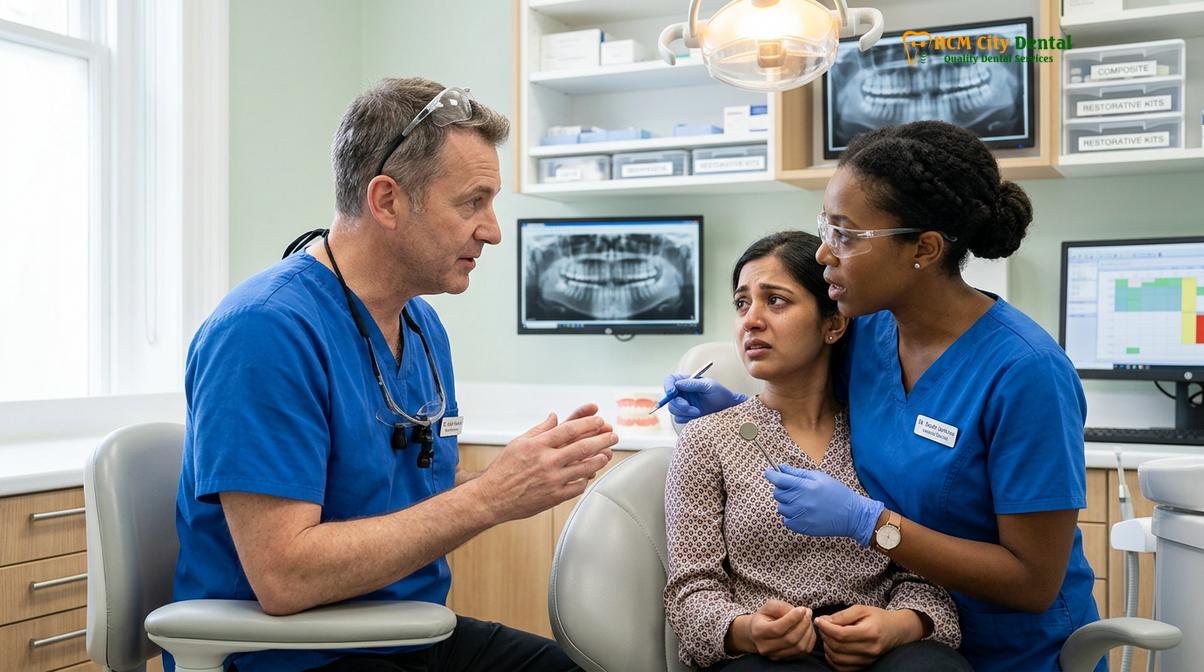
Dental trauma is another major category of emergencies that requires swift action. The severity of a fractured tooth depends heavily on the extent of the structural damage. An Ellis Class I or II fracture involves only the enamel or dentin and, while sensitive, may not require immediate midnight care. However, an Ellis Class III fracture is a severe injury that exposes the dental pulp, presenting as a visible pink or bleeding spot within the tooth structure accompanied by excruciating pain. Immediate treatment is necessary to either preserve the vitality of the pulp through a direct pulp cap or to initiate a pulpectomy if the bacterial contamination is extensive.
Perhaps the most time-sensitive dental emergency is an avulsed tooth—a tooth that has been completely knocked out of its socket due to blunt force trauma. The prognosis for successful reimplantation is highly dependent on the extra-oral dry time and the storage medium used during transport. If an avulsion occurs, the tooth should be handled only by the crown (never the root), gently rinsed with saline or milk, and ideally replanted into the socket immediately by the patient. If immediate replantation is not feasible, the tooth must be stored in Hank’s Balanced Salt Solution (HBSS), cold milk, or the patient’s own saliva, and the patient must reach a dental clinic within 30 to 60 minutes. The periodontal ligament (PDL) cells on the root surface begin to undergo necrosis rapidly in dry conditions, and successful reimplantation relies entirely on the viability of these microscopic cells[2].
Immediate Action Plan for Severe Sudden Dental Pain
Prior to reaching the clinic, patients should manage acute pain using oral NSAIDs, apply cold compresses to reduce extraoral swelling, and strictly avoid placing chemical irritants directly on the gingival tissue.
When a sudden toothache strikes, the intensity of the pain can be debilitating, often causing significant distress and anxiety, especially when navigating a foreign country without immediate access to your regular healthcare provider. While definitive treatment requires professional clinical intervention, implementing a safe and effective immediate action plan can help manage symptoms, reduce inflammation, and prevent exacerbation of the condition while you are en route to the dental clinic.
The cornerstone of pre-clinical pain management is the appropriate use of over-the-counter (OTC) analgesics. Non-steroidal anti-inflammatory drugs (NSAIDs), such as ibuprofen, are generally considered the first-line pharmacological agents for dental pain. Dental pain is largely driven by the release of prostaglandins in response to tissue injury and bacterial inflammation within the confined, rigid space of the pulp chamber or periapical tissues. NSAIDs work by inhibiting the cyclooxygenase (COX-1 and COX-2) enzymes, thereby reducing prostaglandin synthesis, decreasing localized inflammation, and alleviating the perception of pain[3]. Patients must strictly adhere to the recommended dosages and be mindful of any personal medical contraindications, such as a history of gastrointestinal ulcers, bleeding disorders, or renal impairment.
Clinical Warning: The Danger of Aspirin Burns
A common and highly dangerous misconception is that placing an aspirin tablet directly against the aching tooth or surrounding gum tissue will provide localized pain relief. Aspirin is acetylsalicylic acid. When placed directly on the delicate oral mucosa, it causes severe chemical burns, leading to rapid tissue necrosis, sloughing, and painful ulceration. This not only fails to relieve the underlying toothache but creates a secondary, highly painful mucosal injury that complicates clinical treatment and delays healing. Analgesics must only be swallowed whole with water as directed by the manufacturer.
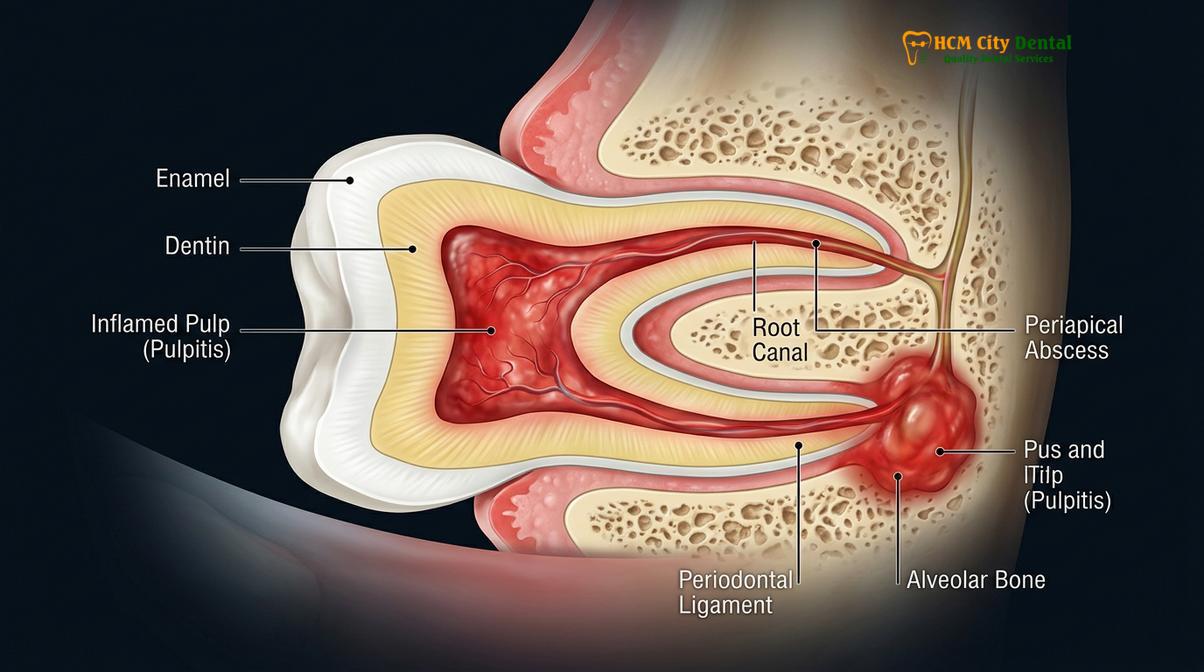
Physical modalities also play a crucial role in managing acute dental emergencies, particularly those involving trauma or suspected infection. If the pain is accompanied by facial swelling—a strong indicator of a spreading infection or an acute periapical abscess—applying a cold compress to the external cheek can help induce localized vasoconstriction. This reduces blood flow to the affected area, thereby minimizing edema (swelling) and providing a numbing effect that dulls the perception of pain. Cold compresses should be applied in intervals of 15 to 20 minutes on and 20 minutes off to prevent cold-induced tissue damage or frostbite to the facial skin. Under no circumstances should a hot compress be applied to a swollen face caused by a dental infection, as heat causes vasodilation, which can draw the infection outward and exacerbate the swelling, potentially causing the abscess to rupture through the skin.
English-Speaking Triage and Pain Relief Procedures
Effective emergency care relies on accurate communication; English-speaking clinical teams ensure precise medical history taking, accurate diagnostics, and the safe administration of profound local anesthesia for immediate pain relief.
In any medical emergency, clear and accurate communication between the patient and the healthcare provider is absolutely critical. For expatriates and international travelers in Vietnam, language barriers can transform a manageable dental issue into a highly stressful and potentially dangerous situation. Miscommunications regarding a patient’s medical history, severe drug allergies, or the exact nature and duration of the pain can lead to misdiagnosis or adverse pharmacological reactions. Therefore, accessing a clinic with a fluent English-speaking triage and clinical team is not merely a matter of convenience, but a fundamental requirement for safe and effective emergency care.
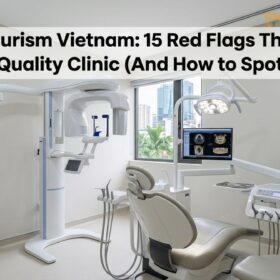
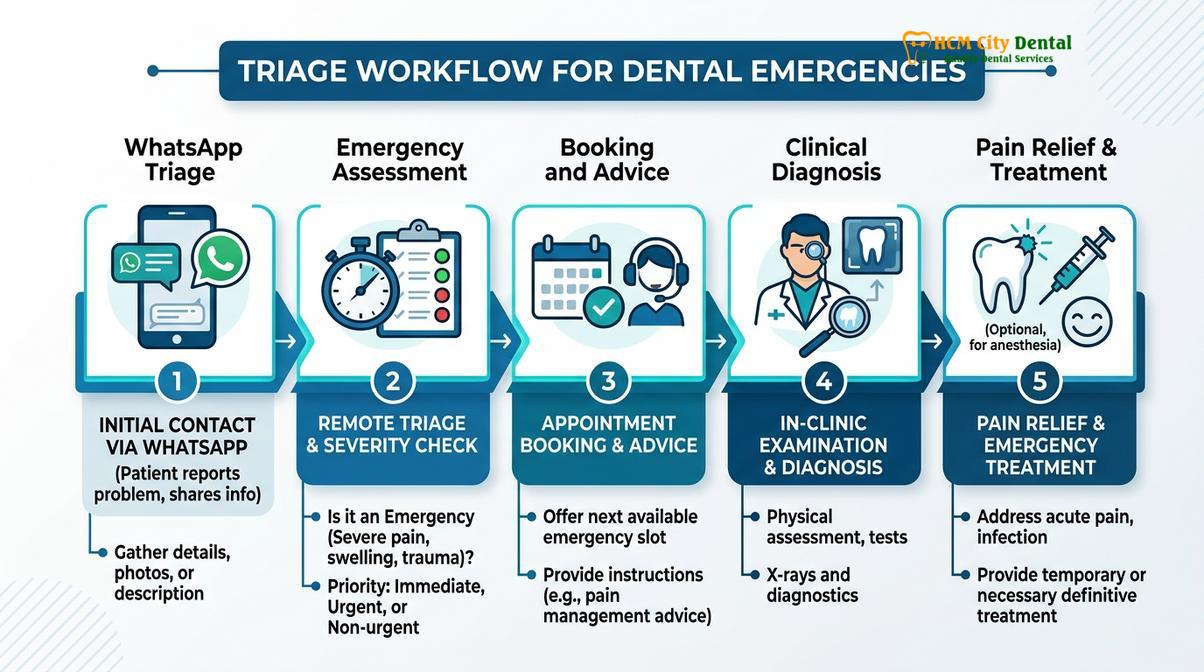
Upon arrival at a specialized facility, the triage process begins immediately. The clinical team will conduct a rapid but thorough assessment of the patient’s vital signs, chief complaint, and medical history. This is followed by a targeted clinical examination and radiographic evaluation. In modern emergency dentistry, Cone Beam Computed Tomography (CBCT) is often utilized to provide a three-dimensional view of the maxillofacial structures. This advanced imaging allows the dentist to pinpoint the exact source of the infection, identify hidden root fractures, or assess the proximity of an abscess to vital anatomical structures such as the mandibular nerve or the maxillary sinus, ensuring that any subsequent surgical intervention is planned with absolute precision.
Once the diagnosis is confirmed, the immediate priority is profound pain relief. This is typically achieved through the administration of local anesthetics, such as articaine or lidocaine, utilizing specialized injection techniques to ensure complete numbness even in the presence of acute inflammation (which can sometimes make teeth difficult to anesthetize). Following successful anesthesia, the dentist will perform the necessary palliative procedure to stabilize the tooth and eliminate the source of pain.
| Emergency Classification | Typical Clinical Presentation | Recommended Pre-Clinic Action | Standard Clinical Intervention |
|---|---|---|---|
| Irreversible Pulpitis | Spontaneous, severe throbbing pain; extreme sensitivity to heat that lingers; pain radiating to the jaw or ear. | Take oral NSAIDs (e.g., Ibuprofen) as directed; avoid hot foods/liquids; keep head elevated. | Administration of local anesthesia followed by an emergency pulpectomy (removal of the infected nerve tissue) to relieve pressure. |
| Acute Periapical Abscess | Localized swelling of the gums; presence of a pus-filled pimple (fistula); severe pain upon biting; potential facial swelling. | Apply a cold compress to the external cheek; do not attempt to pop or drain the abscess yourself. | Incision and drainage (I&D) of the abscess to release pus; prescription of appropriate antibiotics; initiation of root canal therapy. |
| Avulsed Tooth (Knocked Out) | Complete displacement of the tooth from its socket due to blunt force trauma; bleeding from the socket. | Handle tooth by the crown only; store in milk or Hank’s Balanced Salt Solution; seek care within 30-60 minutes. | Immediate reimplantation of the tooth into the socket; application of a flexible wire splint to adjacent teeth; tetanus prophylaxis evaluation. |
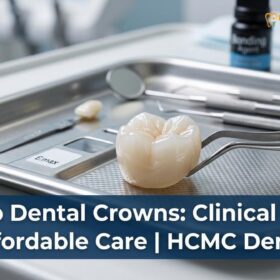
| Dislodged Crown or Bridge | Prosthesis falls out; underlying tooth may be highly sensitive to air or temperature changes. | Keep the prosthesis safe in a clean container; do not use household glues (superglue) to reattach it. | Clinical cleaning of the abutment tooth; assessment for secondary decay; professional recementation of the prosthesis. |
When to Seek Immediate Medical Attention (Red Flag Symptoms)
Certain dental infections can rapidly escalate into life-threatening systemic conditions, requiring immediate evaluation to prevent airway obstruction or sepsis.
While the vast majority of dental emergencies are confined to the oral cavity and can be managed safely within a standard dental operatory, infections originating from the teeth can occasionally breach the local anatomical barriers and spread into the deep fascial spaces of the head and neck. Recognizing the “red flag” symptoms of a rapidly spreading infection is vital for expatriates, as these conditions require immediate, aggressive medical and dental intervention, often involving intravenous antibiotics, advanced imaging, and surgical drainage in a hospital setting.
According to local health protocols and international guidelines, any dental pain accompanied by rapidly progressive facial swelling that extends upward to the eye or downward into the submandibular region (neck) is a critical warning sign[6]. This type of swelling indicates that the purulent exudate (pus) is moving through the tissue planes. If a patient experiences difficulty swallowing (dysphagia), difficulty breathing (dyspnea), or a severe inability to open their mouth fully (trismus), they must seek emergency care immediately. These symptoms suggest that the infection is encroaching upon the airway or involving the muscles of mastication. A condition known as Ludwig’s angina—a rapidly spreading cellulitis of the floor of the mouth—can cause the tongue to elevate and physically block the airway, becoming life-threatening in a matter of hours if not managed promptly.
“Fascial space infections of odontogenic origin can progress with alarming rapidity. The presence of trismus, dysphagia, or a compromised airway elevates a routine dental abscess to a medical emergency requiring immediate multidisciplinary intervention to secure the airway and halt systemic spread.”
Additionally, systemic signs of infection, such as a high fever, severe chills, rapid heart rate (tachycardia), or a general feeling of severe malaise and lethargy, indicate that the localized dental abscess has entered the bloodstream, potentially leading to sepsis. In such cases, relying solely on oral pain relievers or delaying treatment is highly dangerous. Patients exhibiting these red flags should bypass standard appointment scheduling and proceed directly to an emergency dental facility or a hospital emergency department equipped to handle severe maxillofacial crises.
Accessing Urgent Dental Care in District 1 Ho Chi Minh City
Foreigners and expats can access premium, immediate dental care by choosing internationally accredited clinics in central districts that offer transparent pricing, comprehensive diagnostic capabilities, and strict sterilization protocols.
Ho Chi Minh City is a bustling, rapidly developing metropolis that offers a wide array of medical and dental services. However, for an expatriate or a tourist experiencing a sudden dental crisis, the sheer volume of options can be overwhelming. The primary challenges faced by foreigners include identifying clinics with fluent English communication, verifying sterilization standards, and navigating the often opaque nature of treatment costs. Overcoming these hurdles requires identifying a reputable clinic, ideally located in central areas like District 1, that operates according to international clinical protocols and prioritizes patient safety and transparent communication.
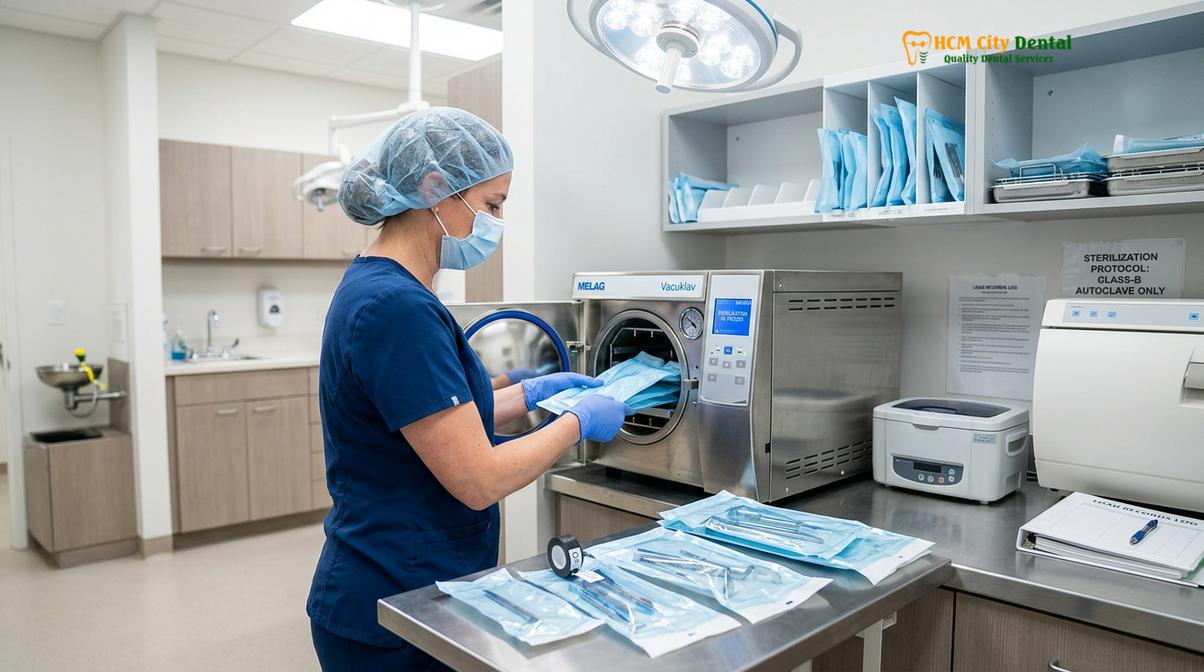
When seeking urgent care, the absolute first criterion must be the facility’s commitment to rigorous infection control. In the context of emergency procedures, which frequently involve blood exposure, purulent discharge, and surgical interventions, the risk of cross-contamination is a paramount concern. Patients should look for clinics that explicitly adhere to global health standards for sterilization, utilizing modern Class-B autoclaves[4]. Unlike standard sterilizers, Class-B autoclaves utilize a pre-vacuum technology to remove all air from the chamber, ensuring that high-pressure, high-temperature steam penetrates every surface of the surgical instruments, including the internal channels of dental handpieces. This is crucial for preventing the transmission of bloodborne pathogens and ensuring a sterile surgical environment.
Furthermore, navigating the financial aspects of emergency medical care in a foreign country can add a layer of significant stress to an already difficult situation. Many expats worry about hidden fees, unexpected surcharges, or dual pricing structures based on nationality. A reputable clinic will provide a comprehensive, transparent treatment plan with itemized costs clearly explained before any procedure is initiated. For those utilizing international health insurance or travel insurance, the clinic’s administrative staff should be highly capable of providing the necessary documentation—such as detailed clinical notes in English, pre- and post-operative periapical radiographs, and standardized international invoice codes—to facilitate the process to claim dental work overseas. Understanding the hidden costs of dental tourism and emergency care allows patients to make informed decisions without financial surprises, ensuring that their focus remains entirely on clinical recovery and pain relief[5].
How to Contact HCMC Dental on WhatsApp for Emergency Slots
Utilizing digital triage via WhatsApp allows our clinical team to assess your symptoms remotely, provide immediate pre-clinic advice, and prepare the operatory for your arrival, ensuring zero delay in pain relief.
In the modern era of healthcare, the speed of communication directly impacts the speed of clinical care. Recognizing the urgency of dental emergencies, HCMC Dental Clinic has implemented a streamlined digital triage workflow utilizing WhatsApp, the most widely used and reliable messaging platform for expatriates and locals alike in Vietnam. This system is designed to bypass traditional, slower methods of appointment booking, providing international patients with a direct, immediate line of communication to our English-speaking triage coordinators.
If you are experiencing a dental emergency, the most efficient way to secure an immediate slot is to send a direct WhatsApp message to our dedicated emergency number. To expedite the triage process, patients are encouraged to provide a concise but detailed description of their situation. This should include the exact nature of the pain (e.g., sharp, throbbing, constant), the duration of the symptoms, any visible signs of swelling or bleeding, and a brief overview of relevant medical history, particularly any known drug allergies or current medications (such as blood thinners). If possible, taking a clear, well-lit photograph of the affected area using your smartphone and sending it via the chat can provide invaluable visual context for the clinical team.
This digital pre-assessment is a critical component of our emergency protocol. By reviewing your symptoms and photos before you even step through the doors of HCMC Dental Clinic, our specialists can determine the severity of the condition and begin preparing the operatory. This means that upon your arrival, the necessary diagnostic equipment, such as the CBCT scanner, is pre-set, and the appropriate surgical instruments are ready. This proactive approach minimizes waiting room time, accelerates the diagnostic phase, and ensures that you receive profound pain relief and definitive treatment as swiftly as possible.
Expert Clinical Management for Expatriates
For international patients navigating urgent oral health issues in a foreign environment, receiving care from a highly experienced and empathetic professional is vital to ensure accurate diagnostics, effective treatment, and peace of mind. Dr. Nguyen Van Cuong leads the clinical team with a strong focus on evidence-based emergency protocols, advanced surgical techniques, and clear, compassionate English communication. By prioritizing patient comfort and utilizing state-of-the-art imaging technology, Dr. Cuong ensures that every expatriate receives the highest standard of care at our Expat Dental Clinic Ho Chi Minh City facility. His comprehensive approach combines rapid, profound pain relief with long-term structural preservation, giving patients the confidence that their oral health is in expert hands during stressful clinical situations.
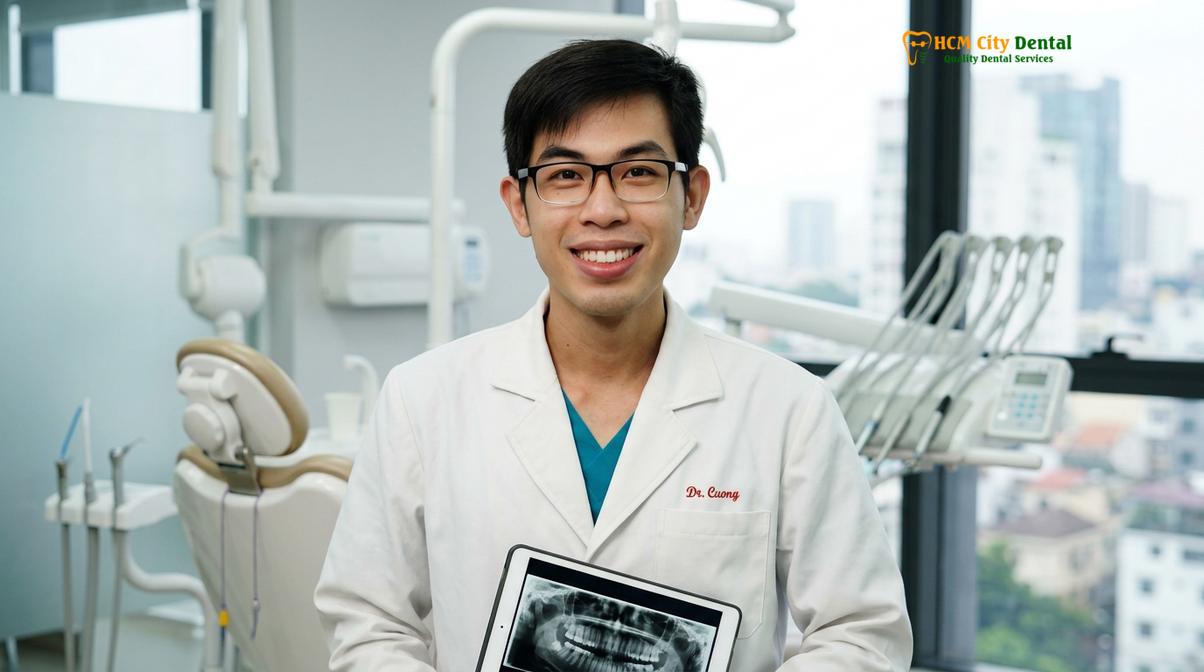
Clinical Case Study: Managing Acute Trauma in an Expatriate
Patient Profile: A 34-year-old expatriate presented to HCMC Dental Clinic in Ho Chi Minh City following a severe bicycle accident in District 1, resulting in facial trauma and a fractured maxillary central incisor.
Clinical Presentation: The patient exhibited an Ellis Class III fracture with visible pulpal exposure, significant localized hemorrhage, and extreme thermal sensitivity. The adjacent teeth were mobile but structurally intact.
Intervention: The clinical team, led by Dr. Cuong, immediately performed a clinical and radiographic assessment using CBCT to rule out underlying alveolar bone fractures. Local anesthesia was administered to achieve profound numbness. A partial pulpotomy was performed under strict isolation to remove the contaminated superficial pulp tissue, followed by the application of a biocompatible bioceramic material (MTA) to preserve the remaining vital pulp. The tooth was then temporarily restored with a composite resin build-up, and a flexible wire splint was applied to stabilize the mobile adjacent teeth.
Outcome: The patient reported immediate cessation of pain post-operatively. At the two-week follow-up, the tooth remained completely asymptomatic and vital, allowing for the planning of a definitive ceramic restoration. The prompt, expert intervention successfully prevented the need for complete root canal therapy and preserved the patient’s natural dentition.
“The successful management of dental trauma, particularly avulsions and complicated crown fractures, is a race against time. The viability of the periodontal ligament and the prevention of bacterial ingress into the pulp chamber dictate the long-term prognosis of the tooth. Immediate clinical assessment is non-negotiable for optimal outcomes.”
Conclusion and Next Steps
Experiencing a dental emergency in a foreign country can be a daunting and painful prospect, but prompt action and access to the right clinical resources can rapidly mitigate pain and prevent severe long-term complications. Whether you are dealing with the excruciating pain of acute pulpitis, a traumatic injury from an accident, or a severe localized infection, prioritizing facilities that offer fluent English communication, stringent Class-B sterilization protocols, and transparent pricing is essential for your safety and peace of mind. Do not let a dental crisis ruin your experience in Vietnam. If you require immediate, professional assistance, do not hesitate to seek Emergency Dental Care at HCMC Dental Clinic, Ho Chi Minh City.
References
- American Dental Association (ADA). Clinical Guidelines for the Management of Acute Dental Pain. (2022).
- International Association of Dental Traumatology (IADT). Guidelines for the Evaluation and Management of Traumatic Dental Injuries. (2020).
- Journal of Endodontics. Efficacy of Preoperative Analgesia in the Management of Irreversible Pulpitis. (2021).
- World Health Organization (WHO). Global Standards for Infection Prevention and Control in Health Care Settings. (2023).
- FDI World Dental Federation. Protocols for Emergency Dental Care in International Travel Medicine. (2022).
- Ministry of Health Vietnam (MoH). National Guidelines for Emergency Dental and Maxillofacial Care. (2021).
For pricing, booking, and a free clinical assessment, visit our Dental Tourism Vietnam guide at HCMC Dental Clinic in Ho Chi Minh City.