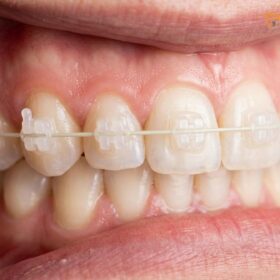
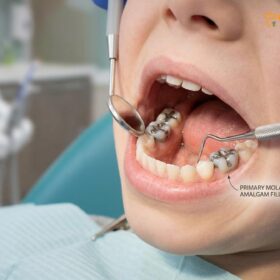
A retainer for kids is a custom-made orthodontic appliance designed to hold teeth in their newly corrected positions after braces or aligners are removed. Wearing this device prevents natural dental shifting, allowing the surrounding jawbone and periodontal ligaments to stabilize for a permanent, healthy smile.
Clinical Summary:
Post-orthodontic retention is a critical phase in pediatric and adolescent dentistry. Once active tooth movement concludes, the periodontal architecture requires significant time to reorganize and solidify. A custom retainer ensures that the teeth remain stable while the alveolar bone hardens around the new root positions. Depending on the patient’s age, compliance level, and specific malocclusion history, clinicians may prescribe removable clear thermoplastic trays, traditional wire-and-acrylic appliances, or fixed lingual wires to prevent relapse and maintain optimal occlusal function.
Key Takeaways:
- Retainers are clinically mandatory after orthodontic treatment to prevent teeth from shifting back to their original misaligned positions.
- The bone and periodontal tissues surrounding the teeth require several months to fully stabilize after active braces are removed.
- Orthodontic retention options include removable clear trays, traditional wire-and-acrylic appliances, and permanent bonded lingual wires.
- Proper daily cleaning and safe storage in a hard protective case are essential to prevent structural damage and bacterial biofilm buildup.
- Consistent wear, exactly as prescribed by an orthodontist, is the most critical factor in guaranteeing long-term dental alignment success.
The Clinical Importance of a Retainer for Kids
A kids orthodontic retainer is essential because it holds the teeth in place while the surrounding alveolar bone and periodontal ligaments rebuild and solidify after active treatment.
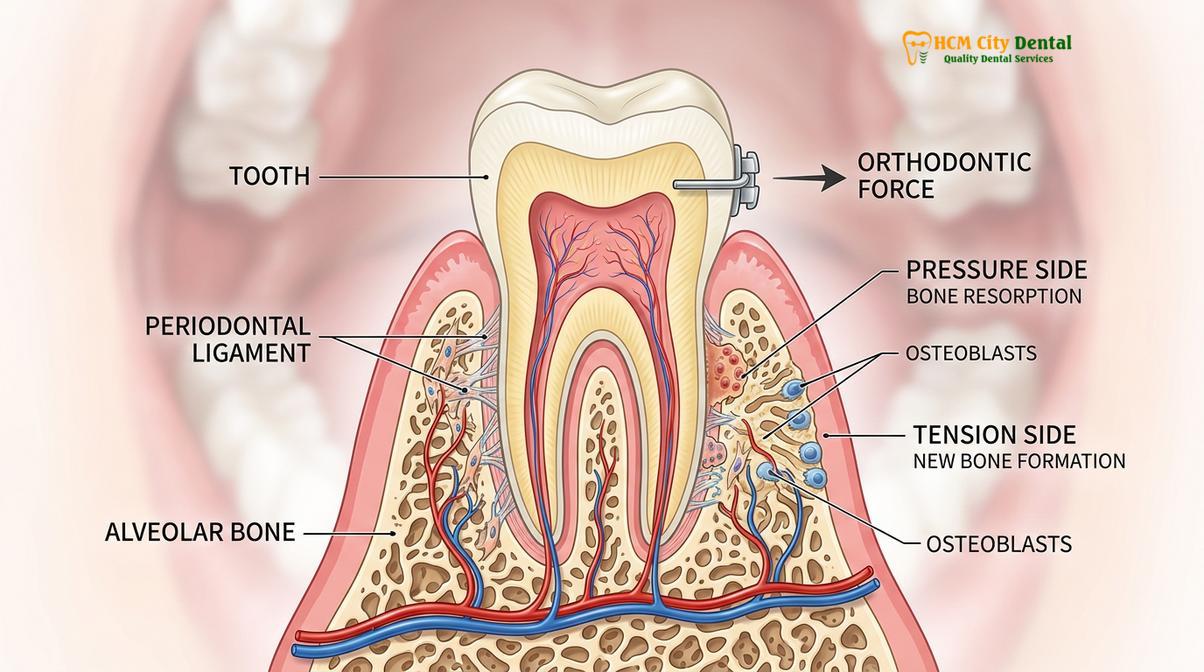
Completing active Orthodontics is a monumental milestone for any child, but the removal of braces or the final clear aligner tray does not mark the end of the physiological process. Teeth are not rigidly fixed into the jawbone; rather, they are suspended in their sockets by a complex network of elastic fibers known as the periodontal ligament (PDL). During orthodontic treatment, continuous gentle force is applied to the teeth, causing the bone on one side of the root to resorb (break down) and new bone to form on the opposite side. This cellular activity, driven by osteoclasts and osteoblasts, allows the teeth to move through the bone into their corrected positions.
Once the active force is removed, the teeth are highly susceptible to relapse. The stretched periodontal ligaments act much like rubber bands, possessing a “tissue memory” that attempts to pull the teeth back to their original, misaligned locations. Furthermore, the newly formed alveolar bone surrounding the roots is initially soft and immature. It takes considerable time—often up to a year—for this bone to fully calcify and harden around the new tooth positions. A kids orthodontic retainer acts as a rigid scaffold, neutralizing these elastic forces and holding the dentition perfectly still while the biological stabilization process completes[1].
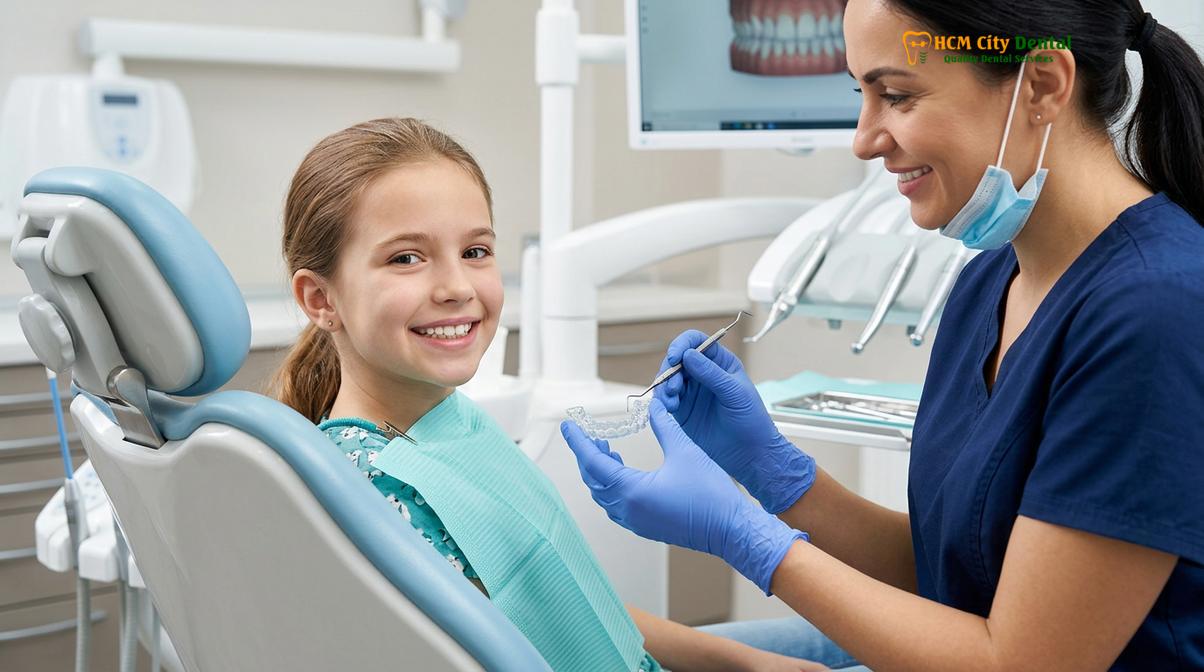
Without strict adherence to a retention protocol, the risk of relapse is exceptionally high, particularly in the anterior (front) teeth. The transeptal fibers, which connect adjacent teeth across the gum tissue, are notoriously slow to remodel and can exert pulling forces for months or even years after braces are removed. By wearing a retainer exactly as prescribed, patients protect the significant investment of time, effort, and resources dedicated to their orthodontic journey, ensuring that their functional bite and aesthetic smile remain intact for a lifetime.
Types of Retainers Used in Pediatric Orthodontics
Orthodontists typically prescribe one of three main retainer types: traditional removable wire appliances, clear plastic trays, or permanent wires bonded to the back of the teeth.
The selection of an appropriate retention appliance depends on various clinical factors, including the original severity of the malocclusion, the patient’s oral hygiene habits, and their anticipated level of compliance. At modern clinics, including those treating patients visiting HCMC Dental Clinic for post-treatment care, orthodontists evaluate these variables to recommend the most effective solution.
Hawley Retainers (Wire and Acrylic)
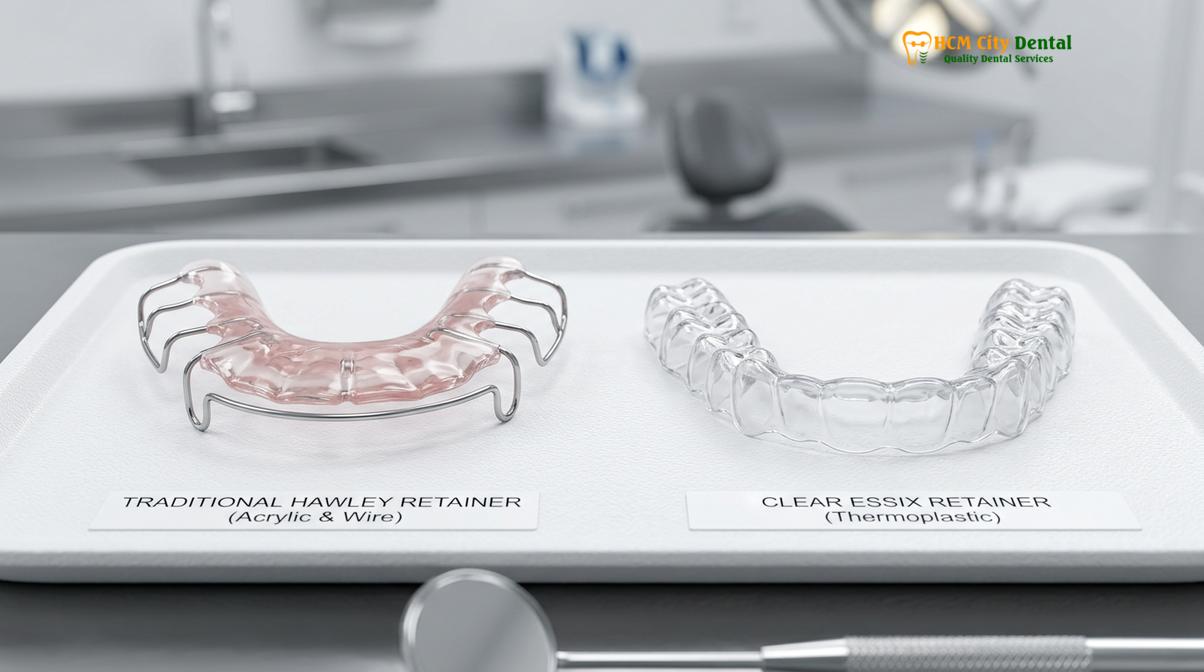
The Hawley retainer is the most traditional and recognizable retention appliance. It consists of a custom-molded acrylic base that rests against the roof of the mouth (for the upper arch) or along the inside of the lower gums, combined with a stainless steel wire that wraps around the front of the teeth. The primary clinical advantage of traditional wire appliances is their adjustability. If a minor relapse occurs, the orthodontist can activate the labial bow (the front wire) to gently guide the teeth back into place. Furthermore, Hawley retainers do not cover the occlusal (biting) surfaces of the teeth, allowing the upper and lower teeth to settle naturally into a comfortable bite over time. They are highly durable and can last for many years with proper care, though the visible metal wire across the front teeth makes them less aesthetically appealing to some patients.
Essix Retainers (Clear Thermoplastic)
Essix retainers are vacuum-formed or pressure-formed clear plastic trays that fit snugly over the entire dental arch, much like an Invisalign tray. They are fabricated from advanced thermoplastic materials, such as polyethylene terephthalate glycol (PETG) or polyurethane, providing a virtually invisible appearance. This makes the clear aligner retainer children highly popular among image-conscious adolescents. Because they encapsulate the teeth entirely, Essix retainers provide excellent retention and prevent any micro-movements of individual teeth[2]. However, because they cover the biting surfaces, they do not allow for natural bite settling. Additionally, clear plastic trays are generally less durable than Hawley retainers and may need to be replaced periodically due to wear, bruxism (teeth grinding), or plastic fatigue.
Fixed (Permanent) Lingual Retainers
A fixed retainer consists of a thin, custom-contoured multistranded stainless steel or gold wire that is permanently bonded to the lingual (tongue-facing) surfaces of the anterior teeth, typically the lower six front teeth (canine to canine). The primary benefit of a fixed retainer is that it completely eliminates the issue of patient compliance; the appliance is always working to prevent relapse. This is particularly crucial for the lower anterior teeth, which are statistically the most prone to shifting post-treatment. However, fixed retainers require meticulous oral hygiene. Plaque and calculus can easily accumulate around the wire and composite bonding pads, necessitating the use of floss threaders or water flossers to prevent gingivitis and periodontal issues.
| Retainer Type | Primary Material | Aesthetic Profile | Compliance Requirement | Clinical Advantages |
|---|---|---|---|---|
| Hawley | Acrylic & Stainless Steel | Visible metal wire | High (Removable) | Adjustable, allows natural bite settling, highly durable. |
| Essix (Clear) | Thermoplastic (PETG/PU) | Virtually invisible | High (Removable) | Excellent aesthetics, full-arch coverage, comfortable. |
| Fixed (Bonded) | Multistranded Wire & Composite | Hidden behind teeth | None (Permanent) | Zero compliance needed, highly effective for lower front teeth. |
Transitioning from Braces to a Teen Retainer
Transitioning to a teen retainer involves taking precise digital scans or physical impressions immediately after braces removal to fabricate a perfectly fitting retention appliance.
The transition from active orthodontic treatment to the retention phase is a meticulously planned clinical workflow. The process begins with the debonding appointment, where the orthodontist carefully removes the brackets and archwires. Specialized orthodontic pliers are used to gently squeeze the base of each bracket, breaking the adhesive bond without damaging the underlying enamel. Once the hardware is removed, a high-speed handpiece with a specialized fluted tungsten carbide bur is utilized to polish away the remaining composite resin, leaving the enamel smooth and pristine.
Immediately following the cleanup, the clinician must capture the exact three-dimensional anatomy of the newly aligned teeth to fabricate the teen retainer. Historically, this was done using alginate impression material loaded into metal trays, which could be uncomfortable and trigger a gag reflex in younger patients. Today, advanced clinics utilize intraoral digital scanners. These wand-like devices capture thousands of images per second, stitching them together to create a highly accurate, high-resolution 3D digital model of the patient’s mouth. This digital file is then sent to an in-house laboratory or a specialized milling center to fabricate the custom retention appliances.
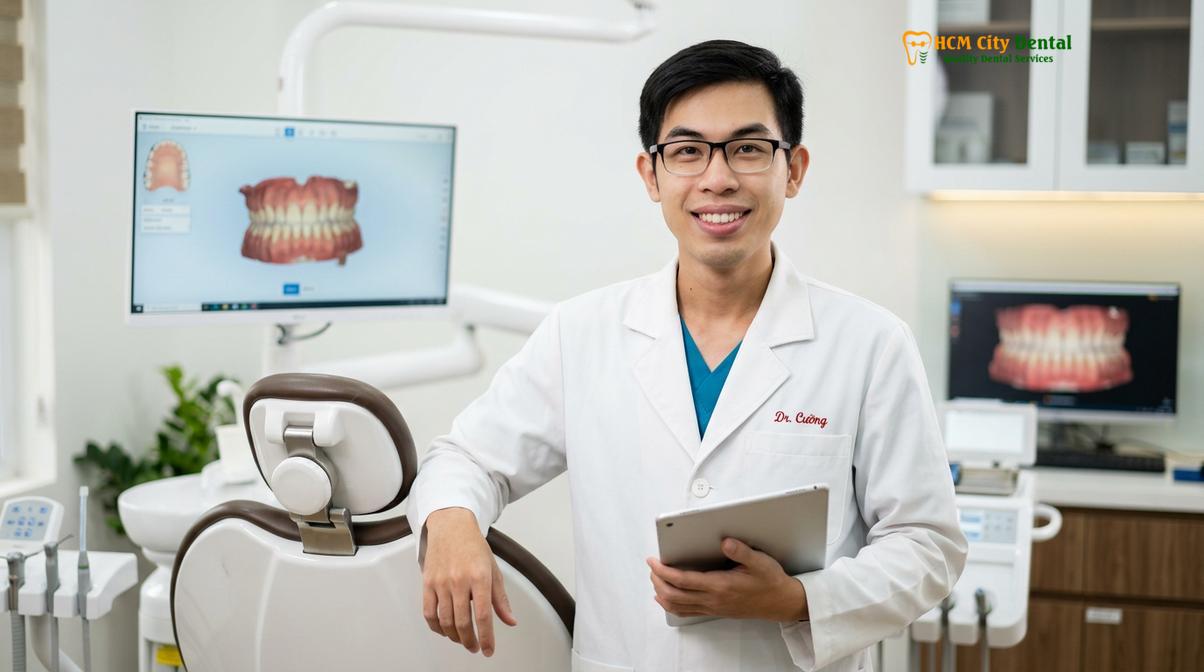
According to Dr. Nguyen Van Cuong, a leading specialist in restorative and orthodontic care, the timing of retainer delivery is critical. The periodontal ligaments are highly active immediately after braces are removed, and teeth can begin to shift within hours. Therefore, retainers are typically delivered on the same day or within 24 to 48 hours of debonding. During the delivery appointment, the orthodontist will check the appliance for proper seating, ensure there are no sharp edges impinging on the gingival tissues, and verify that the patient can insert and remove the retainer independently.
“Retention is not the end of orthodontic treatment; it is the crucial maintenance phase that protects the patient’s investment in their smile. Without immediate and consistent retainer wear, the biological forces of the periodontium will inevitably cause the teeth to relapse toward their original positions.”
Patients are usually instructed to wear their removable retainers full-time (20 to 22 hours a day) for the first three to six months. This intensive initial phase allows the alveolar bone to undergo primary calcification. After the orthodontist verifies clinical stability through follow-up examinations, the patient is typically transitioned to a nighttime-only wear schedule, which must be maintained indefinitely to counteract the natural forward-shifting of teeth that occurs as humans age[3].
Daily Care and Hygiene for a Child Retainer
Maintaining a child retainer requires daily brushing with a soft toothbrush, avoiding hot water, and storing the appliance in a protective case when not in use.
The oral cavity is a complex microbiome hosting hundreds of species of bacteria. When a child retainer is worn, it creates a warm, moist environment that is highly conducive to the formation of bacterial biofilm (plaque). If this biofilm is not thoroughly removed daily, it can calcify into hard tartar, cause the appliance to emit a foul odor, and significantly increase the patient’s risk of developing dental caries (cavities) and gingival inflammation.
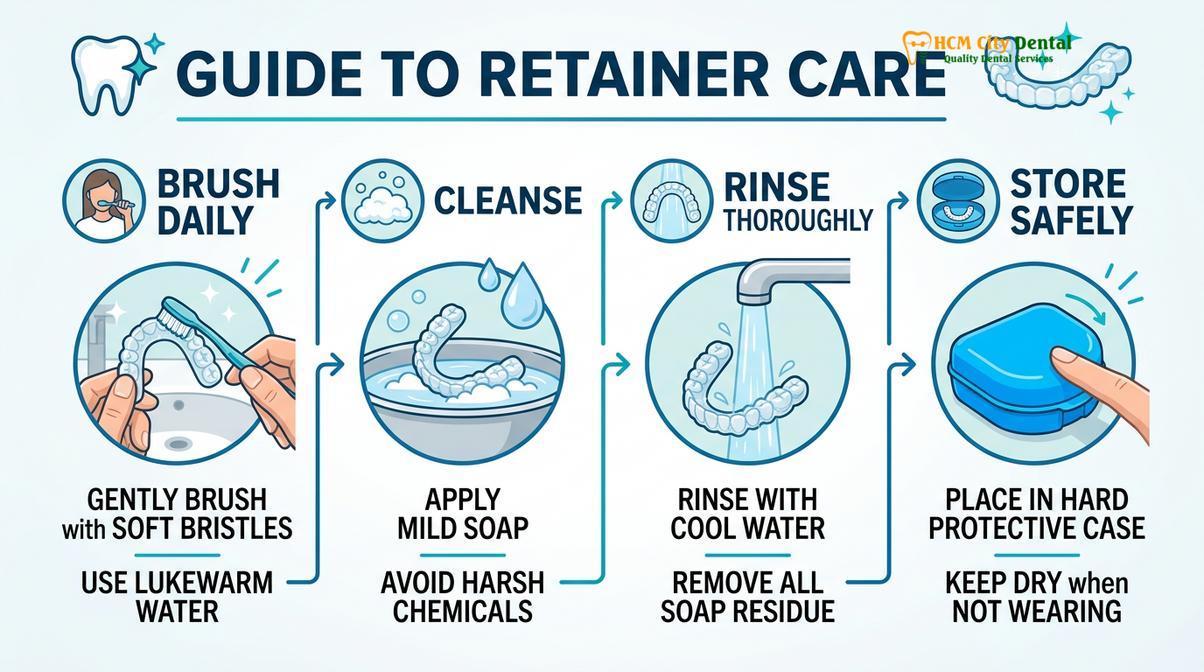
For removable appliances like Essix and Hawley retainers, mechanical cleaning is the first line of defense. Patients should be instructed to brush their retainers at least twice a day—ideally every time they brush their teeth. However, it is crucial to use a soft-bristled toothbrush and a mild, non-abrasive cleaning agent, such as unscented liquid castile soap or clear dish soap. Regular toothpaste contains abrasive particles (like silica) designed to polish hard tooth enamel; when used on softer acrylic or thermoplastic materials, these abrasives create microscopic scratches. These scratches dull the appearance of clear retainers and create ideal hiding spots for bacteria to colonize.
In addition to mechanical brushing, chemical disinfection is highly recommended. Soaking the retainer in a specialized effervescent orthodontic cleaning tablet dissolved in lukewarm water for 15 to 20 minutes daily helps break down stubborn plaque proteins and kills odor-causing bacteria. For families seeking affordable dental retainers maintenance, a diluted solution of white vinegar and water can also serve as an effective antimicrobial soak, though it must be rinsed thoroughly to eliminate the acidic taste.
For patients with fixed lingual retainers, hygiene requires a different approach. Because the wire is bonded directly to the teeth, it acts as a plaque trap. Patients must be taught how to use floss threaders or specialized orthodontic floss with a stiffened end to navigate under the wire and clean the interproximal spaces (between the teeth). Water flossers (oral irrigators) are also highly effective adjuncts for flushing out food debris and disrupting biofilm around the composite bonding pads[4].
Clinical Case Study: Managing Post-Orthodontic Relapse
Clinical case studies demonstrate that strict adherence to retention protocols prevents the need for secondary orthodontic interventions due to dental relapse.
The consequences of poor retainer compliance are well-documented in orthodontic literature. When a patient fails to wear their pediatric dentist retainer as prescribed, the teeth inevitably begin to drift. This shifting is usually most pronounced in the lower anterior segment, where the incisors may begin to overlap and crowd, mimicking their pre-treatment appearance.
A 14-year-old patient presented at HCMC Dental Clinic in Ho Chi Minh City after completing two years of traditional comprehensive braces. Upon debonding, the patient was fitted with a fixed lingual retainer on the lower arch (canine-to-canine) and a removable Essix retainer for the upper arch. Six months into the retention phase, the patient lost the upper Essix retainer and failed to report the loss for four weeks. Clinical examination revealed a 1.5mm diastema (gap) reopening between the maxillary central incisors. Because the relapse was caught early, the orthodontist was able to fabricate an “active” Essix retainer—a slightly modified clear tray designed to exert mild pressure and close the gap over a period of three weeks. Once the diastema was closed, a new passive retainer was issued. By strictly following the prescribed nighttime wear schedule thereafter, the patient maintained perfect alignment without any further signs of relapse over a subsequent 36-month observation period.
This case highlights the critical importance of immediate intervention. If a retainer is lost or broken, it is not a situation that can wait until the next scheduled check-up. The periodontal tissues are constantly exerting forces, and a delay of even a few weeks can result in shifting severe enough to require a second round of braces or clear aligner therapy to correct.
When to See a Doctor: Troubleshooting Retainer Issues
Even with the most diligent care, issues with orthodontic retainers can arise. Parents and patients must be educated on how to identify clinical red flags that require immediate professional attention. Ignoring these signs can compromise the stability of the dental alignment and lead to costly retreatment.
One of the most common issues is a retainer that feels excessively tight or causes significant pain upon insertion. While a slight feeling of pressure is normal if the retainer has been left out for a few hours, severe tightness indicates that the teeth have shifted. Dr. Cuong frequently advises parents that if a child has to force the retainer onto the teeth, or if it simply will not seat fully over the crowns, they must stop attempting to insert it and schedule an appointment immediately. Forcing an ill-fitting thermoplastic tray can damage the teeth or cause the plastic to crack.
“If a retainer feels excessively tight, it is a clinical indicator that the teeth have begun to shift. Patients must resume full-time wear immediately if the appliance still seats, or consult their orthodontist for an adjustment or replacement if it does not.”
Another critical situation involves damage to the appliance itself. For Hawley retainers, a bent labial wire or a cracked acrylic palate compromises the precise forces needed to hold the teeth. For Essix retainers, small cracks or holes worn through the occlusal surfaces (often due to bruxism) reduce the structural integrity of the tray. If a fixed lingual retainer becomes partially debonded—meaning the composite resin detaches from one or more teeth while the wire remains attached to others—it creates an orthodontic emergency. The unattached tooth is free to shift, while the loose wire can harbor severe bacterial buildup or lacerate the tongue. Patients should seek replacement options or rebonding services promptly[5].
Finally, pediatric patients are still growing. The eruption of third molars (wisdom teeth) or late-erupting second molars can alter the dental arch and affect how a retainer fits. Regular biannual check-ups allow the dental team to monitor these developmental changes, adjust the retention appliances as necessary, and ensure that the foundation of a healthy, straight smile remains secure for life.
Frequently Asked Questions
How long does my child need to wear a retainer after braces?
Most children must wear their retainer full-time for the first three to six months, followed by indefinite nighttime wear. Your orthodontist will provide a specific schedule based on your child’s unique bone stabilization and treatment history. The bone surrounding the newly moved teeth needs this initial full-time phase to calcify and harden. Afterward, wearing the retainer at night protects against the natural, lifelong tendency of teeth to shift forward as we age.
What is the best way to clean a clear plastic retainer?
Clean a clear plastic retainer daily using a soft-bristled toothbrush and mild, non-abrasive liquid soap or specialized effervescent retainer tablets. Avoid using regular toothpaste, as its abrasive agents can scratch the plastic and harbor bacteria. Scratches not only make the retainer look cloudy and unappealing, but they also create microscopic crevices where plaque biofilm and odor-causing bacteria can thrive, increasing the risk of tooth decay.
Can my child eat while wearing a removable retainer?
No, children must always remove their retainers before eating or drinking anything other than plain water. Chewing with a retainer can crack the material, and trapped food particles significantly increase the risk of tooth decay. Furthermore, consuming sugary or acidic beverages with a clear retainer in place traps the liquid against the enamel, accelerating acid erosion and cavity formation. Always store the retainer in its case during meals.
What should we do if the retainer feels very tight?
If the retainer feels excessively tight, it indicates that the teeth have begun to shift due to inconsistent wear. Your child should resume wearing the appliance full-time immediately; if it does not fit at all, contact your orthodontist. Do not attempt to force a retainer that will not seat properly, as this can damage the teeth or break the appliance. The orthodontist may need to fabricate a new retainer or an active aligner to correct the minor relapse.
Are permanent fixed retainers better than removable ones?
Permanent fixed retainers are excellent for preventing lower front tooth relapse and ensuring compliance, but they require meticulous flossing. Removable retainers are easier to clean but rely entirely on the child’s discipline to wear them consistently. Often, orthodontists recommend a hybrid approach: a fixed wire bonded behind the lower front teeth where shifting is most common, paired with a removable clear tray for the upper arch to maintain the broader smile aesthetics.
References
- American Journal of Orthodontics and Dentofacial Orthopedics. Relapse rates and retention protocols in pediatric patients. (2019).
- European Journal of Orthodontics. Clinical efficacy of Essix versus Hawley retainers: A randomized trial. (2020).
- Journal of Clinical Orthodontics. Periodontal health and plaque accumulation on fixed lingual retainers. (2022).
- Australian Dental Journal. Patient compliance and psychological factors in adolescent orthodontic retention. (2018).
- Journal of Prosthodontic Research. Thermoplastic materials in modern orthodontic retention appliances. (2021).
For professional children’s dental care, preventive sealants, or to schedule a check-up, visit our Children & Pediatric Dentistry service page at HCMC Dental Clinic in Ho Chi Minh City.