Bruxism in children and teens is a common, often involuntary condition characterized by the grinding or clenching of teeth, primarily during sleep. While many younger patients naturally outgrow this habit as their dental anatomy matures, persistent cases require careful clinical evaluation to prevent permanent enamel wear, alleviate jaw pain, and address underlying sleep disturbances.
Clinical Summary:
Pediatric and adolescent bruxism represents a complex intersection of dental development, airway patency, and central nervous system maturation. Unlike adult bruxism, which is heavily influenced by psychosocial stress and lifestyle factors, children bruxism is frequently a physiological adaptation to teething, shifting mixed dentition, or sleep-disordered breathing. Clinical management prioritizes identifying the root etiology rather than merely masking the symptoms. For infants and school-aged children, intervention often involves airway assessment and behavioral modifications, as rigid oral appliances can impede natural jaw growth. Conversely, adolescents with fully erupted permanent dentition and severe attrition may benefit from custom occlusal therapy. Comprehensive diagnostic protocols ensure that growing stomatognathic systems are protected without compromising skeletal development.
Key Takeaways:
- Pediatric teeth grinding is highly prevalent, often peaking during the eruption of primary and mixed dentition.
- Airway obstruction, such as enlarged tonsils or adenoids, is a primary clinical trigger for nocturnal bruxism in young children.
- Hard acrylic night guards are generally contraindicated for young children due to the risk of restricting maxillary and mandibular growth.
- Adolescents experiencing stress-induced bruxism are ideal candidates for custom protective appliances once their permanent teeth have erupted.
- Multidisciplinary evaluation involving pediatric dentistry, orthodontics, and otolaryngology (ENT) yields the highest success rates for chronic cases.
Is Teeth Grinding Normal in Children?
Occasional teeth grinding is considered a normal developmental phase for many infants and toddlers, often linked to teething or jaw growth. However, chronic bruxism causing pain, severe tooth wear, or sleep disruption requires professional clinical intervention.
The phenomenon of kids teeth grinding is one of the most frequent concerns reported by parents during routine pediatric dental visits. From a clinical perspective, rhythmic masticatory muscle activity (RMMA) during sleep is a highly prevalent occurrence in the pediatric population. Studies indicate that a significant percentage of children will exhibit some form of bruxism during their early developmental years. To understand whether this behavior is normal, clinicians must differentiate between physiological (developmental) bruxism and pathological bruxism.[1]
Physiological bruxism is generally transient. When infants and toddlers experience the eruption of their primary teeth, the central nervous system and the local periodontal ligaments are flooded with new sensory information. Grinding acts as a proprioceptive mechanism—a way for the child’s developing brain to map the new spatial relationships within the oral cavity. Furthermore, as the jaw grows to accommodate larger permanent teeth, the occlusion (bite) constantly shifts. This temporary instability often triggers subconscious clenching or grinding as the stomatognathic system attempts to find a comfortable resting posture.
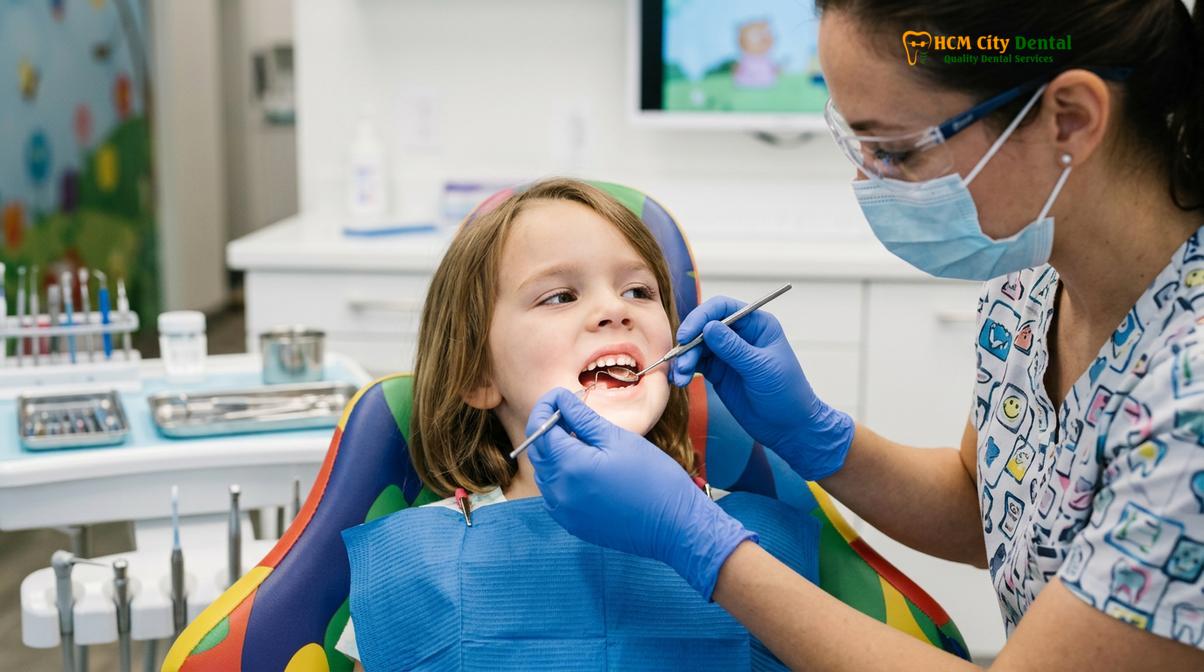
Conversely, pathological bruxism extends beyond normal developmental milestones. When the frequency and intensity of the grinding exceed the adaptive capacity of the child’s dental and muscular tissues, it transitions into a clinical concern. Pathological grinding is characterized by visible destruction of the tooth structure, such as the flattening of cusps or the exposure of underlying dentin. It may also manifest as hypertrophy (enlargement) of the masseter muscles, morning headaches, and localized pain in the temporomandibular joint (TMJ). In these instances, the grinding is no longer a harmless exploratory habit but a destructive parafunctional activity that warrants comprehensive diagnostic imaging and therapeutic management.
Common Causes in Kids vs Adults
While adult bruxism is predominantly driven by psychosocial stress and lifestyle factors, pediatric cases are frequently tied to airway issues, neurodevelopmental stages, teething discomfort, and the continuous shifting of mixed dentition.
The etiology of bruxism is multifactorial, but the primary drivers differ vastly between pediatric and adult populations. Understanding these distinctions is crucial for formulating an effective, age-appropriate treatment plan. In adults, chronic stress, anxiety, caffeine consumption, and alcohol intake are leading triggers. The adult nervous system often processes daily psychological tension through nocturnal muscle hyperactivity. While teenagers may share some of these stress-related triggers, younger children typically grind their teeth due to structural or developmental factors.[2]
One of the most critical clinical discoveries in recent years is the strong correlation between pediatric bruxism and pediatric sleep-disordered breathing (SDB). Children with adenotonsillar hypertrophy (enlarged adenoids and tonsils) often experience partial airway collapse during deep sleep. As oxygen saturation drops, the brain initiates a micro-arousal. The sympathetic nervous system activates, causing the child to subconsciously push their lower jaw forward to open the airway. This forward posturing is accompanied by intense friction between the upper and lower teeth, resulting in the characteristic grinding sound. In this context, bruxism is actually a life-saving physiological reflex designed to restore airflow.[3]
Other common pediatric causes include localized oral pain. A child suffering from an ear infection (otitis media) or active teething may grind their teeth to stimulate the periodontal ligaments, which can temporarily override the pain signals traveling along the trigeminal nerve. Additionally, certain neurodevelopmental conditions, such as Attention Deficit Hyperactivity Disorder (ADHD), and the stimulant medications used to treat them, have been clinically linked to an increased incidence of nocturnal bruxism.
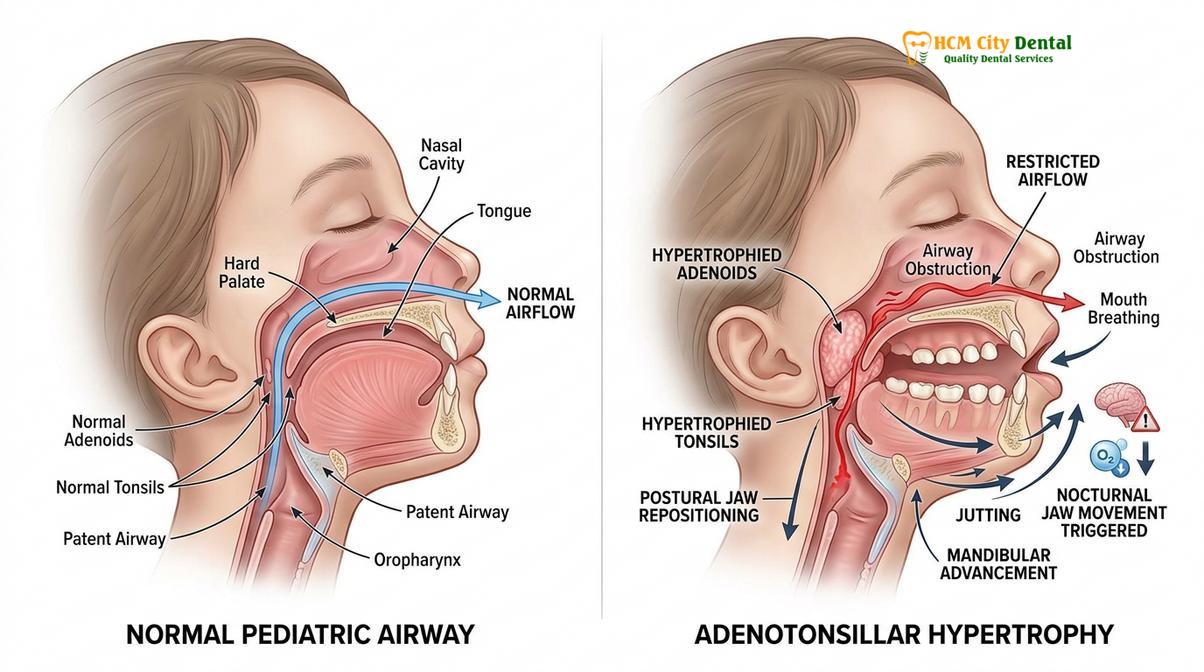
To clearly delineate these differences, clinicians often reference the following etiological comparison:
| Etiological Factor | Pediatric Bruxism (Ages 0-11) | Adolescent & Adult Bruxism (Ages 12+) |
|---|---|---|
| Airway & Breathing | Highly common trigger (enlarged tonsils/adenoids, mouth breathing). | Secondary trigger (Obstructive Sleep Apnea), but less dominant than stress. |
| Dental Development | Primary cause (teething, mixed dentition, jaw growth). | Rarely a cause (dentition is permanent and stable). |
| Psychosocial Stress | Occasional (school changes, family dynamics). | Primary cause (academic pressure, work, financial stress, anxiety). |
| Lifestyle & Diet | Minimal impact (unless high sugar/caffeine intake near bedtime). | Significant impact (caffeine, alcohol, tobacco use). |
| Medications | ADHD stimulants, certain asthma medications. | SSRIs (antidepressants), recreational substances. |
Age-Specific Patterns
Bruxism manifests differently across age groups, peaking during primary tooth eruption in infants, continuing through the mixed dentition phase in school-aged children, and evolving into stress-induced episodes in adolescents.
The clinical presentation of bruxism evolves significantly as a child grows. By categorizing the condition into distinct age-specific patterns, dental professionals can better predict the natural trajectory of the habit and determine the appropriate timing for intervention. The stomatognathic system is highly dynamic, and what is considered acceptable at age three may be highly destructive at age thirteen.
Infants and Toddlers (Ages 0-3):
The onset of toddler grinding teeth typically coincides with the eruption of the primary incisors and molars. At this stage, the child’s nervous system is rapidly developing, and the introduction of teeth into the oral cavity creates novel sensory feedback. Toddlers often grind their teeth audibly during sleep or even during waking hours as they test the boundaries of their new bite. Because primary teeth have thinner enamel than permanent teeth, some mild wear is expected and generally does not require intervention unless it leads to pulpal exposure or severe sensitivity.
School-Aged Children (Ages 4-11):
This period is characterized by the “mixed dentition” phase, where primary teeth are exfoliating (falling out) and permanent teeth are erupting. The occlusion is inherently unstable during these years. Furthermore, this age group is highly susceptible to upper respiratory infections and allergic rhinitis, which can exacerbate mouth breathing and airway-related bruxism. Clinicians closely monitor children in this bracket for signs of crossbites or severe crowding, which may necessitate early interceptive orthodontics to stabilize the bite and reduce parafunctional habits.
Adolescents and Teens (Ages 12-18):
By adolescence, the majority of the permanent dentition has erupted, and the jaw is nearing skeletal maturity. Bruxism in this demographic begins to mirror the adult pattern. Academic pressures, social anxiety, and hormonal fluctuations become prominent triggers. Additionally, teenagers undergoing active orthodontic treatment (such as braces or clear aligners) may experience transient grinding as their teeth are actively moved through the alveolar bone. Because the permanent teeth are now in place, any enamel attrition sustained during this period is irreversible, making protective intervention critical.[4]
Clinical Case Study: Adolescent Bruxism Management
A 14-year-old patient presented to HCMC Dental Clinic in Ho Chi Minh City complaining of chronic morning headaches and jaw stiffness. Upon clinical examination, Dr. Nguyen Van Cuong noted moderate attrition on the permanent canines and localized hypertrophy of the masseter muscles. The patient reported high academic stress. Because the patient’s permanent dentition was fully erupted, Dr. Cuong prescribed a custom-fabricated dual-laminate occlusal splint. Within three weeks of nocturnal wear, the patient reported a complete cessation of morning headaches and a significant reduction in jaw tension, successfully preserving the permanent enamel from further degradation.
When to See a Pediatric Dentist
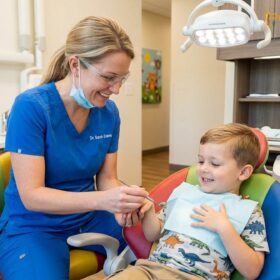
Determining the exact moment to transition from passive observation to active clinical intervention can be challenging for parents. While mild, intermittent grinding may resolve independently, certain clinical red flags necessitate a comprehensive evaluation by a dental professional. Early diagnosis is paramount to preventing irreversible damage to the permanent dentition and mitigating chronic pain pathways in the temporomandibular joint.
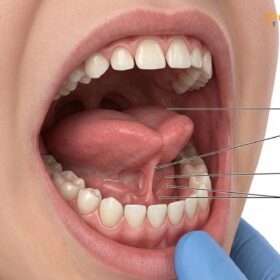
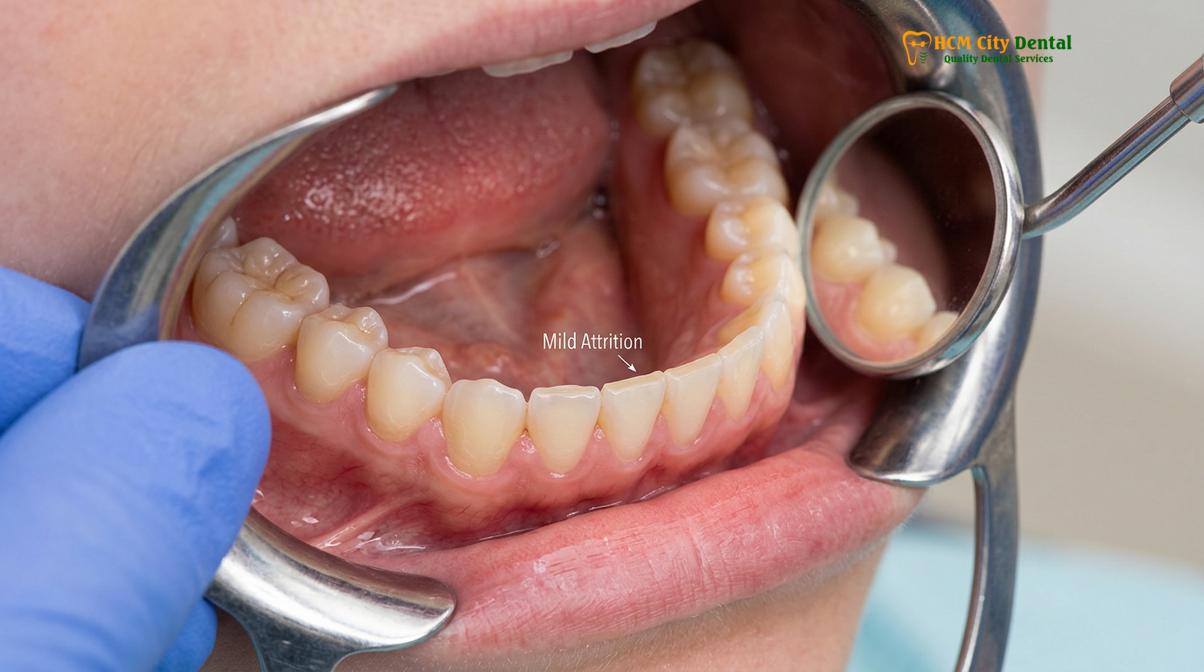
A primary indicator for clinical intervention is the presence of visible dental attrition. If the biting surfaces of the teeth appear unnaturally flat, or if the protective enamel has been worn away to reveal the yellowish dentin underneath, immediate evaluation is required. Dentin is significantly softer than enamel and decays rapidly once exposed. Furthermore, exposed dentin leads to hypersensitivity, causing the child discomfort when consuming hot, cold, or sweet foods.
Another critical sign is the manifestation of secondary musculoskeletal symptoms. If a child frequently complains of a sore jaw, difficulty chewing their breakfast, or dull, aching morning headaches, the bruxism has likely escalated to a pathological level. These symptoms indicate that the masticatory muscles are being overworked and that the TMJ is under excessive strain. In such cases, a dentist may recommend therapeutic muscle stretches to alleviate tension alongside other treatments.
Important Clinical Considerations: Airway Red Flags
If your child’s teeth grinding is accompanied by loud snoring, frequent gasping for air during sleep, chronic mouth breathing, or daytime lethargy, it may indicate Obstructive Sleep Apnea (OSA). In these instances, dental intervention alone is insufficient. A prompt referral to an Otolaryngologist (ENT) or a pediatric sleep specialist is critical to evaluate the airway and rule out severe respiratory obstruction.
Parents should also seek professional advice if the grinding sound is so severe that it disrupts the sleep of other family members, or if the child experiences frequent micro-arousals that lead to poor sleep quality and subsequent daytime behavioral issues. A thorough clinical examination will involve assessing the wear facets, palpating the facial muscles, evaluating the TMJ for clicking or crepitus, and screening the airway anatomy.
Treatment Options for Children
Treatment for pediatric bruxism focuses on addressing the root cause rather than just the symptoms, utilizing behavioral therapies, airway management, and occasionally mild interceptive orthodontics.
The clinical management of bruxism in young children requires a highly conservative and etiology-driven approach. Because the pediatric maxilla and mandible are actively growing, treatments that restrict skeletal development are strictly contraindicated. Therefore, the traditional adult approach of immediately prescribing a rigid acrylic night guard is rarely applied to patients under the age of twelve.
When airway obstruction is identified as the primary trigger, the most effective treatment is often medical rather than dental. Collaboration with an ENT specialist may lead to recommendations for adenotonsillectomy (removal of adenoids and tonsils) or the use of nasal corticosteroids to reduce mucosal inflammation. Once the airway is cleared and nasal breathing is restored, the physiological need to posture the jaw forward ceases, and the bruxism frequently resolves spontaneously.
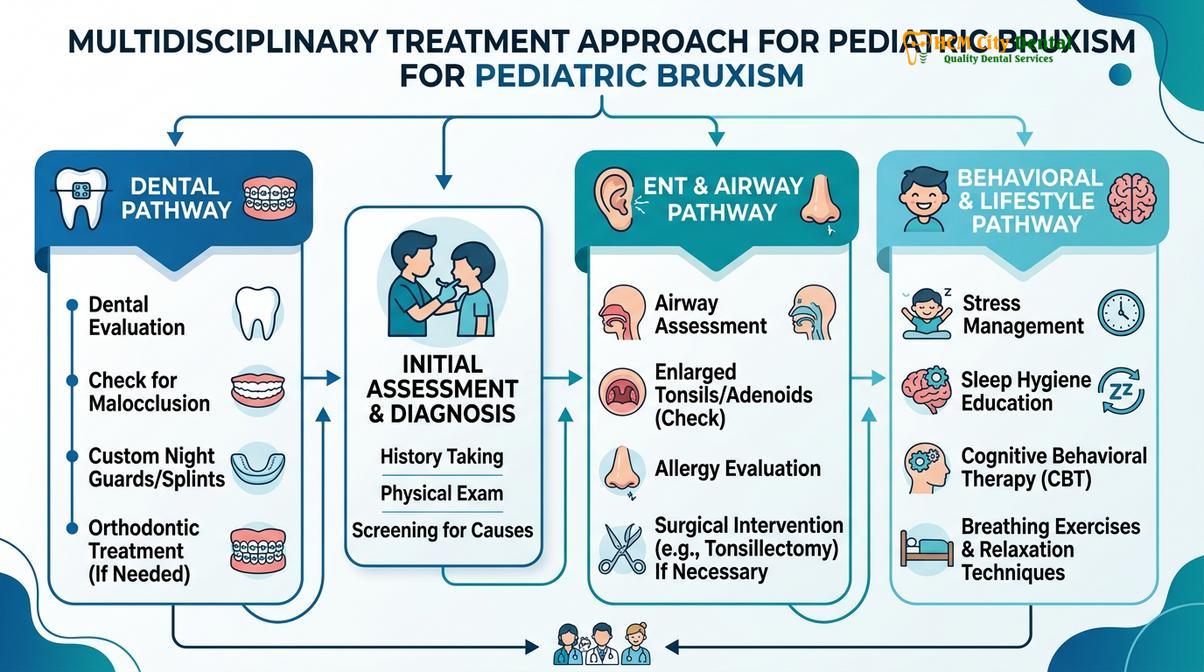
If the bruxism is related to dental malocclusion or a constricted dental arch, interceptive orthodontics may be employed. Palatal expanders can be used to widen the upper jaw, which not only corrects crossbites but also increases the volume of the nasal cavity, thereby improving airflow. By creating a stable, harmonious bite, the neuromuscular system can relax, reducing parafunctional activity.[5]
“In the management of juvenile bruxism, the clinician’s primary role is to act as a diagnostician of the airway and developing occlusion. Prematurely locking a growing child into a rigid occlusal splint can induce severe skeletal discrepancies. Therapy must remain dynamic, adapting to the child’s physiological maturation.” — Journal of Clinical Pediatric Dentistry
Behavioral and environmental modifications also play a crucial role. Improving sleep hygiene by establishing a calming pre-bedtime routine, reducing screen time, and eliminating caffeine can significantly lower central nervous system arousal. For children experiencing psychological stress, cognitive behavioral therapy (CBT) or simple relaxation techniques can be highly beneficial. In cases where muscle tension is severe, clinicians may guide parents on how to perform gentle facial massages to relax the child’s masseter and temporalis muscles before sleep.
Night Guards for Teens
Adolescents with fully erupted permanent dentition and severe bruxism are excellent candidates for custom-fitted night guards to protect their enamel and alleviate temporomandibular joint strain.
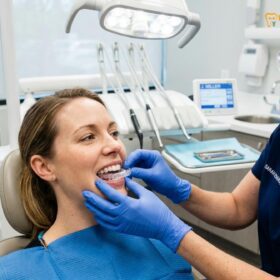
As patients transition into adolescence, their dental anatomy stabilizes, and the clinical protocols for managing bruxism begin to align with adult therapies. For teenagers experiencing stress-induced grinding or clenching, the preservation of the newly erupted permanent teeth becomes the highest priority. At this stage, the use of custom dental protectors is considered the gold standard for mitigating the destructive forces of parafunctional habits.
At HCMC Dental Clinic, the workflow for adolescent bruxism management involves precise digital diagnostics. Dr. Nguyen Van Cuong emphasizes the importance of custom fabrication over over-the-counter “boil-and-bite” alternatives. Over-the-counter guards are often bulky, poorly adapted to the dental arch, and can inadvertently stimulate increased chewing activity during sleep, exacerbating muscle fatigue. Furthermore, a poorly fitted appliance can lead to unwanted orthodontic shifting. If a patient experiences discomfort with an existing appliance, a clinical review of appliance fit issues is necessary to ensure proper occlusal contact.

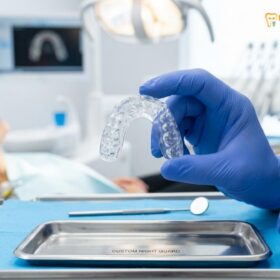
Custom night guards for teens are typically fabricated from advanced biocompatible materials. Dual-laminate guards, which feature a soft, comfortable inner layer and a durable, hard acrylic outer shell, are highly favored. This design provides excellent shock absorption while withstanding the intense occlusal forces generated during grinding. The hard outer surface allows the opposing teeth to glide smoothly, reducing the strain on the TMJ and preventing the onset of tension-type cephalalgia (headaches).
“The adolescent transition period is critical for establishing long-term stomatognathic health. Implementing custom occlusal splint therapy in teenagers not only prevents irreversible enamel attrition but also serves as a diagnostic tool to evaluate the stability of the temporomandibular joint under load.” — European Archives of Paediatric Dentistry
It is also important to differentiate between nocturnal protection and athletic protection. Teens involved in contact sports require a different type of appliance. A clinical understanding of the athletic vs nocturnal dental protection differences ensures that the appropriate material thickness and design are utilized for the specific activity. For comprehensive care, especially if the teen exhibits signs of joint dysfunction such as clicking or locking, a broader approach to comprehensive joint management may be integrated into their treatment plan.
If your child or teenager is exhibiting signs of chronic teeth grinding, early intervention is key to preserving their oral health. A thorough evaluation at a specialized facility can provide clarity and effective relief. For personalized diagnostic care, consider scheduling a consultation with the expert team at HCMC Dental Clinic to explore the most appropriate, evidence-based treatment pathways for your child’s specific developmental stage.
Frequently Asked Questions
Why do children grind their teeth?
Children grind their teeth due to a combination of factors including airway obstruction, teething discomfort, shifting mixed dentition, and psychological stress. Clinical evidence suggests that nocturnal grinding often acts as a physiological response to micro-arousals during sleep. When a child experiences partial airway collapse, the brain triggers the jaw to move forward to reopen the airway, resulting in the friction and sound associated with bruxism. Additionally, localized pain from earaches or erupting teeth can cause a child to clench as a subconscious coping mechanism.
Should I worry about my toddler grinding teeth?
Occasional grinding in toddlers is generally a normal developmental phase associated with the eruption of primary teeth and jaw growth. As they explore their new bite, some friction is expected. However, you should seek a pediatric dental evaluation if the grinding is accompanied by severe tooth wear, complaints of jaw pain, or signs of sleep-disordered breathing such as loud snoring or gasping. A clinician can determine if the habit is harmless exploration or a pathological issue requiring intervention.
Do kids outgrow bruxism?
The majority of children naturally outgrow bruxism as their central nervous system matures and their permanent teeth fully erupt. Clinical observation indicates that grinding peaks during the mixed dentition phase (ages 4-11) and significantly decreases by adolescence. Once the occlusion stabilizes and the airway anatomy matures, the physiological triggers often dissipate. However, if the bruxism is heavily driven by unmanaged psychological stress or chronic sleep apnea, the condition may persist into the teenage years and adulthood.
Can a child wear a night guard?
Children with actively growing jaws and mixed dentition are rarely prescribed hard acrylic night guards, as these appliances can restrict natural skeletal development. Locking a growing maxilla into a rigid splint can cause severe orthodontic complications. Instead, pediatric dentists focus on addressing root causes like airway issues or utilizing soft, temporary appliances if absolutely necessary. Custom night guards are primarily reserved for older teenagers whose permanent teeth and jaw growth are complete.
When should I take my child to a dentist for grinding?
You should schedule a dental consultation if your child experiences morning headaches, facial muscle soreness, visible flattening of the tooth enamel, or disrupted sleep. Furthermore, if the grinding is loud enough to wake other family members or is paired with chronic mouth breathing, an evaluation is critical. Early clinical intervention helps differentiate between harmless developmental grinding and pathological bruxism, allowing the dentist to implement protective strategies before irreversible damage occurs to the permanent teeth or the temporomandibular joint.
References
- Journal of Clinical Pediatric Dentistry. Sleep Bruxism in Children: Etiology and Management. (2021).
- American Academy of Pediatric Dentistry. Reference Manual on Pediatric Oral Health. (2022).
- International Journal of Pediatric Otorhinolaryngology. Adenotonsillar Hypertrophy and Sleep Bruxism. (2019).
- Journal of Oral Rehabilitation. Rhythmic Masticatory Muscle Activity in Adolescents. (2020).
- European Archives of Paediatric Dentistry. Orthodontic Considerations in Juvenile Bruxism. (2023).
For professional children’s dental care, preventive sealants, or to schedule a check-up, visit our Children & Pediatric Dentistry service page at HCMC Dental Clinic in Ho Chi Minh City.