Jaw exercises provide effective bruxism relief by stretching hyperactive masseter muscles, reducing temporomandibular joint (TMJ) tension, and promoting proper resting oral posture. When performed consistently, these targeted movements help alleviate morning jaw pain, decrease the frequency of nocturnal teeth grinding, and restore normal muscular function without invasive interventions.
Clinical Summary:
Bruxism, characterized by involuntary teeth grinding and jaw clenching, leads to significant muscular hypertrophy, enamel attrition, and temporomandibular joint discomfort. Clinical evidence indicates that specific jaw exercises for bruxism relief can mitigate these symptoms by retraining neuromuscular pathways and elongating contracted muscle fibers. Dr. Nguyen Van Cuong emphasizes that while therapeutic exercises are highly beneficial for symptom management and muscular relaxation, they are most effective when integrated into a comprehensive treatment protocol. This multidisciplinary approach often includes the use of a custom-fitted night guard to protect the dentition during sleep. By combining active physical therapy techniques—such as resisted opening, chin tucks, and goldfish exercises—with passive occlusal protection, patients can achieve sustainable relief from facial pain, tension headaches, and progressive dental damage.
Key Takeaways:
- Targeted jaw exercises relieve bruxism by stretching hyperactive masseter and temporalis muscles.
- Consistent practice helps reprogram resting oral posture, keeping teeth apart and lips closed.
- Therapeutic movements can significantly reduce TMJ pain, clicking, and morning facial stiffness.
- Exercises are highly effective for daytime clenching but require passive protection for nocturnal grinding.
- Combining physical therapy routines with a custom night guard yields the highest clinical success rate.
Additionally, patients should avoid auxiliary jaw stress; read our review on the relationship between chewing gum and jawline health.
Why Jaw Exercises Help Bruxism
Jaw exercises alleviate bruxism symptoms by elongating tense masticatory muscles, improving joint mobility, and retraining the neuromuscular system to maintain a relaxed resting posture.
To understand the profound clinical efficacy of jaw exercises for bruxism relief, it is essential to examine the underlying pathophysiology of teeth grinding and jaw clenching. Bruxism is not merely a dental issue; it is a complex neuromuscular condition driven by central nervous system arousal, stress, airway resistance, and sometimes occlusal discrepancies. During a bruxism episode, the primary muscles of mastication—specifically the masseter, temporalis, and medial pterygoid—contract with immense force. Over time, this chronic hyperactivity leads to muscle fatigue, the accumulation of lactic acid, localized ischemia (reduced blood flow), and the formation of painful myofascial trigger points [1].
When muscles are subjected to continuous, involuntary contraction, they undergo adaptive shortening. The muscle fibers become physically tighter, limiting the jaw’s natural range of motion and placing excessive strain on the temporomandibular joint (TMJ). This constant tension is the primary culprit behind the classic symptoms of bruxism: dull, aching facial pain upon waking, tension headaches radiating up the sides of the head, and a sensation of stiffness or “locking” in the jaw.
Therapeutic jaw exercises intervene directly in this cycle of tension and pain. By engaging in specific, controlled movements, patients can induce a physiological response known as autogenic inhibition. When a muscle is gently and consistently stretched, the Golgi tendon organs within the muscle fibers signal the central nervous system to relax the muscle, thereby reducing its resting tone. Furthermore, active movement increases local blood circulation, which helps flush out metabolic waste products like lactic acid and delivers oxygen and nutrients essential for tissue repair [2].
“The management of bruxism requires a paradigm shift from merely treating the dental damage to addressing the neuromuscular hyperactivity. Therapeutic jaw exercises act as a reset button for the masticatory system, breaking the cycle of chronic muscle spasm and restoring physiological harmony to the temporomandibular joint.”
Beyond simple stretching, TMJ exercises also focus on neuromuscular re-education. Many individuals who suffer from bruxism have developed poor oral posture—they unconsciously rest with their teeth touching or firmly clenched, even during the day. Proper oral posture dictates that the lips should be sealed, the teeth slightly apart (providing a freeway space of 2-3 millimeters), and the tongue resting gently against the roof of the mouth. Jaw relaxation techniques help reprogram the brain to default to this healthy resting position, significantly reducing the cumulative daily strain on the masticatory system.
Dr. Nguyen Van Cuong frequently notes in clinical practice that patients who actively participate in their recovery through daily physical therapy experience faster and more profound relief than those who rely solely on passive treatments. While exercises cannot “cure” the central neurological triggers of sleep bruxism, they build muscular resilience, improve joint lubrication by stimulating synovial fluid production, and empower the patient to manage their symptoms proactively.
Exercise 1: Relaxed Jaw Position
The relaxed jaw position exercise trains the tongue and facial muscles to rest properly, preventing involuntary clenching by keeping the upper and lower teeth separated.
The foundation of any effective protocol for bruxism relief begins with establishing and maintaining the correct resting posture for the jaw and tongue. The relaxed jaw position is less of a traditional “exercise” and more of a neuromuscular retraining technique. Its primary goal is to establish a healthy “freeway space”—the natural gap that should exist between the upper and lower teeth when the jaw is at rest. In a healthy masticatory system, the teeth should only make contact during active chewing and swallowing. For chronic clenchers, however, the teeth are often in constant contact, keeping the masseter and temporalis muscles in a state of perpetual, low-grade contraction.
To perform the relaxed jaw position exercise, begin by sitting or standing in a comfortable, upright posture. Close your lips gently without pursing or straining them. Next, focus on the position of your tongue. Place the tip of your tongue against the incisive papilla—the small, raised area of tissue on the roof of your mouth just behind your upper front teeth. This is the same position your tongue naturally assumes when you make the “N” sound. With your tongue resting securely in this spot, allow your lower jaw to drop slightly so that your upper and lower teeth are separated by a few millimeters.
Hold this position and take slow, deep breaths through your nose. As you breathe, consciously scan your facial muscles, releasing any tension in your cheeks, temples, and neck. The beauty of this technique is its subtlety; it can be performed anywhere—while driving, working at a computer, or reading—without anyone noticing.
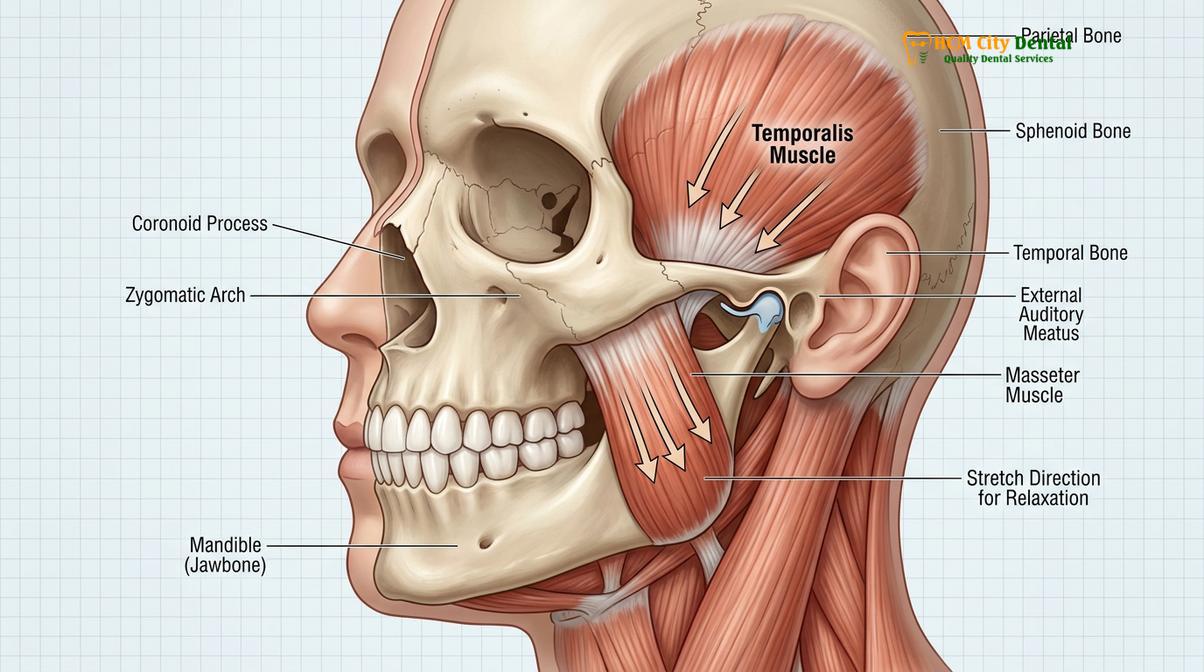
From a clinical perspective, placing the tongue on the roof of the mouth serves a dual purpose. First, it provides a physical barrier that makes it biomechanically difficult to clench the jaw forcefully. Second, it stimulates the parasympathetic nervous system, promoting a state of systemic relaxation. Patients are encouraged to use this technique as a “pattern interrupt.” Whenever you catch yourself clenching your teeth during the day, immediately shift into the relaxed jaw position. Over time, this conscious correction will become an unconscious habit, significantly reducing the daytime muscular fatigue that often exacerbates nighttime bruxism [3].
Exercise 2: Chin Tucks
Chin tucks correct forward head posture, which is clinically linked to increased tension in the jaw and neck muscles that exacerbates bruxism.
While it may seem counterintuitive to treat jaw pain by exercising the neck, the anatomical relationship between the cervical spine and the temporomandibular joint is profound. The jaw does not operate in isolation; it is suspended by a complex web of muscles, ligaments, and fascia that connect it to the skull, the hyoid bone, and the cervical vertebrae. One of the most common contributing factors to TMJ dysfunction and bruxism is “forward head posture”—a modern epidemic caused by prolonged periods of looking down at smartphones or hunching over computer screens.
When the head shifts forward out of its natural alignment, it alters the biomechanics of the entire craniomandibular system. The muscles at the back of the neck (suboccipitals) become tight and shortened, while the deep cervical flexors at the front of the neck become weak and elongated. This postural distortion pulls the mandible (lower jaw) backward and downward, forcing the masticatory muscles to work overtime just to keep the mouth closed and the airway open. This constant strain acts as a powerful catalyst for bruxism and jaw clenching.
Chin tucks are highly effective bruxism stretches designed to counteract forward head posture, strengthen the deep cervical flexors, and relieve secondary tension on the jaw. To perform a chin tuck, sit or stand tall with your shoulders rolled back and relaxed. Look straight ahead. Without tilting your head up or down, slowly draw your chin straight back, as if you are trying to make a “double chin” or pull your head away from an object directly in front of your nose. You should feel a gentle stretch at the base of your skull and a subtle contraction in the front of your neck.
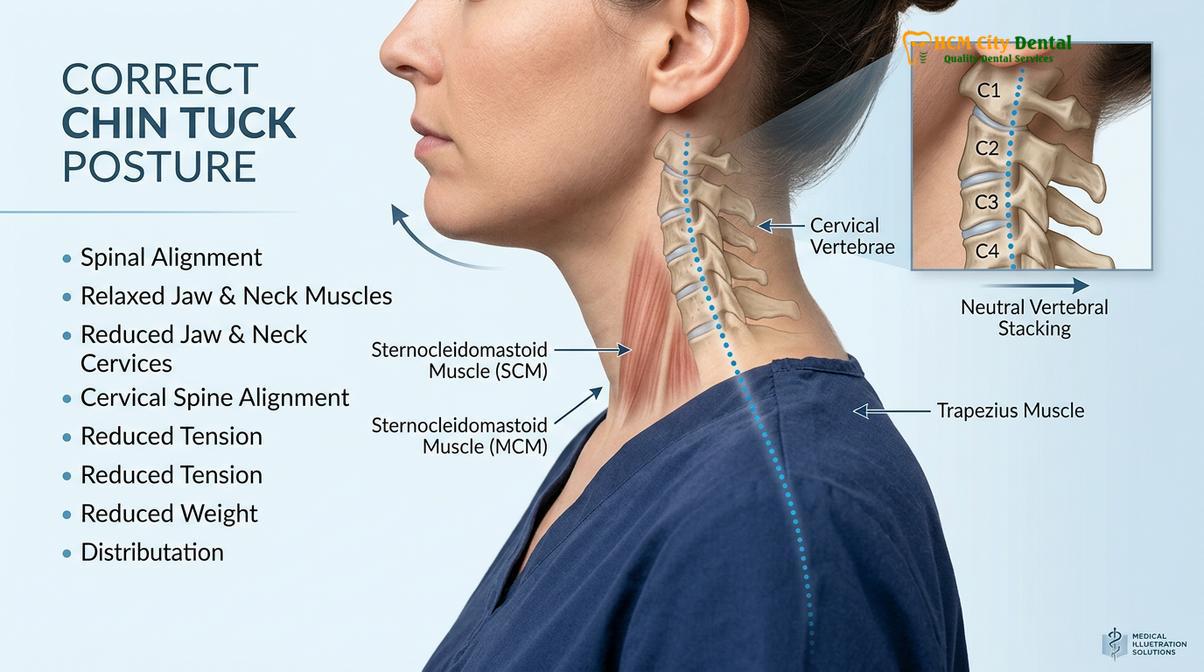
Hold this retracted position for three to five seconds, then relax and return to the starting position. Repeat this movement for 10 to 15 repetitions, performing two to three sets per day. It is crucial to ensure that the movement is horizontal; do not nod your head forward or look down at your chest.
By restoring the natural lordotic curve of the cervical spine, chin tucks reduce the mechanical drag on the hyoid bone and the mandible. Patients who incorporate cervical posture correction into their jaw relaxation techniques frequently report a noticeable decrease in the severity of their tension headaches and a reduction in the intensity of their nocturnal grinding [4].
Exercise 3: Resisted Opening
Resisted opening exercises strengthen the muscles that open the mouth, creating an inhibitory effect on the overactive muscles responsible for jaw clenching.
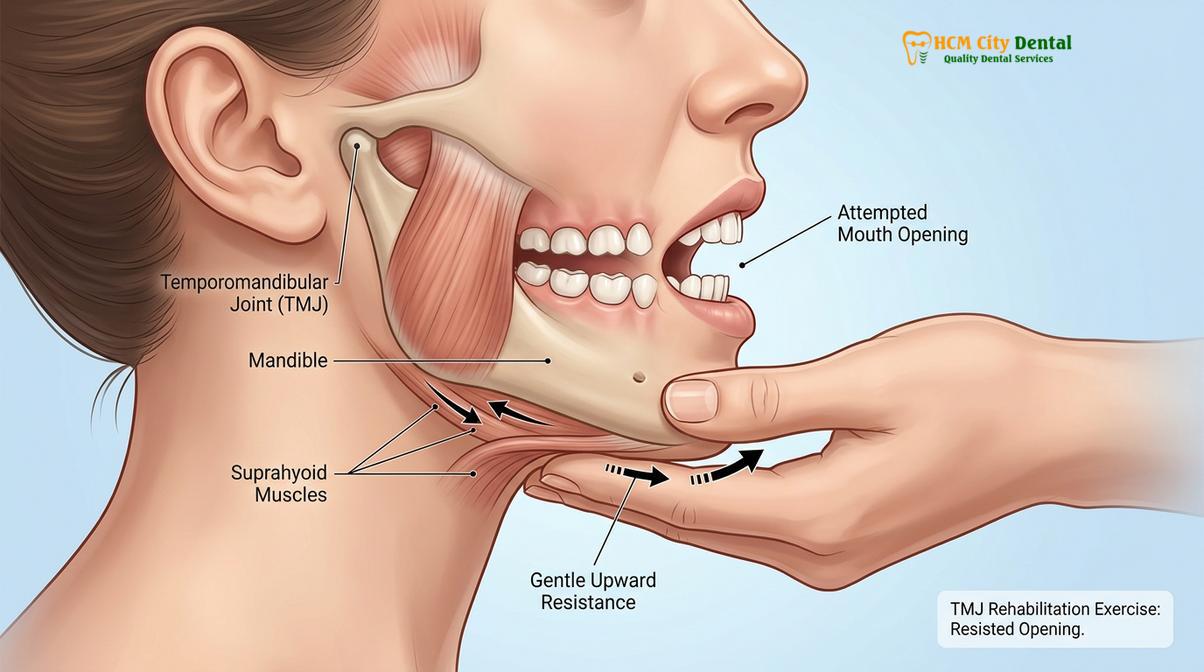
Resisted opening is a cornerstone of physical therapy for temporomandibular disorders. This exercise relies on a physiological principle known as reciprocal inhibition. In the human body, muscles operate in antagonistic pairs. When the central nervous system sends a signal for one muscle group to contract, it simultaneously sends an inhibitory signal to the opposing muscle group, forcing it to relax. In the context of bruxism, the muscles that close the jaw (elevators: masseter, temporalis, medial pterygoid) are hyperactive and chronically tight. The muscles that open the jaw (depressors: digastric, mylohyoid, lateral pterygoid) are often weak and overpowered.
By intentionally activating and strengthening the jaw-opening muscles against resistance, we force the brain to send a powerful relaxation signal to the overactive jaw-closing muscles. This technique provides immediate relief from acute clenching spasms and helps restore muscular balance to the TMJ.
To perform the resisted opening exercise, begin by sitting upright with your jaw in a relaxed position. Place the pad of your thumb or the tips of your index and middle fingers gently under your chin. Slowly begin to open your mouth while simultaneously applying a light, upward pressure with your hand. The goal is not to completely prevent your mouth from opening, but rather to provide a mild, steady resistance that forces the depressor muscles to work harder.
Clinical Warning: When performing resisted jaw exercises, the applied pressure should be gentle and controlled. Never force the jaw open against heavy resistance, and stop immediately if you experience sharp pain, clicking, or a sensation that the joint is locking. The objective is neuromuscular activation, not maximal strength training.
Open your mouth slowly against the resistance until it is comfortably wide, hold the position for three to five seconds, and then slowly close your mouth. Repeat this process for 5 to 10 repetitions. As you perform this exercise, you may actually feel the thick masseter muscles on the sides of your jaw begin to soften and relax. This is reciprocal inhibition in action.
This exercise is particularly beneficial for patients who experience severe morning stiffness. Performing a set of resisted opening movements immediately upon waking can help “unlock” the jaw, restore normal range of motion, and dissipate the residual tension from a night of heavy grinding.
Exercise 4: Side-to-Side Movement
Side-to-side movements enhance the lateral mobility of the temporomandibular joint, reducing stiffness and preventing the articular disc from becoming displaced.
The temporomandibular joint is one of the most complex joints in the human body. Unlike a simple hinge joint (like the knee or elbow), the TMJ must be capable of hinging open, sliding forward (translation), and moving side-to-side (lateral excursion) to facilitate the complex mechanics of chewing and speaking. Chronic bruxism, particularly when it involves grinding the teeth back and forth, places immense asymmetrical stress on the joint capsule and the lateral pterygoid muscles.
Over time, this stress can cause the articular disc—a small, cartilaginous cushion that sits between the condyle of the lower jaw and the skull—to become displaced or restricted. This restriction manifests clinically as a limited ability to move the jaw side-to-side, often accompanied by painful clicking or popping sounds. Side-to-side movement exercises are designed to restore lateral mobility, stretch the lateral pterygoid muscles, and ensure that the joint capsule remains flexible and well-lubricated.
To perform this exercise safely and effectively, it is helpful to use a small, clean object as a spacer to maintain a slight opening between the teeth. A stack of two or three wooden tongue depressors, or a clean object approximately one-quarter inch thick, works perfectly. Place the object gently between your upper and lower front teeth. Do not bite down forcefully; simply hold it in place to keep the jaw slightly open and disengaged.
With the spacer in place, slowly and smoothly slide your lower jaw to the right side as far as is comfortable. Hold the lateral stretch for three seconds. Then, slowly slide your jaw back to the center, and continue sliding it to the left side. Hold for another three seconds before returning to the center. This constitutes one complete repetition. Aim for 10 repetitions per set.
As your lateral mobility improves and the muscular stiffness subsides, you can gradually increase the thickness of the spacer to provide a deeper stretch. This exercise is highly effective at breaking up the rigid, unilateral muscle patterns that develop in patients who predominantly grind their teeth on one side of their mouth during sleep [5].
Exercise 5: Goldfish Exercises
The goldfish exercise isolates the temporomandibular joint’s rotational movement, helping to align the articular disc and relieve localized joint pressure.
The goldfish exercise is a highly specific physical therapy technique aimed at improving the tracking and alignment of the temporomandibular joint. When you open your mouth, the TMJ undergoes two distinct phases of movement: first, the condyle rotates within the joint socket (hinge movement), and second, the condyle and the articular disc slide forward down the articular eminence (translatory movement). In patients with bruxism and TMJ dysfunction, these two phases often become uncoordinated, leading to joint clicking, popping, and irregular jaw tracking (where the jaw deviates to one side upon opening).
The goldfish exercise helps to isolate and refine the initial rotational phase of opening, ensuring that the condyle remains properly seated on the articular disc. There are two variations of this exercise: the partial goldfish and the full goldfish.
To perform the partial goldfish, place one index finger gently on the TMJ itself (located just in front of the tragus of the ear). Place your other index finger on your chin. Press your tongue firmly against the roof of your mouth, just behind your front teeth. Keeping your tongue in place, slowly drop your lower jaw halfway open. You should feel the joint rotating under the finger placed in front of your ear. Close your mouth and repeat for 6 to 10 repetitions.
The full goldfish follows the exact same setup, but instead of opening halfway, you drop your lower jaw completely open while maintaining tongue contact with the roof of the mouth. The presence of the fingers provides proprioceptive feedback, allowing you to monitor the joint for any clicking or deviation, while the tongue position prevents the jaw from sliding too far forward and dislocating the disc.
| Exercise Name | Target Mechanism | Recommended Frequency | Primary Clinical Benefit |
|---|---|---|---|
| Relaxed Jaw Position | Neuromuscular retraining | Continuous (Daytime) | Prevents unconscious daytime clenching and establishes freeway space. |
| Chin Tucks | Cervical posture correction | 2-3 sets of 10 reps daily | Reduces secondary tension on the jaw from forward head posture. |
| Resisted Opening | Reciprocal inhibition | 2 sets of 5-10 reps daily | Strengthens depressors to force relaxation of hyperactive masseters. |
| Side-to-Side Movement | Lateral joint mobility | 1 set of 10 reps daily | Improves TMJ tracking and stretches the lateral pterygoid muscles. |
| Goldfish Exercises | TMJ rotational alignment | 6-10 reps per session | Stabilizes the articular disc and reduces joint clicking/popping. |
When to Combine Exercises with a Night Guard
While exercises address muscular tension during waking hours, a custom night guard is essential to protect the teeth and joint structures from uncontrolled nocturnal grinding.
A comprehensive approach to managing bruxism requires an understanding of the limitations of physical therapy. Jaw exercises, TMJ stretches, and postural corrections are highly effective for managing daytime clenching (diurnal bruxism) because they rely on conscious awareness and voluntary muscle control. However, sleep bruxism is an entirely different clinical entity. It is a sleep-related movement disorder driven by subconscious neurological activity, micro-arousals during the sleep cycle, and airway dynamics. When you are asleep, you cannot consciously remind yourself to maintain a relaxed jaw position or perform a stretch.
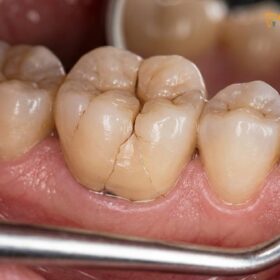
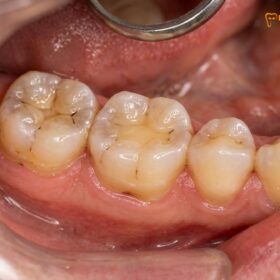
During episodes of nocturnal grinding, the masticatory muscles can exert forces up to six times greater than those generated during normal chewing. This immense pressure can cause catastrophic damage to the dentition, leading to fractured enamel, abfractions, flattened chewing surfaces, and the failure of dental restorations. Therefore, while exercises are vital for rehabilitating the muscles, passive mechanical protection is absolutely necessary to safeguard the teeth.
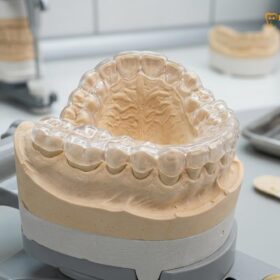
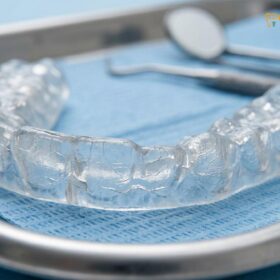
This is where a custom-fitted nightguard becomes an indispensable component of the treatment protocol. An occlusal splint, fabricated by a dental professional, acts as a protective barrier between the upper and lower arches. It absorbs and distributes the occlusal forces, preventing tooth-to-tooth contact. Furthermore, a properly adjusted hard acrylic night guard can provide an even, frictionless surface that allows the lower jaw to glide smoothly, reducing the strain on the TMJ and preventing the jaw from locking into a destructive grinding pattern.
Clinical Case Study: Comprehensive Bruxism Management
A 34-year-old patient presented to HCMC Dental Clinic in Ho Chi Minh City complaining of severe morning headaches, jaw stiffness, and noticeable wear on their anterior teeth. Clinical examination revealed masseter hypertrophy and bilateral TMJ tenderness. The patient was prescribed a dual-therapy approach. First, they were instructed to perform a daily regimen of resisted opening and goldfish exercises to alleviate the acute muscular spasm. Concurrently, digital impressions were taken to fabricate a custom hard acrylic night guard. At the four-week follow-up, the patient reported a 90% reduction in morning pain. The exercises successfully restored normal joint mobility, while the night guard effectively protected the teeth and mitigated the nocturnal forces, demonstrating the synergy of active physical therapy and passive occlusal protection.
Patients often wonder about the differences in protective devices. While over-the-counter options exist, a clinical comparison between custom and store-bought guards reveals that boil-and-bite guards are often too soft and bulky. Soft materials can actually stimulate the chewing reflex, causing the patient to clench harder during sleep. A custom-fabricated device, carefully adjusted to the patient’s specific bite, ensures optimal protection without exacerbating muscle activity. Understanding the clinical differences between hard and soft night guards is crucial for long-term success.
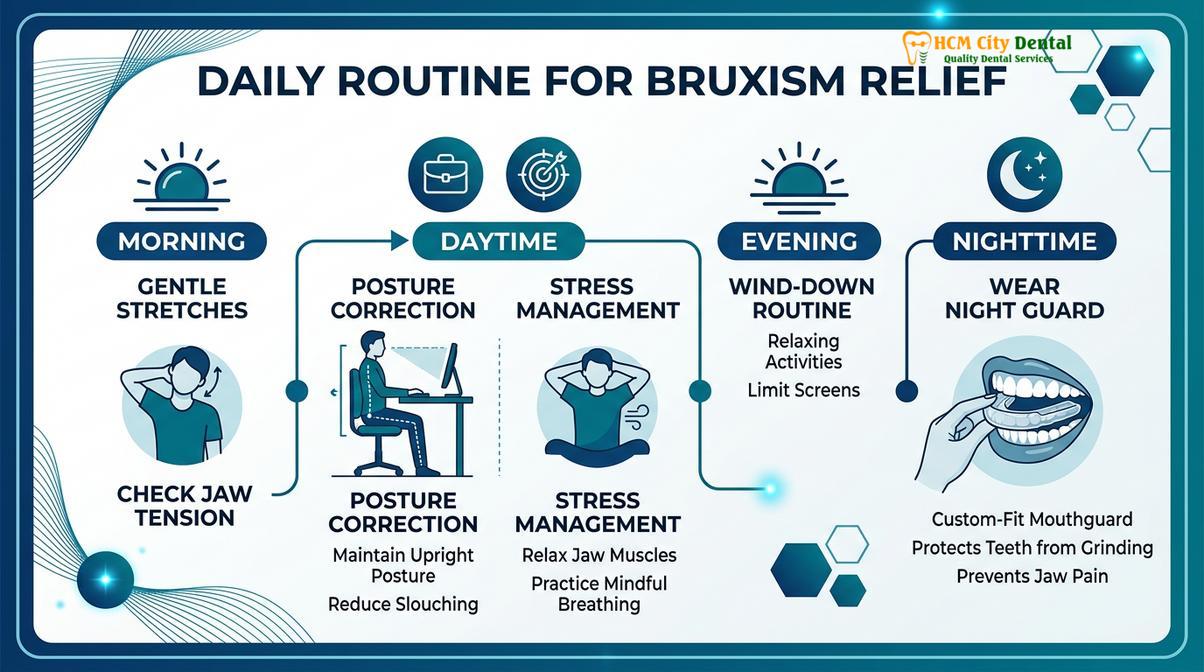
By combining daily jaw relaxation techniques with the nightly use of a custom splint, patients address both the muscular symptoms and the mechanical consequences of the disorder. This integrated approach is the gold standard for stopping the destructive cycle of teeth grinding and preserving long-term oral health.
When to See a Doctor
While jaw exercises for bruxism relief are generally safe and highly beneficial for muscular tension, they are not a substitute for professional medical or dental evaluation, especially when symptoms are severe or progressive. Temporomandibular joint disorders can stem from various etiologies, including osteoarthritis, rheumatoid arthritis, internal derangement of the disc, or structural jaw abnormalities. Attempting to self-treat a structural joint issue with stretching exercises can sometimes exacerbate the condition.
“Accurate diagnosis is the prerequisite for effective treatment. If a patient presents with acute joint locking or sharp, radiating pain, we must first rule out intracapsular pathology before initiating a physical therapy regimen. Exercises are powerful tools, but they must be applied to the correct clinical diagnosis.”
You should schedule a comprehensive evaluation with a dental professional if you experience any of the following “red flag” symptoms:
- Severe, sharp, or shooting pain in the jaw joint, face, or ear that does not improve with rest or gentle stretching.
- Limited mouth opening (lockjaw), where you are physically unable to open your mouth wider than a few fingers’ width.
- A sudden change in your bite (occlusion), where your upper and lower teeth no longer fit together correctly.
- Loud, painful clicking, popping, or grating (crepitus) sounds when opening or closing your mouth.
- Visible damage to your teeth, such as chipping, flattening, or increased tooth sensitivity, which indicates long-term clinical damage from bruxism.
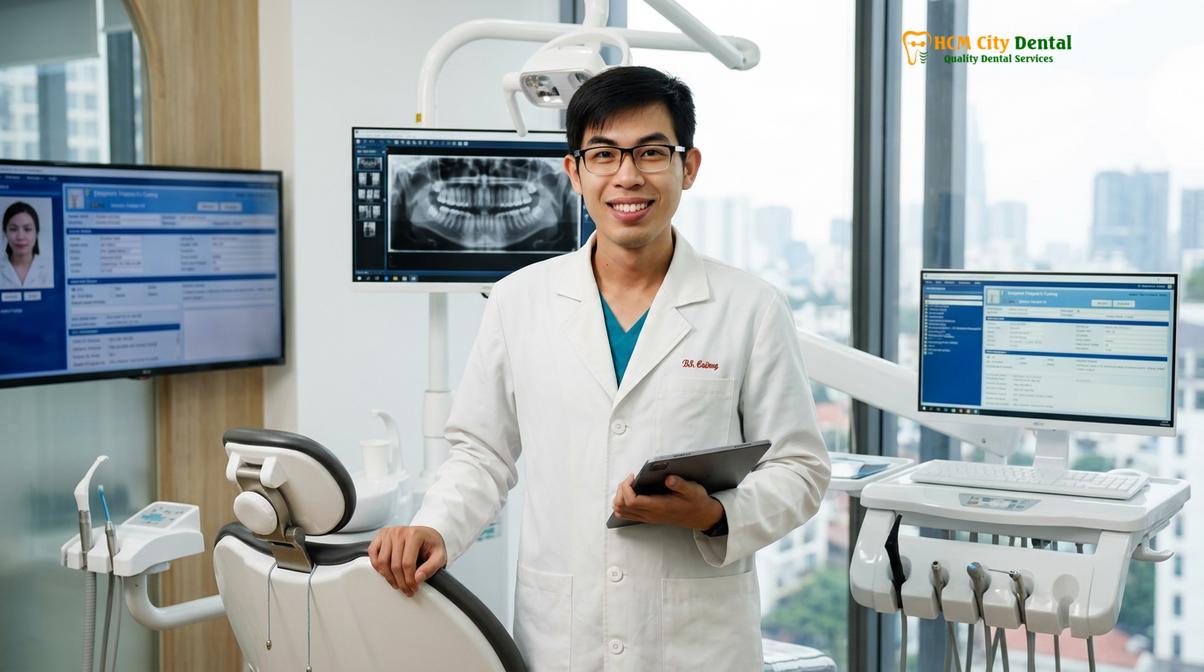
At HCMC Dental Clinic, Dr. Nguyen Van Cuong and the clinical team utilize advanced diagnostic imaging and comprehensive occlusal analysis to determine the exact root cause of your jaw pain. Based on these clinical diagnostics, a personalized treatment plan is developed, which may include custom occlusal splints, targeted physical therapy, or other advanced modalities to address the clinical causes of sleep grinding. Early intervention is critical to preventing irreversible damage to the TMJ and the dentition.
Frequently Asked Questions
Do jaw exercises really help bruxism?
Yes, jaw exercises are clinically proven to help manage bruxism by stretching hyperactive masticatory muscles and retraining neuromuscular posture. While they cannot cure the underlying neurological triggers of sleep bruxism, consistent practice significantly reduces daytime clenching, alleviates facial pain, and improves temporomandibular joint mobility. By breaking the cycle of chronic muscle spasm, exercises provide substantial symptomatic relief.
How often should I do jaw exercises?
For optimal therapeutic benefits, jaw exercises should be performed two to three times daily, ideally in the morning to relieve nocturnal stiffness and in the evening to release accumulated daytime tension. Consistency is more critical than intensity; performing gentle movements regularly yields better clinical outcomes than aggressive, infrequent stretching. Each session should only take a few minutes to complete.
Can exercises replace a night guard?
No, jaw exercises cannot replace a night guard for patients suffering from sleep bruxism. While exercises effectively manage daytime muscle tension and improve joint function, a custom night guard is required to physically protect the dentition from severe occlusal forces and enamel attrition during unconscious nocturnal grinding. The two therapies are complementary, not mutually exclusive.
Which exercises are best for TMJ?
The most effective exercises for TMJ dysfunction include the relaxed jaw position, goldfish exercises, and resisted mouth opening. These specific movements target the masseter and lateral pterygoid muscles, helping to stabilize the articular disc, reduce joint clicking, and promote a healthy, tension-free resting posture. Chin tucks are also highly recommended to address secondary cervical tension.
Should I exercise with jaw pain?
You should only perform jaw exercises if the pain is mild, muscular, and feels like a gentle stretch. If you experience sharp, shooting pain, sudden joint locking, or severe discomfort, you must stop immediately and consult a dental professional to rule out acute internal derangement of the TMJ. Pushing through sharp pain can cause further injury to the joint capsule.
References
- Journal of Oral Rehabilitation. Efficacy of physical therapy interventions for temporomandibular disorders and bruxism. (2021).
- American Academy of Orofacial Pain. Guidelines for the assessment and management of bruxism and TMJ. (2020).
- International Journal of Prosthodontics. Neuromuscular adaptations to masticatory muscle stretching. (2019).
- Journal of Clinical Medicine. The role of occlusal splints and physiotherapy in sleep bruxism. (2022).
- Cranio: The Journal of Craniomandibular & Sleep Practice. Cervical spine posture and its correlation with masticatory muscle tension. (2018).