Jaw clenching during the day, clinically known as awake bruxism, is an involuntary parafunctional habit where you tightly press your upper and lower teeth together while conscious. Often triggered by stress, anxiety, or intense concentration, this condition can lead to severe dental attrition, chronic facial pain, and complex temporomandibular joint (TMJ) disorders if left unmanaged.
Clinical Summary:
Daytime jaw clenching is a highly prevalent neuromuscular condition characterized by the sustained, forceful contraction of the masticatory muscles during waking hours. Unlike nocturnal grinding, which is primarily a sleep-related movement disorder, daytime clenching is heavily influenced by psychosocial factors, emotional stress, and cognitive focus. Prolonged clenching exerts excessive occlusal forces that surpass the physiological tolerance of the periodontium, leading to enamel micro-fractures, masseter muscle hypertrophy, and TMJ dysfunction. Clinical management requires a multidisciplinary approach, combining cognitive behavioral awareness, physical therapy, custom orthotic splints, and in severe cases, neuromodulator therapy to protect the dentition and restore neuromuscular harmony.
Key Takeaways:
- Daytime clenching is primarily driven by stress, anxiety, and deep concentration rather than sleep architecture.
- Chronic clenching can exert hundreds of pounds of force, leading to accelerated tooth wear and cracked teeth.
- Symptoms often manifest as dull facial pain, tension headaches, and unexplained tooth sensitivity.
- First-line treatment involves cognitive awareness techniques, such as the “lips together, teeth apart” resting posture.
- Custom-fabricated daytime splints provide a discreet, effective barrier to protect enamel without impeding speech.
Awake Bruxism vs Sleep Bruxism
Awake bruxism is a conscious, stress-induced parafunctional habit, whereas sleep bruxism is a subconscious sleep-related movement disorder linked to micro-arousals.
To effectively manage jaw tension, it is crucial to understand the clinical distinctions between the two primary classifications of bruxism. While both conditions involve the hyperactivation of the muscles of mastication—specifically the masseter, temporalis, and medial pterygoid—their etiologies, manifestations, and treatment protocols differ significantly. [1]
Awake Bruxism (Diurnal Bruxism): This condition is defined by the clenching or tapping of teeth during waking hours. It is rarely characterized by the lateral grinding motions seen at night; instead, it is a static, forceful pressing of the jaws. Awake bruxism is heavily correlated with psychosocial factors. When the brain perceives stress, the sympathetic nervous system activates the “fight or flight” response, leading to generalized muscle tension, which frequently localizes in the jaw. Furthermore, individuals engaged in tasks requiring intense cognitive focus—such as driving, reading, or computer work—often exhibit conscious bruxism without realizing it until muscle fatigue sets in.
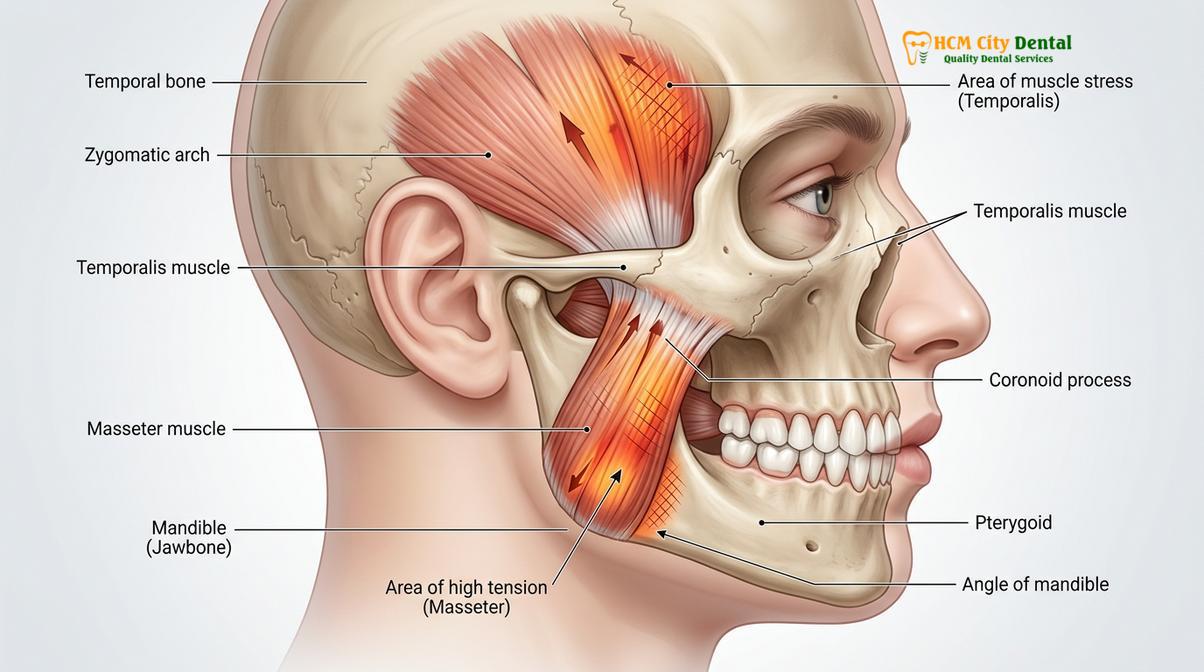
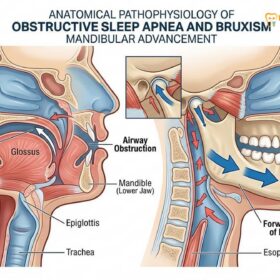
Sleep Bruxism (Nocturnal Bruxism): Classified as a sleep-related movement disorder, sleep bruxism occurs subconsciously. It is characterized by rhythmic masticatory muscle activity (RMMA) and is often associated with sleep micro-arousals, fluctuations in autonomic nervous system activity, and sleep-disordered breathing, such as Obstructive Sleep Apnea (OSA). Because the patient is asleep, the protective reflexes that normally limit bite force are suppressed, allowing the jaw to exert extreme pressure—sometimes up to 250 pounds of force per square inch—resulting in severe lateral grinding and tooth wear.
“The distinction between awake and sleep bruxism is fundamental in clinical dentistry. While sleep bruxism requires mechanical protection and airway assessment, awake bruxism demands cognitive behavioral intervention and stress modulation as the primary lines of defense.”
Understanding this distinction empowers patients to take an active role in their treatment. Because daytime clenching occurs while you are conscious, you possess the neurological capacity to intercept and modify the behavior once you become aware of the triggers.
Signs You Are Clenching During the Day
Recognizing daytime clenching involves identifying physical symptoms like dull facial pain, tension headaches, masseter hypertrophy, and unexplained tooth sensitivity.
Because jaw clenching during the day often occurs subconsciously while your attention is directed elsewhere, many patients remain unaware of the habit until secondary symptoms arise. The continuous isometric contraction of the jaw muscles deprives the tissue of adequate blood flow, leading to the accumulation of lactic acid and subsequent myalgia (muscle pain). [2]
Clinical signs and symptoms of daytime clenching are generally categorized into muscular, dental, and joint-related manifestations:
Muscular and Neurological Symptoms
The most immediate consequence of chronic clenching is muscle fatigue. Patients frequently report a dull, aching pain that radiates from the angle of the jaw up to the temples. This tension in the temporalis muscle is a primary catalyst for tension-type headaches, which often peak in the late afternoon or after periods of intense concentration. Over time, the masseter muscles may undergo hypertrophy (enlargement), giving the lower face a wider, more square appearance.
Dental Manifestations
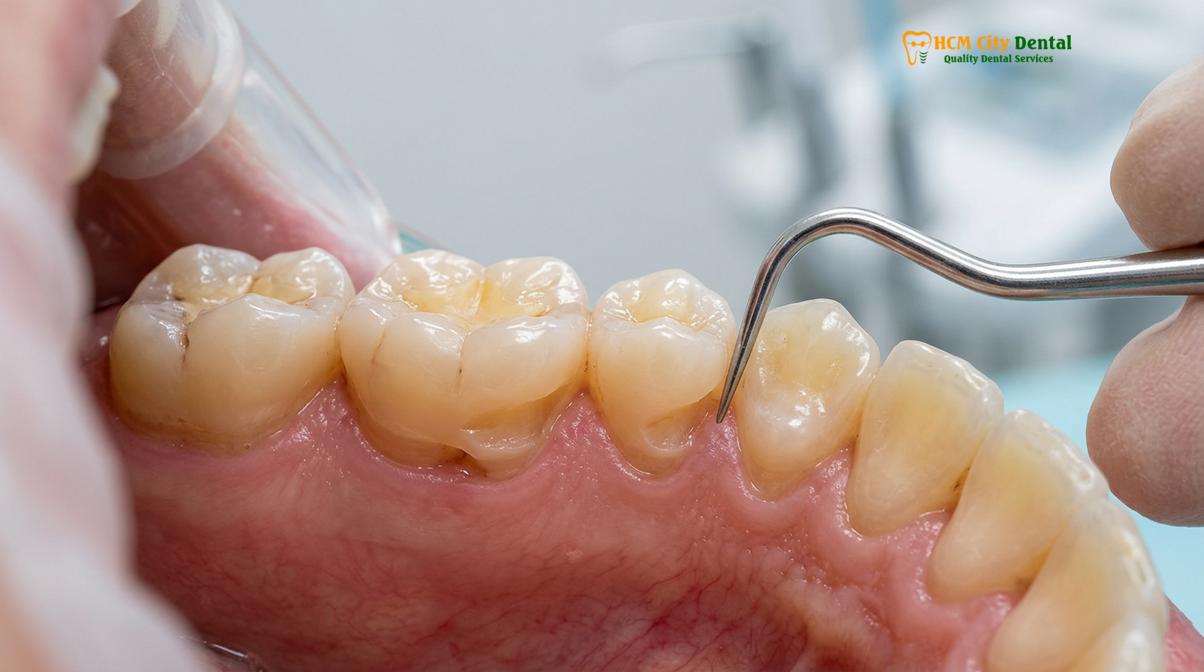
The teeth bear the brunt of the occlusal forces generated during clenching. Unlike normal chewing, which involves brief, intermittent contact, clenching subjects the teeth to sustained pressure. This leads to:
- Attrition: The flattening of the chewing surfaces of the teeth.
- Abfraction: V-shaped notches that appear at the gumline, caused by the flexing of the tooth under extreme pressure, which chips away the brittle enamel rods at the cervical margin.
- Hypersensitivity: As enamel wears away and dentin is exposed, teeth become highly sensitive to thermal changes (hot and cold).
- Fractures: Micro-cracks can propagate through the tooth structure, eventually leading to catastrophic fractures requiring crowns or extraction.
Temporomandibular Joint (TMJ) Dysfunction
The TMJ is a complex hinge joint cushioned by an articular disc. Sustained clenching compresses this joint space, potentially displacing the disc. This can result in clicking, popping, or grating sounds (crepitus) when opening or closing the mouth, restricted jaw movement, and localized pain directly in front of the ear.
| Symptom Category | Specific Clinical Signs | Patient Experience |
|---|---|---|
| Muscular | Masseter hypertrophy, myalgia, trigger points | Facial soreness, tension headaches, jaw fatigue |
| Dental | Attrition, abfraction, widened periodontal ligament | Tooth sensitivity, chipped edges, loose teeth |
| Joint (TMJ) | Disc displacement, capsulitis, osteoarthritis | Clicking/popping, limited opening, earache |
Stress and Work-Related Triggers
High-stress environments, emotional anxiety, and prolonged periods of deep concentration frequently trigger involuntary jaw muscle contractions during waking hours.
The etiology of awake bruxism is deeply intertwined with the central nervous system’s response to psychological and emotional stimuli. When an individual experiences stress, anxiety, or frustration, the body’s sympathetic nervous system initiates a cascade of physiological changes. Catecholamines, such as adrenaline and noradrenaline, are released, increasing heart rate, elevating blood pressure, and priming the skeletal muscles for action. [3]
In modern sedentary lifestyles, this “fight or flight” energy is rarely expended through physical exertion. Instead, the tension is internalized, frequently manifesting as localized muscle contractions in the neck, shoulders, and jaw. The masticatory system becomes an involuntary outlet for emotional stress.
The Role of Posture and “Tech Neck”
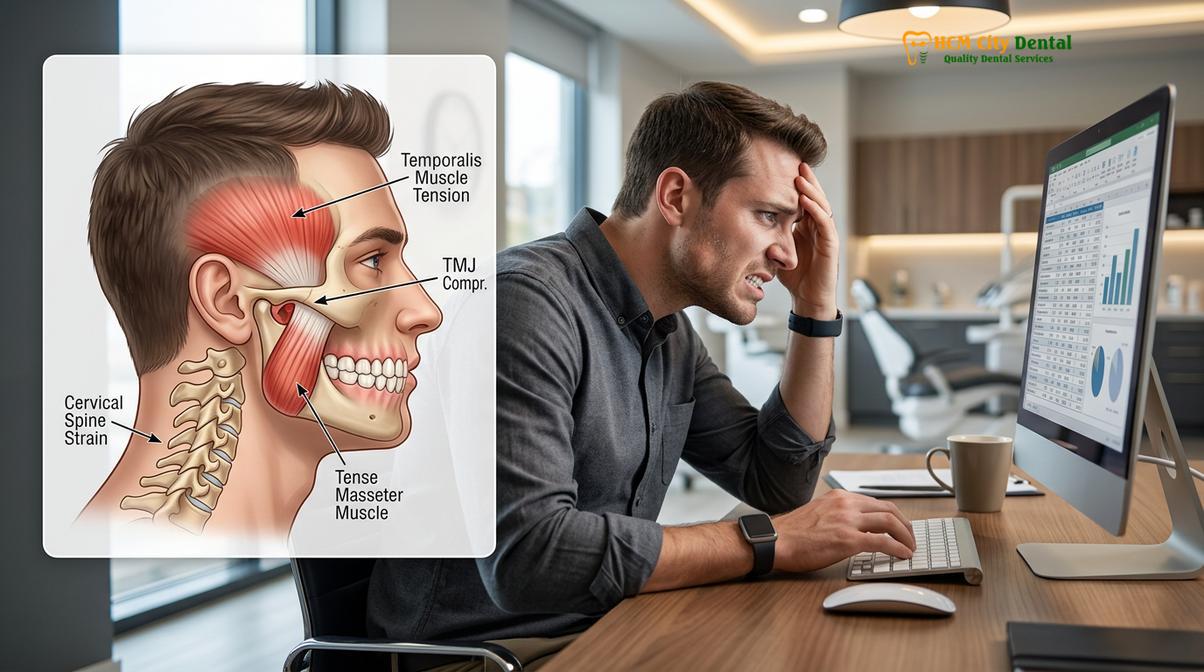
Beyond emotional stress, physical ergonomics play a critical role in daytime clenching. The modern workplace often requires hours of sitting in front of a computer screen, leading to a forward head posture commonly referred to as “tech neck.” This misalignment alters the biomechanics of the craniocervical region. When the head is positioned forward, the suprahyoid and infrahyoid muscles stretch, pulling the mandible backward and downward. To compensate and maintain a closed mouth, the masseter and temporalis muscles must remain in a constant state of low-grade contraction, significantly increasing the likelihood of clenching.
Clinical Case Study: Managing Work-Induced Bruxism
A 34-year-old software engineer presented to HCMC Dental Clinic in Ho Chi Minh City complaining of severe afternoon headaches and chipped lower incisors. Upon clinical examination, Dr. Nguyen Van Cuong noted significant masseter hypertrophy and bilateral abfraction lesions. The patient reported high stress levels and spending over 10 hours a day coding with poor posture. Dr. Cuong diagnosed the patient with severe awake bruxism. The treatment plan included fabricating an ultra-thin daytime splint, ergonomic counseling to correct cervical posture, and a referral for physical therapy. Within four weeks, the patient reported a 90% reduction in facial pain and headache frequency.
Identifying these triggers is the foundational step in treating conscious bruxism. Without addressing the underlying psychosocial and postural factors, mechanical interventions will only offer symptomatic relief rather than a comprehensive cure.
Self-Awareness Techniques
Cognitive behavioral strategies and biofeedback are primary conservative methods to interrupt and unlearn the habit of daytime clenching.
Because daytime clenching is a habit that occurs while you are awake, the most effective first-line treatment involves cognitive behavioral modification. The goal is to transition the subconscious habit into the conscious mind, allowing you to actively interrupt the muscle contraction and establish a new, healthy baseline for jaw posture.
The “Lips Together, Teeth Apart” Posture
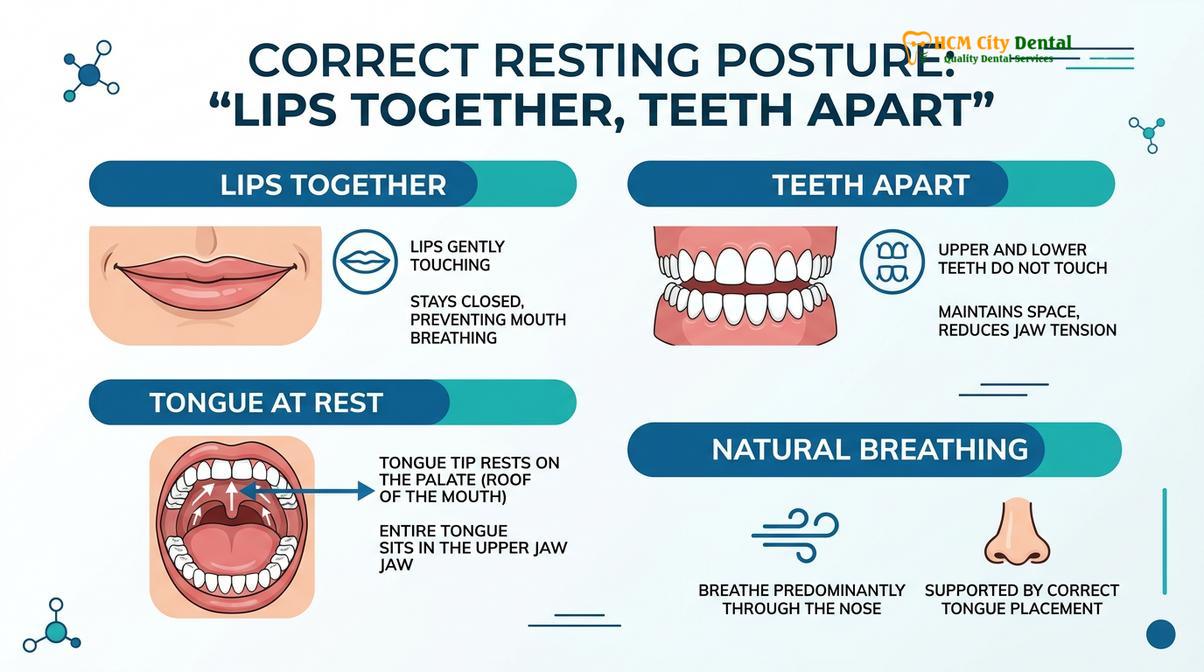
The fundamental principle of jaw relaxation is understanding the physiological rest position of the mandible. In a healthy state, your teeth should only touch during chewing and swallowing—totaling less than 20 minutes per day. For the remaining hours, the jaw should be in a state of freeway space. The clinical mantra to achieve this is “lips together, teeth apart.”
To find this resting position, place the tip of your tongue gently against the incisive papilla (the small ridge of tissue on the roof of your mouth, just behind your upper front teeth). Allow your lips to close softly, and let your lower jaw drop slightly so there is a 2-3 millimeter gap between your upper and lower teeth. This tongue posture naturally inhibits the masseter muscles from contracting forcefully.
Visual Cues and Biofeedback
Breaking a deeply ingrained habit requires frequent reminders. Many clinicians recommend placing visual cues in environments where clenching is most likely to occur. Sticky notes on your computer monitor, steering wheel, or bathroom mirror with the word “Relax” or “Teeth Apart” can serve as effective cognitive interrupts. Additionally, smartphone applications can be programmed to vibrate or chime at random intervals throughout the day, prompting you to perform a quick “jaw check” and release any accumulated tension.
Diaphragmatic Breathing and Stress Modulation
Since stress is a primary driver of jaw tension, incorporating relaxation techniques into your daily routine is essential. Diaphragmatic breathing (deep belly breathing) stimulates the vagus nerve, activating the parasympathetic nervous system, which counteracts the stress response. Taking five minutes every few hours to perform deep, controlled breathing can significantly lower systemic muscle tension, including the muscles of mastication.
When a Daytime Splint Helps
A daytime splint provides a physical barrier to protect enamel and proprioceptive feedback to relax the jaw muscles during waking hours.
While self-awareness techniques are highly effective, they require time and consistent effort to yield results. During this transition period, or in cases where the clenching habit is deeply entrenched and causing immediate structural damage to the teeth, a daytime splint (also known as a daytime occlusal guard) becomes a necessary clinical intervention. [4]
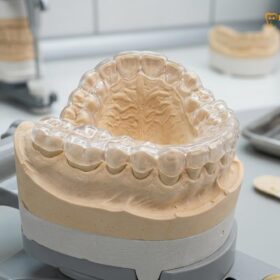
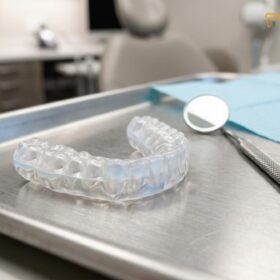
Unlike nocturnal guards, which are typically thicker and designed to withstand the extreme forces of sleep bruxism, daytime splints are engineered for discretion and functionality. They are usually fabricated from a thin, rigid, or semi-rigid acrylic material and are most commonly designed to fit over the lower arch of teeth. This ultra-thin profile ensures that the appliance does not interfere with normal speech patterns or aesthetic appearance, allowing the patient to wear it comfortably in professional and social settings.
Mechanism of Action
A daytime splint serves two primary functions:
- Mechanical Protection: It acts as a physical barrier, absorbing and distributing occlusal forces to prevent enamel attrition, abfraction, and tooth fractures.
- Proprioceptive Feedback: The presence of the splint alters the sensory feedback from the periodontal ligaments. When the patient begins to clench, the unfamiliar sensation of the acrylic against the opposing teeth acts as an immediate physical reminder to relax the jaw, thereby aiding in the cognitive behavioral modification process.
Clinical Warning: Avoid Over-the-Counter Guards
Do not use over-the-counter “boil-and-bite” mouthguards for prolonged daytime use. These soft, bulky appliances often stimulate the chewing reflex, inadvertently increasing muscle activity and exacerbating clenching. Furthermore, poorly fitted guards can alter your natural occlusion (bite), leading to severe TMJ complications. Always seek a custom-fabricated appliance from a licensed dental professional.
For patients requiring comprehensive protection, exploring custom-fitted protective dental appliances is a critical step in preserving long-term oral health and preventing irreversible damage to the dentition.
Professional Treatment Options
Clinical management of awake bruxism ranges from custom orthotic devices and physical therapy to neuromodulator injections for muscle relaxation.
When conservative self-management and daytime splints are insufficient to control severe daytime clenching, a more advanced clinical approach is required. At HCMC Dental Clinic, the treatment philosophy centers on addressing both the symptoms and the root causes of masticatory dysfunction through a comprehensive, multidisciplinary strategy.
Dental and Occlusal Interventions
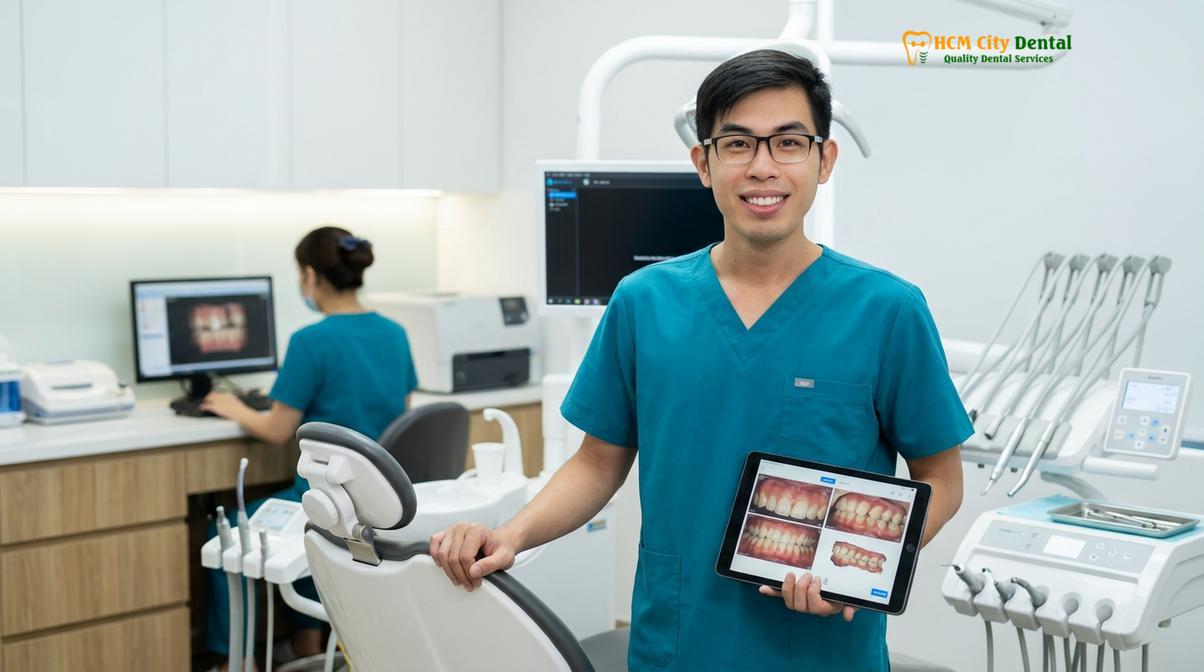
The first step in professional management is a thorough occlusal analysis. In some cases, premature contacts or interferences in the bite can trigger proprioceptive reflexes that cause the jaw to clench in an attempt to find a stable resting position. An occlusal equilibration—a precise, micro-adjustment of the biting surfaces—may be performed to harmonize the bite. Additionally, any teeth that have suffered severe attrition or structural compromise must be restored using composite bonding, onlays, or crowns to re-establish proper vertical dimension and function.
Pharmacological Management
During acute flare-ups of TMJ pain and muscle spasms, pharmacological intervention may be utilized as a short-term adjunct. Non-steroidal anti-inflammatory drugs (NSAIDs) can help reduce joint inflammation, while muscle relaxants prescribed for a brief duration can break the cycle of severe muscle spasms. However, these medications are not a long-term solution due to potential side effects and the risk of dependency.
Neuromodulator Therapy (Botox)
For refractory cases of severe masseter hypertrophy and intractable clenching, Botulinum toxin (Botox) injections have emerged as a highly effective, albeit off-label, therapeutic option. [5] By injecting precise units of the neuromodulator directly into the masseter and temporalis muscles, the release of acetylcholine is temporarily blocked, reducing the muscle’s ability to contract with extreme force.
“Targeted neuromodulator therapy does not paralyze the jaw; it simply weakens the hyperactive muscle fibers enough to prevent destructive clenching forces while fully preserving normal chewing and speaking functions.”
This treatment not only provides profound relief from facial pain and headaches but also induces a gradual atrophy of the enlarged masseter muscles, often resulting in a more contoured, aesthetically pleasing jawline. The effects typically last between three to six months, during which time the patient can focus on cognitive behavioral therapies without the distraction of chronic pain.
Dr. Nguyen Van Cuong emphasizes that while Botox is a powerful tool, it should be integrated into a broader treatment plan that includes stress management, physical therapy, and occlusal protection to achieve sustainable, long-term results.
When to See a Doctor
While occasional jaw tension during a stressful day is normal, chronic clenching requires professional evaluation to prevent irreversible damage. You should schedule a comprehensive clinical examination if you experience any of the following red flag symptoms:
- Persistent, dull aching in the jaw, face, or temples that does not resolve with rest.
- Difficulty or pain when opening your mouth wide, chewing, or speaking.
- A jaw that frequently locks in an open or closed position.
- Noticeable wearing down, chipping, or fracturing of your teeth.
- Increased tooth sensitivity to hot, cold, or sweet stimuli.
- Frequent tension headaches or migraines that originate from the temporal region.
Early intervention is paramount. A thorough diagnostic assessment, including digital imaging and occlusal analysis, will allow your dental team to formulate a personalized treatment plan tailored to your specific anatomical and lifestyle needs.
Frequently Asked Questions
Is daytime clenching the same as bruxism?
Yes, daytime clenching is a specific form of bruxism clinically known as awake bruxism. While sleep bruxism occurs subconsciously during the night, awake bruxism is a conscious or semi-conscious parafunctional habit typically triggered by stress, anxiety, or deep concentration during waking hours. Both conditions involve hyperactive jaw muscles but require different management strategies.
Can jaw clenching cause headaches?
Yes, chronic jaw clenching frequently causes tension headaches. The continuous contraction of the masseter and temporalis muscles radiates pain to the temples and forehead, often mimicking the symptoms of a severe tension headache or even triggering migraine episodes in susceptible individuals. Relieving jaw tension often directly resolves these headaches.
How to train yourself to stop clenching?
You can train yourself to stop clenching through cognitive behavioral techniques and biofeedback. The most effective method is practicing the “lips together, teeth apart” resting posture, setting hourly visual reminders, and utilizing diaphragmatic breathing to consciously relax the masticatory muscles. Consistency is key to reprogramming this neuromuscular habit.
Do you need a guard for daytime bruxism?
A daytime guard is highly recommended if conscious habit reversal techniques fail to prevent enamel damage or muscle pain. Daytime splints are fabricated to be ultra-thin, usually fitting over the lower teeth, allowing you to speak clearly while providing a protective barrier and a physical reminder to relax your jaw.
Can Botox help with jaw clenching?
Botulinum toxin (Botox) injections can be a highly effective off-label treatment for severe jaw clenching. By injecting the neuromodulator directly into the masseter muscles, it temporarily reduces muscle contractility, alleviating pain and preventing the extreme force that damages teeth, without affecting your ability to chew or speak normally.
References
- Journal of Oral Rehabilitation. Epidemiology of awake and sleep bruxism. (2021).
- American Academy of Orofacial Pain. Guidelines for assessment and management of TMD. (2020).
- Journal of Clinical Medicine. Psychosocial factors and awake bruxism. (2022).
- International Journal of Prosthodontics. Efficacy of occlusal splints in bruxism management. (2019).
- Journal of Dental Research. Botulinum toxin applications in masticatory muscle hyperactivity. (2023).