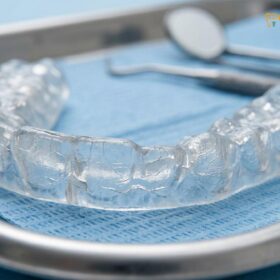
A mouth guard made by a dentist is a custom-fitted oral appliance designed to protect teeth from grinding, sports trauma, or sleep apnea. Unlike over-the-counter options, these professional guards offer superior retention, precise occlusal alignment, and durable materials tailored to your specific clinical needs.
Clinical Summary:
Custom dental mouth guards represent the gold standard in preventive oral care for bruxism, athletic trauma, and mild to moderate sleep apnea. Fabricated through precise digital or physical impressions, these appliances are engineered in a dental laboratory to fit the unique topography of a patient’s dentition. The clinical superiority of a mouth guard made by a dentist lies in its ability to distribute occlusal forces evenly, protect the temporomandibular joint (TMJ), and maintain airway patency without causing soft tissue irritation. By selecting the appropriate material—ranging from soft ethylene-vinyl acetate (EVA) to hard polymethyl methacrylate (PMMA)—dentists can address specific pathologies effectively. While the initial investment is higher than store-bought alternatives, the long-term protection against enamel attrition, tooth fractures, and complex restorative interventions makes custom guards a highly cost-effective medical intervention.
Key Takeaways:
- Custom mouth guards provide precise, individualized protection against teeth grinding, sports injuries, and sleep apnea.
- The clinical workflow involves accurate impressions, laboratory fabrication, and meticulous bite adjustments by a professional.
- Materials are specifically chosen based on the patient’s diagnosis, including soft, hard, and dual-laminate options.
- Custom appliances significantly outperform over-the-counter boil-and-bite guards in retention, comfort, and durability.
- Investing in a professional guard helps prevent severe dental trauma, ultimately saving patients from costly restorative procedures.
Clinical Indications: Why Dentists Prescribe Custom Mouth Guards
Custom dental guards are clinically prescribed to prevent tooth wear from bruxism, protect against sports-related trauma, and manage obstructive sleep apnea.
The oral cavity is subjected to immense forces daily, whether through subconscious habits, athletic impacts, or anatomical airway restrictions. A mouth guard made by a dentist is not a generic piece of plastic; it is a carefully calibrated medical device designed to mitigate these specific forces. Understanding the clinical indications for these appliances is the first step in recognizing their value in comprehensive General Dentistry.
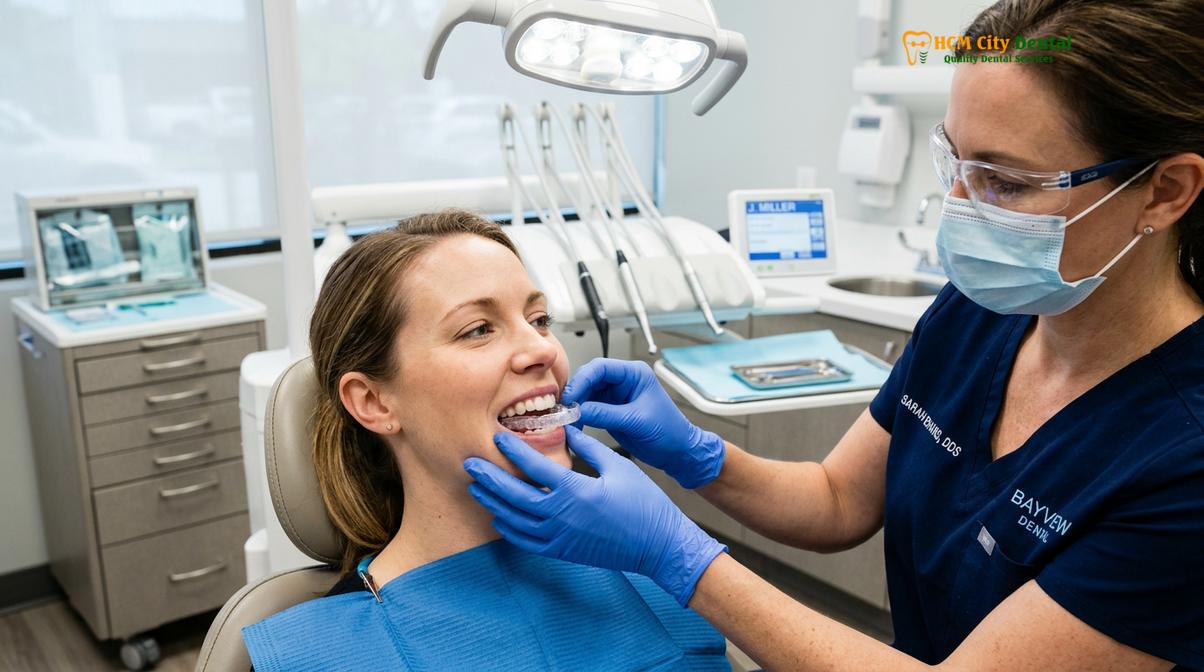
Bruxism: Nocturnal and Diurnal Teeth Grinding
Bruxism is a condition characterized by the involuntary grinding, gnashing, or clenching of teeth. It can occur during the day (diurnal bruxism) or, more commonly, during sleep (nocturnal sleep bruxism). The human masseter muscles are incredibly powerful, capable of exerting hundreds of pounds of force per square inch. When this force is directed tooth-on-tooth without the buffer of food, the results can be devastating to the dental anatomy [1].
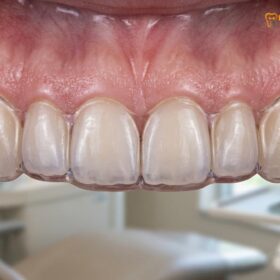
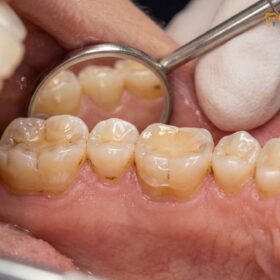
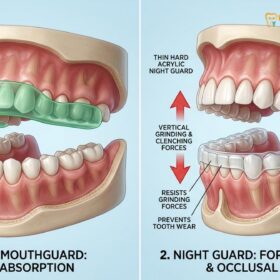
Over time, untreated bruxism leads to severe enamel attrition (wearing down of the biting surfaces), abfraction (notches at the gumline), micro-cracks, and eventually, catastrophic tooth fractures. Furthermore, the constant muscle tension often translates into temporomandibular joint (TMJ) dysfunction, manifesting as chronic morning headaches, jaw pain, and restricted mouth opening. A custom night guard acts as a protective barrier, absorbing and redistributing these occlusal forces, thereby preserving the natural dentition and relaxing the masticatory muscles.
Sports Protection and Trauma Prevention
Athletic activities, particularly contact sports such as rugby, boxing, martial arts, hockey, and basketball, carry a high risk of orofacial trauma. Dental injuries in sports can range from soft tissue lacerations (lips and cheeks) to chipped teeth, root fractures, and complete avulsion (a tooth being knocked completely out of its socket).
A custom sports guard fabricated by a dentist provides a critical shock-absorbing layer. Unlike thin, poorly fitting store-bought guards, a professional sports guard is designed with specific thickness protocols—often incorporating multiple laminated layers—to dissipate the kinetic energy of a direct blow to the face [2]. This precise fit ensures the guard stays securely in place during intense physical exertion, allowing the athlete to breathe and communicate clearly without the appliance dislodging.
Obstructive Sleep Apnea and Snoring Management
Beyond protecting teeth, specialized mouth guards are utilized in dental sleep medicine. Obstructive sleep apnea (OSA) occurs when the soft tissues at the back of the throat collapse during sleep, temporarily blocking the airway. This leads to fragmented sleep, chronic fatigue, and significant cardiovascular risks.
For patients with mild to moderate OSA, or those who cannot tolerate a CPAP machine, a dentist can fabricate a Mandibular Advancement Device (MAD). This specific type of mouth guard gently holds the lower jaw in a forward position, preventing the tongue and soft tissues from collapsing backward, thus keeping the airway patent throughout the night [3].
The Clinical Workflow: How a Mouth Guard is Made by a Dentist
The fabrication process involves precise digital or physical impressions, specialized laboratory construction, and meticulous occlusal adjustments by your dentist.
The creation of a custom oral appliance is a multi-step clinical process that requires precision, anatomical knowledge, and skilled laboratory technicians. The workflow ensures that the final product integrates seamlessly with the patient’s unique biomechanics.
Step 1: Comprehensive Examination and Diagnosis
Before any appliance is made, a thorough clinical examination is mandatory. The dentist will evaluate the patient’s occlusion (bite), TMJ health, periodontal status, and the extent of any existing tooth wear. X-rays may be taken to rule out underlying pathologies such as root fractures or bone loss. This diagnostic phase determines the exact type, thickness, and material of the mouth guard required.
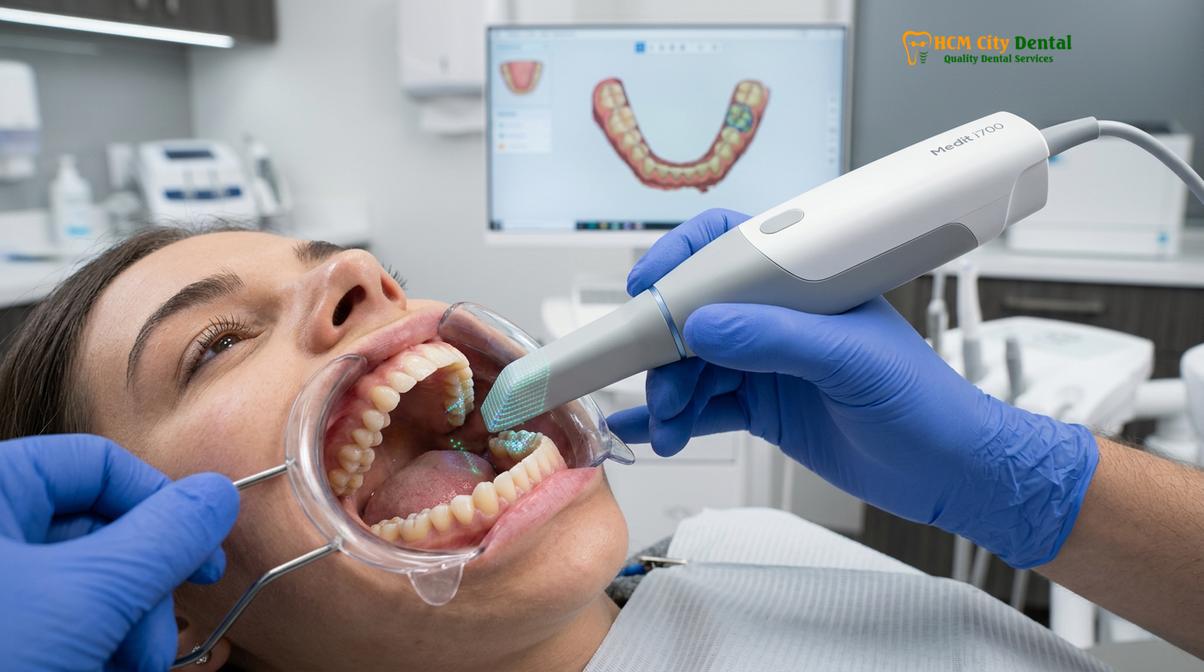
Step 2: Capturing Precise Impressions
To create a guard that fits perfectly, the dentist must capture an exact replica of the patient’s teeth and gums. This is achieved through one of two methods:
- Traditional Physical Impressions: Using a high-quality elastomeric material (like polyvinyl siloxane) or alginate, the dentist fills a tray and places it over the teeth. Once set, it creates a negative mold of the dental arch.
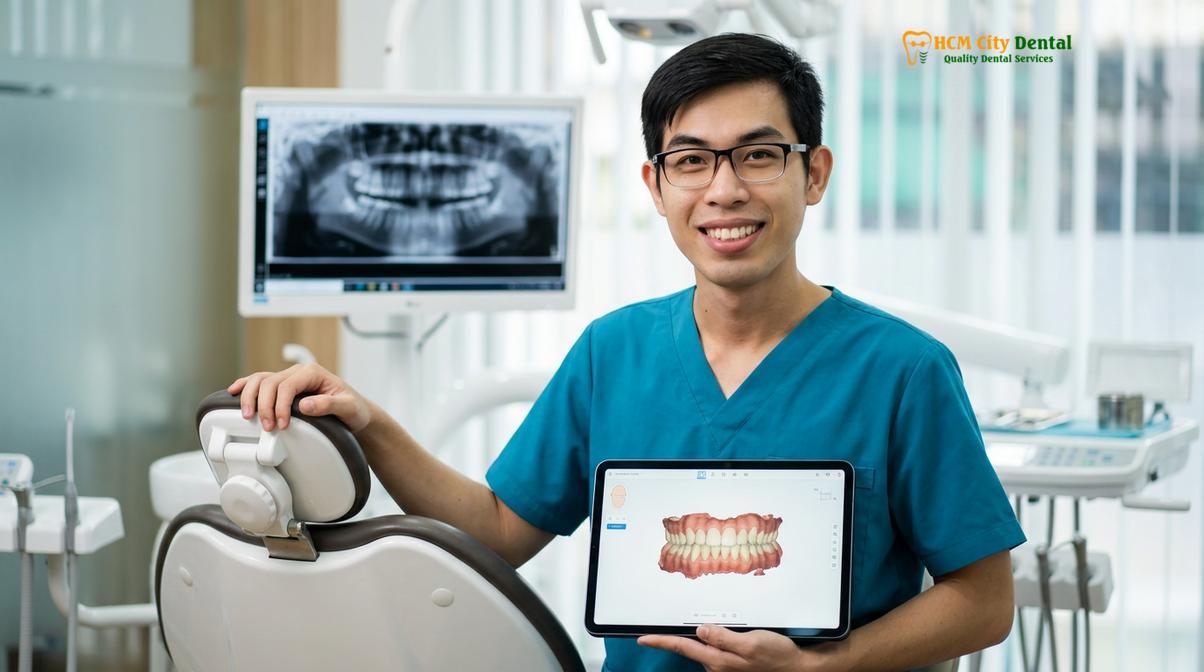
- Digital Intraoral Scanning: Modern clinics frequently utilize 3D intraoral scanners. A wand captures thousands of images per second, stitching them together to create a highly accurate, distortion-free digital 3D model of the mouth. This method is highly comfortable for patients with a strong gag reflex.
Step 3: Laboratory Fabrication
The physical mold or digital file is sent to a dental laboratory. Here, a technician creates a positive stone model or 3D-prints a resin model of the patient’s teeth. The mouth guard is then fabricated using specialized equipment. For example, a pressure thermoforming machine uses high heat and positive pressure to adapt the guard material intimately to the model, ensuring a much tighter and more accurate fit than the simple vacuum-forming used in cheaper alternatives.
“The precision of a laboratory-fabricated mouth guard allows for exact control over the occlusal contacts, ensuring that the jaw muscles can rest in a physiologically neutral position, which is impossible to achieve with over-the-counter boil-and-bite products.”
Step 4: Delivery and Occlusal Equilibration
Once the guard is returned to the clinic, the delivery appointment takes place. The dentist will seat the guard in the patient’s mouth to check for retention, comfort, and soft tissue clearance. Crucially, the dentist will use articulating paper to check the patient’s bite against the guard. Adjustments are made using an acrylic bur to ensure that all teeth contact the guard evenly simultaneously. This occlusal equilibration prevents the jaw from shifting into an unnatural position, which could otherwise trigger TMJ pain.
Material Science: Types of Custom Dental Guards
Dentists select from soft, hard acrylic, or dual-laminate hybrid materials based on the severity of your grinding or specific athletic requirements.
Not all mouth guards are created equal. The choice of material is a critical clinical decision based on the patient’s specific diagnosis, the severity of their symptoms, and their tolerance for oral appliances.
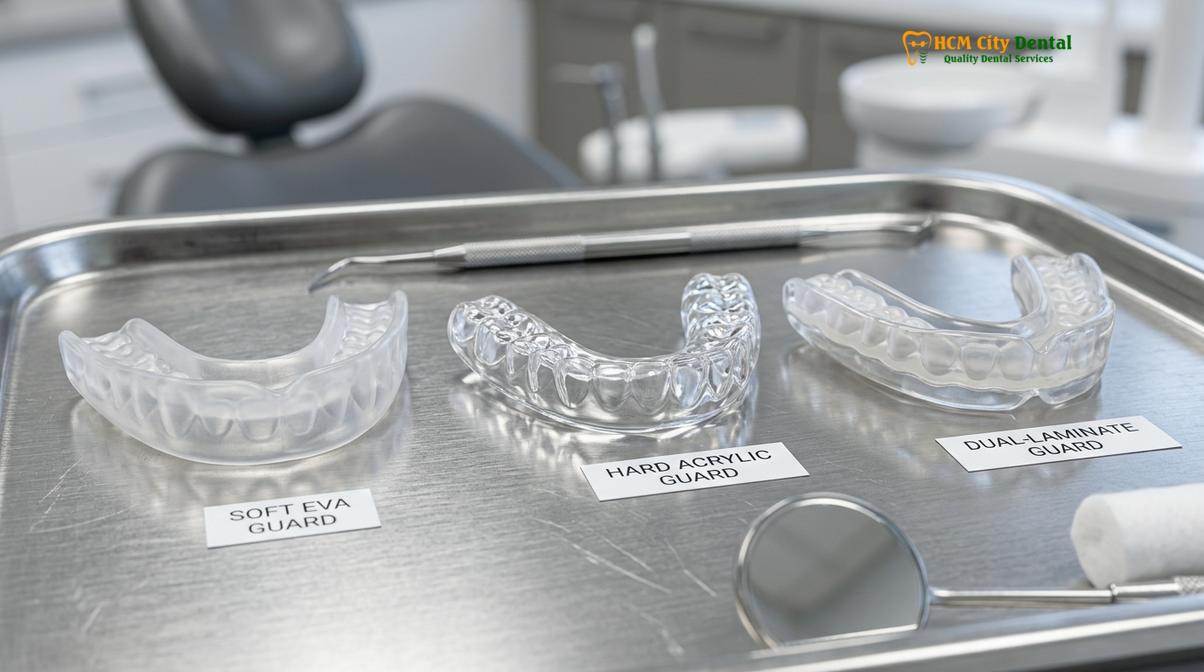
Soft Mouth Guards
Soft guards are typically fabricated from flexible materials like Ethylene-Vinyl Acetate (EVA). They are generally thinner (around 1.5mm to 2mm) and highly comfortable.
Indications: Soft guards are best suited for patients with mild clenching habits rather than heavy grinding. They act as a cushion, absorbing the pressure of clenching. However, they are generally contraindicated for severe bruxers, as the soft, chewy texture can sometimes inadvertently stimulate the masseter muscles to chew on the guard, potentially worsening muscle fatigue.
Hard Acrylic Night Guards
Hard guards are made from rigid materials such as Polymethyl Methacrylate (PMMA) or advanced hard thermo-plastics. They are highly durable and do not flex under pressure.
Indications: These are the gold standard for severe bruxism and patients with significant TMJ disorders. The rigid surface allows the opposing teeth to glide smoothly over the guard without catching, which helps to disengage the jaw muscles and reduce grinding activity. While they may take a few nights to get used to, they offer the longest lifespan and the highest level of protection against tooth wear [4].
Dual-Laminate (Hybrid) Guards
Dual-laminate guards combine the best of both worlds. They feature a soft, comfortable inner layer that rests against the teeth and gums, bonded to a hard, durable outer layer that faces the opposing teeth.
Indications: Hybrid guards are excellent for moderate to heavy grinders who find solid hard acrylic guards too rigid or uncomfortable. The hard outer shell provides the necessary durability and smooth gliding surface, while the soft inner lining ensures a snug, comfortable fit that is easier to adapt to during sleep.
Clinical Case Study: Managing Severe Attrition
A 42-year-old patient presented to HCMC Dental Clinic in Ho Chi Minh City complaining of chronic morning jaw pain and increasing tooth sensitivity. Clinical examination revealed severe enamel attrition on the molars and micro-cracking on the incisors, indicative of heavy nocturnal bruxism. Dr. Nguyen Van Cuong prescribed a custom hard acrylic night guard. Following digital impressions and laboratory fabrication, the guard was delivered and precisely adjusted to balance the patient’s bite. Within two weeks, the patient reported a complete cessation of morning jaw pain, and the hard appliance successfully halted any further degradation of the natural tooth structure.
Custom vs. Over-the-Counter: A Clinical Comparison
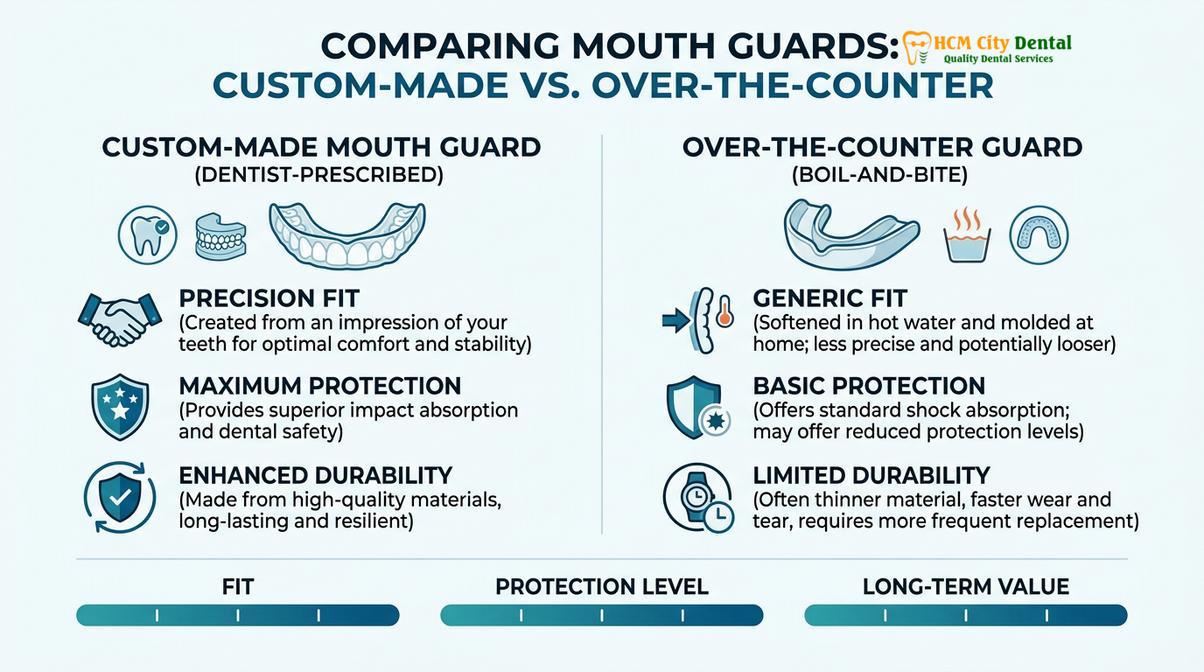
While store-bought guards offer immediate availability, custom-made appliances provide unparalleled fit, longevity, and protection without compromising your airway or bite.
Many patients initially attempt to manage their symptoms using over-the-counter (OTC) “boil-and-bite” mouth guards due to their low initial cost and immediate availability. However, from a clinical perspective, these mass-produced items present significant limitations and potential risks.
Boil-and-bite guards are made from a thermoplastic material that is softened in hot water and then bitten into to create a rough mold. Because the material must be soft enough to mold at home, it is inherently less durable than laboratory-processed acrylics. Furthermore, the adaptation to the teeth is often poor, resulting in a bulky appliance that can easily dislodge during sleep or athletic activity.
Clinical Warning: Using a poorly fitted over-the-counter mouth guard for severe bruxism can alter your natural bite over time. If the guard does not provide even occlusal contacts, it can force the jaw into an unnatural position, potentially triggering or exacerbating Temporomandibular Joint (TMJ) disorders.
To clearly illustrate the differences, consider the following clinical comparison:
| Feature | Custom Mouth Guard (Dentist Made) | Over-the-Counter (Boil-and-Bite) |
|---|---|---|
| Fit and Retention | Precise, snap-on fit; will not fall out during sleep or sports. | Loose, bulky; often requires clenching to hold in place. |
| Material Durability | High-density laboratory materials; lasts 1 to 5+ years. | Soft, easily chewed through; often lasts only a few months. |
| Occlusal Balance | Professionally adjusted for even bite distribution. | Uneven bite; can cause jaw shifting and TMJ pain. |
| Airway and Speech | Streamlined design allows for normal breathing and clear speech. | Bulky material can obstruct breathing and impede speech. |
| Protection Level | Maximum protection; scientifically proven shock absorption. | Minimal protection; false sense of security during high impacts. |
Understanding the Dental Mouth Guard Cost and Longevity
The initial investment in a custom guard is offset by its durability and its ability to prevent expensive restorative dental work in the future.
When patients are presented with a treatment plan, the dental mouth guard cost is often a primary consideration. It is true that a custom appliance fabricated in a dental laboratory carries a higher upfront price tag than a pharmacy alternative. However, this cost must be evaluated through the lens of preventive healthcare and long-term return on investment.
The fee for a custom guard encompasses the dentist’s diagnostic expertise, the precision impression materials or digital scanning technology, the laboratory fabrication fees, and the clinical time required for meticulous occlusal adjustments. Depending on the material chosen and the complexity of the case, the dental mouth guard cost is a fraction of what it would cost to repair the damage caused by unprotected bruxism or sports trauma.
Consider the alternative: severe teeth grinding can fracture porcelain crowns, crack natural teeth down to the root, and wear away enamel until the sensitive dentin is exposed. Repairing this damage often requires root canals, custom crowns, or even dental implants. By investing in a professional mouth guard, patients are effectively purchasing an insurance policy for their smile, preventing thousands of dollars in future restorative work.
“Preventive dentistry is always more conservative and cost-effective than restorative dentistry. A custom night guard is one of the most powerful preventive tools we have to protect the structural integrity of the entire masticatory system.”
Furthermore, the longevity of a custom guard significantly outpaces OTC options. While a boil-and-bite guard may need replacing every three to six months, a well-maintained hard acrylic custom guard can last several years, making the annualized dental mouth guard cost highly economical [5].
Maintenance and Clinical Hygiene
Proper daily cleaning and safe storage are essential to prevent bacterial buildup, avoid material warping, and maximize the lifespan of your custom mouth guard.
To ensure your custom mouth guard remains hygienic and structurally sound, strict adherence to maintenance protocols is required. The oral cavity harbors millions of bacteria, and an uncleaned appliance can quickly become a breeding ground for plaque, calculus, and odor-causing microbes.
Daily Cleaning Protocols
Upon removing the guard in the morning, it should be rinsed immediately with cool water to remove saliva and debris. It is highly recommended to brush the appliance daily using a soft-bristled toothbrush and a mild, non-abrasive soap (such as clear dish soap) or a specialized dental appliance cleaner.
Patients must avoid using regular toothpaste, as the abrasives in toothpaste can create micro-scratches on the surface of the acrylic. These scratches not only dull the appearance of the guard but also provide microscopic crevices where bacteria can hide and proliferate.
Storage and Environmental Care
When not in use, the mouth guard should be stored in a sturdy, ventilated protective case. This allows air circulation, preventing the growth of mold and mildew, while protecting the appliance from physical damage or pets (dogs are notoriously attracted to the scent of saliva on dental appliances).
Temperature control is also vital. Custom guards are made from thermo-plastic materials, meaning they can warp if exposed to high heat. Never boil a custom guard, run it through a dishwasher, or leave it in a hot car, as this will permanently distort the precise fit.
For patients who travel frequently, maintaining these hygiene standards on the road is crucial. Utilizing proper protective cases and travel-sized cleaning solutions ensures the appliance remains safe and effective, as detailed in our travel tips for dental appliances.
When to See a Doctor
If you experience chronic jaw pain, notice visible wear on your teeth, or suffer a dental injury, prompt clinical evaluation is necessary.
While understanding the benefits of a custom mouth guard is important, recognizing the clinical signs that you need one is paramount. You should schedule a consultation with a dental professional if you experience any of the following symptoms:
- Chronic Morning Pain: Waking up with dull headaches, sore jaw muscles, or pain in the temples is a classic indicator of nocturnal bruxism.
- Visible Tooth Damage: If you notice your teeth appearing shorter, flatter, or chipped at the edges, or if you experience sudden thermal sensitivity due to enamel loss.
- TMJ Symptoms: Clicking, popping, or locking of the jaw joint, accompanied by pain when chewing.
- Orthodontic Complications: If you are undergoing orthodontic treatment and notice damage to your brackets, or if you are experiencing complications related to improper orthodontic forces, a specialized guard may be required to protect the hardware.
- Sports Participation: Before beginning any contact sport season, a custom sports guard should be fabricated to ensure maximum protection.
At HCMC Dental Clinic in Ho Chi Minh City, our team, led by Dr. Nguyen Van Cuong, utilizes advanced digital diagnostics to assess your specific needs. Whether you require protection from severe bruxism, an athletic guard, or an appliance to manage sleep apnea, a personalized clinical examination is the first step toward safeguarding your oral health.
Frequently Asked Questions
How long does a custom dental mouth guard last?
A custom mouth guard typically lasts between one to five years, depending on the material and the severity of your grinding. Hard acrylic guards generally offer the longest lifespan for severe bruxism, while soft guards may wear out faster under heavy clenching forces. Regular dental check-ups allow your dentist to monitor the wear and recommend replacement when necessary.
Can I wear a mouth guard if I have braces?
Yes, you can and should wear a mouth guard with braces, especially during contact sports. A dentist can fabricate a specialized guard that provides extra width to accommodate orthodontic brackets and wires without impeding the planned movement of your teeth. It is also important to maintain a proper orthodontic diet to protect your braces alongside wearing the guard.
Is a hard or soft mouth guard better for teeth grinding?
For moderate to severe teeth grinding, a hard or dual-laminate mouth guard is clinically preferred. Soft guards can sometimes stimulate a chewing reflex in heavy grinders, which may inadvertently increase muscle activity and exacerbate jaw pain. Your dentist will evaluate your specific wear patterns to prescribe the optimal material.
How do I clean my custom mouth guard?
Clean your mouth guard daily using a soft-bristled toothbrush and mild, non-abrasive soap or specialized dental appliance cleaner. Avoid using hot water, harsh toothpaste, or bleach, as these can warp the material or create micro-scratches where bacteria can accumulate. Always store it in a ventilated case when dry.
Will a mouth guard cure my sleep apnea?
A custom mandibular advancement device can effectively manage mild to moderate obstructive sleep apnea by keeping the airway open, but it is not a definitive cure. Severe cases often require CPAP therapy or a multidisciplinary approach involving sleep medicine specialists. A thorough clinical sleep study is required to determine if an oral appliance is the appropriate treatment for your specific condition.
References
- Journal of Prosthetic Dentistry. Efficacy of custom occlusal splints in the management of sleep bruxism. (2021).
- American Dental Association (ADA). Athletic mouth guards and sports-related dental trauma prevention. (2020).
- Journal of Clinical Sleep Medicine. Oral appliance therapy for obstructive sleep apnea and snoring. (2019).
- International Journal of Sports Dentistry. Biomechanical comparison of custom-fabricated vs boil-and-bite mouth guards. (2022).
- Journal of Oral Rehabilitation. Material wear characteristics of thermoformed dental splints over time. (2018).