A bruxism nightguard for veneers protection is a custom-fitted oral appliance designed to shield delicate porcelain restorations from the extreme occlusal forces of bruxism. Wearing a specialized guard prevents micro-fractures, edge chipping, and premature debonding, ensuring the long-term structural integrity of your cosmetic dental work.
Clinical Summary:
Porcelain veneers offer exceptional aesthetic results but remain highly vulnerable to the sheer forces generated by nocturnal teeth grinding and clenching. A custom-fabricated night guard acts as a critical shock-absorbing barrier, redistributing occlusal pressure away from the delicate ceramic margins. Dr. Nguyen Van Cuong emphasizes that a dual-laminate or hard acrylic guard is the clinical gold standard for veneer patients, as soft over-the-counter guards can inadvertently stimulate chewing reflexes and increase muscle activity. Proper timing of guard fabrication is essential; impressions must always be taken after the final veneers are permanently cemented to ensure a precise, passive fit that does not place undue stress on the new restorations. Consistent use of this protective appliance significantly extends the lifespan of cosmetic dental work.
Key Takeaways:
- Porcelain veneers are highly durable but susceptible to chipping under the extreme pressure of nocturnal bruxism.
- A custom night guard redistributes bite forces, protecting the delicate ceramic margins from micro-fractures and debonding.
- Hard acrylic or dual-laminate guards are clinically preferred over soft over-the-counter options for optimal veneer protection.
- Impressions for the protective guard must be taken only after the final veneers are permanently bonded to ensure an accurate fit.
- Consistent use of a night guard is a highly cost-effective strategy to extend the lifespan of cosmetic dental restorations.
Why Veneers Need Night Guard Protection
While porcelain mimics the strength of natural enamel, it lacks the periodontal ligament’s shock-absorbing capacity. A night guard provides a crucial buffer, preventing the sheer forces of grinding from fracturing the ceramic or compromising the bonding cement.
Cosmetic dentistry has advanced significantly, with modern materials like lithium disilicate (Emax) and advanced feldspathic ceramics offering unparalleled beauty and durability. However, the biomechanical reality of the human mouth dictates that no synthetic material is entirely impervious to the extreme forces generated by the masseter and temporalis muscles. When a patient invests in Porcelain Veneers, they are essentially bonding a thin shell of glass-ceramic to the facial surface of their natural teeth. While the resin cement bond is incredibly strong, the ceramic itself is brittle by nature. It performs exceptionally well under compressive forces (biting straight down) but is highly susceptible to shear forces (grinding side-to-side)[1].
This is where the necessity of a night guard for veneers protection becomes clinically apparent. During normal daytime function, proprioceptors in the periodontal ligaments send feedback to the brain, limiting the amount of force we apply when chewing. During sleep, this protective feedback loop is suppressed. A patient experiencing sleep bruxism can generate bite forces up to 250 pounds per square inch—vastly exceeding the functional limits of dental ceramics. Without a protective barrier, these forces are transferred directly to the incisal edges and margins of the veneers.
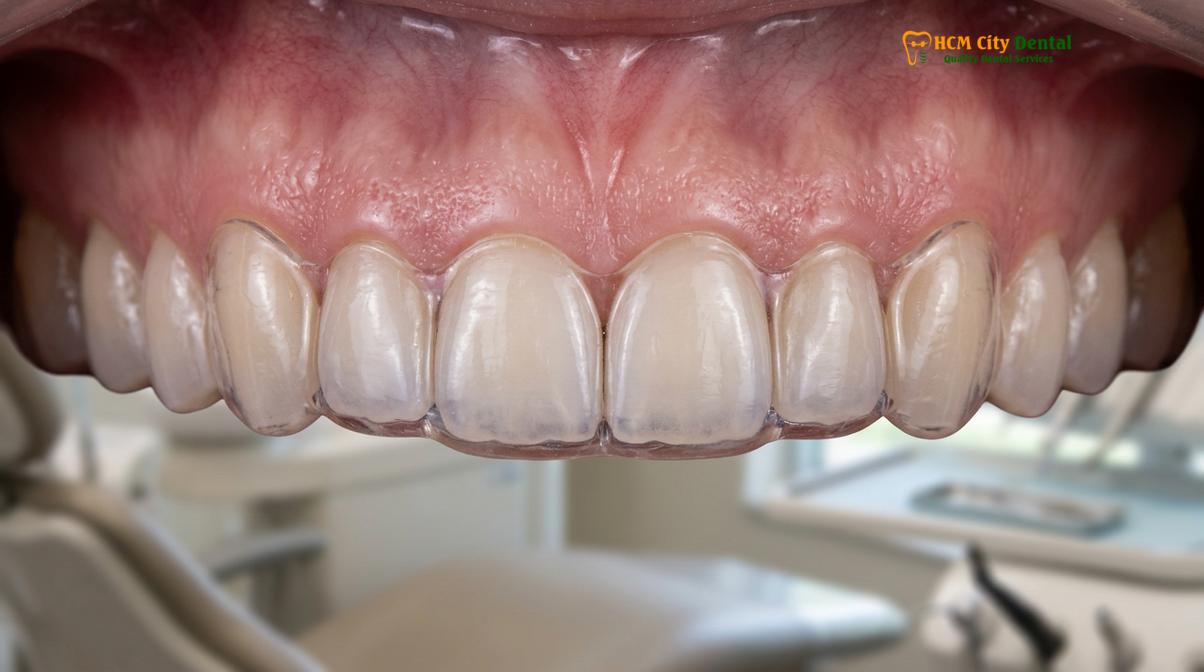
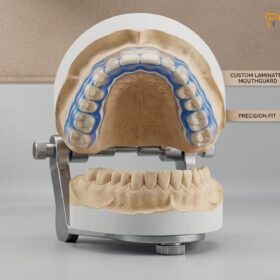
A custom-fabricated occlusal splint acts as an intermediary layer. By introducing a precisely calibrated layer of acrylic or dual-laminate material between the upper and lower arches, the guard absorbs and dissipates the kinetic energy generated by clenching. Furthermore, a properly adjusted guard provides a smooth occlusal surface, allowing the opposing teeth to glide freely rather than locking into the grooves of the veneers. This freedom of movement is essential to prevent the lateral stresses that lead to catastrophic porcelain failure.
“In modern prosthodontics, placing veneers without addressing the patient’s occlusal dynamics is an incomplete treatment. A custom night guard is not an optional accessory; it is an integral component of the restorative prescription, serving as an insurance policy for the patient’s cosmetic investment.”
— Dr. Nguyen Van Cuong, Lead Prosthodontist
Patients often inquire about the specific mechanics of night guard veneers. The guard is designed to fit passively over the restorations. It does not actively grip or squeeze the porcelain, which could cause debonding. Instead, it relies on the natural undercuts of the posterior teeth for retention, ensuring that the delicate anterior veneers are shielded without being subjected to unnecessary insertion and removal forces. For patients seeking comprehensive protection, exploring custom protective night guards is the most critical step following a smile makeover.
How Bruxism Damages Veneers
Nocturnal teeth grinding generates extreme occlusal forces that can easily exceed the tensile strength of porcelain. This relentless pressure leads to margin degradation, micro-cracks, and eventual catastrophic failure of the veneer.
To fully understand the importance of a veneer protection guard, one must examine the pathophysiology of bruxism and its direct impact on dental restorations. Bruxism is broadly categorized into two distinct parafunctional habits: clenching and grinding. Clenching involves sustained, isometric contractions of the jaw muscles, directing heavy vertical forces down the long axis of the teeth. Grinding involves lateral (side-to-side) or protrusive (forward-and-back) movements while the teeth are in heavy contact. Both actions are highly destructive to porcelain veneers, but in different ways.
When a patient clenches, the sustained vertical pressure can cause the underlying natural tooth structure to flex microscopically. Because porcelain is rigid and cannot flex with the tooth, this biomechanical mismatch creates stress concentrations at the bonding interface. Over time, this can lead to microleakage, where the resin cement begins to break down, allowing bacteria to infiltrate the margins. This not only compromises the aesthetic appearance of the veneer—often presenting as a dark line at the gumline—but also increases the risk of secondary caries beneath the restoration[2].
Clinical Warning: Ignoring the signs of sleep bruxism after receiving veneers can lead to rapid restorative failure. If you wake up with jaw soreness, tension headaches, or notice a change in how your upper and lower teeth fit together, seek immediate clinical evaluation to prevent irreversible damage to your porcelain restorations.
Grinding, on the other hand, introduces severe shear forces. As the lower jaw slides laterally against the upper teeth, the incisal edges (the biting edges) of the anterior veneers bear the brunt of the friction. Porcelain is highly resistant to wear, meaning it will often wear down the opposing natural enamel before it wears down itself. However, if the lateral force catches the edge of the veneer at an unfavorable angle, it can cause immediate cohesive failure—resulting in a visible chip or a complete fracture of the ceramic shell. This bruxism veneer damage is one of the most common reasons for emergency cosmetic repairs.
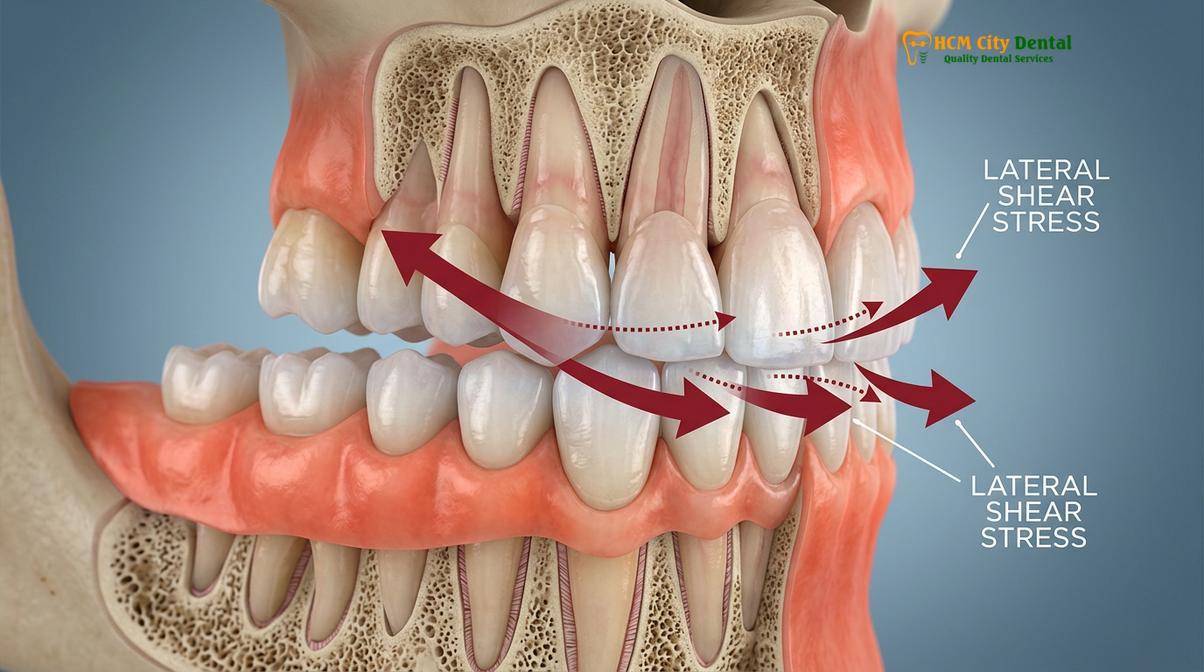
Furthermore, the repetitive stress of grinding can lead to abfraction lesions—notches that form at the cervical margin (gumline) of the tooth. If a veneer’s margin is located in this high-stress zone, the constant flexing can cause the porcelain to flake away at the base. If you already wear a guard but wake up with jaw pain, it is crucial to investigate the issue, as a night guard not fitting properly can sometimes exacerbate muscle tension rather than relieve it.
Best Guard Type for Veneer Patients
The optimal choice for veneer patients is a custom-fitted hard acrylic or dual-laminate night guard. These materials provide rigid support that prevents the teeth from shifting while offering a smooth surface that allows the opposing jaw to glide without catching.
Not all dental guards are created equal, and selecting the correct material is paramount when protecting delicate ceramic restorations. The market is flooded with over-the-counter (OTC) boil-and-bite guards, but these are universally contraindicated for patients with porcelain veneers. OTC guards are made from soft, pliable plastics that deform under pressure. When a bruxer bites into a soft guard, the material compresses, which the brain interprets as a bolus of food. This actually stimulates the masseter muscles to chew harder, inadvertently increasing the intensity of the bruxism habit[3].
For patients requiring a night guard for veneers protection, clinical guidelines strongly recommend custom-fabricated appliances made from rigid or semi-rigid materials. The two primary options are hard acrylic (Polymethyl Methacrylate – PMMA) and dual-laminate (PETG/TPU) guards. A hard acrylic guard offers the highest level of protection. It provides a perfectly smooth, flat occlusal plane that allows the opposing teeth to slide freely during lateral excursions. By eliminating occlusal interferences, a hard guard helps to deprogram the jaw muscles, often reducing the frequency and intensity of grinding episodes over time.
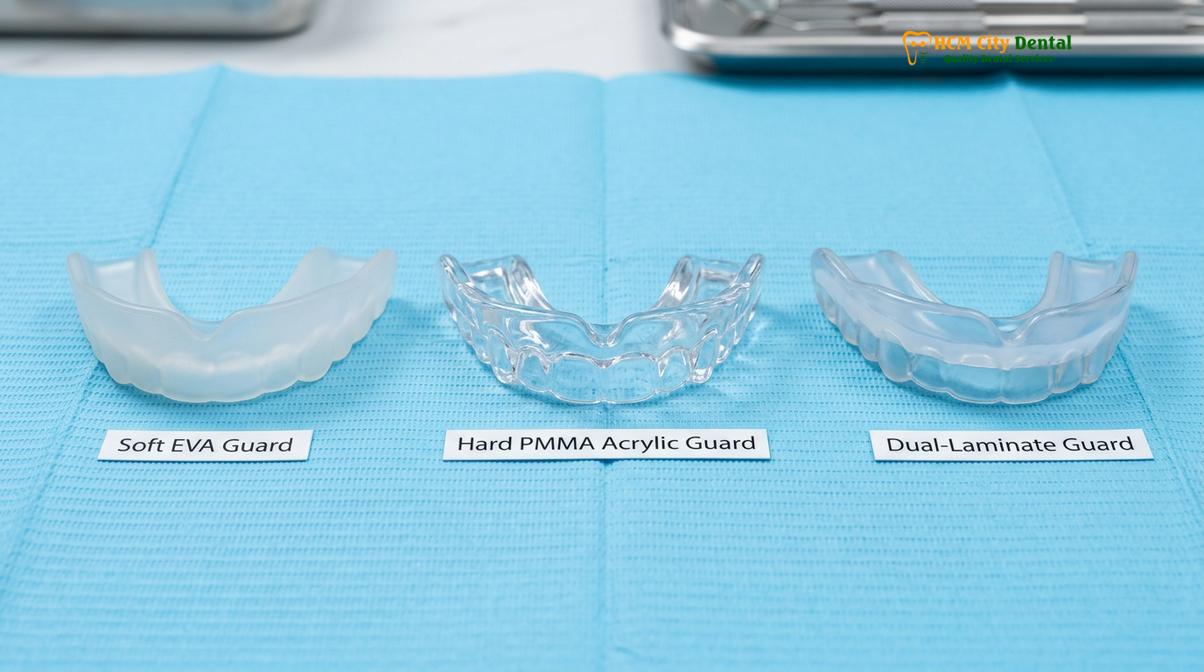
Dual-laminate guards are an excellent alternative for patients who find hard acrylic too rigid or uncomfortable. These appliances feature a hard, durable outer shell to withstand grinding forces and provide a smooth gliding surface, combined with a soft, comfortable inner lining that rests gently against the teeth and veneers. The soft inner layer provides slight cushioning and makes the guard easier to insert and remove, which improves patient compliance.
| Guard Material | Veneer Protection Level | Durability | Clinical Recommendation |
|---|---|---|---|
| Soft OTC (Boil & Bite) | Poor | Low (1-3 months) | Contraindicated. Can increase muscle activity and stress on veneers. |
| Soft Custom (EVA) | Moderate | Medium (6-12 months) | Not ideal for severe bruxers; soft material may still encourage clenching. |
| Dual-Laminate | Excellent | High (1-3 years) | Highly recommended. Combines comfort with a hard protective outer shell. |
| Hard Acrylic (PMMA) | Superior | Very High (2-5+ years) | Gold standard for severe bruxism. Deprograms muscles and prevents shifting. |
It is also important to understand the difference between a sports mouthguard and a night guard. Sports guards are thick, rubbery, and designed to absorb sudden, high-impact trauma from external blows. They are not designed to manage the sustained, repetitive micro-trauma of nocturnal bruxism and should never be used as a substitute for a proper occlusal splint.
Timing: Guard Before or After Veneers?
A permanent night guard must always be fabricated after the final veneers are cemented. Creating the guard beforehand will result in an improper fit, as the veneers alter the shape, thickness, and occlusal contact points of your teeth.
A common logistical question in cosmetic dentistry is the sequencing of treatments: should the protective appliance be made before the smile makeover begins, or after it is completed? The clinical protocol is definitive: the final night guard must be fabricated only after the permanent veneers have been bonded into place and the occlusion (bite) has been meticulously adjusted and finalized.
Porcelain veneers, even ultra-thin minimal-prep variants, fundamentally alter the topography of the teeth. They change the facial contours, the incisal length, and the exact points where the upper and lower teeth meet. A night guard relies on micron-level precision to fit passively and function correctly. If a guard is made based on the natural teeth, it will not fit over the new veneers. Attempting to force an old guard over new restorations can place severe stress on the ceramic, potentially causing immediate debonding or fracture[4].
Clinical Case Review: A 34-year-old patient presented to HCMC Dental Clinic in Ho Chi Minh City with severe incisal wear due to nocturnal grinding. Dr. Nguyen Van Cuong designed a comprehensive treatment plan involving eight upper Emax veneers. During the two-week provisional phase, the patient wore a temporary soft splint to protect the temporary acrylic veneers. Only after the final porcelain restorations were permanently bonded and the bite perfectly balanced did the clinic take digital intraoral scans to mill a precision dual-laminate night guard. This strict sequencing ensured zero stress on the new ceramic margins.
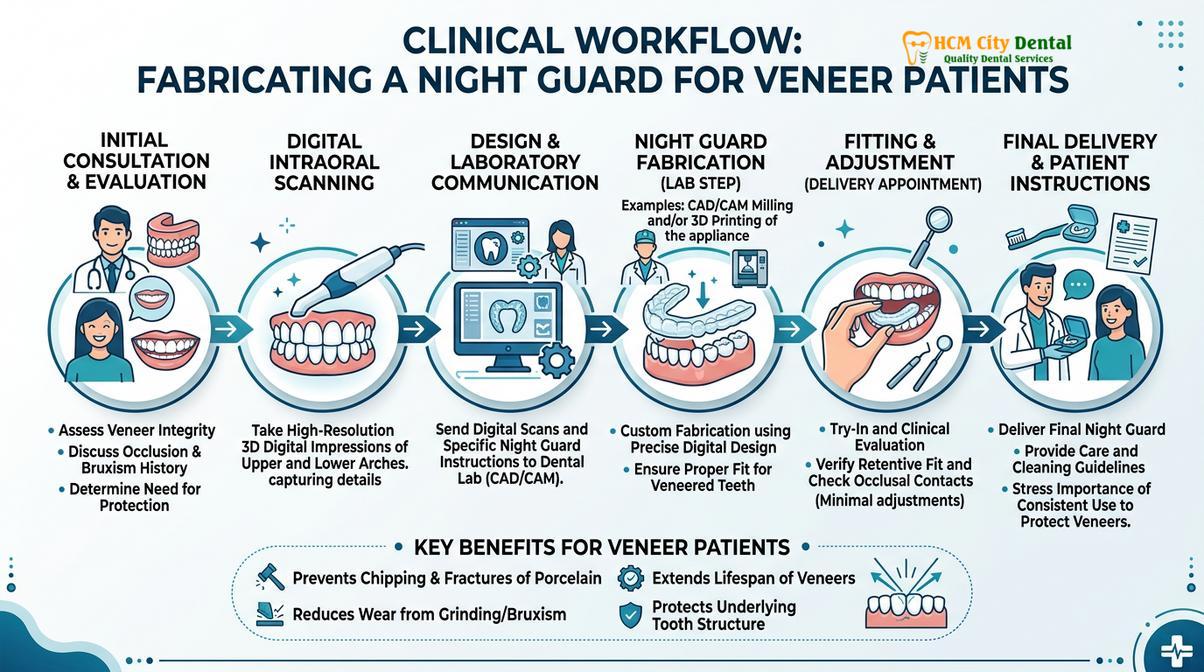
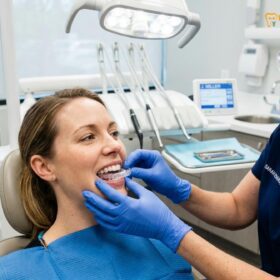
The workflow typically involves taking a highly accurate digital impression using an intraoral scanner immediately after the veneers are cemented. This digital file is sent to a dental laboratory or processed in-house via CAD/CAM technology to design the splint. During the fabrication period (usually a few days), the patient must be extremely mindful of their grinding habits. Once the custom guard is delivered, the dentist will perform a final occlusal check, using articulating paper to ensure that all teeth contact the guard evenly and that there are no interferences during lateral jaw movements.
Cost of Prevention vs Repair
Investing in a custom night guard is highly cost-effective when compared to the financial burden of replacing fractured veneers. A single guard costs a fraction of what it takes to repair or replace even one damaged porcelain restoration.
From a health economics perspective, a custom night guard is one of the most prudent investments a patient can make following a cosmetic dental procedure. Porcelain veneers represent a significant financial and emotional investment. Depending on the material and the complexity of the case, a full smile makeover can be a substantial expense. Leaving this investment unprotected against the destructive forces of bruxism is a high-risk gamble.
When a patient asks how to protect veneers grinding, the conversation inevitably turns to the cost-benefit ratio of preventive appliances. The cost of a high-quality, custom-milled hard acrylic or dual-laminate night guard is generally equivalent to a fraction of the cost of a single porcelain veneer. If a patient fractures a veneer due to unprotected grinding, the repair process is not as simple as patching the ceramic. The damaged veneer must be carefully drilled off, a new impression taken, a temporary veneer placed, and a new permanent restoration fabricated and bonded. This incurs new laboratory fees, clinical time, and additional costs to the patient.
Furthermore, repeated trauma to the underlying tooth structure can eventually compromise the tooth’s vitality, potentially leading to the need for endodontic therapy (root canal) or a full-coverage dental crown. By proactively utilizing a custom guard, patients mitigate these risks entirely. The appliance acts as a sacrificial layer; it is far better, and vastly more economical, to wear down and eventually replace a plastic night guard every few years than to replace multiple fractured Emax restorations.
Guard Care for Veneer Patients
Proper maintenance of your night guard prevents bacterial buildup that could threaten the gingival margins around your veneers. Daily cleaning with non-abrasive solutions and regular clinical inspections ensure the appliance remains hygienic and structurally sound.
Maintaining impeccable hygiene of your night guard is just as important as caring for the veneers themselves. Because the appliance sits tightly against the teeth and gums for 6 to 8 hours a night, any plaque or bacteria trapped inside the guard will be held in direct contact with the vulnerable gingival margins surrounding the veneers. Over time, this can lead to gingivitis or periodontal inflammation, which can cause the gums to recede and expose the root surface or the margin of the restoration.
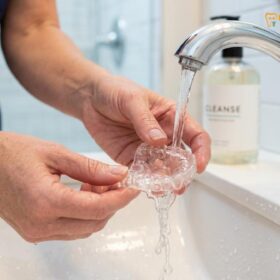
Daily cleaning protocols should be strictly followed. Upon waking, the guard should be removed and immediately rinsed with cool or lukewarm water. It is critical to avoid hot water, as high temperatures can warp the acrylic or dual-laminate material, ruining the precision fit. The guard should be brushed gently using a soft-bristled toothbrush and a non-abrasive cleaning agent, such as mild antibacterial soap or a specialized dental appliance cleaner. Regular toothpaste should be avoided, as the abrasives (like silica) can create micro-scratches in the plastic, creating a breeding ground for bacteria[5].
“A night guard is only effective if it is worn consistently and maintained properly. A warped or heavily calcified guard can actually shift the teeth or harbor bacteria that threaten the periodontal health supporting the veneers. Regular professional ultrasonic cleaning during routine check-ups is highly recommended.”
— Dr. Nguyen Van Cuong, Lead Prosthodontist

In addition to daily cleaning, the guard should be stored in a ventilated case to allow it to dry completely between uses, preventing mold growth. Patients should bring their night guard to every routine dental check-up. The dentist will evaluate the appliance for signs of excessive wear, perforations, or loss of retention. Just as athletes require specific care for custom sports mouthguards, veneer patients must treat their occlusal splints as precision medical devices essential for the longevity of their smile.
When to See a Doctor
While a custom night guard provides robust protection, it is important to remain vigilant about your oral health following a smile makeover. You should schedule a clinical evaluation at HCMC Dental Clinic if you experience any of the following symptoms:
- Visible Damage to Veneers: Any sign of chipping, cracking, or a rough edge on your porcelain restorations requires immediate attention to prevent further fracture.
- Changes in Guard Fit: If your night guard feels excessively tight, loose, or causes pain upon insertion, it may have warped or your teeth may have shifted. Do not force an ill-fitting guard over your veneers.
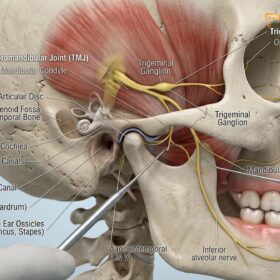
- Persistent Jaw Pain: Waking up with severe masseter muscle soreness, temporomandibular joint (TMJ) clicking, or tension headaches suggests that your bruxism forces are exceeding the current management strategy, and your guard may need occlusal adjustment.
- Gum Inflammation: Redness, swelling, or bleeding around the margins of your veneers can indicate microleakage or poor appliance hygiene.
Regular professional monitoring is the key to ensuring the long-term success of your cosmetic restorations. A personalized clinical examination allows the dental team to adjust your protective protocols based on your specific occlusal wear patterns.
Frequently Asked Questions
Do I need a night guard after getting veneers?
Yes, wearing a custom night guard is highly recommended after receiving veneers, especially if you have a history of teeth grinding. It acts as a protective barrier, absorbing occlusal forces and preventing the porcelain from chipping or fracturing during sleep. Even patients who do not actively grind their teeth can benefit from the protection against accidental clenching induced by stress.
Can bruxism crack porcelain veneers?
Yes, the extreme pressure generated by nocturnal bruxism can easily crack or chip porcelain veneers. Sleep grinding produces forces far exceeding normal chewing, which can compromise both the ceramic material and the underlying bonding cement. The lateral shear forces of grinding are particularly destructive to the thin incisal edges of anterior veneers.
What type of guard is best with veneers?
A hard acrylic or dual-laminate night guard is clinically considered the best option for veneer patients. These rigid materials provide a smooth surface for the opposing teeth to glide across, preventing the jaw from locking and reducing muscle tension. Soft, over-the-counter guards are contraindicated as they can stimulate the chewing reflex and increase clenching forces.
Should I get a guard before or after veneers?
You must always have your final night guard fabricated after your permanent veneers are bonded. Because veneers alter the shape and thickness of your teeth, a guard made beforehand will not fit properly and could damage the new restorations. During the provisional phase, your dentist may provide a temporary splint to protect your temporary veneers.
Does the guard touch my veneers?
Yes, the night guard will physically cover and touch your veneers, but it is custom-designed to fit precisely without placing active pressure on them. The smooth internal surface ensures the ceramic margins are protected rather than stressed. The retention of the guard is typically engineered to grip the posterior (back) teeth, leaving the delicate anterior veneers shielded passively.
References
- Journal of Prosthetic Dentistry. The effect of occlusal splints on the longevity of ceramic veneers. (2021).
- International Journal of Prosthodontics. Sleep bruxism and its impact on anterior aesthetic restorations. (2020).
- Journal of Clinical Dentistry. Material wear and fracture rates in lithium disilicate restorations. (2019).
- American Dental Association. Guidelines on the management of sleep-related breathing disorders and bruxism. (2022).
- Journal of Oral Rehabilitation. Biomechanical analysis of dual-laminate occlusal splints. (2018).