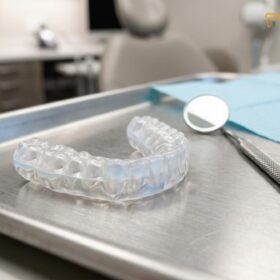
Traveling as an expat with bruxism requires strict adherence to night guard travel tips to prevent appliance damage and bacterial contamination. Always pack your custom appliance in a rigid, ventilated case within your carry-on luggage, maintain daily hygiene protocols, and establish a contingency plan for emergency replacements abroad.
Clinical Summary:
For expatriates and frequent travelers suffering from sleep bruxism, maintaining continuous occlusal splint therapy is critical. Travel-induced stress, changes in sleep environments, and disrupted circadian rhythms frequently exacerbate masseter muscle hyperactivity and nocturnal grinding. Proper management involves protecting the appliance’s structural integrity from thermal shock and physical compression during transit, adhering to stringent hygiene protocols to prevent microbial colonization in diverse climates, and understanding the clinical workflow for securing a rapid, digitally fabricated replacement if the appliance is lost or damaged internationally. Proactive appliance care ensures the ongoing protection of dental enamel, restorations, and temporomandibular joint (TMJ) health.
Key Takeaways:
- Always transport your dental appliance in your carry-on luggage to avoid the extreme temperature fluctuations of cargo holds.
- Use a rigid, well-ventilated case to prevent physical distortion and inhibit anaerobic bacterial proliferation.
- Utilize bottled water for cleaning in regions where local tap water safety is compromised.
- Carry a temporary over-the-counter guard as an emergency backup to prevent acute dental trauma if your custom splint is lost.
- Modern dental clinics utilize digital intraoral scanners to rapidly fabricate precise replacement guards for expats abroad.
Packing and Protecting Your Guard
To protect your night guard during transit, always store it in a rigid, ventilated case inside your carry-on bag to prevent crushing, thermal warping, and loss.
When preparing for international relocation or extended travel, safeguarding your custom dental appliance must be a priority. The materials used in professional occlusal splints—typically polymethyl methacrylate (PMMA) or advanced dual-laminate thermoplastics—are engineered for intraoral durability but remain highly susceptible to external environmental stressors. Understanding the material science behind your appliance is the first step in mastering night guard travel tips for expats. These materials possess specific thermal expansion coefficients and glass transition temperatures, meaning that exposure to extreme heat or cold can induce irreversible dimensional changes, rendering the guard ill-fitting and clinically ineffective [1].
One of the most critical errors travelers make is placing their dental appliance in checked luggage. The cargo holds of commercial aircraft experience significant temperature fluctuations, often dropping to near-freezing temperatures during high-altitude flight and spiking when sitting on the tarmac in tropical climates. This thermal cycling can cause micro-fractures within the acrylic matrix. Furthermore, the immense physical pressure exerted on checked baggage can easily crush a standard plastic case, leading to catastrophic structural failure of the guard inside. Therefore, traveling with mouth guard appliances mandates that they remain in your personal carry-on bag at all times.
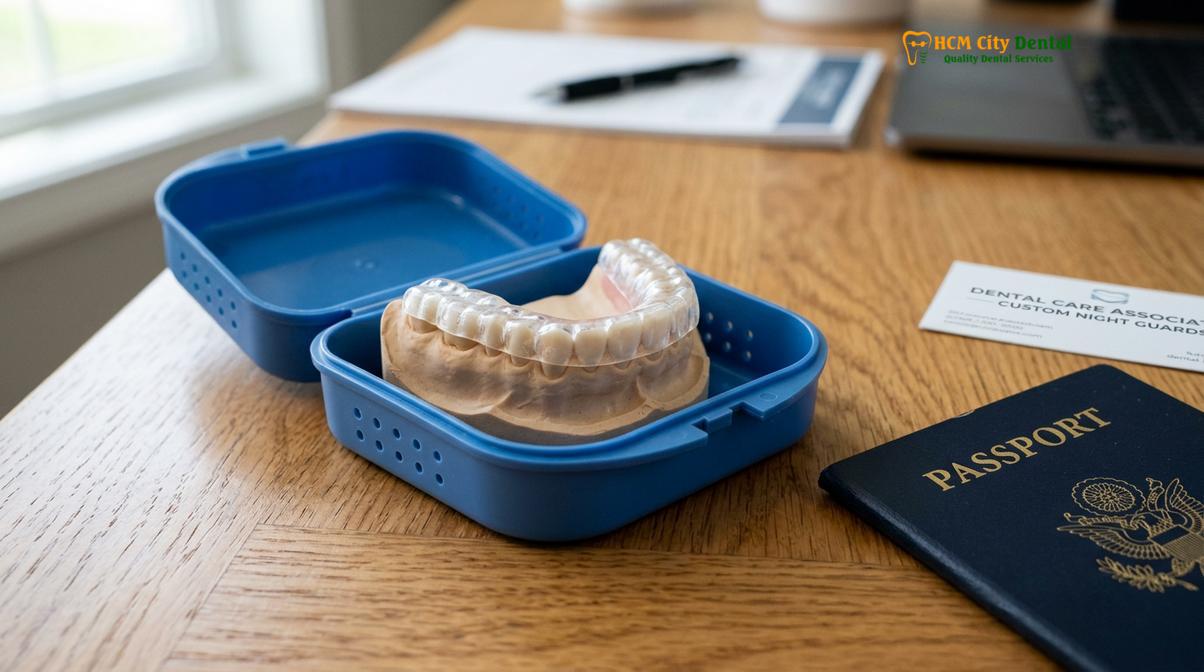
The selection of an appropriate storage receptacle is equally vital. A clinical-grade travel case must possess two non-negotiable features: structural rigidity and adequate ventilation. Rigidity protects the appliance from the compressive forces of tightly packed carry-on bags, while ventilation is crucial for moisture control. Storing a damp appliance in an airtight container creates an ideal microenvironment for the rapid proliferation of anaerobic bacteria and fungal pathogens. To further optimize your packing strategy, consider placing a small, food-safe silica gel desiccant packet inside the case to actively absorb residual moisture, particularly when traveling to high-humidity destinations.
For expats managing complex dental restorations, such as those requiring a Night Guard After Dental Crowns: Clinical Guide | HCMC Dental, the integrity of the splint is paramount. A warped guard will fail to distribute occlusal forces evenly, potentially leading to the fracture of expensive porcelain or zirconia crowns. By treating your dental appliance with the same level of care as prescription medication or sensitive electronics, you ensure that your bruxism therapy remains uninterrupted, regardless of your geographic location.
Cleaning On the Go
Maintaining clinical hygiene while traveling requires daily brushing with a non-abrasive cleaner, thorough air-drying to prevent microbial growth, and using safe bottled water in regions with questionable tap water.
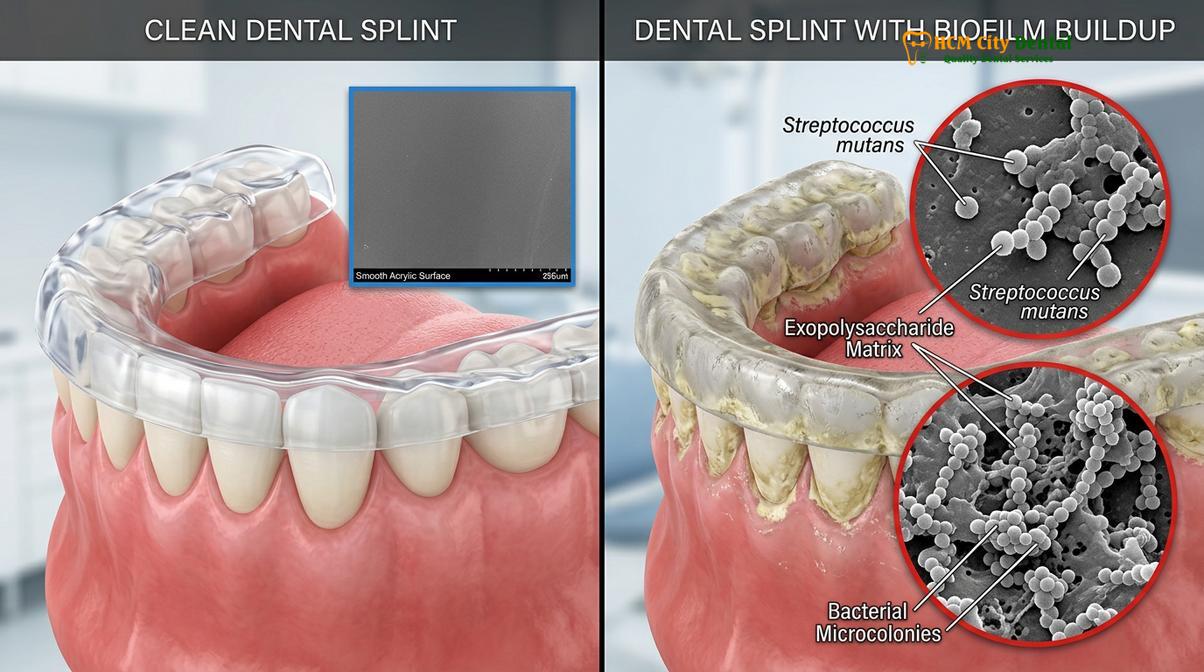
Maintaining impeccable oral hygiene and appliance cleanliness becomes significantly more challenging when navigating different countries, climates, and accommodation types. However, the clinical necessity of a pristine appliance cannot be overstated. The oral cavity is a complex microbiome, and a dental splint acts as a fomite, capable of harboring pathogenic biofilms if not meticulously maintained. When you wear a night guard, it physically blocks the natural flushing action of saliva, which normally helps buffer acids and clear debris from the occlusal surfaces of the teeth [2]. If the guard itself is contaminated, it holds bacteria directly against the enamel and gingival margins for 6 to 8 hours a night.
When executing night guard travel protocols, the primary concern is the local water supply. In many developing nations or remote travel destinations, tap water may contain elevated levels of heavy metals, unfamiliar microbial strains, or insufficient chlorination. Rinsing your appliance in contaminated water introduces these pathogens directly into your oral cavity, risking gastrointestinal distress or localized oral infections. As a strict clinical rule, if the local tap water is not safe to drink, it is not safe for cleaning your dental appliance. Always utilize commercially bottled, purified water for rinsing and brushing your guard.
“The porous nature of certain thermoplastic dental materials makes them highly susceptible to colonization by Streptococcus mutans and Candida albicans. Without daily mechanical debridement and complete desiccation between uses, a travel appliance can rapidly transition from a protective device to a vector for oral disease.”
Your travel cleaning kit should be compact but comprehensive. It must include a dedicated, soft-bristled toothbrush used exclusively for the appliance, a non-abrasive cleaning agent (such as mild, unscented castile soap or specialized dental appliance foams), and individually wrapped effervescent cleaning tablets. Avoid using standard toothpaste on your guard; the abrasive silica and calcium carbonate particles designed to polish enamel will create micro-scratches in the acrylic. These microscopic abrasions serve as retentive niches for plaque accumulation and intrinsic staining [3].
The workflow for cleaning on the go should be systematic. Upon waking, immediately rinse the appliance to remove saliva and loose debris before they dry and calcify. Apply the non-abrasive cleaner and gently brush all surfaces, paying special attention to the deep occlusal indentations where the opposing teeth rest. Rinse thoroughly with safe water, shake off excess moisture, and leave the case open in a safe, dry area to allow for complete air-drying. Once a week, utilize an effervescent soaking tablet to chemically disrupt biofilm matrices and neutralize odor-causing volatile sulfur compounds. For patients managing concurrent conditions, such as those detailed in the Bruxism Sleep Apnea Connection: Clinical Guide | HCMC Dental, maintaining a hygienic appliance is essential to prevent respiratory irritation during sleep.
What If You Forget or Lose Your Guard
If you lose your appliance, immediately source a temporary boil-and-bite guard from a local pharmacy to mitigate acute bruxism damage while contacting your home clinic for a permanent solution.
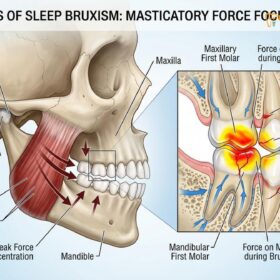
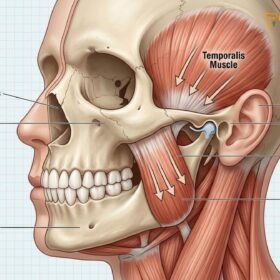
Despite the most meticulous planning, the chaotic nature of international travel means that items are occasionally lost, forgotten in hotel bathrooms, or accidentally discarded. For a patient with severe sleep bruxism, the sudden loss of an occlusal splint constitutes a minor dental emergency. The abrupt cessation of splint therapy often triggers a phenomenon known as rebound bruxism, where masseter and temporalis muscle hyperactivity temporarily intensifies due to the sudden change in proprioceptive feedback and occlusal vertical dimension [4].
The immediate clinical consequence of sleeping without protection is the risk of acute dental trauma. The forces generated during nocturnal grinding can exceed 250 pounds of pressure per square inch. Without the shock-absorbing and force-distributing properties of the splint, this immense pressure is transferred directly to the periodontium and the enamel. This can result in enamel micro-fractures, the dislodgement of existing restorations, severe myofascial pain, and acute flare-ups of temporomandibular joint dysfunction (TMD). For patients with complex rehabilitations, such as those needing a Night Guard for Dental Implants: Clinical Guide | HCMC Dental, the lack of protection can jeopardize the osseointegration of the implants due to excessive lateral forces.
Clinical Warning: Never ignore the loss of your custom dental guard. Even a few nights of unprotected severe bruxism can cause irreversible enamel attrition, fracture porcelain restorations, and trigger debilitating TMJ inflammation. Immediate temporary intervention is required.
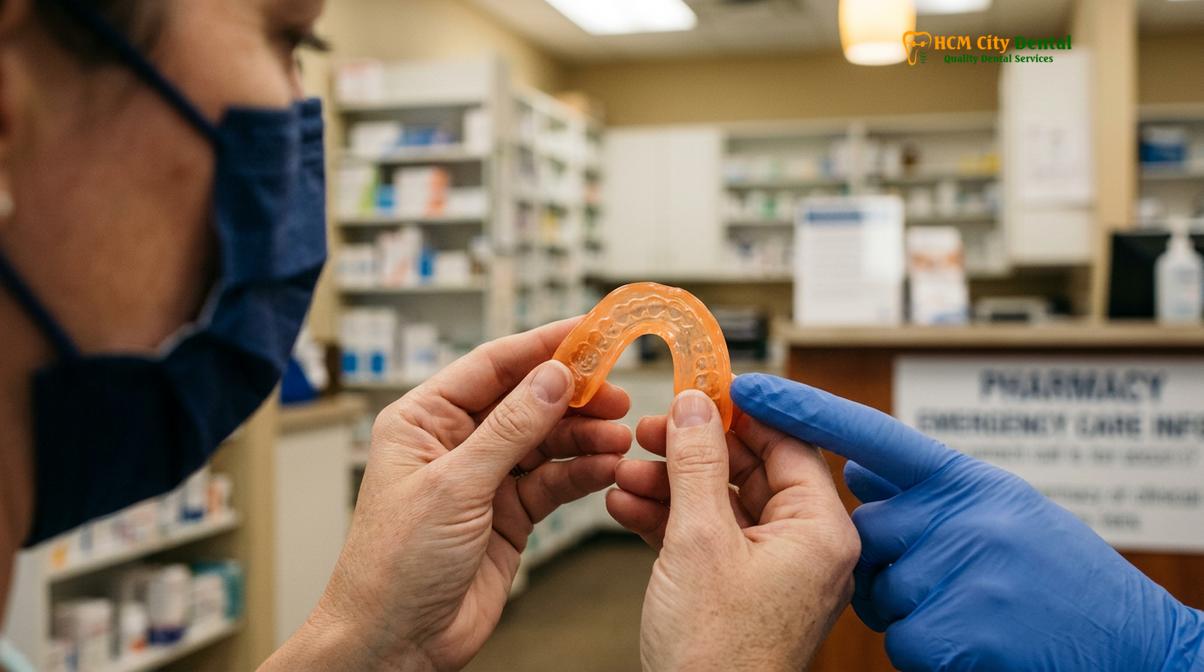
If you find yourself without your expat dental guard, your immediate priority is damage control. Locate a local pharmacy or sporting goods store and purchase an over-the-counter (OTC) boil-and-bite mouthguard. While these thermoplastic devices are clinically inferior to custom-milled appliances—often being bulky, poorly retentive, and potentially disruptive to the natural resting posture of the jaw—they provide a necessary physical barrier to prevent tooth-on-tooth contact. Follow the manufacturer’s instructions carefully to mold the temporary guard, ensuring it does not impinge on the gingival tissues or force the mandible into an unnatural protrusion.
Once temporary protection is secured, you must initiate the process of obtaining a permanent replacement. Contact your primary dental provider in your home country. If they utilize digital dentistry, they may have your intraoral scans (.STL files) archived on a secure cloud server. In some cases, they can fabricate a new appliance and ship it internationally via expedited courier. However, international shipping of medical devices can be fraught with customs delays and exorbitant import duties. Therefore, sourcing a replacement locally is often the most pragmatic solution for expats.
Getting a Replacement Abroad
Expats needing a replacement should seek a reputable local dental clinic equipped with digital intraoral scanners to fabricate a precise, custom-milled or 3D-printed occlusal splint.
Securing a high-quality night guard abroad requires navigating a foreign healthcare system, which can be daunting. However, the global standardization of digital dentistry has made it easier than ever to obtain world-class care in major international hubs. When seeking a replacement, your primary objective is to identify a clinic that employs modern CAD/CAM (Computer-Aided Design and Computer-Aided Manufacturing) technology rather than relying solely on traditional analog impression techniques.
The clinical workflow for a digital replacement is highly efficient, minimizing the time you spend unprotected. Upon visiting a technologically advanced clinic, the dentist will perform a comprehensive evaluation of your TMJ, masticatory muscles, and occlusal wear patterns to determine the appropriate splint design (e.g., a flat plane stabilization splint vs. an anterior bite plane). Following the examination, an intraoral scanner is used to capture a highly accurate, 3D digital impression of your dentition and your bite registration. This process is entirely comfortable, eliminating the gag reflex commonly associated with traditional polyvinyl siloxane (PVS) impression materials [5].
Expat Patient Experience in Ho Chi Minh City:
An American expatriate relocated to Vietnam and accidentally fractured their dual-laminate splint during transit. Experiencing acute jaw pain, they visited HCMC Dental Clinic. Utilizing a 3Shape intraoral scanner, the clinical team captured digital impressions in under five minutes. The data was immediately sent to the in-house milling unit. Within 48 hours, the patient received a precision-milled, hard acrylic replacement guard, perfectly calibrated to their occlusion, allowing them to resume pain-free sleep without disrupting their work schedule.
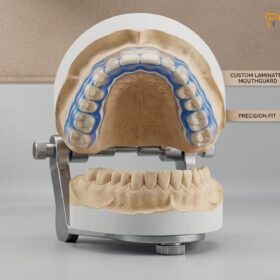
The digital file is then imported into specialized dental design software, where the technician virtually designs the appliance, setting the exact thickness, occlusal contacts, and retention parameters. The final design is either 3D printed using biocompatible resins or milled from a solid puck of highly cross-linked PMMA. Milled appliances are generally preferred for heavy bruxers due to their superior flexural strength and resistance to wear. Dr. Nguyen Van Cuong emphasizes that the precision of digital fabrication ensures a passive fit, meaning the guard snaps securely into place without exerting unwanted orthodontic forces on the teeth, which is a common complication of poorly made analog guards.
When consulting with a foreign dentist, clearly communicate your bruxism history and the type of appliance you previously wore. If you are pregnant or planning to become pregnant while living abroad, discuss material safety, as outlined in the Is a Night Guard Pregnancy Safe? Clinical Guide | HCMC Dental, to ensure the materials used are free from BPA and other endocrine-disrupting plasticizers.
Night Guard and Airport Security
Custom dental guards are medically necessary devices that do not set off airport security scanners and are fully approved by global transportation authorities for carry-on transport.
A common source of anxiety for travelers is navigating airport security with medical devices. Patients frequently wonder if their dental appliance will trigger metal detectors, be damaged by X-ray scanners, or be confiscated by security personnel. Fortunately, the protocols surrounding dental appliances are straightforward and highly accommodating.
Custom occlusal splints are fabricated entirely from non-metallic, radiolucent materials—primarily acrylics, polyurethanes, or copolyesters. Because they contain no ferromagnetic components, they will absolutely not trigger walk-through metal detectors or advanced imaging technology (AIT) body scanners. Furthermore, the ionizing radiation utilized in airport baggage X-ray machines operates at energy levels far too low to alter the molecular structure, tensile strength, or biocompatibility of dental plastics. Your appliance is completely safe passing through the security conveyor belt.
| Travel Scenario | Security Impact | Clinical Recommendation |
|---|---|---|
| Packed in Carry-On Bag | Passes through X-ray safely. No alarms triggered. | Optimal method. Keeps appliance safe from temperature extremes and loss. |
| Worn During Long-Haul Flight | Passes through body scanners safely. No metal to trigger alarms. | Recommended for patients who sleep on flights to prevent travel-stress bruxism. |
| Packed in Checked Luggage | Passes through high-power cargo X-rays safely. | Not Recommended. High risk of thermal warping and physical crushing. |
Under the guidelines of the Transportation Security Administration (TSA) and equivalent international aviation authorities, dental guards are classified as medically necessary personal items. They are exempt from the 3-1-1 liquids rule (unless stored in a liquid soaking solution, which is highly discouraged during transit due to spill risks). If a security officer requests to inspect your bag, simply state that the case contains a prescribed medical dental appliance. It is extremely rare for security personnel to require the case to be opened, but if they do, ensure they use clean gloves before handling the container.
For expats traveling with younger family members who also require bruxism management, the same rules apply. Ensuring that children have their appliances readily accessible in their personal backpacks is crucial, as discussed in the Bruxism in Children & Teens: Clinical Guide | HCMC Dental. Establishing a routine where the appliance is the last thing packed and the first thing unpacked helps prevent loss during chaotic hotel transitions.
HCMC Dental: Quick Replacements for Travelers
HCMC Dental Clinic offers expedited, digitally fabricated custom night guards for travelers and expats, ensuring continuous bruxism protection without disrupting your international itinerary.
For expatriates residing in or traveling through Vietnam, dealing with a lost or damaged dental appliance does not have to be a stressful ordeal. HCMC Dental Clinic in Ho Chi Minh City specializes in providing rapid, premium-quality dental care tailored to the unique needs of the international community. We understand that time is of the essence when you are unprotected against severe bruxism, and our clinical workflows are optimized for efficiency without compromising on precision.
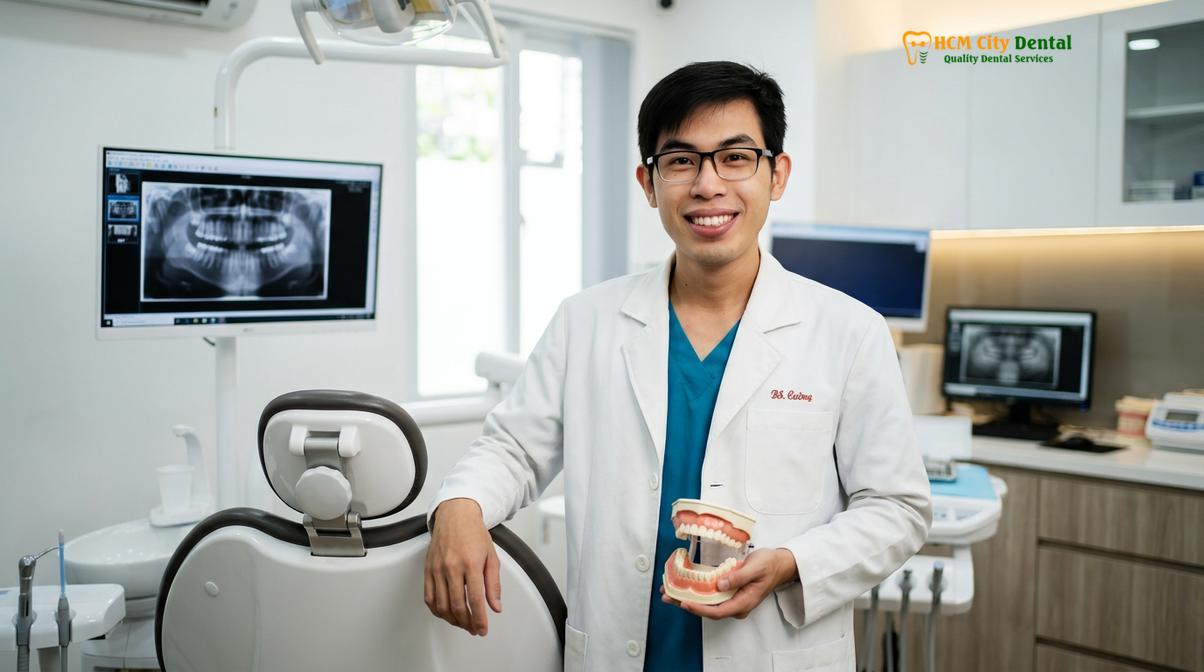
Our facility is equipped with state-of-the-art digital dentistry infrastructure. When you visit our clinic for an emergency Nightguards replacement, the process is streamlined. Dr. Nguyen Van Cuong and our team of specialists will conduct a rapid but thorough occlusal analysis. We utilize advanced intraoral scanners to capture a flawless 3D representation of your dental arches in minutes. This digital data is instantly transmitted to our in-house dental laboratory.
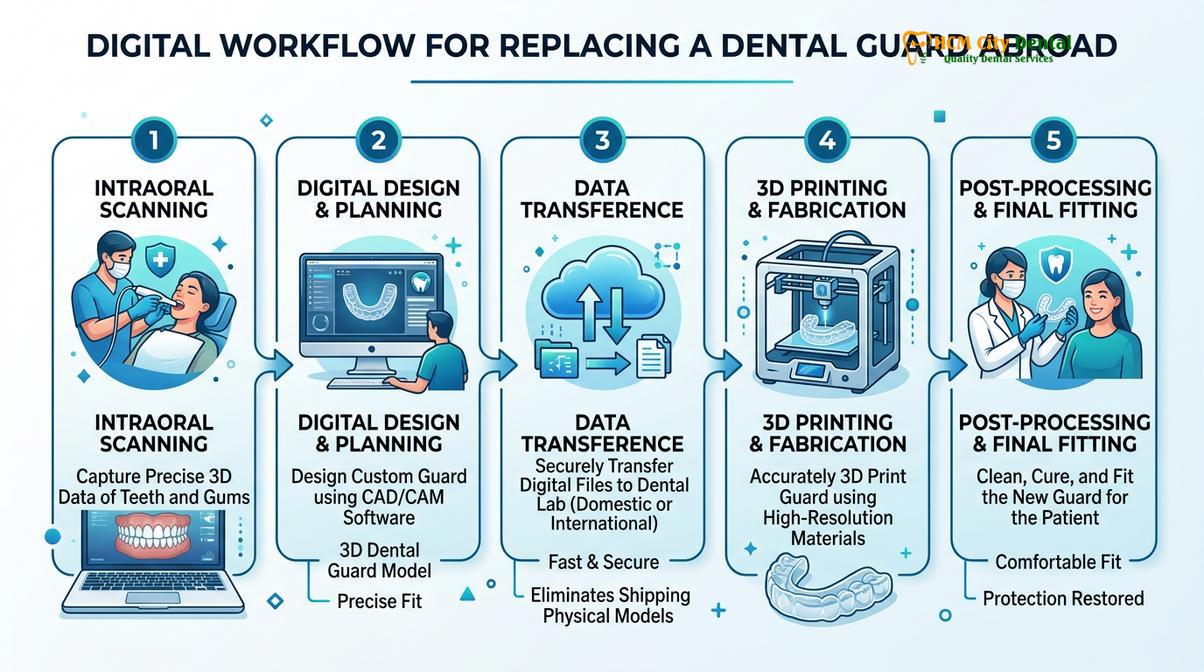
Because we control the entire fabrication process on-site, we can bypass the lengthy turnaround times typical of clinics that outsource to external labs. Depending on the complexity of your bite and the specific material required (such as a hard-soft dual laminate or a rigid milled PMMA splint), we can often deliver your custom-fitted appliance within 48 to 72 hours. During the delivery appointment, the appliance is meticulously adjusted to ensure bilateral, simultaneous occlusal contacts and smooth anterior guidance, guaranteeing maximum comfort and muscular relaxation.
Furthermore, we maintain secure, encrypted digital archives of all patient scans. If you are an expat who frequently travels across Southeast Asia and you happen to lose your guard again in the future, you do not necessarily need to return to Ho Chi Minh City for new impressions. We can retrieve your digital file, mill a new appliance, and coordinate secure international shipping to your current location, providing unparalleled peace of mind for the global nomad.
When to See a Doctor (Important Clinical Considerations)
While mastering travel hygiene and packing protocols is essential, it is equally important to recognize when your appliance—or your underlying condition—requires professional medical intervention. A dental splint is not a lifetime device; it undergoes significant wear and tear, especially when subjected to the intense forces of severe bruxism and the environmental stresses of travel. Knowing the When to Replace Night Guard Signs: Clinical Guide | HCMC Dental is crucial for preventing secondary dental complications.
You should seek immediate evaluation from a qualified dental professional if you experience any of the following clinical signs while traveling or living abroad:
- Appliance Deformation: If the guard feels excessively tight, loose, or requires forceful pressure to seat, it has likely warped. Forcing a warped guard onto your teeth acts like an uncontrolled orthodontic appliance, potentially causing unwanted tooth movement and severe periodontal ligament pain.
- Structural Failure: Any visible cracks, perforations, or deep occlusal pitting compromise the structural integrity of the splint. A perforated guard allows opposing teeth to make contact, defeating the purpose of the therapy and risking enamel fracture.
- Escalating Symptoms: If you are wearing your guard diligently but begin experiencing worsening morning headaches, severe masseter muscle hypertrophy, limited jaw opening (trismus), or clicking/popping in the TMJ, your bruxism may be escalating due to travel stress, or the appliance may require an occlusal adjustment.
- Gingival Irritation: Persistent redness, swelling, or ulceration of the gums adjacent to the appliance borders indicates improper fit or a localized allergic reaction/bacterial infection requiring clinical assessment.
“Patients often underestimate the impact of travel-induced stress on their masticatory system. If you wake up with profound jaw fatigue despite wearing your appliance, it is imperative to undergo a clinical diagnostic review. The splint may need to be relined, or the occlusal scheme adjusted to better manage the increased muscular load.” — Dr. Nguyen Van Cuong
Do not attempt to modify, boil, or adjust a custom-milled appliance yourself. DIY adjustments invariably destroy the precise occlusal calibration established by your dentist. If you are in Ho Chi Minh City and experiencing any of these symptoms, contact HCMC Dental Clinic immediately for a comprehensive diagnostic evaluation and appliance adjustment.
Frequently Asked Questions
How to travel with a night guard?
To travel safely with a night guard, always store it in a rigid, ventilated case inside your carry-on luggage. Avoid placing it in checked bags where extreme temperature fluctuations and rough handling can warp or fracture the acrylic material. Maintain your daily cleaning routine using bottled water if local tap water is unsafe. Additionally, keeping it in your carry-on ensures it is not lost if your checked baggage is delayed or misplaced by the airline.
Can I get a replacement guard abroad?
Yes, you can easily get a replacement guard abroad by visiting a modern dental clinic equipped with digital intraoral scanners. Clinics utilizing CAD/CAM technology can fabricate a precise, custom-fitted occlusal splint in a matter of days, ensuring your bruxism treatment remains uninterrupted during your travels. It is advisable to seek out clinics that cater to expats and utilize international standard materials like highly cross-linked PMMA.
Do night guards set off airport security?
No, night guards do not set off airport security scanners or metal detectors. Dental appliances are made from radiolucent acrylic or thermoplastic materials that are completely safe to pass through X-ray machines. They are recognized as medically necessary devices and are fully approved for carry-on transport. You do not need to remove them from your bag unless specifically requested by a security officer.
What if I lose my guard on vacation?
If you lose your guard on vacation, immediately purchase a temporary boil-and-bite mouthguard from a local pharmacy to protect your teeth from acute grinding damage. Then, contact a local dental professional to arrange for a custom replacement, or consult your home dentist to see if they can ship a new one based on digital records. Never sleep without protection if you suffer from severe bruxism, as this can lead to immediate dental trauma.
Can HCMC Dental ship a replacement guard?
Yes, if we have your digital intraoral scans on file, HCMC Dental Clinic can fabricate and arrange international shipping for a replacement guard. For expats currently residing in or visiting Vietnam, we offer expedited in-clinic fabrication to provide you with a new custom appliance rapidly. Our digital workflow ensures that your new guard will have the exact same precise fit as your original appliance.
References
- Journal of Prosthetic Dentistry. Dimensional stability of occlusal splint materials under thermal stress. (2021).
- American Academy of Sleep Medicine. Clinical guidelines for the management of sleep bruxism. (2020).
- International Journal of Prosthodontics. Microbial colonization on removable dental appliances. (2019).
- Journal of Clinical Sleep Medicine. The impact of travel stress on bruxism and temporomandibular disorders. (2022).
- European Journal of Dentistry. Digital workflows in the fabrication of occlusal devices. (2023).