The bruxism sleep apnea connection is a complex physiological relationship where nocturnal teeth grinding often acts as an unconscious survival mechanism to reopen a collapsed airway during sleep apnea episodes. Addressing both conditions simultaneously is critical to prevent severe dental attrition and dangerous cardiovascular strain.
Clinical Summary:
Obstructive Sleep Apnea (OSA) and sleep bruxism frequently co-occur, presenting a dual threat to both systemic health and dental integrity. Clinical evidence suggests that when the upper airway obstructs during an apneic event, the brain triggers a micro-arousal, stimulating the masseter and temporalis muscles to contract. This rhythmic grinding motion thrusts the mandible forward, attempting to mechanically restore airflow. While a standard dental night guard protects enamel from wear, it may inadvertently worsen OSA if its design allows the jaw to fall backward during sleep. Therefore, comprehensive clinical management requires a dual-diagnosis approach. This often involves polysomnography to assess the severity of the respiratory events, followed by the implementation of specialized Mandibular Advancement Devices (MADs) or CPAP therapy combined with compatible dental protection to ensure both airway patency and occlusal stability.
Key Takeaways:
- Sleep bruxism is highly prevalent in patients diagnosed with Obstructive Sleep Apnea (OSA), often acting as a secondary symptom.
- Teeth grinding frequently occurs as a reflexive, sympathetic nervous system response to clear obstructed airways during sleep.
- Standard flat-plane night guards can sometimes exacerbate sleep apnea by allowing the lower jaw to retrude and block the airway.
- Polysomnography (sleep studies) is the clinical gold standard for diagnosing the co-occurrence of these complex sleep disorders.
- Effective treatment often involves CPAP therapy, Mandibular Advancement Devices (MADs), or specialized dual-purpose oral appliances.
The Bruxism–Sleep Apnea Link
Research indicates a strong correlation between obstructive sleep apnea and nocturnal bruxism, with grinding often serving as a physiological response to oxygen desaturation and airway collapse.
The intersection of dental health and sleep medicine has brought the bruxism sleep apnea connection to the forefront of clinical research. Historically, sleep bruxism—the involuntary clenching and grinding of teeth during sleep—was viewed primarily as a stress-related or purely dental phenomenon. However, modern polysomnographic studies have revealed that a significant percentage of patients who exhibit severe nocturnal grinding also suffer from Obstructive Sleep Apnea (OSA)[1]. OSA is a serious sleep-related breathing disorder characterized by repetitive episodes of partial or complete upper airway collapse, leading to fragmented sleep and intermittent hypoxia.
To understand this link, clinicians differentiate between primary bruxism, which occurs independently of other medical conditions, and secondary bruxism, which is triggered by an underlying medical issue such as OSA. In the context of the bruxism sleep apnea connection, the grinding is not merely a random muscle spasm; it is a highly coordinated, albeit unconscious, physiological response. When the airway collapses, the body enters a state of panic. The resulting oxygen desaturation triggers a survival reflex, prompting the brain to awaken just enough to resume breathing. This micro-arousal is frequently accompanied by intense activation of the jaw muscles.
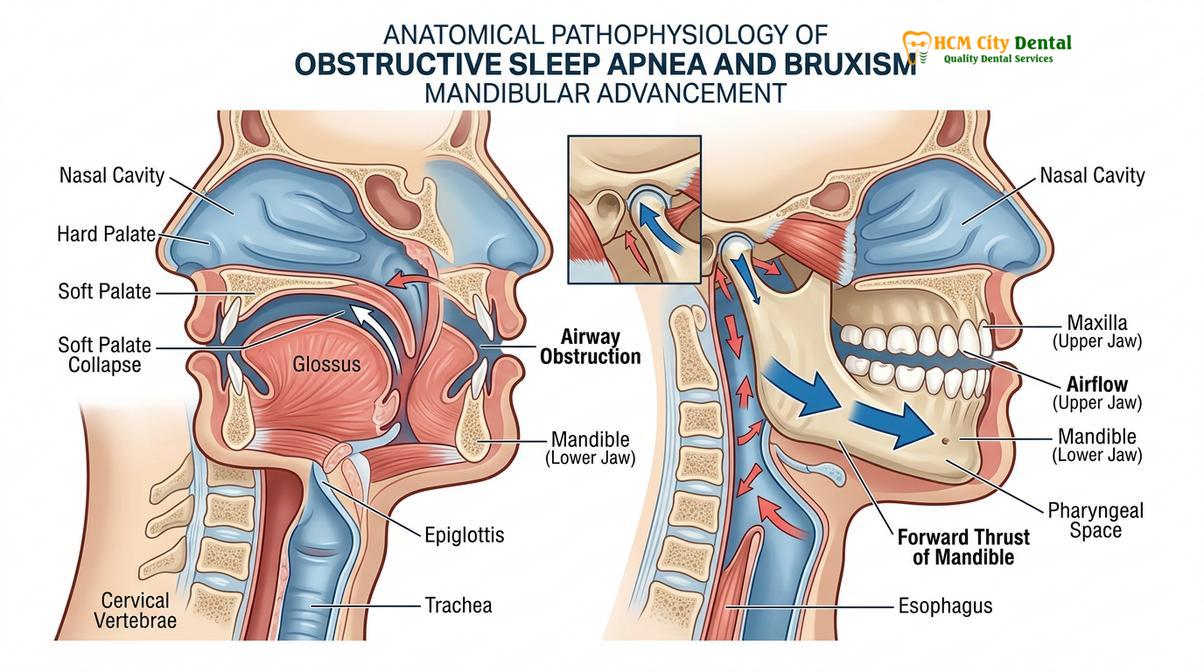
Dr. Nguyen Van Cuong, a leading specialist at HCMC Dental Clinic, frequently observes this phenomenon in clinical practice. “Patients often present with unexplained, rapid deterioration of their dental enamel and chronic jaw pain,” notes Dr. Cuong. “When we look beyond the teeth and evaluate their airway and sleep quality, we frequently uncover undiagnosed sleep apnea. The teeth are simply taking the collateral damage of the body’s desperate attempt to breathe.” This clinical perspective underscores the necessity of looking past isolated symptoms to identify the root cause of the occlusal trauma.
“The co-occurrence of sleep bruxism and obstructive sleep apnea requires a paradigm shift in dental diagnostics. Treating the grinding without evaluating the airway is akin to treating the smoke while ignoring the fire. Comprehensive airway evaluation is now a mandatory component of modern prosthodontic and restorative treatment planning.”
Furthermore, the severity of the OSA often correlates with the intensity of the bruxism, particularly in mild to moderate cases. Interestingly, in very severe cases of OSA, the bruxism episodes may actually decrease because the body’s respiratory effort becomes so extreme that the secondary muscle responses are overridden[2]. Understanding this nuanced relationship is vital for developing an effective treatment plan that protects the dentition without compromising respiratory function.
How Sleep Apnea Triggers Grinding
When the airway collapses during an apnea episode, the brain initiates a micro-arousal that triggers jaw muscle contractions to thrust the mandible forward and restore breathing.
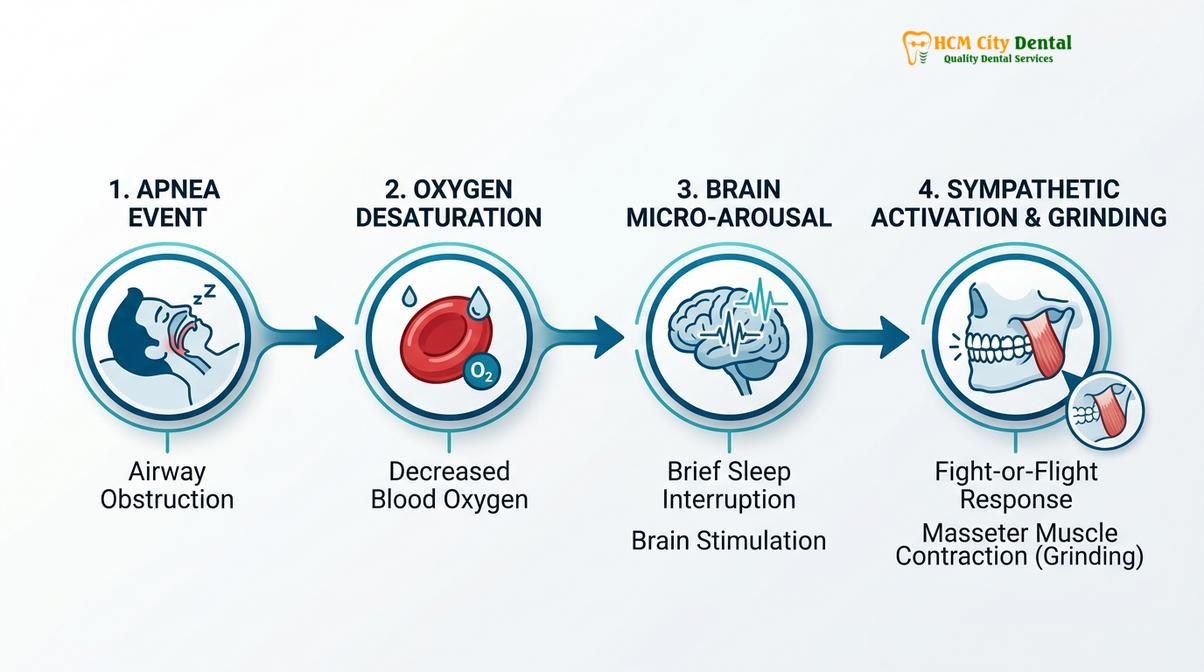
The exact pathophysiological mechanism behind sleep apnea grinding is a fascinating cascade of neurological and muscular events. When a patient with OSA falls asleep, the muscle tone in the upper airway relaxes. In susceptible individuals, this relaxation, combined with anatomical factors like a narrow palate or a large tongue base, causes the airway to collapse. As the airway obstructs, airflow ceases, leading to a rapid drop in blood oxygen levels (hypoxia) and a simultaneous rise in carbon dioxide levels (hypercapnia).
These chemical changes in the blood are detected by chemoreceptors, which send urgent distress signals to the brainstem. The brain responds by initiating a sympathetic nervous system surge—a “fight or flight” response during sleep. This surge causes a spike in heart rate (tachycardia), an increase in blood pressure, and a cortical micro-arousal. The patient does not fully wake up, but the brain shifts from deep, restorative sleep to a lighter stage of sleep to manage the crisis.
It is during this micro-arousal that the sleep apnea grinding occurs. The brain sends powerful signals to the motor neurons controlling the masticatory muscles, specifically the masseter, temporalis, and medial pterygoid muscles. The resulting contraction is known as Rhythmic Masticatory Muscle Activity (RMMA)[3]. The primary biomechanical purpose of this intense muscle activity is to thrust the mandible (lower jaw) forward. Because the tongue is attached to the mandible, moving the jaw forward pulls the base of the tongue away from the posterior pharyngeal wall, effectively reopening the airway and allowing the patient to take a life-saving breath.
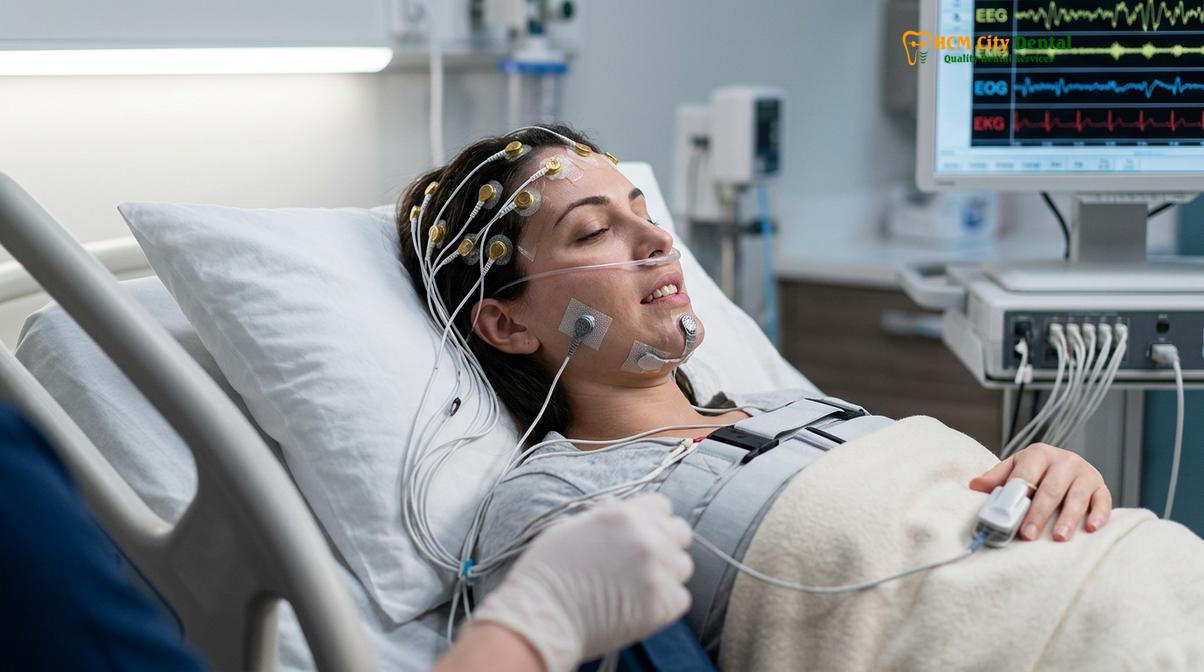
To clearly illustrate this physiological cascade, the following table breaks down the sequence of events during a typical apneic-bruxism episode:
| Stage | Physiological Event | Clinical Consequence |
|---|---|---|
| 1. Airway Collapse | Loss of muscle tone in the pharynx causes the tongue and soft tissues to block the airway. | Cessation of breathing (Apnea); snoring ceases. |
| 2. Chemical Shift | Blood oxygen levels drop (hypoxia) and carbon dioxide levels rise (hypercapnia). | Chemoreceptors trigger a systemic alarm response. |
| 3. Sympathetic Surge | Release of catecholamines (adrenaline); heart rate and blood pressure spike. | Cortical micro-arousal; sleep fragmentation. |
| 4. Motor Activation | Brain signals the masseter and temporalis muscles to contract forcefully. | Sleep apnea grinding (RMMA) begins; severe occlusal forces applied to teeth. |
| 5. Airway Restoration | The grinding motion thrusts the mandible forward, pulling the tongue base forward. | Airway reopens; patient gasps or snorts and resumes breathing. |
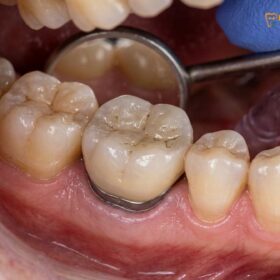
This cycle can repeat dozens or even hundreds of times per night. The sheer force exerted during these episodes can exceed the maximum voluntary bite force a person can generate while awake. Over time, this relentless mechanical stress leads to profound dental consequences, including fractured restorations, abfraction lesions at the gumline, and severe temporomandibular joint (TMJ) dysfunction. Patients experiencing these symptoms often seek TMJ treatment options to alleviate the chronic pain associated with this muscular hyperactivity.
Why teeth grinding is often a defense mechanism against choking
Teeth grinding frequently acts as an unconscious survival reflex, where the brain commands the jaw muscles to contract and shift forward to reopen a blocked airway and prevent choking during sleep.
To understand the profound connection between these two conditions, it is essential to examine the biomechanics of the human airway during sleep. When a person enters the deeper stages of sleep, the muscles throughout the body naturally relax. For individuals with anatomical predispositions—such as a narrow palate, an enlarged tongue base, or excess pharyngeal tissue—this muscle relaxation allows the soft tissues at the back of the throat to collapse inward. As the airway narrows or closes completely, the flow of oxygen to the lungs is severely restricted or halted entirely, leading to an apneic event.
The human body is equipped with highly sensitive survival mechanisms. When the brain detects a sudden drop in blood oxygen levels and a corresponding rise in carbon dioxide, it perceives a state of suffocation. In a desperate attempt to resume breathing, the central nervous system triggers an airway obstruction reflex. This reflex sends urgent neurological signals to the masticatory muscles, specifically the masseter and temporalis muscles, commanding them to contract violently.[1]
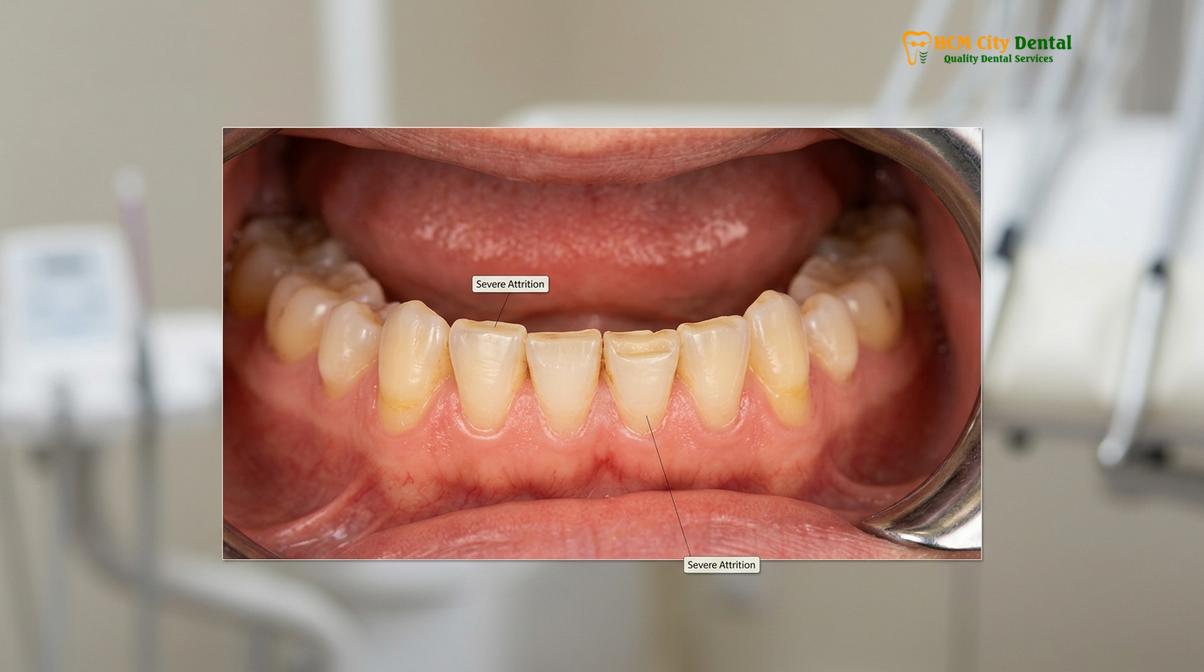
This intense muscle contraction forces the lower jaw (mandible) to thrust forward and side-to-side. Because the tongue is attached to the lower jaw, moving the mandible forward mechanically pulls the base of the tongue away from the posterior pharyngeal wall, thereby reopening the airway. While this grinding and clenching action successfully allows the individual to take a gasping breath and survive the apneic episode, the sheer force exerted on the teeth is immense. Over time, this repetitive nocturnal bruxism leads to catastrophic enamel wear, micro-fractures in the dentition, and chronic inflammation of the temporomandibular joint (TMJ).
Historically, dental professionals viewed bruxism solely as a manifestation of psychological stress, anxiety, or occlusal misalignment. While these factors certainly contribute to daytime clenching, the paradigm has shifted significantly regarding nighttime grinding. Modern dental sleep medicine recognizes that a substantial percentage of patients presenting with severe, unexplained dental attrition are actually battling undiagnosed sleep-related breathing disorders. Treating the teeth without addressing the underlying airway collapse is akin to treating a symptom while ignoring the disease. For a detailed review of the pathophysiology and clinical link, see our guide on the sleep apnea and teeth grinding clinical connection.
How oxygen desaturation triggers micro-arousals and clenching
When airway collapse causes blood oxygen levels to drop, the brain initiates a micro-arousal that stimulates the sympathetic nervous system, resulting in immediate jaw clenching to restore breathing.
The physiological cascade that links oxygen deprivation to jaw clenching is a fascinating display of the body’s autonomic nervous system in action. The severity of sleep apnea is typically measured by the Apnea-Hypopnea Index (AHI), which calculates the number of breathing pauses (apneas) and periods of shallow breathing (hypopneas) per hour of sleep. Alongside the AHI, sleep physicians closely monitor the Oxygen Desaturation Index (ODI), which tracks how often the blood oxygen levels dip below normal thresholds.
During an obstructive event, the airway is physically blocked, but the diaphragm and chest muscles continue to struggle to pull air into the lungs. This creates a negative intrathoracic pressure. As oxygen levels plummet (hypoxia) and carbon dioxide levels spike (hypercapnia), chemoreceptors in the carotid bodies and brainstem sound an alarm. To prevent asphyxiation, the brain pulls the sleeper out of deep, restorative sleep (NREM Stage 3 or REM sleep) into a lighter stage of sleep. This transition is known as a micro-arousal.[2]
“Micro-arousals triggered by apneic events cause a massive surge in sympathetic nervous system activity, flooding the body with adrenaline and cortisol. This fight-or-flight response is the primary catalyst for the intense, rhythmic masticatory muscle contractions observed in sleep bruxism.”
The sleeper rarely remembers these micro-arousals, but the physiological toll is profound. The sudden burst of sympathetic activity—the “fight or flight” response—causes a rapid spike in heart rate, an increase in blood pressure, and a sudden increase in muscle tone. The jaw muscles, which were previously relaxed, suddenly spasm and clench. This clenching is not a gentle resting of the teeth together; it is a forceful, grinding motion that can exert hundreds of pounds of pressure per square inch on the occlusal surfaces of the teeth.
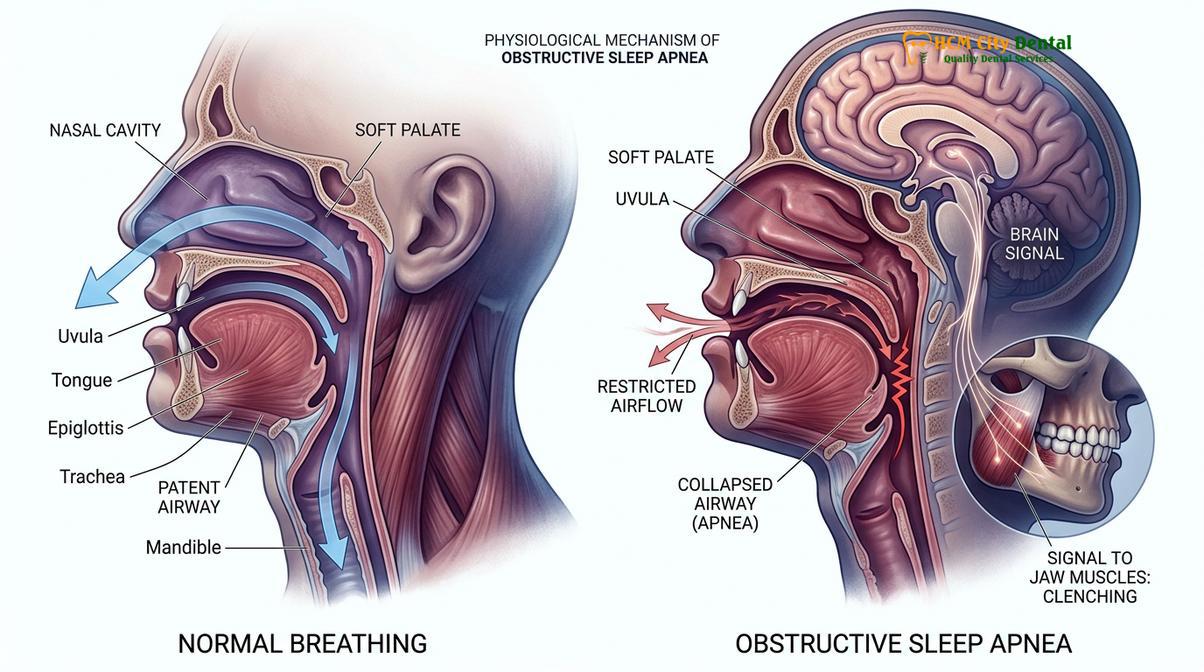
This cycle of airway collapse, oxygen desaturation, micro-arousal, and subsequent bruxism can occur dozens or even hundreds of times per night in patients with severe obstructive sleep apnea. The result is a highly fragmented sleep architecture. The patient wakes up feeling unrefreshed, suffering from excessive daytime sleepiness, morning headaches, and profound jaw soreness. The clinical challenge lies in recognizing that the worn dentition is a secondary biomarker of a primary respiratory crisis.
Shared Risk Factors
Both sleep apnea and teeth grinding share common anatomical, lifestyle, and systemic risk factors, including obesity, craniofacial structure, and elevated stress levels.
The high rate of co-occurrence between these two conditions is not solely due to the cause-and-effect relationship described above; it is also driven by a multitude of shared risk factors. Identifying these overlapping vulnerabilities is a critical step in diagnosing sleep disorder bruxism and formulating a comprehensive, long-term management strategy.
Anatomical predispositions play a massive role. Individuals with a retrognathic (recessed) mandible or micrognathia (a small lower jaw) naturally have less space in the oral cavity for the tongue. When they lie supine, gravity easily pulls the tongue backward, precipitating an apneic event. Similarly, a narrow maxillary arch (upper jaw) restricts nasal airflow and forces mouth breathing, which alters the resting posture of the jaw and increases the likelihood of both airway collapse and compensatory grinding. Enlarged tonsils, adenoids, or a macroglossia (enlarged tongue) further crowd the airway space.
Systemic and lifestyle factors also heavily influence the severity of OSA bruxism. Obesity is a primary risk factor for sleep apnea, as excess adipose tissue around the neck physically narrows the airway. While obesity does not directly cause bruxism, the resulting sleep apnea acts as the catalyst for the grinding. Furthermore, the consumption of central nervous system depressants, particularly alcohol, before bedtime exacerbates both conditions. Alcohol relaxes the airway muscles, making collapse more likely, while simultaneously disrupting sleep architecture and increasing the frequency of micro-arousals and RMMA episodes[4].
Psychological stress and certain medications are also potent shared triggers. High levels of daytime stress and anxiety elevate the baseline activity of the sympathetic nervous system, making the brain more reactive during sleep. Additionally, certain classes of medications, particularly Selective Serotonin Reuptake Inhibitors (SSRIs) used to treat depression and anxiety, are well-documented chemical triggers for sleep bruxism. When a patient with underlying, mild sleep apnea is prescribed an SSRI, the combination can result in a dramatic escalation of nocturnal teeth grinding.
Diagnosis: Sleep Study Importance
A comprehensive polysomnography (sleep study) is essential to definitively diagnose the presence of both sleep apnea and bruxism by monitoring brain waves, oxygen levels, and muscle activity.
Because both sleep apnea and nocturnal bruxism occur while the patient is unconscious, self-reporting is notoriously unreliable. A patient may wake up with a sore jaw or a headache, but they cannot definitively know if they stopped breathing or ground their teeth during the night. Therefore, clinical diagnosis relies heavily on objective data gathering, with overnight polysomnography (PSG) serving as the gold standard.
A comprehensive sleep study monitors multiple physiological parameters simultaneously. Electroencephalography (EEG) records brain wave activity to determine sleep stages and detect micro-arousals. Airflow sensors at the nose and mouth, combined with respiratory effort belts around the chest and abdomen, measure breathing patterns and identify apneic events. Pulse oximetry continuously tracks blood oxygen saturation to quantify the severity of hypoxia. Crucially for the diagnosis of bruxism, electromyography (EMG) sensors are placed over the masseter and temporalis muscles to record the frequency and intensity of jaw muscle contractions.
By analyzing this synchronized data, sleep physicians can calculate the Apnea-Hypopnea Index (AHI)—the number of breathing pauses per hour—and the Bruxism Episode Index (BEI). More importantly, the PSG allows clinicians to observe the temporal relationship between the two events. If the EMG spikes consistently occur immediately following an oxygen desaturation event and a cortical arousal, the diagnosis of secondary sleep apnea grinding is confirmed.
Clinical Case Review: The Hidden Airway Issue
A 45-year-old male patient presented to HCMC Dental Clinic in Ho Chi Minh City complaining of chronic morning headaches, severe wear on his anterior teeth, and bruxism-related ear pain. Previous dentists had provided standard upper night guards, which he repeatedly chewed through or spat out during sleep. Recognizing the signs of a compromised airway, Dr. Cuong referred the patient for a polysomnography. The sleep study revealed moderate Obstructive Sleep Apnea (AHI of 18) with severe bruxism episodes occurring exclusively during apneic arousals. The standard night guard had been worsening his apnea by allowing his jaw to drop backward. The treatment plan was immediately shifted from simple dental protection to airway management.
In modern dental practice, screening for sleep-disordered breathing is becoming routine. Dentists look for intraoral signs such as scalloped borders on the tongue (indicating the tongue is pressing hard against the teeth due to lack of space), a high vaulted palate, severe occlusal wear facets, and enlarged tonsillar pillars. When these signs are present alongside reports of snoring or daytime fatigue, a referral for a sleep study is the most prudent clinical step.
Treatment When Both Conditions Exist
Managing concurrent sleep apnea and bruxism requires a multidisciplinary approach, utilizing continuous positive airway pressure (CPAP), mandibular advancement devices (MADs), and targeted dental protection.
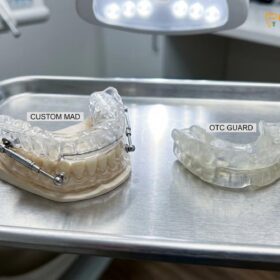
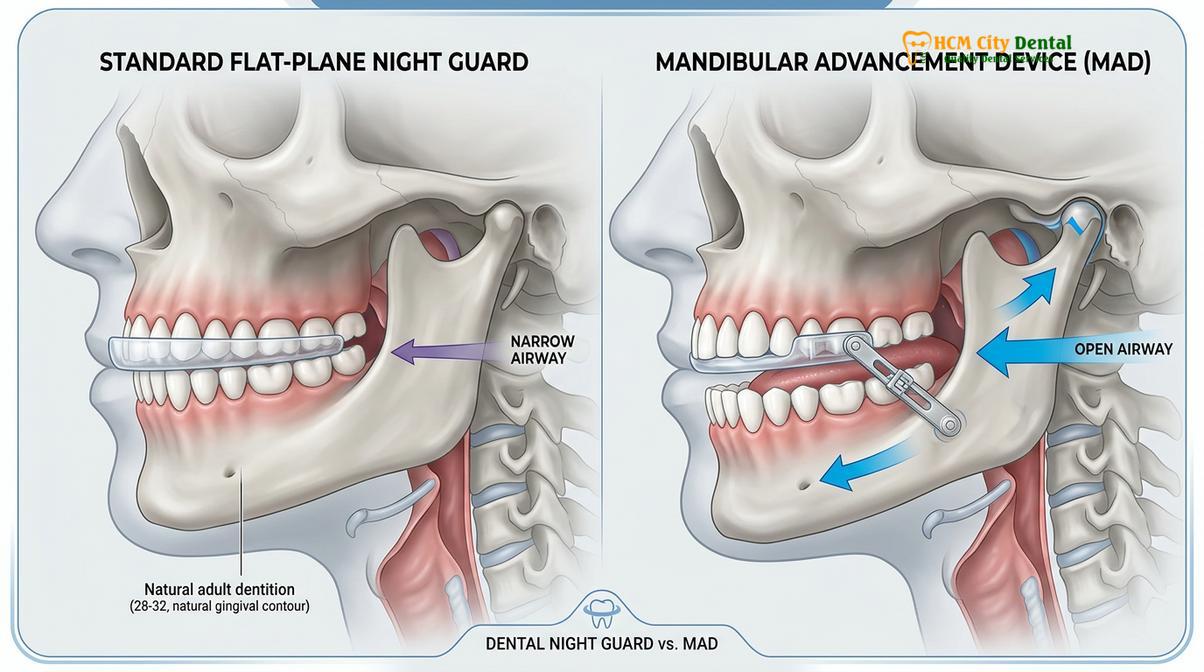
When a patient is diagnosed with both OSA and bruxism, the treatment paradigm shifts significantly. Simply providing a conventional, flat-plane acrylic night guard is often contraindicated. While a standard guard protects the teeth from friction, it takes up valuable space in the oral cavity and can inadvertently allow the mandible to retrude (slide backward) during sleep. This retrusion pushes the base of the tongue further into the airway, potentially exacerbating the sleep apnea and, ironically, triggering even more intense grinding as the body fights harder for air.
Therefore, the primary goal of treatment is to secure the airway. Once the airway is stabilized, the secondary sympathetic arousals cease, and the reflexive grinding often resolves naturally. For severe OSA, Continuous Positive Airway Pressure (CPAP) therapy remains the frontline medical treatment. A CPAP machine delivers a steady stream of pressurized air through a mask, acting as a pneumatic splint to keep the airway open. When CPAP successfully eliminates apneic events, many patients experience a dramatic reduction or complete cessation of their sleep bruxism.
Clinical Warning: Over-the-Counter Mouthguards
Patients suffering from suspected sleep apnea should strictly avoid over-the-counter, “boil-and-bite” mouthguards. These bulky, soft plastic devices not only fail to provide adequate occlusal support but can significantly reduce the intraoral volume, forcing the tongue backward and dangerously worsening airway obstruction during sleep.
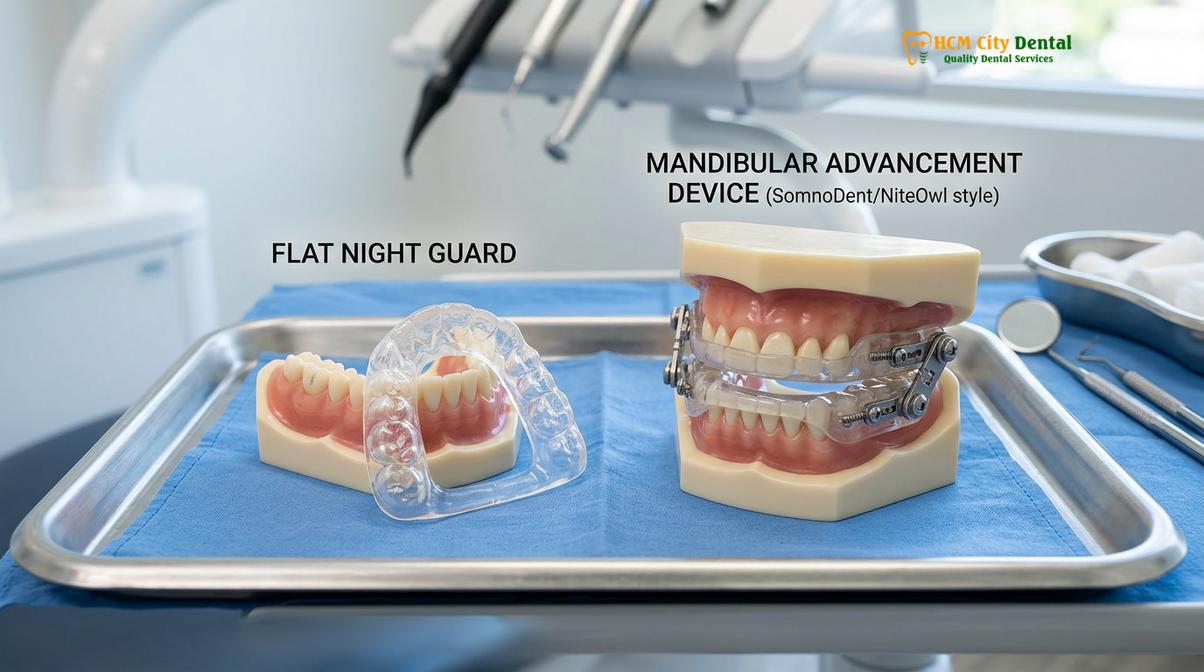
However, CPAP compliance can be challenging for some patients. For those with mild to moderate OSA, or those who are CPAP-intolerant, Mandibular Advancement Devices (MADs) offer an excellent dual-purpose solution. A MAD is a specialized, custom-fabricated oral appliance that fits over both the upper and lower teeth. Unlike a standard night guard, a MAD features a mechanism (such as hinges, straps, or interlocking fins) that holds the lower jaw in a forward, protruded position. By advancing the mandible, the MAD pulls the tongue base forward, opening the airway[5]. Simultaneously, the durable acrylic material of the MAD covers the occlusal surfaces, providing robust protection against any residual grinding.
The fabrication and titration of a MAD require precise clinical expertise. At HCMC Dental Clinic, the process involves taking highly accurate digital impressions and measuring the patient’s maximum mandibular protrusion. The device is typically set at 60% to 70% of maximum protrusion to balance optimal airway opening with TMJ comfort. Regular follow-ups are essential to adjust the advancement and monitor for any changes in the patient’s bite. For patients experiencing muscle soreness during the initial adaptation period, specific jaw exercises for bruxism relief are often prescribed to maintain muscle elasticity and joint health.
Night Guard vs CPAP: Compatibility
Patients can successfully use both a CPAP machine and a custom dental night guard, provided the oral appliance is specifically designed to accommodate the CPAP mask without compromising airway patency.
For patients who successfully use CPAP therapy but still experience residual grinding—perhaps due to stress, SSRI medication, or primary bruxism independent of their apnea—combining CPAP with dental protection is necessary. The clinical challenge lies in ensuring that the dental appliance does not interfere with the efficacy of the CPAP machine or the fit of the mask.
When integrating a night guard with CPAP, the design of the dental appliance must be carefully considered. A bulky upper night guard might alter the shape of the upper lip, breaking the seal of a nasal or full-face CPAP mask and causing air leaks. Air leaks not only reduce the effectiveness of the CPAP therapy but can also dry out the eyes and disrupt sleep. To prevent this, dentists often recommend a slim-profile, custom-milled lower night guard. Because the lower jaw is more mobile, a lower guard is less likely to interfere with the mask seal resting against the maxilla and upper lip.
“The integration of CPAP therapy and occlusal splint therapy requires precise anatomical consideration. A poorly designed night guard can compromise the CPAP mask seal, leading to air leaks and reduced therapeutic compliance. Custom, low-profile mandibular splints are generally the preferred choice for CPAP users.”
Furthermore, the dentist must ensure that the night guard does not encourage mandibular retrusion. Some specialized CPAP-compatible night guards are designed with a slight anterior ramp. This ramp prevents the lower jaw from sliding backward when the mouth relaxes, working synergistically with the CPAP pressure to maintain an open airway. If a patient finds that their current night guard is not fitting properly after starting CPAP therapy, a clinical adjustment or a complete redesign of the appliance is required to ensure both systems function harmoniously.
Why a standard flat night guard can sometimes worsen sleep apnea
A traditional flat night guard can inadvertently allow the lower jaw to slide backward during sleep, further narrowing the airway and exacerbating obstructive sleep apnea symptoms.
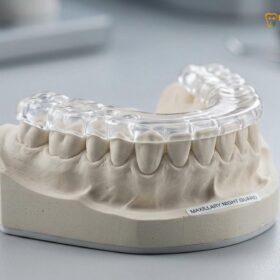
When a patient presents to a general dental clinic complaining of jaw pain and exhibiting signs of severe tooth wear, the traditional and most common intervention is the prescription of a standard occlusal splint, often referred to as a night guard. These devices, which can range from a soft over-the-counter boil-and-bite tray to a custom-fabricated hard acrylic or dual laminate splint, are designed with a singular goal: to place a physical barrier between the upper and lower teeth to prevent enamel-to-enamel contact.
While a standard night guard is highly effective at protecting the teeth from mechanical wear, it does absolutely nothing to address the underlying airway issue. In fact, for a patient whose bruxism is driven by obstructive sleep apnea, a traditional flat night guard can be distinctly contraindicated and may actually worsen their respiratory condition.[3]
The biomechanical reason for this lies in the vertical dimension of occlusion and the position of the mandible. When a standard night guard is inserted, it props the mouth open slightly, increasing the vertical distance between the upper and lower jaws. However, because a standard guard has a flat biting surface, it does not hold the lower jaw in a forward position. As the patient falls asleep and muscle tone decreases, gravity and the increased vertical opening can cause the heavy lower jaw to rotate backward and downward.
Clinical Warning: Utilizing an over-the-counter or standard flat night guard without prior airway screening can be dangerous for patients with sleep apnea. By allowing the jaw to fall backward, the base of the tongue is pushed further into the throat, potentially increasing the frequency and severity of apneic events.
As the mandible drops back, it carries the tongue with it, directly compressing the pharyngeal space. This iatrogenic narrowing of the airway makes it even more difficult for the patient to breathe. Consequently, the brain must trigger even more frequent and intense micro-arousals and bruxism episodes to fight against the very device that was prescribed to help them. The patient may return to the clinic complaining that they are grinding right through the new night guard, or that their sleep quality has deteriorated significantly since they began wearing it. This scenario underscores the critical importance of evaluating the airway before prescribing any intraoral appliance for bruxism.
How an MAD addresses both teeth wear and airway collapse simultaneously
Mandibular Advancement Devices (MADs) mechanically hold the lower jaw forward to maintain an open airway while providing a protective barrier over the teeth to prevent grinding damage.
The evolution of dental sleep medicine has led to the development of sophisticated oral appliances designed to treat the root cause of the problem rather than just the symptoms. A Mandibular Advancement Device (MAD) is a specialized, custom-fitted intraoral appliance that serves a dual therapeutic purpose. First, it covers the occlusal surfaces of the teeth, acting as a robust shield against the destructive forces of bruxism. Second, and most importantly, it engages both the upper and lower arches to mechanically hold the mandible in a protruded (forward) position throughout the night.
By stabilizing the jaw in this advanced posture, the MAD prevents the base of the tongue from collapsing backward into the pharyngeal space. This maintains a clear, unobstructed pathway for airflow, significantly reducing or eliminating apneic events, oxygen desaturation, and the subsequent sympathetic micro-arousals. When the brain no longer senses a choking hazard, the neurological trigger for the airway obstruction reflex is deactivated, leading to a profound reduction in nocturnal teeth grinding.
At HCMC Dental Clinic, we utilize advanced, clinically proven designs to ensure maximum efficacy and patient comfort. Two of the primary devices utilized in our collaborative treatment protocols are the Antisnoring Telescopic appliance and the Twinblock Snoring appliance. Each design offers unique biomechanical advantages depending on the patient’s specific anatomical needs and the severity of their bruxism.
| Appliance Type | Mechanism of Action | Key Clinical Advantages | Estimated Cost (VND) |
|---|---|---|---|
| Antisnoring Telescopic | Herbst-style mechanism with lateral telescopic rods connecting upper and lower arches. | Allows side-to-side and vertical jaw movement; minimizes TMJ stiffness; ideal for heavy grinders. | 12,000,000 VND (~$480 USD)* |
| Twinblock Snoring | Two-piece device with interlocking 70-degree bite blocks guiding the jaw forward. | Highly durable; forces the jaw into a precise forward posture upon closure; excellent for severe snoring. | 11,000,000 VND (~$440 USD)* |
*Note: Pricing reflects current estimates with applicable WhatsApp consultation discounts. Clinical examination is required for a finalized treatment plan.
According to Dr. Nguyen Van Cuong’s clinical perspective on airway scanning, joint checks, and titration calibration, selecting the right device depends heavily on the patient’s baseline TMJ health and degree of lateral bruxism. For instance, a patient who grinds their teeth aggressively from side to side may dislodge or break a rigid appliance. In such cases, the Antisnoring Telescopic device is highly recommended. Its lateral telescopic rods allow for a degree of natural lateral excursion, dissipating the grinding forces without compromising the forward advancement of the airway. Conversely, the Twinblock Snoring device utilizes interlocking acrylic blocks that guide the jaw into the correct position every time the patient closes their mouth, offering robust support for patients with significant airway collapse.
By utilizing these advanced appliances, patients can achieve a restful night’s sleep while simultaneously protecting their dental investments. For more detailed information on how these devices are integrated into comprehensive care plans, patients can explore our dedicated resources on Sleep Apnea & Snoring.
Clinical Workflow: From Diagnosis to Titration Calibration
The clinical workflow begins with a formal sleep study diagnosis by a physician, followed by precise intraoral scanning, custom appliance fabrication, and meticulous titration by a dental sleep specialist.
It is a fundamental tenet of medical ethics and clinical protocol that dentists do not diagnose sleep apnea. Obstructive sleep apnea is a complex medical condition that requires formal diagnosis by a board-certified sleep physician. The diagnostic gold standard is an overnight in-lab Polysomnography (PSG), though Home Sleep Apnea Tests (HSAT) have become increasingly reliable and popular for diagnosing uncomplicated cases.[4] These tests measure critical parameters such as brain waves, blood oxygen levels, heart rate, breathing effort, and the exact AHI.
Once a sleep physician has diagnosed the patient with mild-to-moderate OSA, primary snoring, or determined that the patient is intolerant to Continuous Positive Airway Pressure (CPAP) therapy, they will write a medical prescription for an oral appliance. At this stage, the collaborative role of the dental sleep specialist begins.
Clinical Case Example: A 45-year-old male patient visited HCMC Dental Clinic in Ho Chi Minh City complaining of chronic jaw pain and shattered dental crowns. A comprehensive evaluation revealed a narrow airway and scalloped tongue. Following a referral to a sleep physician, he was diagnosed with moderate OSA (AHI of 22). He was successfully fitted with an Antisnoring Telescopic appliance, which resolved his snoring, protected his remaining teeth, and eliminated his morning jaw pain.
The dental workflow begins with a comprehensive examination of the oral cavity. Dr. Cuong emphasizes the importance of comprehensive TMJ joint checks and intraoral digital scans to ensure the appliance does not induce temporomandibular dysfunction over time. Using a high-definition 3D intraoral scanner, the dental team captures a flawless digital impression of the patient’s teeth and gingival contours. A specialized bite registration is then taken, capturing the exact degree of mandibular advancement required to open the airway without overstretching the joint ligaments.
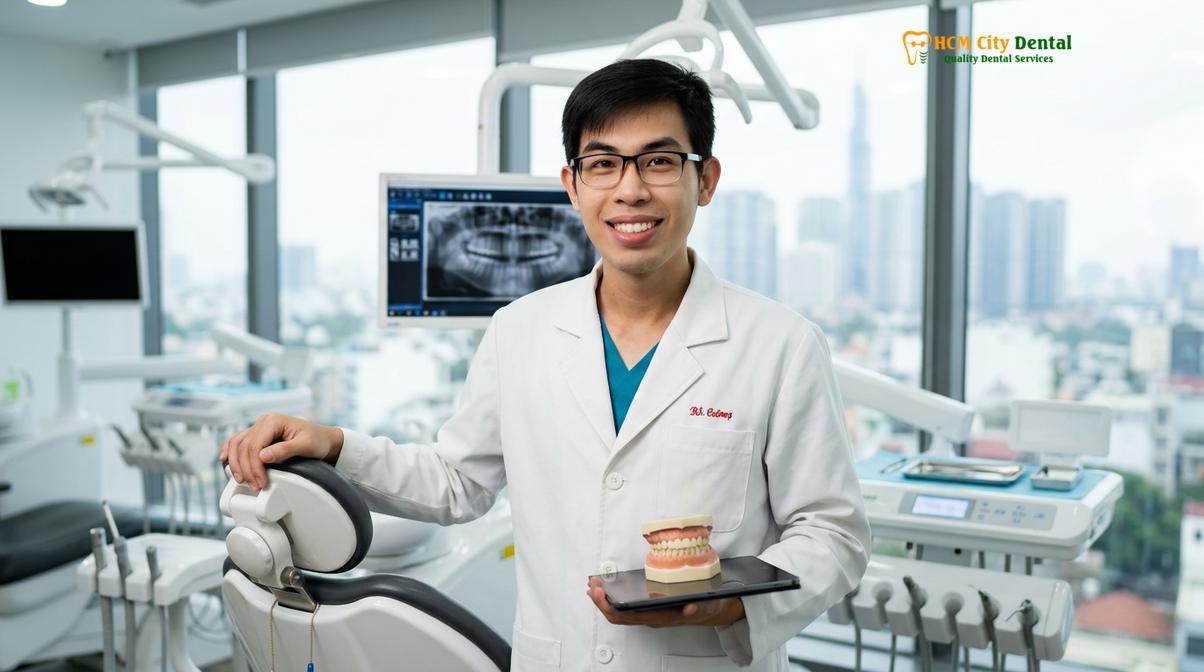
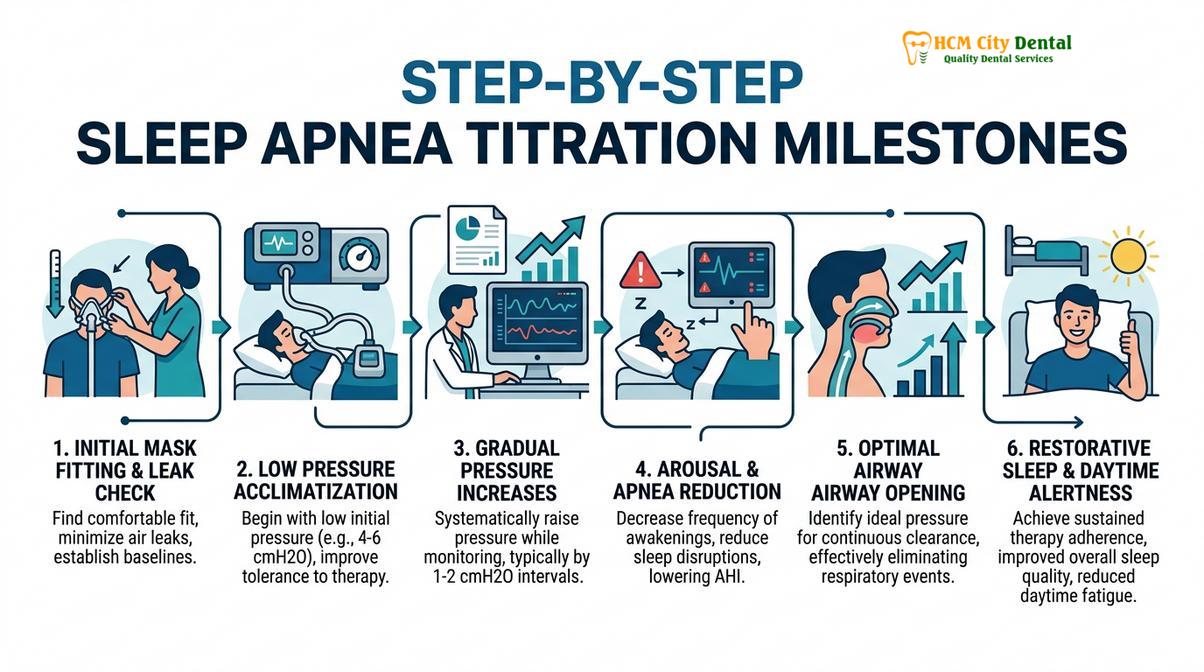
Once the custom appliance is fabricated and delivered, the most critical phase of treatment begins: titration. Titration is the gradual, millimeter-by-millimeter adjustment of the appliance to find the “sweet spot”—the exact position where the airway remains open, snoring ceases, and the TMJ remains comfortable.[5]
“Effective titration is a delicate balance. Advancing the mandible too quickly can trigger severe joint inflammation and muscle spasms, while advancing it too little will fail to resolve the apneic events. A meticulous, step-wise calibration protocol is essential for long-term therapeutic success.”
Patients are typically monitored over several weeks, with micro-adjustments made to the telescopic rods or bite blocks. Once the patient reports subjective improvement in sleep quality and a cessation of snoring, they are referred back to their sleep physician for a follow-up sleep study with the appliance in place. This objective data confirms that the AHI has been successfully lowered to a healthy baseline, proving the efficacy of the intervention.
When to See a Doctor
Recognizing the signs of concurrent sleep apnea and bruxism early can prevent irreversible dental damage and severe cardiovascular complications. You should seek a comprehensive evaluation from both a sleep physician and a qualified dental professional if you experience any of the following symptoms:
- Loud, disruptive snoring accompanied by witnessed pauses in breathing, gasping, or choking during sleep.
- Chronic morning headaches, particularly dull, generalized pain that mimics bruxism-related migraines.
- Excessive daytime sleepiness, chronic fatigue, or difficulty concentrating, despite seemingly getting enough hours of sleep.
- Severe tooth sensitivity, visible flattening of the chewing surfaces, or frequently chipped and fractured dental restorations.
- Persistent jaw pain, stiffness, or clicking in the temporomandibular joint upon waking.
Do not attempt to self-treat these symptoms with over-the-counter dental guards. A personalized clinical examination, often involving a sleep study and advanced dental imaging, is essential to determine the safest and most effective treatment protocol.

Frequently Asked Questions
Does sleep apnea cause teeth grinding?
Yes, sleep apnea is a primary trigger for secondary sleep bruxism. When the airway collapses during an apneic event, the brain initiates a micro-arousal that stimulates the jaw muscles to grind and thrust forward, attempting to mechanically reopen the obstructed airway. This reflexive action helps restore oxygen flow but causes severe wear on the teeth over time.
Can a night guard help sleep apnea?
A standard flat-plane night guard does not treat sleep apnea and can sometimes worsen it by allowing the lower jaw to slide backward. However, specialized Mandibular Advancement Devices (MADs) act as both a night guard and an apnea treatment by holding the jaw forward. It is crucial to have the correct type of appliance prescribed based on a formal sleep diagnosis.
Should I get a sleep study if I grind my teeth?
Yes, a sleep study (polysomnography) is highly recommended if your teeth grinding is accompanied by loud snoring, daytime fatigue, or morning headaches. This diagnostic test determines if underlying obstructive sleep apnea is the root cause of your bruxism. Identifying apnea early prevents the prescription of inappropriate dental devices that could compromise your airway.
Can you wear a night guard with a CPAP machine?
Yes, you can wear a custom-fitted night guard alongside a CPAP machine. Dentists typically design a slim, lower-arch guard that does not interfere with the seal of a full-face or nasal CPAP mask, ensuring both airway support and dental protection. Proper coordination between your sleep specialist and dentist ensures the devices work together effectively.
Do oral appliances treat both conditions?
Yes, specific oral appliances known as Mandibular Advancement Devices (MADs) are clinically designed to treat both conditions simultaneously. By advancing the mandible, they prevent airway collapse while providing a protective acrylic barrier against occlusal wear from grinding. These devices are highly effective for patients with mild to moderate sleep apnea who also suffer from bruxism.
Does grinding my teeth mean I have sleep apnea?
Not necessarily, but teeth grinding is a strong secondary indicator of sleep apnea. While bruxism can be caused by stress, anxiety, or occlusal misalignment, it frequently acts as a subconscious reflex to reopen a blocked airway during sleep. If your teeth grinding is accompanied by snoring, daytime fatigue, or morning headaches, a sleep study is highly recommended to rule out an underlying respiratory issue.
Can I wear a night guard and a sleep apnea guard at the same time?
No, you cannot wear both simultaneously, but a sleep apnea guard serves a dual purpose. A Mandibular Advancement Device (MAD) protects your teeth from grinding damage while simultaneously holding your jaw forward to keep the airway open. Wearing a standard flat night guard if you have sleep apnea can actually be dangerous, as it may allow the jaw to fall backward and worsen the airway obstruction.
How does Dr. Cuong differentiate bruxism from airway obstruction?
Dr. Cuong differentiates them by evaluating dental wear patterns, airway volume via 3D scans, and patient symptoms, while relying on a formal sleep study interpreted by a physician to definitively diagnose the presence of airway obstruction. A dental examination can reveal the structural damage caused by grinding, but only polysomnography can confirm if oxygen desaturation and apneas are the root cause of the muscle activity.
Are Mandibular Advancement Devices comfortable for severe teeth grinders?
Yes, modern devices are designed with lateral flexibility to accommodate grinding. Appliances like the Antisnoring Telescopic allow side-to-side movement, preventing the jaw from feeling locked and reducing strain on the temporomandibular joint during bruxism episodes. This flexibility ensures that the patient can still perform minor grinding motions without dislodging the appliance or damaging their teeth.
How long does it take to adjust to an oral sleep appliance?
Most patients fully adjust to an oral sleep appliance within two to four weeks. Initial side effects may include excessive salivation, minor jaw stiffness, or temporary bite changes, which typically resolve as the muscles adapt to the new position. Your dentist will provide a morning repositioning device to help your jaw return to its normal bite alignment quickly after removing the appliance each morning.
References
- Journal of Dental Sleep Medicine. Efficacy of Mandibular Advancement Devices for Sleep Apnea. (2021).
- Sleep and Breathing. Polysomnographic findings in concurrent OSA and bruxism. (2020).
- International Journal of Prosthodontics. Mandibular advancement devices for dual management of sleep disorders. (2021).
- Sleep Medicine Reviews. Rhythmic masticatory muscle activity and sympathetic arousals. (2018).
- Journal of Oral Rehabilitation. Impact of occlusal splints on airway patency in OSA patients. (2022).
- Journal of Dental Sleep Medicine. Mandibular advancement device efficacy in bruxism. (2021).
- American Journal of Respiratory and Critical Care Medicine. Sleep fragmentation and sympathetic arousal. (2019).
- Sleep and Breathing. The impact of flat occlusal splints on airway dynamics. (2020).
- Journal of Clinical Sleep Medicine. Polysomnography and HSAT diagnostic reliability. (2022).
- Journal of Oral Rehabilitation. Titration protocols and TMJ safety in dental sleep medicine. (2018).
For a comprehensive evaluation of your airway and customized custom night guards, schedule a consultation with the expert team at HCMC Dental Clinic in Ho Chi Minh City. Our multidisciplinary approach ensures your dental protection never compromises your respiratory health.