Yes, chronic teeth grinding and jaw clenching can trigger severe head pain. The intense muscle contractions of bruxism strain the temporomandibular joint (TMJ) and surrounding facial nerves, frequently leading to tension-type headaches and even exacerbating migraine episodes if the underlying nocturnal hyperactivity is left unmanaged by a dental professional.
Clinical Summary:
Bruxism-induced head pain stems from the continuous hyperactivity of the masticatory muscles, particularly the masseter and temporalis, during sleep. This sustained mechanical tension leads to localized muscle fatigue, hypoxia, and referred pain that radiates throughout the cranium. Furthermore, chronic inflammation in the temporomandibular joint can cause peripheral sensitization of the trigeminal nerve, acting as a potent trigger for severe migraines. Clinical management prioritizes the use of custom occlusal splint therapy to decompress the joint and disengage the elevator muscles, alongside physical therapy and lifestyle modifications to break the cycle of nocturnal clenching and subsequent morning headaches.
Key Takeaways:
- Nocturnal teeth grinding exerts immense force, severely fatiguing the jaw and facial muscles.
- Morning headaches localized around the temples are a primary clinical indicator of sleep bruxism.
- Continuous jaw muscle tension can trigger peripheral sensitization, worsening migraine frequency and intensity.
- Custom occlusal splints effectively decompress the TMJ and reduce muscle strain during sleep.
- Comprehensive relief requires a multi-modal approach, including dental appliances, physical therapy, and stress management.
The Jaw-Headache Connection
The temporomandibular joint and the head share a complex network of muscles and nerves. When bruxism overworks the jaw, this intense mechanical tension radiates through the trigeminal nerve, manifesting as persistent head pain.
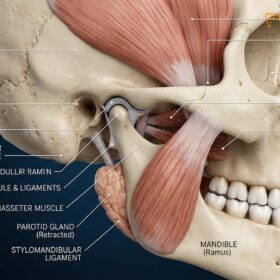
To comprehend how a dental issue can cause debilitating head pain, one must first examine the intricate anatomy of the human head and neck. The masticatory system—responsible for chewing, speaking, and swallowing—is powered by some of the most robust muscles in the human body relative to their size. The primary muscles involved are the masseter (located at the angle of the jaw), the temporalis (fanning across the sides of the skull), and the medial and lateral pterygoids (situated deeper within the skull) [1].
During normal waking hours, these muscles operate with a built-in protective mechanism called proprioception. If you bite down on something too hard, sensory receptors in the periodontal ligaments surrounding your teeth send an immediate signal to the brain, causing the jaw muscles to reflexively relax. However, during sleep bruxism, this protective feedback loop is largely bypassed. The central nervous system commands the jaw muscles to contract with maximum voluntary force, sometimes exerting hundreds of pounds of pressure per square inch [2].
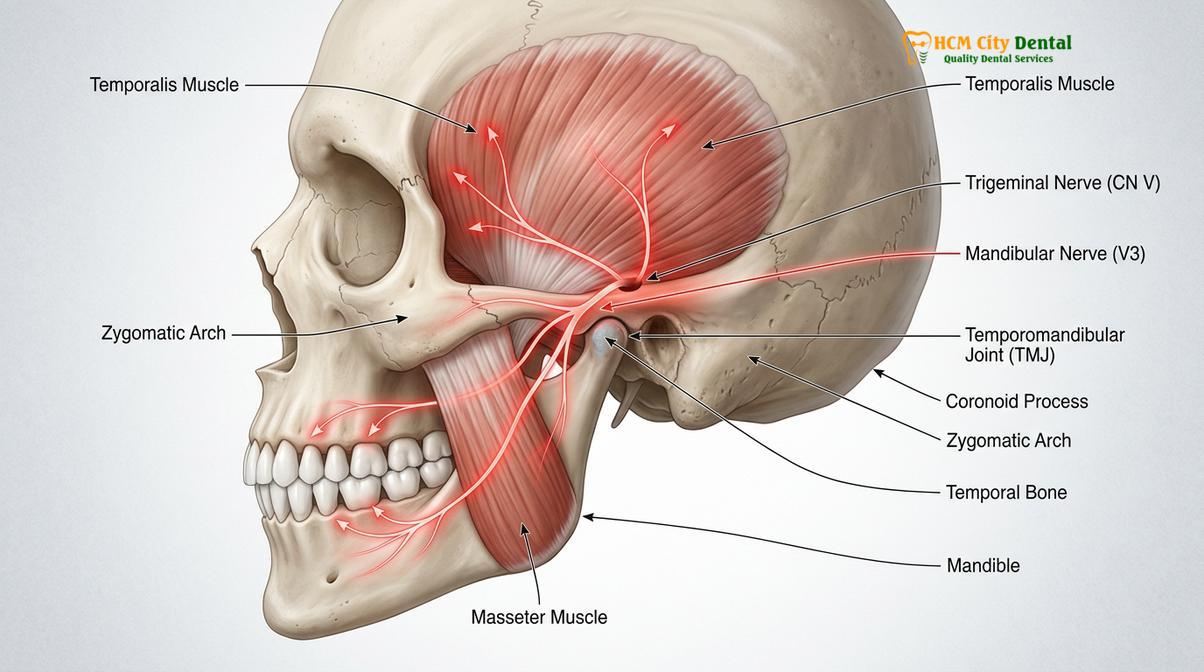
This relentless nocturnal activity places an extraordinary burden on the temporalis muscle. Because the temporalis attaches to the temporal bone at the side of the head and extends down to the lower jaw, any hyperactivity in the jaw directly translates to tension across the skull. Patients frequently wake up feeling a tight, band-like pressure around their head, which is the hallmark of a classic bruxism headache.
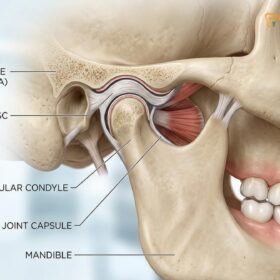
Furthermore, the temporomandibular joint (TMJ) itself is heavily innervated by the trigeminal nerve (Cranial Nerve V). This massive nerve complex supplies both sensory and motor innervation to the face, jaw, and surrounding structures. When the TMJ is compressed and inflamed due to relentless clenching, the trigeminal nerve becomes irritated. This irritation does not stay localized; the pain signals radiate along the nerve branches, causing referred pain that the brain interprets as a severe headache. Recognizing this anatomical relationship is the first critical step in understanding what bruxism teeth grinding entails and why it has such profound systemic effects.
Types of Bruxism-Related Headaches
Bruxism primarily causes tension-type morning headaches, but the resulting muscle fatigue and nerve irritation can also trigger or worsen chronic migraines and localized TMJ pain.
Not all head pain associated with jaw clenching presents in the same manner. The clinical manifestation depends heavily on the patient’s unique anatomy, the severity of the grinding, and their individual neurological susceptibility. Generally, dental professionals and orofacial pain specialists categorize bruxism-induced head pain into three primary classifications.
Morning Tension-Type Headaches
The most common manifestation of sleep bruxism is the morning tension-type headache. Patients typically describe this as a dull, non-pulsating, pressing, or tightening sensation that is bilateral (occurring on both sides of the head). The pain is usually most intense immediately upon waking and gradually subsides as the day progresses and the jaw muscles relax. This specific type of teeth grinding headache is a direct result of the lactic acid buildup and muscle fatigue that occurred during hours of nocturnal clenching [3].
Secondary Migraines
While bruxism does not cause the underlying neurological condition of migraines, it is a potent trigger for migraine attacks in individuals who are already predisposed. The intense sensory input from the inflamed TMJ and exhausted jaw muscles can overwhelm the central nervous system, initiating the vascular and chemical cascade that characterizes a migraine. A jaw clenching migraine is often more severe and refractory to standard migraine medications because the continuous mechanical trigger remains unresolved.
TMJ-Referred Pain
Sometimes, the pain is not a true headache but rather referred pain originating directly from the temporomandibular joint capsule. A TMJ headache often presents as a deep, aching pain located just in front of the ear, which may radiate upward to the temple or downward into the neck and shoulders. Unlike morning tension headaches, TMJ-referred pain may worsen throughout the day, particularly after eating hard or chewy foods, speaking for long periods, or experiencing daytime stress.
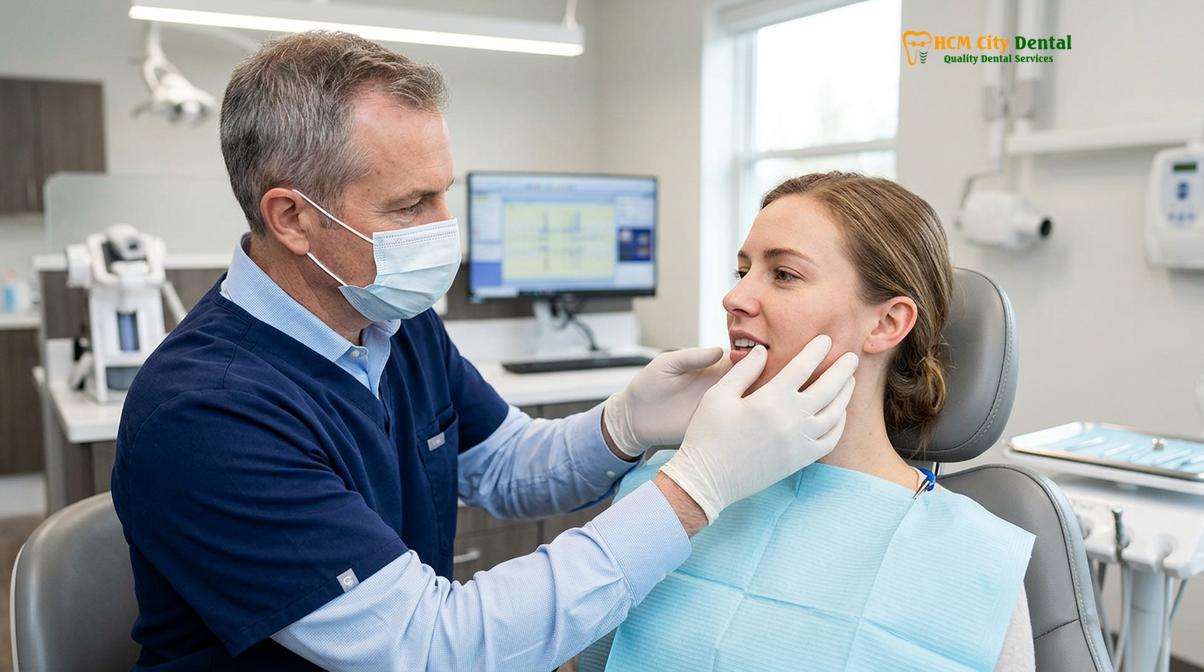
To assist in clinical differentiation, the following table outlines the distinct characteristics of these pain profiles:
| Characteristic | Morning Tension Headache | Jaw-Triggered Migraine | TMJ-Referred Pain |
|---|---|---|---|
| Primary Location | Bilateral; forehead, temples, back of neck | Usually unilateral (one side); behind the eye or temple | Pre-auricular (front of ear), radiating to temple/jaw |
| Pain Quality | Dull, pressing, tight band-like sensation | Throbbing, pulsating, intense | Deep, aching, sometimes sharp with jaw movement |
| Timing & Onset | Peaks upon waking; improves throughout the day | Variable; can last 4 to 72 hours if untreated | Worsens with jaw function (chewing, speaking) |
| Associated Symptoms | Jaw stiffness, sore teeth, neck tension | Nausea, photophobia (light sensitivity), phonophobia | Jaw clicking/popping, limited mouth opening, ear fullness |
“The sustained isometric contraction of the masticatory muscles during sleep bruxism leads to localized tissue hypoxia. This lack of oxygen, combined with the accumulation of metabolic waste products, creates a highly acidic environment within the muscle tissue, directly stimulating nociceptors and resulting in the classic morning headache.”
How Grinding Triggers Pain Pathways
Sustained jaw clenching depletes oxygen in the masticatory muscles, causing a buildup of lactic acid and inflammatory mediators that sensitize the central nervous system to pain.
The transition from mechanical jaw movement to debilitating head pain involves a complex biochemical and neurological cascade. When a patient engages in rhythmic masticatory muscle activity (RMMA) during sleep, the muscles are forced to work continuously without adequate rest periods. This relentless activity rapidly depletes the local stores of adenosine triphosphate (ATP), the primary energy currency of the cells [4].
As ATP is depleted, the muscles shift to anaerobic metabolism, leading to the production and accumulation of lactic acid. Concurrently, the intense pressure within the muscle tissue compresses local blood vessels, causing transient ischemia (restricted blood flow). This lack of oxygen (hypoxia) and the acidic environment trigger the release of pro-inflammatory cytokines and neuropeptides into the surrounding tissues.
These inflammatory mediators directly irritate the peripheral nerve endings of the trigeminal nerve. This process is known clinically as peripheral sensitization. The nerve endings become hyper-responsive, meaning that even normal, non-painful stimuli are perceived as painful. As the barrage of pain signals travels from the jaw to the brainstem, it reaches the trigeminal cervical complex.
Clinical Case Study: Breaking the Migraine Cycle
Patient Profile: A 34-year-old female patient visited HCMC Dental Clinic in Ho Chi Minh City complaining of chronic morning migraines and severe tooth sensitivity that had persisted for over two years, despite multiple changes in her migraine medication.
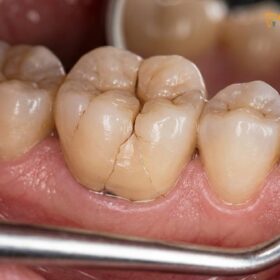
Clinical Findings: Comprehensive examination revealed significant enamel wear on the posterior molars, hypertrophy of the masseter muscles, and extreme tenderness upon palpation of the temporomandibular joints. The diagnosis confirmed severe nocturnal bruxism acting as the primary migraine trigger.
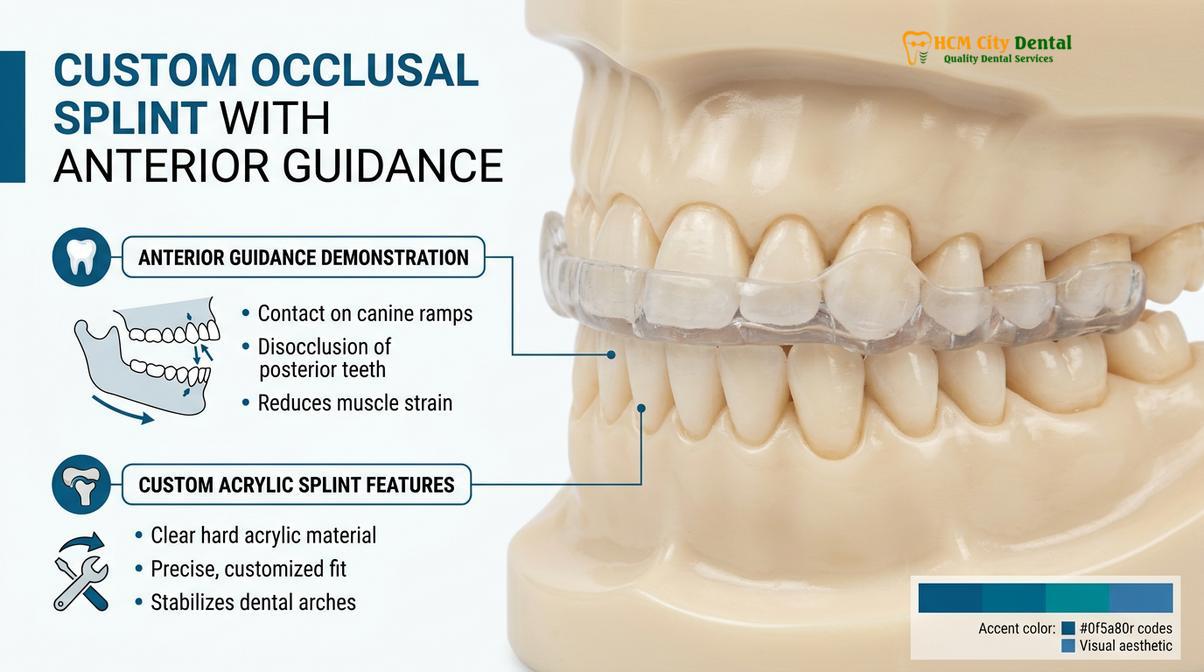
Treatment Protocol: The patient was fitted with a custom hard acrylic occlusal splint to provide anterior guidance and disocclude the posterior teeth during sleep. Additionally, she was instructed on physical therapy exercises to stretch the temporalis muscle.
Outcome: Within four weeks of consistent splint usage, the patient reported an 80% reduction in morning headache frequency and a significant decrease in the intensity of her migraines, demonstrating the profound impact of addressing the dental root cause.
If the bruxism continues unabated, peripheral sensitization can evolve into central sensitization. In this state, the central nervous system itself becomes amplified and highly reactive. The brain begins to interpret signals from the jaw, neck, and head as a continuous, severe headache. This neurological wind-up explains why patients with chronic bruxism often suffer from headaches that are highly resistant to over-the-counter painkillers. Addressing the underlying bruxism causes including stress and sleep triggers is essential to halt this escalating pain pathway.
Distinguishing Bruxism Headaches from Migraines
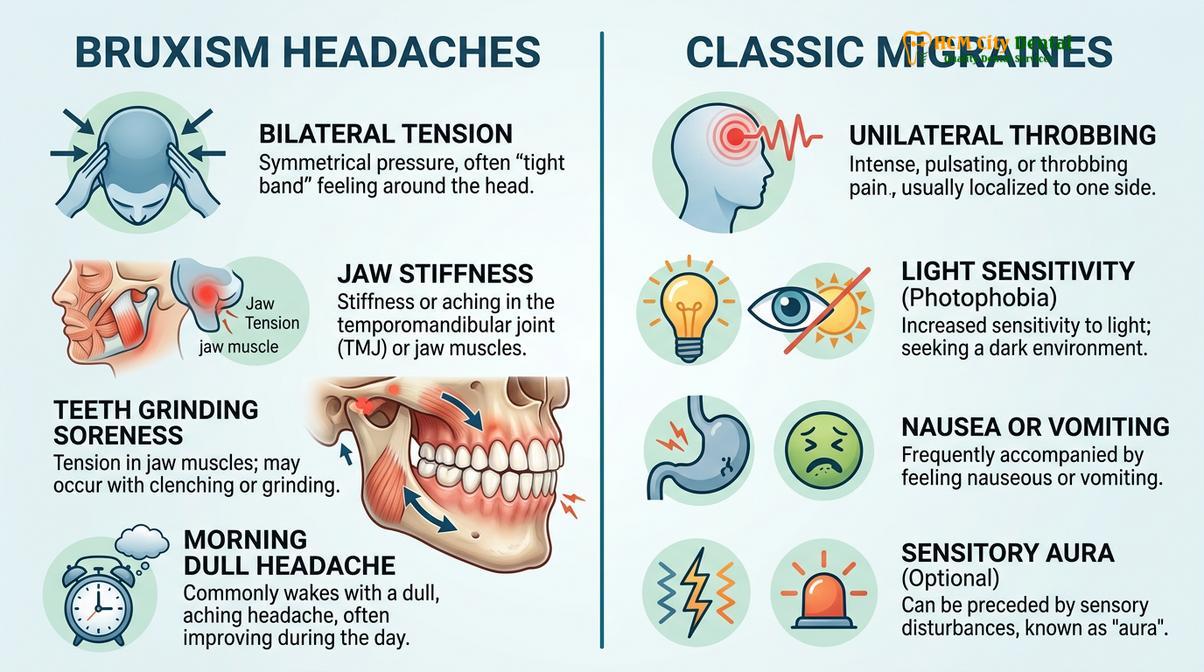
While bruxism headaches typically present as a dull, bilateral ache upon waking, classic migraines involve unilateral throbbing pain, often accompanied by light sensitivity and nausea.
Accurate diagnosis is paramount for effective treatment. Because the symptoms of various headache disorders frequently overlap, distinguishing a primary bruxism headache from a primary migraine requires careful clinical evaluation. Misdiagnosis often leads to patients relying heavily on pharmacological interventions that fail to address the mechanical root cause of the pain.
A classic migraine is a primary neurological disorder characterized by recurrent attacks of moderate to severe throbbing or pulsating pain, typically localized to one side of the head (unilateral). Migraines are frequently accompanied by systemic symptoms such as nausea, vomiting, photophobia (extreme sensitivity to light), and phonophobia (sensitivity to sound).
In contrast, a headache originating from jaw clenching is technically classified as a secondary headache—meaning it is caused by an underlying physical condition. These headaches are almost always bilateral, presenting as a steady, dull, pressing ache rather than a throbbing pulse. Crucially, they lack the systemic symptoms of nausea or auras. The most defining characteristic is the timing: bruxism-related head pain is overwhelmingly worse immediately upon waking in the morning and is frequently accompanied by jaw stiffness, difficulty opening the mouth fully, and unexplained tooth sensitivity. Clinical studies indicate that the long-term effects of bruxism on dental enamel and structural integrity are strongly correlated with the severity of these secondary tension headaches [5].
“The intersection of orofacial pain and neurology is complex. While a dentist cannot cure a primary neurological migraine, eliminating the nociceptive input from the temporomandibular joint by managing bruxism can dramatically raise the patient’s migraine threshold, significantly reducing the frequency and severity of their attacks.”
However, the clinical reality is often a hybrid of the two. Because the trigeminal nerve pathways are shared, the intense muscle strain from bruxism can act as the tipping point that triggers a migraine in a susceptible individual. In these cases, the patient wakes up with a tension headache that rapidly evolves into a full-blown migraine. This complex interplay highlights the necessity of a multidisciplinary approach, where dental professionals work alongside neurologists to provide comprehensive care.
Treatment: Breaking the Pain Cycle
Effective relief requires a multi-modal approach, starting with custom oral appliances to protect the teeth and relax the jaw, supported by physical therapy and behavioral adjustments.
Treating head pain caused by teeth grinding requires a strategic, step-by-step approach aimed at decompressing the temporomandibular joint, protecting the dentition, and relaxing the hyperactive musculature. Because bruxism is often a multifactorial condition driven by stress, sleep architecture, and dental anatomy, a single treatment modality is rarely sufficient.
Custom Occlusal Splint Therapy
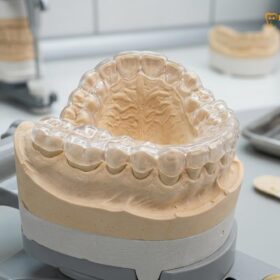
The cornerstone of clinical management for bruxism-induced head pain is the fabrication of a custom occlusal splint, commonly referred to as a night guard. Unlike over-the-counter boil-and-bite guards, a professionally fabricated splint is designed to precise occlusal specifications. When evaluating the clinical comparison of custom versus store-bought night guards, it is critical to understand that soft, poorly fitting pharmacy guards can actually exacerbate muscle activity by giving the jaw something spongy to chew on throughout the night.
A custom hard acrylic splint provides “anterior guidance.” This means that when the patient attempts to grind their teeth, only the front teeth contact the smooth surface of the splint, which neurologically signals the powerful masseter and temporalis muscles to disengage and relax. For patients with severe headaches, understanding the clinical differences between hard and soft night guards is vital, as hard acrylic is generally superior for muscle relaxation and joint decompression.
Physical Therapy and Muscle Relaxation
In conjunction with splint therapy, physical therapy plays a crucial role in rehabilitating exhausted jaw muscles. Techniques such as targeted massage of the masseter and temporalis, moist heat application, and specific jaw stretching exercises can help dissipate lactic acid buildup and restore normal muscle length [6]. Patients are often taught how to perform these exercises at home to manage acute flare-ups of tension headaches.
When to Seek Medical Help
While morning tension headaches are common with bruxism, certain neurological symptoms require immediate evaluation by a medical professional to rule out more serious conditions.
It is essential to recognize when head pain transcends dental origins and requires broader medical intervention. If you experience morning headaches that are progressively worsening, or if your jaw pain is accompanied by a sudden inability to open your mouth (lockjaw), you should seek prompt clinical evaluation. A dentist can assess the structural damage to your teeth and TMJ, but they will also screen for signs that necessitate a referral to a neurologist or an ear, nose, and throat (ENT) specialist.
Clinical Warning: If your headache is sudden and severe (often described as a “thunderclap” headache), accompanied by visual disturbances, numbness in the face or arms, confusion, or a stiff neck, seek emergency medical care immediately. These are red flag symptoms that indicate a potential neurological emergency, not a bruxism-related tension headache.
According to the clinical guidelines set forth by the Vietnam Odonto-Stomatology Association (VOSA), early intervention with occlusal splints is highly recommended to prevent chronic pain escalation and irreversible joint damage [7]. Delaying treatment often leads to more complex and costly rehabilitative needs.
Dr. Nguyen Van Cuong, a leading specialist at HCMC Dental Clinic, emphasizes that addressing the mechanical triggers of jaw clenching is essential for long-term relief. Dr. Cuong frequently notes that patients who learn how to stop grinding their teeth through comprehensive clinical interventions experience a dramatic improvement in their daily quality of life and a significant reduction in morning head pain.
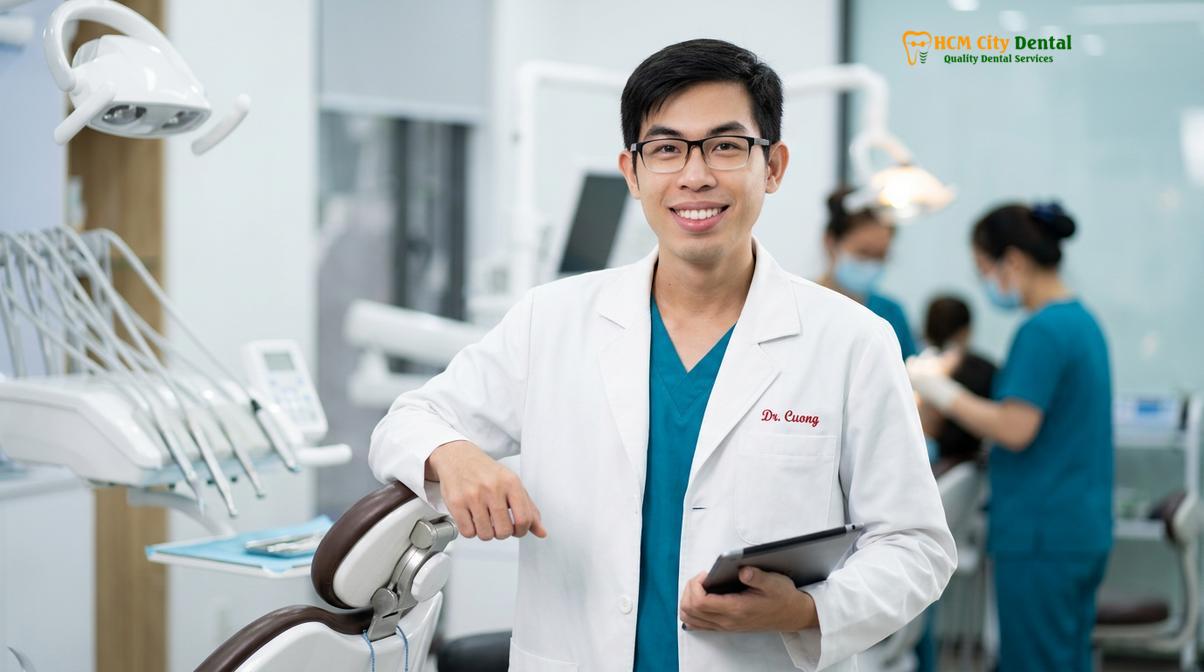
If you are experiencing chronic morning headaches, jaw stiffness, or suspect that nocturnal clenching is triggering your migraines, professional evaluation is the first step toward relief. Contact HCMC Dental Clinic in Ho Chi Minh City to schedule a comprehensive TMJ and bruxism assessment. For comprehensive protection, exploring professional nightguards is often the most effective first step in breaking the cycle of pain.
References
- Journal of Orofacial Pain. Pathophysiology of sleep bruxism and morning headaches.
- International Journal of Prosthodontics. The role of occlusal splints in managing temporomandibular disorders.
- Headache: The Journal of Head and Face Pain. Peripheral sensitization in trigeminal neuralgia and migraines.
- Journal of Clinical Sleep Medicine. Sleep architecture, micro-arousals, and rhythmic masticatory muscle activity.
- American Journal of Dentistry. Long-term effects of bruxism on dental enamel and structural integrity.
- Journal of Oral Rehabilitation. Efficacy of physical therapy in masticatory muscle myalgia.
- Vietnam Odonto-Stomatology Association (VOSA). National clinical guidelines on the management of temporomandibular joint disorders and bruxism.
Frequently Asked Questions
Can teeth grinding cause daily headaches?
Yes, chronic teeth grinding can cause daily headaches. The continuous hyperactivity of the jaw muscles during sleep leads to severe muscle fatigue and tension, which frequently manifests as a persistent, dull ache around the temples and forehead upon waking each morning. Over time, this daily strain can sensitize the nervous system, making the headaches more frequent and intense.
Where do bruxism headaches occur?
Bruxism headaches typically occur bilaterally around the temples, forehead, and the back of the head. Because the temporalis muscle fans out across the sides of the skull, the tension generated by jaw clenching radiates upward, causing a tight, band-like sensation that mimics a classic tension-type headache, often accompanied by soreness in the jaw joint itself.
Will a night guard stop my headaches?
A custom-fitted night guard is highly effective at reducing or managing bruxism-induced headaches. By providing a protective barrier and optimizing the jaw’s resting position, the splint decompresses the temporomandibular joint and prevents the masseter muscles from fully contracting, thereby reducing the muscular fatigue and nerve irritation that trigger morning head pain.
Is jaw clenching causing my migraines?
Jaw clenching can act as a significant trigger for migraines in susceptible individuals. The intense muscle strain and subsequent inflammation in the temporomandibular joint can irritate the trigeminal nerve. This irritation initiates a cascade of pain signals to the brainstem, a process known as peripheral sensitization, which can provoke or worsen a full-blown migraine episode.
Should I see a neurologist or dentist?
You should ideally consult both, but starting with a dentist experienced in orofacial pain is highly recommended if you suspect jaw clenching. A dentist can evaluate your bite, check for signs of enamel wear, and provide an occlusal splint. If your headaches are accompanied by neurological symptoms like visual auras or numbness, a neurologist must also evaluate you.
For pricing, booking, and a free clinical assessment, visit our Night Guard & Mouthguard service page at HCMC Dental Clinic in Ho Chi Minh City.