Bruxism is a medical condition characterized by the involuntary clenching, grinding, or gnashing of teeth. It often occurs subconsciously during sleep or while awake. Over time, this excessive occlusal force can lead to severe dental attrition, jaw pain, temporomandibular joint disorders, and chronic headaches.
Clinical Summary:
When patients ask what is bruxism teeth grinding, they are inquiring about a complex neuromuscular and sleep-related movement disorder. It is broadly categorized into awake and sleep variants, each driven by distinct central nervous system triggers, including psychosocial stress, sleep architecture disruptions, and pharmacological side effects. The condition generates immense biomechanical forces that far exceed normal chewing capacity, leading to accelerated enamel wear, abfraction, and temporomandibular joint (TMJ) dysfunction. Clinical management requires a multidisciplinary approach, utilizing custom occlusal appliances to protect the dentition, behavioral therapies to reduce muscle hyperactivity, and occasionally pharmacological interventions to manage severe neuromuscular tension.
Key Takeaways:
- The condition involves involuntary jaw muscle contractions that generate destructive forces on the dentition.
- It is classified into two primary circadian manifestations: sleep-related and awake-state.
- Psychological stress, sleep apnea, and certain medications are major contributing risk factors.
- Clinical signs include flattened teeth, exposed dentin, masseter muscle hypertrophy, and morning headaches.
- Treatment focuses on damage prevention through custom oral appliances and addressing underlying systemic triggers.
What Is Bruxism?
Bruxism is a repetitive jaw-muscle activity characterized by the involuntary clenching or grinding of teeth, which can cause significant biomechanical damage to the oral cavity.
To fully understand what is bruxism teeth grinding, it is essential to examine the intricate biomechanics of the human masticatory system. The jaw is operated by a powerful network of muscles, primarily the masseter, temporalis, medial pterygoid, and lateral pterygoid. Under normal physiological conditions, these muscles engage during mastication (chewing), swallowing, and speech. During these functional activities, the teeth only make contact for a few minutes cumulatively throughout the day, and the forces exerted are carefully regulated by proprioceptive feedback from the periodontal ligaments surrounding the tooth roots.[1]
However, in the presence of this parafunctional habit, the regulatory mechanisms of the central nervous system are bypassed or altered. The masticatory muscles contract involuntarily and with immense intensity. While normal chewing forces typically range from 20 to 40 pounds per square inch, the forces generated during an involuntary grinding episode can exceed 250 pounds per square inch. This exponential increase in pressure subjects the teeth, the supporting alveolar bone, and the temporomandibular joint (TMJ) to extreme biomechanical stress.
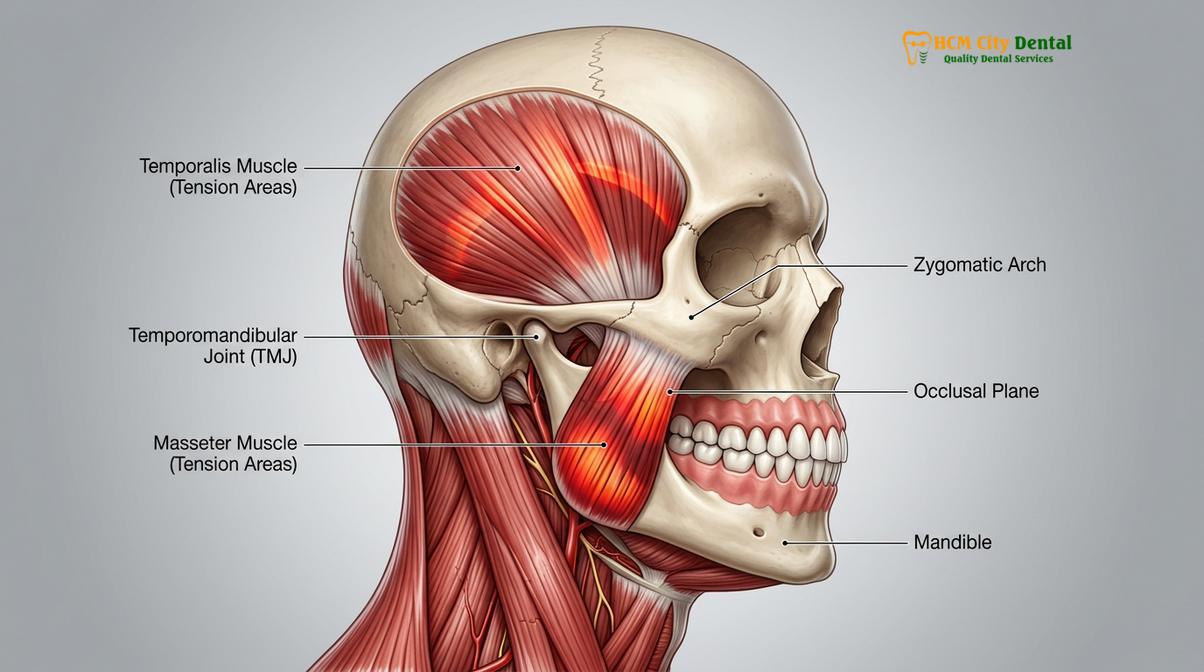
The condition manifests primarily in two physical actions: clenching and grinding. Clenching involves pressing the upper and lower teeth together with static, isometric muscle contractions. There is little to no lateral movement, but the vertical pressure is immense. Grinding, on the other hand, involves isotonic muscle contractions where the mandible (lower jaw) moves laterally or anteriorly while the teeth are tightly engaged. This dynamic friction acts like sandpaper on the occlusal (biting) surfaces of the teeth, rapidly wearing away the protective enamel layer and exposing the softer, highly sensitive dentin underneath.
“Bruxism is no longer viewed merely as a localized dental issue, but rather as a complex central nervous system phenomenon involving the basal ganglia, neurotransmitter imbalances, and sleep micro-arousals that manifest destructively in the oral cavity.”
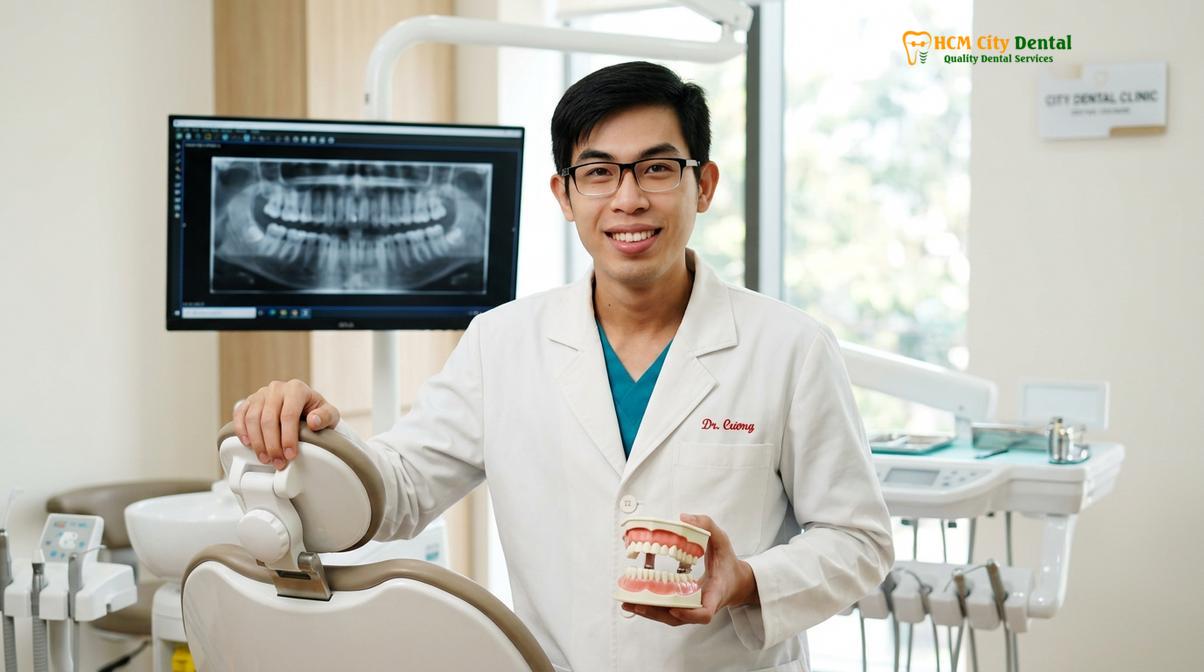
From a clinical perspective, Dr. Nguyen Van Cuong often emphasizes to patients that the human dentition is simply not designed to withstand prolonged, non-functional friction. The enamel, while being the hardest substance in the human body, is highly susceptible to the shear forces generated by lateral grinding movements. Over time, this leads to a cascade of dental complications, including micro-fractures, pulpitis (inflammation of the tooth nerve), and eventual tooth loss if left unmanaged. Understanding the sheer magnitude of these forces is the first step in recognizing why early intervention is critical for long-term oral health.
Types of Bruxism: Sleep vs Awake
The condition is classified into two distinct circadian manifestations: sleep bruxism occurring during unconscious rest, and awake bruxism occurring during conscious hours.
While the physical action of pressing the teeth together remains similar, the medical community distinguishes between two primary variants based on when the activity occurs. These two types have different etiologies, pathophysiological mechanisms, and clinical management strategies. Identifying which variant a patient suffers from is crucial for developing an effective treatment protocol.
Awake Bruxism
Awake bruxism is characterized by involuntary clenching or bracing of the jaw muscles during waking hours. It is rarely associated with the lateral grinding movements seen in the sleep variant; instead, it is predominantly a static clenching action. This condition is highly correlated with psychological and emotional states. It often functions as a physical tic or a subconscious coping mechanism in response to stress, anxiety, frustration, or intense concentration.[2]
Patients with this awake variant often do not realize they are clenching until they experience muscle fatigue, a tension headache, or until a dentist points out the hypertrophy (enlargement) of their masseter muscles. Because the patient is conscious, management typically relies heavily on behavioral modification. Techniques such as cognitive behavioral therapy (CBT), biofeedback, and habit-reversal training are employed to help the patient recognize the clenching trigger and consciously relax the jaw. The goal is to train the patient to maintain a “lips together, teeth apart” resting posture.
Sleep Bruxism
Conversely, sleep bruxism (often referred to clinically as nocturnal bruxism) is classified as a sleep-related movement disorder. It occurs entirely outside of the patient’s conscious control. Polysomnographic (sleep study) research has shown that these grinding episodes are closely linked to micro-arousals in the brain’s sleep architecture. During the transition between different stages of sleep—particularly from deep non-REM sleep to lighter sleep stages—the central nervous system experiences a brief spike in autonomic sympathetic activity. This spike causes an increase in heart rate, respiratory rate, and rhythmic masticatory muscle activity (RMMA), which results in forceful grinding.[3]
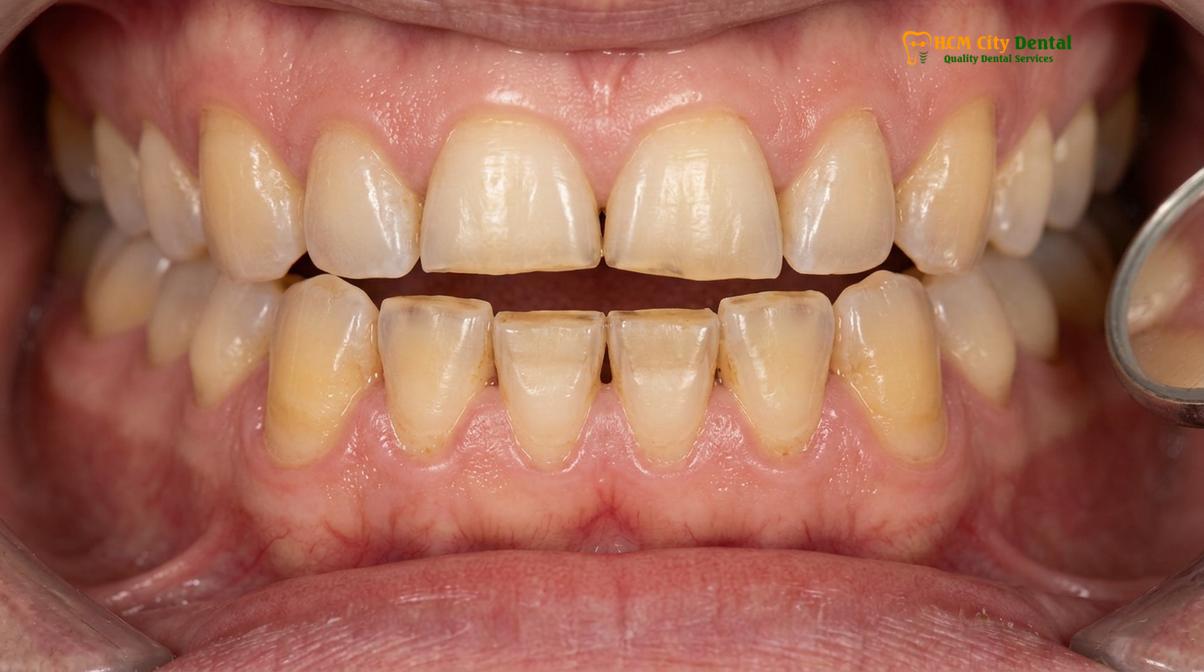
Because the patient is unconscious, the protective reflexes that normally prevent excessive bite force are suppressed. Consequently, the damage inflicted during nocturnal episodes is often far more severe than that of the awake variant. Patients typically wake up with a sore jaw, stiff neck, or a dull headache. Furthermore, the loud, grating noise produced by the friction of the teeth can severely disrupt the sleep of a bed partner.
| Characteristic | Awake Bruxism | Sleep Bruxism |
|---|---|---|
| Primary Action | Static clenching and jaw bracing | Dynamic lateral grinding and clenching |
| State of Consciousness | Conscious (but often subconscious habit) | Unconscious (during sleep micro-arousals) |
| Primary Triggers | Stress, anxiety, intense concentration | Sleep architecture disruptions, airway issues |
| Force Exerted | Moderate to high (limited by pain reflexes) | Extremely high (protective reflexes suppressed) |
| Primary Management | Behavioral therapy, biofeedback, mindfulness | Occlusal splints, sleep hygiene, airway management |
It is entirely possible for a patient to suffer from both variants simultaneously, a condition that places an extraordinary burden on the masticatory system and requires a comprehensive, multi-modal treatment approach to prevent catastrophic dental failure.
Common Causes and Risk Factors
Bruxism is a multifactorial condition driven by central nervous system triggers, psychosocial stress, genetic predispositions, sleep disorders, and certain pharmacological agents.
Historically, the dental profession believed that malocclusion—a misaligned bite—was the primary cause of teeth grinding. The theory was that the jaw muscles were attempting to “grind away” high spots or interferences in the bite to achieve a comfortable resting position. However, modern neurophysiological research has largely debunked this peripheral theory. Today, it is understood that the condition is primarily centrally mediated, meaning it originates in the brain and central nervous system rather than the teeth themselves. The etiology is highly multifactorial, involving a complex interplay of psychological, physiological, and exogenous factors.
Psychosocial Factors: Stress and Anxiety
Psychological stress is arguably the most significant and widely recognized risk factor, particularly for the awake variant. When an individual experiences chronic stress or anxiety, the body’s hypothalamic-pituitary-adrenal (HPA) axis is activated, leading to elevated levels of cortisol and adrenaline. This state of sympathetic nervous system dominance (“fight or flight”) increases overall muscle tonus throughout the body. The masticatory muscles, being highly innervated and sensitive to emotional states, frequently become the focal point for this physical tension. Individuals with highly competitive, aggressive, or hyperactive personality types (Type A personalities) demonstrate a statistically higher prevalence of jaw clenching.
Sleep Disorders and Airway Obstruction
There is a profound and well-documented clinical correlation between sleep bruxism and obstructive sleep apnea (OSA). OSA is a condition where the soft tissues at the back of the throat collapse during sleep, temporarily blocking the airway and causing a cessation of breathing. When the brain detects a drop in blood oxygen levels (hypoxia), it triggers a micro-arousal to restart breathing.[4]
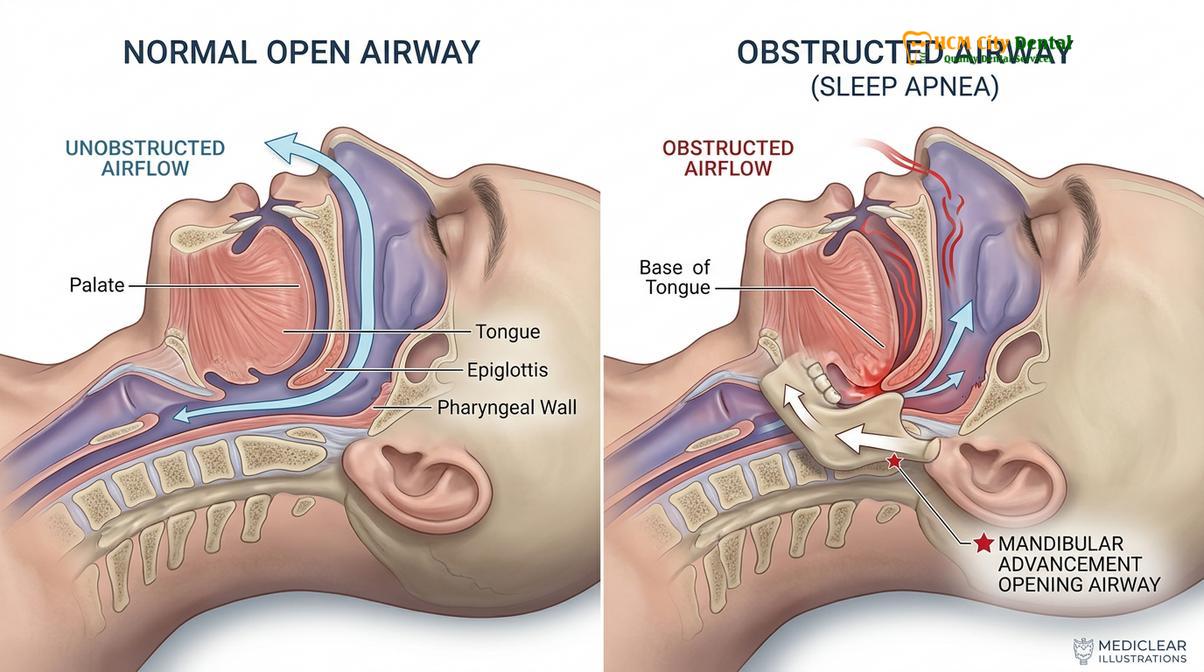
During this micro-arousal, the brain sends urgent signals to the muscles of the jaw and tongue to contract and thrust forward in an attempt to mechanically open the collapsed airway. This forward thrusting and intense muscle contraction manifest clinically as severe grinding. In these cases, the grinding is actually a secondary physiological survival mechanism to maintain airway patency. Treating the dental symptoms without addressing the underlying sleep apnea is often ineffective and can sometimes exacerbate the airway obstruction.
Medications and Exogenous Substances
Certain pharmacological agents can induce or exacerbate muscle hyperactivity as a side effect. The most notable culprits are selective serotonin reuptake inhibitors (SSRIs), a common class of antidepressant medications (e.g., fluoxetine, sertraline, paroxetine). SSRIs alter the balance of neurotransmitters in the brain, and in some patients, this alteration disrupts the dopaminergic pathways that control motor function, leading to medication-induced movement disorders, including severe jaw clenching.
Clinical Warning: Patients who develop sudden, severe jaw clenching shortly after beginning a new antidepressant or anti-anxiety medication should consult their prescribing physician. Do not discontinue medication abruptly; a physician may adjust the dosage or switch to a different class of medication to alleviate the neuromuscular side effects.
Lifestyle factors also play a critical role. The consumption of central nervous system stimulants significantly increases the risk of nocturnal muscle activity. High intake of caffeine (especially in the late afternoon or evening) and nicotine from smoking disrupt sleep architecture and increase sympathetic arousal. Furthermore, while alcohol is a depressant, its metabolism during the night causes sleep fragmentation and frequent micro-arousals, which are the primary triggers for rhythmic masticatory muscle activity.
How Bruxism Is Diagnosed
Diagnosis relies on a comprehensive clinical examination identifying abnormal tooth wear, muscle hypertrophy, and patient-reported symptoms, sometimes supplemented by polysomnography.
Because many patients are entirely unaware of their parafunctional habits, the diagnosis is frequently made incidentally during a routine dental examination. A trained clinician looks for a specific constellation of intraoral signs and extraoral symptoms that indicate a history of excessive occlusal force.
Intraoral Clinical Signs
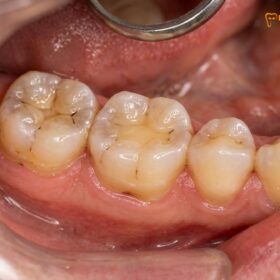
The most obvious clinical indicator is abnormal tooth wear, known as attrition. Unlike the natural, slow wear that occurs over decades of normal chewing, pathological attrition presents as flattened cusps on the posterior molars and shortened, chipped edges on the anterior incisors. In severe cases, the protective enamel is worn away completely, exposing the darker, yellowish dentin beneath. This exposed dentin is highly susceptible to decay and thermal sensitivity.
Another key indicator is the presence of abfraction lesions. These are V-shaped notches that appear at the gumline (the cementoenamel junction). When a tooth is subjected to extreme lateral bending forces during grinding, the enamel rods at the neck of the tooth flex and micro-fracture, causing the tooth structure to chip away near the gums. Additionally, clinicians look for soft tissue indicators, such as a “linea alba”—a raised, white, hyperkeratotic line on the inside of the cheek caused by chronic negative pressure and friction—and a scalloped tongue, where the edges of the tongue bear the indentations of the teeth from being pressed against them.
Extraoral Symptoms and Muscle Palpation
During the extraoral examination, the dentist will palpate (feel) the muscles of mastication. Patients with chronic hyperactivity often exhibit masseter hypertrophy, a visible enlargement and bulging of the jaw muscles at the angle of the mandible, giving the face a widened, square appearance. Palpation of the masseter, temporalis, and lateral pterygoid muscles often elicits tenderness or referred pain. The clinician will also evaluate the temporomandibular joint for clicking, popping, crepitus (a grating sound), or a restricted range of motion, all of which suggest joint degradation secondary to excessive loading.
Clinical Case Review: A 34-year-old patient presented to HCMC Dental Clinic in Ho Chi Minh City complaining of severe morning headaches and extreme sensitivity to cold beverages. Upon clinical examination, Dr. Cuong noted significant enamel attrition on the lower incisors, bilateral masseter hypertrophy, and a pronounced linea alba. The patient was unaware of any nocturnal habits. Following a comprehensive evaluation, the patient was diagnosed with severe sleep-related grinding. A custom dual-laminate occlusal splint was fabricated, which immediately resolved the morning headaches and protected the remaining dentition from further degradation.
Advanced Diagnostic Tools
While a clinical examination is usually sufficient for a presumptive diagnosis, definitive diagnosis of the sleep variant—especially when associated with other sleep disorders—requires advanced testing. Polysomnography (a sleep study) is the gold standard. During this overnight test, electromyography (EMG) sensors are placed on the masseter and temporalis muscles to record the frequency and intensity of muscle contractions. The study also monitors brain waves (EEG), heart rate, and blood oxygen levels, allowing physicians to definitively link the grinding episodes to sleep micro-arousals or apneic events.
Treatment Options Overview
Management focuses on protecting the dentition, reducing muscle hyperactivity, and addressing underlying triggers through occlusal appliances, behavioral therapies, and pharmacological interventions.
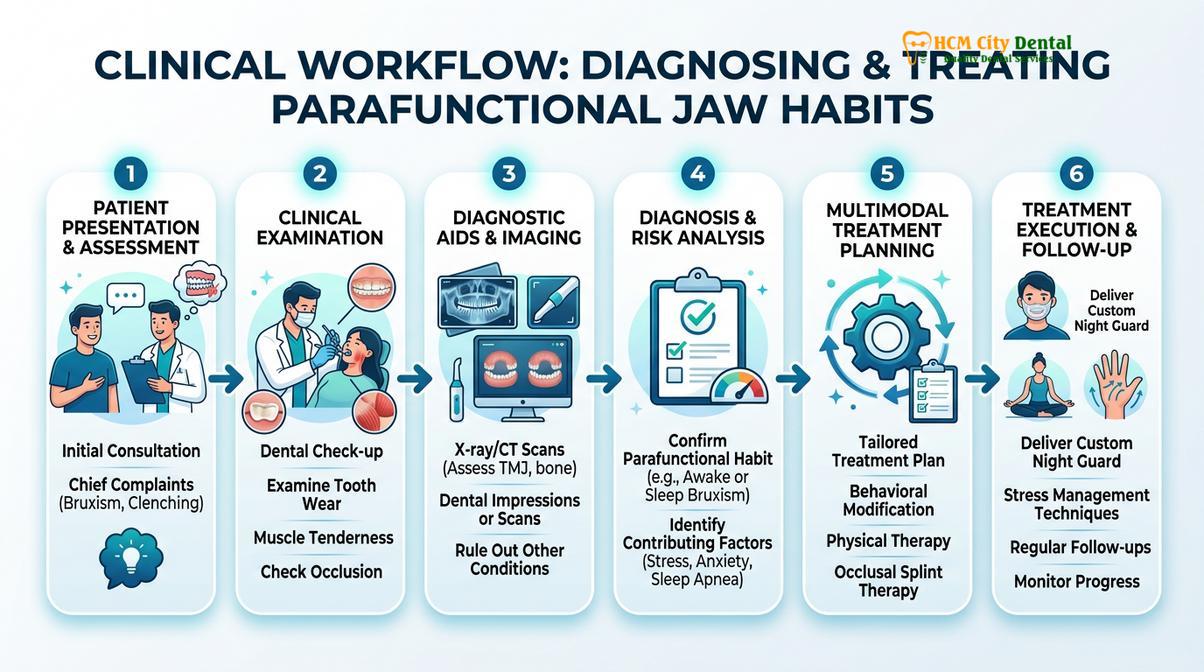
Because the etiology of the condition is multifactorial, there is no single “cure” that works for every patient. Instead, treatment is highly individualized and focuses on a triad of goals: protecting the teeth and TMJ from biomechanical damage, reducing the frequency and intensity of muscle contractions, and managing any associated pain or dysfunction. A comprehensive treatment plan often involves a combination of dental, behavioral, and medical approaches.[5]
Occlusal Appliances (Nightguards)
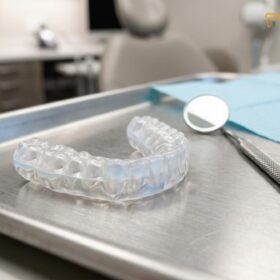
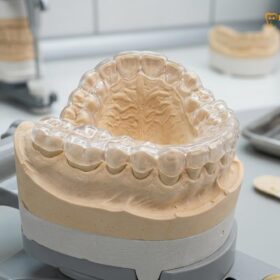
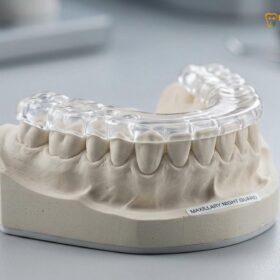
The cornerstone of dental management is the use of custom-fabricated occlusal appliances, commonly known as nightguards or occlusal splints. It is critical to understand that a nightguard does not necessarily stop the brain from sending the signal to grind; rather, it acts as a protective physical barrier. By providing a smooth, even surface for the teeth to glide against, the appliance dissipates the extreme forces, prevents enamel-to-enamel wear, and decompresses the temporomandibular joint.
For optimal efficacy, these appliances must be custom-made by a dental professional based on precise impressions of the patient’s mouth. Over-the-counter “boil-and-bite” guards are generally discouraged for chronic sufferers. They are often made of soft, compressible materials that can inadvertently stimulate the chewing reflex, causing the patient to clench harder and exacerbating muscle fatigue. A clinical-grade appliance is typically made of hard acrylic or a dual-laminate material (hard on the outside, soft on the inside) that provides rigid support and proper occlusal guidance. Patients seeking comprehensive protection can explore custom-fitted occlusal appliances designed specifically for their unique bite architecture.
“The primary objective of splint therapy is not to cure the central nervous system trigger, but to alter the sensory input to the masticatory muscles, thereby reducing hypertonicity and providing a sacrificial layer that protects the irreplaceable natural dentition.”
Behavioral and Psychological Therapies
For patients suffering from the awake variant, behavioral modification is the primary line of defense. Cognitive Behavioral Therapy (CBT) can be highly effective in helping patients identify the emotional triggers and environmental stressors that lead to clenching. Biofeedback therapy is another valuable tool; it uses electronic monitoring to provide immediate visual or auditory feedback when muscle tension increases, training the patient to consciously relax their jaw.
Improving sleep hygiene is crucial for managing the nocturnal variant. This includes establishing a consistent sleep schedule, ensuring a dark and quiet sleep environment, and strictly avoiding central nervous system stimulants like caffeine, nicotine, and heavy alcohol consumption in the hours leading up to bedtime. Creating a calming pre-sleep routine helps lower sympathetic nervous system arousal, thereby reducing the likelihood of sleep micro-arousals.
Pharmacological and Medical Interventions
In acute cases where muscle pain is severe and debilitating, short-term pharmacological intervention may be necessary. Muscle relaxants (such as cyclobenzaprine) prescribed for a few days can help break the cycle of severe muscle spasms. However, these are not long-term solutions due to the risk of dependency and side effects.
A increasingly common and highly effective medical treatment for severe, refractory cases is the targeted injection of Botulinum toxin type A (Botox) into the masseter and temporalis muscles. Botox works by temporarily blocking the release of acetylcholine at the neuromuscular junction, effectively weakening the muscle’s ability to contract forcefully. This significantly reduces the intensity of the clenching force without compromising normal chewing function. The effects typically last for three to four months, providing profound relief from facial pain and protecting the teeth while other underlying factors are addressed.
Restorative Dentistry
Once the active muscle hyperactivity has been managed and stabilized, restorative dentistry is often required to repair the damage that has already occurred. This may involve placing composite bondings, porcelain veneers, or full-coverage dental crowns to restore the lost vertical dimension of the bite, protect exposed dentin, and re-establish proper occlusal function and aesthetics. Dr. Nguyen Van Cuong emphasizes that restorative work should only commence after the parafunctional habit is under control; otherwise, the extreme forces will simply fracture the new dental restorations just as they destroyed the natural enamel.
When to See a Dentist About Grinding
Recognizing the early warning signs of excessive occlusal force is vital for preventing irreversible damage to the stomatognathic system. Because the destruction occurs gradually, many patients delay seeking care until they experience a catastrophic dental failure, such as a vertically fractured tooth that requires extraction.
You should schedule a comprehensive clinical evaluation if you experience any of the following symptoms:
- Chronic Morning Pain: Waking up consistently with a dull headache, sore jaw muscles, or a feeling of fatigue in the face.
- Tooth Sensitivity: A sudden or gradual increase in sensitivity to hot, cold, or sweet stimuli, which often indicates that the protective enamel has been worn away, exposing the dentin.
- TMJ Dysfunction: Clicking, popping, or a grating sound in the jaw joint when opening or closing the mouth, especially if accompanied by pain or a restricted range of motion (locking of the jaw).
- Visible Tooth Damage: Noticing that your teeth appear shorter, flatter, chipped, or have sharp edges that irritate your tongue or cheeks.
- Partner Reports: If a sleep partner informs you that you make loud grinding, clicking, or gnashing noises during the night.
Early intervention is highly conservative and cost-effective, typically involving a custom nightguard and lifestyle modifications. Delaying treatment allows the biomechanical destruction to progress, eventually necessitating complex, invasive, and expensive full-mouth rehabilitation. If you suspect you are suffering from these symptoms, seeking a professional diagnostic evaluation at a facility like HCMC Dental Clinic can provide clarity and a personalized roadmap to protect your oral health.
Frequently Asked Questions
Can bruxism go away on its own?
Yes, bruxism can occasionally resolve on its own, particularly in children or when it is triggered by temporary acute stress. However, in adults with chronic parafunctional habits, structural sleep disorders, or medication-induced grinding, the condition rarely disappears without targeted clinical intervention and behavioral management. Ignoring the condition in adults usually leads to progressive dental wear and worsening temporomandibular joint symptoms over time.
Is teeth grinding a sign of stress?
Teeth grinding is frequently a direct physiological manifestation of psychological stress and anxiety. When the central nervous system is in a heightened state of arousal, it often translates emotional tension into physical muscle hyperactivity, particularly in the masseter and temporalis muscles during both waking and sleeping hours. Managing this stress through cognitive behavioral therapy, mindfulness, and lifestyle adjustments is a critical component of treating the awake variant of the condition.
How do I know if I grind my teeth at night?
You may know you grind your teeth at night if you wake up with unexplained jaw soreness, dull morning headaches, or increased tooth sensitivity. Often, a sleep partner will report hearing a distinct grinding or clicking sound, and a dentist can identify physical wear facets on your enamel. Because the activity occurs during unconscious sleep micro-arousals, professional clinical diagnosis is usually required to confirm the presence and severity of the habit.
Can children have bruxism?
Yes, children frequently experience bruxism, especially during the eruption of primary or permanent teeth. While it can cause temporary wear, most pediatric patients naturally outgrow the habit by adolescence without requiring extensive intervention, though severe cases may warrant monitoring for airway issues or sleep disturbances. If a child wakes up with chronic jaw pain or exhibits severe enamel wear, a pediatric dental evaluation is recommended to rule out underlying sleep-disordered breathing.
Does bruxism cause permanent damage?
If left untreated, bruxism can cause irreversible, permanent damage to the dentition and supporting structures. The excessive occlusal forces can lead to severe enamel attrition, fractured cusps, widened periodontal ligaments, and chronic temporomandibular joint (TMJ) degradation that may require complex restorative dentistry to repair. Once enamel is worn away, it cannot regenerate, making early diagnosis and the use of protective occlusal splints essential for long-term preservation.
References
- Journal of the American Dental Association. Pathophysiology and management of sleep bruxism. (2021).
- International Journal of Prosthodontics. The relationship between obstructive sleep apnea and nocturnal bruxism. (2020).
- Journal of Clinical Sleep Medicine. Polysomnographic diagnostic criteria for sleep-related movement disorders. (2019).
- European Journal of Oral Sciences. Biomechanics of occlusal wear and non-carious cervical lesions. (2022).
- Journal of Oral Rehabilitation. Efficacy of hard acrylic occlusal splints in managing masticatory muscle hyperactivity. (2018).