The average sleep apnea mouthguard cost ranges from $1,800 to $3,000 in Western countries due to high clinical overhead and multi-stage laboratory fees. However, international patients can access the exact same medical-grade custom mandibular advancement devices in Vietnam for approximately $440 to $480, achieving exceptional clinical outcomes at a fraction of the price.
Clinical Summary:
Custom oral appliance therapy is a highly effective, non-invasive treatment modality for mild-to-moderate obstructive sleep apnea and primary snoring. While the sleep apnea mouthguard cost in the United States and Australia is often prohibitive, a growing number of international patients are seeking specialized care in Ho Chi Minh City. By utilizing advanced intraoral digital scans and FDA-cleared medical acrylics, specialized dental clinics fabricate precision devices like the Antisnoring Telescopic and Twinblock Snoring appliances. These mandibular advancement devices (MADs) work by mechanically preventing airway obstruction and oxygen desaturation during sleep. Proper clinical protocols require collaboration with a sleep physician for a formal diagnosis, followed by meticulous dental titration and TMJ joint checks to ensure long-term therapeutic success and patient comfort.
Key Takeaways:
- Custom sleep apnea mouthguards cost between $1,800 and $3,000 in the US and Australia, compared to roughly $440 to $480 in Vietnam.
- Dentists fabricate these devices but do not diagnose sleep apnea; a formal sleep study (PSG or HSAT) evaluated by a physician is mandatory.
- The Antisnoring Telescopic device allows lateral jaw movement to minimize TMJ stiffness, priced at 12,000,000 VND.
- The Twinblock Snoring appliance uses interlocking bite blocks to guide the jaw forward, priced at 11,000,000 VND.
- International insurance providers like Allianz and Cigna often cover these medical-grade devices when prescribed for diagnosed OSA.
Why Custom Sleep Appliances Are So Expensive in Australia and USA
The high cost of custom sleep appliances in Western countries is driven by extensive clinical overhead, multi-stage laboratory fabrication fees, and complex insurance billing processes rather than the raw materials alone.
Obstructive Sleep Apnea (OSA) is a serious medical condition characterized by repeated episodes of partial or complete airway obstruction during sleep. This mechanical collapse of the pharyngeal tissues leads to significant oxygen desaturation, triggering the sympathetic nervous system and causing fragmented sleep. To quantify the severity of this condition, sleep physicians measure the Apnea-Hypopnea Index (AHI). While Continuous Positive Airway Pressure (CPAP) remains the gold standard for severe cases, a large percentage of patients are CPAP-intolerant. For these individuals, as well as those with mild-to-moderate OSA or primary snoring, custom oral appliances—specifically Mandibular Advancement Devices (MADs)—offer a highly effective and scientifically validated alternative[1].
Despite their clinical efficacy, the sleep apnea mouthguard cost in countries like the United States, Australia, and the United Kingdom is often a significant barrier to treatment. Patients frequently receive quotes ranging from $1,800 to over $3,000. This exorbitant pricing is rarely a reflection of the raw materials used. Instead, it is the cumulative result of a highly fragmented healthcare system. The process involves multiple consultations, expensive chair time with a dental sleep medicine specialist, high domestic laboratory fabrication fees, and the administrative burden of navigating complex medical insurance codes.
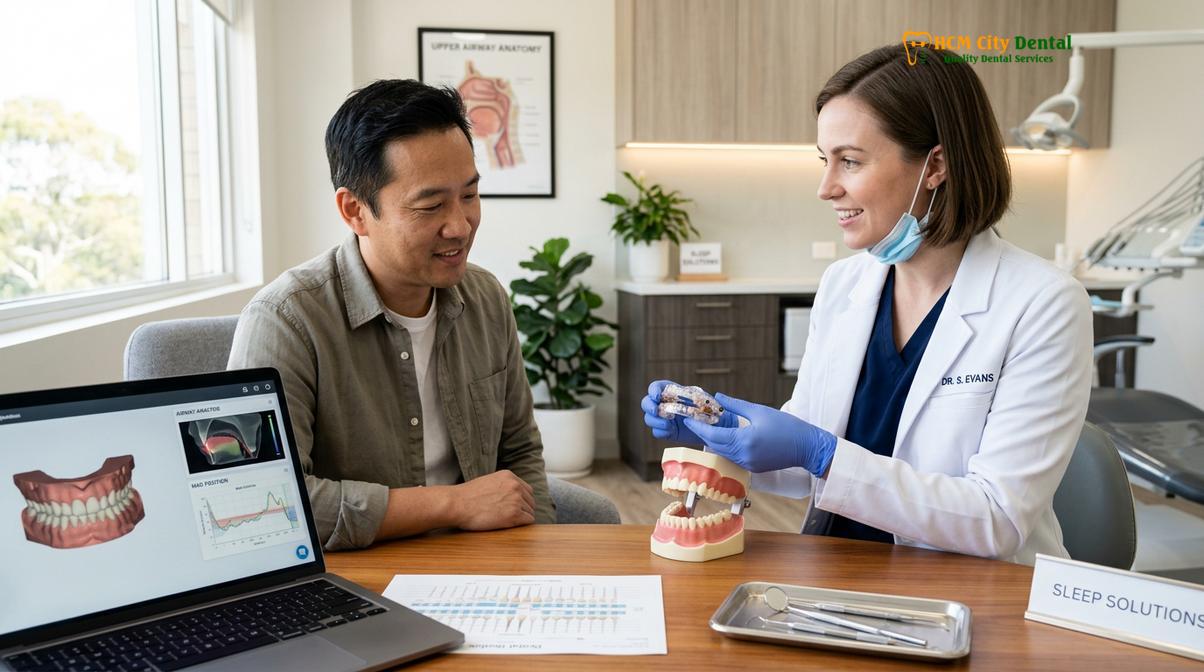
Furthermore, the clinical workflow in Western countries often involves proprietary branding markups. When patients search for a SomnoDent alternative cost, they quickly realize that the brand name attached to the acrylic device heavily inflates the final invoice. The actual biomechanical function of these devices—protruding the mandible forward to increase the posterior airway space and stabilize the tongue—can be achieved using the exact same FDA-cleared materials in international clinics without the inflated domestic overhead[2].
“The financial barrier to custom oral appliance therapy in Western healthcare systems often leaves CPAP-intolerant patients without viable treatment options, highlighting the critical need for accessible, medical-grade alternatives globally.”
This economic disparity has fueled a massive surge in dental tourism saigon, where patients combine their travel itineraries with high-end medical and dental care. By stepping outside their local healthcare monopolies, patients can secure an affordable sleep apnea treatment that adheres to the exact same rigorous international standards of dental sleep medicine.
Price Breakdown in Saigon: Twinblock vs. Antisnoring Telescopic
At HCMC Dental Clinic, patients can choose between the Twinblock Snoring device for 11,000,000 VND or the advanced Antisnoring Telescopic appliance for 12,000,000 VND, both offering exceptional clinical value.
When exploring custom oral appliances in Ho Chi Minh City, patients are presented with transparent, straightforward pricing that eliminates the hidden fees commonly found in Western clinics. The two primary devices utilized for managing airway obstruction and snoring are the Twinblock Snoring appliance and the Antisnoring Telescopic appliance. Both are custom-fabricated based on precise intraoral digital scans, but they utilize different biomechanical mechanisms to achieve mandibular advancement.
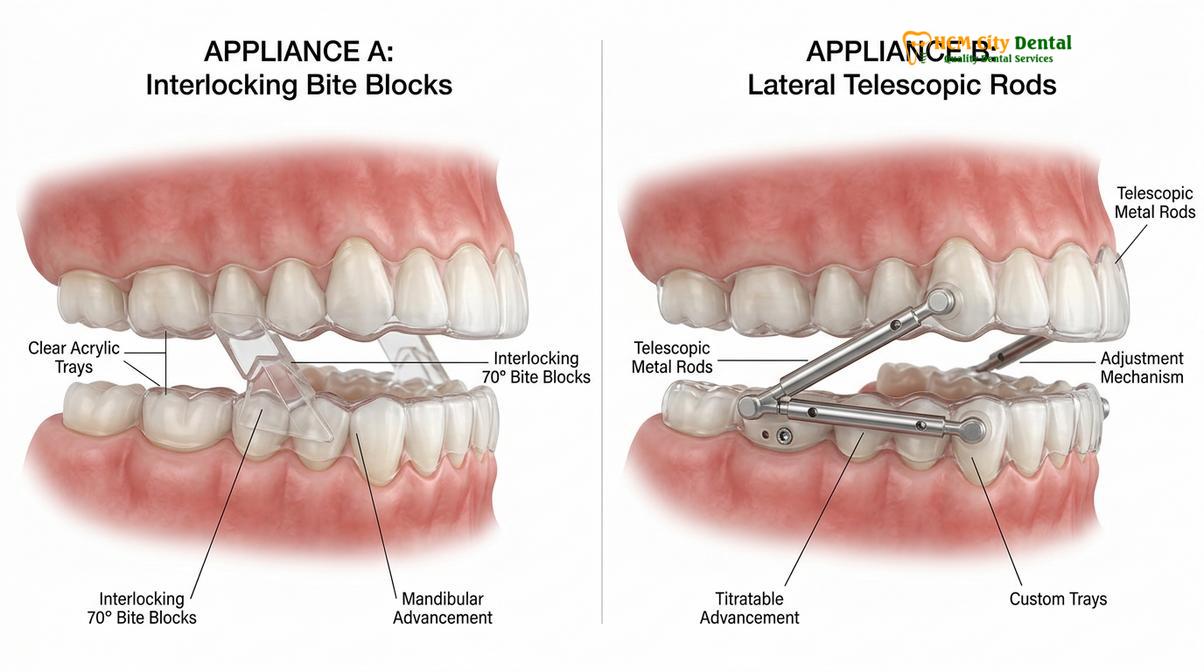
The Twinblock Snoring appliance is a two-piece device featuring interlocking 70-degree bite blocks. When the patient closes their mouth, these precisely angled acrylic blocks engage, naturally guiding the lower jaw into a forward position. This anterior positioning prevents the base of the tongue from collapsing against the posterior pharyngeal wall. The Twinblock is highly effective for patients who require a rigid, stable advancement. Currently, this device is priced at 11,000,000 VND (approximately $440 USD when utilizing the clinic’s WhatsApp booking discount).
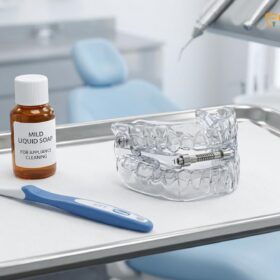
For patients seeking a more dynamic solution, the Antisnoring Telescopic appliance offers superior comfort and flexibility. This device utilizes a Herbst-style mechanism featuring lateral telescopic metal rods connecting the upper and lower arches. Unlike rigid block systems, the telescopic rods allow for side-to-side (lateral) and vertical jaw movement while maintaining the necessary forward protrusion. This freedom of movement is clinically crucial for patients who suffer from nocturnal bruxism (teeth grinding), as it significantly minimizes temporomandibular joint (TMJ) stiffness and muscular fatigue upon waking[3]. The Antisnoring Telescopic device is priced at 12,000,000 VND (approximately $480 USD with the WhatsApp discount).
| Appliance Feature | Twinblock Snoring | Antisnoring Telescopic |
|---|---|---|
| Mechanism of Action | Interlocking 70-degree acrylic bite blocks | Lateral Herbst-style telescopic metal rods |
| Jaw Movement | Fixed forward position, limited lateral movement | Allows vertical and side-to-side lateral movement |
| Best Suited For | Standard primary snoring, stable jaw anatomy | Patients with bruxism, prone to TMJ stiffness |
| Estimated Cost (VND) | 11,000,000 VND | 12,000,000 VND |
| Estimated Cost (USD) | ~$440 USD | ~$480 USD |
Both devices represent a highly competitive medical grade MAD price, offering international patients a clear, cost-effective pathway to managing their sleep-disordered breathing. The choice between the two depends heavily on the patient’s specific dental anatomy, history of joint pain, and the clinical recommendations provided during the initial consultation.
Quality and Material Verification: FDA-Cleared Medical Acrylics
Despite the lower price point, custom oral appliances fabricated in Vietnam utilize the exact same FDA-cleared medical-grade acrylics and precision intraoral digital scans as top-tier Western clinics.
A common misconception regarding international dental care is that a lower price equates to inferior materials. In the realm of specialized dental sleep medicine, this is categorically false. The leading facilities in Ho Chi Minh City utilize the exact same global supply chains for their clinical materials as clinics in Sydney, London, or Los Angeles. The acrylics used to fabricate both the Twinblock and Telescopic appliances are biocompatible, BPA-free, and FDA-cleared for long-term intraoral use.
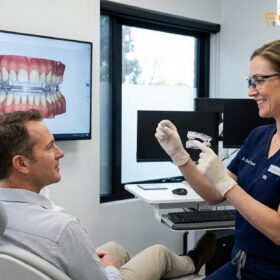
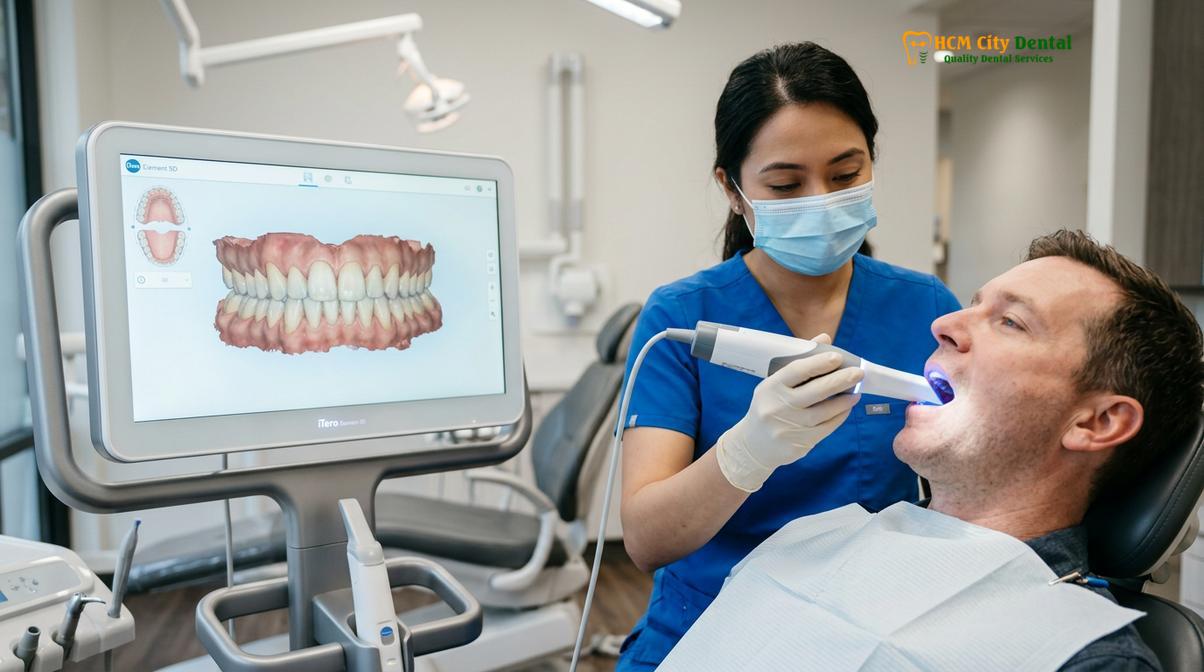
The fabrication process begins with high-fidelity intraoral digital scans. Gone are the days of uncomfortable, gag-inducing physical putty impressions. Using state-of-the-art 3D scanning technology, the dentist captures a flawless digital replica of the patient’s adult dentition, gingival contours, and bite alignment in a matter of minutes. This digital file is then transmitted to a specialized CAD/CAM dental laboratory, ensuring a microscopic level of precision that maximizes retention and minimizes unwanted tooth movement over time.
Dr. Nguyen Van Cuong provides a critical clinical perspective on airway scanning and joint checks, noting that the success of a mandibular advancement device relies entirely on the accuracy of the initial bite registration. “If the appliance does not fit perfectly, patient compliance drops to zero. By utilizing digital scanning and premium medical acrylics, we ensure the device is not only effective at opening the airway but is genuinely comfortable to wear every single night,” explains Dr. Cuong.
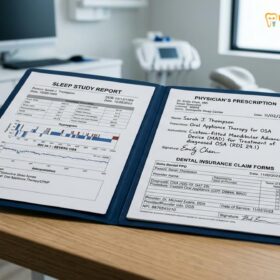
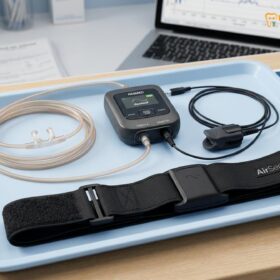
Important Clinical Disclaimer: Dentists DO NOT diagnose obstructive sleep apnea. The diagnosis of OSA requires a formal sleep study—either an in-lab Polysomnography (PSG) or a Home Sleep Apnea Test (HSAT)—which must be evaluated by a board-certified sleep physician. Dentists collaborate with these physicians to fabricate custom oral appliances for patients diagnosed with mild-to-moderate OSA, those who are CPAP-intolerant, or individuals suffering from primary snoring.
This collaborative approach ensures that patients receive evidence-based care. Before any device is fabricated, the clinical team reviews the patient’s sleep study data to confirm that an oral appliance is the appropriate therapeutic intervention[4]. This strict adherence to medical protocols guarantees that the affordable sleep apnea treatment provided is both safe and clinically validated.
Calculating Your Savings: How a Trip to HCMC Pays for the Device
Combining a vacation with dental care allows international patients to offset their travel expenses entirely through the massive savings achieved on their custom sleep apnea mouthguard cost.
The economics of seeking dental care abroad are highly compelling, particularly for high-value treatments like custom sleep appliances. When a patient in Australia is quoted $2,500 AUD for a SomnoDent device, the financial burden is significant. By choosing to travel to Vietnam, that same patient can transform a medical expense into a comprehensive travel experience.
Patient Case Study: Michael, a 45-year-old from Sydney, was diagnosed with moderate OSA and could not tolerate his CPAP machine. Quoted over $2,500 AUD locally for a custom MAD, he researched alternatives and booked a consultation at HCMC Dental Clinic in Ho Chi Minh City. He paid approximately $480 USD (12,000,000 VND) for the advanced Antisnoring Telescopic appliance. Even after factoring in round-trip flights and a week-long stay in a premium Saigon hotel, Michael’s total expenditure was less than the cost of the device alone in Australia. Furthermore, he successfully claimed a portion of the treatment cost back through his international health insurance.
Navigating the financial aspects of international care is easier than ever. Reputable clinics are well-versed in providing the necessary documentation for international insurance claims. Patients holding policies with major providers like Allianz, Cigna, or Bupa can often receive reimbursement for their medical grade MAD price, provided they have a formal diagnosis of OSA from their physician and the appliance is deemed medically necessary.
To streamline the process, patients are encouraged to reach out via WhatsApp prior to their arrival. This allows the clinical coordination team to review any existing sleep studies, schedule the necessary intraoral digital scans immediately upon arrival, and ensure the laboratory has ample time to fabricate the device before the patient’s return flight. This level of concierge service is a hallmark of top-tier dental tourism saigon.
“The ability to access world-class dental sleep medicine at a fraction of Western prices is not just an economic advantage; it is a vital lifeline for patients struggling with CPAP intolerance who need immediate, effective airway management.”
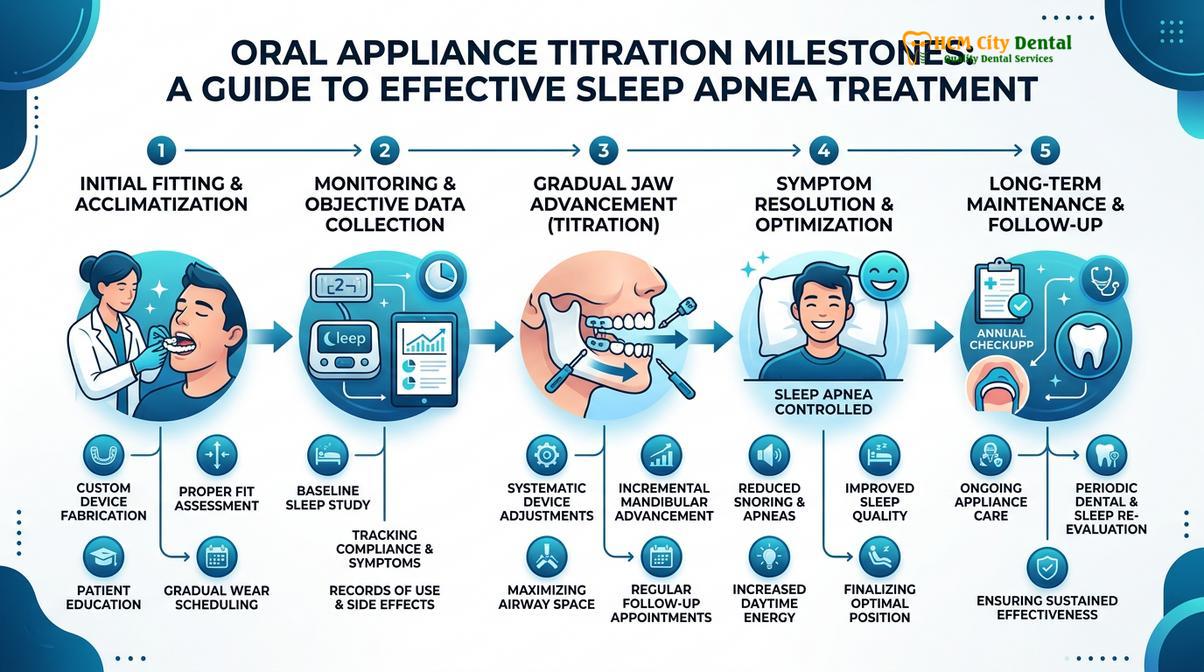
Ultimately, the savings achieved on the sleep apnea mouthguard cost do not require a compromise in quality. Patients receive meticulous care, including comprehensive titration instructions to ensure the jaw is advanced gradually and safely over the first few weeks of use[5].
When to See a Doctor: Important Clinical Considerations
While custom oral appliances are highly effective, they require careful clinical monitoring. Patients must be aware of the signs that indicate a need for professional adjustment or a re-evaluation of their treatment plan. If you experience persistent temporomandibular joint (TMJ) pain, severe muscle tenderness in the jaw or face, or noticeable changes in your bite (how your upper and lower teeth meet) after removing the device in the morning, you should schedule a follow-up appointment immediately.
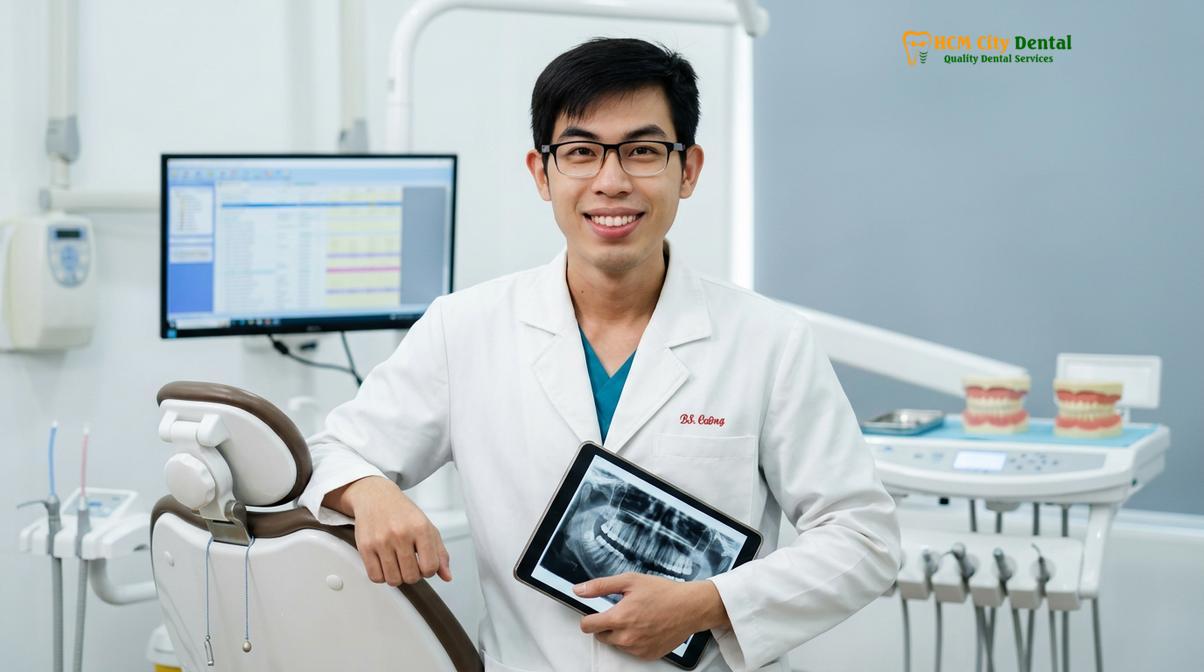
Furthermore, if your partner reports that your loud snoring has returned, or if you begin experiencing daytime fatigue and morning headaches despite wearing the appliance, it may indicate that the device requires further titration. Dr. Nguyen Van Cuong emphasizes that titration calibration must be a gradual, patient-specific process. “We do not advance the mandible to its maximum position on the first night. The jaw muscles and ligaments need time to adapt. Proper titration involves micro-adjustments over several weeks to find the perfect balance between airway patency and joint comfort,” Dr. Cuong advises.
Patients should also maintain regular check-ups with their prescribing sleep physician. A follow-up sleep study with the appliance in place is often recommended to objectively verify that the AHI has been reduced to a safe, healthy level and that oxygen desaturation events have been successfully mitigated. For comprehensive evaluations and to explore your options for Sleep Apnea & Snoring treatments, consulting with an experienced clinical team is the first critical step.
Frequently Asked Questions
Why is there a big price difference for sleep guards in Vietnam?
The significant price difference is due to lower clinical overhead, localized laboratory fees, and streamlined administrative processes in Vietnam. While a custom device in the US may cost over $2,000, clinics in Saigon can provide the exact same FDA-cleared medical-grade appliances for under $500 without compromising on clinical quality or precision.
Does the price include all scans and adjustments?
Yes, the quoted price typically covers the comprehensive intraoral digital scans, the fabrication of the custom appliance, and the initial fitting. However, long-term titration adjustments or subsequent TMJ joint checks over several months may incur nominal consultation fees depending on your specific customized treatment plan and clinical requirements.
Can I pay with credit card at HCMC Dental Clinic?
Yes, you can conveniently pay with all major international credit cards, including Visa and Mastercard, at the clinic. Additionally, patients who book their consultations directly via WhatsApp may be eligible for specific promotional discounts, making the overall treatment even more cost-effective for international travelers.
How long does it take to fabricate a custom sleep apnea mouthguard?
The fabrication process for a custom mandibular advancement device generally takes between 3 to 5 business days. This timeframe allows the dental laboratory to process the high-precision intraoral digital scans, mill or 3D-print the medical-grade acrylics, and assemble the specialized hinges or bite blocks required for your specific appliance.
Can I claim international health insurance for my oral appliance?
Many international health insurance providers, such as Allianz and Cigna, offer reimbursement for custom sleep appliances if they are deemed medically necessary. The clinic will provide you with a detailed, itemized invoice and the appropriate clinical documentation required to submit a claim to your insurance provider for processing.
References
- Journal of Dental Sleep Medicine. Mandibular advancement device efficacy. (2021).
- American Journal of Respiratory and Critical Care Medicine. CPAP vs oral appliances. (2019).
- Sleep and Breathing. Telescopic Herbst appliance TMJ safety. (2020).
- Journal of Clinical Sleep Medicine. HSAT diagnostic reliability. (2022).
- Journal of Oral Rehabilitation. Titration protocols in dental sleep medicine. (2018).