To properly clean a sleep apnea device, rinse it daily with cold water and gently brush using a soft-bristled toothbrush and mild, unscented soap. Avoid regular toothpaste and hot water, which can scratch or warp the acrylic, and use specialized cleaning tablets weekly for deep sanitation.
Clinical Summary:
Maintaining a clean sleep apnea device is critical for both the longevity of the oral appliance and the respiratory health of the patient. Custom Mandibular Advancement Devices (MADs)—such as the Antisnoring Telescopic and Twinblock Snoring appliances—require meticulous daily and weekly hygiene protocols to prevent the accumulation of pathogenic biofilms and calcified plaque. Because these devices are fabricated from specialized dental acrylics and precision metal hinges, they are highly susceptible to damage from abrasive toothpastes, harsh chemicals, and thermal distortion. A collaborative approach between sleep physicians, who diagnose the condition, and dental specialists, who fabricate and calibrate the device, ensures optimal therapeutic outcomes. Adhering to evidence-based cleaning routines minimizes the risk of gingival inflammation, foul odors, and material degradation, thereby maximizing the clinical efficacy of the sleep apnea therapy.
Key Takeaways:
- Dentists fabricate custom oral appliances, but diagnosing sleep apnea requires a formal sleep study evaluated by a qualified sleep physician.
- Daily cleaning with mild soap and a soft brush prevents the buildup of harmful bacteria and respiratory irritants.
- A cold water rinse is mandatory; hot water can cause irreversible thermal warping of the acrylic components.
- Weekly deep soaking with non-abrasive orthodontic tablets helps dissolve stubborn calculus and microscopic debris.
- Harsh chemicals, bleach, and standard toothpastes must be strictly avoided to protect the device’s structural integrity.
The Clinical Context of Sleep Apnea and Oral Appliances
Custom oral appliances treat mild-to-moderate obstructive sleep apnea by repositioning the jaw, but they require precise clinical fabrication and rigorous hygiene to remain effective.
Obstructive Sleep Apnea (OSA) is a serious sleep-related breathing disorder characterized by repeated episodes of complete or partial airway obstruction during sleep. These episodes lead to significant oxygen desaturation, fragmented sleep, and a high Apnea-Hypopnea Index (AHI). While Continuous Positive Airway Pressure (CPAP) therapy remains the gold standard for severe cases, many patients struggle with CPAP intolerance. For individuals with mild-to-moderate OSA, or those suffering from primary snoring, custom oral appliance therapy offers a highly effective, non-invasive alternative. However, it is a strict clinical protocol that dentists do not diagnose sleep apnea. The diagnosis must be established through a comprehensive sleep study—either in-lab Polysomnography or a Home Sleep Apnea Test (HSAT)—evaluated by a board-certified sleep physician. Once a diagnosis is confirmed and an oral appliance is prescribed, the patient is referred to a dental specialist for fabrication and management.
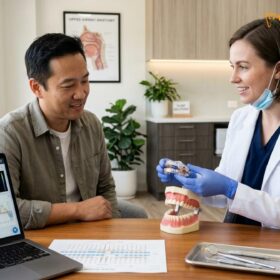
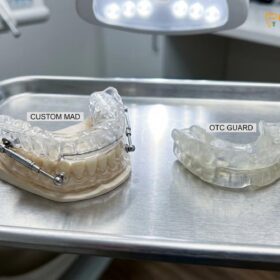
At HCMC Dental Clinic in Ho Chi Minh City, we collaborate closely with sleep physicians to provide state-of-the-art Mandibular Advancement Devices (MADs). These devices work by gently holding the lower jaw (mandible) in a forward position, which prevents the tongue and soft tissues from collapsing into the pharyngeal airway. We primarily utilize two highly advanced custom devices, each tailored to the patient’s specific anatomical and biomechanical needs.
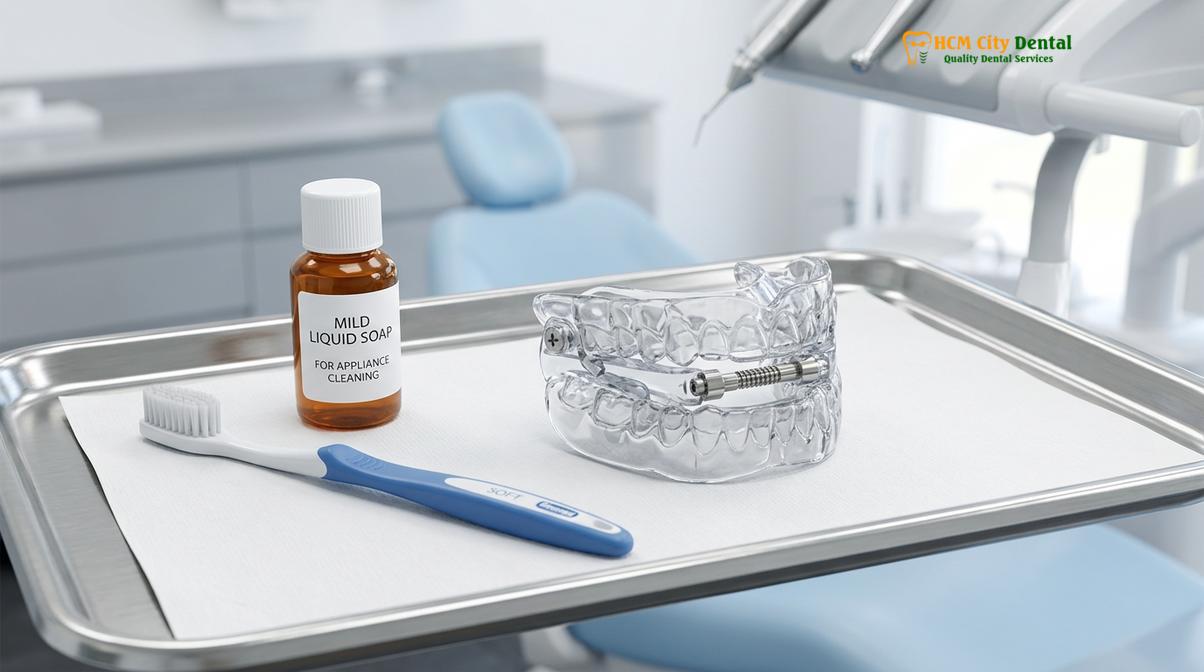
The first is the Antisnoring Telescopic appliance, which utilizes a Herbst-style mechanism. This device features lateral telescopic rods that connect the upper and lower arches. The unique advantage of this design is that it allows for significant side-to-side (lateral) and vertical jaw movement while maintaining the forward posture. This freedom of movement is crucial for minimizing temporomandibular joint (TMJ) stiffness and muscular fatigue, making it an excellent choice for patients who grind their teeth or have sensitive jaw joints. The Antisnoring Telescopic is currently priced at 12,000,000 VND (approximately $480 USD with a WhatsApp consultation discount).
The second option is the Twinblock Snoring device. This is a robust, two-piece appliance featuring interlocking 70-degree bite blocks. When the patient closes their mouth, the angled blocks naturally guide the lower jaw forward into the therapeutic position. The Twinblock is highly effective for maintaining a stable airway and is often preferred for its durability and ease of use. This device is priced at 11,000,000 VND (approximately $440 USD with a WhatsApp consultation discount). Regardless of which device is selected, the clinical success of the therapy is heavily dependent on the patient’s commitment to maintaining a clean sleep apnea device through strict daily hygiene.
Why daily cleaning is essential to prevent bacterial growth and mouth odor
Neglecting daily hygiene allows pathogenic biofilms and calculus to accumulate on the device, leading to foul odors, material degradation, and potential respiratory or gingival infections.
The oral cavity is a complex microbiome hosting hundreds of different bacterial species. When a custom sleep apnea device is placed in the mouth for six to eight hours a night, it is immediately coated with a salivary pellicle—a thin layer of proteins from your saliva. Within hours, oral bacteria, particularly Streptococcus mutans and anaerobic strains responsible for halitosis (bad breath), begin to colonize this pellicle, forming a sticky, colorless film known as plaque biofilm. If this biofilm is not mechanically removed every single day, the minerals naturally present in your saliva will cause it to calcify and harden into calculus (tartar). [1]
Preventing plaque buildup is not merely a matter of aesthetics or odor control; it is a critical clinical requirement. The dental acrylics and thermoplastic materials used to fabricate devices like the Twinblock Snoring appliance are microscopically porous. When bacteria infiltrate these pores, they produce acidic byproducts and volatile sulfur compounds. This not only results in a persistent, foul odor that cannot be easily washed away but also creates a localized environment of chronic inflammation. Patients who wear a contaminated device are at a significantly higher risk of developing gingival inflammation (gingivitis), mucosal irritation, and even opportunistic fungal infections such as oral candidiasis (thrush).
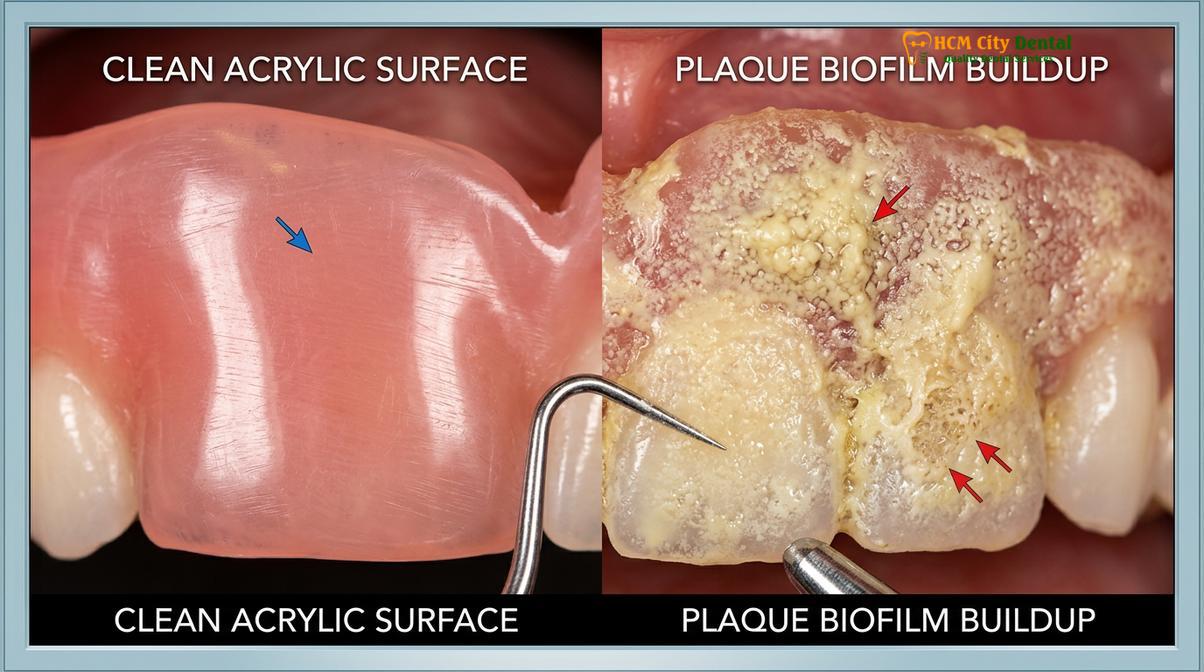
“The porous nature of certain dental acrylics means that without daily mechanical disruption, microbial biofilms can rapidly calcify into hard calculus, compromising both the precise fit of the sleep apnea device and the patient’s overall respiratory health.”
Furthermore, the accumulation of calculus can physically alter the fit of the appliance. Mandibular advancement devices are calibrated to the millimeter. If a layer of hard tartar builds up on the internal surfaces that grip the teeth, the device will no longer seat properly. This poor fit can place uneven, excessive pressure on specific teeth, leading to orthodontic shifting, tooth pain, and a reduction in the device’s ability to effectively hold the airway open. Therefore, understanding how to clean a sleep apnea device daily is just as important as wearing it.
The daily protocol: Rinsing, gentle brushing, and proper drying
A strict daily routine involving a cold water rinse, gentle brushing with mild soap, and thorough air-drying is the most effective way to maintain your sleep apnea mouthpiece.
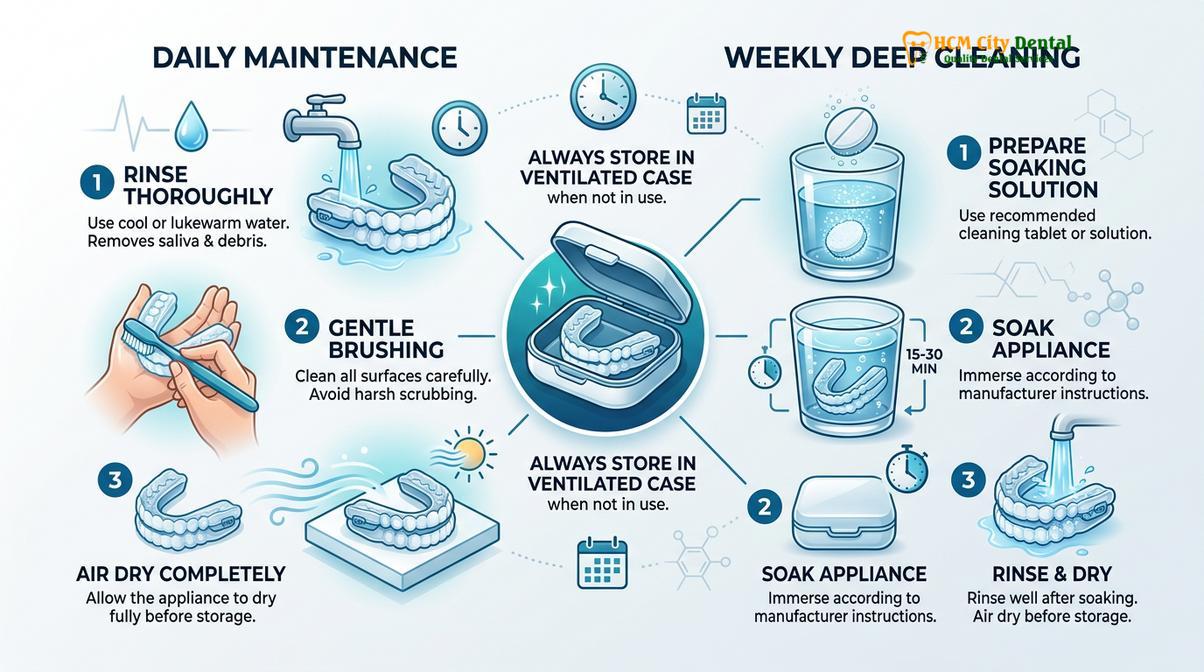
Establishing a consistent morning routine is the foundation of oral appliance maintenance. As soon as you remove the device upon waking, the very first step should be a thorough cold water rinse. Rinsing the appliance immediately prevents the overnight accumulation of saliva, mucus, and loose bacterial plaque from drying and hardening onto the acrylic surface. It is imperative to use cold or lukewarm water; hot water must be strictly avoided to prevent structural damage. [2]
Following the initial rinse, the device requires mechanical cleaning. You should designate a specific, soft-bristled toothbrush exclusively for your sleep apnea device—do not use the same brush you use for your teeth. Apply a small amount of mild, unscented, and clear liquid dish soap or a specialized dental appliance cleanser to the brush. Gently but thoroughly brush all surfaces of the appliance, paying special attention to the deep grooves that fit over your teeth, the metal hinges of the Antisnoring Telescopic device, and the angled acrylic blocks of the Twinblock. The goal is to dislodge the biofilm without applying excessive force that could bend the delicate hardware.
Clinical Warning: Never use automated CPAP cleaning machines that rely on ozone gas or UV light to sanitize your oral sleep appliance. The FDA has warned that these unapproved methods can accelerate the degradation of dental polymers, corrode metal hinges, and potentially leave harmful respiratory irritants on the device.
After brushing, rinse the device completely under running cold water until all soap residue is gone. Leaving soap on the appliance can cause a foul taste the next night and may irritate the sensitive soft tissues of your mouth. The final, and often overlooked, step is proper drying. Shake off the excess water and place the device in its protective, well-ventilated case. Leave the case open in a safe, dry place—away from direct sunlight and out of reach of pets—to allow it to air-dry completely throughout the day. A dry environment is hostile to bacterial and fungal growth, ensuring your device remains hygienic for its next use.
Weekly maintenance: Deep cleaning with orthodontic tablets
Soaking the device weekly in a specialized effervescent solution breaks down microscopic debris and stubborn stains that daily brushing might miss.
While daily brushing is excellent for removing soft plaque and surface debris, it cannot entirely prevent the slow accumulation of microscopic organic matter within the pores of the acrylic. To address this, a weekly deep cleaning protocol is required. This involves the use of specialized cleaning tablets designed specifically for orthodontic retainers, dentures, or sleep apnea mouthpieces. These tablets contain mild oxidizing agents, enzymes, and effervescent compounds that work chemically to break down stubborn stains, neutralize odor-causing bacteria, and dissolve early-stage calculus without damaging the appliance.
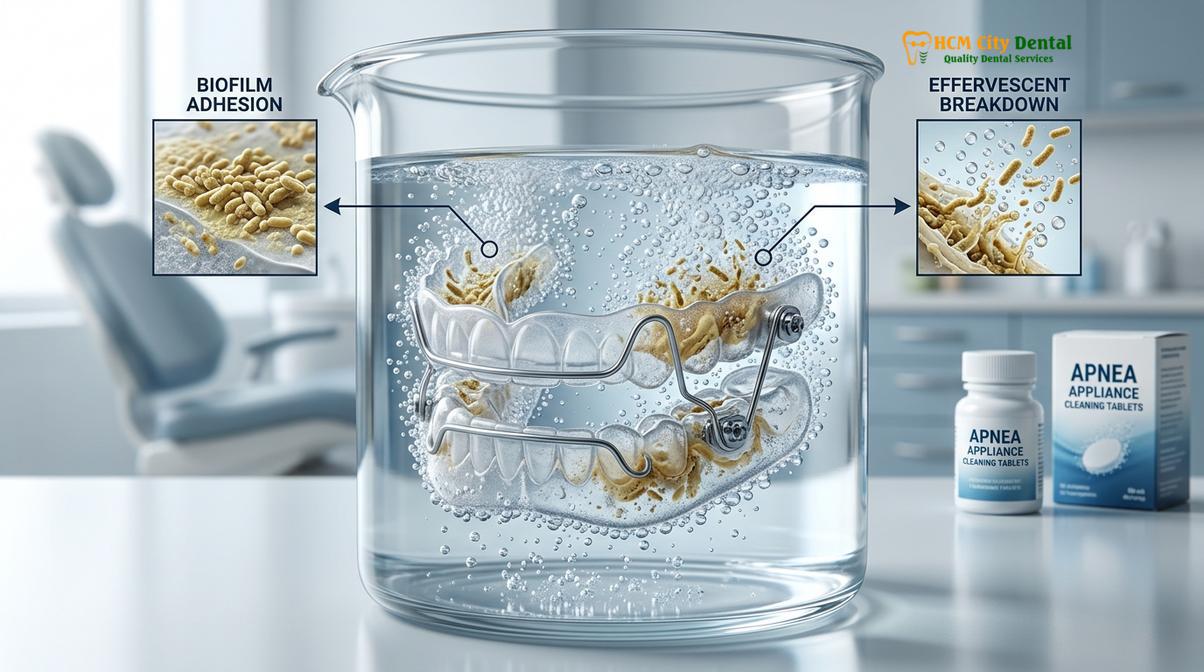
To perform the weekly deep clean, fill a clean glass or denture bath with enough cold or lukewarm water to completely submerge the device. Drop in one of the cleaning tablets and allow it to dissolve. Place your sleep apnea device into the effervescing solution and let it soak for the duration recommended by the manufacturer—typically 15 to 20 minutes. It is generally not advisable to leave the device soaking overnight unless explicitly instructed by your dental professional, as prolonged exposure to certain chemical agents can eventually weaken the acrylic polymers and cause the metal components to tarnish. [3]
| Maintenance Task | Frequency | Recommended Products | Clinical Purpose |
|---|---|---|---|
| Cold Water Rinse | Daily (Morning) | Cold or lukewarm tap water | Removes fresh saliva and prevents plaque from hardening. |
| Mechanical Brushing | Daily (Morning) | Soft-bristled brush, mild dish soap | Disrupts bacterial biofilm and removes organic debris. |
| Air Drying | Daily (Daytime) | Ventilated storage case | Creates a dry environment to halt fungal and bacterial growth. |
| Effervescent Soak | Weekly | Orthodontic cleaning tablets | Chemically breaks down microscopic stains and early calculus. |
After the soaking period is complete, remove the device and brush it gently one more time with your dedicated soft brush to sweep away the loosened debris. Rinse it thoroughly under cold running water to ensure no chemical residue from the tablet remains on the surface. This weekly routine acts as a reset for your appliance, ensuring it remains crystal clear, odor-free, and clinically safe for continuous nighttime use.
Things to avoid: Hot water, harsh chemicals, and abrasive toothpaste
Exposing your oral appliance to extreme heat, bleach, alcohol, or abrasive pastes will cause irreversible structural damage and compromise your sleep apnea therapy.
One of the most common reasons patients require premature replacement of their sleep apnea devices is improper cleaning techniques. The materials used to construct these appliances, primarily polymethyl methacrylate (PMMA) and specialized thermoplastics, are highly durable under normal intraoral conditions but are extremely sensitive to specific external stressors. The most critical rule is avoiding hot water warping. Exposing the device to hot or boiling water in an attempt to “sterilize” it will cause the acrylic to undergo thermal distortion. Even a slight warping of a fraction of a millimeter will ruin the precise custom fit, rendering the device useless and potentially harmful to your teeth and jaw. [4]
Equally destructive is the use of regular toothpaste. While toothpaste is excellent for natural tooth enamel, it contains abrasive agents like silica or baking soda designed to scrub away stains. These abrasives have a high Relative Dentin Abrasivity (RDA) score. When applied to softer dental acrylics, they create thousands of microscopic scratches. Over time, these scratches dull the finish of the device and create the perfect retentive environment for bacteria and plaque to hide, making the appliance impossible to keep truly clean.
Clinical Case Example: A patient recently visited HCMC Dental Clinic in Saigon complaining that their Twinblock Snoring device no longer fit and was causing severe tooth pain. Upon inspection, the clinical team discovered the patient had been boiling the device weekly to sanitize it. The extreme heat caused severe thermal warping, altering the 70-degree bite blocks. The device was irreversibly damaged and required a complete, costly replacement, highlighting the critical importance of proper maintenance education.
Furthermore, harsh household chemicals must never come into contact with your oral appliance. Bleach, rubbing alcohol, hydrogen peroxide, and strong mouthwashes containing alcohol will chemically degrade the acrylic, making it brittle and prone to snapping under the heavy forces of nighttime jaw clenching. These chemicals can also corrode the delicate metal rods and hinges of appliances like the Antisnoring Telescopic, leading to mechanical failure. Always stick to mild soap, cold water, and approved dental tablets.
Clinical Workflows: Intraoral Scanning, TMJ Checks, and Titration
Fabricating and maintaining a sleep apnea device involves advanced digital impressions, progressive jaw advancement, and continuous monitoring of joint health.
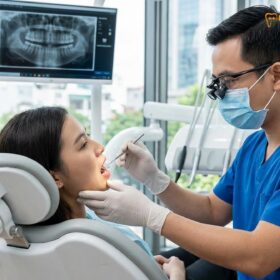
The journey to receiving a custom sleep apnea device is a highly precise clinical workflow that blends advanced digital technology with careful biomechanical management. Once a sleep physician has diagnosed the patient and recommended oral appliance therapy, the dental phase begins with highly accurate digital impressions. At modern facilities, messy and uncomfortable traditional putty impressions have been entirely replaced by intraoral digital scans. These 3D scans capture the exact topography of the patient’s teeth and gingival contours with micron-level accuracy, ensuring that the resulting appliance fits flawlessly without causing unwanted orthodontic movement.
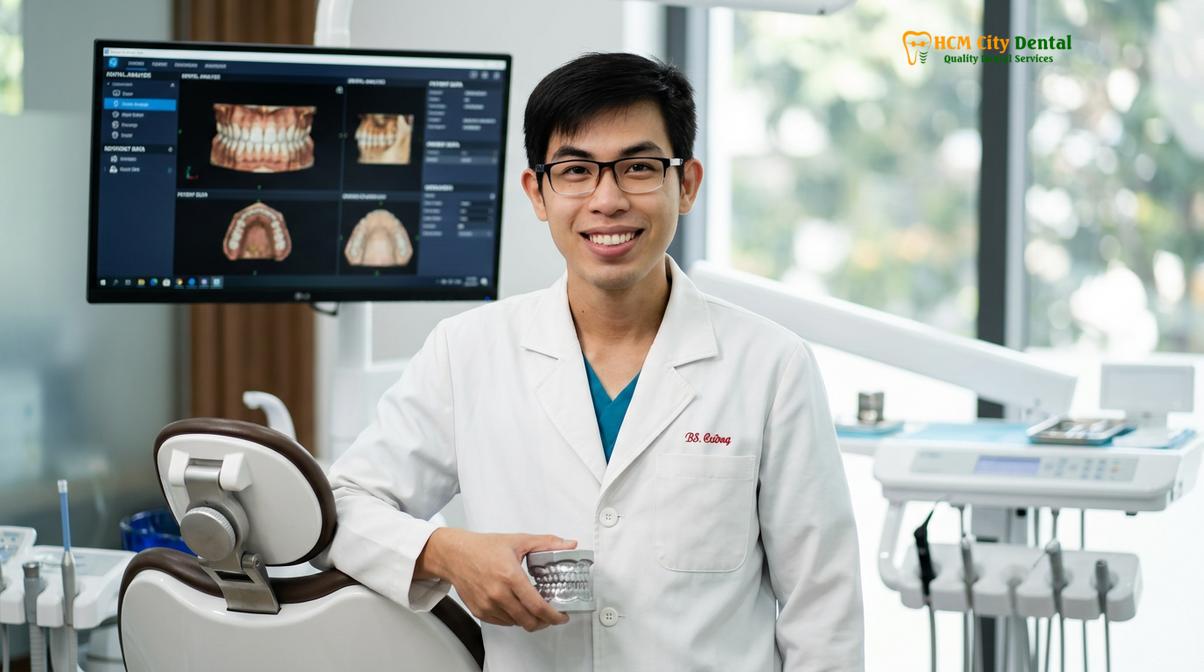
According to Dr. Nguyen Van Cuong, the success of these appliances relies heavily on accurate intraoral digital scans and meticulous titration calibration to ensure optimal airway opening without overstressing the temporomandibular joint. Titration is the clinical process of gradually advancing the lower jaw forward over a period of weeks or months. The device is not immediately set to its maximum forward position, as this would cause severe muscular pain and joint strain. Instead, the dentist adjusts the hinges of the Antisnoring Telescopic or modifies the bite blocks of the Twinblock in small, millimeter increments. The goal is to find the “sweet spot”—the exact position where the airway remains patent, oxygen desaturation is prevented, and the patient experiences maximum comfort.
“Collaborative care between sleep physicians and dental specialists ensures that mandibular advancement devices are not only structurally sound but also clinically optimized to maintain airway patency during all stages of sleep without compromising the temporomandibular joint.”
Throughout the titration phase and during long-term follow-up visits, comprehensive TMJ joint checks are mandatory. Dr. Cuong emphasizes that routine follow-ups must include these joint checks and a review of the patient’s sleep data to ensure the titration calibration is effectively reducing the Apnea-Hypopnea Index (AHI) without causing muscular fatigue. The dentist will palpate the jaw muscles, check for clicking or popping in the joint, and assess the patient’s bite to ensure that the therapy is not causing long-term changes to their natural dental occlusion. [5]
When to See a Doctor
Immediate clinical evaluation is necessary if you experience persistent jaw pain, notice structural damage to your device, or if your sleep apnea symptoms return.
While proper maintenance will significantly extend the life of your sleep apnea device, it is crucial to recognize the clinical signs that indicate you need professional evaluation. You should schedule an appointment with your dental specialist immediately if you notice any physical damage to the appliance. This includes hairline cracks in the acrylic, loose or bent metal rods on the Antisnoring Telescopic device, or a fit that suddenly feels excessively tight or uncomfortably loose. Continuing to wear a structurally compromised device can cause acute dental pain and fail to keep your airway open.
From a biological standpoint, you must seek evaluation if you begin experiencing persistent pain in your temporomandibular joint (TMJ), chronic morning headaches, or if you notice that your teeth do not fit together normally (changes in occlusion) an hour after removing the device. Furthermore, if your bed partner reports a return of loud snoring, or if you begin experiencing daytime sleepiness and fatigue again, it indicates that the device may need further titration calibration. Remember, while your dentist manages the fit and mechanics of the oral appliance, any significant return of respiratory symptoms should also be discussed with your sleep physician to ensure your underlying obstructive sleep apnea is still being effectively managed.
Frequently Asked Questions
Can I use regular toothpaste to clean my sleep apnea device?
No, you should never use regular toothpaste to clean your sleep apnea device because it contains abrasive particles that create micro-scratches on the acrylic surface. These microscopic scratches become breeding grounds for bacteria and plaque, making the device difficult to keep hygienic and potentially causing foul odors over time. Instead, use a mild, unscented liquid dish soap or a specialized non-abrasive dental cleanser.
How do I remove hard yellow stains from my mouthpiece?
To remove hard yellow stains, soak the mouthpiece in a specialized dental cleaning solution or a mixture of equal parts white vinegar and cold water for 15 to 20 minutes. After soaking, gently scrub the device with a soft-bristled brush to dislodge the softened calculus, then rinse thoroughly with cold water. If the calcified stains persist, bring the device to your dental clinic for a professional ultrasonic cleaning.
Where should I store my mouthpiece during the day?
You should store your mouthpiece in its designated, well-ventilated protective case, keeping it completely dry and away from direct sunlight, heat sources, or pets. Storing it in a dry environment prevents the proliferation of mold and bacteria, while the hard case protects the delicate hinges and acrylic from accidental physical damage. Never leave it wrapped in a tissue, as it can easily be thrown away by mistake.
Can I use a UV or ozone cleaner for my dental sleep appliance?
Clinical guidelines advise against using UV or ozone cleaners for oral sleep appliances, as these methods can accelerate the degradation of acrylic polymers and corrode metal hinges. Furthermore, the FDA has warned that ozone devices may leave harmful respiratory irritants on the equipment, making traditional soap and water the safest method. Stick to mechanical brushing and approved effervescent tablets for optimal safety and hygiene.
How long does a custom sleep apnea mouthpiece typically last?
With meticulous daily cleaning and proper handling, a high-quality custom sleep apnea mouthpiece typically lasts between three to five years. However, its lifespan depends heavily on your maintenance routine, the severity of your nighttime teeth grinding (bruxism), and whether you avoid damaging practices like using hot water or harsh chemicals. Regular clinical check-ups will help determine when the materials have fatigued and require replacement.
References
- Journal of Dental Sleep Medicine. Biofilm accumulation on mandibular advancement devices and its impact on oral health. (2021).
- American Academy of Sleep Medicine. Clinical practice guidelines for the treatment of obstructive sleep apnea with oral appliances. (2019).
- Sleep and Breathing. Long-term efficacy and temporomandibular joint safety of telescopic Herbst appliances. (2020).
- Journal of Clinical Sleep Medicine. The role of home sleep apnea testing (HSAT) in collaborative dental sleep medicine. (2022).
- Journal of Oral Rehabilitation. Material degradation of polymethyl methacrylate (PMMA) oral appliances subjected to thermal and chemical stress. (2018).