A custom snoring mouthpiece is a precision-milled, dentist-prescribed device designed to safely advance the jaw without damaging the temporomandibular joint. In contrast, over-the-counter (OTC) boil-and-bite guards apply uncontrolled forces, offering temporary noise reduction but risking severe bite misalignment and chronic jaw pain.
Clinical Summary:
The debate between a custom vs OTC snoring mouthpiece centers on clinical safety, anatomical precision, and long-term efficacy. While over-the-counter (OTC) devices provide a low-cost, immediate method to reduce snoring, their generic thermoplastic materials often induce unbalanced occlusal forces, leading to tooth shifting and temporomandibular joint (TMJ) disorders. Conversely, custom mandibular advancement devices (MADs) are fabricated based on precise intraoral digital scans. These professional appliances allow for micro-millimeter titration, ensuring the airway remains open without overextending the jaw. Furthermore, custom devices accommodate lateral jaw movements, significantly reducing muscle stiffness. It is critical to note that dentists do not diagnose sleep apnea; a formal sleep study evaluated by a physician is required before a dentist can safely fabricate a custom appliance for mild-to-moderate obstructive sleep apnea or primary snoring.
Key Takeaways:
- OTC snoring guards use generic materials that can cause permanent bite shifts and severe jaw pain.
- Custom appliances are digitally milled to fit your exact dental anatomy, preventing unwanted orthodontic movement.
- Advanced custom devices allow for lateral jaw movement, protecting the temporomandibular joint during sleep.
- Dentists collaborate with sleep physicians, as a formal sleep study is required to diagnose sleep apnea before treatment.
- Professional titration ensures the jaw is advanced just enough to clear the airway without causing muscular strain.
The Appeal and Danger of Cheap OTC Snoring Guards
Over-the-counter snoring guards attract patients with low prices and immediate availability, but their generic fit fails to address complex airway anatomy and often masks underlying sleep apnea.
For individuals desperate to silence disruptive nighttime breathing, the pharmacy aisle offers a seemingly perfect solution. The standard boil and bite snoring guard is marketed as a universal fix, promising immediate relief from snoring without the need for medical consultations or expensive laboratory fees. These devices operate on a rudimentary principle: by pulling the lower jaw forward, they mechanically pull the tongue away from the posterior pharyngeal wall, thereby widening the airway and reducing the vibration of soft tissues that causes the sound of snoring.
However, the clinical reality of these generic devices is far more complex and potentially hazardous. Snoring is frequently a primary symptom of Obstructive Sleep Apnea (OSA), a serious medical condition characterized by repeated episodes of partial or complete airway obstruction during sleep. When a patient self-treats with an OTC device, they may successfully muffle the sound of snoring while failing to resolve the underlying apneas. This creates a dangerous false sense of security. The patient’s bed partner may report that the snoring has stopped, but the patient may still be experiencing severe oxygen desaturation and fragmented sleep architecture throughout the night[1].
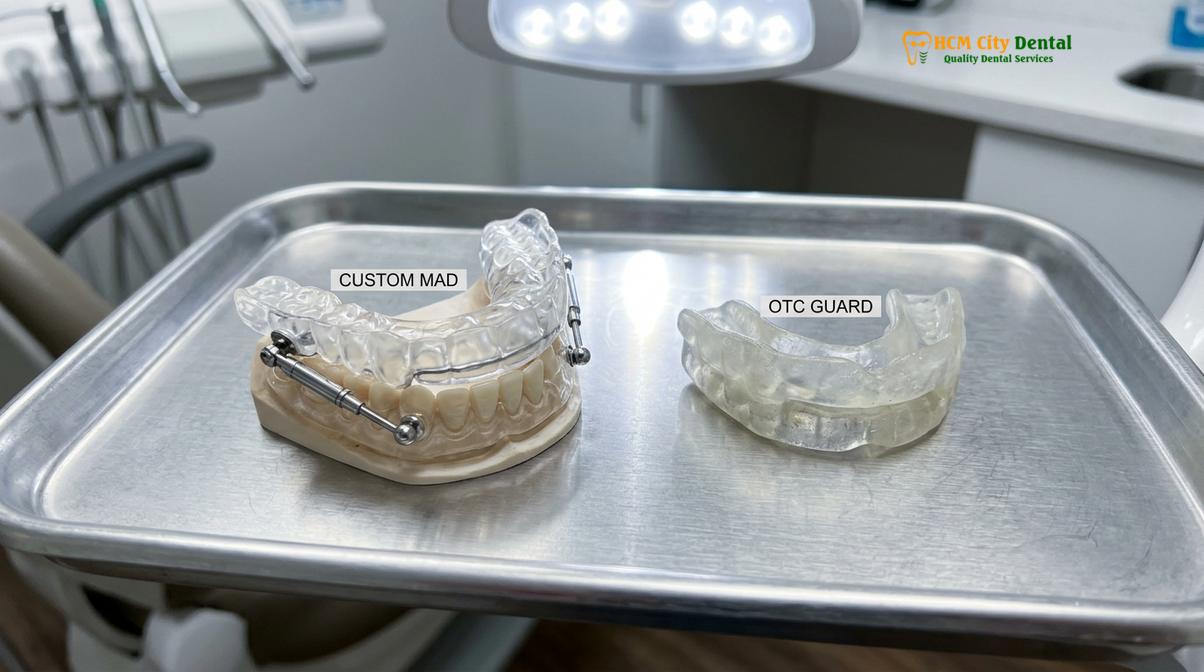
Furthermore, the materials used in OTC devices are inherently flawed for long-term intraoral use. Thermoplastic polymers designed to soften in boiling water lack the structural integrity required to withstand the immense forces generated by the human jaw, particularly in patients who exhibit nocturnal bruxism (teeth grinding). As the material degrades, it loses its ability to hold the mandible in a stable forward position, leading to a recurrence of airway collapse. The bulky nature of these generic trays also encroaches on the tongue space, sometimes forcing the tongue backward and paradoxically worsening the airway obstruction they were purchased to treat.
From a diagnostic standpoint, bypassing a medical evaluation to use a cheap guard means the patient’s Apnea-Hypopnea Index (AHI)—the critical metric used to measure the severity of sleep apnea—remains unknown. Without baseline data from a proper sleep study, it is impossible to determine if the OTC device is providing any therapeutic benefit beyond noise reduction, leaving the patient at continued risk for the cardiovascular and metabolic complications associated with untreated OSA.
How Boil-and-Bite Trays Exert Uncontrolled Force on Teeth
Generic thermoplastic trays lack precise occlusal indexing, meaning they distribute jaw advancement forces unevenly across the dental arch, which can inadvertently act like orthodontic aligners.
To understand why a custom vs OTC snoring mouthpiece comparison heavily favors professional fabrication, one must examine the biomechanics of mandibular advancement. When the lower jaw is held in a protruded position for six to eight hours a night, the device anchoring the jaw absorbs significant reciprocal forces. The muscles of mastication naturally want to pull the jaw back into its resting position. The mouthpiece must resist this backward pull by anchoring onto the teeth.
In a custom-milled appliance, these forces are distributed evenly across the entire dental arch, utilizing the posterior teeth (molars) as the primary anchors. Molars have multiple robust roots designed to withstand heavy loads. Conversely, a boil-and-bite device rarely captures a precise, uniform impression of the teeth. When the heated plastic cools, it shrinks unpredictably. This results in a device that grips certain teeth tightly while leaving others loose, creating unbalanced bite forces across the dentition.
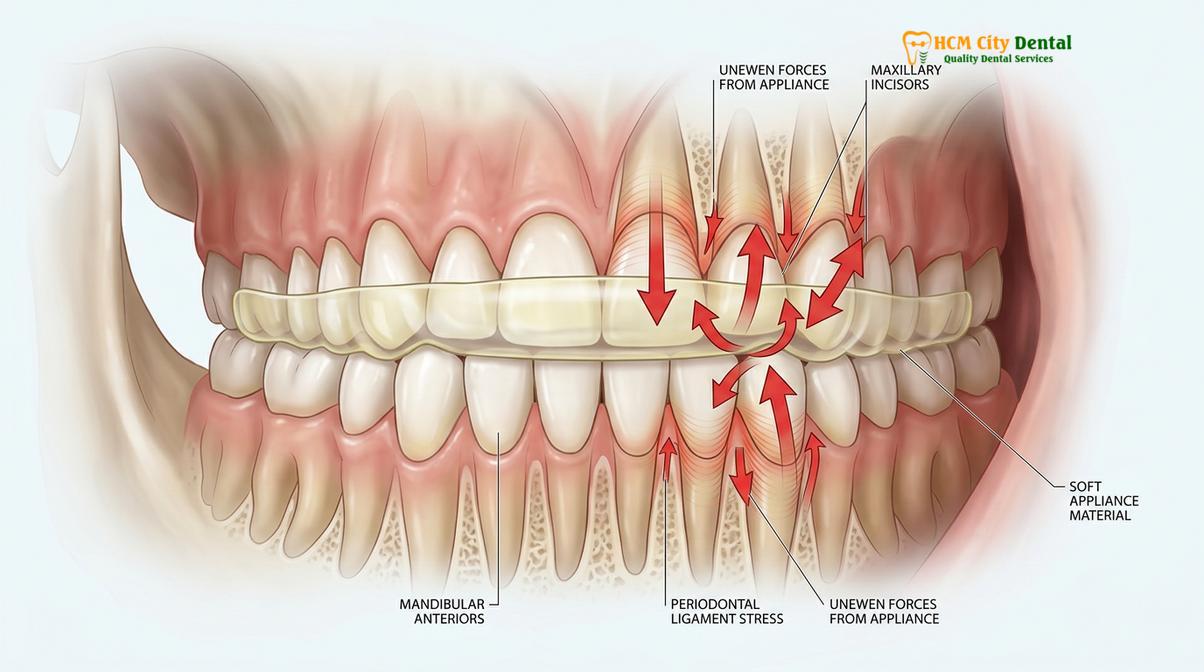
When unbalanced forces are applied continuously over several hours, the device inadvertently acts as an uncalibrated orthodontic appliance. The periodontal ligaments—the fibrous connective tissues that attach the teeth to the alveolar bone—respond to this sustained pressure by initiating bone remodeling. Over a period of weeks or months, patients using OTC guards frequently experience unwanted tooth movement. This can manifest as spaces opening between teeth, changes in the angulation of the incisors, or a posterior open bite where the back teeth no longer touch when the jaw is closed[2].
“The continuous application of uncalibrated forces by generic thermoplastic sleep devices frequently induces unintended orthodontic movement, altering the patient’s natural occlusion and complicating future dental restorations.”
Moreover, OTC devices often place excessive pressure on the anterior teeth (incisors), which have single, relatively fragile roots. The incisors are not anatomically designed to bear the load of holding the entire mandible forward against the strong pull of the masseter and temporalis muscles. This inappropriate loading can lead to severe tooth sensitivity, mobility, and in extreme cases, damage to the dental pulp requiring endodontic treatment.
The TMJ Risk: Temporomandibular Joint Pain and Bite Shifts
Forcing the lower jaw forward without professional calibration places immense strain on the temporomandibular joint, frequently resulting in morning stiffness, clicking, or permanent bite changes.
The temporomandibular joint (TMJ) is one of the most complex joints in the human body, functioning as a sliding hinge that allows the jaw to move up and down, side to side, and forward and backward. Between the condyle of the lower jaw and the temporal bone of the skull lies a small, fibrous articular disc that acts as a shock absorber. When a patient uses an OTC snoring guard, they are arbitrarily forcing their jaw into a protruded position without any understanding of their specific joint anatomy or limitations.
This blind advancement is the primary cause of the TMJ pain side effect so commonly reported by users of store-bought devices. If the jaw is advanced too far, or if the vertical dimension (the opening between the upper and lower teeth) is incorrect, the condyle compresses the highly innervated and vascularized retrodiscal tissues behind the articular disc. This compression triggers acute inflammation, leading to severe morning jaw pain, headaches, and a restricted range of motion. Patients often wake up feeling as though their jaw is “locked” or experience loud clicking and popping sounds when chewing their breakfast.
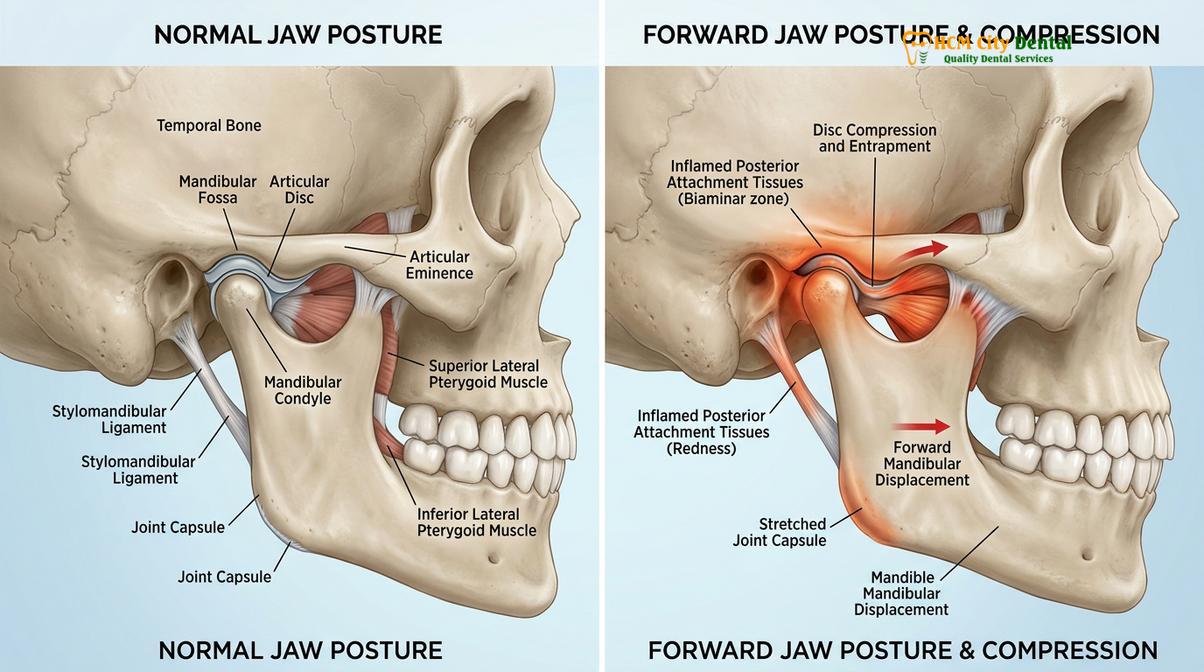
Furthermore, most OTC devices lock the upper and lower jaws together in a rigid, static position. During normal sleep, the jaw naturally makes small lateral (side-to-side) movements. By preventing these micro-movements, rigid boil-and-bite guards cause the masticatory muscles to spasm, leading to chronic myofascial pain. Over time, this constant strain can cause the lateral pterygoid muscle to become hypertonic, pulling the articular disc out of alignment and causing a permanent internal derangement of the TMJ[3].
Clinical Warning: If you experience sharp pain in your jaw joints, difficulty opening your mouth fully, or notice that your teeth no longer fit together correctly after using any snoring device, discontinue use immediately. Continuing to wear an uncalibrated device can cause irreversible damage to the temporomandibular joint cartilage.
Professional dental sleep medicine protocols prioritize joint health above all else. Before any appliance is fabricated, a thorough clinical examination of the TMJ is conducted to assess the maximum comfortable protrusion and to ensure there are no pre-existing joint pathologies that would contraindicate mandibular advancement therapy.
Why Custom Articulation by a Dentist Prevents Complications
Professional fabrication utilizes intraoral digital scans and precise bite registration to create a device that supports the jaw in a therapeutic, joint-safe position.
The transition from a generic pharmacy guard to a custom-fabricated oral appliance represents a shift from guesswork to precision medicine. At Sleep Apnea & Snoring centers like HCMC Dental Clinic, the process begins with highly accurate intraoral digital scans. These 3D optical impressions capture the exact micro-anatomy of every tooth and the surrounding gingival tissues, eliminating the errors and shrinkage associated with traditional physical impression materials.
Dr. Nguyen Van Cuong emphasizes that the success of a custom appliance lies not just in how it fits the teeth, but in how it positions the jaw. “During the clinical evaluation, we perform meticulous TMJ joint checks and utilize a George Gauge to determine the patient’s exact protrusive range,” explains Dr. Cuong. “We then capture a neuromuscular bite registration at a specific percentage of their maximum protrusion—usually starting around 60%—to ensure the airway is opened without straining the joint capsule.”
Based on these precise digital records, specialized laboratories mill the appliances from FDA-cleared medical grade materials. These advanced polymers are exceptionally strong, allowing the device to be much thinner and less intrusive than OTC guards, which significantly improves patient comfort, tongue space, and compliance. At HCMC Dental Clinic in Ho Chi Minh City, patients have access to world-class custom devices tailored to their specific anatomical needs:
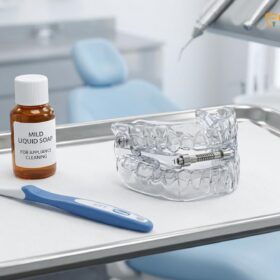
- Antisnoring Telescopic: This premium device utilizes a Herbst-style mechanism with lateral telescopic rods. Unlike rigid OTC guards, these rods allow for both side-to-side and vertical jaw movement while maintaining the forward posture. This freedom of movement is crucial for minimizing temporomandibular joint (TMJ) stiffness and muscle fatigue. (Currently priced at 12,000,000 VND / ~$480 USD with WhatsApp discount).
- Twinblock Snoring: A highly effective two-piece device featuring interlocking 70-degree bite blocks. As the patient closes their mouth, the angled blocks gently guide the mandible forward into the therapeutic position. Because the upper and lower pieces are not physically tethered together, patients can open their mouths to speak or drink water during the night. (Currently priced at 11,000,000 VND / ~$440 USD with WhatsApp discount).
To clearly illustrate the clinical disparities, the following table outlines the fundamental differences between professional and store-bought solutions:
| Feature | Custom Dental Appliance | OTC Boil-and-Bite Guard |
|---|---|---|
| Material Quality | FDA-cleared medical grade acrylics/polymers | Generic, bulky thermoplastic |
| Fit Precision | Exact 3D digital intraoral scan | Inaccurate home molding |
| TMJ Safety | Allows lateral movement; calibrated protrusion | Rigidly locks jaw; uncalibrated force |
| Adjustability | Micro-millimeter titration by a dentist | Fixed position or clumsy manual adjustments |
| Tooth Protection | Even force distribution; prevents shifting | Unbalanced bite forces; risks tooth movement |
| Lifespan | 3 to 5 years with proper care | 3 to 6 months before degradation |
The Clinical Workflow: From Sleep Study to Titration
Safe oral appliance therapy requires a confirmed medical diagnosis followed by meticulous dental calibration to ensure optimal airway expansion without joint trauma.
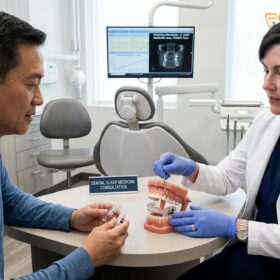
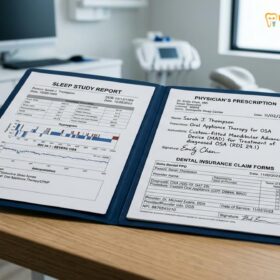
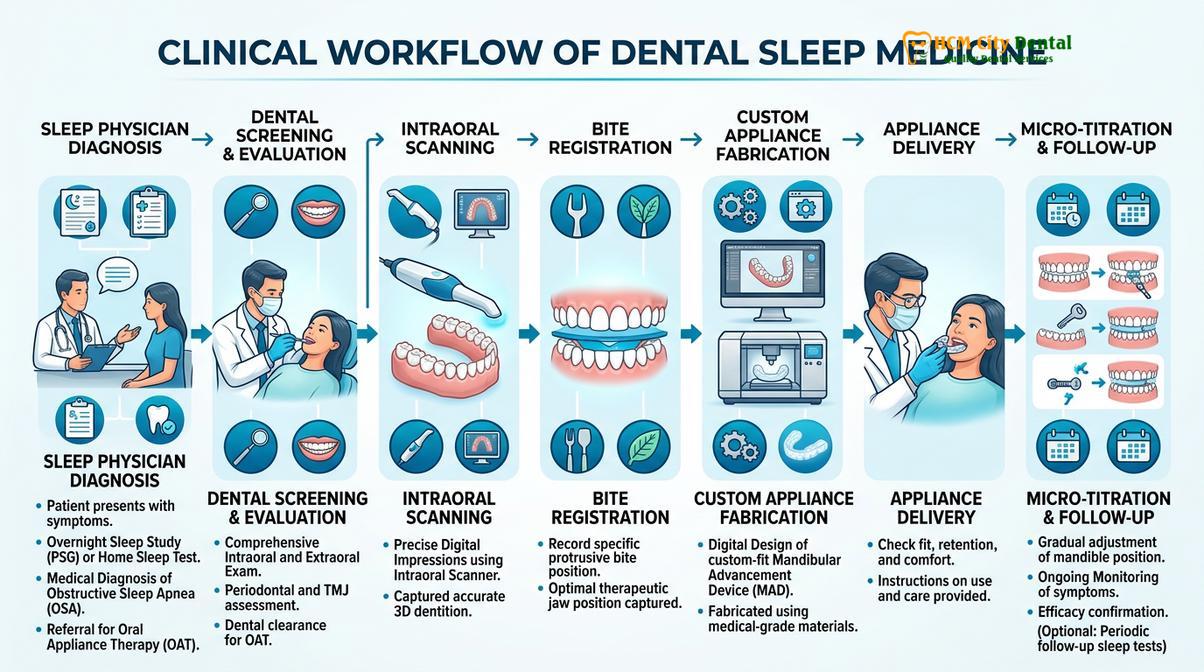
It is a fundamental rule of dental sleep medicine that dentists do not diagnose sleep apnea. Snoring and sleep-disordered breathing are medical conditions that require evaluation by a board-certified sleep physician. The clinical workflow always begins with a diagnostic sleep study, either an in-lab Polysomnography (PSG) or a Home Sleep Apnea Test (HSAT). This study determines the patient’s AHI, oxygen desaturation levels, and sleep architecture[4].
Once a sleep physician diagnoses the patient with primary snoring, mild-to-moderate Obstructive Sleep Apnea, or determines that a patient with severe OSA is strictly CPAP-intolerant, they will write a prescription for a Mandibular Advancement Device (MAD). Only then does the dentist step in to manage the anatomical and biomechanical aspects of the therapy.
After the custom device is fabricated and delivered, the most critical phase of treatment begins: titration. Titration is the process of gradually adjusting the appliance to bring the jaw further forward in micro-millimeter increments. Dr. Nguyen Van Cuong notes, “We never start a patient at their maximum required protrusion. We begin at a comfortable baseline and slowly advance the telescopic rods or adjust the twin blocks over several weeks. This allows the TMJ ligaments and masticatory muscles to adapt gradually, virtually eliminating the risk of acute joint trauma.”
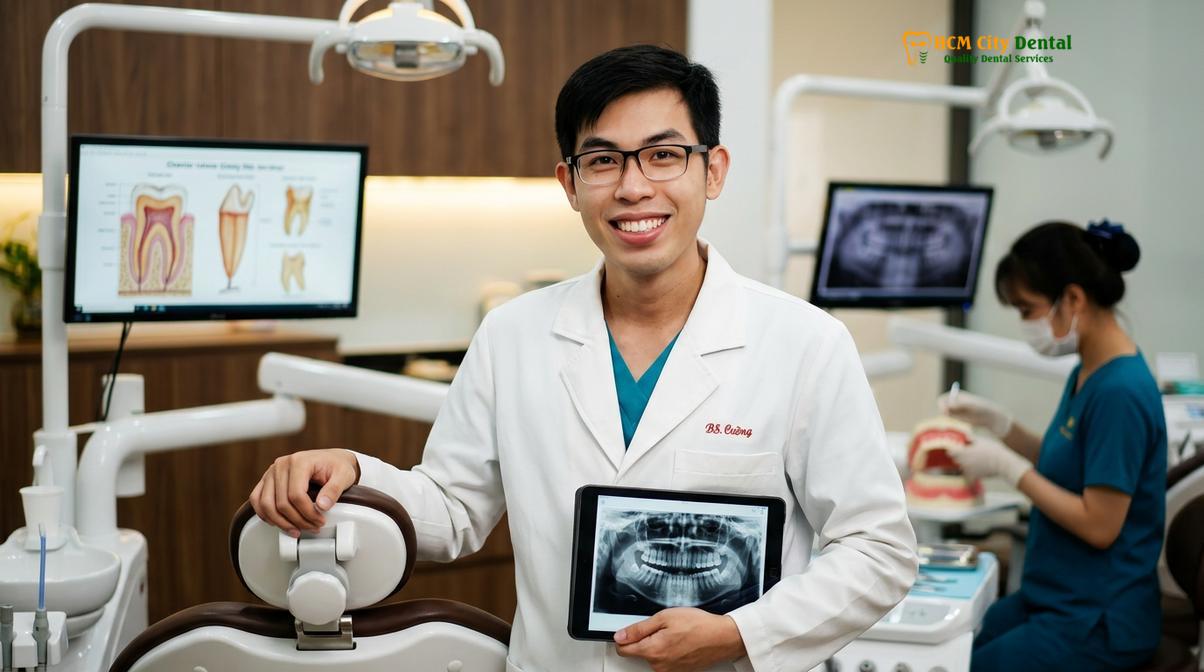
Clinical Case Review: A 45-year-old male presented to HCMC Dental Clinic in Ho Chi Minh City complaining of chronic fatigue and severe jaw pain after using a pharmacy boil-and-bite guard for six months. A joint evaluation revealed acute TMJ inflammation due to over-protrusion. After coordinating with a sleep physician who confirmed moderate OSA via an HSAT, the clinic fabricated an Antisnoring Telescopic appliance. By utilizing a slow, millimeter-by-millimeter titration protocol over four weeks, the patient achieved complete resolution of snoring and a normalized AHI, with zero recurrence of TMJ pain, thanks to the device’s lateral mobility.
Throughout the titration process, the dentist monitors the patient for any signs of occlusal changes or muscle tenderness. Once the patient reports a cessation of snoring and a resolution of daytime sleepiness, they are referred back to the sleep physician for a follow-up sleep study with the appliance in place. This objective data confirms that the device is effectively managing the apneas and preventing oxygen desaturation[5].
“The successful management of sleep-disordered breathing relies on a symbiotic multidisciplinary approach, where the physician provides the medical diagnosis and objective efficacy testing, while the dental specialist ensures the biomechanical safety and precise calibration of the oral appliance.”
When to See a Doctor
While snoring is often dismissed as a mere annoyance, it can be the primary audible symptom of a life-threatening condition. You should immediately consult a sleep physician or a medical professional if your snoring is accompanied by any of the following red flags:
- Witnessed apneas: Your bed partner observes you stopping breathing, choking, or gasping for air during sleep.
- Excessive daytime sleepiness: You feel chronically exhausted, fall asleep easily during meetings, or struggle to stay awake while driving.
- Morning symptoms: Waking up with severe headaches, a dry mouth, or a sore throat on a regular basis.
- Cardiovascular issues: You have been diagnosed with high blood pressure, atrial fibrillation, or have a history of stroke, as untreated OSA severely exacerbates these conditions.
Do not attempt to self-treat these symptoms with an over-the-counter mouthpiece. A comprehensive medical evaluation is mandatory to rule out severe Obstructive Sleep Apnea and determine the safest, most effective course of treatment.
Frequently Asked Questions
Why do pharmacy snoring guards cause jaw soreness?
Pharmacy snoring guards cause jaw soreness because they lock the mandible into a rigid, uncalibrated forward position without allowing for lateral movement. This static strain overworks the masticatory muscles and compresses the temporomandibular joint, leading to morning stiffness, localized pain, and potential long-term joint dysfunction. Unlike custom devices that allow the jaw to move naturally during sleep, OTC guards force the anatomy into an unnatural, locked posture.
Can store-bought mouthpieces cause permanent tooth movement?
Yes, store-bought mouthpieces can cause permanent tooth movement. Because thermoplastic boil-and-bite materials shrink unevenly as they cool, they apply continuous, unbalanced orthodontic forces to individual teeth throughout the night, which can inadvertently shift teeth and alter your natural bite over time. This is why professional devices are milled from digital scans to ensure forces are distributed evenly across the robust posterior teeth.
How does a dentist calibrate a custom sleep appliance?
A dentist calibrates a custom sleep appliance through a process called titration, adjusting the device’s advancement mechanism in micro-millimeter increments. This gradual calibration ensures the airway is maximally opened to reduce apneas while keeping the jaw in a comfortable, physiologically safe position. The dentist monitors muscle adaptation and joint health over several weeks, adjusting the device until optimal symptom relief is achieved without discomfort.
Are custom snoring mouthpieces effective for severe sleep apnea?
Custom snoring mouthpieces are generally not the first-line treatment for severe sleep apnea. While highly effective for primary snoring and mild-to-moderate obstructive sleep apnea, severe cases typically require CPAP therapy. However, a custom oral appliance may be prescribed if a patient is strictly CPAP-intolerant, often providing significant harm reduction compared to receiving no treatment at all, though it must be closely monitored by a sleep physician.
How long does a custom dental sleep appliance last compared to an OTC guard?
A custom dental sleep appliance typically lasts three to five years, as it is milled from highly durable, medical-grade acrylics or specialized polymers. In contrast, over-the-counter boil-and-bite guards degrade rapidly due to bruxism and saliva, usually requiring replacement every three to six months. While the initial investment for a custom device is higher, its longevity, safety, and clinical efficacy make it a far superior long-term solution.
References
- Journal of Dental Sleep Medicine. Mandibular advancement device efficacy and TMJ impacts. (2021).
- American Journal of Respiratory and Critical Care Medicine. CPAP vs custom oral appliances in OSA management. (2019).
- Sleep and Breathing. Telescopic Herbst appliance TMJ safety and lateral excursion. (2020).
- Journal of Clinical Sleep Medicine. HSAT diagnostic reliability and multidisciplinary care. (2022).
- Journal of Oral Rehabilitation. Titration protocols and occlusal changes in dental sleep medicine. (2018).