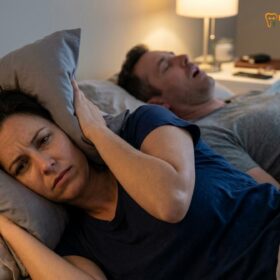
Waking up tired after a full night of rest is typically caused by sleep fragmentation, often due to undiagnosed airway resistance. These silent breathing interruptions trigger micro-arousals that pull your brain out of restorative deep sleep, leaving you exhausted despite spending adequate hours in bed.
Clinical Summary:
Unrefreshing sleep is frequently linked to obstructive sleep apnea (OSA) or upper airway resistance. When the airway partially or fully collapses during sleep, it causes oxygen desaturation and forces the brain to initiate micro-arousals to resume breathing. This constant sleep fragmentation prevents the body from completing essential deep NREM and REM sleep cycles. While sleep physicians diagnose these conditions using polysomnography or home sleep tests, dental sleep medicine offers highly effective interventions. Custom oral appliances, such as mandibular advancement devices (MADs), stabilize the jaw to maintain an open airway, significantly reducing the Apnea-Hypopnea Index (AHI) and restoring continuous, restorative sleep without the need for CPAP therapy in mild-to-moderate cases.
Key Takeaways:
- Waking up exhausted after eight hours of sleep often indicates poor sleep quality rather than insufficient sleep duration.
- Airway blockages can wake the brain dozens of times per hour without the sleeper ever consciously remembering the events.
- Drops in blood oxygen levels trigger stress hormones, leading to morning headaches, an elevated heart rate, and chronic daytime fatigue.
- Dentists collaborate closely with sleep physicians to treat mild-to-moderate obstructive sleep apnea using custom oral appliances.
- Modern mandibular advancement devices (MADs) are precisely calibrated to keep the airway open while protecting the temporomandibular joint (TMJ).
The stages of sleep: Why REM and Deep NREM sleep are essential
Restorative sleep requires cycling through light sleep, deep NREM sleep, and REM sleep multiple times a night. Disruptions to this architecture prevent physical repair and memory consolidation, leading to chronic morning exhaustion.
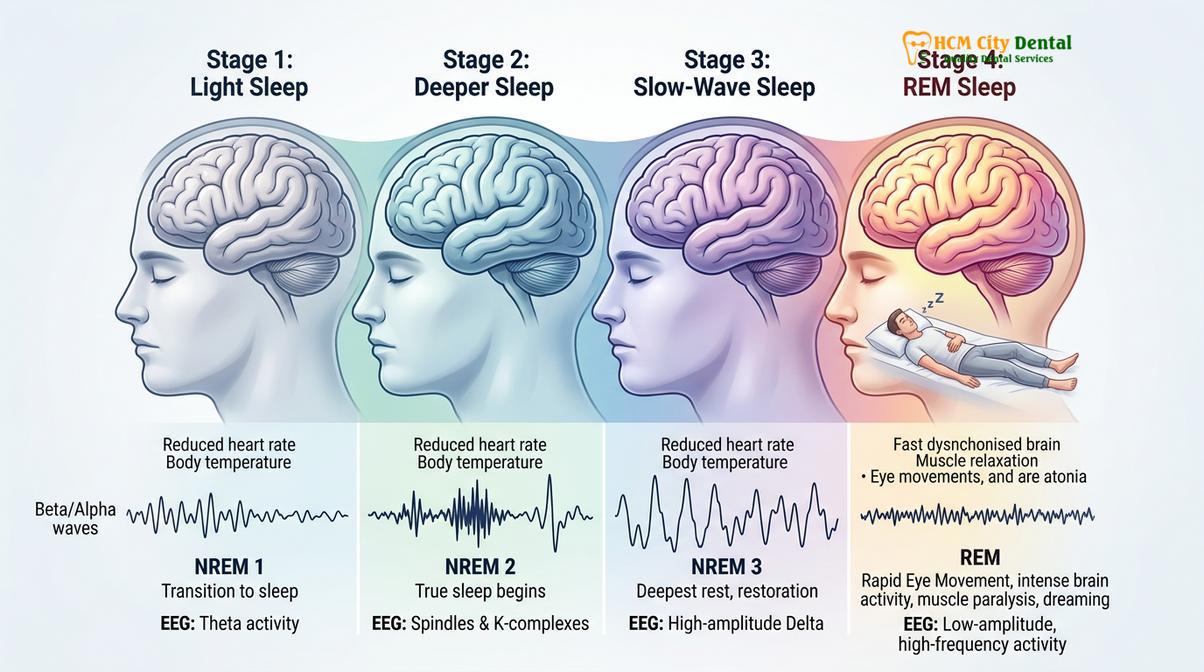
To understand why you feel tired after sleeping, it is crucial to examine the architecture of a healthy night’s rest. Sleep is not a uniform state of unconsciousness; rather, it is a highly active, complex neurological process divided into distinct stages. A normal sleep cycle lasts approximately 90 to 110 minutes, and a healthy adult should complete four to five of these cycles per night. The stages are broadly categorized into Non-Rapid Eye Movement (NREM) sleep and Rapid Eye Movement (REM) sleep.
NREM sleep is further divided into three stages. Stage N1 is the lightest phase of sleep, acting as the transition between wakefulness and slumber. During this brief period, muscle tone begins to relax, and brain wave activity slows. Stage N2 is a deeper state of light sleep where heart rate and body temperature drop, and the brain begins to produce sleep spindles—bursts of neural activity that help protect the sleeper from being awakened by external noises. However, it is Stage N3, also known as slow-wave sleep or deep sleep, that is the most critical for physical restoration.
During deep NREM sleep, the body undergoes profound physiological maintenance. Blood pressure drops, breathing stabilizes into a slow, rhythmic pattern, and the brain emits slow delta waves. This is the stage where the body repairs tissues, synthesizes proteins, builds bone and muscle, and strengthens the immune system. Human growth hormone is secreted in its highest concentrations during this phase. If you suffer from deep sleep deprivation, your body is physically denied the opportunity to repair the micro-traumas of daily life, resulting in systemic fatigue, muscle aches, and a weakened immune response[1].
Following deep sleep, the brain transitions into REM sleep. While NREM sleep is vital for physical restoration, REM sleep is essential for cognitive and emotional health. During REM, brain activity closely resembles that of wakefulness. The eyes dart rapidly beneath closed lids, and the body enters a state of temporary paralysis (muscle atonia) to prevent you from acting out your dreams. This stage is responsible for memory consolidation, emotional regulation, and complex problem-solving. When sleep architecture is disrupted by breathing issues, the brain is repeatedly forced back into the lighter N1 and N2 stages, severely curtailing the time spent in both deep NREM and REM sleep.
What is a micro-arousal? How airway blockages wake the brain without you knowing
A micro-arousal is a brief neurological awakening triggered by the brain to restore breathing when the airway collapses. These events last only seconds, meaning you remain unaware of them, yet they severely fracture your sleep architecture.
One of the most perplexing aspects of unrefreshing sleep is the patient’s perception that they slept soundly through the night. Many individuals report going to bed at 10:00 PM and waking up at 6:00 AM without any memory of waking up, yet they feel completely drained. The hidden culprit behind this phenomenon is sleep fragmentation caused by micro-arousals.
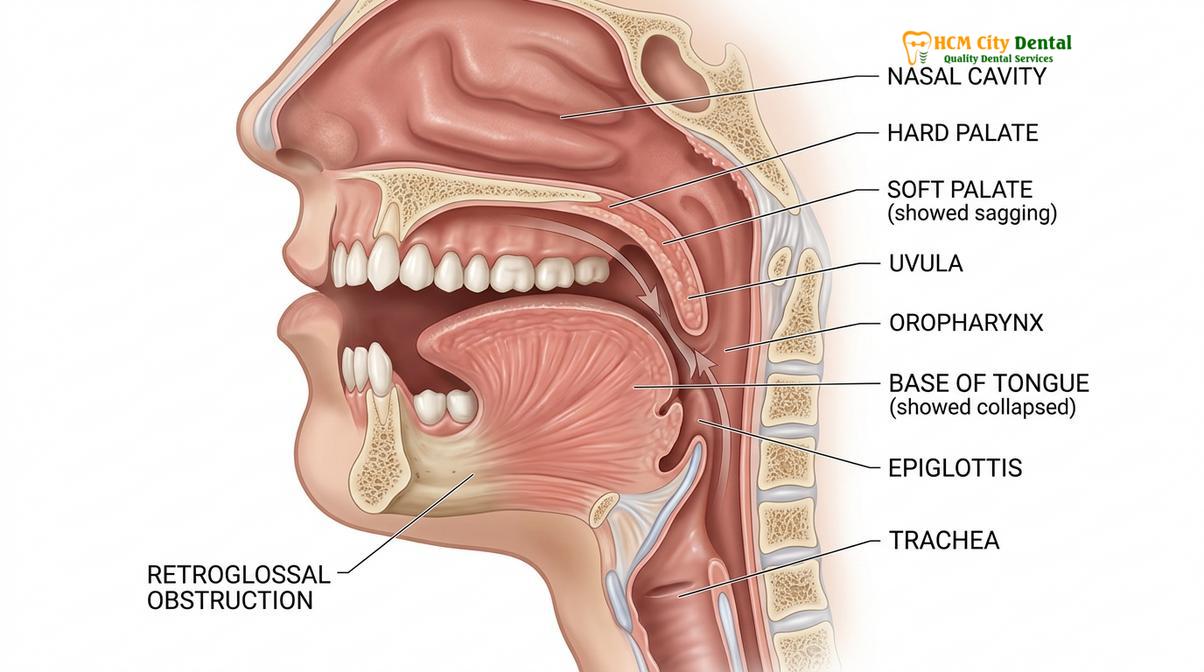
To comprehend micro-arousals, we must look at the anatomy of the upper airway. The human airway is a collapsible tube surrounded by soft tissues, including the soft palate, the uvula, the tonsils, and the base of the tongue. During wakefulness, muscle tone keeps this airway patent (open). However, as you drift into deeper stages of sleep, these muscles naturally relax. In individuals with certain anatomical predispositions—such as a narrow dental arch, a retruded lower jaw (retrognathia), or an enlarged tongue (macroglossia)—this relaxation allows gravity and the negative pressure of inhalation to pull the soft tissues backward, narrowing or completely blocking the airway.
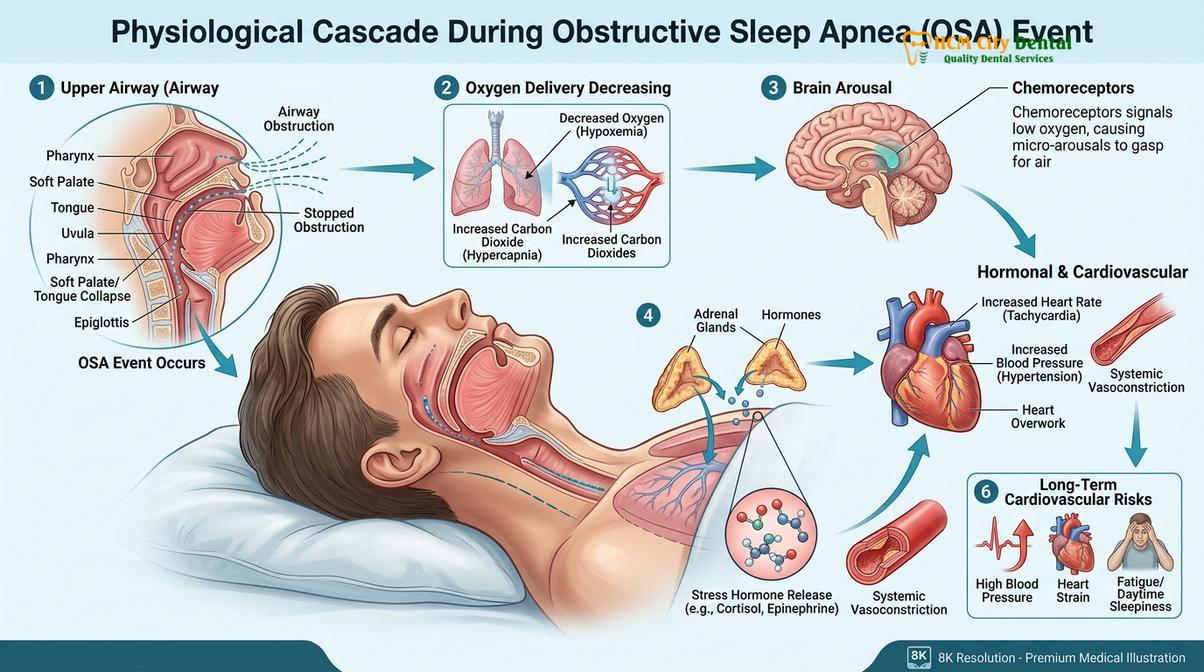
When the airway becomes obstructed, airflow is reduced (a hypopnea) or stops entirely (an apnea). As the lungs struggle to pull in air against a closed airway, oxygen levels in the blood begin to fall, and carbon dioxide levels rise. The brain’s chemoreceptors detect this dangerous shift in blood gases and trigger an emergency response. The brain briefly wakes itself up—a micro-arousal—just enough to send a surge of muscle tone to the airway, forcing it open with a loud snort or gasp. Once breathing is restored, the brain immediately falls back to sleep.
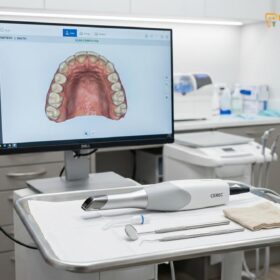
According to Dr. Nguyen Van Cuong, a clinical expert in dental sleep medicine, intraoral digital scans and airway assessments are critical first steps in identifying these hidden issues. Dr. Cuong emphasizes that while patients rarely remember these micro-arousals, clinical evaluations of the oral cavity often reveal anatomical risk factors such as a scalloped tongue, enlarged tonsils, or a narrow dental arch that predispose individuals to nocturnal airway collapse.
Because a micro-arousal typically lasts between 3 to 15 seconds, it does not register in your conscious memory. However, neurologically, it is a catastrophic event for your sleep architecture. Each micro-arousal yanks the brain out of deep NREM or REM sleep and resets the cycle back to light Stage N1 sleep. In severe cases of obstructive sleep apnea, this cycle of collapse, suffocation, and arousal can happen 30, 50, or even 100 times per hour. The result is a night spent entirely in superficial, unrefreshing sleep[2].
Oxygen desaturation: How dropping oxygen levels trigger stress hormones
When breathing pauses, blood oxygen levels plummet, forcing the sympathetic nervous system into a state of panic. This releases stress hormones like cortisol and adrenaline, turning a period of rest into a physiological emergency.
The physical exhaustion experienced after a night of fragmented sleep is not merely the result of missing out on deep sleep; it is also the consequence of enduring a night-long physiological stress response. When the airway collapses and breathing stops, the body experiences intermittent hypoxia, commonly referred to as oxygen desaturation. Normal blood oxygen saturation (SpO2) during sleep should remain above 95%. During an apneic event, these levels can drop into the 80s, 70s, or even lower, creating a state of acute physiological crisis.
The human body is hardwired to survive, and it interprets a drop in oxygen as a life-threatening emergency. The carotid bodies, specialized sensors located in the neck, detect the hypoxia and immediately signal the brain to activate the sympathetic nervous system—the body’s “fight or flight” mechanism. This activation triggers a massive release of stress hormones, primarily adrenaline (epinephrine) and cortisol.
This hormonal surge has profound cardiovascular implications. Heart rate spikes dramatically (tachycardia) to pump whatever oxygen is left in the blood to vital organs, and blood vessels constrict, causing a sharp increase in blood pressure. Instead of the cardiovascular system resting and recovering during the night, it is subjected to repeated, violent fluctuations in pressure and heart rate. This explains why many patients with untreated airway obstruction wake up with a racing heart, night sweats, or a dull, throbbing morning headache caused by cerebral vasodilation in response to high carbon dioxide levels.
“The repeated hypoxic stress associated with untreated airway obstruction not only fragments sleep but acts as a primary catalyst for systemic inflammation, endothelial dysfunction, and long-term cardiovascular morbidity.”
Over time, the chronic elevation of nighttime cortisol spills over into the daytime. Cortisol is a catabolic hormone; chronically high levels promote weight gain, insulin resistance, and systemic inflammation. The patient is trapped in a vicious cycle: the airway obstruction causes physiological stress, the stress causes poor sleep, and the resulting fatigue makes it even harder for the body to maintain airway muscle tone the following night. Addressing this oxygen desaturation is paramount not just for restoring energy, but for protecting long-term cardiovascular health[3].
Long-term cognitive effects: Brain fog, memory lapses, and daytime fatigue
Chronic interruption of sleep cycles prevents the brain’s glymphatic system from clearing neurotoxins. Over time, this manifests as severe brain fog, poor concentration, and an increased risk of long-term neurological decline.
The brain is an incredibly energy-hungry organ, consuming roughly 20% of the body’s energy despite accounting for only 2% of its mass. This high metabolic rate produces a significant amount of cellular waste byproducts throughout the day. The clearance of this waste is heavily dependent on the quality of your sleep, specifically the deep NREM stages.
Recent neurological research has illuminated the function of the glymphatic system, a macroscopic waste clearance system that utilizes cerebrospinal fluid (CSF) to flush neurotoxins out of the brain. The glymphatic system is highly active during deep sleep, when the brain’s glial cells actually shrink, allowing CSF to wash freely through the brain tissue. One of the primary toxins cleared during this process is amyloid-beta, a protein heavily implicated in the development of Alzheimer’s disease and other forms of dementia.
When sleep fragmentation prevents you from reaching or maintaining deep sleep, the glymphatic system cannot function efficiently. The metabolic waste accumulates, leading to a state of neuroinflammation. Clinically, this manifests as the classic symptoms of cognitive decline associated with poor sleep: pervasive brain fog, difficulty concentrating, short-term memory lapses, and a general slowing of cognitive processing speed. Patients often describe feeling as though they are trying to think through a thick haze.
Furthermore, the chronic daytime fatigue resulting from this neurological burden severely impacts quality of life and safety. Patients may experience microsleeps—brief, uncontrollable episodes of sleep lasting just a few seconds—which are incredibly dangerous when driving or operating machinery. The emotional toll is equally significant; the lack of REM sleep impairs the brain’s ability to process emotions, leading to increased irritability, mood swings, and a higher susceptibility to anxiety and depression. Restoring continuous sleep is not just about feeling awake; it is about preserving the structural and functional integrity of the brain[4].
The role of dental sleep medicine in treating airway obstruction
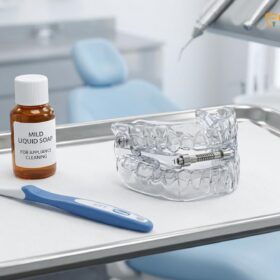
Custom oral appliances offer a highly effective, non-invasive treatment for mild-to-moderate sleep apnea and primary snoring. By gently advancing the lower jaw, these devices physically prevent the airway tissues from collapsing during sleep.
Important Clinical Consideration: Dentists do not diagnose sleep apnea. Diagnosing obstructive sleep apnea requires a comprehensive sleep study (Polysomnography or a Home Sleep Apnea Test – HSAT) that must be evaluated and interpreted by a board-certified sleep physician. Dentists collaborate closely with these medical professionals to fabricate custom oral appliances for patients diagnosed with mild-to-moderate OSA, patients who are CPAP-intolerant, or individuals suffering from primary snoring without apneas.
The severity of sleep apnea is measured by the Apnea-Hypopnea Index (AHI), which calculates the average number of breathing pauses per hour of sleep. An AHI of 5-15 is considered mild, 15-30 is moderate, and over 30 is severe. For decades, the Continuous Positive Airway Pressure (CPAP) machine has been the gold standard for treating OSA. However, CPAP compliance rates can be notoriously low due to discomfort, claustrophobia, or mask leaks. This is where dental sleep medicine provides a vital alternative.
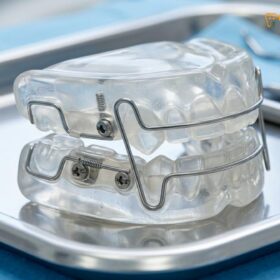
Mandibular Advancement Devices (MADs) are custom-fitted oral appliances worn only during sleep. They work on a simple but highly effective anatomical principle: by gently holding the lower jaw (mandible) in a slightly forward position, the appliance pulls the base of the tongue and the soft tissues of the throat forward as well. This mechanical advancement increases the three-dimensional volume of the airway, creating a tautness in the pharyngeal walls that prevents collapse, even when muscle tone relaxes during deep sleep.
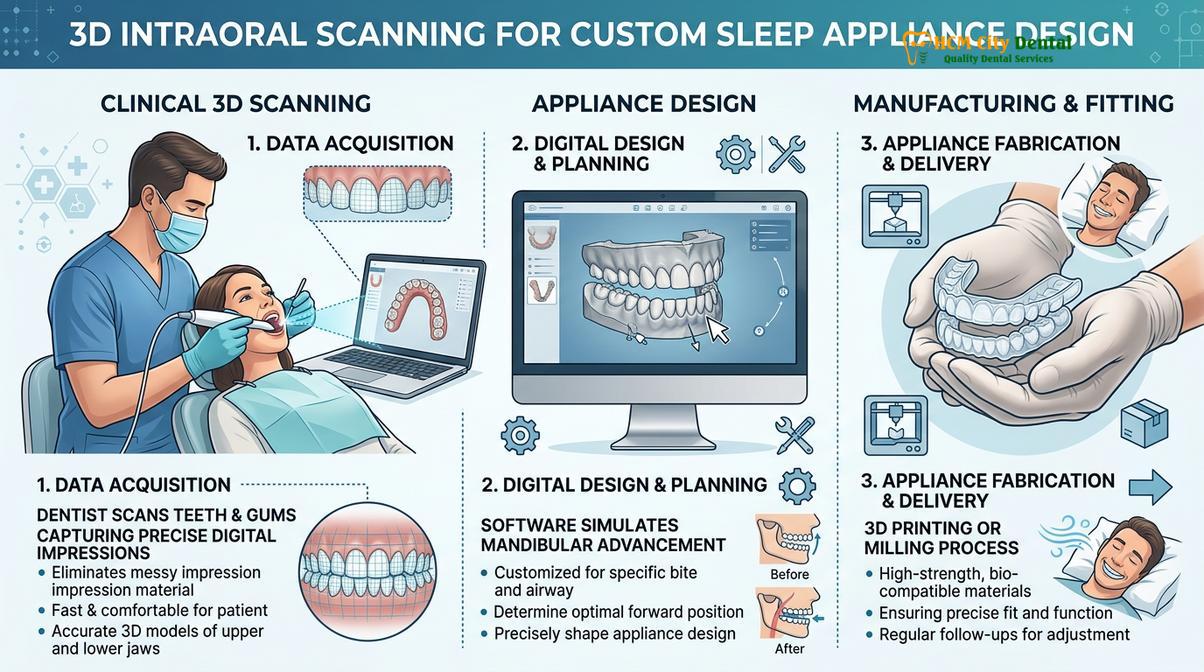
At HCMC Dental Clinic, we utilize state-of-the-art intraoral digital scans to capture the exact topography of the patient’s teeth and gums. This digital precision ensures a perfect fit, which is crucial for comfort and efficacy. We offer two primary types of advanced, titratable sleep appliances:
| Appliance Type | Mechanism & Design | Clinical Advantages | Estimated Cost |
|---|---|---|---|
| Antisnoring Telescopic | Herbst-style mechanism with lateral telescopic rods. | Allows for side-to-side and vertical jaw movement. Highly effective at minimizing temporomandibular joint (TMJ) stiffness. Excellent for patients who grind their teeth. | 12,000,000 VND |
| Twinblock Snoring | Two-piece device with interlocking 70-degree bite blocks. | Guides the jaw forward upon closing. The 70-degree angle prevents the jaw from dropping open while sleeping supine (on the back). | 11,000,000 VND |
The fabrication of these devices is a meticulous clinical process. It begins with a comprehensive examination of the teeth, periodontal health, and the temporomandibular joint. A patient must have sufficient healthy teeth to anchor the appliance. Once cleared, digital impressions are taken, and a specialized bite registration tool (such as a George Gauge) is used to determine the patient’s maximum comfortable protrusive position. The appliance is typically fabricated to start at 50% to 60% of this maximum protrusion.
Dr. Cuong notes that the success of these appliances relies heavily on precise titration calibration and comprehensive TMJ joint checks. “We must advance the mandible just enough to clear the airway obstruction, but not so much that it strains the temporomandibular joint,” Dr. Cuong explains. This careful balance ensures both high compliance and optimal therapeutic outcomes.
Titration is the process of gradually adjusting the appliance over several weeks. The patient turns a small mechanism on the device (usually advancing it by 0.25mm to 0.5mm at a time) until snoring ceases and subjective symptoms of daytime fatigue resolve. Once the optimal position is found, the patient is referred back to their sleep physician for a follow-up sleep study with the appliance in place to objectively verify the reduction in AHI[5].
Clinical Case Study: A 45-year-old male presented to HCMC Dental Clinic in Ho Chi Minh City complaining of chronic morning exhaustion and loud snoring that disrupted his wife’s sleep. A previous sleep study diagnosed him with moderate OSA (AHI 18). He had attempted CPAP therapy but was highly intolerant due to claustrophobia. After a thorough dental and TMJ evaluation, he was fitted with an Antisnoring Telescopic appliance. Over a four-week titration period, his jaw was gradually advanced. A follow-up sleep study with the appliance in place revealed his AHI had dropped to 4 (within normal limits). The patient reported a complete cessation of snoring and stated he was finally waking up feeling refreshed and energetic.
For more detailed information on how these devices are custom-made and fitted, you can explore our comprehensive guide on custom sleep apnea appliances.
When to see a doctor for unrefreshing sleep
While occasional tiredness after a poor night’s sleep is normal, chronic exhaustion that persists despite spending adequate time in bed is a medical red flag. It is essential to differentiate between simple lifestyle factors (like excessive caffeine, poor sleep hygiene, or stress) and underlying physiological disorders that require clinical intervention.
If you consistently wake up feeling unrefreshed, it is time to seek a professional evaluation. A primary care physician or a board-certified sleep specialist will begin with a thorough medical history and may recommend a sleep study. This test monitors your brain waves, blood oxygen levels, heart rate, and breathing patterns throughout the night, providing a definitive diagnosis of what is disrupting your sleep architecture.
Important Clinical Warning: You should seek immediate medical evaluation if your unrefreshing sleep is accompanied by any of the following red flag symptoms:
- A bedpartner witnesses you stopping breathing, gasping, or choking during sleep.
- You experience severe daytime sleepiness, to the point of falling asleep during meetings, watching TV, or while driving.
- You wake up frequently with a racing heart, chest pain, or shortness of breath.
- You have difficult-to-control high blood pressure (hypertension) despite taking medication.
“Patients experiencing chronic unrefreshing sleep accompanied by loud snoring or witnessed breathing pauses should undergo a formal sleep evaluation, as these are hallmark indicators of obstructive sleep apnea.”
Once a diagnosis is established, a multidisciplinary approach yields the best results. If you are diagnosed with mild-to-moderate sleep apnea or primary snoring, consulting with a qualified dental sleep medicine practitioner can provide you with a comfortable, highly effective treatment alternative to CPAP, allowing you to finally reclaim the restorative sleep your body desperately needs.

Frequently Asked Questions
Why do I wake up tired even when I sleep for 8 hours?
Waking up tired after eight hours of sleep usually indicates poor sleep quality rather than insufficient duration. Conditions like obstructive sleep apnea cause repetitive airway blockages, triggering micro-arousals that prevent your brain from spending adequate time in restorative deep and REM sleep stages. Even though you were in bed for eight hours, your brain was constantly waking up to force you to breathe, leaving you exhausted.
How do I know if I am having micro-arousals during the night?
Because micro-arousals last only a few seconds, you will not consciously remember them. However, secondary symptoms such as waking up with a dry mouth, morning headaches, unrefreshing sleep, daytime sleepiness, or a bedpartner reporting loud snoring and gasping are strong clinical indicators. A formal sleep study (polysomnography) is the only definitive way to measure the exact number of micro-arousals occurring in your brain.
Can a custom sleep appliance restore deep sleep stages?
Yes, by physically preventing the airway from collapsing, a custom sleep appliance reduces breathing interruptions. This stabilization allows the brain to transition naturally through the sleep cycles, significantly increasing the duration of uninterrupted deep NREM and REM sleep. As the airway remains open, oxygen levels stabilize, the sympathetic nervous system calms down, and the body can finally engage in deep physiological repair.
What is the clinical difference between primary snoring and sleep apnea?
Primary snoring is the acoustic vibration of relaxed airway tissues without a significant reduction in airflow or oxygen levels. Sleep apnea involves actual partial or complete blockages of the airway, leading to oxygen desaturation and neurological arousals that fragment sleep. While primary snoring is mostly a nuisance to a bedpartner, sleep apnea is a serious medical condition with severe cardiovascular and cognitive consequences.
How long does it take to adapt to wearing a mandibular advancement device?
Most patients adapt to a mandibular advancement device within one to two weeks. Initial side effects may include excessive salivation, minor tooth tenderness, or temporary jaw stiffness in the morning, which are typically managed with a morning repositioning exercise. The dentist will provide a specialized “morning bite” tool to help realign the jaw to its natural position shortly after waking, ensuring long-term comfort and protecting the TMJ.
References
- Journal of Clinical Sleep Medicine. The impact of sleep fragmentation on sleep architecture and daytime function. (2021).
- American Journal of Respiratory and Critical Care Medicine. Pathophysiology of upper airway collapse during sleep. (2020).
- Sleep Medicine Reviews. Cardiovascular consequences of intermittent hypoxia in obstructive sleep apnea. (2019).
- Neurology. The glymphatic system and the role of deep sleep in cognitive preservation. (2022).
- Journal of Dental Sleep Medicine. Efficacy of titratable mandibular advancement devices in mild-to-moderate OSA. (2023).