For patients struggling with continuous positive airway pressure therapy, custom oral appliances offer a highly effective, non-invasive solution. These mandibular advancement devices gently reposition the jaw to prevent airway collapse, serving as a primary CPAP alternative for mild-to-moderate obstructive sleep apnea and primary snoring.
Clinical Summary:
While CPAP remains the gold standard for severe sleep apnea, low compliance rates drive the need for viable alternatives. Mandibular Advancement Devices (MADs) provide a clinically validated, portable sleep apnea device option for patients with mild-to-moderate OSA or CPAP intolerance. By utilizing intraoral digital scans and precise titration, dental sleep medicine specialists fabricate custom appliances—such as the Antisnoring Telescopic and Twinblock Snoring devices—that maintain airway patency without masks or hoses. Proper diagnosis via a sleep physician is mandatory before commencing oral appliance therapy.
Key Takeaways:
- Custom oral appliances are a primary alternative for patients unable to tolerate CPAP therapy.
- Dentists collaborate with sleep physicians, as a formal sleep study is required for an OSA diagnosis.
- Mandibular advancement devices (MADs) physically prevent airway obstruction by stabilizing the lower jaw.
- Advanced devices like the Antisnoring Telescopic allow for lateral movement, protecting the TMJ.
- Routine titration and TMJ joint checks are essential for maximizing the reduction of the Apnea-Hypopnea Index (AHI).
The CPAP Compliance Crisis: Why Many Patients Quit
Continuous positive airway pressure is highly effective, yet nearly half of prescribed users abandon treatment due to mask discomfort, noise, and claustrophobia. This high non-compliance rate leaves many patients vulnerable to the severe health risks of untreated sleep apnea.
Obstructive Sleep Apnea (OSA) is a pervasive sleep-related breathing disorder characterized by repetitive episodes of complete or partial upper airway obstruction during sleep. For decades, the frontline defense against this condition has been the continuous positive airway pressure machine. By delivering a steady stream of pressurized air through a mask, the machine acts as a pneumatic splint, keeping the pharyngeal airway open and preventing the soft tissues from collapsing. When used consistently, this therapy is exceptionally effective at normalizing the Apnea-Hypopnea Index (AHI) and preventing dangerous drops in blood oxygen levels, known as oxygen desaturation.
However, the clinical reality of long-term adherence paints a much more complex picture. The compliance rate for positive airway pressure therapy is notoriously problematic. Clinical studies consistently indicate that a significant percentage of patients—often cited between 30% to 50%—either refuse the treatment entirely after the first few nights or abandon it within the first year of use[1]. This phenomenon is widely recognized in the medical community as the CPAP compliance crisis.
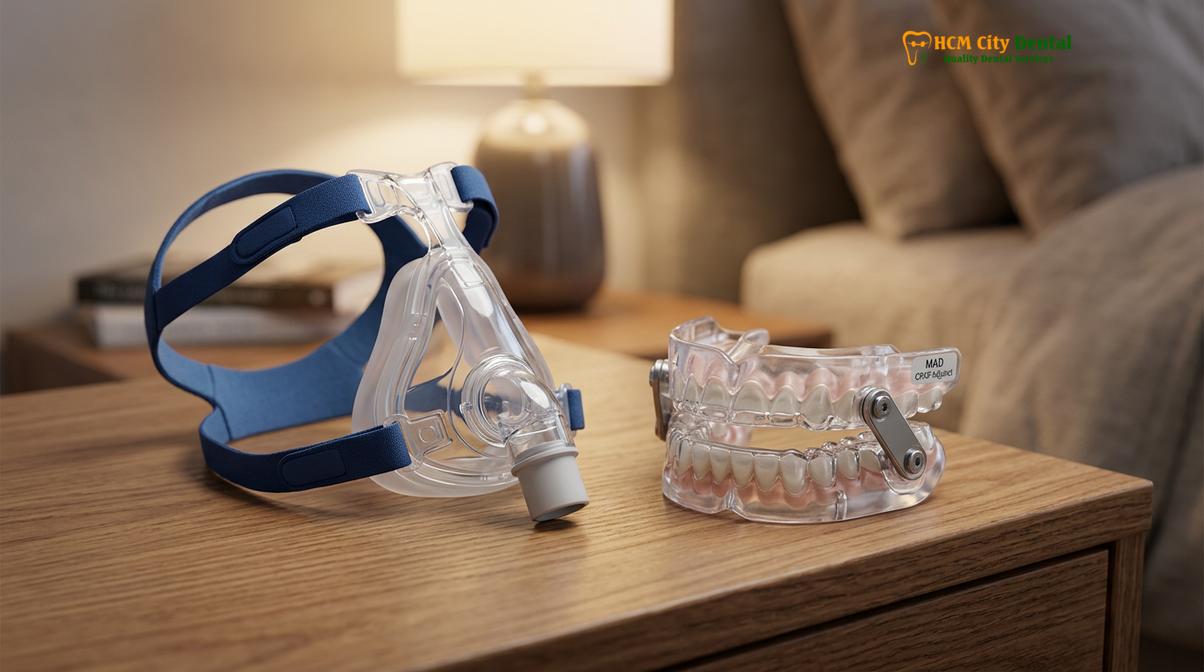
The reasons for treatment abandonment are multifaceted and deeply personal to each patient. The physical interface—the mask—is a primary source of frustration. Patients frequently report issues such as mask leaks, which blow cold air into the eyes, or pressure sores on the bridge of the nose and cheeks. Furthermore, the forced air can lead to severe nasal congestion, rhinitis, and aerophagia (the uncomfortable swallowing of air into the stomach, causing morning bloating and pain). Beyond physical discomfort, the psychological barriers are equally daunting. Many patients experience claustrophobia when strapped into the mask, while the noise of the machine, though quieter in modern models, can still disrupt the sleep of both the patient and their bed partner.
Clinical Warning: Abandoning sleep apnea treatment without securing an alternative leaves the body exposed to chronic intermittent hypoxia. Untreated OSA is strongly correlated with severe cardiovascular complications, including drug-resistant hypertension, atrial fibrillation, stroke, and an increased risk of sudden cardiac death.
When a patient stops using their machine, the airway collapse resumes immediately. The brain is forced to trigger micro-arousals hundreds of times a night to restart breathing, completely destroying the normal sleep architecture. This leads to profound daytime hypersomnolence, cognitive impairment, and metabolic dysregulation. Because the risks of untreated OSA are so severe, finding a viable, comfortable alternative is not merely a matter of convenience—it is a critical medical necessity. For patients with mild-to-moderate OSA, or those with severe OSA who are strictly intolerant to forced air therapy, the field of dental sleep medicine offers a scientifically backed, highly effective alternative.
How Mandibular Advancement Devices Work as an Alternative
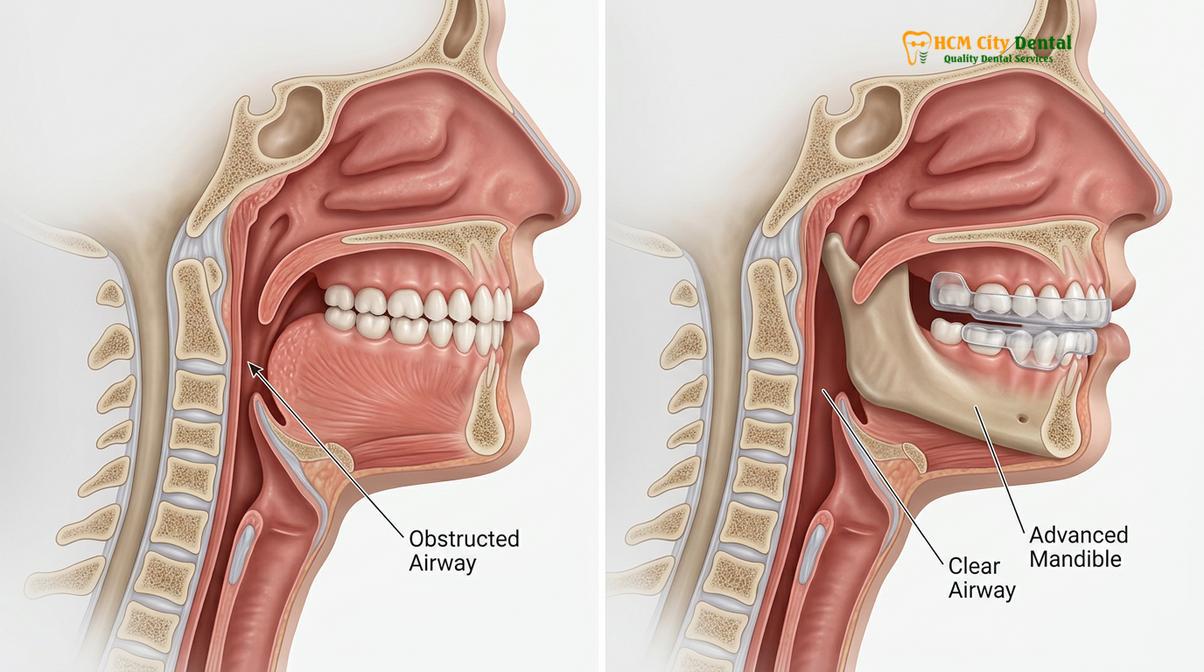
Mandibular Advancement Devices (MADs) treat sleep apnea by gently shifting the lower jaw forward during sleep. This mechanical repositioning tightens soft tissues, preventing airway collapse and maintaining steady oxygen levels without forced air.
To understand how a dental appliance can replace a medical machine, one must look at the anatomical root cause of obstructive sleep apnea. During sleep, the muscles of the body naturally relax (a state known as hypotonia). In patients with OSA, the muscles of the soft palate, the uvula, and the base of the tongue relax to the point where they fall backward under the influence of gravity, physically blocking the pharyngeal airway. A Mandibular Advancement Device (MAD) directly addresses this anatomical bottleneck.
A MAD is a custom-fabricated, two-arch oral appliance that fits snugly over the upper and lower teeth, much like an orthodontic retainer or a sports mouthguard. However, its primary function is to engage the lower jaw (mandible) and hold it in a slightly protruded (forward) position. Because the base of the tongue is attached to the mandible via the genioglossus muscle, moving the jaw forward simultaneously pulls the tongue forward. This action increases the three-dimensional volume of the retrolingual and retropalatal airway spaces, effectively tightening the loose tissues and preventing them from vibrating (which causes snoring) or collapsing entirely (which causes apneas)[2].
At HCMC Dental Clinic, the focus is on utilizing advanced, patient-friendly designs that maximize comfort while ensuring clinical efficacy. Two of the primary custom devices utilized in our clinical workflows include:
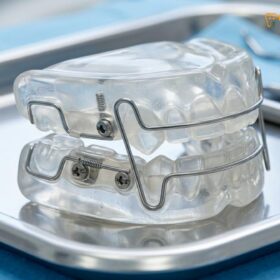
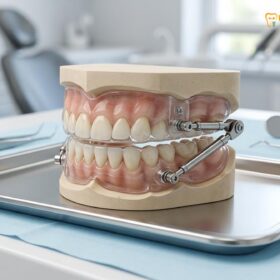
- Antisnoring Telescopic Device: This is a highly sophisticated, Herbst-style appliance that utilizes lateral telescopic rods connecting the upper and lower arches. The distinct clinical advantage of this mechanism is that it allows for both side-to-side (lateral excursion) and vertical jaw movement while still maintaining the forward advancement. By not locking the jaw rigidly in place, it significantly minimizes temporomandibular joint (TMJ) stiffness and muscle fatigue. (Currently priced at 12,000,000 VND / ~$480 USD with WhatsApp discount).
- Twinblock Snoring Device: This is a two-piece appliance featuring precision-milled, interlocking 70-degree bite blocks. When the patient closes their mouth, the angled blocks naturally guide the lower jaw into the predetermined forward position. It is highly effective for patients who need a robust advancement mechanism and is designed to be easy to insert and remove. (Currently priced at 11,000,000 VND / ~$440 USD with WhatsApp discount).
The success of these devices relies heavily on a process called titration. Titration is the gradual, millimeter-by-millimeter advancement of the lower jaw over several weeks. If the jaw is advanced too far too quickly, it can cause severe joint pain and tooth shifting. If it is not advanced enough, the airway will remain obstructed. Dental sleep medicine specialists carefully calibrate this advancement to find the “sweet spot”—the exact position where the Apnea-Hypopnea Index is minimized, snoring is eliminated, and the patient experiences no joint discomfort.
“The clinical efficacy of an oral appliance is not just about pushing the jaw forward; it is about finding the precise physiological balance. Through careful airway scanning, routine TMJ joint checks, and micro-millimeter titration calibration, we can open the airway effectively while preserving the long-term health of the patient’s bite and jaw joints.” — Dr. Nguyen Van Cuong
This meticulous approach ensures that the soft tissues remain taut throughout the night, drastically reducing the frequency of oxygen desaturation events and allowing the patient to achieve deep, restorative REM sleep without the need for a tethered machine.
CPAP vs. MAD: Noise, Comfort, and Travel Comparisons
While CPAP provides pressurized air through a tethered mask, MADs are compact, silent mouthpieces worn entirely inside the mouth. This makes oral appliances the preferred portable sleep apnea device for frequent travelers and those seeking a less intrusive sleep experience.
When a patient is diagnosed with sleep apnea and presented with treatment options, the decision between positive airway pressure and an oral appliance often comes down to lifestyle, comfort, and the severity of the condition. While both therapies aim to keep the airway open, their mechanisms, physical footprints, and daily maintenance requirements are vastly different.
The most immediate difference is the physical presence of the device. A continuous positive airway pressure setup requires a base unit (the motor), a heated humidifier chamber, a long flexible hose, and a mask that covers the nose, mouth, or both. This requires the patient to sleep near an electrical outlet and limits their ability to change sleeping positions easily. In contrast, a Mandibular Advancement Device is entirely self-contained within the mouth. There are no external parts, no hoses to get tangled in, and no electricity required. This fundamental difference in design is why the compliance rate for oral appliances is significantly higher than for forced air machines[3].
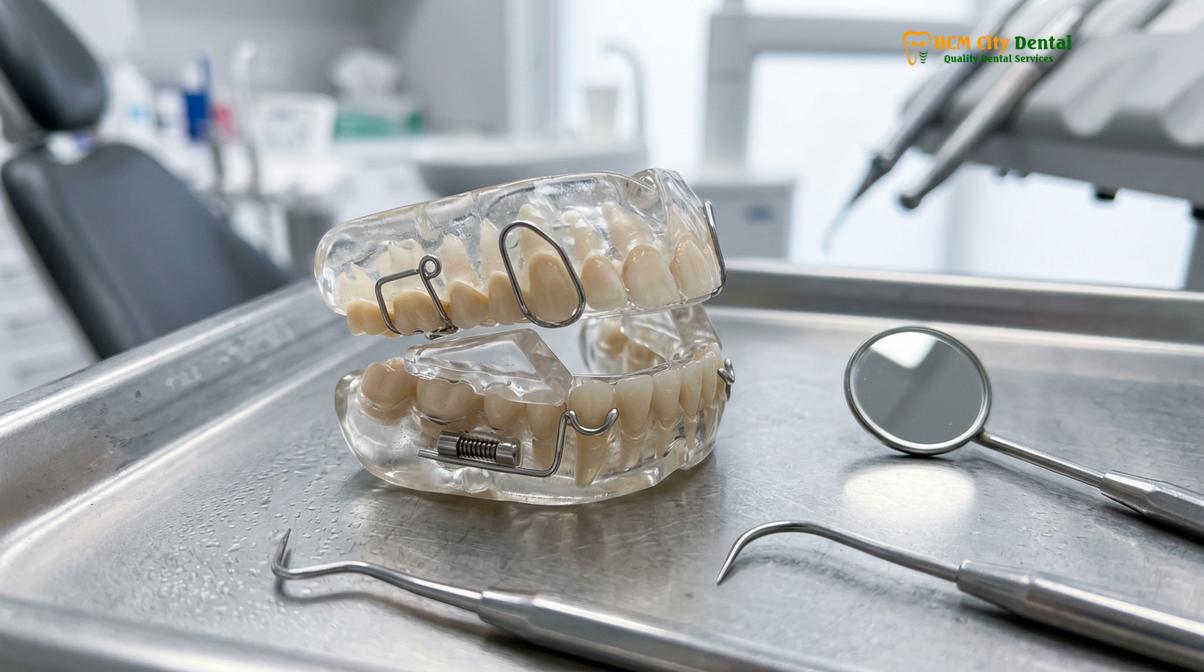
For patients who travel frequently for business or leisure, the logistics of managing sleep apnea therapy can be a major burden. Traveling with a forced air machine requires carrying an extra medical bag through airport security, ensuring access to distilled water for the humidifier, and dealing with international voltage converters. An oral appliance, however, is the ultimate portable sleep apnea device. It fits into a small, pocket-sized retainer case, requires no power source, and can be used discreetly on long-haul flights or camping trips.
To provide a clear clinical perspective, the following table outlines the primary differences between the two modalities:
| Feature / Consideration | Continuous Positive Airway Pressure (CPAP) | Mandibular Advancement Device (MAD) |
|---|---|---|
| Mechanism of Action | Pneumatic splinting (forced pressurized air). | Mechanical splinting (jaw repositioning). |
| Primary Indication | Severe OSA; all levels of sleep apnea. | Primary snoring; Mild-to-Moderate OSA; CPAP intolerance. |
| Noise Level | Low hum from motor; potential mask leak hissing. | Completely silent. |
| Portability | Bulky; requires electricity and distilled water. | Highly portable; fits in a pocket-sized case. |
| Common Side Effects | Nasal congestion, dry mouth, mask sores, aerophagia. | Temporary jaw stiffness, excessive salivation initially. |
| Sleep Position | Restricted (back sleeping is often required to prevent mask leaks). | Unrestricted (side, back, or stomach sleeping allowed). |
It is important to note that while MADs offer superior comfort and convenience, they are not universally applicable. Patients with central sleep apnea (where the brain fails to send the signal to breathe) or those with extremely severe obstructive sleep apnea may still require positive airway pressure therapy. However, for the vast majority of patients with mild-to-moderate obstruction, the transition to a silent, comfortable oral appliance represents a life-changing improvement in their quality of life and long-term treatment adherence.
Finding Your Custom CPAP Alternative in Ho Chi Minh City
At HCMC Dental Clinic, the fabrication of a custom sleep appliance involves precise intraoral digital scans and comprehensive joint evaluations. This meticulous workflow ensures maximum airway expansion while protecting the temporomandibular joint from long-term strain.
Transitioning from a forced air machine to a custom oral appliance requires a highly specialized clinical approach. Over-the-counter “boil-and-bite” snoring mouthguards sold online are not viable medical treatments for sleep apnea. They are bulky, lack precision, cannot be titrated, and often fall out during the night. A true medical-grade CPAP alternative must be custom-fabricated by a dentist trained in dental sleep medicine, working in conjunction with a patient’s sleep physician.
At HCMC Dental Clinic in Ho Chi Minh City, the clinical workflow for delivering a custom sleep appliance is designed to ensure maximum efficacy and patient safety. The process begins with a thorough dental and periodontal examination. Because the appliance anchors to the teeth to pull the jaw forward, the patient must have a healthy dentition with sufficient bone support. The dentist will also perform baseline TMJ joint checks to assess the current range of motion and identify any pre-existing joint pathology.
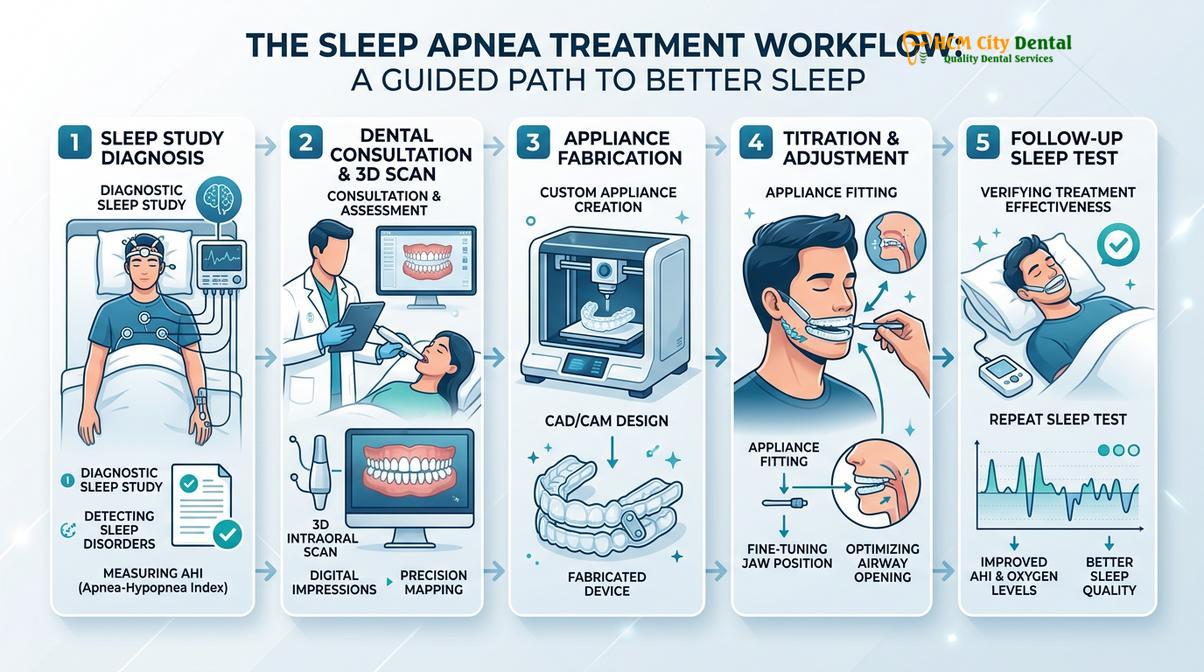
Once the patient is cleared dentally, the clinic utilizes advanced intraoral digital scans rather than traditional, messy impression putty. These 3D digital scans capture the exact micro-anatomy of the teeth and gums, ensuring that the final appliance fits with absolute precision. A specialized bite registration is also taken using a George Gauge, which measures the patient’s maximum protrusive distance. The initial appliance is usually set at approximately 60% of this maximum distance to allow the jaw muscles to adapt comfortably.
Clinical Case Example: A 52-year-old male patient visited HCMC Dental Clinic in Ho Chi Minh City after abandoning his CPAP machine due to severe claustrophobia and mask leaks. His baseline sleep study indicated moderate OSA (AHI of 18). Following a comprehensive evaluation, Dr. Cuong prescribed the Antisnoring Telescopic device. After a 4-week titration protocol, the patient reported a complete cessation of snoring and daytime fatigue. A follow-up home sleep apnea test (HSAT) confirmed his AHI had dropped to 4, well within the normal range, demonstrating successful management without forced air therapy.
The delivery of the appliance is only the beginning of the therapy. The patient enters a titration phase, where the device is gradually adjusted over several weeks. Dr. Nguyen Van Cuong emphasizes that this phase is critical: “We monitor the patient closely during the titration phase. We are looking for the resolution of subjective symptoms—like daytime sleepiness and bed-partner reports of snoring—while ensuring the TMJ remains comfortable and asymptomatic.” Once the optimal position is reached, the patient is referred back to their sleep physician for a follow-up sleep study to objectively verify the reduction in airway obstruction[4].
When to See a Doctor for Sleep Apnea
While dental sleep medicine offers powerful tools for managing airway obstruction, it is imperative to understand the strict boundaries of medical diagnosis. Dentists, regardless of their expertise in oral appliance therapy, DO NOT diagnose sleep apnea. Obstructive sleep apnea is a complex medical condition that can have profound cardiovascular and neurological implications.
If you experience symptoms such as loud, chronic snoring, witnessed pauses in breathing during sleep, waking up gasping or choking, or severe daytime fatigue, you must first consult a medical doctor or a board-certified sleep physician. Diagnosing OSA requires a formal sleep study—either an in-lab Polysomnography (PSG) or a Home Sleep Apnea Test (HSAT)—which monitors brain waves, blood oxygen levels, heart rate, and breathing effort throughout the night.
“The management of sleep apnea is inherently multidisciplinary. We rely on the sleep physician to provide the definitive diagnosis and determine the severity of the disease. Only then can we, as dental specialists, step in to fabricate a custom mandibular advancement device for those who are appropriate candidates or who cannot tolerate CPAP.” — Dr. Nguyen Van Cuong
If you have already been diagnosed with mild-to-moderate OSA, or if you have severe OSA but are completely unable to tolerate your prescribed machine, it is time to explore alternatives. Do not simply stop your treatment. Contact your sleep physician to discuss your struggles, and seek a consultation with a qualified dental sleep medicine provider to evaluate your candidacy for a custom oral appliance. Regular follow-ups, including routine dental exams and periodic sleep studies, are essential to ensure that your chosen therapy continues to protect your airway and your overall health effectively[5].
For patients ready to explore comfortable, mask-free sleep solutions, scheduling a comprehensive airway and joint evaluation at HCMC Dental Clinic is the first step toward reclaiming restful, uninterrupted sleep.
Frequently Asked Questions
Is a dental mouthpiece as effective as a CPAP?
For mild-to-moderate obstructive sleep apnea, a custom dental mouthpiece can be highly effective and is often considered a first-line alternative. While CPAP remains the gold standard for severe cases, oral appliances offer superior compliance rates, meaning patients actually wear them through the night, leading to comparable long-term health outcomes in appropriately selected candidates.
What is the compliance rate for oral appliances?
The compliance rate for custom oral appliances typically exceeds 75% to 80% over long-term use. Because they are silent, mask-free, and less intrusive than continuous positive airway pressure machines, patients are far more likely to wear them consistently every night, which is crucial for managing airway obstruction effectively.
Can severe sleep apnea be treated without CPAP?
Severe sleep apnea is primarily treated with CPAP, but alternatives exist for patients who are strictly CPAP-intolerant. In such cases, a sleep physician may recommend a combination therapy involving a custom oral appliance, positional therapy, weight management, or in some instances, surgical interventions like hypoglossal nerve stimulation or maxillomandibular advancement.
How long does a custom sleep apnea appliance last?
A high-quality, custom-fabricated sleep apnea appliance typically lasts between 3 to 5 years, depending on the material and the patient’s bruxism (teeth grinding) habits. Regular maintenance, proper daily cleaning, and routine dental check-ups help extend the lifespan of the device and ensure the titration mechanism remains functional.
Will a mandibular advancement device cause jaw pain?
Mild, temporary jaw stiffness is common during the first few weeks of using a mandibular advancement device as the muscles adapt to the new position. However, advanced designs like the Antisnoring Telescopic device allow for lateral movement, significantly minimizing temporomandibular joint (TMJ) strain and preventing long-term chronic pain.
References
- Journal of Dental Sleep Medicine. Mandibular advancement device efficacy and long-term adherence. (2021).
- American Journal of Respiratory and Critical Care Medicine. CPAP vs oral appliances in the management of obstructive sleep apnea. (2019).
- Sleep and Breathing. Telescopic Herbst appliance TMJ safety and lateral excursion capabilities. (2020).
- Journal of Clinical Sleep Medicine. HSAT diagnostic reliability and multidisciplinary treatment pathways. (2022).
- Journal of Oral Rehabilitation. Titration protocols and vertical dimension considerations in dental sleep medicine. (2018).