Knowing exactly when to replace night guard signs is critical for protecting your teeth from the destructive forces of bruxism. Key indicators include visible cracks, thinning material, a loose fit, persistent odors, and returning jaw pain. Replacing a compromised guard promptly can help prevent severe enamel damage and temporomandibular joint strain.
Clinical Summary:
Dental night guards are essential therapeutic devices designed to mitigate the effects of sleep bruxism and temporomandibular joint (TMJ) disorders. However, these appliances are subjected to immense occlusal forces and a harsh oral environment, leading to inevitable material degradation over time. Recognizing the clinical signs of appliance failure—such as structural micro-fractures, occlusal thinning, dimensional distortion, microbial colonization, and the recurrence of myofascial pain—is vital for maintaining oral health. Continuing to wear a compromised appliance may inadvertently exacerbate jaw tension and lead to unwanted orthodontic shifting. Regular clinical evaluations are necessary to assess the structural integrity of the guard, ensuring it continues to provide adequate shock absorption, maintain the correct vertical dimension of occlusion, and protect the dentition from attrition.
Key Takeaways:
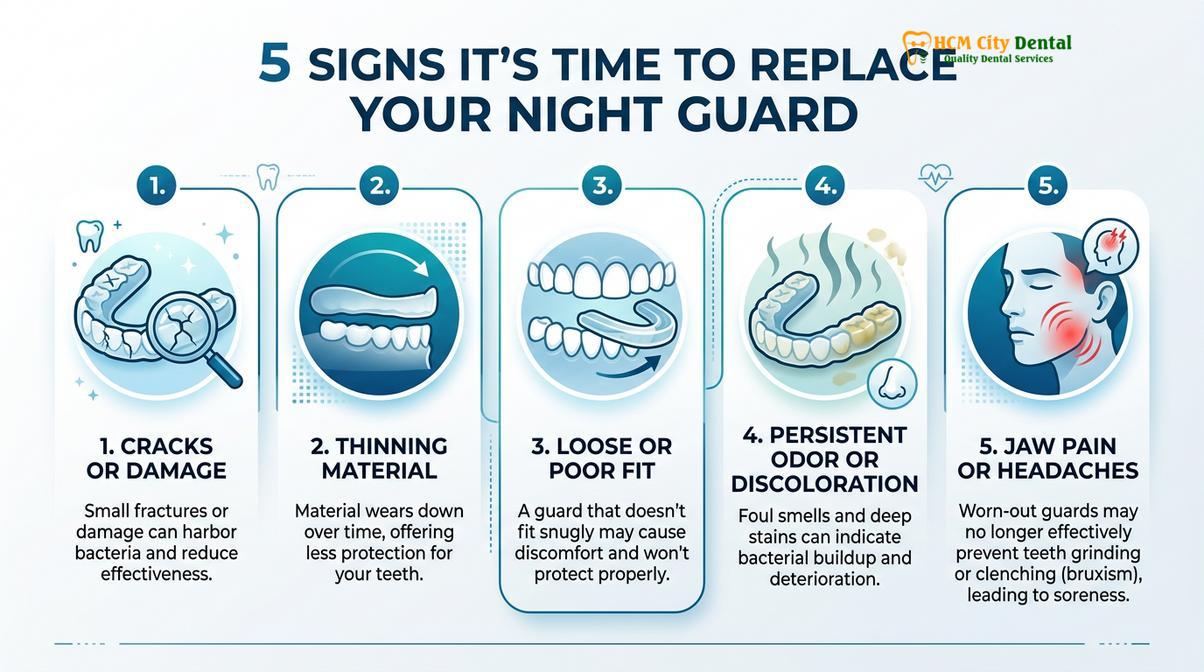
- Visible cracks or holes compromise the structural integrity and harbor harmful oral bacteria.
- Thinning material reduces the appliance’s ability to absorb shock and maintain proper jaw alignment.
- A changed or loose fit can cause unwanted tooth movement and reduce protective efficacy.
- Persistent foul odors indicate deep microbial biofilm penetration into the acrylic pores.
- Returning jaw pain or headaches strongly suggests the guard is no longer balancing your bite correctly.
Sign 1: Visible Cracks or Holes
Visible cracks or holes in your night guard indicate severe structural failure, compromising its ability to absorb occlusal forces and protect your enamel from grinding damage.
The human jaw is capable of exerting extraordinary pressure, particularly during episodes of sleep bruxism. The masseter and temporalis muscles can generate immense forces during unconscious nocturnal grinding. Over time, this relentless mechanical stress takes a profound toll on the materials used to fabricate occlusal splints. Whether your appliance is made from hard polymethyl methacrylate (PMMA), a dual-laminate composite, or a softer thermoplastic elastomer, material fatigue is an inevitable clinical reality [1].
The earliest manifestations of this fatigue often appear as microscopic stress fractures, commonly referred to as “crazing,” along the occlusal (biting) surface of the appliance. These micro-cracks are the direct result of repetitive cyclic loading. As you continue to clench and grind, these tiny fissures propagate, eventually coalescing into visible cracks or even complete perforations in the material. When a night guard develops a full-thickness crack, its structural integrity is fundamentally compromised. It can no longer distribute occlusal forces evenly across the dental arch, which is its primary therapeutic function.
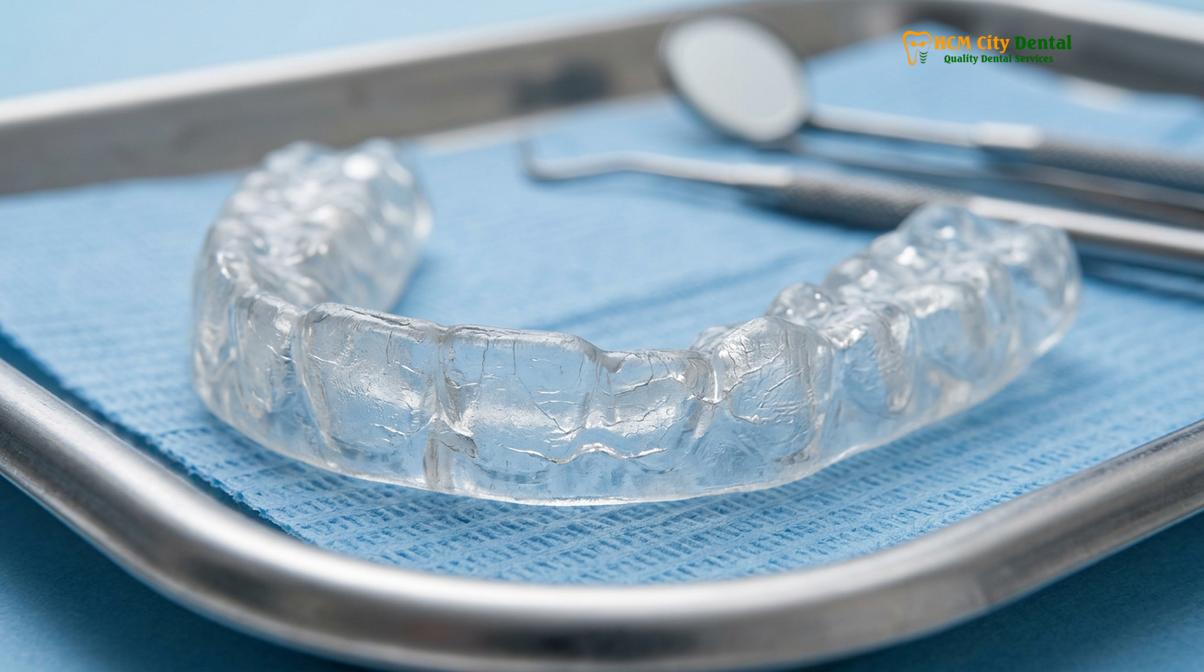
Beyond the mechanical failure, visible cracks present a significant microbiological hazard. The oral cavity is a complex microbiome, and the fissures in a damaged night guard create an ideal, sheltered microenvironment for bacterial and fungal colonization. Pathogens can deeply infiltrate these cracks, making them virtually impossible to eradicate with standard at-home cleaning protocols. Wearing a heavily cracked guard essentially presses a reservoir of concentrated bacteria directly against your gingival tissues throughout the night, potentially increasing the risk of periodontal inflammation and dental caries.
Sign 2: Thinning Material
A night guard with thinned occlusal surfaces loses its shock-absorbing capacity, allowing harmful grinding forces to transfer directly to your teeth and jaw joints.
While cracks are an obvious sign of acute material failure, the gradual thinning of a night guard is a more insidious process that can be equally detrimental to your oral health. The primary purpose of an occlusal splint is to provide a sacrificial layer of material that wears down instead of your natural tooth enamel. Consequently, seeing some degree of wear on the appliance is normal and indicates that the guard is performing its intended function. However, there is a critical threshold where this wear becomes pathological.
In clinical dentistry, the space between your upper and lower jaws when resting is known as the “freeway space,” and the height of your bite is the “vertical dimension of occlusion” (VDO). A properly fabricated night guard is calibrated to slightly open this vertical dimension, which helps to decompress the temporomandibular joint and reduce the firing intensity of the elevator muscles. When a night guard worn out from months of heavy bruxism becomes excessively thin, it fails to maintain this therapeutic vertical dimension [4].
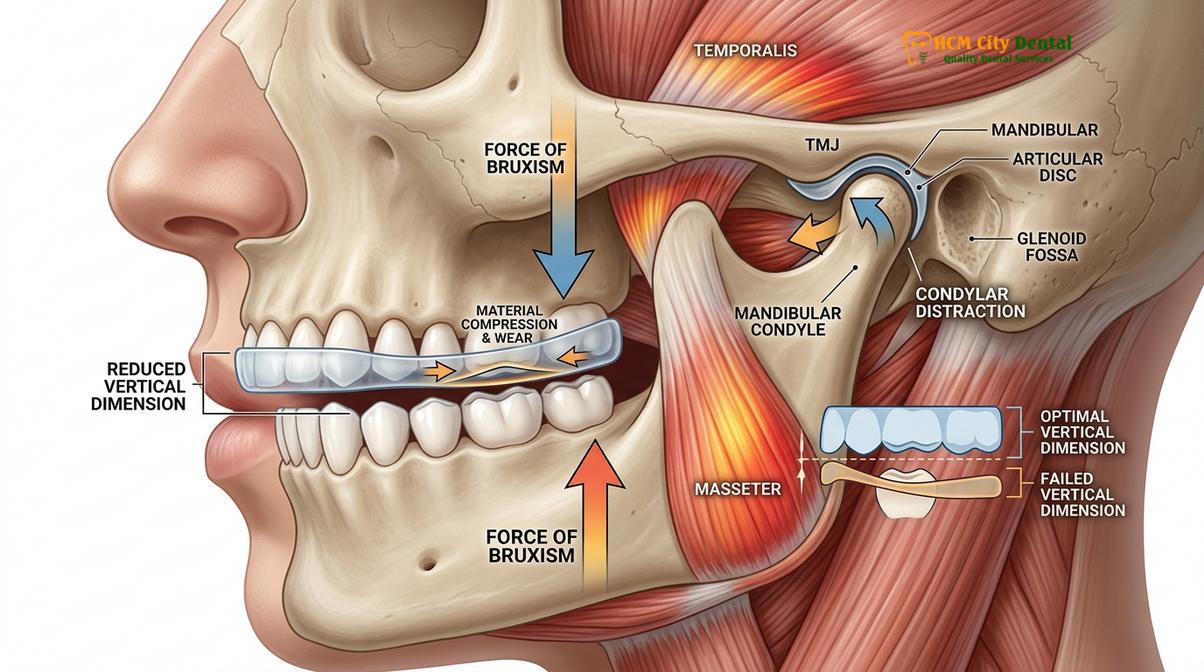
As the material thins, the upper and lower jaws move closer together during sleep. This loss of vertical support can lead to the condyle (the ball of the jaw joint) being pushed upward and backward into the glenoid fossa, compressing the highly innervated retrodiscal tissues. This compression is a primary catalyst for joint inflammation and pain. Patients experiencing this phenomenon often report symptoms that mimic severe TMJ disorders. For more information on how jaw compression affects the surrounding anatomy, you can review our clinical guide on Bruxism Ear Pain Tinnitus: Clinical TMJ Connection | HCMC Dental.
Sign 3: Changed Fit
If your night guard feels loose, tight, or requires forced seating, it no longer matches your dental arch, risking tooth shifting and inadequate protection.
The efficacy of any dental appliance is entirely dependent on its precise adaptation to the patient’s unique dental anatomy. A custom night guard is fabricated from highly accurate impressions or digital scans, ensuring a passive, retentive fit that snaps securely into place without placing undue orthodontic pressure on the teeth. However, over time, you may notice that your old night guard no longer fits as seamlessly as it once did. It may feel excessively tight, uncomfortably loose, or it may rock back and forth when seated.
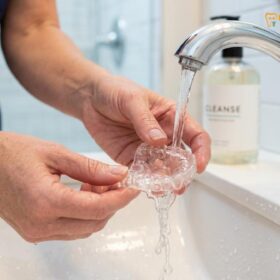
There are two primary reasons for a change in fit: dimensional distortion of the appliance itself, and morphological changes in your dental arch. Dental acrylics and thermoplastics are susceptible to thermal distortion. If a patient routinely cleans their guard in hot or boiling water, or leaves it exposed to high heat, the material can warp. Even microscopic warping can drastically alter the seating of the appliance.
Clinical Case Review:
A 34-year-old patient presented to HCMC Dental Clinic in Ho Chi Minh City complaining of morning tooth soreness. Upon examination, the clinical team discovered the patient was wearing an older night guard that had warped due to improper heat sterilization at home. The distorted appliance was acting like an active orthodontic retainer, placing unintended pressure on the anterior teeth. After fabricating a new, precisely fitted acrylic splint and educating the patient on proper cold-water maintenance, the morning soreness resolved completely.
The second cause of a changed fit relates to changes in your mouth. Teeth are not rigidly fixed in the jawbone; they are suspended by the periodontal ligament and are subject to natural physiological drift over time. More significantly, any new dental work—such as a new composite filling, a porcelain crown, an extraction, or orthodontic treatment—will alter the topography of your bite. A night guard fabricated prior to these changes will no longer seat correctly. For a deeper understanding of why appliances lose their adaptation, refer to our detailed analysis on Night Guard Not Fitting Properly: Clinical Causes & Fixes | HCMC Dental.
Sign 4: Persistent Odor Despite Cleaning
A foul smell or taste that persists after thorough cleaning signals deep microbial colonization within the microscopic pores of the night guard material.
Maintaining impeccable hygiene with oral appliances is a daily necessity, but even with the most diligent care, materials age and degrade. One of the most unpleasant and unhygienic night guard replacement signs is the development of a persistent, foul odor or a stale taste that cannot be eradicated through normal brushing or soaking. This phenomenon is deeply rooted in the material science of dental polymers and the microbiology of the oral cavity.
When a night guard is new, its surface is highly polished and relatively impervious. However, as the appliance is subjected to nightly grinding, the surface becomes abraded, increasing its surface roughness. Simultaneously, the material undergoes microscopic degradation from exposure to salivary enzymes and temperature fluctuations. This creates a highly porous surface architecture. These microscopic pores act as a sponge, absorbing saliva, dead mucosal cells, and food debris [3].
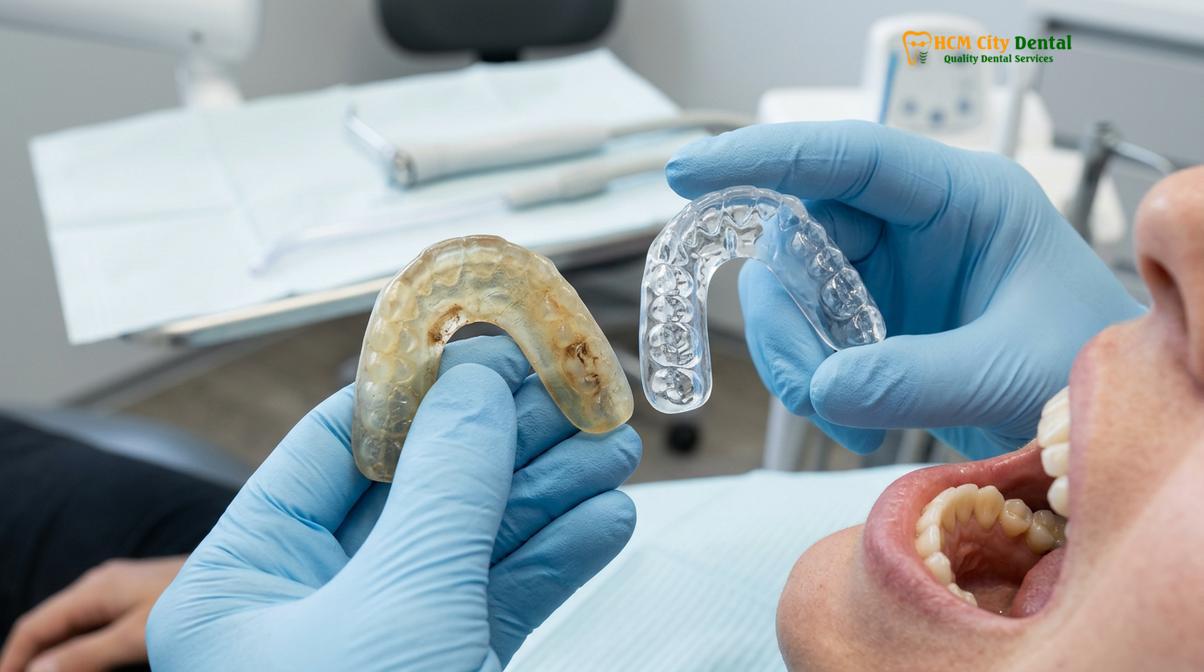
Clinical Warning: Never attempt to repair a cracked or foul-smelling night guard using household superglues, epoxies, or DIY repair kits. These adhesives contain toxic chemicals that are unsafe for oral use. Furthermore, DIY repairs alter the precise fit of the appliance, which can induce severe orthodontic shifting and exacerbate temporomandibular joint pain.
This organic matrix provides an ideal substrate for the formation of a robust microbial biofilm. Bacteria and fungi embed themselves deeply within the porous acrylic, shielding themselves from the mechanical action of a toothbrush and the chemical action of mild cleansers. The metabolic byproducts of these microorganisms are responsible for the persistent halitosis associated with old dental appliances. Continuing to wear a heavily colonized night guard may continuously inoculate your mouth with high bacterial loads, increasing your susceptibility to gingival irritation.
Sign 5: Increased Jaw Pain
Waking up with renewed jaw pain, facial soreness, or headaches strongly suggests your current night guard is failing to provide proper occlusal support.
The ultimate metric of a night guard’s success is its ability to alleviate the painful symptoms associated with bruxism and TMJ dysfunction. When you first receive a custom-fitted appliance, you should experience a significant reduction in morning jaw stiffness, facial myalgia (muscle pain), and tension headaches. However, if you notice a gradual or sudden return of these symptoms, it is a strong clinical indicator that the appliance is no longer functioning correctly, as outlined in established orofacial pain management protocols [2].
As discussed earlier, the wear and tear on a night guard is rarely perfectly even. Depending on your specific grinding patterns, certain areas of the appliance will thin out faster than others. This uneven wear creates an unbalanced occlusal surface. When you bite down on an unbalanced guard, the proprioceptors (sensory receptors) in your periodontal ligaments detect the uneven contact. This sensory feedback triggers an abnormal neuromuscular response, causing the masticatory muscles to contract asynchronously as they struggle to find a stable resting position.
“An occlusal splint is only therapeutic as long as it provides a balanced, frictionless surface for the opposing teeth to glide across. Once deep grooves or uneven wear patterns develop, the appliance essentially locks the jaw into a traumatic position, often triggering more severe muscle spasms than if the patient were wearing no guard at all.”
This constant muscle hyperactivity throughout the night leads to profound muscle fatigue, which manifests as severe morning pain. Furthermore, the uneven forces can strain the delicate ligaments of the temporomandibular joint, leading to clicking, popping, or restricted jaw movement. To explore how muscle tension translates into broader symptoms, read our clinical overview on Bruxism Headaches & Migraines: Clinical Causes & Relief | HCMC Dental.
Clinical Stages of Night Guard Wear
Understanding the progression of material degradation can help you identify when your appliance transitions from functional wear to structural failure.
To better visualize the lifecycle of your dental appliance, it is helpful to categorize the wear into distinct clinical stages. Monitoring these stages allows for proactive replacement before severe symptoms arise.
| Stage of Wear | Visual Indicators | Clinical Impact | Recommended Action |
|---|---|---|---|
| New / Functional | Clear, polished surface; no visible indentations; fits snugly. | Provides optimal shock absorption and maintains correct vertical dimension. | Continue daily cleaning and routine dental checkups. |
| Moderate Wear | Slight cloudiness; shallow grooves matching your bite; minor surface abrasions. | Still protective, but material is beginning to fatigue. May require minor clinical adjustments. | Monitor closely; bring to your next dental appointment for evaluation. |
| Severe Failure | Visible cracks, deep holes, significant thinning, warping, or persistent foul odor. | Loss of vertical dimension; risk of bacterial infection; exacerbation of TMJ pain. | Discontinue use and schedule an immediate replacement consultation. |
When to Consult a Dentist for a Replacement
Regular professional evaluations are essential to determine if your night guard is still structurally sound or if it requires immediate replacement to prevent joint damage.
Patients often wonder exactly when they should seek professional help regarding their dental appliances. The general recommendation is to bring your night guard to every routine dental checkup. Your dentist can professionally clean the appliance in an ultrasonic bath and evaluate its structural integrity under clinical lighting. According to guidelines from the Vietnam Ministry of Health (MOH) regarding temporomandibular joint disorders, proactive management and regular assessment of occlusal appliances are vital for preventing the progression of bruxism-related damage [6].
You should schedule an immediate consultation if you experience any acute changes, such as a sudden crack in the material, a piece breaking off, or a sharp increase in jaw pain. Do not attempt to adjust or repair the guard yourself. If your symptoms suggest broader joint issues, you may benefit from exploring comprehensive TMJ Treatment Vietnam HCMC: Clinical Guide | HCMC Dental to address the root cause of your discomfort alongside replacing the appliance.
What to Do When It’s Time
When your appliance shows signs of failure, schedule a clinical evaluation to have a new, custom-fitted night guard fabricated based on your current bite.
Recognizing the signs of a failing night guard is only the first step; taking prompt clinical action is essential to ensure continuous protection. When you determine that it is time to replace your appliance, the process should always be managed by a qualified dental professional. Over-the-counter “boil-and-bite” guards are not a suitable long-term replacement for a failing custom appliance, as they lack the precise fit and durable materials required to withstand severe bruxism forces.
The replacement workflow begins with a comprehensive clinical examination. Your dentist will assess the wear patterns on your old guard, as these patterns provide valuable diagnostic information about the specific vectors of your grinding forces. They will also examine your teeth and TMJ to ensure no new damage has occurred. Following the examination, new impressions must be taken. Many modern clinics utilize advanced intraoral digital scanners to capture a highly accurate, 3D representation of your dental arch, eliminating the need for uncomfortable traditional putty impressions.
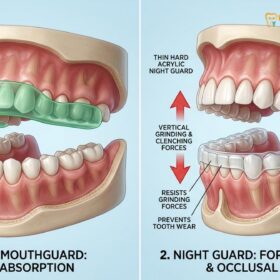
Based on the severity of your bruxism and the diagnostic findings, your dentist will recommend the most appropriate material for your new appliance. The choice of material significantly impacts the longevity and comfort of the guard, with hard acrylics generally demonstrating superior long-term efficacy for severe grinders [5]. For a detailed comparison of different appliance types, you can review our guide on the Mouthguard vs Night Guard Difference: Clinical Guide | HCMC Dental.

Dr. Nguyen Van Cuong, a leading specialist, emphasizes that proactive appliance maintenance is crucial for long-term joint health. He notes that patients who regularly evaluate their occlusal splints for structural fatigue experience significantly fewer TMJ flare-ups. Dr. Cuong frequently advises his patients to bring their appliances to every routine dental checkup for a professional assessment, ensuring that the material continues to provide optimal protection without compromising the natural bite alignment. For patients looking to manage mild muscle tension while waiting for a new appliance, exploring Jaw Exercises Bruxism Relief: Clinical Guide | HCMC Dental can be a helpful supplementary approach.
“A well-maintained night guard is your first line of defense against the destructive forces of bruxism. Replacing it at the right time is an investment in preserving your natural teeth and preventing complex, costly restorative treatments in the future.”
If you are experiencing any of these warning signs and suspect your appliance is failing, do not wait for your symptoms to worsen. Contact HCMC Dental Clinic in Ho Chi Minh City to schedule a comprehensive evaluation. Our team can assess your current appliance and fabricate high-quality custom nightguards tailored to your specific clinical needs.
References
- Journal of Prosthetic Dentistry. Material wear and degradation in occlusal splints. (2021).
- American Academy of Orofacial Pain. Guidelines for the management of sleep bruxism. (2020).
- International Journal of Prosthodontics. Microbial colonization on dental acrylic resins. (2019).
- Journal of Oral Rehabilitation. Effects of altered vertical dimension on TMJ biomechanics. (2022).
- Clinical Oral Investigations. Long-term efficacy of hard vs soft occlusal appliances. (2018).
- Vietnam Ministry of Health (MOH). National guidelines on temporomandibular joint disorders and bruxism management. (2021).
For pricing, booking, and a free clinical assessment, visit our Night Guard & Mouthguard service page at HCMC Dental Clinic in Ho Chi Minh City.